'T Spieck
'T Spieck sits on Spiekweg in the rural Twente borderlands of Lattrop-Breklenkamp, a part of the Netherlands where the agricultural setting is as much a statement as the food on the plate. The restaurant occupies a corner of the Dutch countryside that takes ingredient provenance seriously, placing it within a broader regional tradition of farm-rooted dining that has quietly produced some of the country's most considered kitchens.
Pearl is the En Primeur Club membership app — saves, bookings, and concierge access live there. Same editors, same standards.
- Address
- Spiekweg 7, 7635 LP Lattrop-Breklenkamp, Netherlands
- Phone
- +31541229234
- Website
- holtweijde.nl
- Directions
- Get directions
 Saves & bookings on Pearl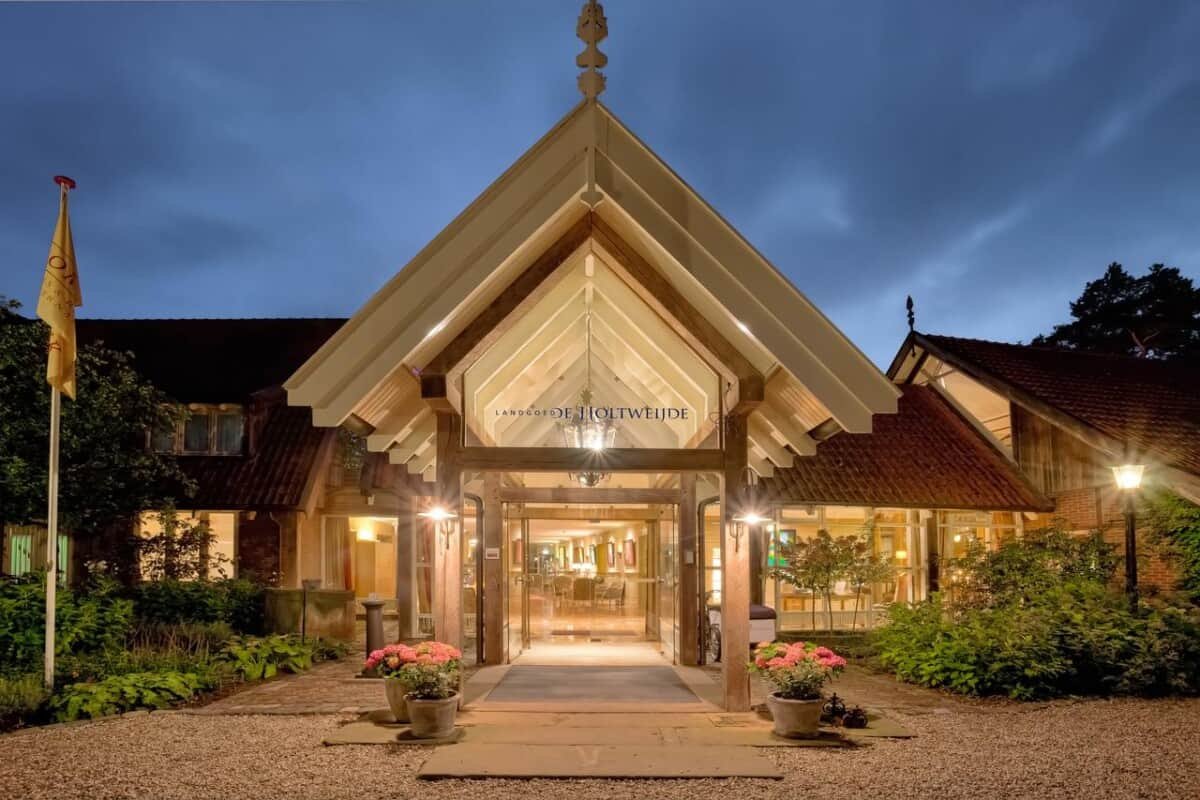
Where the Twente Countryside Sets the Terms
Lattrop-Breklenkamp doesn't build toward anything obvious. The Twente region of Overijssel runs flat and agricultural, with farmsteads spaced far enough apart that each one reads as its own self-contained world. Arriving at Spiekweg 7 by car, which is effectively the only practical option in this part of the Netherlands, the landscape itself communicates the restaurant's logic before anything else does: this is a place where what grows nearby is not a marketing choice but a geographic fact.
That condition, being embedded in productive agricultural land rather than positioned adjacent to it, shapes a different kind of dining proposition than you find in urban Dutch restaurants. The farms and smallholdings of the Twente border zone have long supplied regional kitchens with pork, dairy, and produce that carries none of the supply-chain distance of city sourcing. For a restaurant on Spiekweg, the surrounding countryside is less a backdrop than an operational reality.
The Ingredient Sourcing Argument in Dutch Regional Cooking
The Netherlands has spent the past decade recalibrating its fine dining identity around provenance. Some of its strongest expressions have emerged in the quieter provinces. Kitchens like De Nieuwe Winkel in Nijmegen, which built its reputation on organic sourcing and plant-forward menus, and De Groene Lantaarn in Staphorst have demonstrated that ingredient-led dining in the Netherlands doesn't require a canal view or a Randstad postcode.
What regional restaurants like these share is a commitment to supply chains that are short enough to make seasonality non-negotiable. When the kitchen is forty minutes from its suppliers by road, the menu responds to what's available this week, not what's contractually on order. That responsiveness tends to produce cooking that reads as honest rather than composed, where the ingredient does most of the communicative work and technique serves without overwhelming.
Twente sits within this broader regional pattern. Its agricultural character, with a mix of livestock farming and arable land close to the German border, gives kitchens in the area access to produce and proteins that are genuinely local in a way that's harder to claim in more densely urbanised parts of the country. The region doesn't generate the same international dining coverage as the coastal Zeeland kitchens, places like Inter Scaldes in Kruiningen or the established urban anchors such as Ciel Bleu in Amsterdam and FG - François Geurds in Rotterdam, but that relative quiet is part of what keeps the sourcing relationships intact and the dining experience grounded.
Placing 'T Spieck in Its Peer Context
Dutch fine dining has split into roughly two competitive registers. The first is the internationally recognised tier, anchored by multi-Michelin houses such as De Librije in Zwolle and ambitious urban kitchens like 't Nonnetje in Harderwijk, where tasting menus run long and pricing reflects both culinary ambition and real estate costs. The second is a more dispersed network of regional restaurants, often outside major cities, where the proposition centres on place-specific ingredients and a quieter, more locally embedded dining experience.
'T Spieck occupies the geographic and conceptual territory of that second register. Its Lattrop-Breklenkamp address puts it in a part of the Netherlands that draws a deliberate visitor rather than a passing one. The restaurants that succeed in this kind of location tend to earn their following through consistency and sourcing integrity, and the dining rooms often reflect the agricultural vernacular of the surrounding area.
Comparison with other destination-driven Dutch kitchens is instructive. De Bokkedoorns in Overveen, De Lindehof in Nuenen, De Treeswijkhoeve in Waalre, and Tribeca in Heeze all operate outside the major cities and have built audiences willing to travel specifically for the meal. Brut172 in Reijmerstok takes this further still, positioning itself in Limburg's hilly south in a way that makes geography central to the dining identity. 'T Spieck works within that same logic: the journey is part of the proposition, and arriving in Twente rather than Amsterdam is a deliberate act that shapes what you're willing to expect and appreciate.
Planning a Visit to Lattrop-Breklenkamp
Visitors travelling from the Netherlands' western cities should allow approximately two hours by car from Amsterdam and roughly one hour from Zwolle. The village sits close to the German border, making it a logical stop for those travelling from Münster or Osnabrück. Accommodation in the immediate area is limited, so a longer stay may suit those combining the meal with Twente's walking and cycling routes.
Those building a wider Dutch dining itinerary might pair a Twente visit with stops at 't Amsterdammertje in Loenen aan de Vecht or De Lindenhof in Giethoorn to the north, both of which share the rural-setting, ingredient-focused character that defines this part of Dutch dining. For international points of reference, Le Bernardin in New York City and Atomix in New York City represent the precision that emerges when a kitchen commits to a single sourcing philosophy over years.
Quick Comparison
Comparable venues nearby, for context on price, style, and recognition.
| Venue | Cuisine | Price | Notes |
|---|---|---|---|
| 'T SpieckThis venue — the venue you are viewing | Modern French Bistro | $$$ | Not listed |
| Restaurant Unique | Creative French Fine Dining | $$$ | Gouda Vest |
| Jan & Ellen bistro | French Bistro | $$$ | Moergestel |
| Mes Amis | French Fine Dining with Limburg Wine Pairings | $$$ | Jeker Quarter |
| Boerderij Hermans Dijkstra | French-Dutch Fine Dining | $$$ | Midwolda |
| Achter de Poorte | French Mediterranean | $$$ | Stad |
Continue exploring
More in Lattrop Breklenkamp
Restaurants in Lattrop Breklenkamp
Browse all →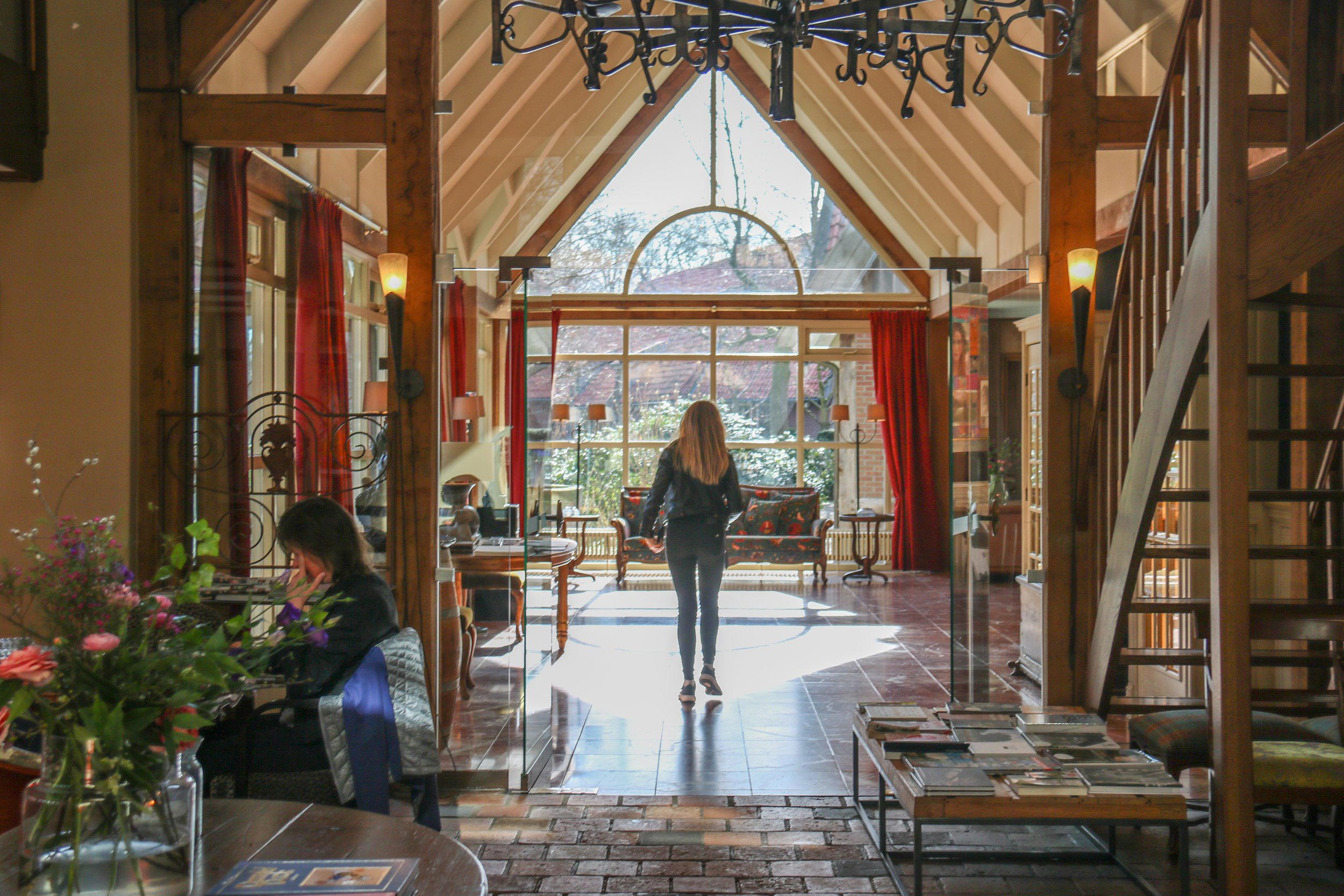
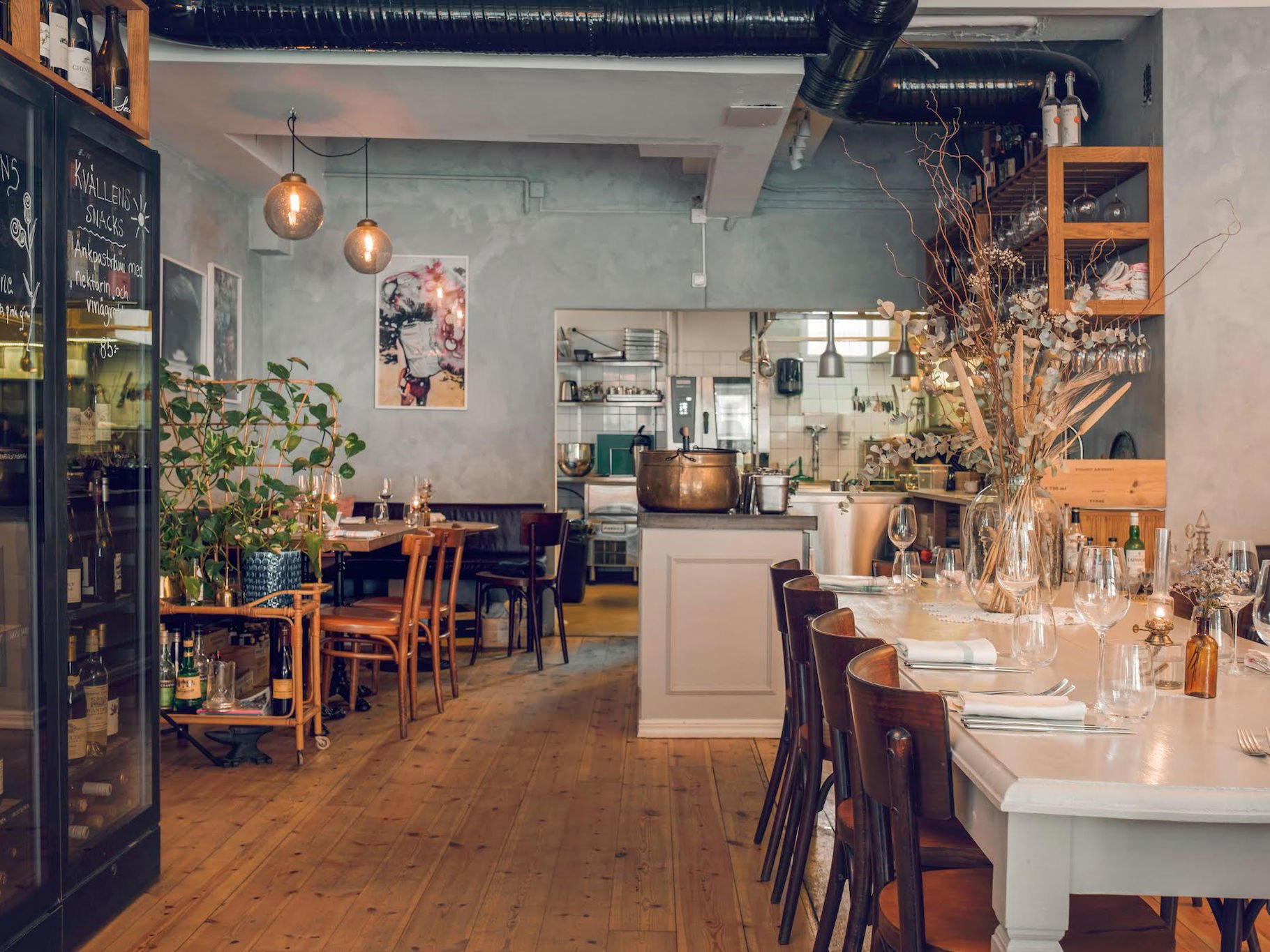
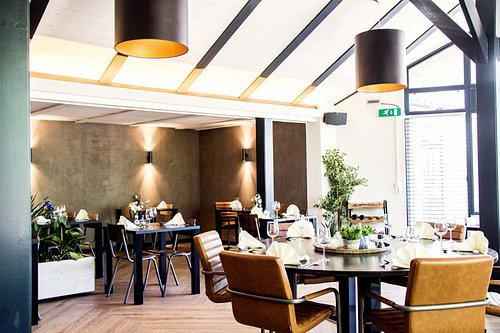
At a Glance
- Cozy
- Elegant
- Rustic
- Special Occasion
- Date Night
- Hotel Restaurant
- Local Sourcing
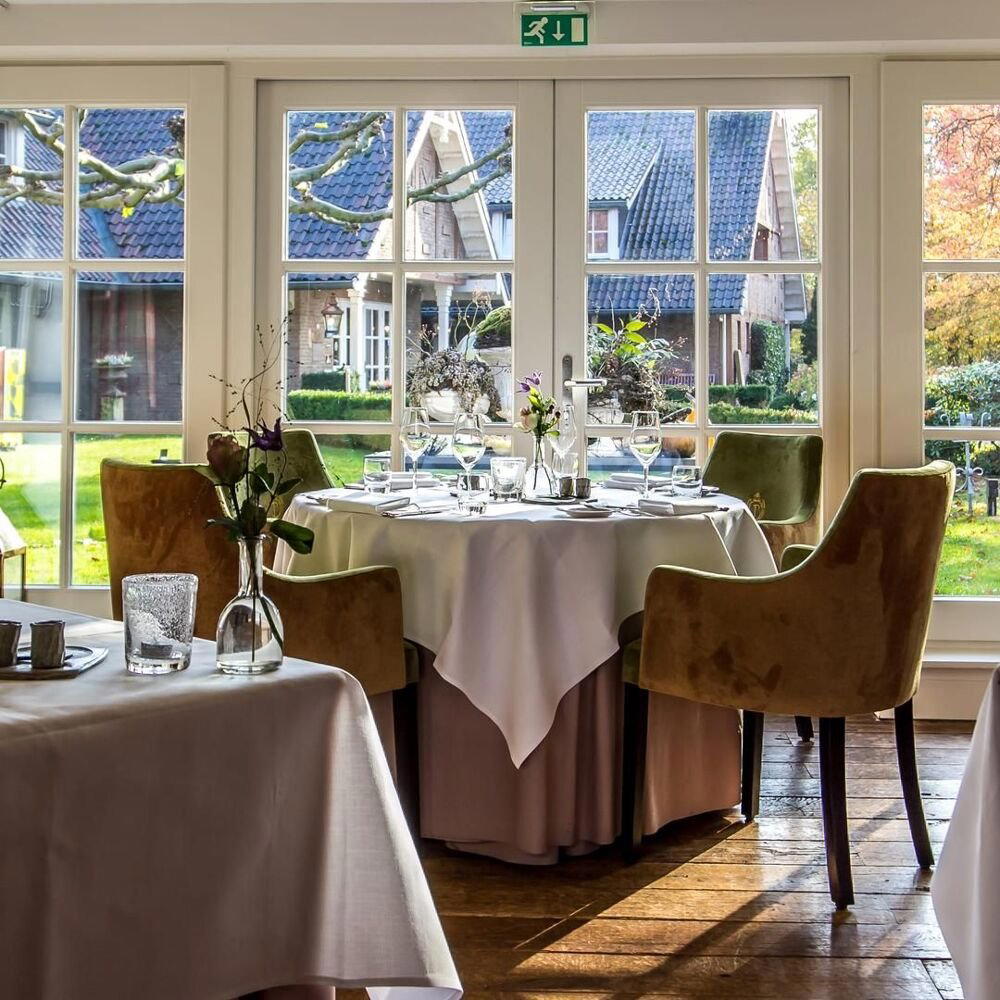
Cozy herbergachtige setting with warm, inviting atmosphere.