Google: 4.4 · 175 reviews
.png)
At a compact table in Vipiteno's old town, chef Burkhard Bacher draws on Alto Adige produce and Asian technique to build a fusion menu that earned consecutive Michelin Plates in 2024 and 2025. The tuna tataki — dressed with salty lemon oil and bitter herbs — illustrates the kitchen's range. Front of house is managed by Annelies Bacher with warmth and focus.
 Discover on Pearl
Pearl is the En Primeur Club membership app — saves, bookings, and concierge access live there. Same editors, same standards.
Where the Alps Meet the Wok: Fusion Cooking in Alto Adige
The towns of South Tyrol are better known for hearty Germanic tradition — speck, knödel, venison stew — than for the kind of cross-continental cooking that treats Japanese technique as a natural complement to mountain ingredients. That makes Vipiteno a genuinely unusual address for a fusion restaurant, and the broader pattern worth understanding. Alto Adige sits at a culinary crossroads: it carries the produce traditions of the Italian north (cured meats, dairy, wild herbs, orchard fruit) while its cultural inheritance leans toward Austria and the Germanic kitchen. When a chef in this region chooses to layer in Asian spices and preparation methods, the ingredient base they are working from is already richer and more distinctive than what you would find in a city restaurant applying the same approach. The sourcing question matters here in a way it often does not.
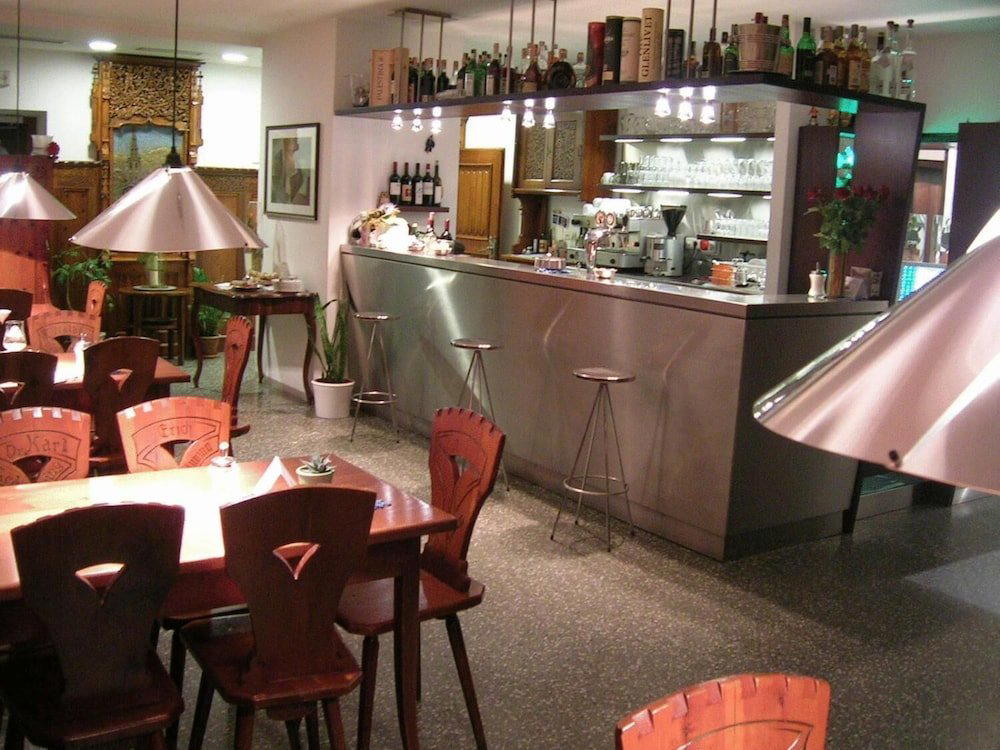
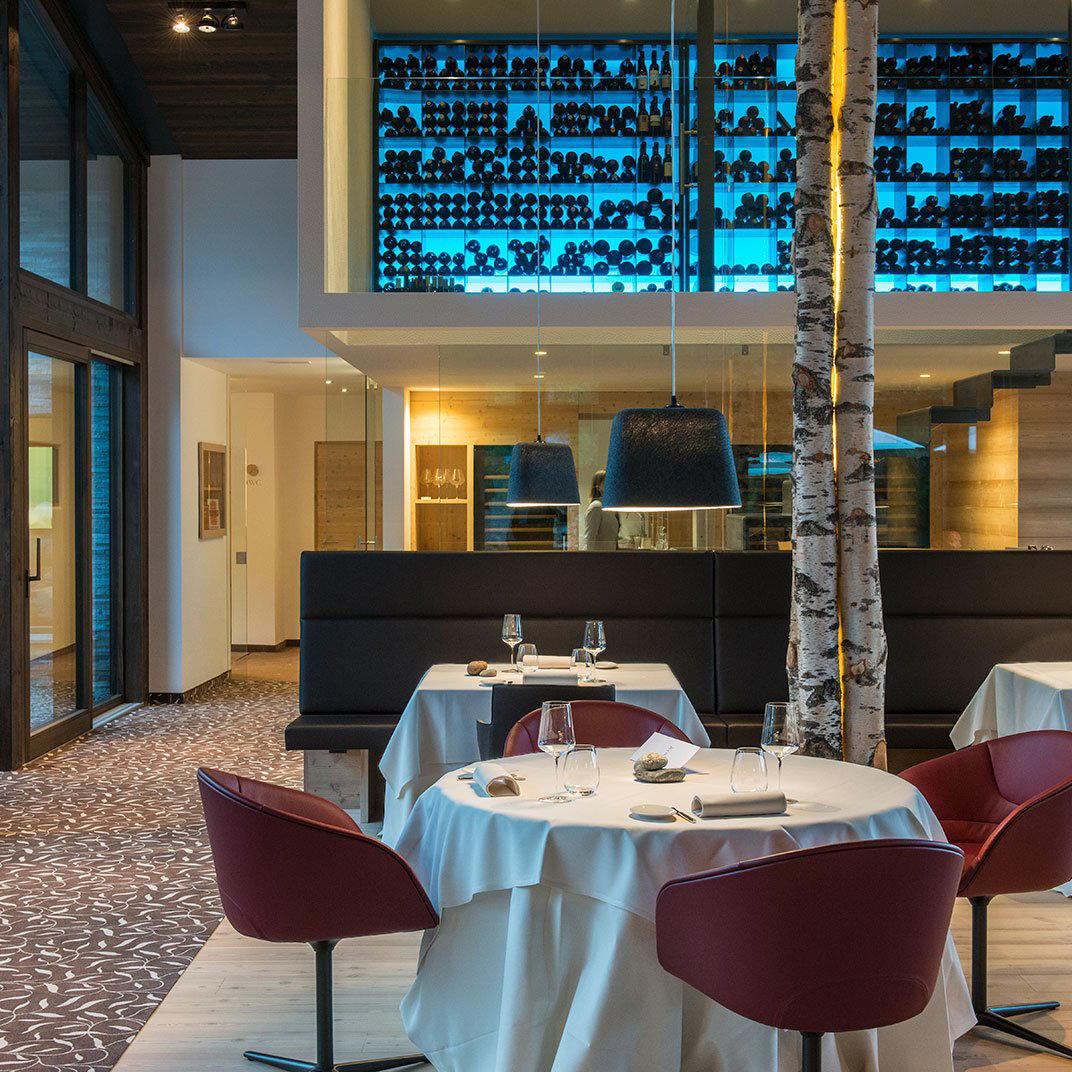
Kleine Flamme, on Città Nuova in the centre of Vipiteno, operates within that context. The open-view kitchen sits at the heart of the dining room, making the cooking visible rather than concealed , a deliberate choice that places the work itself on display. Chef Burkhard Bacher holds consecutive Michelin Plates (2024 and 2025), a recognition that signals consistent kitchen discipline rather than a single strong season. The room is compact, which means the kitchen's proximity to the table is not incidental: it shapes the atmosphere, the pace, and the sense that precision is the standard being applied at every pass.
The Sourcing Logic Behind the Menu
Fusion cooking succeeds or fails on whether the combination feels constructed or earned. In a mountain region with strong provenance culture, the local ingredient side of the equation is not difficult to supply with credibility. Alto Adige's wild herb tradition is well-documented , bitter herbs from high-altitude meadows have a long foraging history in the region, and food historian Massimo Montanari has noted their particular appeal to Italian palates in recent writing. When Bacher uses those herbs as an accompaniment to tuna tataki dressed with salty lemon oil, the dish is not simply placing an Asian preparation method alongside a fashionable local garnish. It is using sourcing with specific regional weight to ground a technique that might otherwise float free of place.
That grounding matters because fusion menus in European restaurants often default to decoration , a miso glaze here, a yuzu foam there, without coherent logic. The more durable approach treats one culinary tradition as the structural frame and another as the technical or flavour vocabulary applied within it. At Kleine Flamme, the Alto Adige ingredient base reads as the structural layer, with Asian technique operating as the method of preparation and seasoning. The result is a kitchen that can describe its work as fusion without the term becoming a synonym for incoherence.
Italy's leading kitchens working in the creative register , from Osteria Francescana in Modena to Piazza Duomo in Alba and Reale in Castel di Sangro , build their menus around a defined sense of place and source. Kleine Flamme operates at a different price and recognition tier, but the underlying logic is shared: the ingredient origin is the argument, and the cooking is its demonstration. For comparison, see also what Atelier Moessmer Norbert Niederkofler in Brunico does with mountain sourcing at the three-star level , a useful benchmark for understanding where Alto Adige ingredient culture sits within Italian fine dining more broadly.
Fusion at the €€€ Tier: What to Expect
The €€€ price point in this region places Kleine Flamme clearly above the casual Alpine tavern tier but below the all-in tasting menu pricing of Italy's most decorated kitchens , Dal Pescatore, Le Calandre, or Enoteca Pinchiorri all occupy €€€€ territory. That positioning means the kitchen is operating under a different set of constraints and expectations: the menu must deliver creative ambition without the infrastructure of a large brigade, and the dining experience depends more heavily on the directness of the kitchen-to-table relationship. The open-format counter and small room are not limitations in this context , they are appropriate to the format.
Internationally, fusion at this level tends to produce one of two results: a coherent personality that develops a following, or a generic cross-cultural menu that reads as indecision. The Michelin Plate in consecutive years suggests the former. Google reviews averaging 4.4 from 168 ratings add a consistent picture of a restaurant holding its standard across many services rather than excelling on occasional evenings. Elsewhere in the fusion category, Ajonegro in Logroño and Arkestra in Istanbul demonstrate how the genre is being applied at the premium end across Europe , useful reference points for readers tracking the broader movement.
Front of House and the Small-Restaurant Dynamic
In small restaurants where the chef is also the owner, the front-of-house dynamic carries more weight than it does in larger operations with defined service departments. The dining room at Kleine Flamme is managed by Annelies Bacher, whose role shapes the tone of the entire experience. In a room this size, service is not a layer applied over the cooking , it is the same conversation conducted across the pass rather than through it. That structure suits the format: guests are close enough to the kitchen that formality would feel mismatched, and professional warmth is the appropriate register.
Planning a Visit
Kleine Flamme is located at Città Nuova, 31 in Vipiteno (Sterzing), the northernmost town in Italy, close to the Brenner Pass and within easy reach by road or rail from Innsbruck and Bolzano. The address is central and walkable from the town's main points. Phone and website details are not currently listed in the public record, so reservation enquiries are leading made in person or via third-party booking channels. Given the restaurant's size and Michelin recognition, booking ahead is advisable rather than optional, particularly during the summer walking season and the winter ski period when visitor numbers in the valley increase substantially.
For a fuller picture of eating and drinking in the area, our full Vipiteno restaurants guide maps the town's dining options across styles and price points. If you are extending your stay, our Vipiteno hotels guide covers accommodation, and our bars guide and wineries guide address the wider drinks scene. Local and regional experiences are covered in our Vipiteno experiences guide.
For those building a broader Italian fine dining itinerary, the range from Kleine Flamme northward to Bolzano and across to the Veneto includes restaurants at every recognition level , from the creative cuisine of Casa Perbellini 12 Apostoli in Verona to the seafood cooking of Uliassi in Senigallia and the fish-forward menu at Quattro Passi in Marina del Cantone. The Enrico Bartolini restaurant in Milan rounds out the northern Italian creative tier for those routing through the city.
At-a-Glance Comparison
These are the closest comparables we have in our database for quick context.
| Venue | Cuisine | Price | Awards | Notes |
|---|---|---|---|---|
| Kleine Flamme | Fusion | €€€ | In his small open-view kitchen situated in the centre of this restaurant, chef B… | This venue |
| Atelier Moessmer Norbert Niederkofler | Italian, Creative | €€€€ | Michelin 3 Star | Italian, Creative, €€€€ |
| Dal Pescatore | Italian, Italian Contemporary | €€€€ | Michelin 3 Star | Italian, Italian Contemporary, €€€€ |
| Enoteca Pinchiorri | Italian - French, Italian Contemporary | €€€€ | Michelin 3 Star | Italian - French, Italian Contemporary, €€€€ |
| Enrico Bartolini | Creative | €€€€ | Michelin 3 Star | Creative, €€€€ |
| Osteria Francescana | Progressive Italian, Creative | €€€€ | Michelin 3 Star | Progressive Italian, Creative, €€€€ |
Continue exploring
More in Vipiteno
Restaurants in Vipiteno
Browse all →
Bars in Vipiteno
Browse all →
Hotels in Vipiteno
Browse all →
At a Glance
- Elegant
- Modern
- Intimate
- Cozy
- Date Night
- Special Occasion
- Open Kitchen
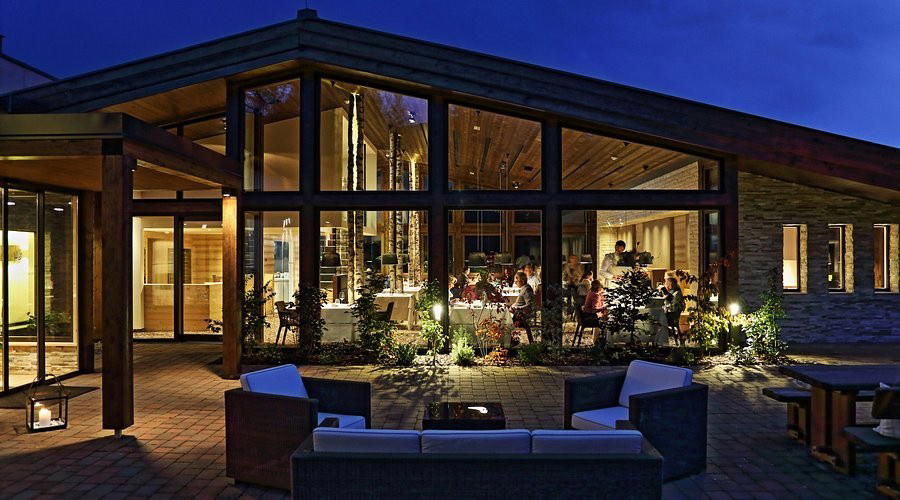
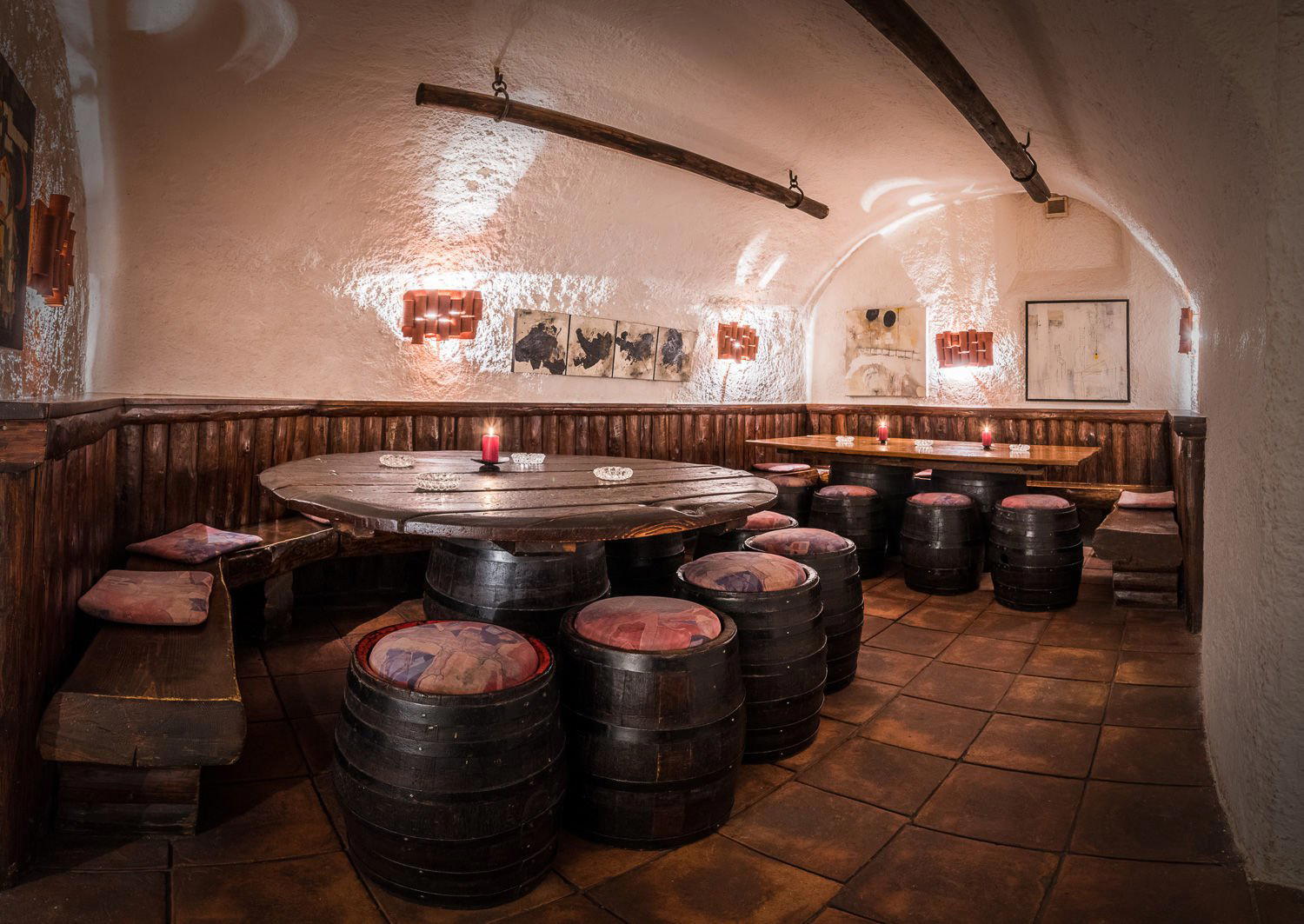
Small modern and elegant environment with stylish ambience, quiet and familiar setting, open-view kitchen.