kkokki loves vegan occupies a spot on Schanzenstraße in Hamburg's Schanzenviertel, one of the city's most reliably plant-forward dining corridors. The restaurant sits inside a neighbourhood where casual, ingredient-led eating has displaced trend-chasing over the past decade. For Hamburg visitors building a varied itinerary, it represents the accessible, neighbourhood-rooted end of the city's vegan dining spectrum.
Pearl is the En Primeur Club membership app — saves, bookings, and concierge access live there. Same editors, same standards.
- Address
- Schanzenstraße 36, 20357 Hamburg, Germany
- Phone
- +494043190070
- Website
- kkokki-loves-vegan.de
- Directions
- Get directions
 Saves & bookings on Pearl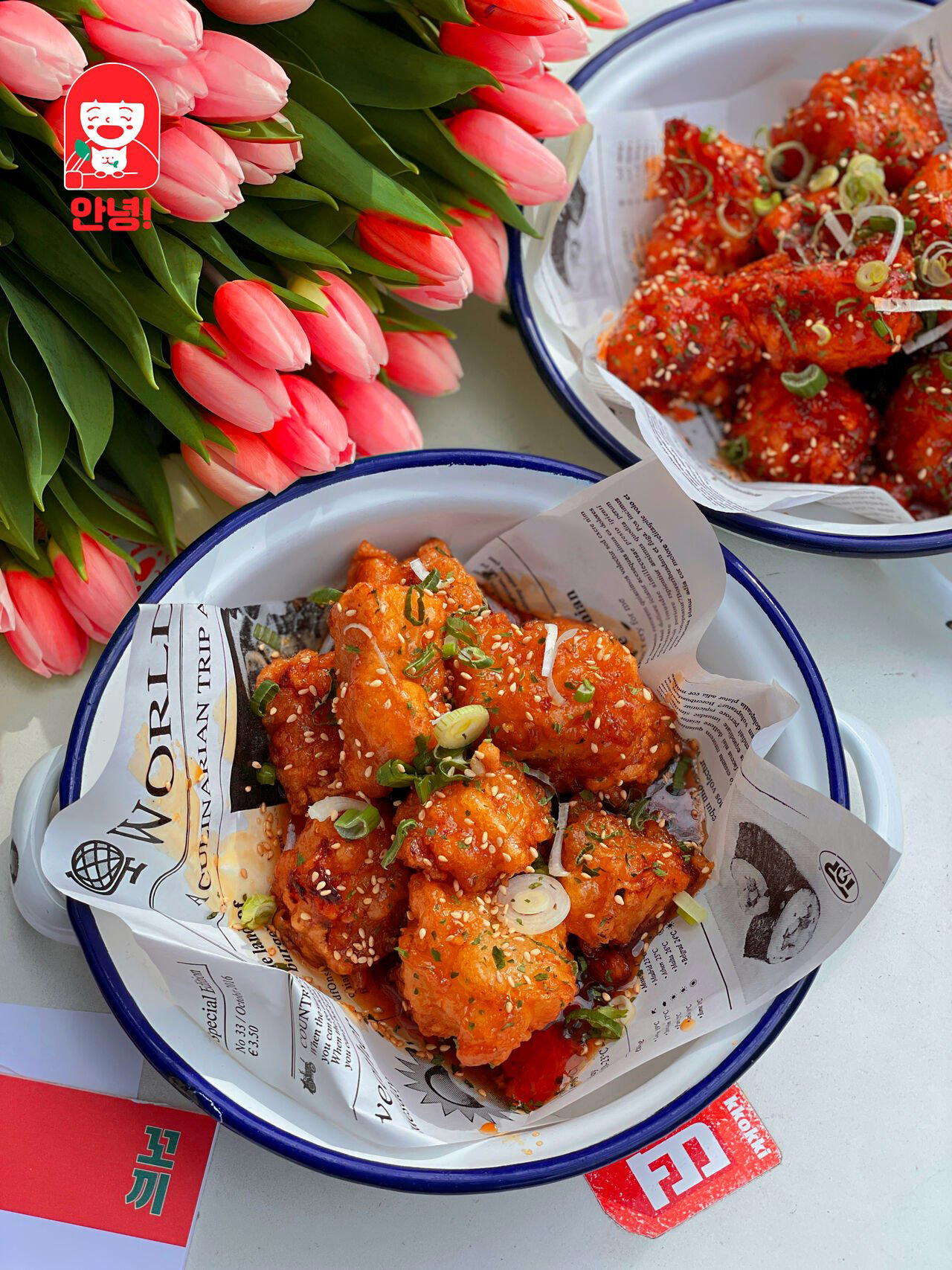
Schanzenstraße and the Case for Plant-Based Eating in Hamburg
Hamburg's Schanzenviertel has spent the better part of two decades consolidating its identity as the city's most consistent address for independent, values-led dining. Schanzenstraße itself runs through the heart of it, lined with the kind of owner-operated restaurants that tend to survive trend cycles by staying specific. kkokki loves vegan, at number 36, sits in that tradition: a vegan restaurant in Hamburg serving Korean street food at a casual price point.
Hamburg's dining scene is weighted toward northern European tradition. The city's highest-profile restaurants, from the creative French of Restaurant Haerlin to the three-Michelin-starred precision of The Table Kevin Fehling, work mostly in the French or pan-European idiom, with animal protein at the centre. Against that backdrop, a dedicated vegan kitchen on Schanzenstraße occupies a distinct position, serving a different audience and operating with a different set of assumptions about what a meal should cost, how long it should take, and what it should feel like.
The Lunch-to-Dinner Shift on Schanzenstraße
In this part of Hamburg, the difference between lunch and dinner service tends to be more atmospheric than culinary. Daytime on Schanzenstraße runs on foot traffic, neighbourhood regulars, and the kind of casual drop-in culture that defines the Schanzenviertel's weekday rhythm. Tables fill with people who live nearby, work locally, or are moving between appointments. The pace is lighter, the interaction briefer, and the expectation is generally that lunch should resolve quickly and without ceremony.
Evening service shifts that register. The neighbourhood's restaurants hold their tables longer, the conversation at surrounding tables tends to run deeper, and the same menu items can read differently when ordered without a clock running. For vegan restaurants specifically, evenings often draw a different cohort: couples or small groups eating plant-based by choice rather than by convenience, willing to spend more time with a dish and more attention on what's in it. This distinction matters for how to approach a place like kkokki loves vegan. A midday visit is efficient and casual; an evening visit invites a different pace.
Across Germany, the plant-based segment has matured enough to split into tiers. At the high end, restaurants like CODA Dessert Dining in Berlin have Michelin recognition on fully plant-forward or dessert-first menus. At the accessible end, neighbourhood vegan spots serve the daily needs of a growing urban demographic without the overhead of tasting menus or formal service. kkokki loves vegan operates in this second space, where the value proposition is consistency, accessibility, and neighbourhood integration rather than technical ambition.
Where This Fits in Hamburg's Wider Restaurant Picture
Hamburg rewards visitors who understand its restaurant stratification. At the summit tier, places like 100/200 Kitchen and bianc represent the city's investment in ambitious, technique-driven dining, with price points and booking lead times to match. The lakeside end of the spectrum, represented by venues like Lakeside, adds a setting-led dimension to that upper bracket.
The restaurant belongs instead to a comparable set defined by the Schanzenviertel's independent dining culture: places where the kitchen's philosophy is visible in the sourcing and preparation without being performed for the guest's benefit. It operates in a different register entirely, one that Germany's broader vegan dining expansion has made more coherent as a category over the past several years.
For Hamburg visitors planning across multiple price points, the Schanzenviertel provides a counterweight to the city's formal dining. The neighbourhood's density of independent restaurants means that a single street visit can cover lunch, coffee, and dinner across different kitchens without leaving a ten-minute radius.
Germany's Vegan Dining Direction
The German vegan restaurant sector has grown faster than almost any comparable European market over the past decade, with Berlin leading in volume but Hamburg, Munich, and Cologne each developing their own distinct plant-based cultures. In Hamburg specifically, the Schanzenviertel and Eimsbüttel have absorbed most of that growth at the neighbourhood level, with Schanzenstraße functioning as one of the more concentrated addresses for plant-forward eating in the city.
At the high end of the national picture, chefs like those behind JAN in Munich or the ambitious formats of Schwarzwaldstube in Baiersbronn have pushed German cooking toward more ingredient-focused, produce-led expression, a shift that benefits the vegan tier by raising the general standard of vegetable cookery across the country. That broader movement shapes what guests now expect even at casual plant-based restaurants: more technical attention to texture and seasoning, less reliance on substitution as a crutch.
Further afield, German-speaking fine dining's evolution can be traced through addresses like Vendôme in Bergisch Gladbach, Victor's Fine Dining by Christian Bau in Perl, ES:SENZ in Grassau, and Schanz in Piesport, each operating in the classical fine-dining idiom that defines Germany's Michelin-starred tier. The distance between those kitchens and a neighbourhood vegan spot in Hamburg is real, but the cultural context that produced both is the same: a country taking its restaurant culture increasingly seriously at every price point. For a broader view of Hamburg's restaurant scene, the the guide Hamburg guide maps the city's full range.
Know Before You Go
- Address: Schanzenstraße 36, 20357 Hamburg, Germany
- Neighbourhood: Schanzenviertel
- Phone / Website: not listed, check current sources for hours and booking
- Booking: Walk-in likely for lunch; evenings may require advance planning, particularly on weekends
- Getting there: S-Bahn to Sternschanze (S21/S31) places you within a short walk of the restaurant
- Ideal time to visit: Lunch for a casual, neighbourhood pace; evenings for a more relaxed, longer meal
Peers You’d Cross-Shop
Comparable venues nearby, for context on price, style, and recognition.
| Venue | Cuisine | Price | Notes |
|---|---|---|---|
| kkokki loves veganThis venue — the venue you are viewing | Vegan Korean Street Food | $ | Not listed |
| Yorisa | Korean Bibimbap Specialist | $ | Anscharhoehe |
| SEOUL 1988 | Authentic Korean BBQ & Street Food | $$ | Langenfelde |
| Chingu St. Pauli | Korean Hotpot & Grill with Karaoke | $$ | St. Pauli |
| Kimchi Guys Ottensen | Authentic Korean Street Food | $$ | Ottensen |
| DaoDao | Vietnamese Street Food & Asian Fusion | $ | Neustadt |
Continue exploring
More in Hamburg
Restaurants in Hamburg
Browse all →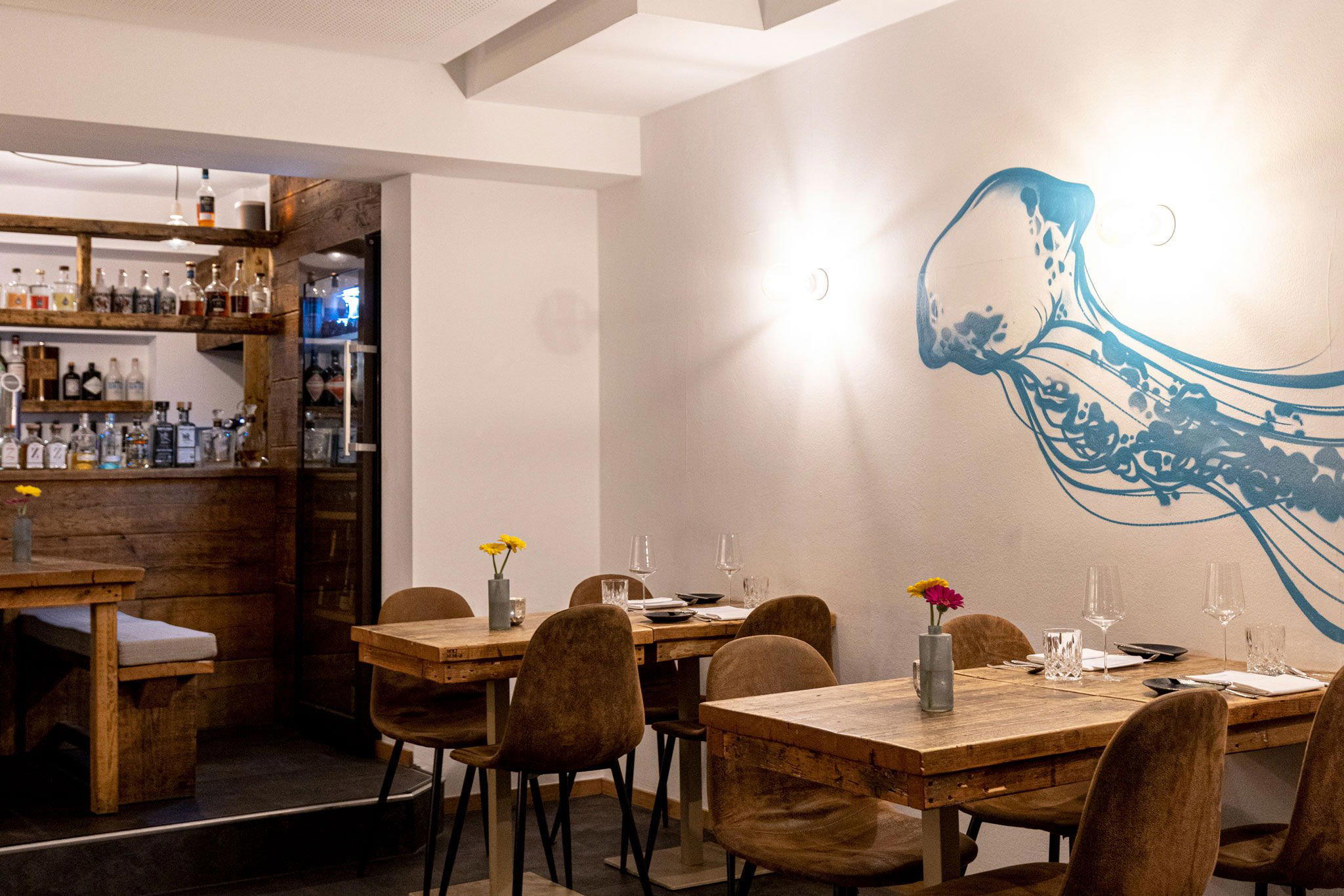
At a Glance
- Trendy
- Lively
- Modern
- Cozy
- Casual Hangout
- Group Dining
- Open Kitchen
Current opening hours
- Monday
- 12–3 PM, 5–10 PM
- Tuesday
- 12–3 PM, 5–10 PM
- Wednesday
- 12–3 PM, 5–10 PM
- Thursday
- 12–3 PM, 5–10 PM
- Friday
- 12–3 PM, 5–10 PM
- Saturday
- 12–10 PM
- Sunday
- 12–10 PM
Hours can change for holidays and private events. Last verified .
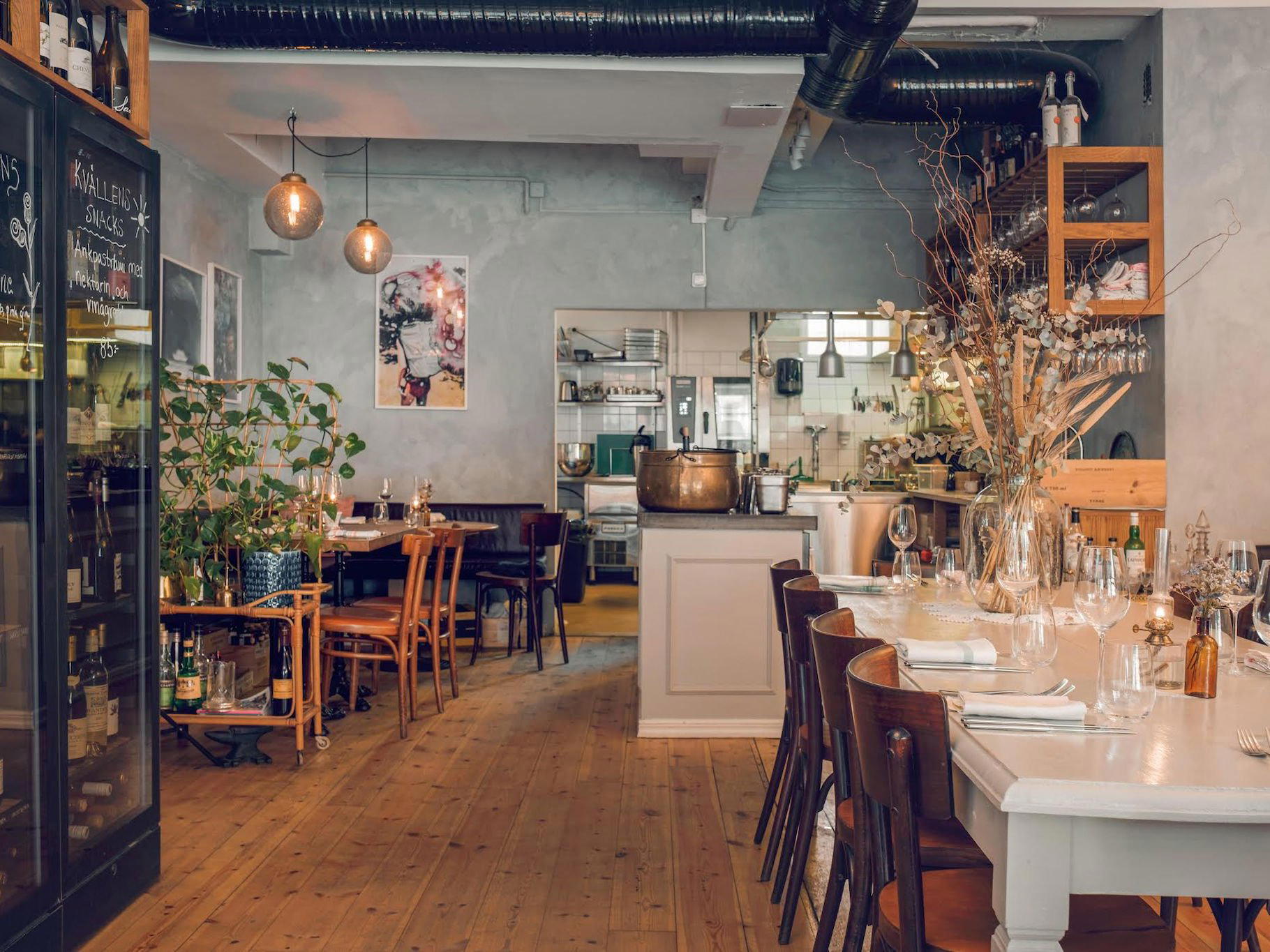
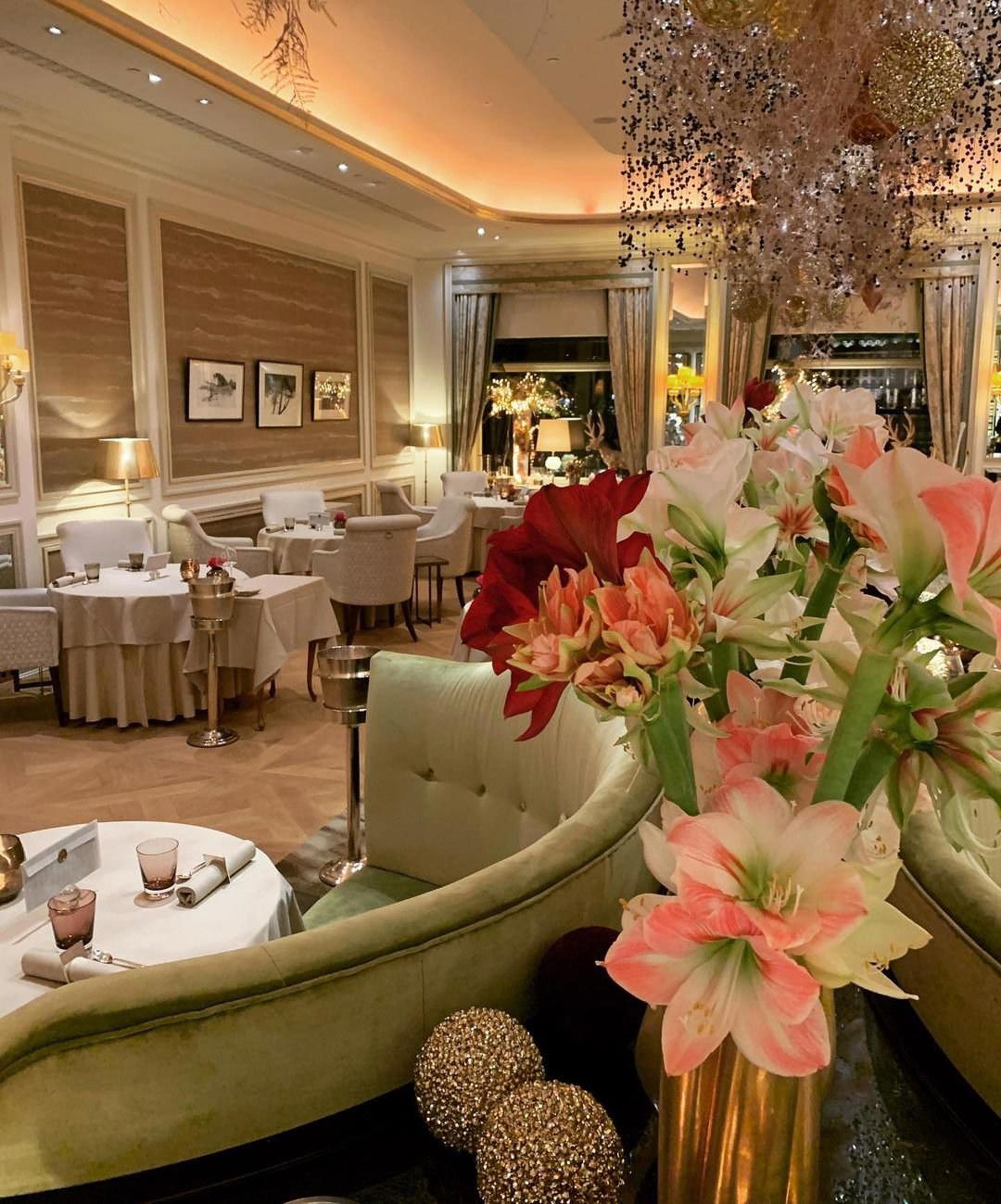
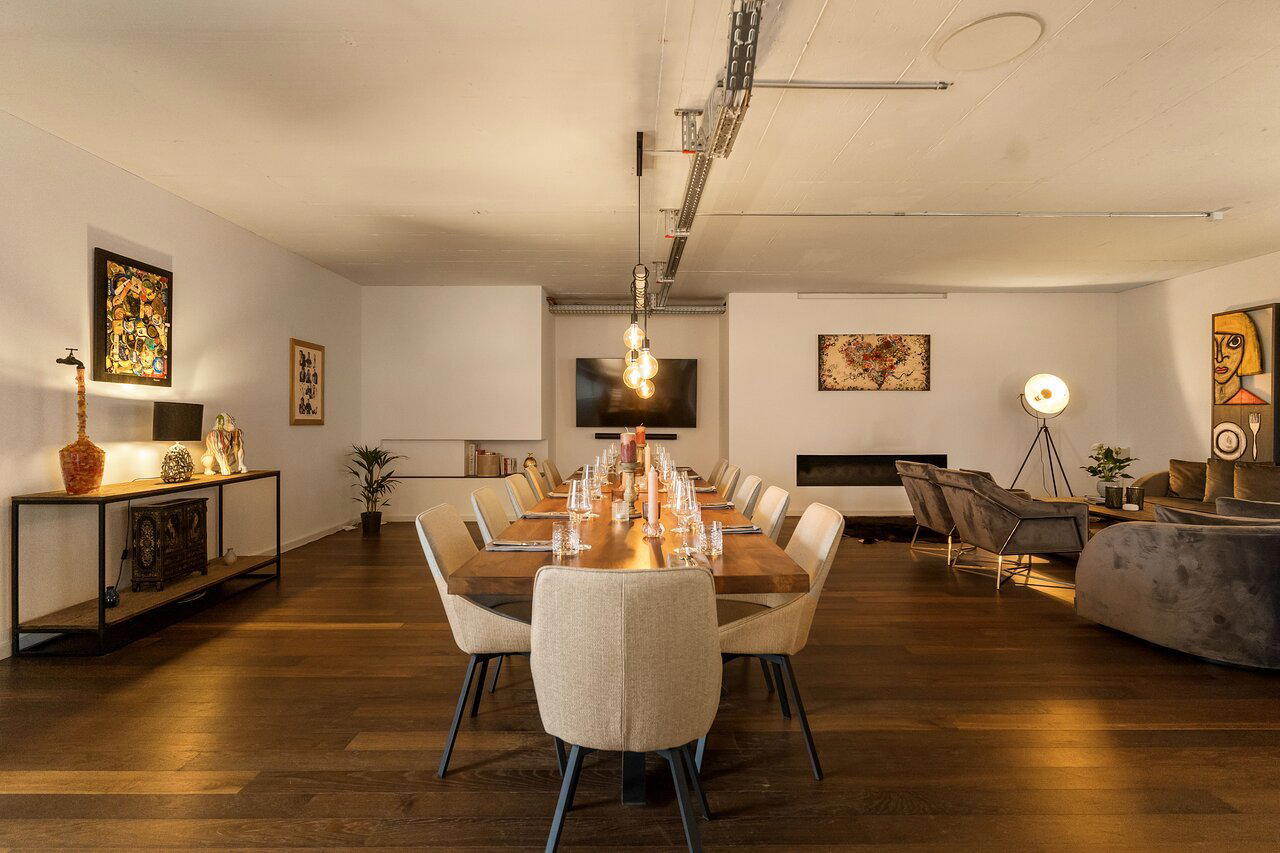
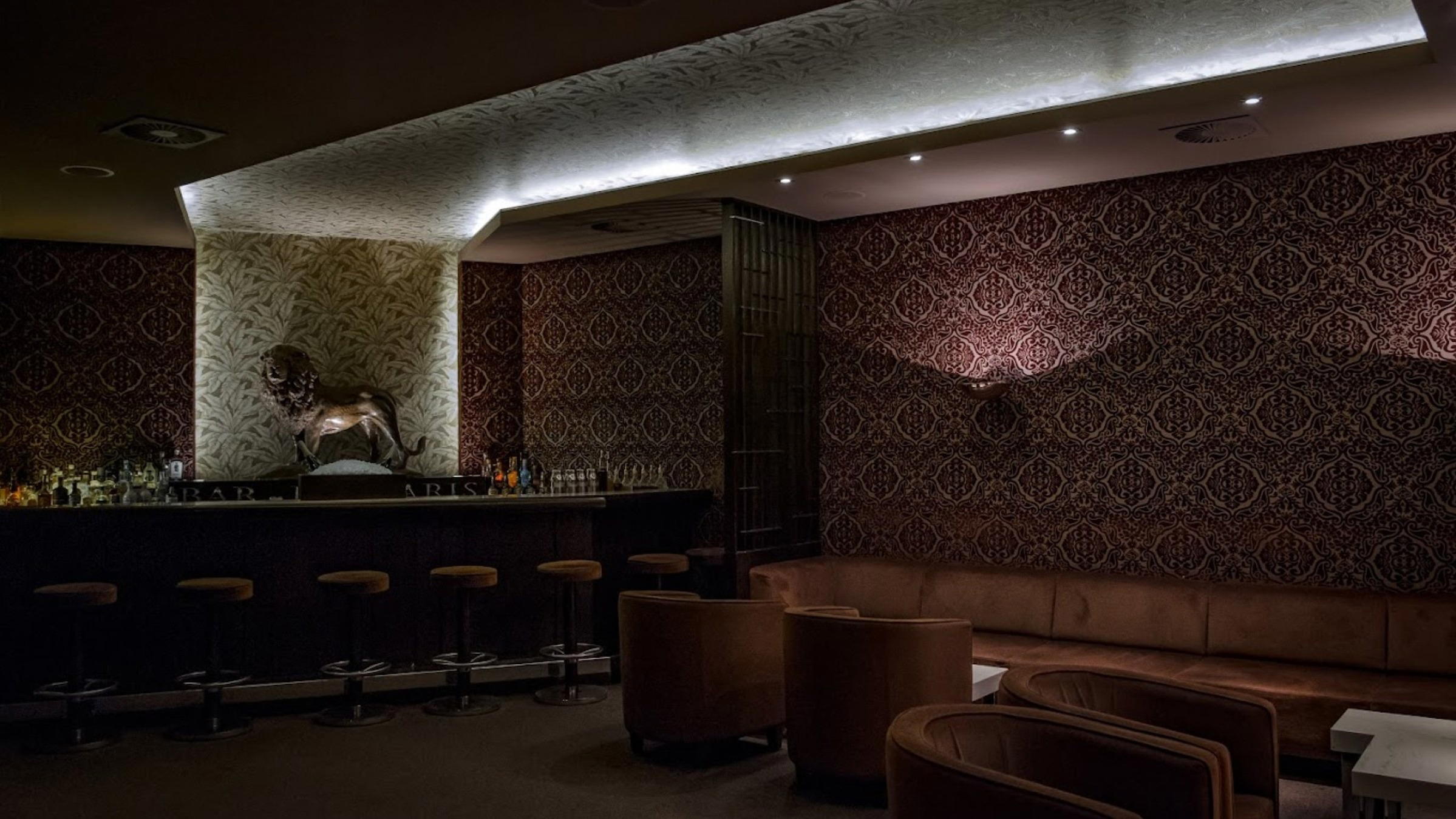
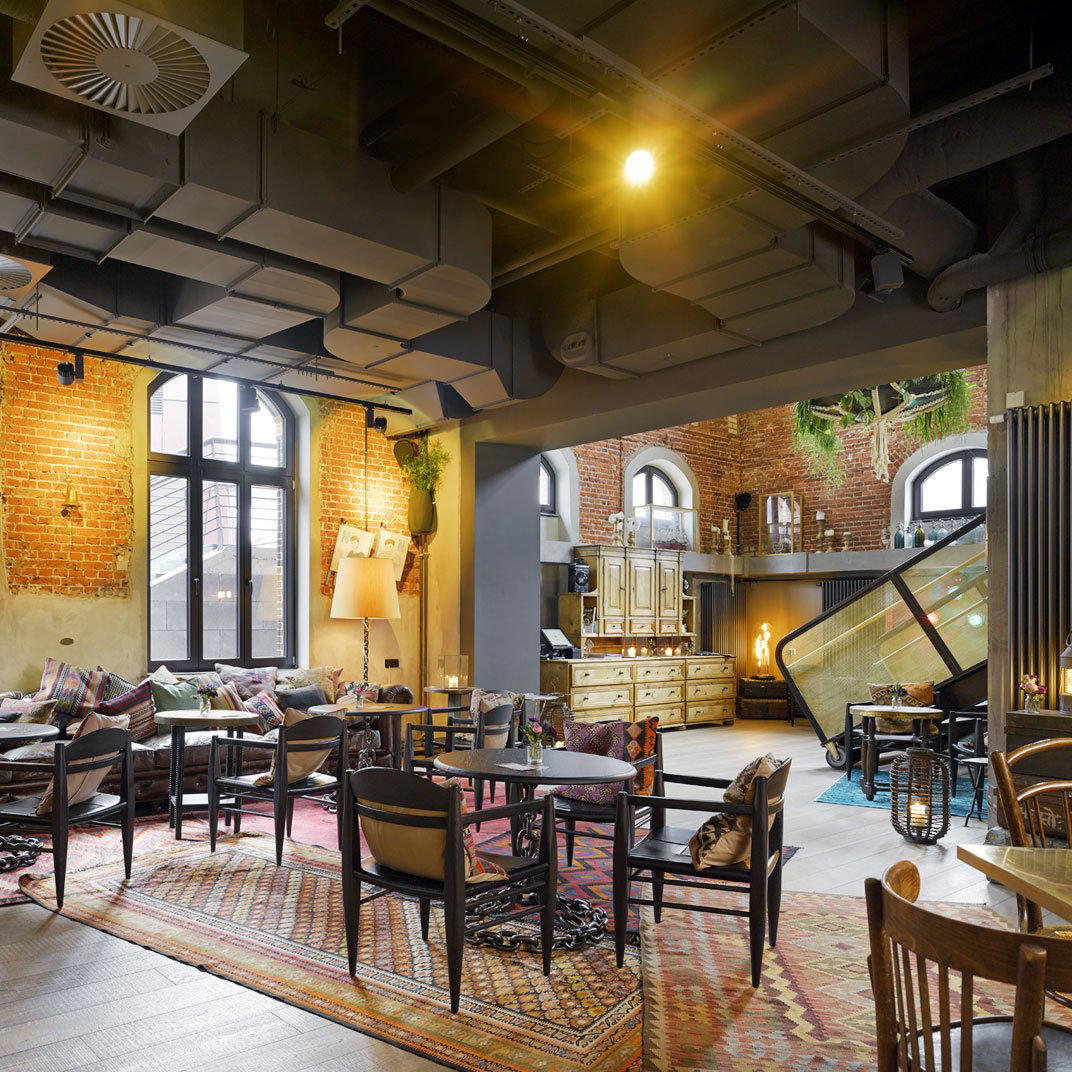
Hip, street-food inspired interior with authentic Korean aesthetics, lively and nostalgic atmosphere that feels like a busy Seoul market, though often loud and crowded.