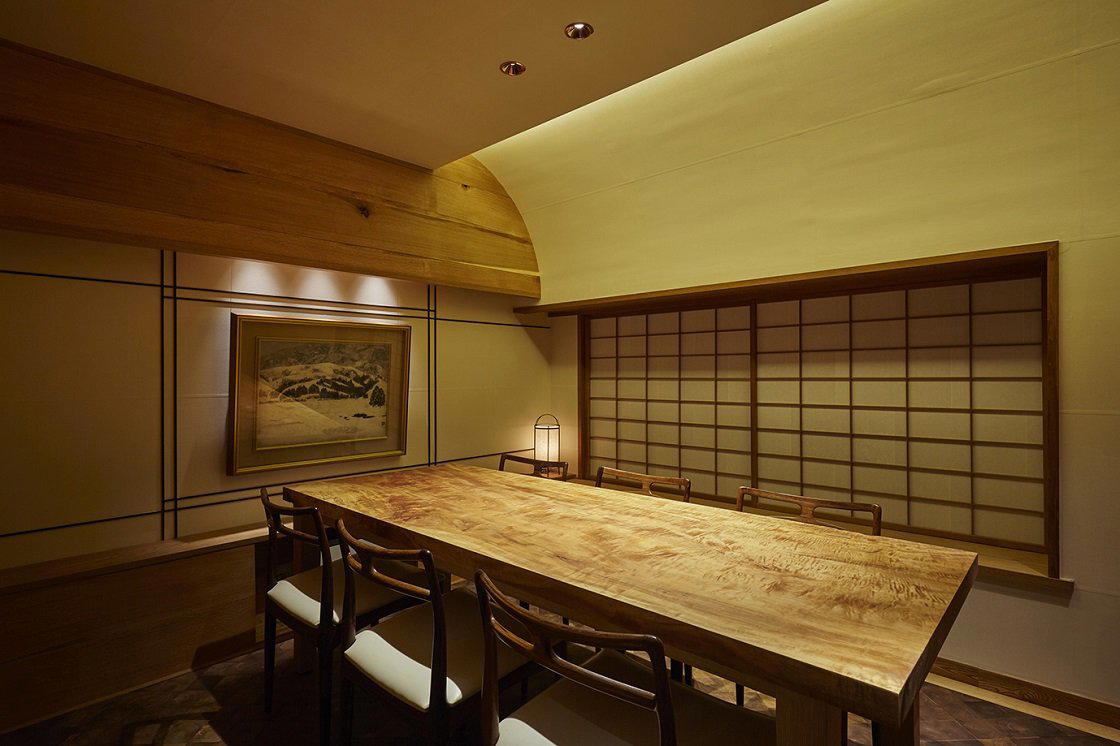
Tabelog 100 #70
Our verdict
Kita Sambor belongs to Osaka’s compact, serious bar culture rather than the city’s louder dining circuit. Its Tabelog Bar 100 selection in 2022 and cocktail-led identity put it in the kind of Sonezaki address where planning matters, especially for travellers trying to fit a precise drink stop around Umeda dinners.

Pearl is the En Primeur Club membership app, where members save venues, book tables and use the concierge.
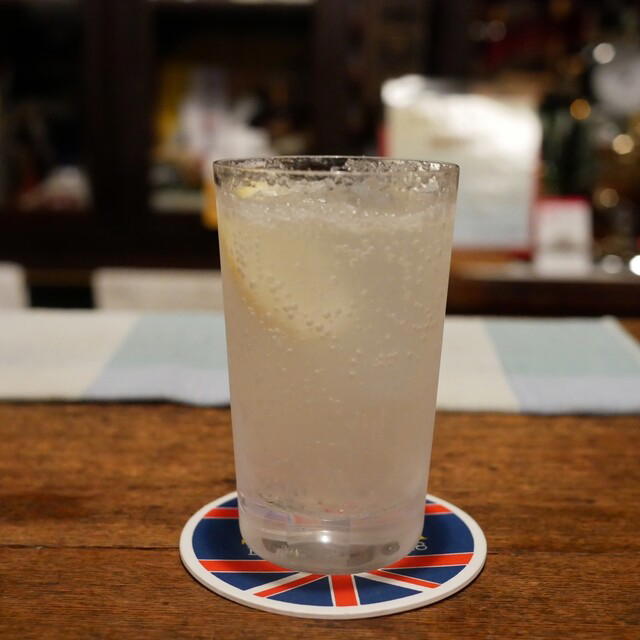
Approaching Osaka after dark, the city changes register. The glare around major transport hubs gives way to narrower streets, smaller signs, and rooms built for people who know exactly where they are going. In that setting, Kita Sambor reads less as a nightlife detour than as part of a disciplined Osaka bar tradition: counter-led, focused, and sized for a shorter, sharper evening rather than a sprawling late-night crawl.
Osaka drinking has never needed Tokyo’s hidden-door theatrics to prove seriousness. In the city, the better rooms often work through compression: a tight bar, a clear drink language, and a clientele that treats one drink before dinner or a measured nightcap after it as a complete event. Kita Sambor fits that grammar. Its selection for Tabelog Bar 100 in 2022 gives it a public credential, but the more useful signal is category alignment. This is a bar to plan around, not a fallback after a restaurant queue fails.
Osaka's bar culture rewards precision over spectacle
Osaka sits well for office workers, solo drinkers, and visitors moving between dinner reservations, yet its smaller bars often keep a different tempo from larger dining floors nearby. Bars here often depend on regularity and restraint: limited room, careful pacing, and a preference for guests who arrive with purpose. The format is friendly to solo drinking and small groups, which matters in Osaka, where the evening can move quickly from casual food or dinner into a focused final stop.
That context explains why booking logistics shape the experience before the first glass. A recognized bar in Osaka is not a casual add-on for a large group. It works better as a planned interval: early evening before a heavier meal, or later after dinner when the city has thinned slightly but is still moving. In comparison with nearby dinner-led venues such as Takuya, Yakiniku fujimoto Umeda ohatsu tenjin ten, and sumibi yaki tori kamo jin Ohatsu tenjin ten, the bar occupies a lower-spend, shorter-format lane. Against a coffee address such as Whitebird coffee stand, it belongs to a different rhythm altogether, one built for evening concentration rather than daytime pause.
The bar emphasis is the central point. Osaka has plenty of high-energy drinking rooms, but the Tabelog Bar 100 category points toward a more selective segment: bars where technique, consistency, and room conduct carry as much weight as novelty. Kita Sambor’s appeal sits there. It is not trying to compete with restaurant tasting menus or with the city’s street-food mythology. It gives the night a clean punctuation mark.
The right use case is a compact evening, not a roaming crawl
For travellers, the mistake is treating a serious Japanese bar as a flexible stop that can absorb any timing, any party size, and any mood. The stronger move is to decide its role in the night. If dinner is in Osaka, this kind of bar makes sense as a controlled opening or closing chapter. If the evening is built around a long cross-city run, the geography and mood may pull in another direction.
There is a practical reason to think this way. Osaka rewards careful sequencing. A night built around casual snacks, a set dinner reservation, or a specialist restaurant needs different pacing from a bar-first plan. Kita Sambor belongs to the second category when the drink is the anchor, and to the first only when the rest of the night stays close.
The venue also sits outside the luxury-hotel-bar model, which is useful for readers weighing Osaka’s drinking options. Hotel bars offer space, multilingual ease, and a certain predictability; smaller city bars trade those comforts for sharper atmosphere and less slack in the room. That trade-off is the point. The value is not in extravagance but in concentration: a drink-focused bar in a city where the next move can be dinner, train, or hotel without turning the evening into logistics theatre.
How to place it within an Osaka itinerary
Use Kita Sambor when the trip calls for one serious bar in Osaka rather than a survey of Osaka nightlife. The Tabelog recognition gives it enough external validation to justify prioritising it, especially for visitors who care about Japan’s bar culture but are not chasing only Tokyo names. It also offers a useful counterweight to Osaka’s louder food image. The city is often reduced to takoyaki, okonomiyaki, and standing counters; its quieter bar rooms show another civic habit, one based on repetition, memory, and exact timing.
Nearby dining and café references are best treated generically when mapping an Osaka schedule.
Travellers extending the Japan file beyond Osaka can compare the country’s casual and specialist formats through other dining rooms, bars, cafés, and snack counters across Japan. For a transpacific comparison, unnamed sake-and-snack bars and casual Japanese food formats abroad show how Japanese drinking and casual food ideas shift once they leave Japan.
The editorial case is simple: this is an Osaka bar stop for travellers who want the city’s quieter bar discipline, not another proof point for its appetite-driven reputation. Plan it as a precise part of the night and it makes sense; treat it as an afterthought and the room’s value is easier to miss.
Frequently asked questions
How do I find Kita Sambor?
Osaka.
What are Kita Sambor's hours?
Hours for Kita Sambor are not specified here; check directly before visiting.
What should I budget for a meal at Kita Sambor?
Pricing at Kita Sambor is listed as JPY 2,000 - JPY 2,999.
What is Kita Sambor known for?
Kita Sambor is known as a bar in Osaka and was selected for Tabelog Bar 100 in 2022.
The Minimal Set
Comparable venues at similar price and category levels.
| Venue | Cuisine | Price | Awards | Notes |
|---|---|---|---|---|
| Kita SamborThis venue (the venue you are viewing) | Classic Japanese Cocktail Bar | $20–30 | Tabelog 100 #70 | Not listed |
| Takuya | Modern tonkatsu & pork dishes | $50–100 | Tabelog 100 #15 | JPY 8,000 - JPY 9,999 |
| Yakiniku fujimoto Umeda ohatsu tenjin ten | Yakiniku (Japanese BBQ) | $30–50 | Tabelog 100 #32 | JPY 5,000 - JPY 5,999 |
| Whitebird coffee stand | Not listed | $10–20 | Tabelog 100 #81 | JPY 1,000 - JPY 1,999 JPY 1,000 - JPY 1,999 View spending breakdown |
| sumibi yaki tori kamo jin Ohatsu tenjin ten | Japanese Yakitori & Duck Hot Pot | $30–50 | Tabelog 100 #78 | JPY 4,000 - JPY 4,999 |
Recognition history
Dated appearances from independent guides and award organizations, with the underlying list record or original source where available.
Tabelog 100 #70 · No. 70
Tabelog · Tabelog 100 - Bar - 2022