Kisaku
Kisaku has anchored the Tangletown neighborhood at 2101 N 55th St for years, occupying a quiet corner of Seattle's north end that sits well outside the downtown dining circuit. The restaurant draws a local following rooted in consistent Japanese cooking rather than trend-chasing, placing it in a different register from the city's louder, more conspicuous dining rooms.
Pearl is the En Primeur Club membership app — saves, bookings, and concierge access live there. Same editors, same standards.
- Address
- 2101 N 55th St Suite 100, Seattle, WA 98103
- Phone
- +12065459050
- Website
- kisaku.com
- Directions
- Get directions
 Saves & bookings on Pearl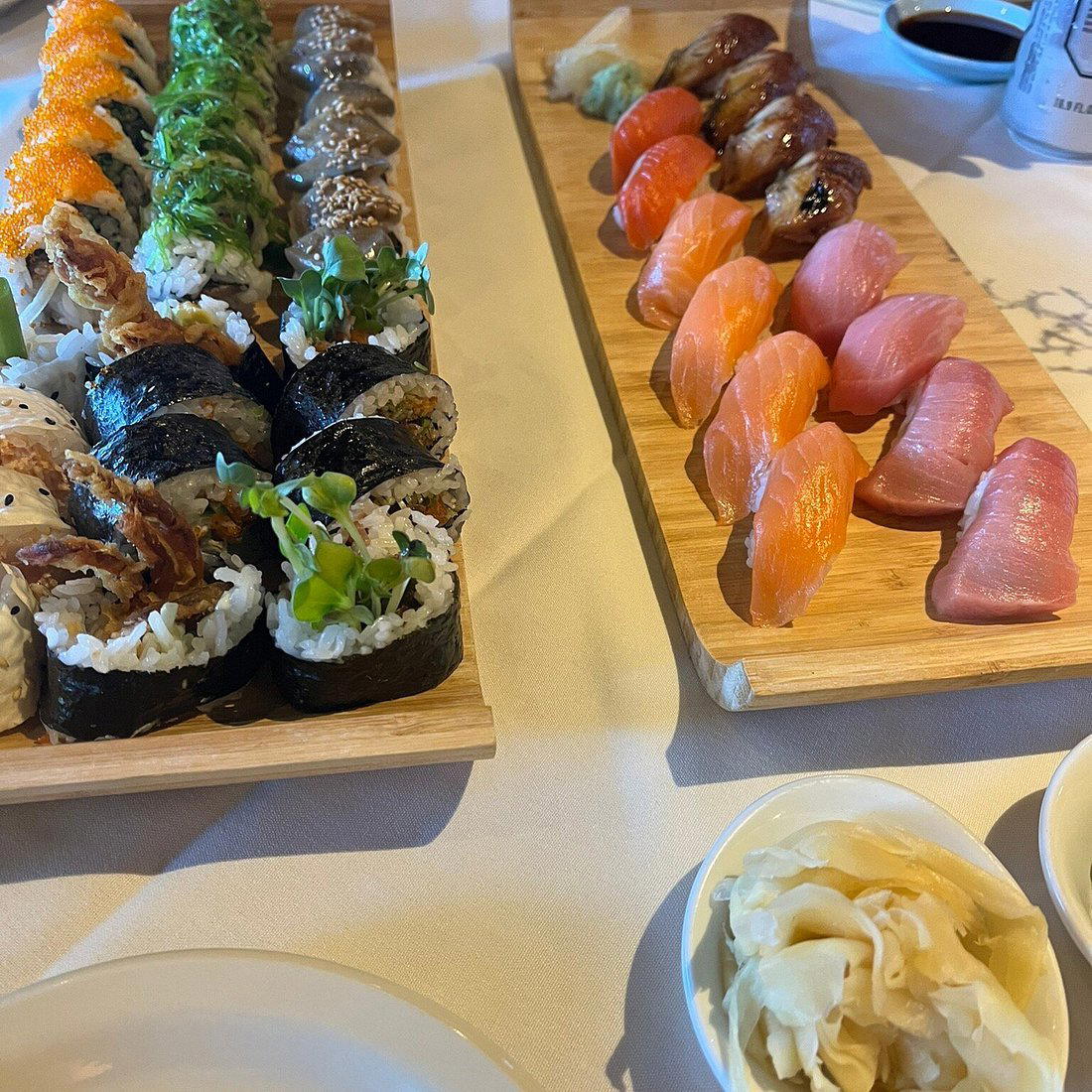
A Neighborhood Counter in a City That Keeps Reinventing Itself
Seattle's restaurant culture has spent the past two decades pulling in two directions at once. Downtown and South Lake Union have attracted high-profile, destination-driven concepts, while neighborhoods like Fremont, Phinney Ridge, and Tangletown have held onto a quieter, more durably local dining identity. Kisaku is a Japanese Sushi restaurant in Seattle, with a price tier around $50 per person, at 2101 N 55th St in Tangletown, belongs firmly to the latter current. The address alone signals something: this is not a restaurant positioned for the expense-account crowd or the weekend-tourist sweep through Capitol Hill. It is, and has long been, a restaurant for people who live nearby and return with regularity.
Approaching the space, the register is immediately domestic in scale. The building sits low and plainly fronted along a residential stretch, with nothing in the exterior that competes for attention. Inside, the atmosphere trades on familiarity rather than theater. Japanese sushi restaurants in American cities tend to split between high-formality omakase rooms that perform scarcity through limited seating and advance booking, and neighborhood-scaled operations where the transaction is more relaxed but the sourcing is no less considered. Kisaku has occupied the second category for long enough that the distinction feels earned rather than accidental.
The Evolutionary Arc of Japanese Dining in Seattle
To understand where Kisaku sits now, it helps to understand how Japanese restaurants in Seattle have shifted over time. In the 1990s and early 2000s, the city's Japanese dining scene was dominated by large, generalist sushi bars oriented toward rolls and volume. The decade between 2010 and 2020 saw a sharper split: on one end, omakase-format counters began arriving, pricing against comparable operations in New York and San Francisco rather than against local competition; on the other, a smaller tier of established neighborhood restaurants found that longevity itself became a credential, as newer and splashier openings came and went around them.
Kisaku belongs to this latter category of restaurants whose evolution has been less about reinvention and more about deepening a position they established early. Where some Seattle restaurants have pivoted formats, redesigned interiors, or chased contemporary Japanese-fusion territory, compare the trajectory of Joule, which operates in the New Asian register with a more explicitly modern editorial, Kisaku has moved in the opposite direction, becoming more itself over time rather than less. In a city where Canlis has famously reinvented itself around contemporary New American while retaining its legacy dining room, Kisaku's form of evolution is quieter: the accumulation of regulars, the refinement of a consistent kitchen posture, and the kind of neighborhood trust that does not transfer to a newer address.
What the Tangletown Location Means for the Experience
Tangletown sits north of Green Lake, far enough from the Capitol Hill and South Lake Union corridors that it attracts little passing traffic from the city's dining tourism circuit. Restaurants that survive here do so because local residents return, and local residents return because the food justifies it without the surrounding infrastructure of hype. This is a meaningful filter. It places Kisaku in the company of restaurants that have built their following through repetition and consistency rather than through press cycles or award-season attention.
Planning a visit requires treating Kisaku as a neighborhood restaurant rather than a destination concept. The address is most easily reached by car or a direct bus line through the north end. Arriving on a weekday evening will generally mean a more relaxed room than weekend service, when Tangletown's residential density fills the local options quickly.
Positioning Against the Broader Japanese Dining Tier
Across American cities, Japanese restaurants now occupy a clearly stratified market. At the upper end, omakase counters like Atomix in New York (which operates in Korean fine dining but reflects the same high-formality, limited-seat model) represent one extreme of the format. In the Pacific Northwest, the high-end tier is thinner than in New York, Los Angeles, or San Francisco, meaning that mid-tier Japanese restaurants face a different competitive environment: they are not squeezed from below by a dense entry-level sushi market the way Manhattan operations are, and they are not yet displaced from above by a saturated omakase tier. This leaves room for a restaurant like Kisaku to operate with a degree of comfort that comparable operations in denser markets might not enjoy.
Within Seattle specifically, the broader dining reference points sit at a considerable distance from what Kisaku does. Seattle's dining spread runs from the farm-driven format of operations in the Eastside to the high-formality rooms downtown. National comparisons are similarly instructive for calibrating expectations: the precision and price architecture of Le Bernardin in New York City, the tasting-menu commitment of The French Laundry in Napa, or the agricultural-concept approach of Blue Hill at Stone Barns in Tarrytown all belong to an entirely different register. Kisaku's comparable set is not these rooms. It sits closer to the neighborhood-anchored, cuisine-specific restaurants that sustain a city's everyday dining culture rather than its special-occasion economy.
For comparison within the West Coast Japanese and Japanese-adjacent category, operations like Single Thread Farm in Healdsburg and Providence in Los Angeles represent the high-formality, nationally recognized end. Lazy Bear in San Francisco and Alinea in Chicago map the experimental, tasting-menu extreme. None of these is the right frame for Kisaku. The relevant comparison is a restaurant that has chosen depth over ambition, neighborhood fidelity over dining-room theater.
Other Seattle addresses worth cross-referencing for those building an itinerary: 1415 1st Ave, 1744 NW Market St, and 2963 4th Ave S each represent different neighborhood dining registers across the city, while further afield, Emeril's in New Orleans, Addison in San Diego, The Inn at Little Washington, and 8 1/2 Otto e Mezzo Bombana in Hong Kong illustrate how differently the fine-dining register operates in other markets.
Planning Your Visit
Kisaku sits in a walkable residential pocket of Tangletown, suite-level within a low-rise commercial building at 2101 N 55th St. Street parking along N 55th is available in the surrounding blocks, and the area is served by Seattle Metro bus routes running north-south through the Green Lake corridor. For visitors staying downtown, the drive is approximately 15 to 20 minutes depending on traffic. Kisaku is recommended for reservations and is open Mon: 11 AM-2:30 PM, 5-9 PM; Tue: 11 AM-2:30 PM, 5-9 PM; Wed: 11 AM-2:30 PM, 5-9 PM; Thu: 11 AM-2:30 PM, 5-9 PM; Fri: 11 AM-2:30 PM, 5-9:30 PM; Sat: 11 AM-2:30 PM, 5-9:30 PM; Sun: 5-9 PM.
A Lean Comparison
Comparable venues nearby, for context on price, style, and recognition.
| Venue | Cuisine | Price | Notes |
|---|---|---|---|
| KisakuThis venue — the venue you are viewing | Meridian, Japanese Sushi | $$$ | Not listed |
| Momiji | Broadway, Japanese Sushi and Omakase | $$$ | Not listed |
| Taku | Not listed | $$ | Pike/Pine, Japanese Fried Chicken (Karaage) |
| Shiro’s Sushi | Not listed | $$$ | Belltown, Traditional Japanese Sushi Omakase |
| Tomo | Not listed | $$$$ | Roxbury Heights, Modern Japanese-American Fusion |
| Curry Lab Sapporo | Not listed | $$ | Ravenna, Sapporo-Style Japanese Soup Curry |
Continue exploring
More in Seattle
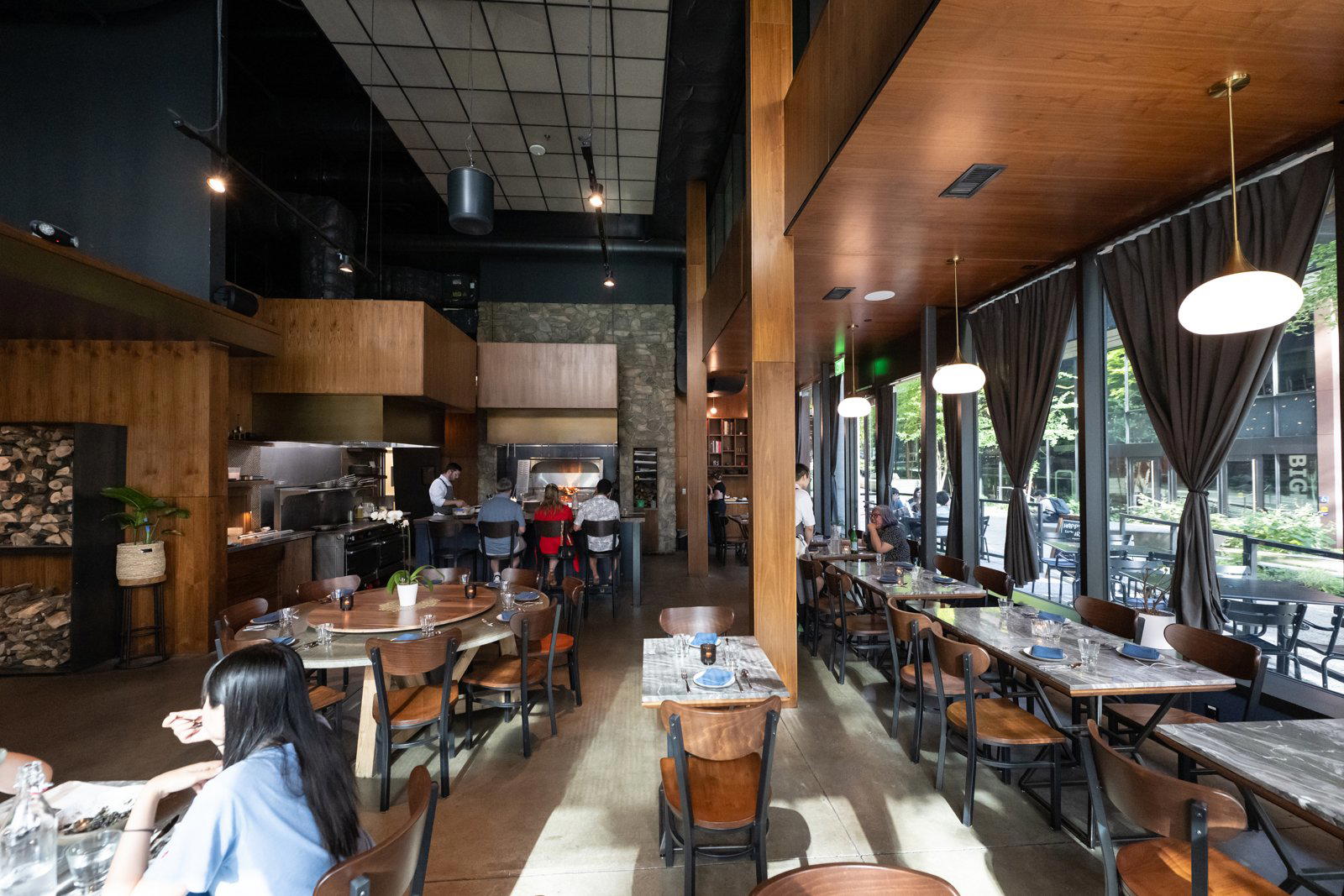
Restaurants in Seattle
Browse all →
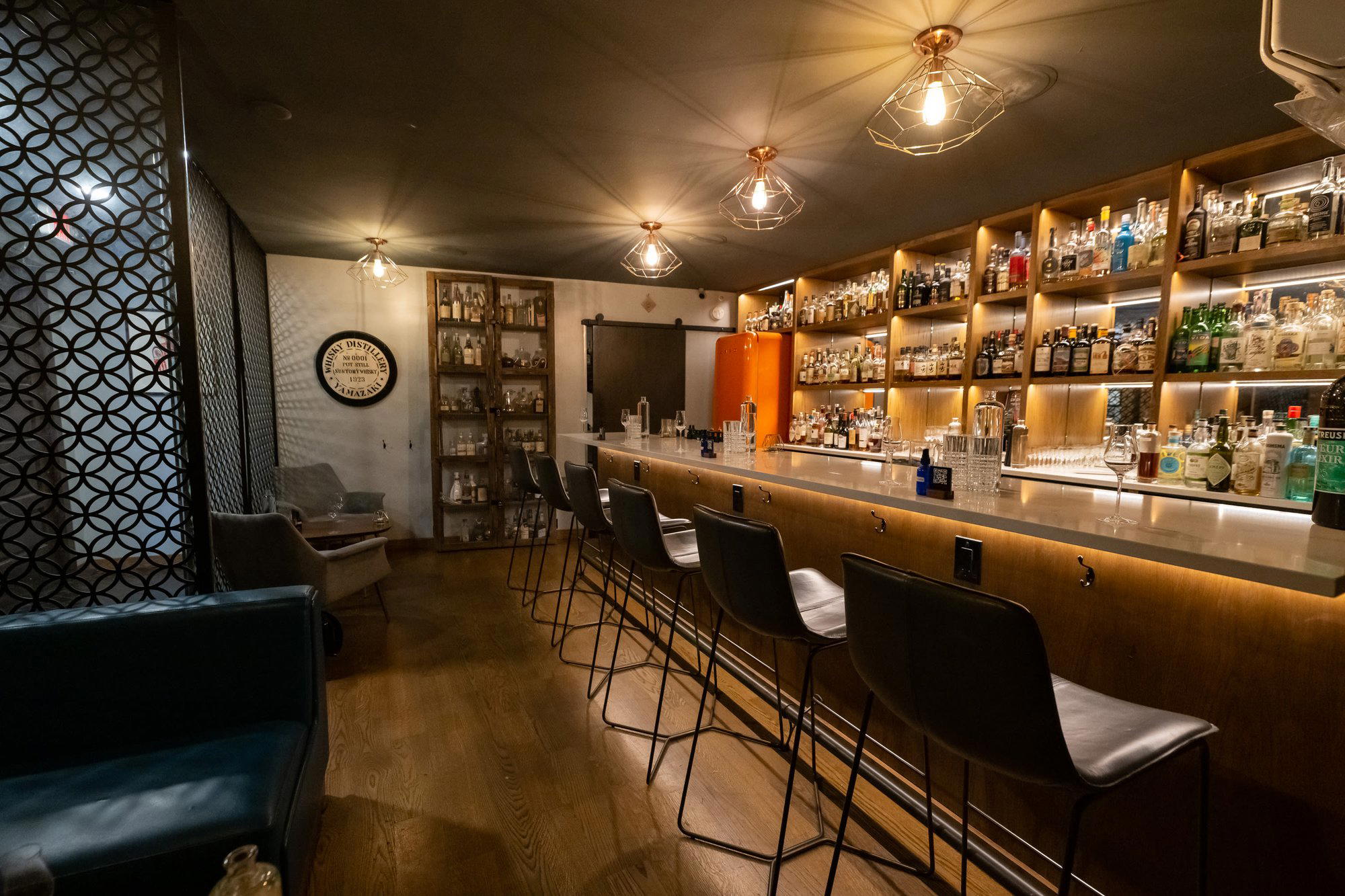
Bars in Seattle
Browse all →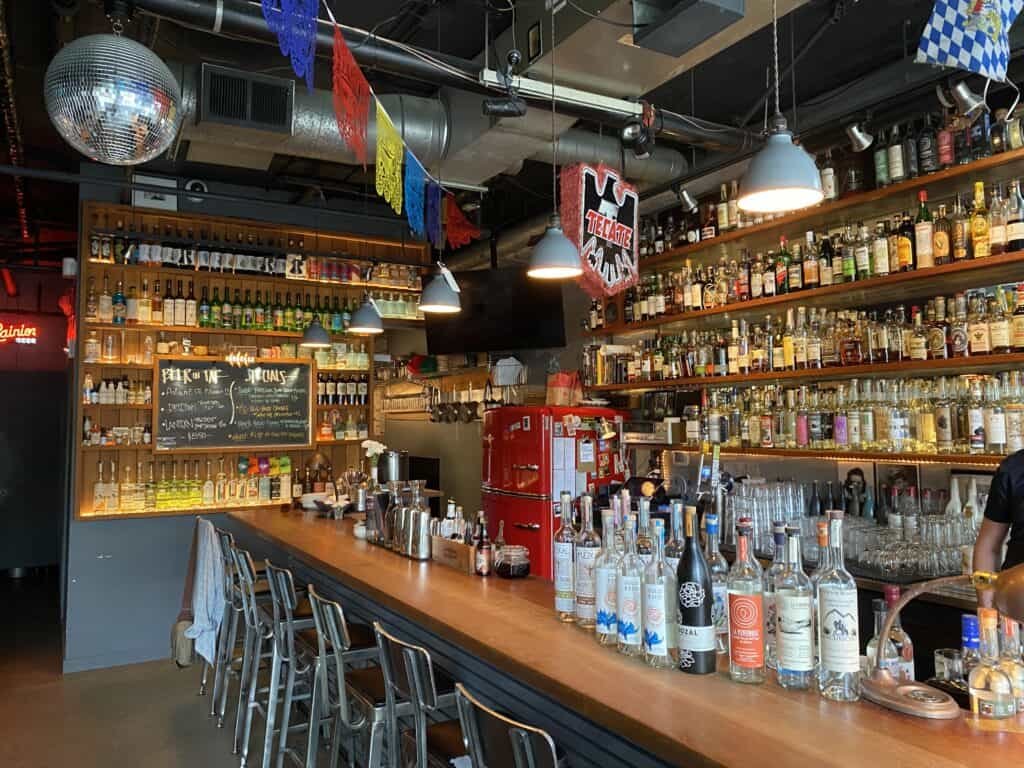
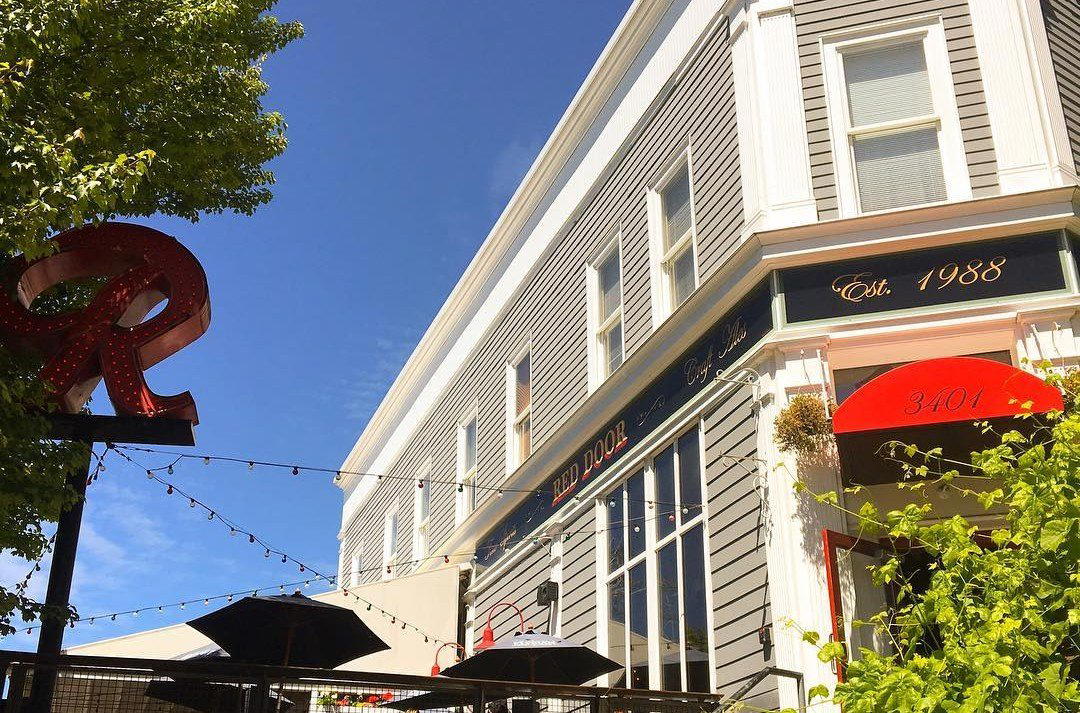
Hotels in Seattle
Browse all →
At a Glance
- Cozy
- Intimate
- Date Night
- Special Occasion
- Sake Program
Current opening hours
- Monday
- 11 AM–2:30 PM, 5–9 PM
- Tuesday
- 11 AM–2:30 PM, 5–9 PM
- Wednesday
- 11 AM–2:30 PM, 5–9 PM
- Thursday
- 11 AM–2:30 PM, 5–9 PM
- Friday
- 11 AM–2:30 PM, 5–9:30 PM
- Saturday
- 11 AM–2:30 PM, 5–9:30 PM
- Sunday
- 5–9 PM
Hours can change for holidays and private events. Last verified .
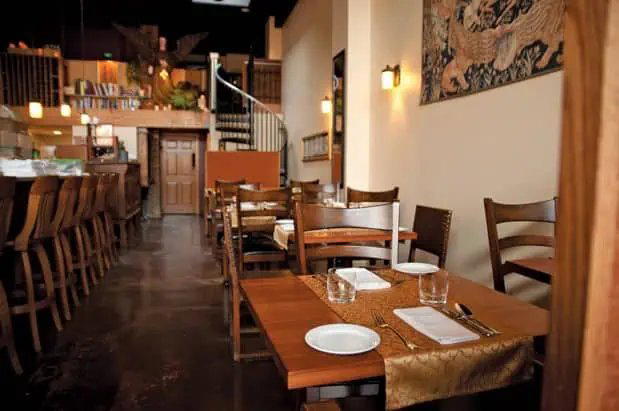
Light, open space with windows, simple seating, and a welcoming sushi bar atmosphere.