Curry Lab Sapporo
Curry Lab Sapporo brings Hokkaido-style soup curry to Seattle's Roosevelt neighborhood, translating a distinctly northern Japanese comfort tradition to the Pacific Northwest. Soup curry, a Sapporo specialty defined by its thin, aromatic broth and separately cooked toppings, occupies a category apart from the thick roux-based curries most American diners know. Located at 2118 NE 65th St, it offers one of the few dedicated soup curry formats in the city.
Pearl is the En Primeur Club membership app — saves, bookings, and concierge access live there. Same editors, same standards.
- Address
- 2118 NE 65th St, Seattle, WA 98115
- Phone
- (206) 769-1052
- Website
- currylabsapporo.menu11.com
- Directions
- Get directions
 Saves & bookings on Pearl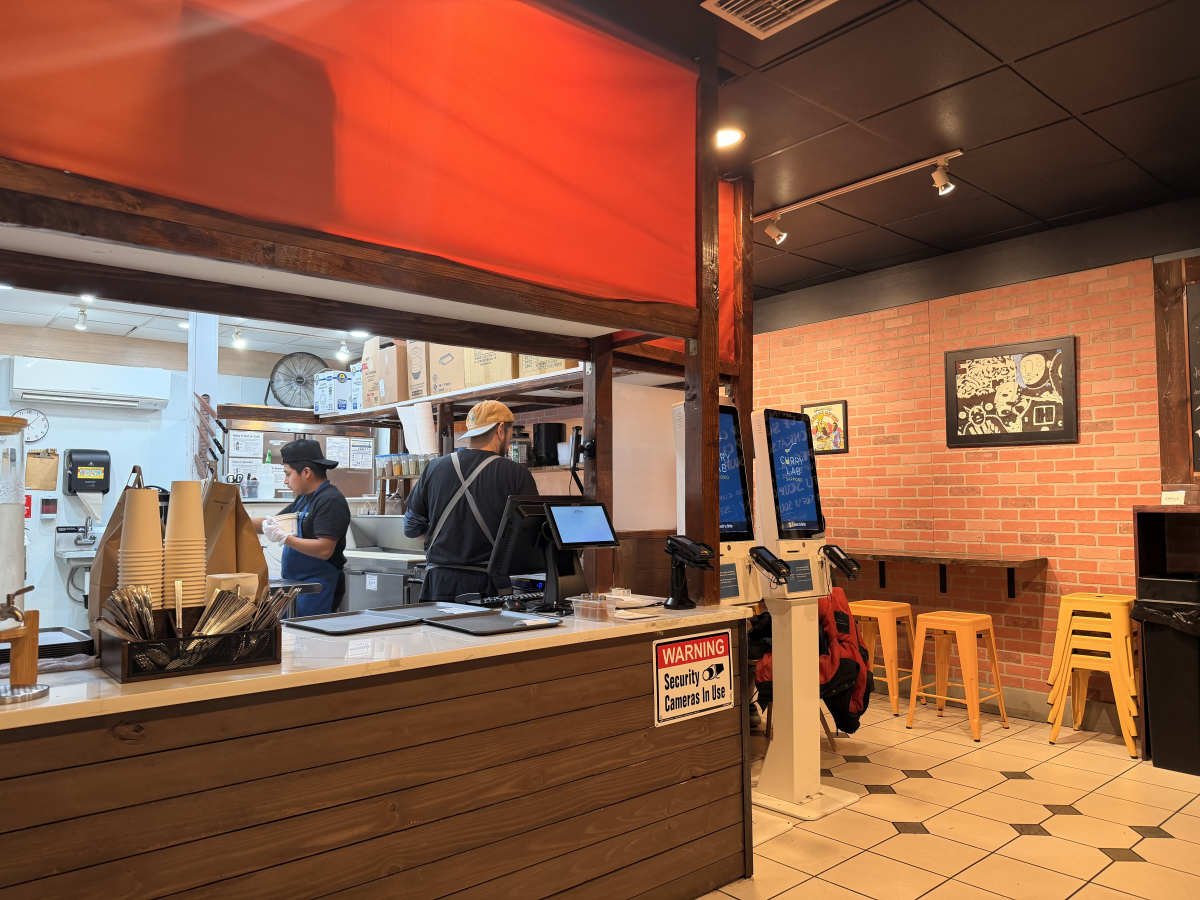
A Northern Japanese Broth Tradition in Seattle's Roosevelt District
Soup curry arrived in Sapporo sometime in the early 1970s, shaped by a local spice culture that drew on Southeast Asian and South Asian influences while producing something distinct to Hokkaido. The format is specific: a thin, deeply spiced broth served in a wide bowl, with proteins and vegetables cooked separately and arranged atop the liquid rather than simmered into it. The rice comes on the side. This is not a textural accident or a shortcut. It is a deliberate structural choice that gives the diner control, preserving the integrity of each element while allowing incremental mixing. Seattle's dining scene has absorbed Japanese regional cooking unevenly, with ramen and sushi holding dominant positions and formats like tonkatsu, teishoku, and regional curry occupying a quieter tier. Curry Lab Sapporo, at 2118 NE 65th St in the Roosevelt neighborhood, addresses a genuine gap: a kitchen organized around a single Hokkaido tradition rather than a generalist Japanese menu.
The Architecture of Soup Curry
Understanding soup curry requires setting aside the associations that come with the word curry in an American context. There is no roux, no thick coconut base, and no slow-cooked paste clinging to the protein. The broth in Hokkaido-style soup curry is closer in consistency to a refined consommé than to the sauces served over rice at most Japanese curry chains. Spicing typically involves a layered blend that can include turmeric, cumin, coriander, cardamom, and a range of dried chilies, but the proportions and balance are calibrated to produce clarity rather than opacity. The heat level is often adjustable, which reflects a customer-led customization culture embedded in many Sapporo soup curry restaurants, where diners select spice intensity alongside their protein and vegetable combinations.
The vegetables served in this format are characteristically from Hokkaido's agricultural output: large cuts of potato, carrot, eggplant, bell pepper, and kabocha squash, often roasted or fried before they enter the bowl. This treatment preserves structure and concentrates flavor, so each piece holds its own against the broth rather than dissolving into it. The pacing implied by this format carries a kind of intentionality that aligns with broader Japanese dining customs: each component is considered separately, and the bowl is assembled with care about presentation and sequence. Eating soup curry well involves moving between broth, rice, and individual vegetables in a rhythm the diner controls.
Roosevelt and the Neighborhood's Dining Position
The Roosevelt neighborhood sits in Seattle's northeast quadrant, a district with a stronger local residential character than the tourist-facing corridors of Capitol Hill or South Lake Union. NE 65th Street runs through a stretch of independent restaurants and small businesses that serve the surrounding blocks rather than drawing citywide traffic, which positions Curry Lab Sapporo in a context where repeat local custom matters more than destination dining visibility. Seattle's appetite for Japanese regional formats has grown alongside a broader Pacific Rim food culture, supported by a large Japanese American community and sustained import relationships with Japan's food industry. Still, the city's concentration of dedicated regional Japanese formats remains thinner than Los Angeles or San Francisco, which means a kitchen working specifically in the Sapporo soup curry tradition occupies a narrower niche here than it might on the West Coast's southern end.
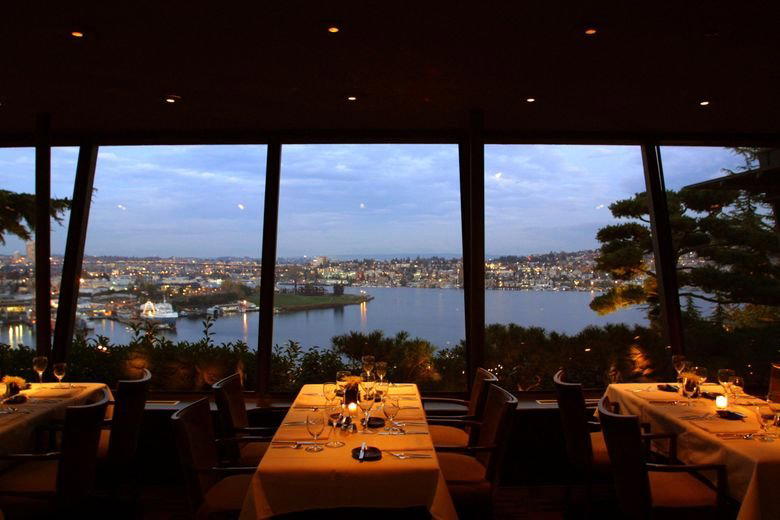
For context on Seattle's wider restaurant range, from fine dining at Canlis and creative pan-Asian cooking at Joule to neighborhood-scale spots like A.K. Pizza, the city supports a layered range of formats and price points. Hokkaido-style soup curry fits the mid-register of that range: an everyday format in its home city, refined here by its relative scarcity. Other Japanese-inflected tables in Seattle, including the Pacific Northwest-driven menu at Archipelago and the ingredient-focused work at Altura, operate at a different register, but they gesture toward the same city appetite for careful, regionally grounded cooking.
The Ritual Embedded in the Format
Soup curry's service structure carries inherited logic from Japanese dining customs around composition and control. The separation of rice, broth, and toppings is not merely aesthetic. It requires the diner to engage with each component individually before deciding how and when to combine them. Spice level selection at the point of order is another layer of this: Sapporo soup curry restaurants routinely offer five to ten heat gradations, placing the calibration of the experience partly in the diner's hands before the bowl arrives. This format discipline is visible across most Sapporo-style kitchens and represents one of the qualities that separates the tradition from more homogenized curry formats. A kitchen that holds to this structure in Seattle, where the format has no competitive comparable set to push against, is making a specific choice about fidelity over adaptation.
Planning Your Visit
Curry Lab Sapporo is at 2118 NE 65th St, Seattle, WA 98115, in the Roosevelt neighborhood. The address sits on a residential arterial that is accessible by car with street parking, and the 67 bus line runs nearby. Roosevelt's dining strips tend toward the casual end, and soup curry as a format carries no particular dress expectation: this is a neighborhood lunch and dinner format in Sapporo and reads accordingly in Seattle. For a broader orientation to eating and drinking in the city, see our full Seattle restaurants guide, our full Seattle bars guide, our full Seattle hotels guide, our full Seattle wineries guide, and our full Seattle experiences guide. Internationally, the soup curry format has few parallels in cities that make serious claims on Japanese regional cooking, from the kaiseki counter at Single Thread Farm in Healdsburg to the French-Japanese register at Le Bernardin in New York City. Closer to the Pacific, formats like those at 8 1/2 Otto e Mezzo Bombana in Hong Kong occupy an entirely different tier, but together they mark the range within which serious regional cooking now operates globally. Soup curry sits at the casual, high-specificity end of that range, and the restaurant is one of the few places in Seattle where the format gets a dedicated kitchen.
A Credentials Check
Comparable venues nearby, for context on price, style, and recognition.
| Venue | Cuisine | Price | Notes |
|---|---|---|---|
| Curry Lab SapporoThis venue — the venue you are viewing | Sapporo-Style Japanese Soup Curry | $$ | Not listed |
| Onibaba by Tsukushinbo | Japanese Onigiri Specialist | $$ | Japantown |
| Ramen Danbo | Fukuoka-style Hakata Tonkotsu Ramen | $$ | Broadway |
| Japonessa Sushi Cocina | Japanese-Latin Fusion Sushi Cocina | $$ | Pike Place Market |
| Moshi Moshi Sushi | Japanese Sushi & Izakaya | $$ | Adams |
| Maneki | Traditional Japanese | $$ | Japantown |
Continue exploring
More in Seattle
Restaurants in Seattle
Browse all →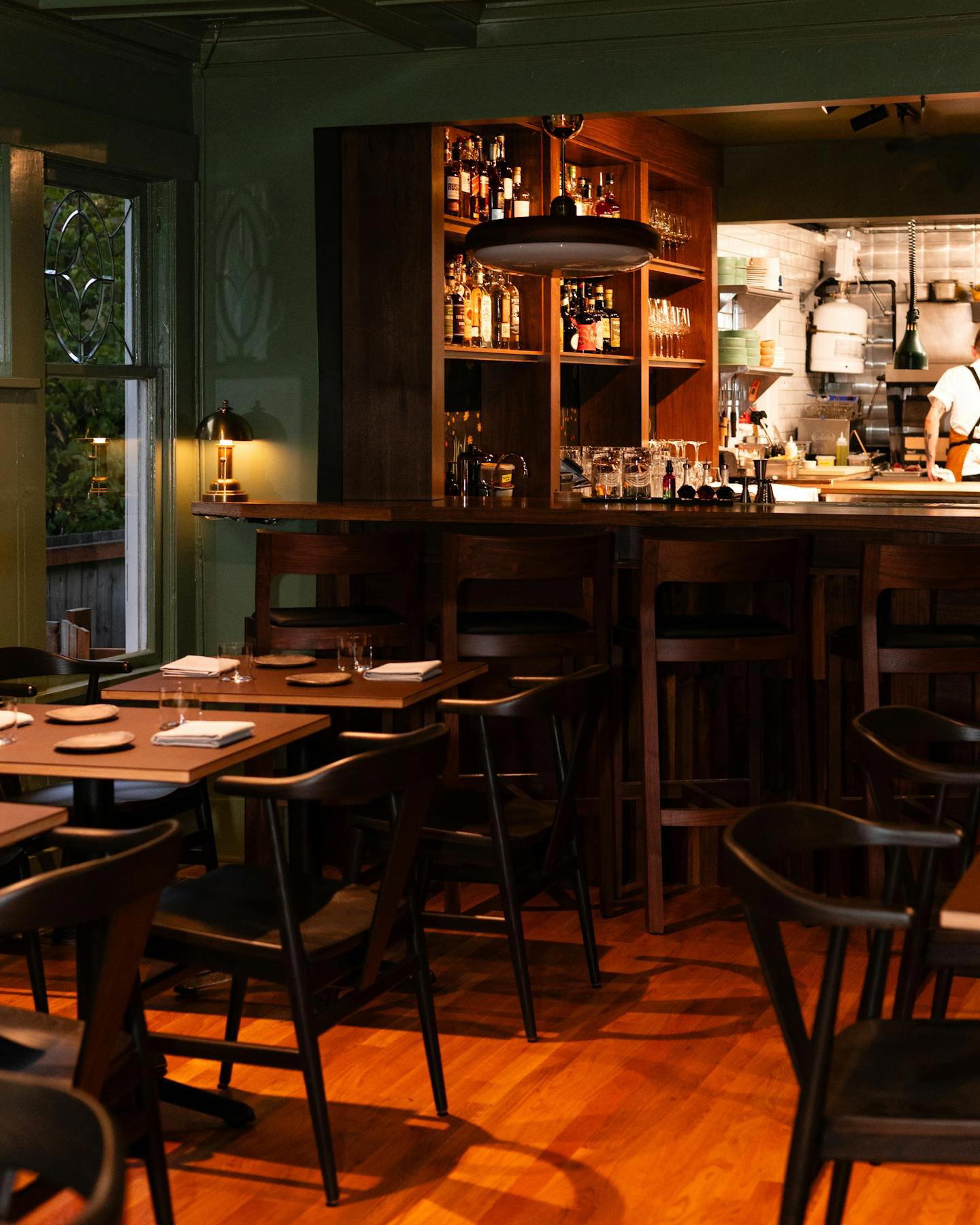
Bars in Seattle
Browse all →
Hotels in Seattle
Browse all →

At a Glance
- Cozy
- Casual Hangout
- Family
Current opening hours
- Monday
- 4:30–8:30 PM
- Tuesday
- Closed
- Wednesday
- 4:30–8:30 PM
- Thursday
- 4:30–8:30 PM
- Friday
- 11:30 AM–1:45 PM, 4:30–8:30 PM
- Saturday
- 11:30 AM–8:30 PM
- Sunday
- 11:30 AM–2 PM, 4:30–8:30 PM
Hours can change for holidays and private events. Last verified .
Cozy spot well-suited for comforting meals on winter days, with a welcoming atmosphere focused on flavorful, hearty Japanese curry bowls.