Da Vinci Bistro
Da Vinci Bistro occupies a address on Klariska street in Bratislava's Staré Mesto, placing it squarely within the city's most concentrated dining corridor. Against a broader Slovak restaurant scene that increasingly splits between heavy Central European tradition and lighter, European bistro formats, Da Vinci positions itself in the latter category. It warrants attention from anyone mapping Italian-inflected bistro dining in the Slovak capital.
Pearl is the En Primeur Club membership app — saves, bookings, and concierge access live there. Same editors, same standards.
- Address
- Klariska 8, Klariská 325, 811 03 Bratislava-Staré Mesto, Slovakia
- Phone
- +421901708488
- Website
- facebook.com
- Directions
- Get directions
 Saves & bookings on Pearl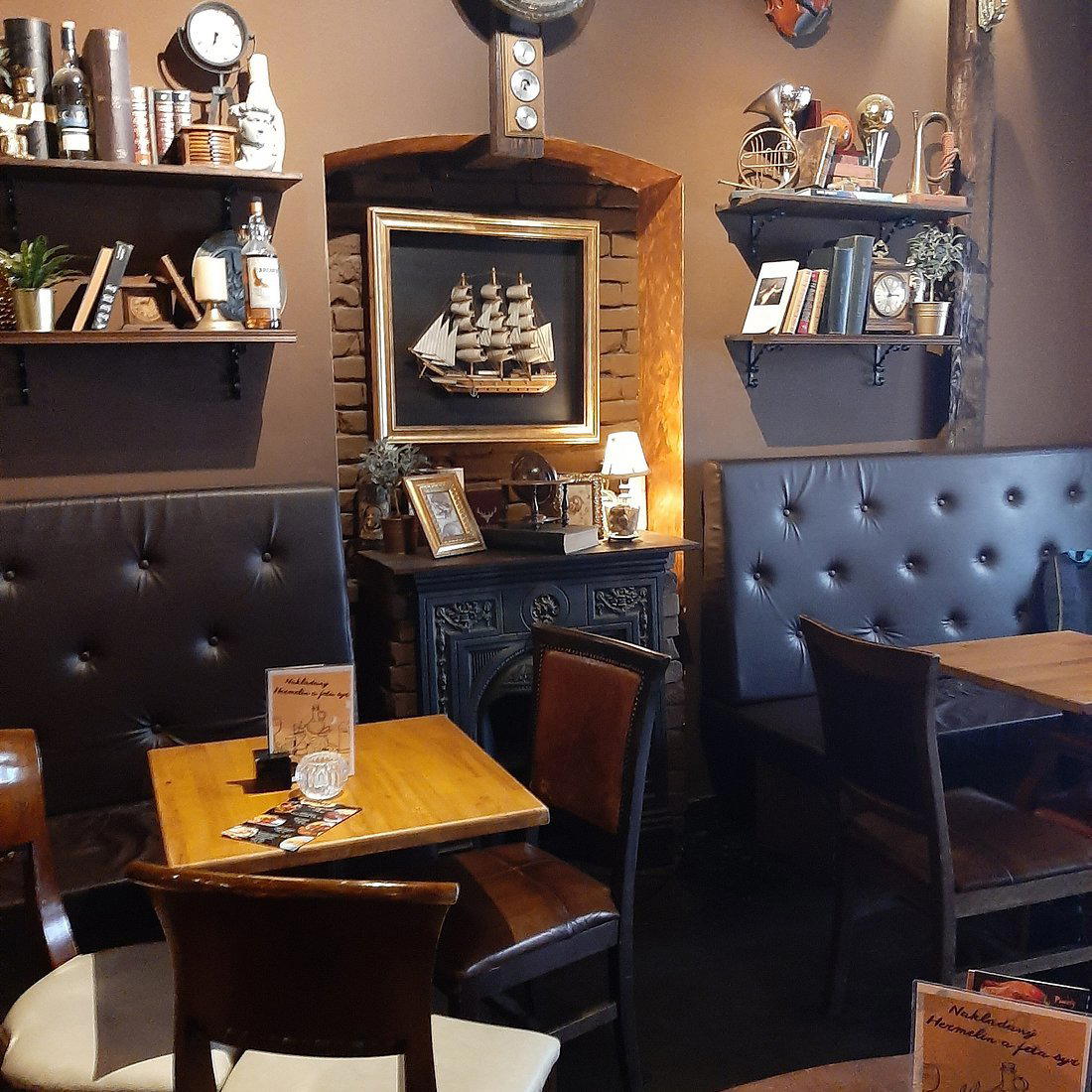
Where Klariska Street Places You
Staré Mesto, Bratislava's Old Town district, has developed into the city's primary concentration of mid-range European dining over the past decade. Klariska street sits close to the district's interior, away from the loudest tourist circuits around the Main Square, which generally means a more local clientele and less pressure on kitchens to produce crowd-pleasing approximations of Central European standards. Da Vinci Bistro at Klariska 8 occupies that positioning directly: a bistro format in a neighbourhood where the dining room composition tends toward residents, office workers from the surrounding administrative quarter, and visitors who have already spent time learning the city.
The bistro category in Bratislava occupies a specific middle tier. It sits above the fast-casual Slovak lunch spots that dominate the working week in the Old Town, and below the formal tasting-menu restaurants that have emerged in recent years as the city's answer to regional fine dining. This middle band is where the majority of meaningful daily dining in Bratislava happens, and it is where a venue's menu architecture does decisive work in communicating what kind of restaurant it intends to be.
Menu Architecture and What It Signals
The name Da Vinci Bistro carries an Italian register without committing fully to a regional Italian identity. That naming strategy reflects a pattern visible across European bistro dining: the Italian reference functions as a quality and warmth signal rather than a strict geographic claim. Bratislava's Italian-adjacent dining options span a range that includes trattoria-style venues with imported ingredients and tighter regional fidelity, through to broader European bistros that use pasta, risotto, or antipasto as structural anchors while drawing ingredients and techniques from across the continent.
Within that spectrum, the bistro format typically organises its menu around approachability rather than conceptual depth. Starters are light enough to function as shared plates, mains carry enough substance to anchor a full meal, and the dessert section tends to be compact. What separates a well-run bistro from a formulaic one is usually the coherence of that structure: whether the menu tells a consistent story about what the kitchen does well, or whether it sprawls to accommodate every preference. Venues that keep the menu tight, three or four starters, five or six mains, two or three desserts, typically signal more confidence in their own cooking than those that list twenty options across every category.
For comparison, Bratislava's Italian-positioned dining includes Antica Toscana, which takes a more defined regional approach, and Al Faro, which sits in a similar European bistro register. The question for Da Vinci Bistro, as with any venue in this competitive band, is whether its menu makes a distinctive enough argument to create genuine preference among diners who have multiple options within walking distance.
The Broader Bratislava Dining Context
Bratislava's restaurant scene has shifted considerably since Slovakia's post-EU-accession period. The city now supports a range of formats that would not have been commercially viable twenty years ago: tasting menus referencing Slovak terroir, Japanese-trained chefs operating small-capacity counters, and wine bars with serious lists drawn from Central and Eastern European producers. That diversity has raised the expectations of the local dining public, which means even the bistro tier is judged against a more demanding standard than a decade ago.
Slovak cooking's Central European backbone, dumplings, roasted meats, fermented dairy, root vegetables, coexists with the Mediterranean-inflected formats that dominate Staré Mesto's dining strip. Venues like Ako doma lean into Slovak tradition; others, like APOLKA Restaurant and Albrecht Restaurant, occupy different points along the formality spectrum. The restaurant operates in a space where Italian naming and bistro format are the primary identifiers, which places it in competition less with Slovak-tradition venues and more with the city's other European-format mid-range options.
For those mapping Slovak dining more broadly, the country's regional restaurant scene extends well beyond the capital. ARTE in Svätý Jur, just outside Bratislava, represents one model of a serious kitchen operating outside the city centre. Gašperov Mlyn in Batizovce and Alej Bojnice in Bojnice show how regional Slovak restaurants are building distinctive identities anchored to local landscape and produce. Allora Fresh Pasta in Nitra offers a useful regional comparison for Italian-format dining outside the capital.
Planning a Visit
The restaurant's Staré Mesto address at Klariska 8 is walkable from the city's main public transport corridors and from most Old Town accommodation. The bistro format generally supports both lunch and dinner service, though visiting mid-week tends to offer more relaxed pacing than Friday or Saturday evenings in this part of the city, when Old Town footfall peaks and reservation availability across the area tightens. The restaurant is recommended for reservations, and its casual dress code suits relaxed meals in the Old Town. For reference, Bratislava's bistro tier typically prices in a range that makes a two-course meal with wine accessible without requiring the advance planning associated with the city's more formal tasting-menu rooms.
Those extending travel through Slovakia can cross-reference venues including Seven Restaurant Café by Villa Sandy, City Park Resort in Košice, Origin in Lučenec, Bakoš Bistro in Kosice, Cafe Sissi in Trencin, Dublin Cafe in Presov District, and Afrodita in Cerenany for a fuller picture of what Slovak regional dining currently offers. For those benchmarking European bistro formats at a global level, the contrast with venues like Le Bernardin in New York City or Lazy Bear in San Francisco illustrates how broadly the bistro and tasting-menu categories have diverged in ambition and format across different markets.
The Minimal Set
Comparable venues nearby, for context on price, style, and recognition.
| Venue | Cuisine | Price |
|---|---|---|
| Da Vinci BistroThis venue — the venue you are viewing | Staré Mesto, Italian Bistro | $$ |
| RISTORANTE ITALIANO DA CONO I TRE SOMARI | Staré Mesto, Authentic Italian Trattoria | $$ |
| Banchan Korean Bistro | Staré Mesto, Authentic Korean Bistro | $$ |
| Kinka Ramen | Staré Mesto, Authentic Japanese Ramen | $$ |
| Bistro St. Germain | Ružinov, French Bistro | $$ |
| MenJu | Ružinov, Slovak comfort food | $$ |
Continue exploring
More in Bratislava
Restaurants in Bratislava
Browse all →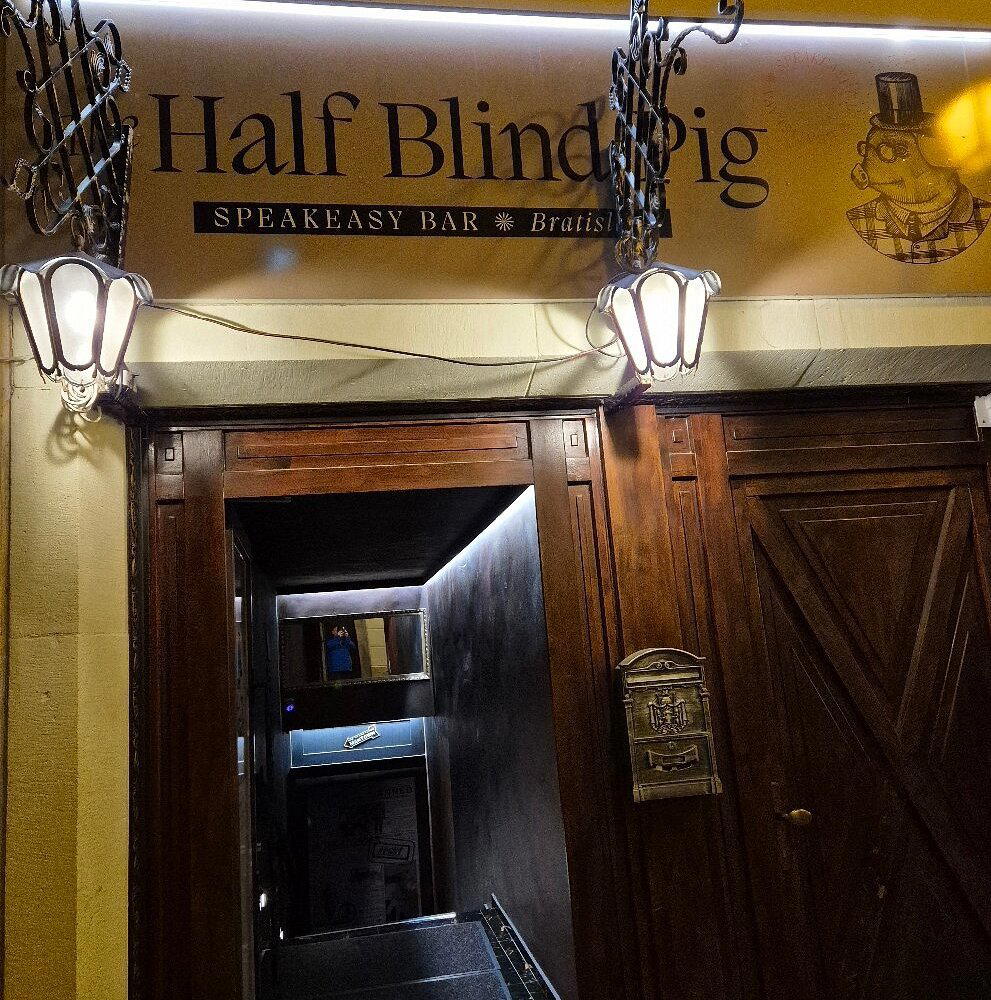
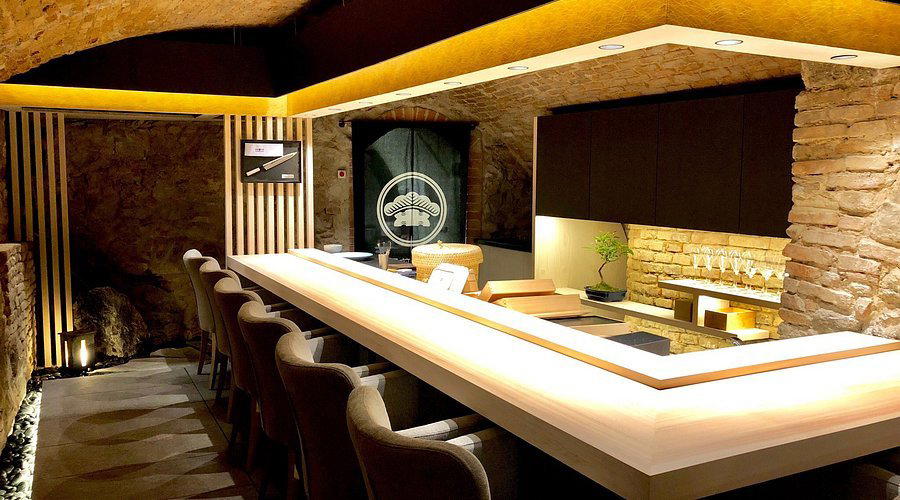
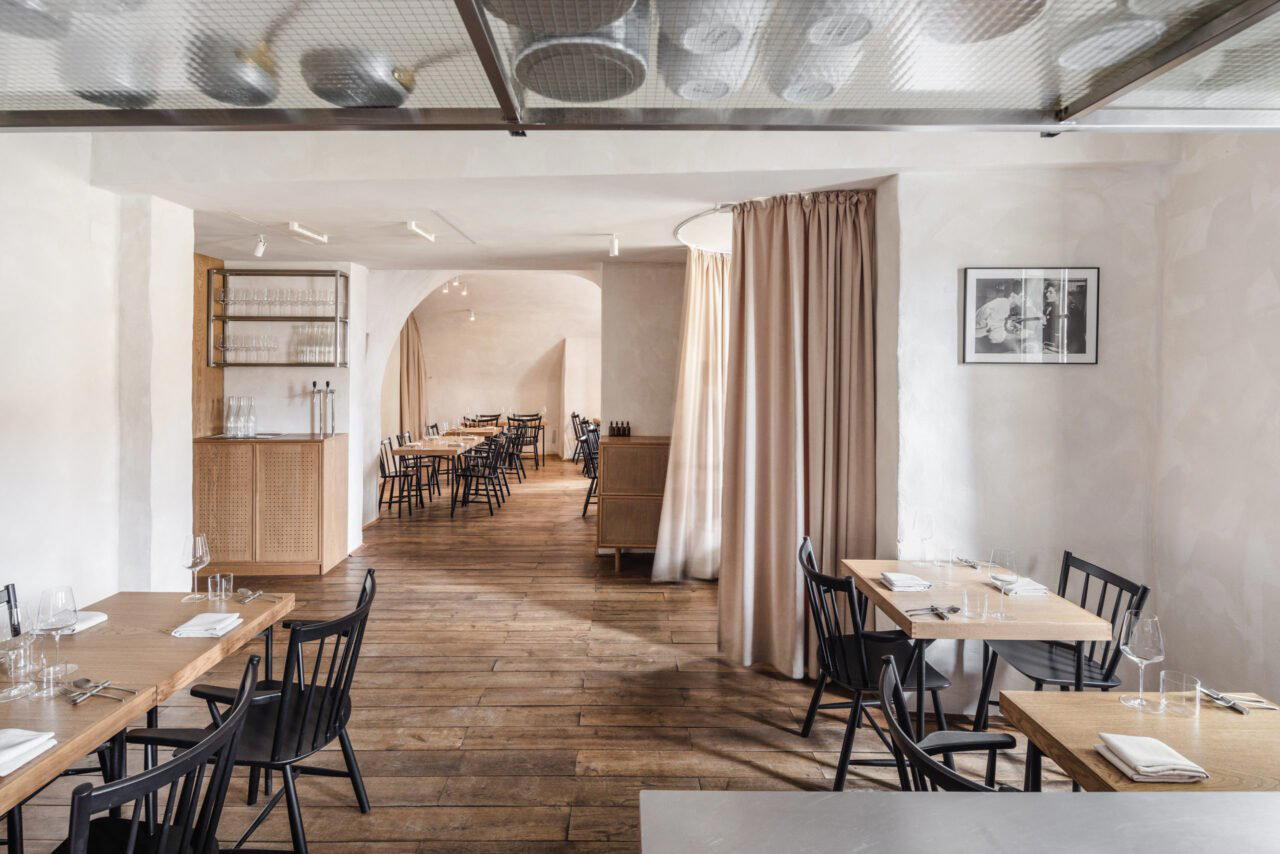
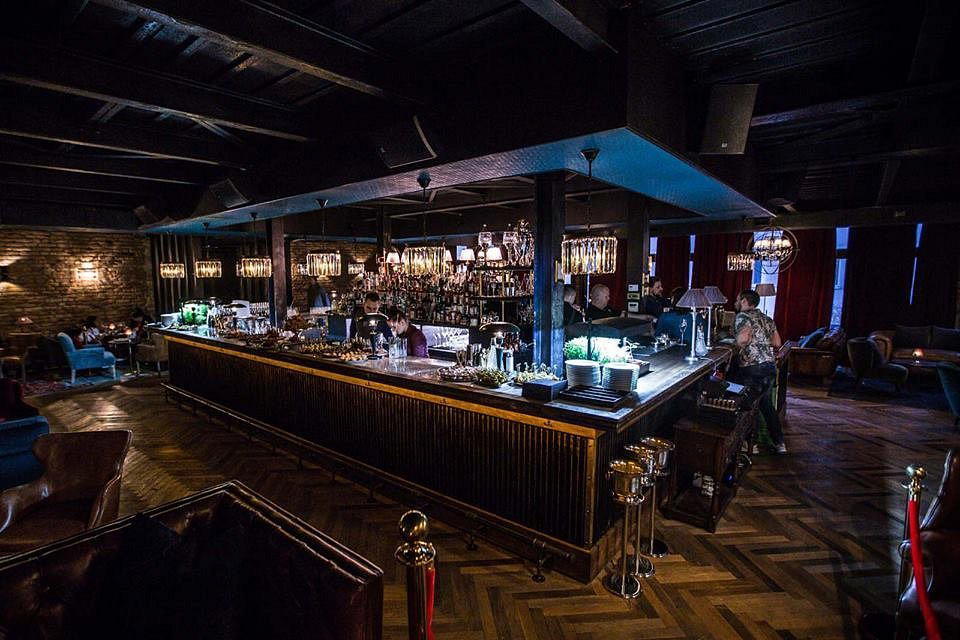
Bars in Bratislava
Browse all →
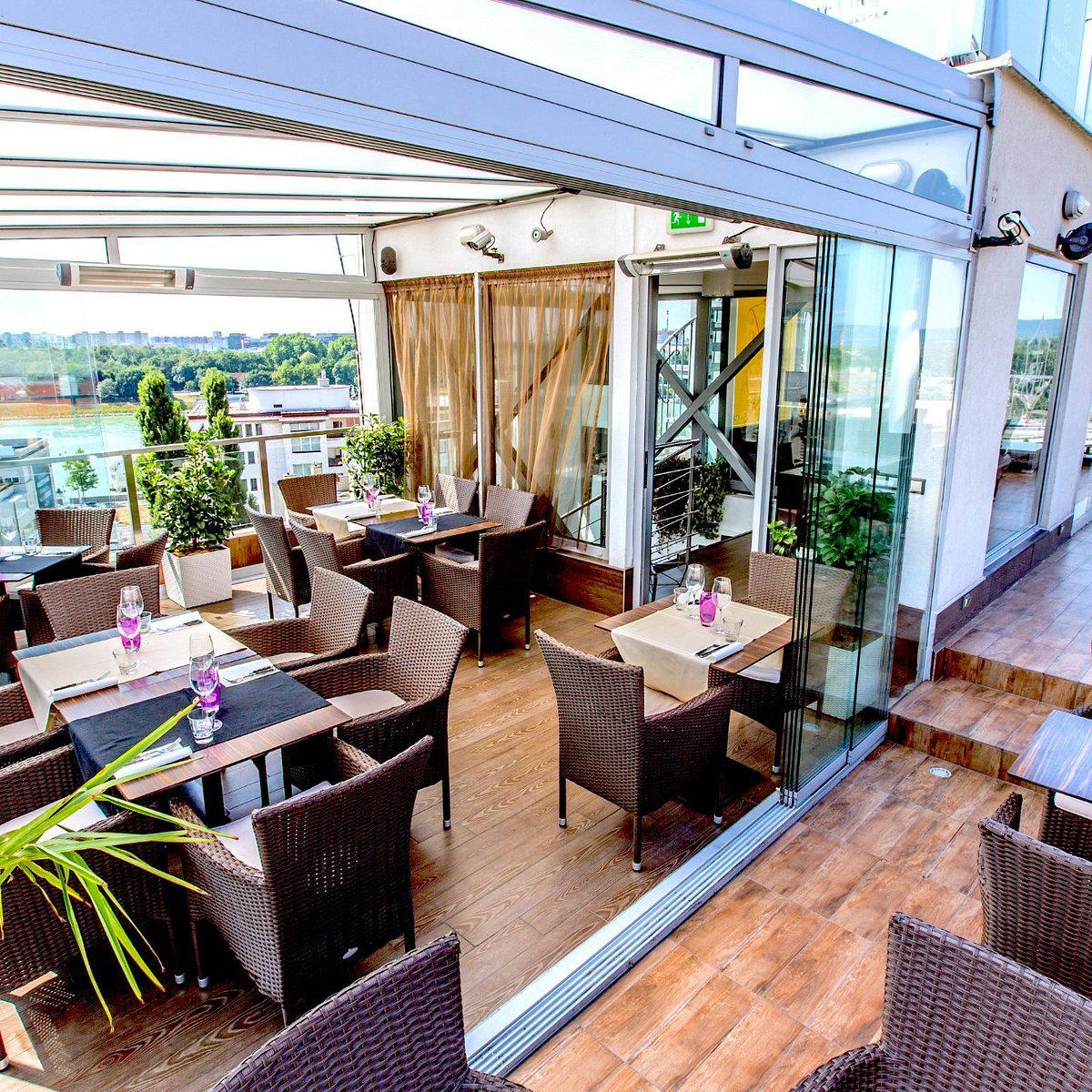
Hotels in Bratislava
Browse all →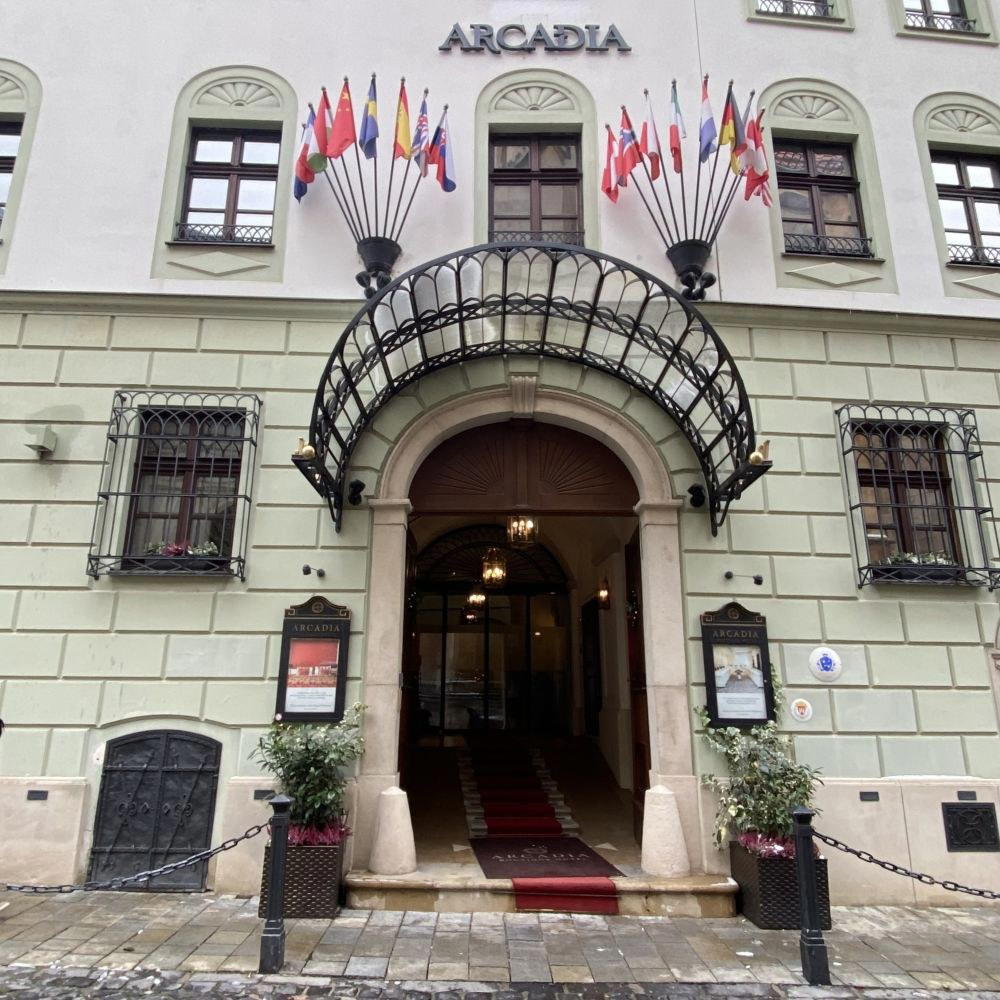
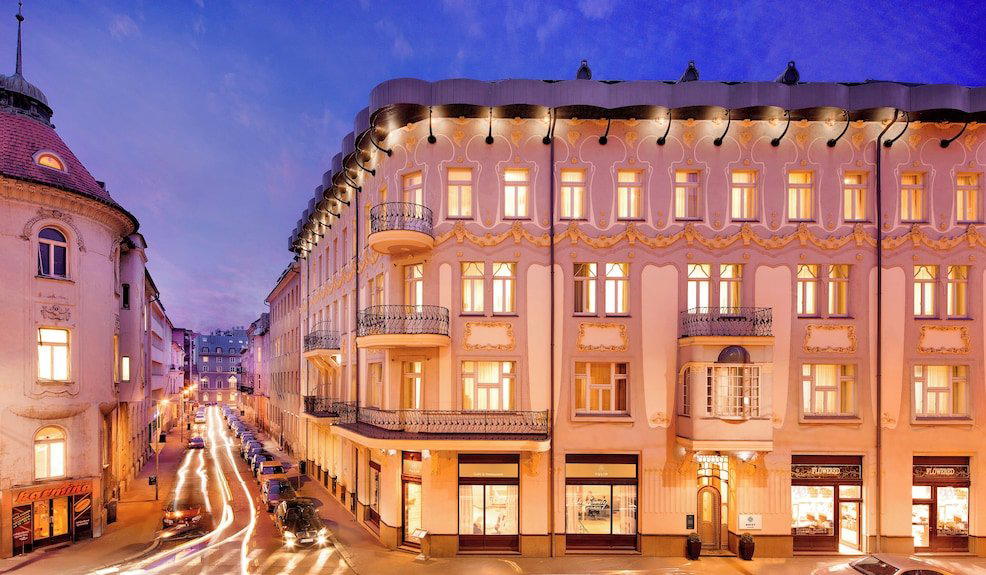
At a Glance
- Cozy
- Intimate
- Casual Hangout
- Date Night
- Standalone
Current opening hours
- Monday
- 10:30 AM–12 AM
- Tuesday
- 10:30 AM–12 AM
- Wednesday
- 10:30 AM–12 AM
- Thursday
- 10:30 AM–12 AM
- Friday
- 10:30 AM–1 AM
- Saturday
- 12 PM–2 AM
- Sunday
- 3 PM–12 AM
Hours can change for holidays and private events. Last verified .
Amazing, comfortable interior with a cozy and relaxing atmosphere.