On the East Pier in Howth, King Sitric Seafood Bar & Accommodation occupies a position that few Dublin-area restaurants can claim: immediate proximity to working trawlers and the open Irish Sea. The format pairs a seafood-focused dining room with accommodation above, placing it within a small cohort of Irish coastal restaurants where the supply chain ends at the front door and the setting does most of the contextual work.
Pearl is the En Primeur Club membership app — saves, bookings, and concierge access live there. Same editors, same standards.
- Address
- 6 E Pier, Howth, Dublin, D13 F5C6, Ireland
- Phone
- +353 1 832 5235
- Website
- kingsitric.ie
- Directions
- Get directions
 Saves & bookings on Pearl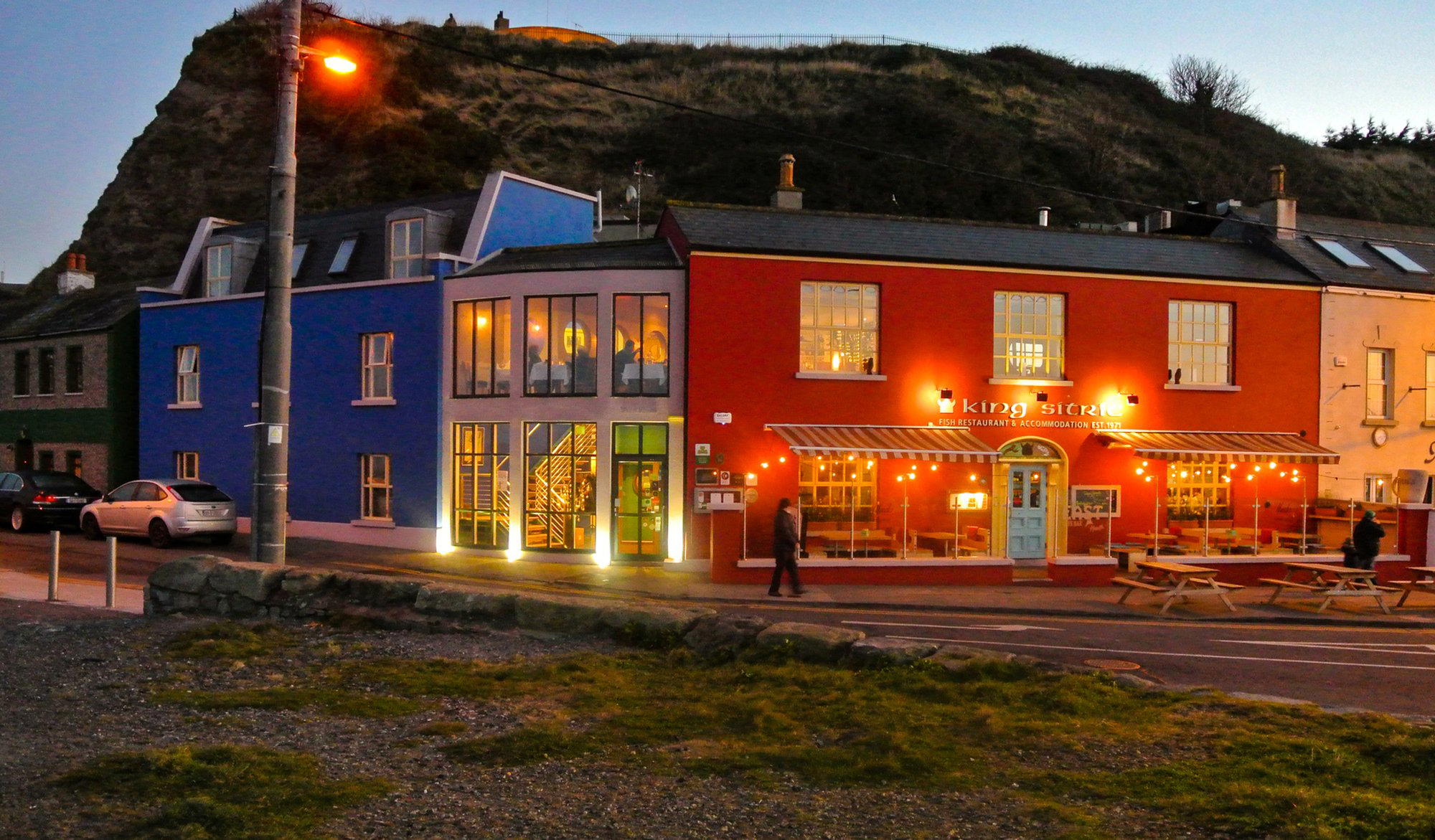
Where the Pier Ends and the Table Begins
Howth is a seaside village on Dublin Bay, and King Sitric Seafood Bar & Accommodation is an Irish Seafood Bar at 6 E Pier, Howth, Dublin,552 reviews and a price tier of 3. The fishing village sits at the tip of the Howth Head peninsula, roughly 15 kilometres northeast of the city centre, and its identity is shaped less by urban restaurant trends than by the daily rhythm of the East Pier: trawlers in, catch off, buyers waiting. King Sitric Seafood Bar & Accommodation sits at the end of that pier at number 6, a placement that makes the sourcing argument before a single word of the menu is read. Along the Irish coastline, a small number of restaurants have made this proximity their organising principle, and King Sitric is among the more geographically committed of them. For broader context on where it sits within Ireland's coastal dining scene, venues like dede in Baltimore and Bastion in Kinsale represent the southern counterpart to what Howth offers in the north.
The Coastal Format and What It Demands
Across European seafood dining, the restaurants that sustain reputations over decades tend to operate on a simple discipline: the menu follows the catch, not the other way around. Pier-adjacent venues in particular live or die by this logic. When the supply chain is visible from the dining room window, the kitchen has nowhere to hide behind frozen inventory or long-haul imports. The format King Sitric operates within, a seafood bar combined with rooms above, belongs to a tradition more common along the French Atlantic coast and in parts of Scotland and Norway than in Ireland, where the combination of serious dining and accommodation at this scale of coastal specificity remains relatively rare.
That rarity matters for how to read the venue. It is not primarily a hotel that happens to have a good restaurant, nor a restaurant that added rooms as an afterthought. The integration of the two functions, with guests sleeping above a kitchen that is anchored to one of Ireland's most active small-fishing harbours, is the proposition. It places King Sitric in a different conversation from Dublin city-centre fine dining, where restaurants like Chapter One by Mickael Viljanen or Patrick Guilbaud compete on technique and tasting-menu architecture rather than provenance geography. The coastal format is its own competitive set, and within that set, proximity to source is the primary credential.
The Team Dynamic at a Pier-Side Operation
In seafood restaurants of this type, the collaboration between the kitchen, the front-of-house, and whoever manages the supplier relationships is often more consequential than individual culinary authorship. The daily catch structure means that the team must operate with a degree of flexibility that set-menu fine dining does not require. A sommelier working a seafood-led list at a harbour restaurant faces a different brief than one at an urban tasting-menu counter: the wine programme needs to move across Muscadet, Chablis, and Atlantic-facing whites from Galicia or the Loire with the same ease that the kitchen moves between species, because neither the fish nor the guest is predictable from one service to the next.
Front-of-house at this kind of operation carries additional weight. Explaining what arrived that morning, why one species has replaced another, and how the kitchen is handling the day's supply requires genuine product knowledge and confidence in an improvisational narrative. That dynamic, kitchen-to-floor-to-guest, is where the experience of a pier-side seafood restaurant is either made or lost. The same dynamic is visible in strong form at Liath in Blackrock and at the more remote Homestead Cottage in Doolin, where small teams operating in coastal or rural settings develop a fluency with their suppliers that urban kitchens rarely achieve.
Howth in the Wider Irish Dining Picture
Ireland's serious restaurant scene has, over the past decade, decentralised considerably. Michelin recognition has followed kitchens to Galway with Aniar, to Kilkenny with Campagne, to Adare with The Oak Room, to Ballydehob with Chestnut, and to Castlemartyr with Terre. This dispersal reflects a broader shift in how Irish produce is understood and presented: the leading ingredients are rarely in the cities, and increasingly the restaurants closest to them are the ones making coherent arguments about Irish food. Howth's position in this pattern is direct. The Dublin fish market at Howth Harbour is among the more active in the country, and King Sitric's pier address places it at the beginning of a supply chain that many city restaurants are trying, at greater distance, to access.
Within Dublin itself, the modern Irish cooking conversation is centred on restaurants like Bastible, Glovers Alley, and D'Olier Street, all of which operate in an urban format where technique and menu design carry most of the editorial weight. King Sitric operates on a different axis, where geography and supply logic are the primary arguments. That distinction is worth holding onto when deciding how to plan around it. Internationally, the pier-side seafood restaurant tradition finds its most refined expression at venues like Le Bernardin in New York City, where seafood-first discipline operates at scale; the Howth model is smaller, more contingent on daily supply, and less insulated from the variability that makes this format demanding and, when it works, persuasive. A similarly collaborative and produce-driven approach is visible at Lazy Bear in San Francisco, though the format and geography differ considerably. Closer to home, The Morrison Room in Maynooth represents the kind of careful, team-led operation that shares some of the same hospitality logic without the coastal supply dynamic.
Planning Your Visit
King Sitric is located at 6 East Pier, Howth, D13 F5C6, reachable from Dublin city centre by the DART rail service, which runs directly to Howth station, a short walk from the pier. The combination of dining and accommodation means it is viable as either a day trip or an overnight, with the latter making more sense for anyone wanting to explore Howth Head outside of meal hours. Given its reputation along this stretch of the north Dublin coast and the finite nature of pier-side dining rooms, booking ahead is the safer approach regardless of the day of the week. Current pricing is about $50 per person, and reservations are recommended.
Pricing, Compared
Comparable venues nearby, for context on price, style, and recognition.
| Venue | Cuisine | Price | Notes |
|---|---|---|---|
| King Sitric Seafood Bar & AccommodationThis venue — the venue you are viewing | Howth, Irish Seafood Bar | $$$ | Not listed |
| SOLE Seafood & Grill | Not listed | $$$ | Royal Exchange A, Modern Irish Seafood & Grill |
| Balfes | Royal Exchange B, French-Irish Brasserie | $$$ | Not listed |
| Opium | Royal Exchange B, Thai-Vietnamese Fusion | $$$ | Not listed |
| Suesey Street | Mansion House B, Contemporary Irish | $$$ | Not listed |
| Cliff Townhouse Restaurant | Not listed | $$$$ | Mansion House B, Modern Seafood Fine Dining |
Continue exploring
More in Dublin
Restaurants in Dublin
Browse all →
Bars in Dublin
Browse all →
Hotels in Dublin
Browse all →

Wineries in Dublin
Browse all →
At a Glance
- Cozy
- Classic
- Scenic
- Intimate
- Date Night
- Special Occasion
- Casual Hangout
- Waterfront
- Terrace
- Historic Building
- Extensive Wine List
- Local Sourcing
- Sustainable Seafood
- Waterfront
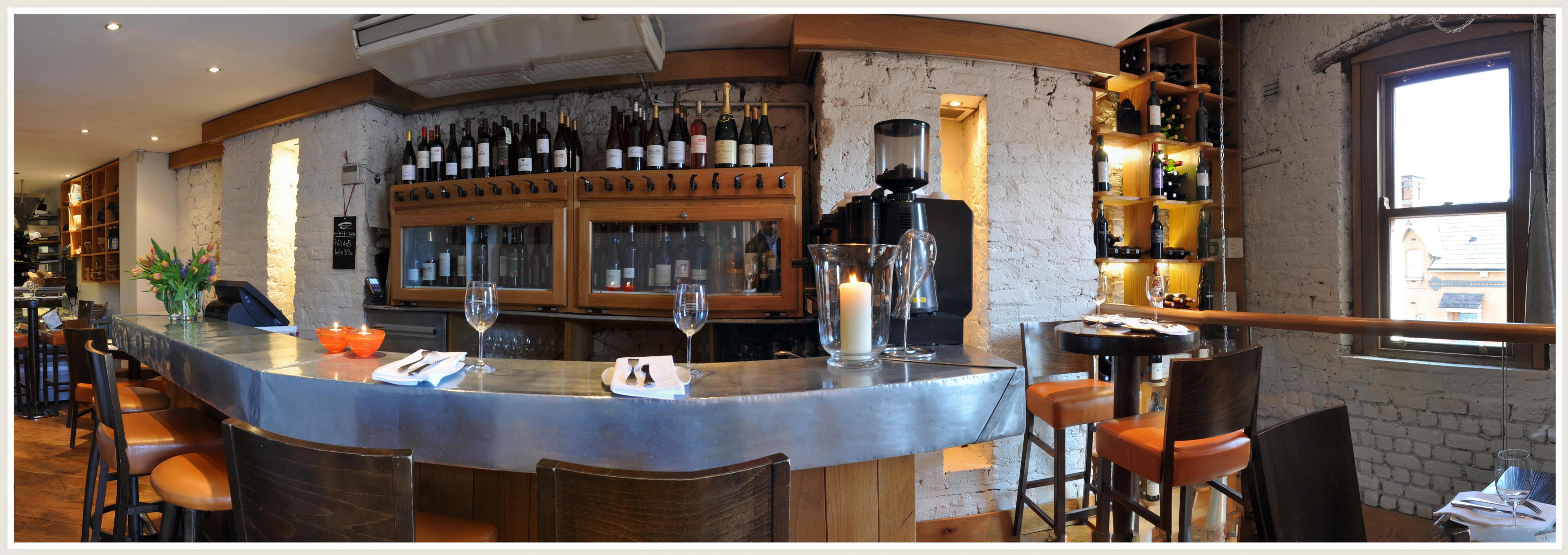
Warm and inviting dining room with cosy inside seating, large covered terrace, and beach huts offering dramatic sea views.