Our verdict
On the south side of St Stephen's Green, Cliff Townhouse occupies a Georgian address that positions it firmly within Dublin's more considered dining tier. The kitchen draws on Ireland's larder with a focus on sourcing that reflects the country's coastal and agricultural strengths. For visitors orienting themselves within Dublin's serious restaurant scene, it offers a grounded entry point to Irish produce-led cooking.
- Address
- 22 St Stephen's Green, Dublin, D02 HW54, Ireland
- Phone
- +353 1 638 3939
- Website
- clifftownhouse.ie
- Directions
- Get directions
The menu
What to order
- Fish pie
- Flaggy Shore oysters
A Georgian Address on the Green
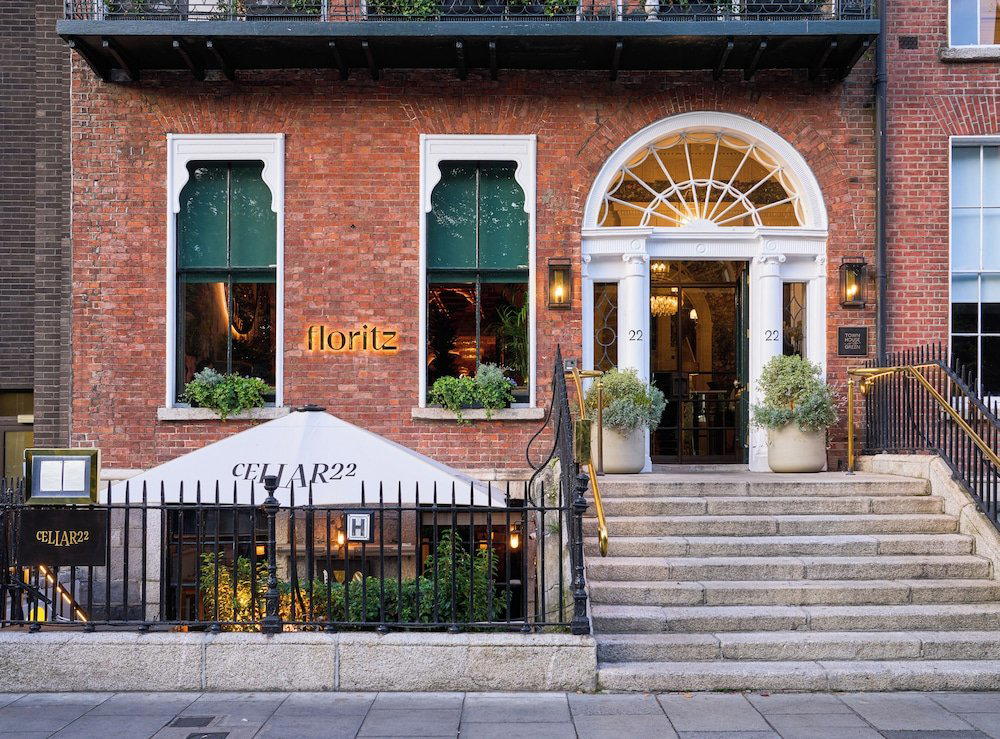
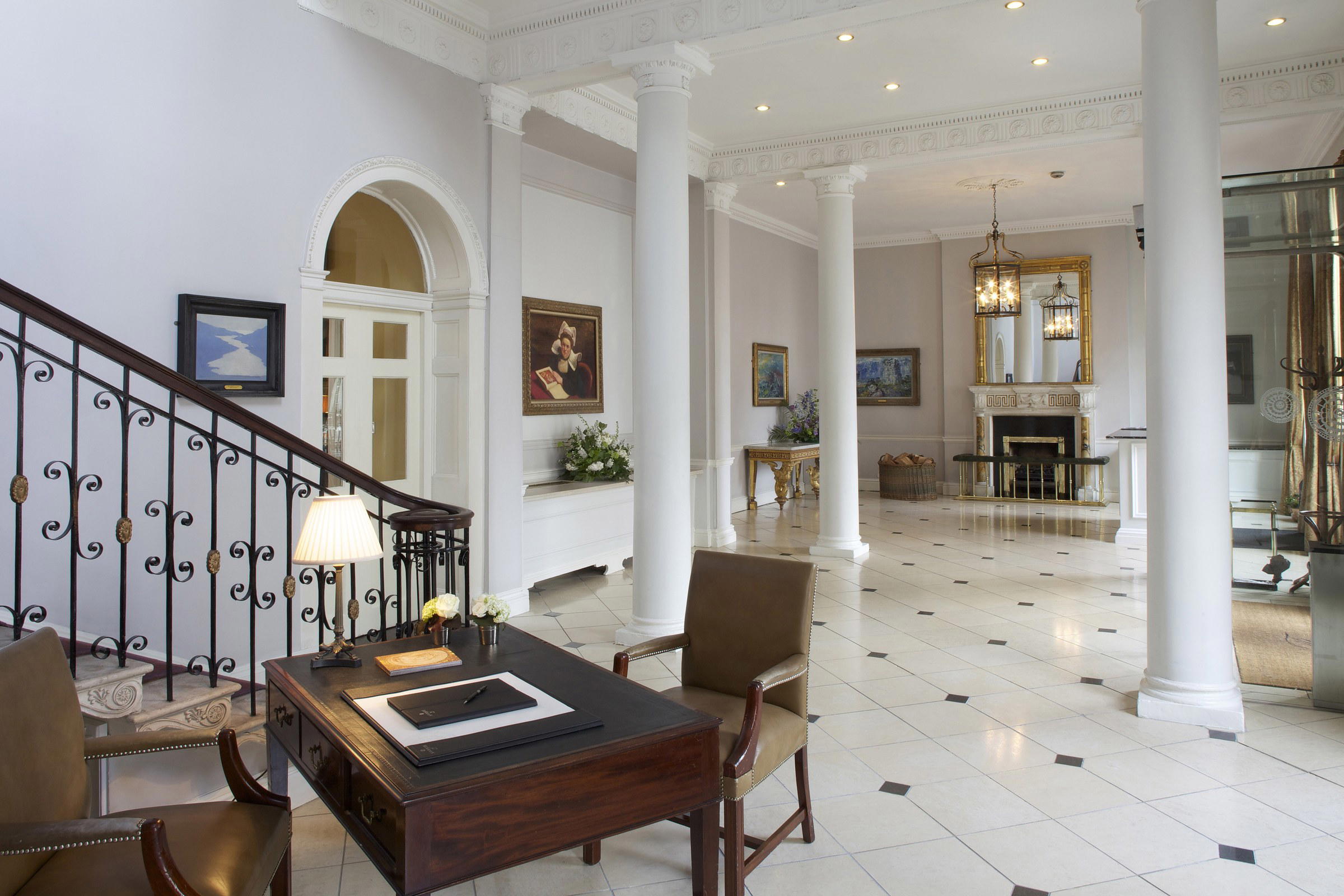
St Stephen's Green has always carried a certain civic weight in Dublin. The square's southern edge, lined with Georgian terraces whose proportions haven't changed since the eighteenth century, sets a tone before you've crossed the threshold of anything. Number 22 sits in that row, and the building itself does much of the contextual work: high ceilings, tall sash windows, the kind of staircase that expects you to slow down. Cliff Townhouse occupies this address as both a restaurant and a townhouse hotel, and the two functions reinforce each other in the way that only Georgian buildings tend to allow, where the domestic scale of the architecture makes a dining room feel more like a well-appointed private house than a commercial operation.
That physical character matters because it shapes what the kitchen is expected to do. Rooms like this don't suit theatrical plating or aggressive modernist menus. They suit precision applied to good material, and that is broadly what Dublin's more serious mid-to-upper tier restaurants have moved toward over the past decade.
Where the Food Comes From
Ireland's case for produce-led cooking is not a recent invention. The country's Atlantic coastline, from the Aran Islands south through Cork and Kerry, generates shellfish and fish of a consistency that chefs in Paris and Copenhagen have noted for years. Inland, the grass-fed beef and lamb from the midlands and west operate within a climate that keeps pasture green well into autumn, which translates to flavour rather than merely a marketing claim. The sourcing argument for Irish cooking is, in short, genuinely strong rather than performative.
For a restaurant at this address, proximity to those supply lines matters. Cliff Townhouse's position within the Cliff group means it draws on supplier relationships that extend beyond Dublin, connecting the city kitchen to the kind of coastal and rural producers that restaurants like Liath in Blackrock and Bastion in Kinsale have built their reputations around. The emphasis on Irish seafood is particularly consistent with what the country's better kitchens are doing: treating the coast as a pantry rather than an occasional reference.
This positions Cliff Townhouse within a recognisable Dublin dining pattern. Across the city, the restaurants drawing the most sustained critical attention are those that have resolved the tension between European technique and Irish raw material in favour of the latter. Bastible in Portobello and Chapter One by Mickael Viljanen both operate from that premise, even if the price points and formats differ. Cliff Townhouse works similar ground from a location that carries its own gravitational pull.
The St Stephen's Green Dining Tier
The immediate neighbourhood around St Stephen's Green represents a particular stratum of Dublin dining. Patrick Guilbaud, Ireland's most decorated restaurant, operates a few minutes north on Merrion Street and anchors the upper end of the city's formal dining. Glovers Alley on the same street operates at a similar tier of ambition. D'Olier Street occupies a different register nearby. Cliff Townhouse sits among these as a venue where the setting and the sourcing story combine to justify the address, without necessarily competing for the same Michelin attention as its neighbours.
That distinction is worth holding. Not every serious Dublin restaurant is chasing stars. Some are building a different kind of credibility: one rooted in consistency, in a room that works for multiple occasions, and in a kitchen that handles Irish produce with enough care that the sourcing claim holds up across the menu rather than appearing only in the most expensive dishes. That is a harder position to maintain than it sounds, and it reflects a maturity in the city's restaurant culture that has developed steadily since the mid-2010s.
Ireland's broader dining scene has deepened considerably in that period. Beyond Dublin, kitchens like Aniar in Galway, Campagne in Kilkenny, and Terre in Castlemartyr have demonstrated that the sourcing argument extends well beyond the capital. Chestnut in Ballydehob, Homestead Cottage in Doolin, and The Oak Room in Adare each represent the same underlying logic applied to their own regional pantries. dede in Baltimore and The Morrison Room in Maynooth extend that map further still. When a Dublin restaurant can credibly reference the same supply chains as these kitchens, the claim carries weight. See our full Dublin restaurants guide for a broader map of the city's current form.
How It Compares Internationally
The produce-led approach that defines Cliff Townhouse's positioning is not exclusive to Ireland, but Ireland is among the better-placed countries to execute it. Internationally, the restaurants that have built the most durable reputations around sourcing discipline tend to be those where the geography does genuine work: coastal access, temperate climate, short supply lines. Le Bernardin in New York City built its reputation on exactly that logic applied to seafood. Lazy Bear in San Francisco takes a different structural approach but operates from a comparable commitment to material quality. Ireland's advantage is that the raw material is both close and genuinely strong, which means a kitchen on St Stephen's Green has less distance to close between source and plate than its counterparts in most European capitals.
Planning Your Visit
Cliff Townhouse sits at 22 St Stephen's Green, directly accessible from the Green itself and within a short walk of both Grafton Street and the Merrion Square area. The townhouse format means the space operates across multiple floors, so the room you're seated in can vary the experience considerably. For dinner, booking ahead is advisable, particularly on weekends when the surrounding neighbourhood draws significant footfall from both hotel guests and Dublin residents. The dual restaurant-hotel function means the kitchen runs at volume, which is worth accounting for when choosing your timing. Lunch tends to offer a quieter version of the same menu logic. For those arriving from outside Dublin, the Green is central enough to reach easily from any of the city's main transport hubs without requiring specific planning.
Frequently asked questions
Where do I go for Cliff Townhouse Restaurant?
Cliff Townhouse Restaurant is located at 22 St Stephen's Green, Dublin, D02 HW54, Ireland, Dublin.
Is Cliff Townhouse Restaurant a good choice for dining on St Stephen's Green in Dublin?
Cliff Townhouse at 22 St Stephen's Green occupies one of Dublin's most recognisable civic addresses, which puts it in direct competition with the strongest restaurants in the city. The Georgian terrace setting distinguishes it from the basement and modern-build venues clustered around Grafton Street, and its produce-led approach aligns with the direction Irish cooking has taken over the past decade. For visitors who want the Georgian Dublin experience alongside contemporary Irish food, the location alone narrows the field considerably.
What's the must-try dish at Cliff Townhouse Restaurant?
The menu at Cliff Townhouse draws on Ireland's Atlantic coastline produce, which means seafood dishes tend to anchor the kitchen's identity. Without a current published menu available, the most reliable approach is to ask the front-of-house team at 22 St Stephen's Green what the kitchen is leading with that week — produce-led menus shift with supply, and the daily specials often reflect the strongest sourcing.
Do I need a reservation for Cliff Townhouse Restaurant?
Cliff Townhouse sits in the upper tier of St Stephen's Green dining, a neighbourhood that includes Patrick Guilbaud and several other destination addresses. At that level of Dublin dining, booking ahead is standard practice rather than optional. Reservations can be arranged directly through the restaurant at 22 St Stephen's Green.
What's the defining dish or idea at Cliff Townhouse Restaurant?
The defining idea at Cliff Townhouse is the Georgian address as frame for Irish produce cooking. Located on St Stephen's Green, the venue positions Irish Atlantic and land-sourced ingredients inside a formal townhouse setting, which places it in a Dublin tradition where the room carries as much meaning as the plate. The produce-led approach reflects a broader Irish movement that draws on the country's coastline from Galway south through Cork and Kerry.
In Context: Similar Options
A compact comparison to help you place this venue among nearby peers.
| Venue | Cuisine | Price | Awards | Notes |
|---|---|---|---|---|
| Cliff Townhouse RestaurantThis venue — the venue you are viewing | Modern Seafood Fine Dining | Not listed | Not listed | Not listed |
| Patrick Guilbaud | Modern French Fine Dining | $150–200 | 2 Michelin Stars · La Liste Top Restaurants | Irish - French, Modern French |
| Bastible | Modern Irish | $100–150 | 1 Michelin Star · The Sunday Times Ireland’s 100 Best Restaurants | Modern Cuisine |
| Host | Modern Italian | $50–100 | Michelin Plate | Nordic, Modern Cuisine |
| mae | Modern Irish Fine Dining | $50–100 | Michelin Plate · The Sunday Times Ireland’s 100 Best Restaurants | Southern, Modern Cuisine |
| Matsukawa | Authentic Edomae Omakase | $100–150 | Michelin Plate · La Liste Top Restaurants | Kaiseki, Japanese |
Continue exploring
More in Dublin
Restaurants in Dublin
Browse all →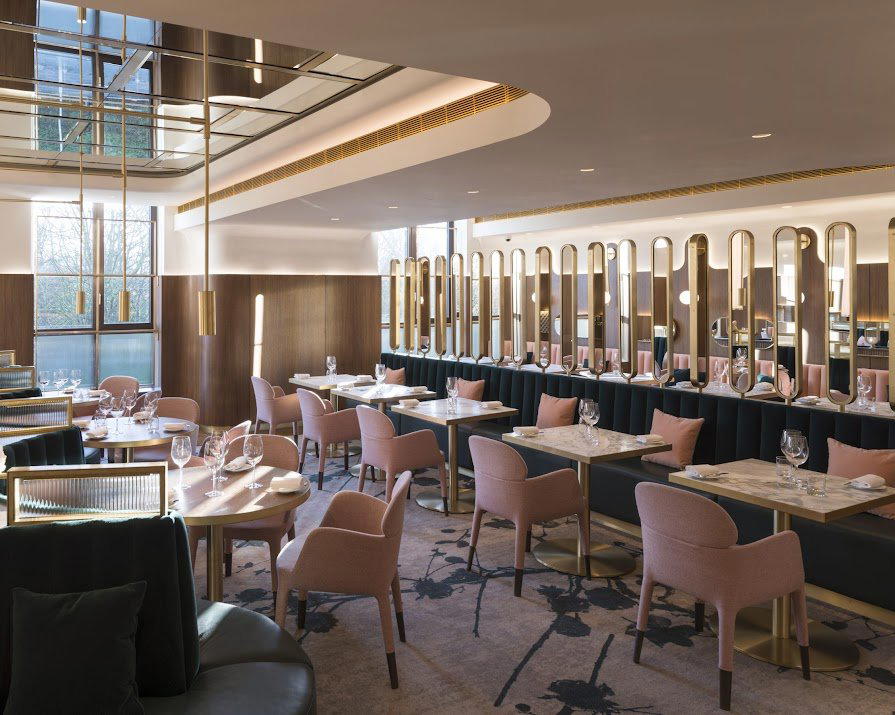
Bars in Dublin
Browse all →

Hotels in Dublin
Browse all →
Wineries in Dublin
Browse all →

Details
- Elegant
- Sophisticated
- Classic
- Intimate
- Date Night
- Special Occasion
- Business Dinner
- Hotel Restaurant
- Private Dining
- Historic Building
- Extensive Wine List
- Street Scene
- A La Carte
- Vegetarian Friendly
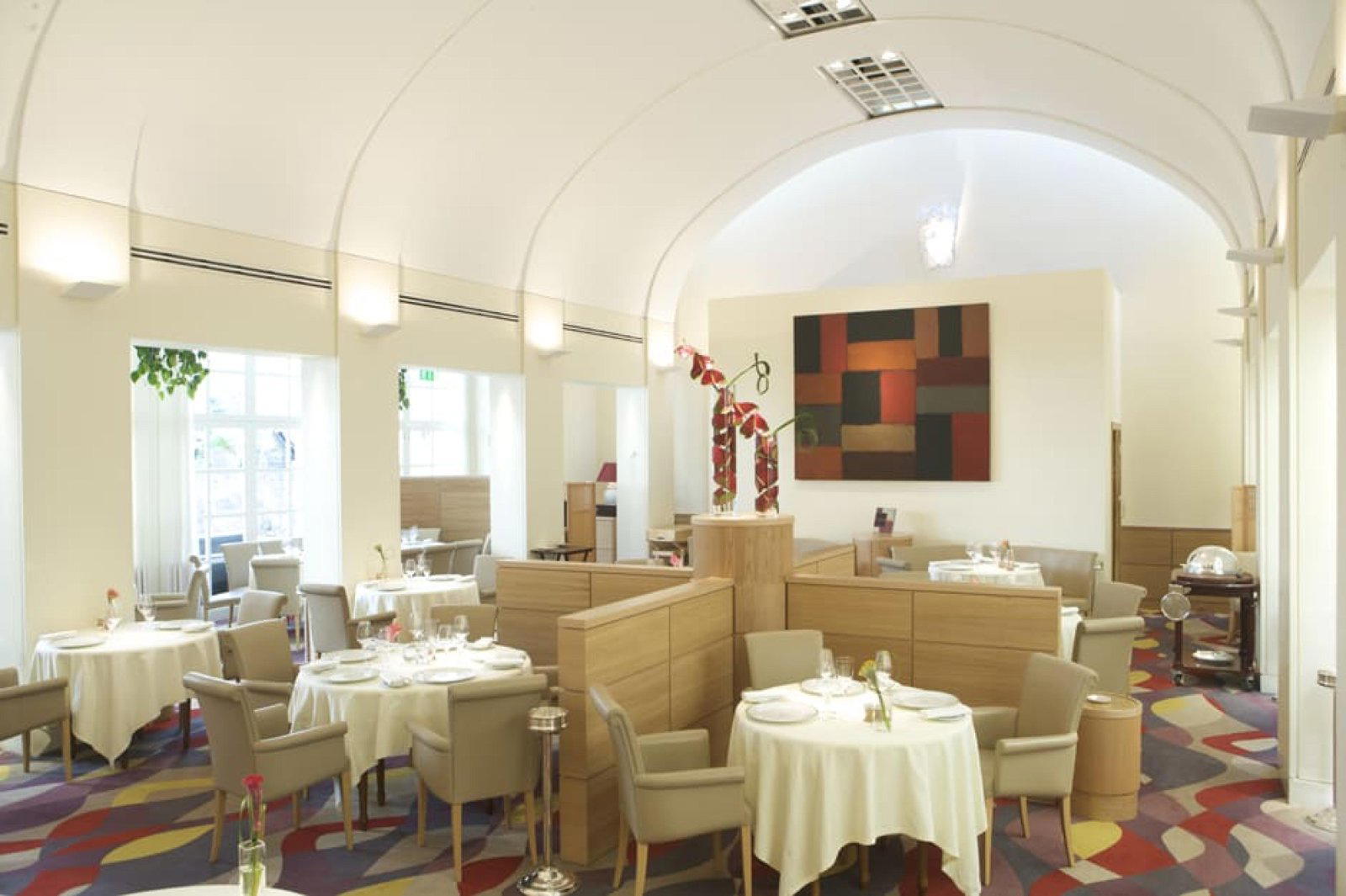
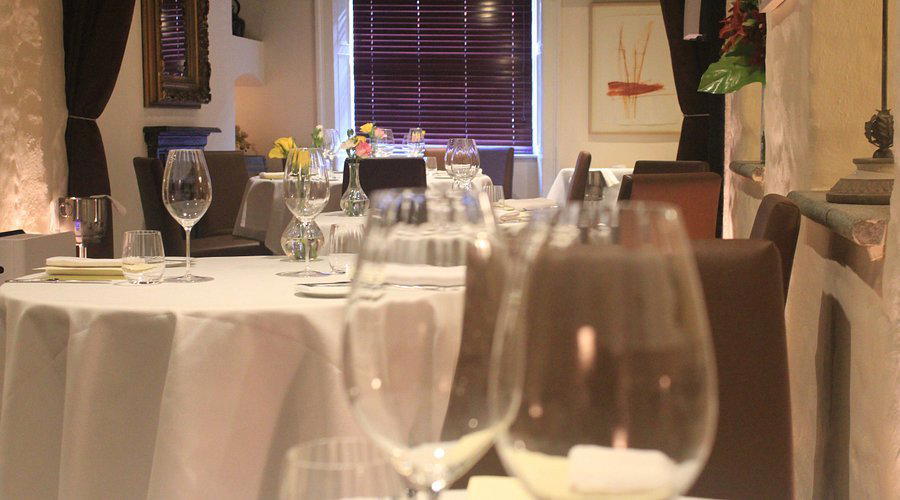
Classic wood-panelled dining room with marble-topped Oyster & Champagne Bar, offering an elegant and sophisticated atmosphere.