
Michelin Plate
Our verdict
Kinari in Kita-ku preserves a traditional Osaka culinary style that predates the city's modern kaiseki scene. The kitchen centers on local sourcing and classical technique, operating in Temma—a neighborhood known for early-20th-century merchant dining. Expect a narrow focus on ingredient seasonality rather than multi-course spectacle.

Pearl is the En Primeur Club membership app — saves, bookings, and concierge access live there. Same editors, same standards.
- Address
- 4-17-15 Temma, Kita-ku, Osaka, Osaka, 530-0043, JPN
- Phone
- +81 80-6924-2715
- Hours
- Daily 6–8:30 PM
- Website
- guide.michelin.com
- Directions
- Get directions
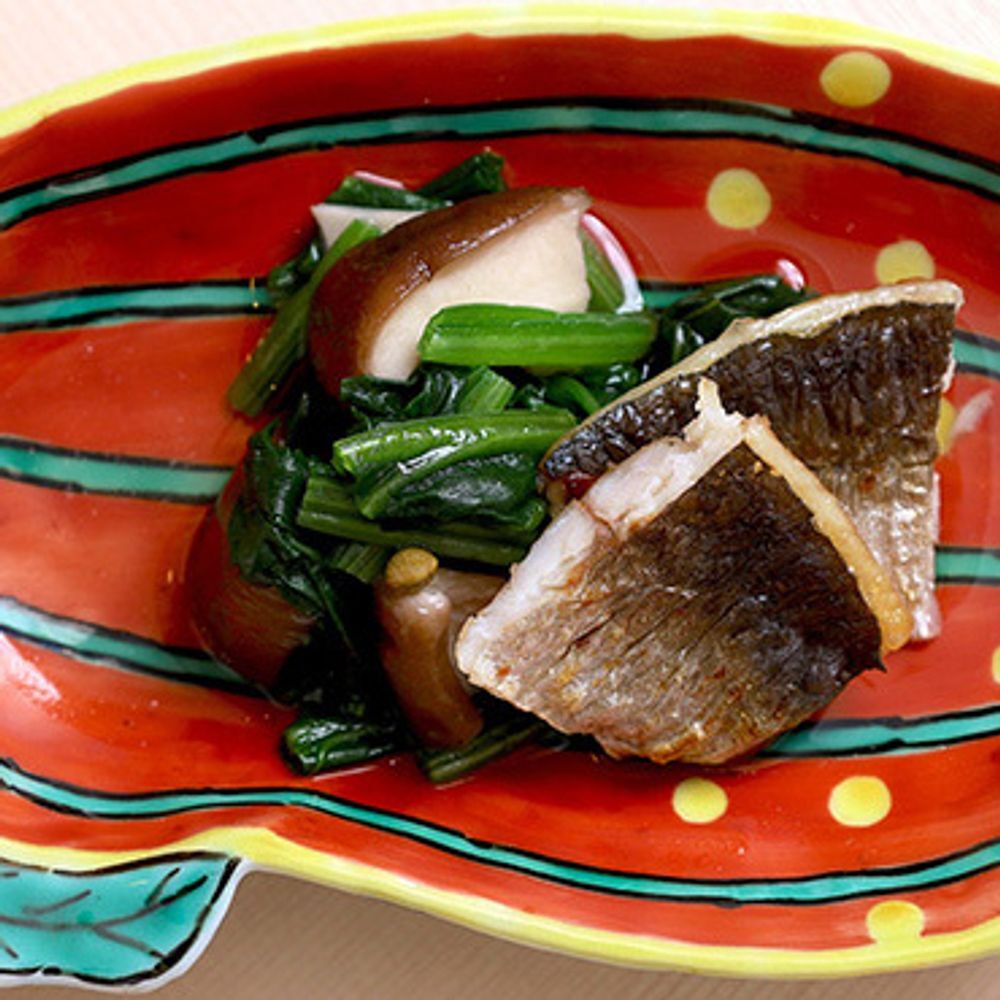
The menu
What to order
- Takiawase seasonal vegetable stew
- Ohitashi boiled greens with light dashi
- Seasonal sashimi selection
The walk to Kinari in Temma traces a grid of low-rise shopfronts and residential blocks that date from Osaka's pre-war merchant quarter. The address sits on a quiet street removed from the izakaya clusters near Tenma Station, in a district that once fed wholesalers and neighborhood families rather than tourists. Inside, the room reads functional: counter seating, minimal decoration, and a cooking line visible from most angles. The atmosphere prioritizes the plate over the setting, a format common to older Osaka establishments that predate the kaiseki boom.
Kinari refers to a traditional culinary style practiced in Osaka since the early 20th century, rooted in the city's dashi-forward cooking and ingredient-led restraint. The term itself signals an approach that values purity of flavor and minimal intervention, principles that shaped Osaka's merchant-class dining before kaiseki formalization took hold in Kyoto and later spread to Tokyo. The kitchen here adheres to that framework: seasonal vegetables sourced from Osaka's market network, fish from the Seto Inland Sea when conditions allow, and preparations that favor steaming, grilling, and light broths over reduction sauces or elaborate plating. This places Kinari in a narrow category, restaurants that identify with a historical cooking style rather than a chef-driven concept or modern fusion angle.
Ingredient Sourcing and Menu Structure
The kitchen sources from Osaka's Kuromon Ichiba and surrounding wholesale networks, a supply chain that connects directly to Wakayama's coastal fisheries and Nara's vegetable farms. Seasonal shifts dictate availability: spring brings bamboo shoots and young greens, summer centers on eggplant and okra, autumn features matsutake mushrooms when budget and supply align, and winter leans on root vegetables and shellfish. The menu format does not follow a fixed omakase structure but adapts to daily market purchases, a practice more common in neighborhood restaurants than in Michelin-tier kaiseki houses. Expect dishes built around one or two central ingredients rather than multi-component compositions. Grilled fish arrives with minimal garnish; vegetable courses highlight the product's inherent sweetness or bitterness without layering in sweetened miso or heavy tare.
The style contrasts with Osaka's broader dining landscape, where kaiseki venues such as a canto apply European technique to Japanese ingredients, and izakaya like 551 Horai prioritize volume and accessibility. Kinari occupies a middle tier: more ingredient-focused than casual spots, less formal than starred kaiseki, and priced accordingly. The kitchen does not advertise chef lineage or apprenticeship pedigree, which places it outside the narrative-driven dining culture that defines Tokyo's top-tier omakase counters. Instead, the emphasis remains on execution and sourcing discipline, traits valued by local diners who return for seasonal consistency rather than novelty.
Context Within Osaka's Dining Tiers
Osaka's restaurant hierarchy splits between high-recognition kaiseki (Michelin-starred, internationally reviewed) and neighborhood specialists that serve a predominantly local clientele. Kinari sits in the latter group, operating without English-language marketing or foreign press coverage. The pricing structure reflects that positioning: dinner runs significantly below the JPY 20,000–29,999 range common at venues like Mato, and closer to the JPY 8,000–9,999 tier seen at Tori Yasu. The absence of published contact details and website suggests a reservation system managed through repeat customers or local referral, a model that prioritizes capacity control over broader visibility.
For travelers comparing options, Kinari offers a window into Osaka's pre-kaiseki cooking tradition without the formality or expense of starred venues. The trade-off is accessibility: no online booking platform, limited English, and a menu that assumes familiarity with seasonal Japanese ingredients. Those seeking a more internationally legible experience may prefer kaiseki houses with bilingual service or izakaya with picture menus. Kinari rewards diners who prioritize ingredient integrity and historical context over novelty or elaborate presentation.
The location in Temma places the restaurant within a 10-minute walk of Tenma Station (Osaka Loop Line), and a 15-minute train ride from Osaka Station. The neighborhood lacks tourist infrastructure, few English signs, minimal hotel presence, but offers proximity to Osaka's broader restaurant scene, including the Nakazakicho café district to the south and the Umeda dining complex to the west. Visitors can combine a meal at Kinari with a stop at .cafe or 52CHO-ME BAKERY earlier in the day, then explore Osaka's bar scene in Kitashinchi or Namba afterward. Those with more time can extend the visit to include cultural experiences or day trips to Kamakura or Kyoto.
Kinari does not chase trends or adapt to international palates. The kitchen executes a defined style with seasonal discipline, making it a reference point for travelers interested in Osaka's culinary lineage rather than its contemporary kaiseki or fusion output. Expect ingredient-forward cooking, minimal explanation, and a format that assumes the diner values restraint over spectacle.
Frequently asked questions
Is Kinari good for families?
Kinari operates as a neighborhood kaiseki specialist in Temma, Kita-ku, and the format aligns with traditional multi-course dining that requires extended seating. The kinari style practiced here since Osaka's culinary lineage centers on seasonal preparation and pacing, which suits diners comfortable with formal progression rather than rapid family-style service.
Is Kinari formal or casual?
The kinari culinary tradition practiced at Kinari reflects Osaka's formal kaiseki structure, rooted in seasonal ingredient discipline and course sequencing. Located in Temma at 4-17-15, the venue follows neighborhood kaiseki conventions that lean toward traditional presentation rather than casual izakaya service.
Is Kinari Michelin-listed?
Kinari has received recognition including: ‘Kinari’ is a traditional culinary style of Osaka, practiced since....
How do I find Kinari?
Kinari is located at 4-17-15 Temma, Kita-ku, Osaka, Osaka, 530-0043, JPN, Osaka.
What's the best way to book Kinari?
Kinari operates at 4-17-15 Temma, Kita-ku, Osaka, within the tier of neighborhood kaiseki specialists that typically require advance reservation by phone. Because the venue does not publish a website or online booking portal, contact is made through traditional channels common to Osaka's smaller kaiseki operators.
What's the signature at Kinari?
The kitchen draws ingredients from Osaka's Kuromon Ichiba and Wakayama's coastal fisher networks, anchoring the menu in the kinari style, a traditional Osaka culinary approach centered on seasonal seafood and regional produce. The format prioritizes market-driven composition over fixed signature dishes, allowing the daily catch and harvest to dictate each course.
Comparison Snapshot
Comparable venues by cuisine and price in the same metro.
| Venue | Cuisine | Price | Awards |
|---|---|---|---|
| Kinari | Japanese Kaiseki | Not listed | Michelin Plate |
| Fukuryu En | Sichuan & Tantanmen Chinese | $20–30 | Tabelog 100 #27 |
| Tori Yasu | Yakitori & Chicken Cuisine Counter | $50–100 | Tabelog 100 #11 |
| Naniwaryori Yu | Osaka Kappo Omakase | $100–150 | 1 Michelin Star |
| Mato MATO | JPY 20,000 - JPY 29,999 View spending breakdown | Not listed | Not listed |
| MATO | Modern Shanghai Chinese | Not listed | Michelin Plate · Tabelog 100 #58 |
Recognition history
Dated appearances from independent guides and award organizations, with the underlying list record or original source where available.
Michelin Plate
Michelin
Continue exploring
More in Osaka
Restaurants in Osaka
Browse all →


Bars in Osaka
Browse all →
Hotels in Osaka
Browse all →


Wineries in Osaka
Browse all →
Details
- Intimate
- Quiet
- Minimalist
- Elegant
- Date Night
- Special Occasion
- Business Dinner
- Solo
- Chefs Counter
- Standalone
- Design Destination
- Sake Program
- Local Sourcing
- Tasting Menu
- Set Menu
- Counter Dining
- Sake
- Beer
- Pescatarian Friendly
Current opening hours
- Monday
- 6–8:30 PM
- Tuesday
- 6–8:30 PM
- Wednesday
- 6–8:30 PM
- Thursday
- 6–8:30 PM
- Friday
- 6–8:30 PM
- Saturday
- 6–8:30 PM
- Sunday
- 6–8:30 PM
Hours can change for holidays and private events. Last verified .
An intimate eight-seat counter with a calm, almost meditative atmosphere where the focus is on the chef’s precise seasonal cooking; the setting is simple and refined rather than showy, aligning with the ‘kinari’ concept of natural, unvarnished flavor.