Kimukatsu PIM 3 brings the Japanese tonkatsu tradition to Pondok Indah Mall 3 in South Jakarta, where the restaurant's layered-pork katsu format has built a following among mall-dining regulars seeking something more considered than the standard food-court offer. It sits within a broader Jakarta scene where Japanese casual dining competes on technique and consistency as much as on price.
Pearl is the En Primeur Club membership app — saves, bookings, and concierge access live there. Same editors, same standards.
- Address
- Pd. Indah Mall 3, 1, RT.1/RW.16, Pd. Pinang, Kec. Kebayoran Lama, Kota Jakarta Selatan, Daerah Khusus Ibukota Jakarta 12310, Indonesia
- Phone
- +622127814995
- Website
- kimukatsu.id
- Directions
- Get directions
 Saves & bookings on Pearl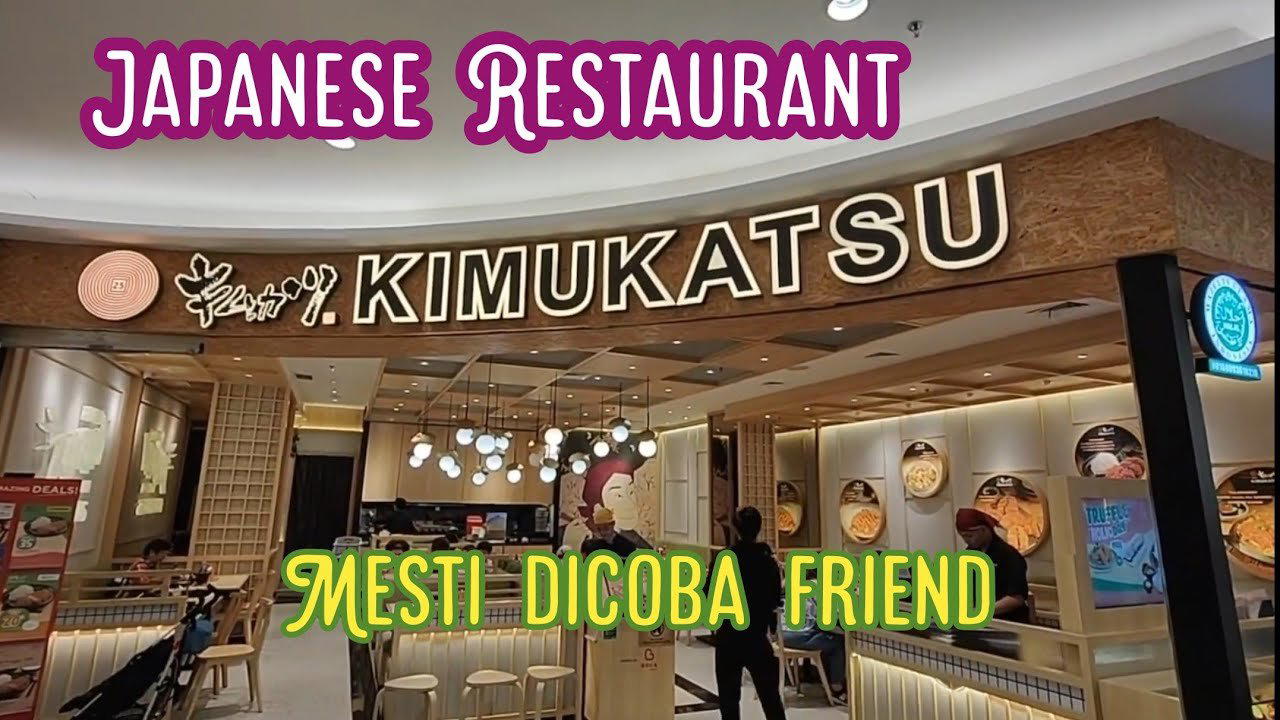
The Ritual of the Layered Cut
Mall dining in Jakarta operates on a particular logic: the better the anchor tenant, the more a restaurant must work to hold attention against its neighbours. Pondok Indah Mall 3, a major South Jakarta retail centre, draws a clientele that shops with intention and eats the same way. Within that context, Kimukatsu PIM 3 occupies a position that depends less on spectacle and more on a repeatable dining ritual built around a single, specific preparation: the layered tonkatsu.
The tonkatsu tradition in Japan is itself a study in controlled simplicity. Pork loin or fillet, breaded and fried to a precise internal temperature, served with shredded cabbage, rice, and miso soup, the format has barely changed in over a century. What Kimukatsu introduced was a structural variation: the pork is folded into multiple thin layers before breading, which changes the texture of the crust-to-meat ratio and the way the fat distributes during frying. It is the kind of technical adjustment that, in Japan's tonkatsu culture, constitutes a genuine distinction rather than a marketing gesture.
That distinction travels. Japanese restaurant chains that export to Southeast Asia generally succeed when the core technique is durable enough to survive a different supply chain, different kitchen teams, and a different dining public. Kimukatsu's format is well-suited to that challenge because the layering method is replicable and the outcome is visually legible, a customer can see immediately whether the layers have held, whether the breading is even, whether the cut is clean. It is a self-auditing product in a way that more improvised cooking is not.
South Jakarta's Japanese Casual Tier
Jakarta's Japanese dining scene distributes itself across several tiers that rarely overlap. At the upper end sit omakase counters and kaiseki rooms, some drawing comparisons to the standard-setting precision you find at venues like Atomix in New York City or Le Bernardin in New York City, restaurants where the format demands full attention and the price point reflects it. Below that sits a broad middle tier of ramen shops, izakayas, and katsu specialists, where the competition is sharpest and consistency matters more than ambition. Kimukatsu operates in that middle tier, where repeat visits are the measure of success and the weekday lunch crowd is as important as the weekend dinner booking.
Within South Jakarta specifically, the Japanese casual tier is crowded. Pondok Indah and the surrounding Kebayoran Lama district have accumulated enough Japanese restaurants over the past decade that diners have genuine choice, and novelty alone does not sustain a location. The venues that hold their position in this area tend to do so through format clarity and reliable execution, the same reasons a restaurant like Aged + Butchered Jakarta holds its ground in the steakhouse category, or why Bistecca maintains its footing through a defined protein focus. Kimukatsu's claim to that consistency rests on the layered katsu format itself, a narrow enough specialisation to be ownable, broad enough in appeal to sustain regular traffic.
For a comparative sense of Jakarta's wider dining range in the area, the full Jakarta restaurants guide maps the city's offer across neighbourhoods and categories. Elsewhere in the city, venues like August and Kita Restaurant and Bar in Kecamatan Menteng operate with more elaborate formats; Kimukatsu sits at a different register, where the meal is structured and unhurried but the format is fixed rather than composed to order.
How the Meal Moves
The ritual of eating tonkatsu properly has conventions that Kimukatsu, as a Japanese-origin chain, carries into its Indonesian locations. The cabbage arrives shredded fine, a textural counterpoint to the dense breading rather than a garnish. The dipping sauce, typically a thick, slightly sweet Worcestershire-adjacent katsu sauce, is applied by the diner, not the kitchen, which preserves the crust's integrity until the moment of eating. Sesame seeds are ground tableside at many Kimukatsu locations, a small participatory gesture that slows the meal's opening rhythm and draws attention to what is about to be eaten.
These customs matter because they shape the pacing of the meal. Tonkatsu is not fast food in its Japanese context, even when the setting is casual. The order of operations, cabbage, then the cut, then rice, then soup, has a sequence that regular eaters follow without thinking. For diners new to the format, the structure is gentle enough to be intuitive. The layered variation that defines Kimukatsu's product requires a slightly more deliberate cut, since the layers can separate if the knife angle is careless, which is itself a small cue to eat with attention rather than speed.
Mall dining compresses some of that rhythm. A busy weekend service at Pondok Indah Mall 3 moves faster than a standalone restaurant in a quieter neighbourhood. But the format holds its shape because the dish itself imposes a structure that ambient noise cannot entirely dissolve.
The Hotpot Parallel
Jakarta's appetite for structured, participatory Asian dining formats is visible across categories. Hotpot restaurants like Chongqing Liuyishou Hotpot in South Jakarta and Hai Di Lao in Central Jakarta have built substantial followings on a similar logic: a defined ritual, a participatory element, and a format that is recognisable enough to repeat without diminishing returns. Tonkatsu operates in the same register, if at a lower volume and smaller table footprint. The common thread is that the meal has a shape, and that shape is part of the appeal. Jakarta diners who seek out Kimukatsu are, in most cases, already familiar with what they will receive; the decision is about executing the ritual under good conditions rather than discovering something new.
That dynamic is not distinctive to Japanese formats. Abunawas Restaurant in Kemang holds its audience through a similarly legible Indonesian format, and Bakerzin at Central Park has sustained a loyal following in a comparable mall-dining context. The pattern across all of them is format loyalty over discovery, a Jakarta dining behaviour that favours the well-executed familiar over the untested ambitious.
For those travelling across Indonesia more broadly, the structured dining formats that Kimukatsu represents find counterparts in Bali at Locavore NXT in Ubud and Jungle Fish Bali in Gianyar, though at a different price point and ambition level. The thread connecting them is that Indonesian diners, across income segments and cities, respond to meals with a clear internal logic.
Planning Your Visit
Kimukatsu PIM 3 is located inside Pondok Indah Mall 3 at Pondok Pinang, Kebayoran Lama, South Jakarta. The mall is accessible by private vehicle or ride-hailing from the Lebak Bulus MRT station, which connects directly to the TransJakarta network. Weekend afternoons at Pondok Indah Mall tend toward full occupancy across all dining tenants; a visit during a weekday lunch or early weekday evening will involve shorter waits and a more composed pace. Current hours and the recommendation to reserve should be confirmed before you go.
At-a-Glance Comparison
Comparable venues nearby, for context on price, style, and recognition.
| Venue | Cuisine | Price | Notes |
|---|---|---|---|
| Kimukatsu PIM 3This venue — the venue you are viewing | Japanese Katsu Specialist | $$ | Not listed |
| Shaburi & Kintan Buffet | Japanese Shabu-Shabu & Yakiniku Buffet | $$ | Gelora |
| Kinsuke Ramen | Halal Japanese Ramen | $$ | Pondok Pinang |
| Kinshamo Japanese Restaurant | Authentic Japanese Robata & Omakase | $$ | Grogol Utara |
| Canary Restaurant | Indonesian | $$ | Pasar Minggu |
| HAI SHIEN FANG | Szechuan Hot Pot | $$ | Golf Island PIK |

At a Glance
- Modern
- Casual Hangout
- Standalone
Current opening hours
- Monday
- 10 AM–9:30 PM
- Tuesday
- 10 AM–9:30 PM
- Wednesday
- 10 AM–9:30 PM
- Thursday
- 10 AM–9:30 PM
- Friday
- 10 AM–9:30 PM
- Saturday
- 10 AM–9:30 PM
- Sunday
- 10 AM–9:30 PM
Hours can change for holidays and private events. Last verified .
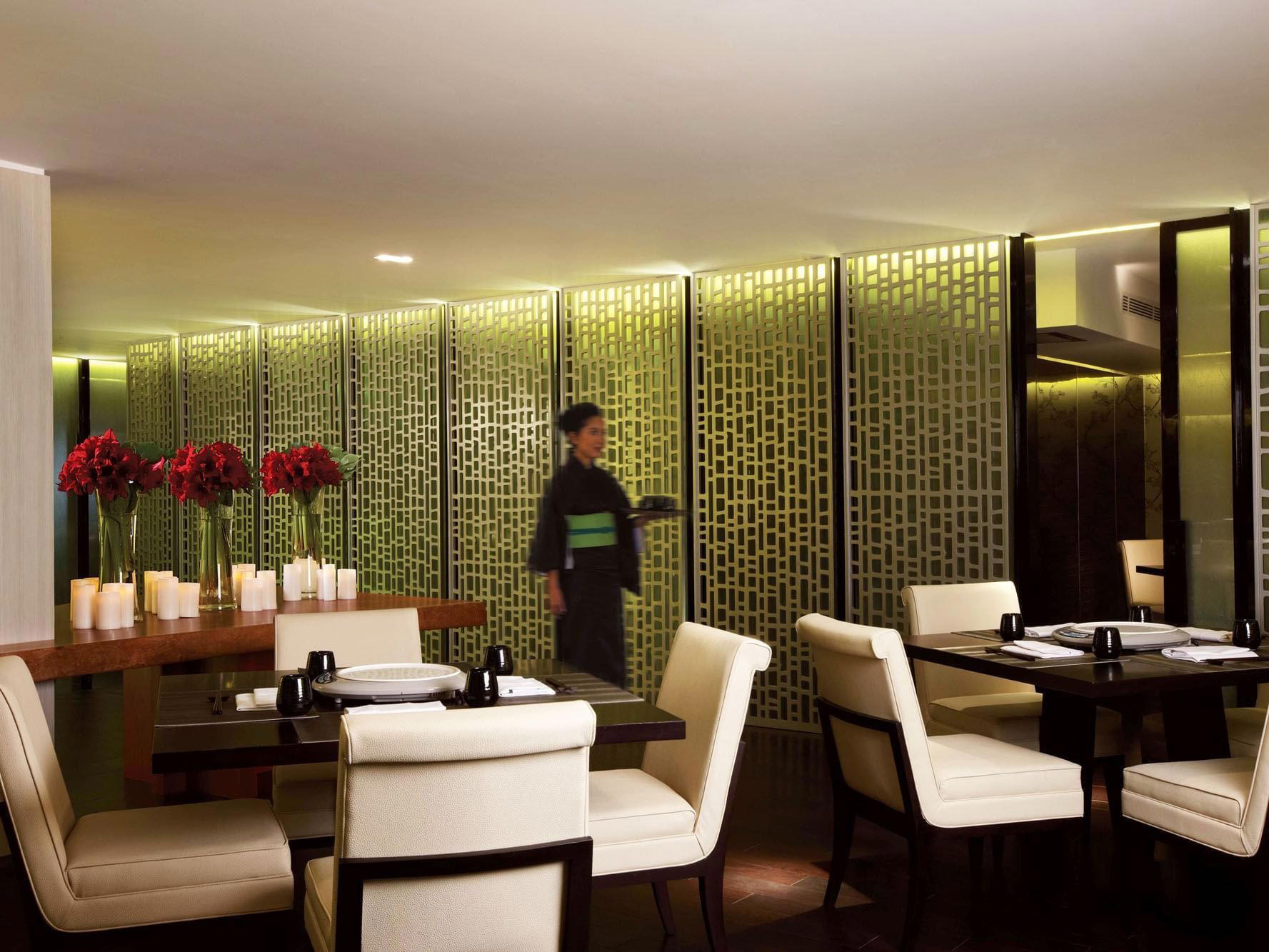
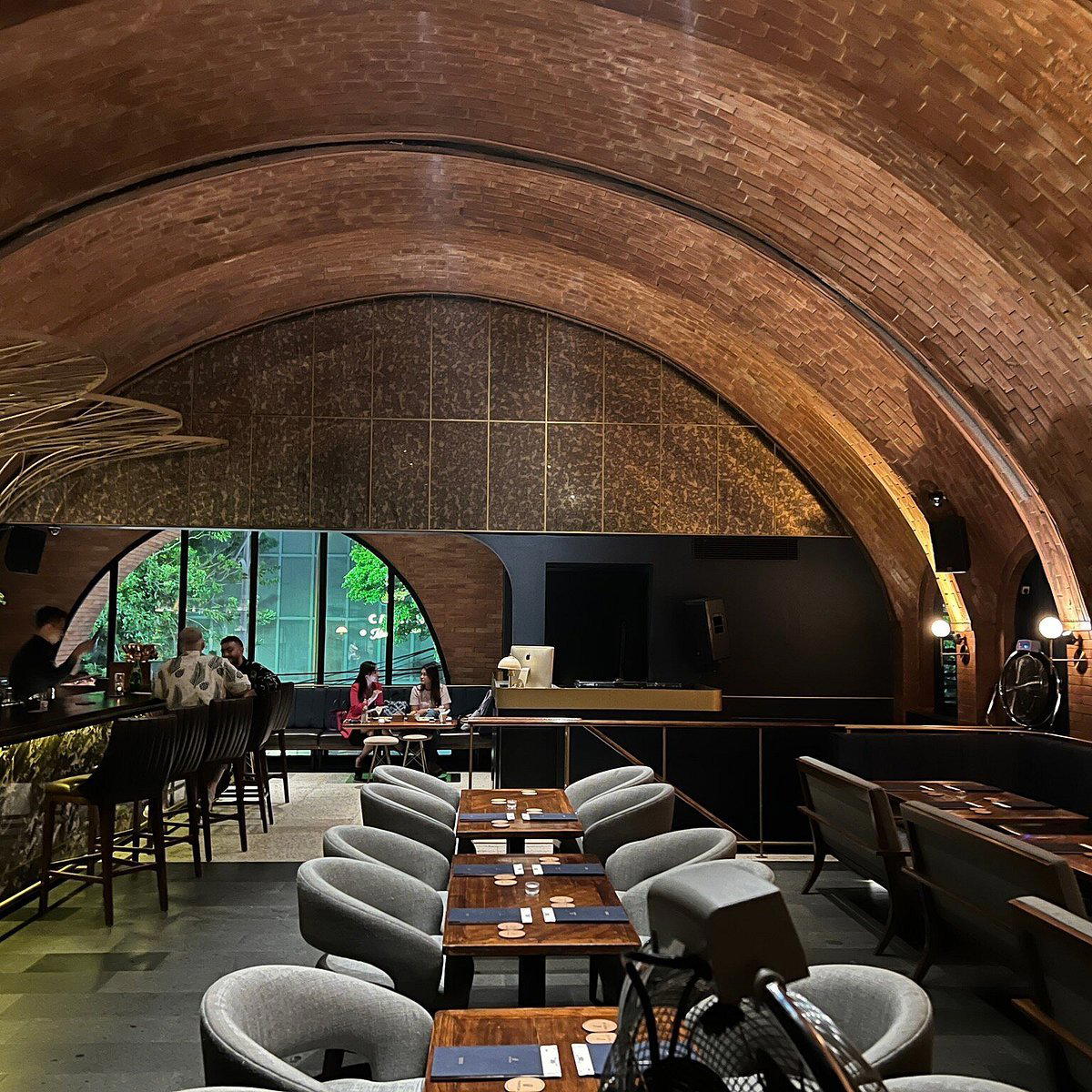
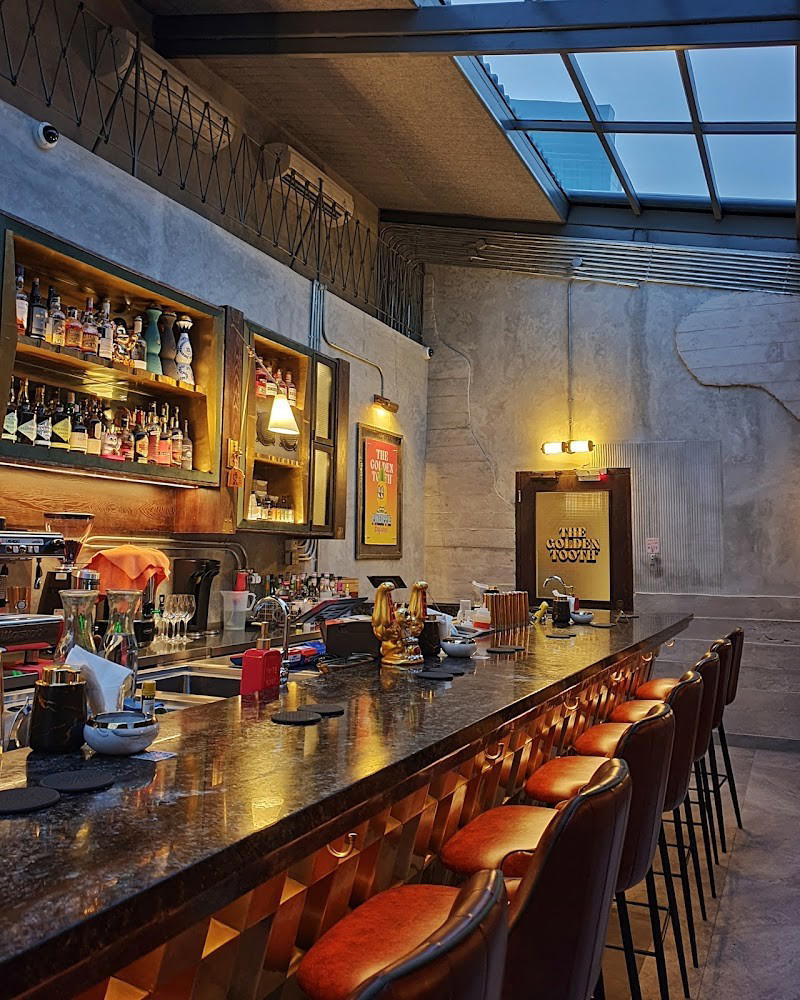
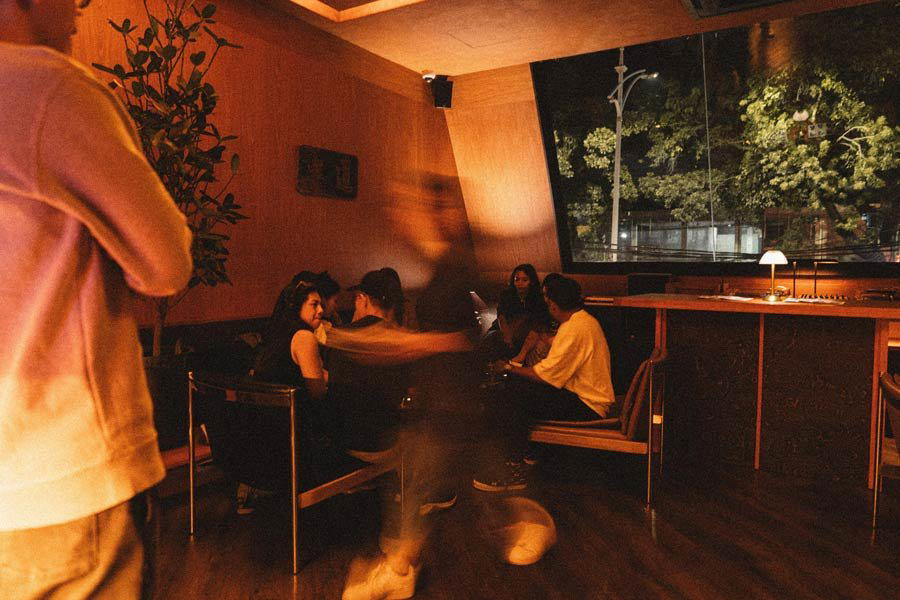
Exotic atmosphere in a compact modern space within an elite mall.