Aamanns Deli & Takeaway | Østerbro
Aamanns Deli & Takeaway in Østerbro brings the smørrebrød tradition into everyday Copenhagen life, operating from Øster Farimagsgade 10 in one of the city's most residential and food-literate neighbourhoods. The format is deliberately accessible: open-faced rye bread with considered toppings, available to eat in or take away. For visitors tracking Copenhagen's broader food culture, this is where the Danish lunch canon operates without ceremony.
Pearl is the En Primeur Club membership app — saves, bookings, and concierge access live there. Same editors, same standards.
- Address
- Øster Farimagsgade 10, 2100 København Ø, Denmark
- Phone
- +45 20 80 52 01
- Website
- aamanns.dk
- Directions
- Get directions
 Saves & bookings on Pearl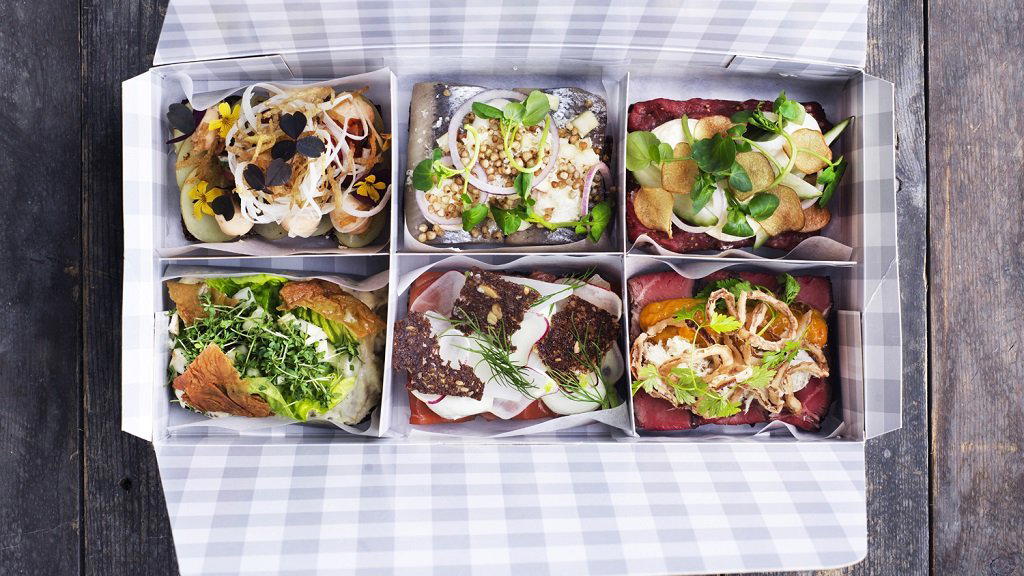
Smørrebrød as a Living Tradition, Not a Museum Piece
Copenhagen's food reputation sits almost entirely on the shoulders of its tasting-menu restaurants. Geranium, Noma, and Alchemist have repositioned the city as a destination for multi-hour, multi-course progressive dining. But Danish food culture was never built around those formats. It was built around smørrebrød: the open-faced rye bread sandwich that has anchored the Danish midday meal for well over a century. The deli and takeaway format at Aamanns on Øster Farimagsgade 10 belongs to a different register entirely, one that connects directly to that everyday tradition rather than to the self-conscious innovation of the fine dining tier.
Smørrebrød is not complicated food, but it is precise food. The base is rugbrød, the dense, slightly sour Danish rye loaf that bears no resemblance to the light rye found elsewhere in Europe. The toppings follow a logic of layering and proportion that Danes learn intuitively: cold cuts, pickled vegetables, fresh herbs, and condiments arranged so each bite delivers a coherent combination. The format resists modification. It is served open, eaten with a knife and fork in formal settings and by hand only in particularly casual ones, and it is almost always a lunch proposition. In Copenhagen, the gap between a well-made smørrebrød and a poorly executed one is significant, and local diners know the difference immediately.
Østerbro: Copenhagen's Most Food-Literate Neighbourhood
Østerbro occupies a specific place in Copenhagen's residential geography. It runs northeast of the city centre, between Nørrebro and the harbour, and has historically attracted a professional, educated population that shops at local markets, cooks seriously at home, and supports neighbourhood restaurants with sustained loyalty rather than tourist-driven footfall. The area around Øster Farimagsgade sits within easy reach of Fælledparken, the city's largest park, which generates consistent weekday and weekend traffic from families and working residents rather than visitors ticking attractions off a list.
That neighbourhood character matters for understanding what a deli and takeaway operation in this part of the city actually serves. The customer base is overwhelmingly local. These are people who know what good smørrebrød costs and what it should taste like, who have strong opinions about the quality of the rugbrød, and who will not return if the execution drops. Operating in Østerbro is, in that sense, a more demanding proposition than operating near a tourist corridor: the audience is unforgiving precisely because it is knowledgeable.
For a broader view of where this fits in Copenhagen's dining picture, the EP Club Copenhagen restaurants guide maps the full range from neighbourhood delis to the tasting-menu tier represented by venues like Kadeau and Koan.
The Deli Format and What It Signals
The deli and takeaway format in Danish food culture sits between two poles. At one end is the traditional frokostrestaurant, the sit-down lunch restaurant where smørrebrød is served with aquavit and follows a structured sequence of dishes. At the other end is the supermarket grab, which sacrifices quality for convenience. The deli occupies the productive middle: quality ingredients and proper preparation, available without the formality or the time commitment of a full frokost. For working Danes in a neighbourhood like Østerbro, this is the format that actually fits a Tuesday lunch.
The Aamanns operation in Østerbro is part of a broader effort to make considered smørrebrød accessible on that everyday basis. The model acknowledges that most people eating open-faced rye sandwiches in Copenhagen are not doing so as a special occasion. They are doing so because it is what you eat at lunch, because the ingredients are good, and because the format is efficient. That is the cultural logic the deli format serves.
To understand how the smørrebrød tradition connects to the wider arc of Danish culinary development, it is worth noting that venues like Jordnær in Gentofte and Frederikshøj in Aarhus approach Nordic ingredients from the tasting-menu direction, while operations like Aamanns demonstrate that the same ingredient philosophy, seasonal produce, quality proteins, fermented and pickled components, can be deployed in a democratic, accessible format without losing rigour.
Where Aamanns Fits in the Smørrebrød Conversation
Copenhagen has several operators working at different quality levels in the smørrebrød space. The traditional high-end lunch houses in the city centre charge prices that position smørrebrød as an occasion. The supermarket tier delivers volume without craft. The Aamanns brand, which operates across multiple formats in the city, has consistently positioned itself as the quality-accessible tier: better than convenient, less ceremonial than formal. The Østerbro deli location reflects that positioning, placed in a neighbourhood where the customer is informed about quality but not looking for an event.
For visitors planning time across Denmark more broadly, it is worth noting that the same commitment to Danish ingredients and regional produce runs through venues as different as Henne Kirkeby Kro in Henne, Alimentum in Aalborg, ARO in Odense, LYST in Vejle, Domæne in Herning, Dragsholm Slot Gourmet in Hørve, Frederiksminde in Præstø, and MOTA in Nykøbing Sjælland. The ingredient logic is shared even when the format and price points diverge sharply.
For context on how Copenhagen's neighbourhood dining fits into a global frame, the EP Club also covers comparable urban food traditions at Le Bernardin in New York City and Atomix in New York City, where the gap between accessible neighbourhood formats and tasting-menu destination dining follows a similar structure.
Know Before You Go
Address: Øster Farimagsgade 10, 2100 København Ø, Denmark
Format: Deli and takeaway (smørrebrød)
Neighbourhood: Østerbro, Copenhagen
Price tier: Not confirmed; consistent with accessible neighbourhood deli pricing
Booking: No booking information available; walk-in format expected given deli/takeaway operation
Getting there: Østerbro is accessible by bus from central Copenhagen; the address is close to Fælledparken
Leading for: Midday visits; the smørrebrød format is a lunch tradition across Denmark
Cuisine and Recognition
Comparable venues nearby, for context on price, style, and recognition.
| Venue | Cuisine | Price | Notes |
|---|---|---|---|
| Aamanns Deli & Takeaway | ØsterbroThis venue — the venue you are viewing | Modern Danish Smørrebrød | $$ | Not listed |
| Ravelinen | Traditional Danish | $$ | Indre By |
| Told & Snaps | Traditional Danish Smørrebrød | $$ | Indre By |
| Aamanns Etablissement | Modern Danish Smørrebrød | $$$ | Indre By |
| Restaurant Puk | Classic Danish | $$ | Indre By |
| Restaurant Karla | Classic Danish Bistro | $$ | Indre By |
Continue exploring
More in Copenhagen
Restaurants in Copenhagen
Browse all →
Bars in Copenhagen
Browse all →

At a Glance
- Cozy
- Modern
- Casual Hangout
- Organic
- Local Sourcing
Current opening hours
- Monday
- 12:30–7:30 PM
- Tuesday
- 12:30–7:30 PM
- Wednesday
- 12:30–7:30 PM
- Thursday
- 12:30–7:30 PM
- Friday
- 12:30–7:30 PM
- Saturday
- 12:30–7:30 PM
- Sunday
- 12:30–7:30 PM
Hours can change for holidays and private events. Last verified .
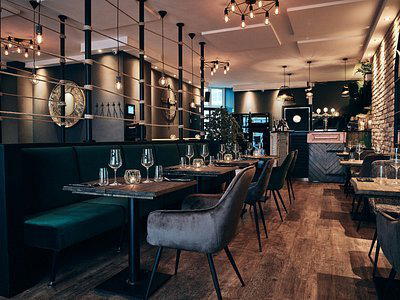
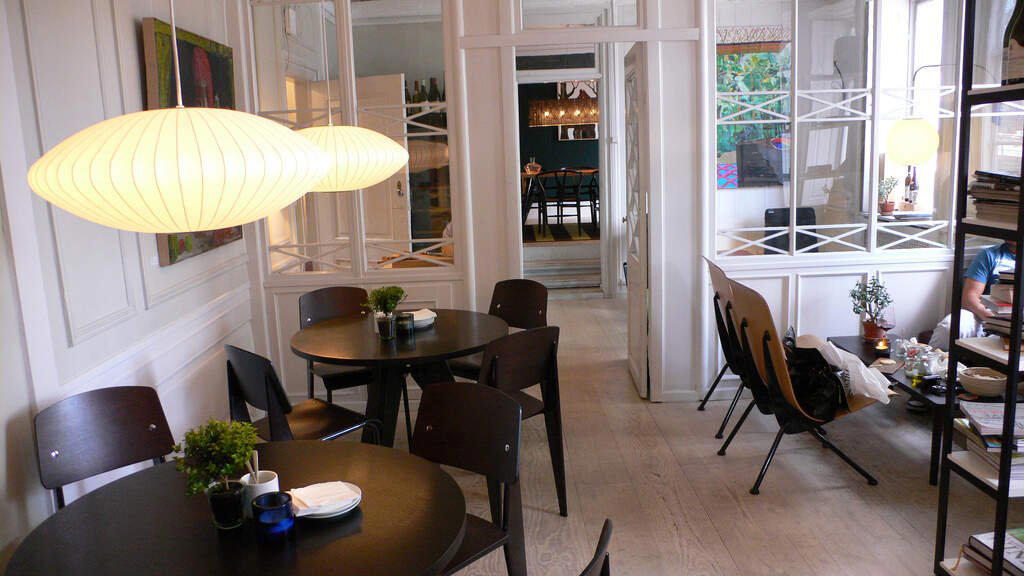
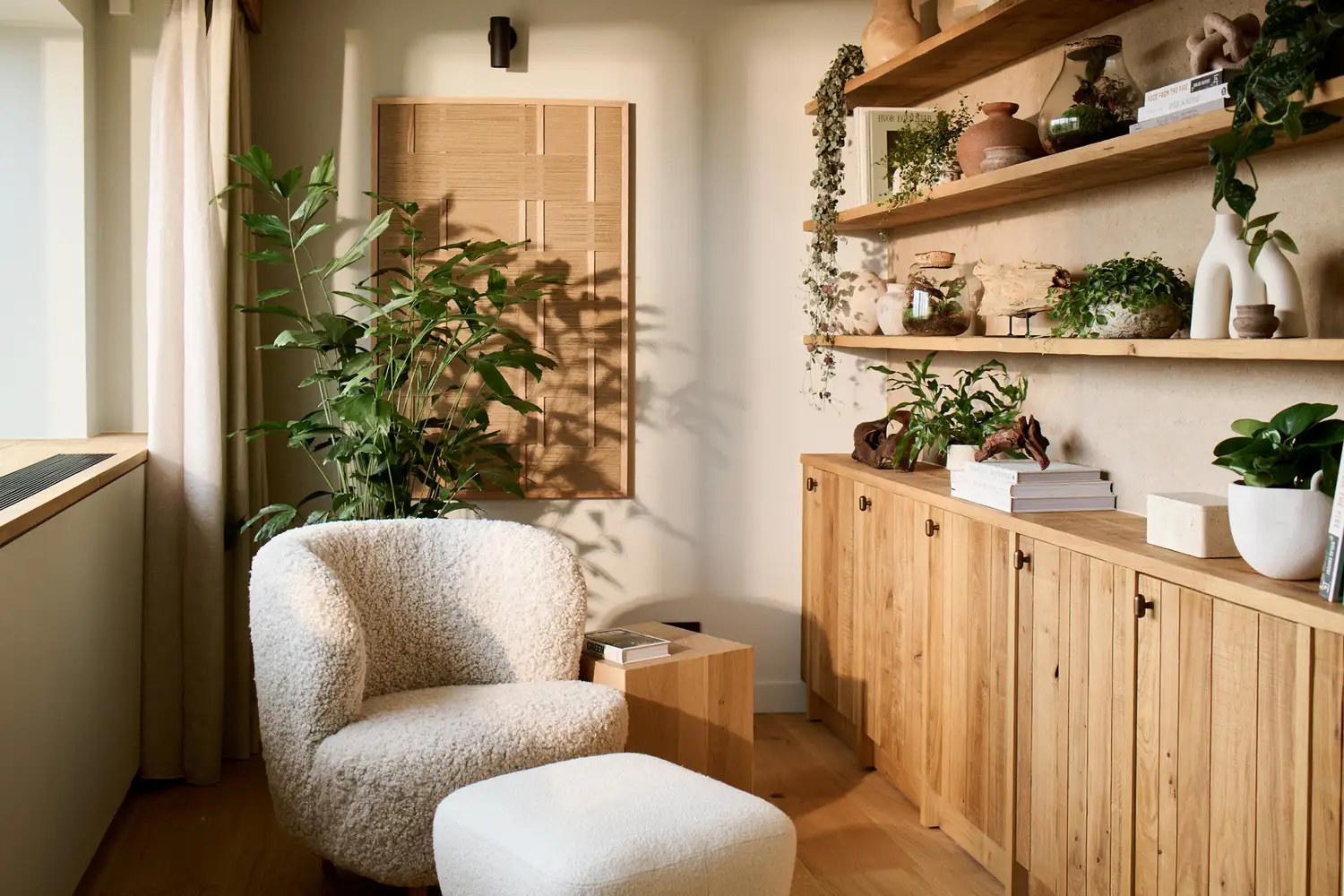
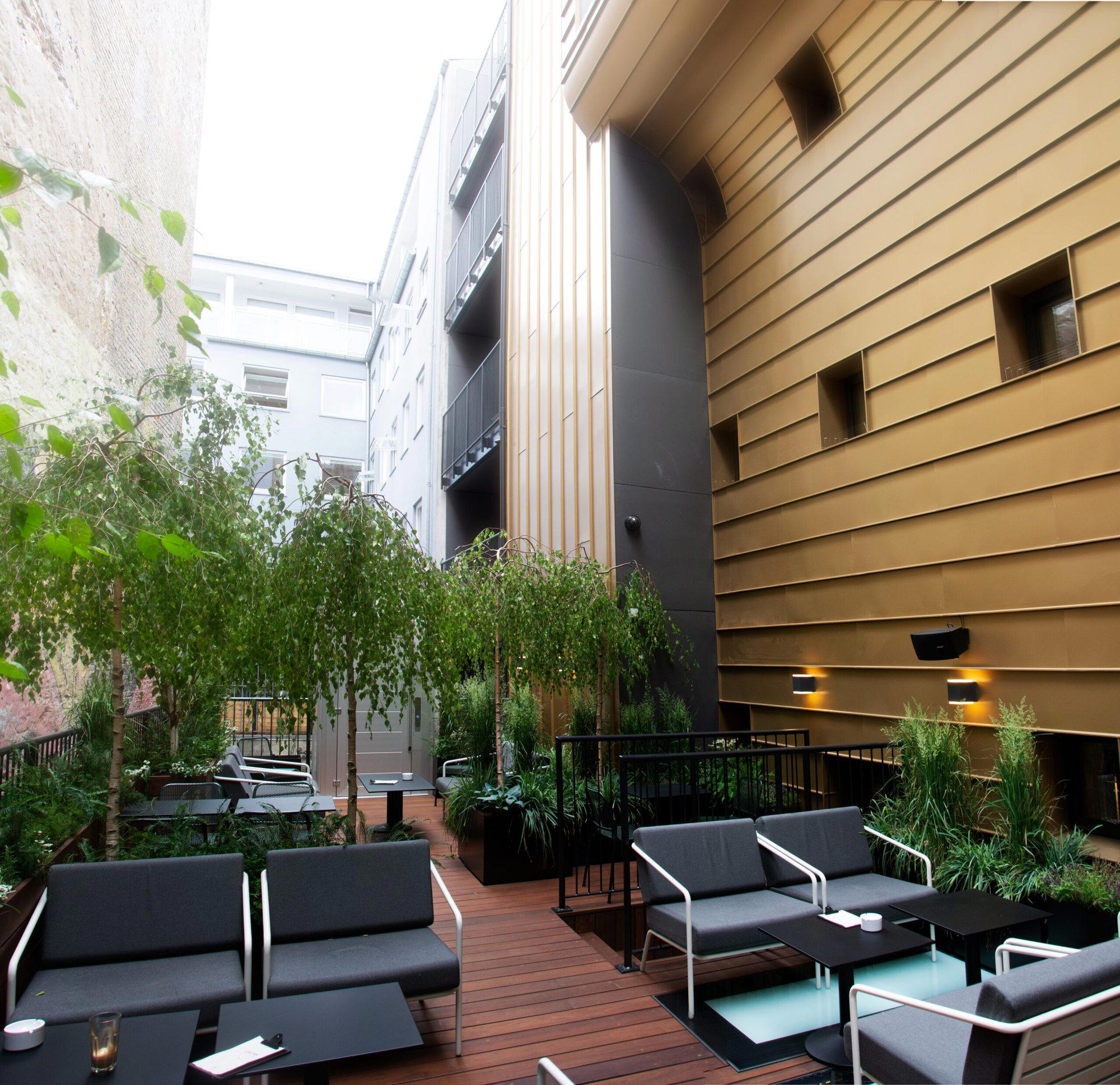
Cozy and welcoming deli atmosphere with a busy, informal setting.