
Tokyo's only overseas omakase export, Sushi Ryujiro brings edomae tradition to Shaw Centre's compact 14-seat counter. Supervised by chef Ryujiro Nakamura and run by his protégé, the kitchen ships most ingredients directly from Japan and dresses rice in a blend of four red vinegars. Two omakase menus, built around otsumami and nigiri, make this one of Singapore's most deliberate Japanese dining commitments.
- Address
- Shaw Centre, #01-19, 1 Scotts Road
- Phone
- +65 80281940
- Website
- sushiryujiro.com
- Directions
- Get directions
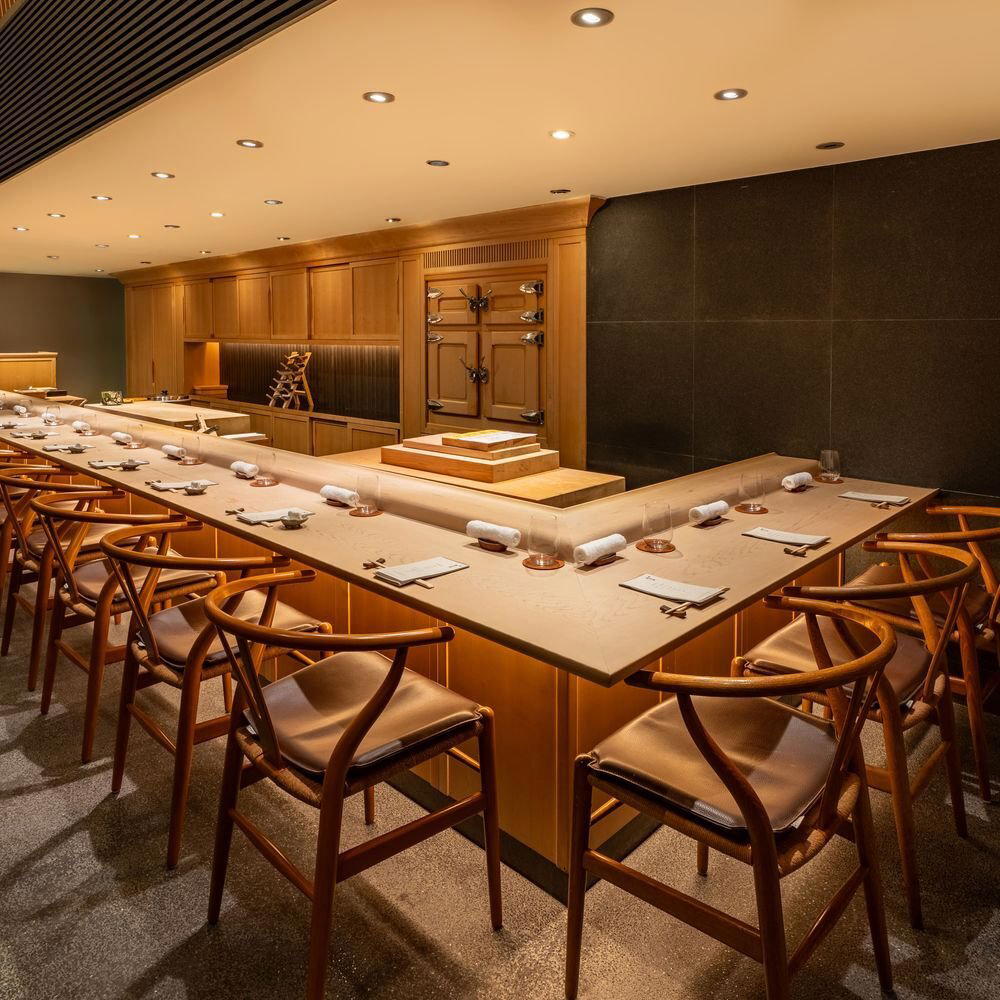
A Counter With Lineage
Shaw Centre sits at the northern tip of Orchard Road, where the retail corridor gives way to the quieter residential fringe of Tanglin. Unit #01-19 offers no dramatic entrance, no elaborate waiting area. The room is the counter, fourteen seats arranged to place every diner within conversation distance of the kitchen. This is the model that defines serious edomae practice: the chef reads the room, the room reads the chef, and the meal is calibrated accordingly. In a city whose fine dining scene has grown broad enough to support European rooms like Odette and Zén, a fourteen-seat Japanese counter with Tokyo roots occupies a deliberately different register.
Edomae in Singapore's Fine Dining Context
Singapore's high-end restaurant market has expanded considerably over the past decade, producing a comparable set that now ranges from French institutions like Les Amis to contemporary expressions at Jaan by Kirk Westaway and Meta. Omakase counters form a distinct sub-tier within that field, one where the critical variables are sourcing discipline, rice technique, and the chef's ability to sequence a progression of small courses into something coherent. Sushi Ryujiro positions itself inside that sub-tier by doing something no other Singapore omakase operation does: it is the only overseas outpost of a Tokyo sushi-ya operating under the direct supervision of its founding chef.
That distinction matters because the alternative model, where a Japanese-trained chef opens independently in a new city and builds their own programme, produces a different kind of restaurant. The overseas outpost model retains the sourcing network, the vinegar house relationships, and the standards architecture of the original. Most ingredients at Sushi Ryujiro are shipped from Japan, a logistical commitment that aligns it with the way leading counters in Tokyo operate rather than adapting to local supply chains.
The Ritual of the Meal
Edomae sushi has a pacing logic that distinguishes it from other omakase formats. The meal moves in two registers: otsumami first, nigiri second. Otsumami are small prepared dishes, typically involving cured, marinated, or lightly cooked seafood, that function as the chef's statement of intent before the nigiri sequence begins. They are not appetisers in the Western sense. They require attention and set the interpretive frame for what follows. A guest who treats this section as a warm-up is eating the same food but experiencing a different meal.
The nigiri sequence is where edomae tradition becomes most codified. Rice temperature, vinegar balance, fish thickness, and the order of species all carry meaning accumulated over generations of counter practice. At Sushi Ryujiro, the rice is dressed in a blend of four red vinegars, an approach that produces a more fermented, complex base than the lighter rice-wine-vinegar preparations more common in entry-level omakase. Red vinegar (akazu) dressing is the older Tokyo method, associated with the kaiseki-level counters of Ginza and Nihonbashi, and its use here signals where in the omakase hierarchy this counter positions itself.
Two menu options exist, both built around the otsumami-to-nigiri structure. The format is fixed; what varies within it is the seasonal availability of fish and the chef's sequencing decisions on a given night. For the diner, the correct posture is one of patience and attention rather than agenda. Unlike the tasting menus at Lazy Bear in San Francisco or the elaborate conceptual progressions of Alinea in Chicago, edomae counter dining is less about narrative arc and more about accumulated precision, each piece evaluated against the one before it.
Sourcing as Credential
The decision to ship most ingredients from Japan shapes everything from menu planning to cost structure. Premium Japanese seafood, including fish from Tsukiji and Toyosu markets and specific regional catches, moves through a supply chain optimised for Tokyo counters. Running that chain to Singapore adds complexity and cost. That choice places it in a small cohort of overseas Japanese operations that treat sourcing fidelity as standard rather than aspirational.
Booking and Practical Planning
With only fourteen counter seats, the restaurant operates on a reservation-only basis, and advance booking is not a precaution, it is the baseline requirement. Diners planning around specific travel dates should treat this counter the same way they would approach booking a three-Michelin-starred room in Tokyo: early, and with some flexibility on time slots. The Shaw Centre address at 1 Scotts Road places the restaurant close to the Orchard MRT interchange, making it accessible from most parts of the city without requiring a taxi.
Where It Sits in the Global Omakase Picture
The expansion of serious Japanese counter dining beyond Tokyo has followed a recognisable pattern: Hong Kong first, then Singapore, London, and New York, with each market developing a small tier of counters that replicate the sourcing, technique, and format discipline of their Tokyo originals rather than adapting them to local taste. The restaurant represents that model at its most direct. The supervision of founding chef Ryujiro Nakamura and the appointment of a trained protégé to helm the Singapore kitchen is the standard transfer mechanism for serious Japanese restaurant expansion, analogous in some respects to the way chefs at multi-location European fine dining operations like Alain Ducasse at Louis XV or Alléno Paris au Pavillon Ledoyen maintain consistency across geographies. In the edomae world, the counter itself is the product; the protégé system ensures the product travels without dilution.
Cuisine Lens
Comparable venues nearby, for context on price, style, and recognition.
| Venue | Cuisine | Price | Awards | Notes |
|---|---|---|---|---|
| Sushi RyujiroThis venue — the venue you are viewing | Edomae Omakase | $$$$ | Michelin Plate | Not listed |
| Keyaki | Authentic Japanese Kaiseki and Teppanyaki | $$$$ | Not listed | MARINA CENTRE |
| Ishizawa | Edomae Sushi Omakase | $$$$ | Michelin Plate | CITY HALL |
| Min Jiang at Dempsey | Cantonese and Sichuanese | $$$$ | Michelin Plate | RIDOUT |
| Nicolas | Traditional French Bistro | $$$$ | Michelin Plate | CHINATOWN |
| Gordon Grill | Classic Steakhouse & Continental | $$$$ | Michelin Plate | BOULEVARD |
Recognition history
Dated appearances from independent guides and award organizations, with the underlying list record or original source where available.
Michelin Plate
Michelin · 2026 Michelin Plate
Continue exploring
More in Singapore
Restaurants in Singapore
Browse all →
Bars in Singapore
Browse all →
At a Glance
- Minimalist
- Elegant
- Intimate
- Sophisticated
- Date Night
- Special Occasion
- Chefs Counter
- Sake Program
- Sustainable Seafood
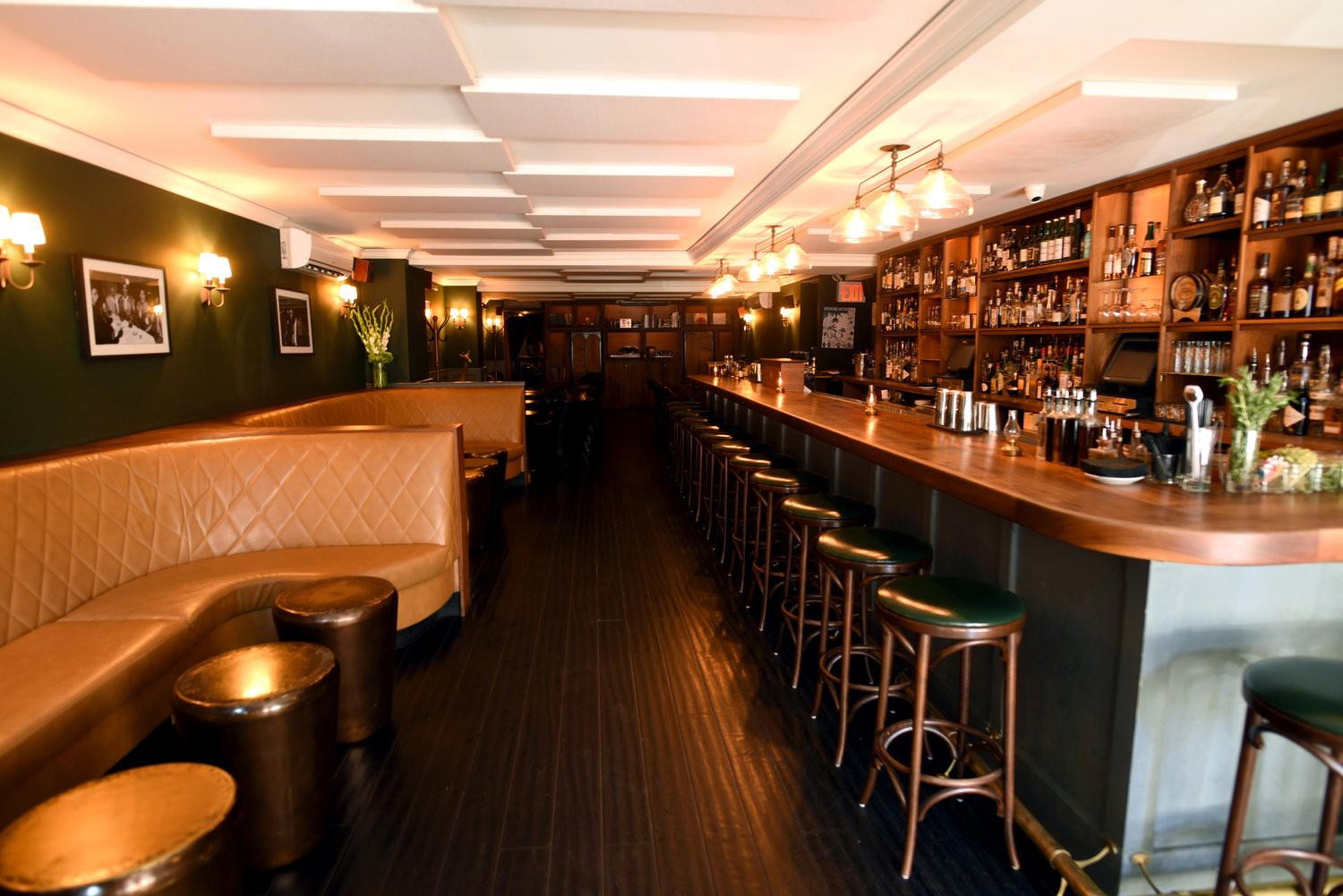
Minimalist interior with a calm, intimate counter setting that creates a serene, theatrical sushi experience.