한식당 알파&본죽 (alfa bonjuk ресторан)
Our verdict
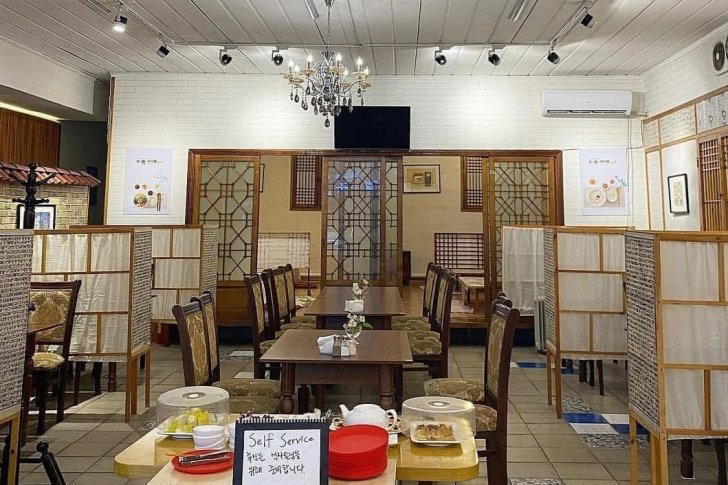
A Korean restaurant in Tashkent serving hanshik classics alongside the porridge-focused Bon Juk format, 한식당 알파&본죽 sits at an intersection that few Central Asian cities have reached: Korean food as everyday staple rather than novelty. The dual-concept format signals a menu built around comfort and repetition, not occasion dining. For Tashkent residents seeking Korean home-style cooking, it occupies a practical, neighborhood-level tier.

Pearl is the En Primeur Club membership app, where members save venues, book tables and use the concierge.
The menu
What to order
- 새우죽
- 해물죽
- 전복죽
Korean Food in Central Asia: A Growing Everyday Presence
Tashkent's relationship with Korean cuisine runs deeper than the recent wave of Asian restaurant openings across post-Soviet cities. Uzbekistan hosts one of the largest Koryo-saram communities in the world, descendants of Koreans deported from the Soviet Far East in 1937, and that history has woven Korean culinary influence into the region for generations. Dishes like morkovcha, the Central Asian adaptation of Korean spiced carrot salad, became local staples long before Korean restaurants began appearing on Tashkent's main streets. Against that backdrop, a venue like 한식당 알파&본죽 (alfa bonjuk) doesn't arrive as a foreign novelty. It arrives into a city that already has a lived, if layered, relationship with Korean food culture.
That context matters when reading the city's current Korean dining scene. Tashkent has moved from a handful of informal koryo-saram food operations toward a more structured set of dedicated Korean restaurants serving both the local Korean-descended community and the broader Uzbek dining public. The dual-concept format here, hanshik (Korean home-style food) paired with the Bon Juk porridge format, reflects a specific positioning: this is everyday Korean eating, not a special-occasion interpretation of the cuisine for outsiders.
What the Bon Juk Format Signals About the Menu
Bon Juk is a well-established Korean porridge chain concept, built around juk, slow-cooked rice porridges that sit at the restorative, health-oriented end of Korean food culture. The format is deliberately unglamorous. Juk is what Koreans eat when recovering from illness, when the weather turns, or when the body needs something uncomplicated and nourishing. It is the Korean equivalent of congee or risotto in their most stripped-back forms: grain, water, time, and careful seasoning.
Pairing a hanshik restaurant with a Bon Juk format creates a menu architecture that covers a wide range of need states, from hearty shared meals to solo, quiet eating occasions. The combination is not unusual in Korean cities, where juk shops occupy a distinct, respected niche alongside full-service restaurants. In a Central Asian context, where warming grain-based dishes already hold cultural significance (think osh, or the slow-cooked pilafs served across the region), the juk format translates intuitively to local palates.
For a broader view of how Tashkent's restaurant scene is developing across different cuisine categories, our full Tashkent restaurants guide maps the city's dining tiers and neighborhoods.
Korean Home Cooking as a Category in Tashkent
The broader Korean restaurant category in Tashkent operates differently from the high-concept Korean dining now associated with cities like Seoul or New York. At places like Atomix in New York City, Korean cuisine is presented through a fine-dining omakase format with extensive tasting menus and sourcing narratives. That is not the register 한식당 알파&본죽 occupies, nor does it need to be. Home-style Korean, banchan spreads, braised proteins, rice-and-soup combinations, is its own distinct and coherent culinary tradition, and in Tashkent, a city where that tradition has genuine community roots, there is a real audience for it that doesn't require a tasting menu wrapper.
Comparison with Tashkent's Uzbek-focused dining options is instructive. Venues operating in the traditional Uzbek register, like Khiva Cafe and Jumanji in Tashkent, draw on a centuries-old pilaf and bread tradition. Korean hanshik operates from an entirely different culinary grammar: fermentation, broth-building, and the management of heat and umami across many small dishes served simultaneously. Both traditions value communal eating and seasonal ingredients, but the techniques and flavor profiles occupy separate registers. In Tashkent's current dining environment, both coexist without competing directly.
Further afield in Uzbekistan, the regional restaurant scene shows similar patterns of Uzbek culinary tradition anchoring the market while other cuisines fill specialist niches. Afrosiyob Restaurant in Samarqand, Old Bukhara in Buxoro, and Ayvan Restaurant in Bukhara each anchor the traditional Uzbek end of their respective city markets, while Korean, Chinese, and other Asian-format restaurants serve a different, often urban-professional, segment of diners.
The Koryo-Saram Culinary Thread
Understanding 한식당 알파&본죽 requires some familiarity with what Koryo-saram food culture produced in Central Asia over nearly a century. The community developed its own hybrid culinary vocabulary, preserving Korean techniques like kimchi fermentation and rice porridge while adapting to local ingredient availability. That hybridity is embedded in the city's food culture in ways that aren't always visible to visitors. Tashkent's Korean restaurants today are building on, and in some cases formalizing, food practices that already existed at the household level across generations.
This is a different origin story than, say, a Korean restaurant opening in Paris or London, where the cuisine arrives as import. In Tashkent, it resurfaces. That distinction shapes what local diners expect from a Korean restaurant: not an introduction to a foreign cuisine, but a benchmark against remembered or inherited tastes. It is a higher standard in some respects, and a more forgiving one in others, diners here may be less focused on authenticity theater and more interested in whether the broth tastes right.
Where This Fits in the Tashkent Dining Picture
Tashkent's restaurant scene has developed quickly over the past decade, with increasing segmentation across price points, cuisine types, and formats. The city now supports venues across a wide range, from traditional Uzbek pilaf houses to international hotel dining to the kind of specialist ethnic-cuisine spots that 한식당 알파&본죽 represents. Korean dining occupies a mid-tier, everyday segment of that market, sitting below the city's higher-end hotel and fusion restaurants but above the street-food and canteen level.
For visitors already planning to work through Uzbekistan's regional dining scene, it is worth noting how each city develops its own culinary character. Mirza Bashi in Xiva and Shayxana Nayman in Kegeyli represent the deep regional Uzbek tradition, while Tashkent, as the country's largest city, absorbs more culinary diversity. Yi Palace in Konigil points to the broader Asian dining options appearing across the region.
For reference points at the far end of the Korean fine-dining spectrum internationally, Atomix in New York represents the tasting-menu tier, while the everyday hanshik format 한식당 알파&본죽 operates within is closer in spirit to neighborhood Korean restaurants found in Seoul's residential districts than to any high-concept interpretation. The comparison is not hierarchical, it maps different audiences and different dining functions.
Planning Your Visit
한식당 알파&본죽 is located in Tashkent city. The dual hanshik-and-juk format suggests a menu suited to both solo diners and small groups, making it a practical option for travelers looking for an alternative to the Uzbek pilaf track during a longer Tashkent stay.
Frequently asked questions
Is 한식당 알파&본죽 (alfa bonjuk ресторан) good for families?
The Bon Juk format, centred on juk, slow-cooked Korean rice porridges, lends itself well to family visits. Porridge-based menus are restorative and mild by default, which tends to work across age groups including children and older diners. The Tashkent location fits within the city's everyday Korean dining category rather than a high-concept dining room, suggesting an informal, accessible setting.
Is 한식당 알파&본죽 (alfa bonjuk ресторан) better for a quiet night or a lively one?
The Bon Juk concept is built around restorative, health-oriented Korean porridge rather than a social dining format, which positions this as a quieter, more functional meal destination. It sits in Tashkent's everyday Korean dining category, not the high-energy restaurant tier. Expect a measured pace suited to solo diners or small groups rather than a large group occasion.
How does 한식당 알파&본죽 connect to Uzbekistan's Korean community, and what does that mean for the food?
Uzbekistan has one of the largest Koryo-saram populations outside the Korean peninsula, a community with roots in the Soviet-era deportations of the 1930s that developed its own distinct Korean food traditions over nearly a century in Central Asia. A Korean restaurant operating in Tashkent under the Bon Juk porridge format sits at the intersection of that established local Korean food culture and the broader modern Korean dining concepts now spreading across post-Soviet cities. The result is a menu grounded in everyday Korean home-cooking conventions rather than the contemporary Korean cuisine now associated with Seoul's high-end restaurant circuit.
What do regulars order at 한식당 알파&본죽 (alfa bonjuk ресторан)?
The Bon Juk model is built specifically around juk, slow-cooked Korean rice porridges, which form the backbone of the menu. Given the Koryo-saram food culture present in Uzbekistan, locally adapted Korean staples may also feature.
A Pricing-First Comparison
Comparable venues nearby, for context on price, style, and recognition.
| Venue | Cuisine | Price | Notes |
|---|---|---|---|
| 한식당 알파&본죽 (alfa bonjuk ресторан)This venue (the venue you are viewing) | Korean Juk (Porridge) & Bibimbap | $10–20 | Not listed |
| Khiva Cafe | Traditional Uzbek and International | Not listed | Yunusabad District, Authentic Uzbek |
| Afrosiyob Restaurant | Uzbek / Central Asian | $10–20 | Ulitsa Dzhizakskaya, Traditional Uzbek |
| 아리랑 Arirang | Korean Barbecue | $10–20 | Registan, Korean Barbecue |
| Jumanji | Fusion (European, Asian, Uzbek) | $20–30 | Yusuf Khos Hojib, Fusion (European, Asian, Uzbek) |
| Terrassa | Uzbek BBQ and Traditional Central Asian | $10–20 | Ichan Qala, Uzbek BBQ and Traditional Central Asian |
Continue exploring
More in Tashkent
Restaurants in Tashkent
All restaurants in Tashkent →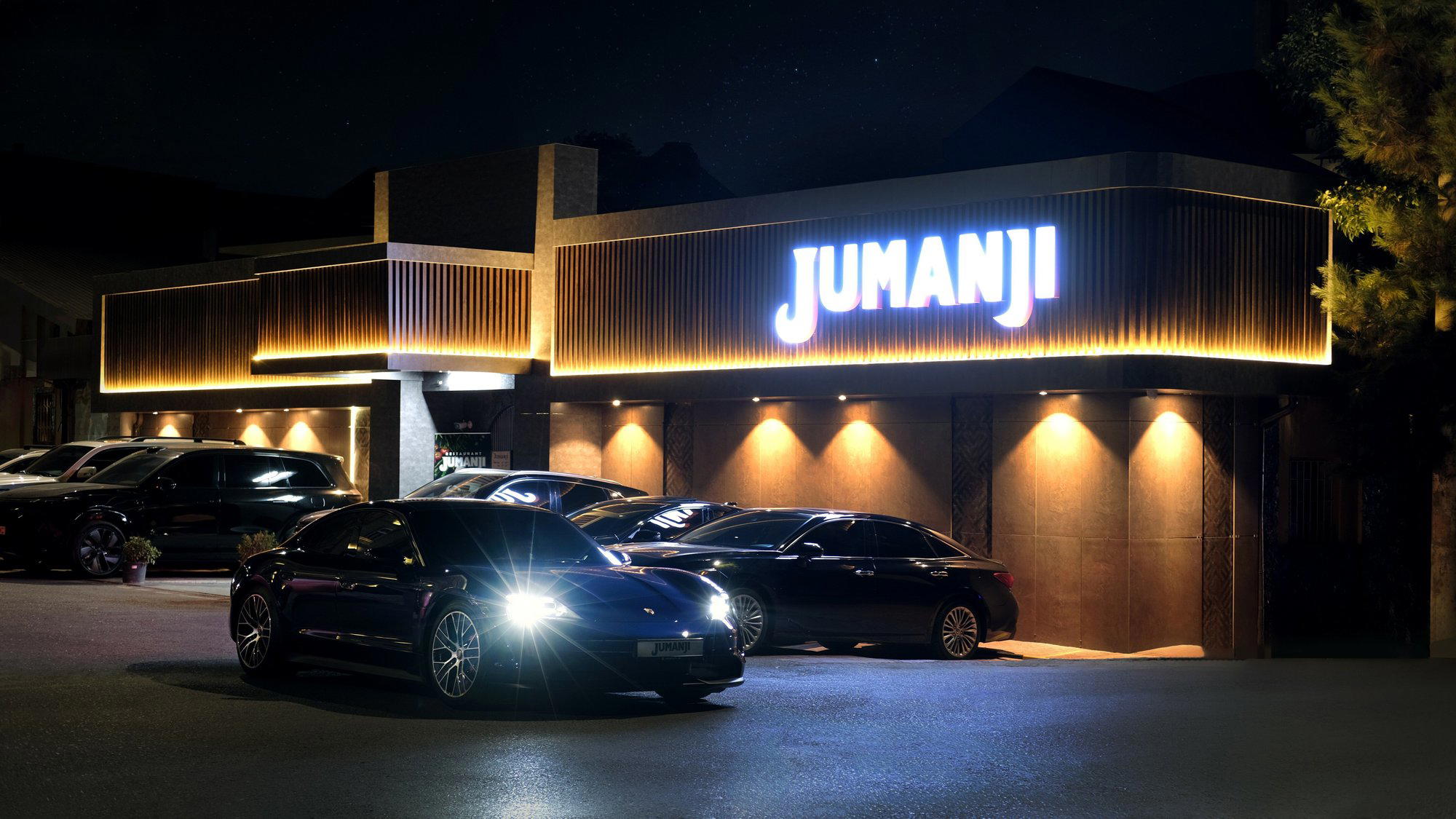

Details
- Casual Hangout
- Family
- A La Carte
Casual dining atmosphere typical of a fast-casual Korean porridge cafe.