Kenzou Soba

Kenzou Soba gives Yoshida-gun a serious soba address built around Echizen oroshi soba, ju-wari buckwheat noodles, and the agricultural logic of Fukui’s grain and daikon culture. Its Tabelog 100 Soba WEST selections in 2024 and 2025 place it in a selective regional bracket, while the house-restaurant format keeps the experience closer to local lunch ritual than urban tasting-menu theatre.
Pearl is the En Primeur Club membership app — saves, bookings, and concierge access live there. Same editors, same standards.
- Address
- 3 Chome-26-26 Matsuokakasuga, Eiheiji, Yoshida District, Fukui 910-1133, Japan
- Phone
- +81 776-61-1481
- Website
- kenzousoba.com
 Saves & bookings on Pearl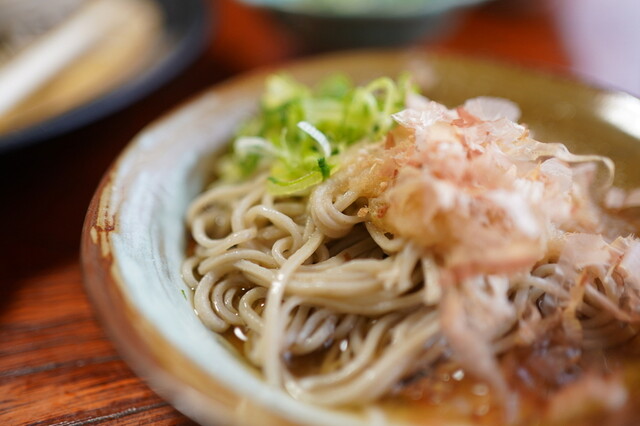
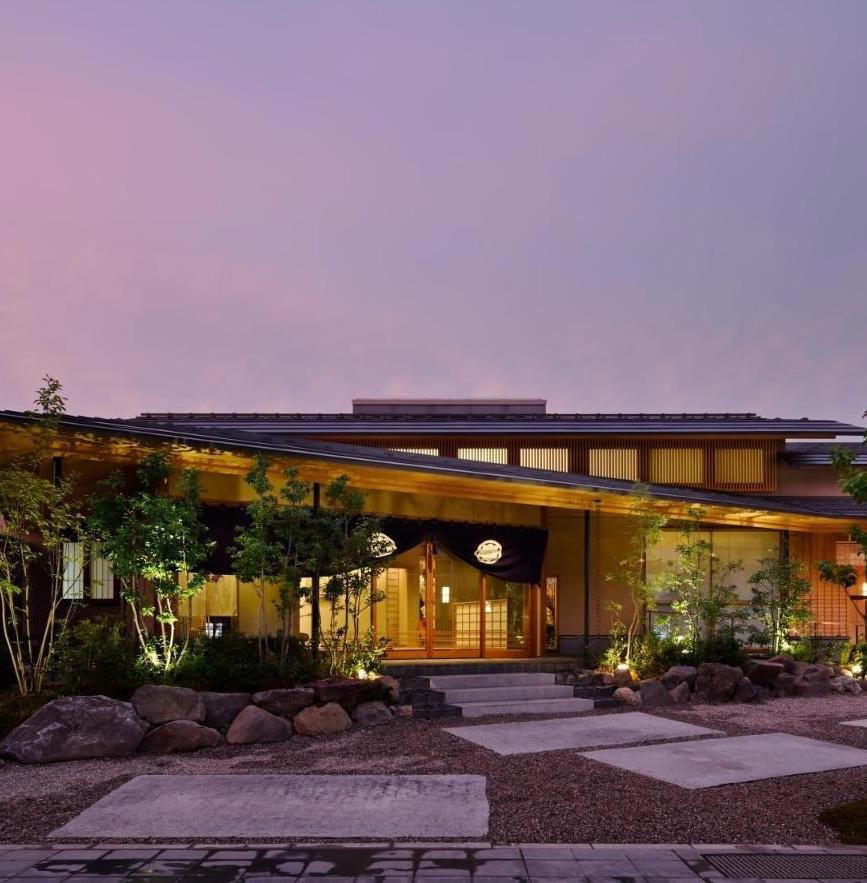
Approaching a house restaurant in Eiheiji, the soba conversation changes register. This is not Tokyo’s polished counter culture or the train-station noodle economy built for speed; it is Fukui’s colder, sharper buckwheat tradition, where grated daikon matters as much as noodle craft and a bowl can read as agriculture before restaurant technique. Kenzou Soba sits in that tradition with unusual clarity: a rural-feeling room, tatami space, and a menu anchored by Echizen oroshi soba, the regional style pairing buckwheat noodles with grated daikon and dashi rather than excess.
For readers mapping Yoshida-gun beyond one meal, the area rewards a slower itinerary. The regional dining picture is covered in Our full Yoshida-gun restaurants guide, while overnights and adjacent planning sit in Our full Yoshida-gun hotels guide. Drinks-led detours, rural cellar culture, and non-restaurant programming are better handled through Our full Yoshida-gun bars guide, Our full Yoshida-gun wineries guide, and Our full Yoshida-gun experiences guide.
Fukui buckwheat, daikon bite, and the logic of Echizen oroshi soba
Echizen oroshi soba usefully corrects the idea that Japanese noodle seriousness always means austerity. The style depends on contrast: buckwheat earthiness, grated daikon’s peppery edge, and dashi as a binding line rather than a heavy sauce. In a region where soba is tied to climate, local grain culture, and temple-town travel patterns around Eiheiji, the format feels more agricultural than ceremonial.
The kitchen’s stated use of buckwheat flour from Fukui and Hokkaido places the bowl in a broader Japanese sourcing pattern. Fukui gives regional identity; Hokkaido gives access to a major buckwheat-producing area. The result is framed as ju-wari soba, meaning 100 percent buckwheat noodles, a style with less room for wheat-assisted elasticity and more responsibility on milling, hydration, and noodle handling. That sourcing matters because oroshi soba has nowhere to hide: grated daikon and dashi sharpen rather than soften the grain character.
Recognition gives the local story a measurable external signal. The restaurant was selected for Tabelog 100 Soba WEST in both 2024 and 2025, with a Tabelog score listed at 3.70. In Japan’s soba category, that places it in a competitive regional field, not a generic countryside stop. The distinction is category discipline, not luxury: a soba specialist earns attention by repeating a narrow form well, not expanding into a grand menu.
A house-restaurant format with family rhythm, not urban theatre
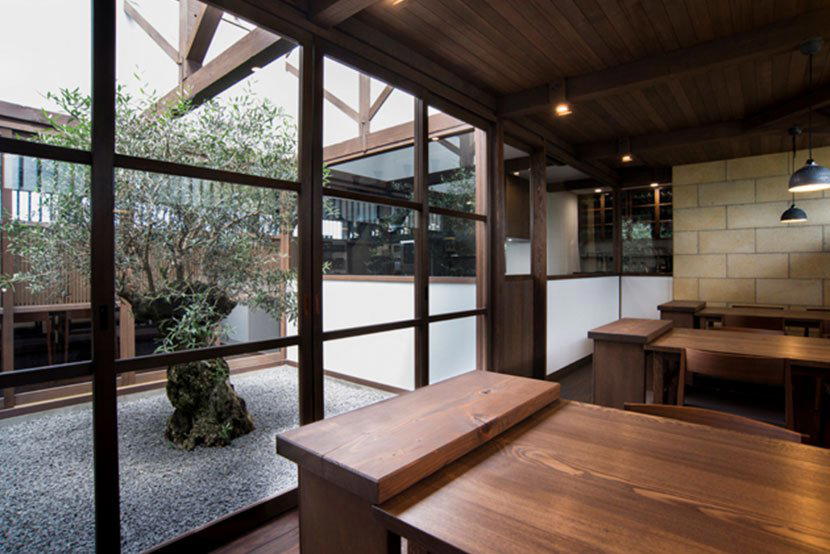
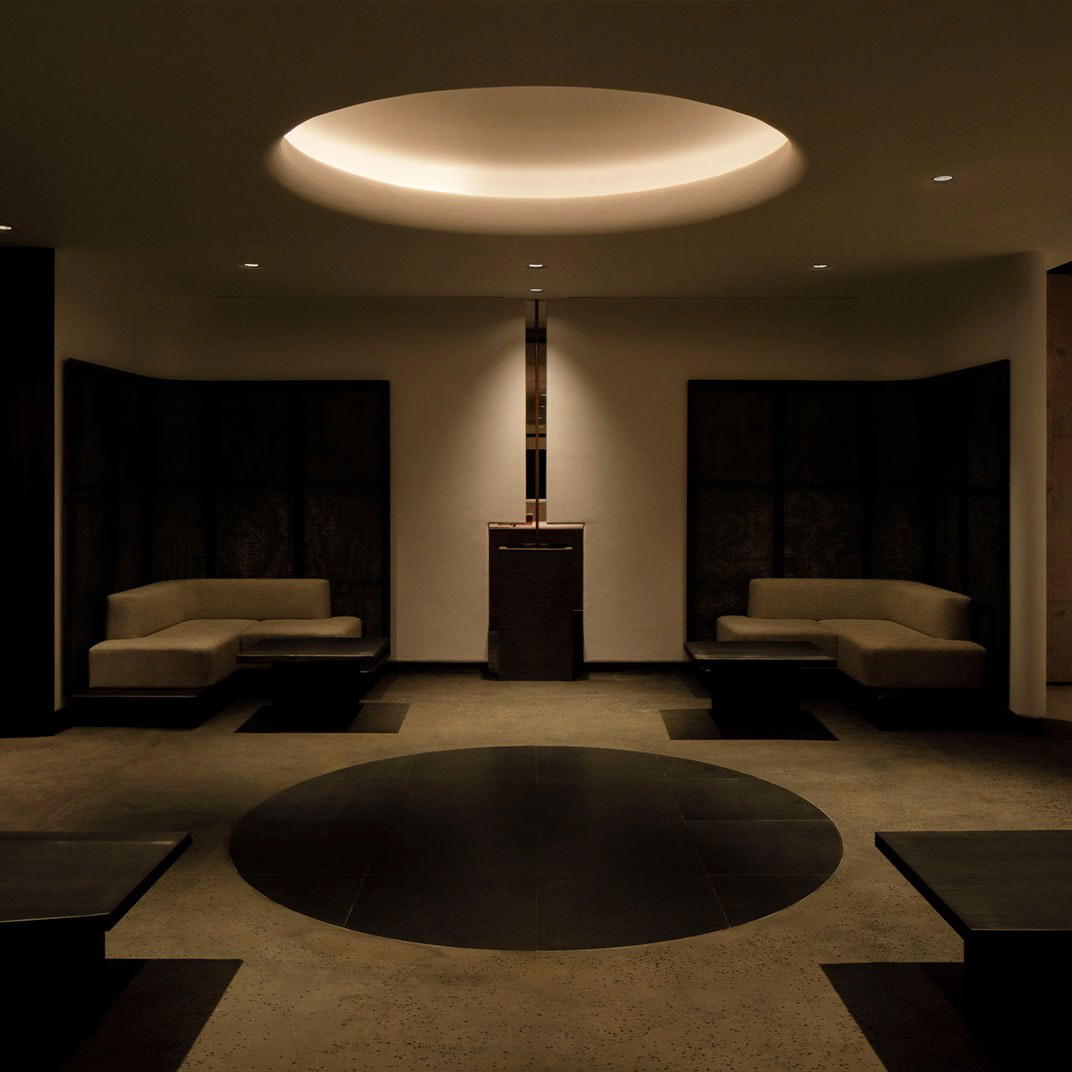
The room matters because soba service here is not built around fine-dining choreography. A house-restaurant setting and tatami space push the meal toward local routine: families, friends, and travellers folding lunch into a day around Eiheiji rather than dressing for formality. The cooking is not casual in the technical sense; seriousness is carried by noodle texture, daikon heat, and broth balance instead of table-side performance.
Capacity is modest but not tiny, with 40 seats, and the format is child-friendly. Private rooms and private use are not part of the proposition, keeping expectations aligned: shared-room regional dining, not a controlled private salon. Non-smoking operation and sake availability round out the practical feel without making it a bar-driven destination.
The founder credential attached to the soba craft is worth noting because it explains the restaurant’s category authority: the owner won the Grand Prize at the All Japan Amateur Soba Making Championship for two consecutive years. Editorially, that is not a personality story; it is evidence of technical grounding in a cuisine where handwork, dough feel, and cutting consistency carry the experience.
How to place it within a wider Japan eating itinerary
Kenzou Soba belongs to the kind of Japanese travel where one regional dish justifies adjusting the day. It is not competing with the beef ritual of -Grilled beef Sukiyaki- KAMAKURA TANUKIAN 鎌倉 たぬき庵 in Kamakura, the urban izakaya grammar of . 鮪と炭火焼き うお炭 秋葉原店 in Tokyo, or the café-led pacing of .cafe in Osaka. Its value is narrower and more place-specific: soba, daikon, Fukui, and a lunch rhythm without metropolitan gloss.
That narrowness is the point. Japan’s regional dining map is strongest when it resists flattening every meal into the same reservation-status hierarchy. A soba stop in Yoshida-gun, a curry specialist such as [Curry Senmon Ten] Maruyama Kyoju. in Sapporo, a Kyoto table like [ki:] in Kyoto, a beef-focused address such as #肉といえば松田 奈良本店 in Kashihara, and a casual specialist like 1/3 HAMBURGER FACTORY in Kanazawa all answer different questions. The useful traveller asks what a place expresses, then chooses accordingly.
For international readers, the comparison can extend beyond Japan without forcing equivalence. Jōdo Saké Bar in Los Angeles frames Japanese drinking culture through an American city; Onigiri Time in Pasadena translates a daily Japanese staple into a Southern California format. In Yoshida-gun, the equation reverses: the dish has not been exported, softened, or turned into a concept. It remains tied to local appetite and regional produce.
Planning should respect that rhythm. Service is concentrated around daytime soba eating, with longer weekend and holiday windows than weekdays and a weekly closure. Reservations are available, though holiday and long-weekend handling is more restrictive. Payment is cash-led; credit cards, electronic money, and QR code payments are not accepted. Access is practical by rail or car, with Matsuoka Station and the Fukui Kita Interchange both part of the route logic, and parking is available. Pair it with Eiheiji-area travel, treat the meal as a regional soba study, and avoid expecting urban tasting-menu signals from a restaurant whose strength lies in buckwheat, daikon, and repetition.
For broader Japan planning, the contrast with places such as.know in Kumamoto, (Shoku) Vietnam in Kawasaki, 1000 in Yokohama, and 1000mヒュッテ 1000m Hut in Kutchan is instructive. Those names point to the range of contemporary Japanese eating; Kenzou Soba shows why regional noodle culture remains one of the country’s clearest forms of culinary identity.
Snapshot
Comparable venues by cuisine and price in the same metro.
| Venue | Cuisine | Price | Notes |
|---|---|---|---|
| Kenzou SobaThis venue — the venue you are viewing | Traditional Juwari Soba Noodle Shop | $$ | Not listed |
| Gyoza Kogetsu | Traditional Japanese Gyoza | $$ | Kitahama |
| Ginza Kagari (銀座 篝) | Chicken Paitan Ramen | $$ | Ginza |
| 麺屋 あごすけ | あごだしラーメン | $$ | 上越市 |
| Aotsuka Shokudo (青塚食堂) | Traditional Japanese Seafood Cafeteria | $$ | Shukutsu |
| Ogura (おぐ羅) | Traditional Oden and Yakitori Izakaya | $$ | Nihonbashi |
Recognition history
Dated appearances from independent guides and award organizations, with the underlying list record or original source where available.
Tabelog 100 #28 · No. 28
Tabelog · Tabelog 100 - Soba - WEST - 2025
Continue exploring
More in Yoshida-gun
Restaurants in Yoshida-gun
Browse all →
At a Glance
- Classic
- Cozy
- Rustic
- Solo
- Family
- Casual Hangout
- Group Dining
- Standalone
- Local Sourcing
Current opening hours
- Monday
- Closed
- Tuesday
- 11 AM–2 PM
- Wednesday
- 11 AM–2 PM
- Thursday
- 11 AM–2 PM
- Friday
- 11 AM–2 PM
- Saturday
- 11 AM–3 PM
- Sunday
- 11 AM–3 PM
Hours can change for holidays and private events. Last verified .
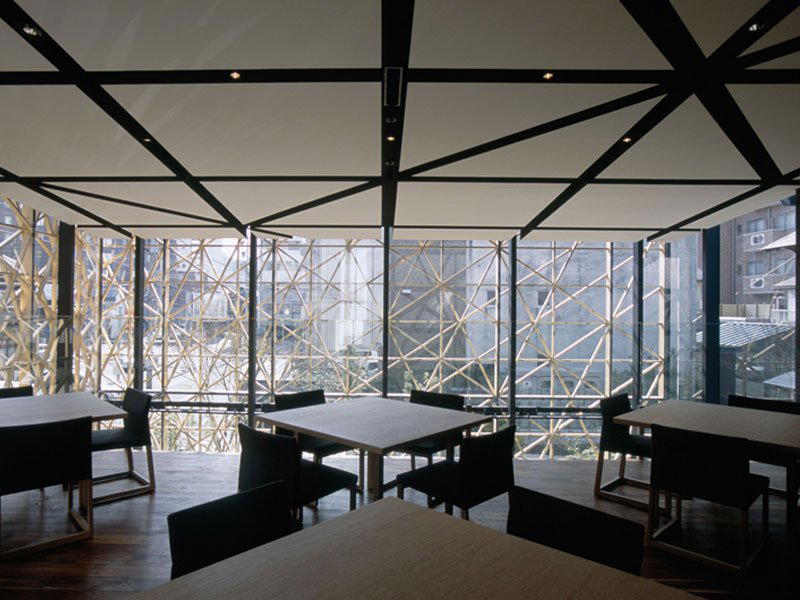
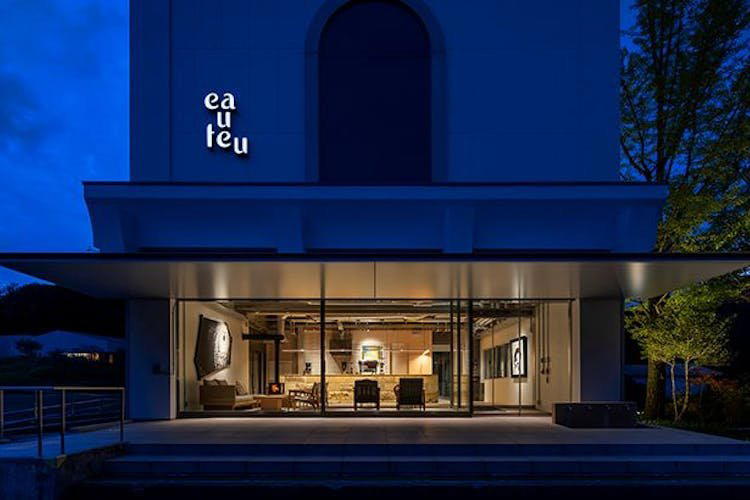
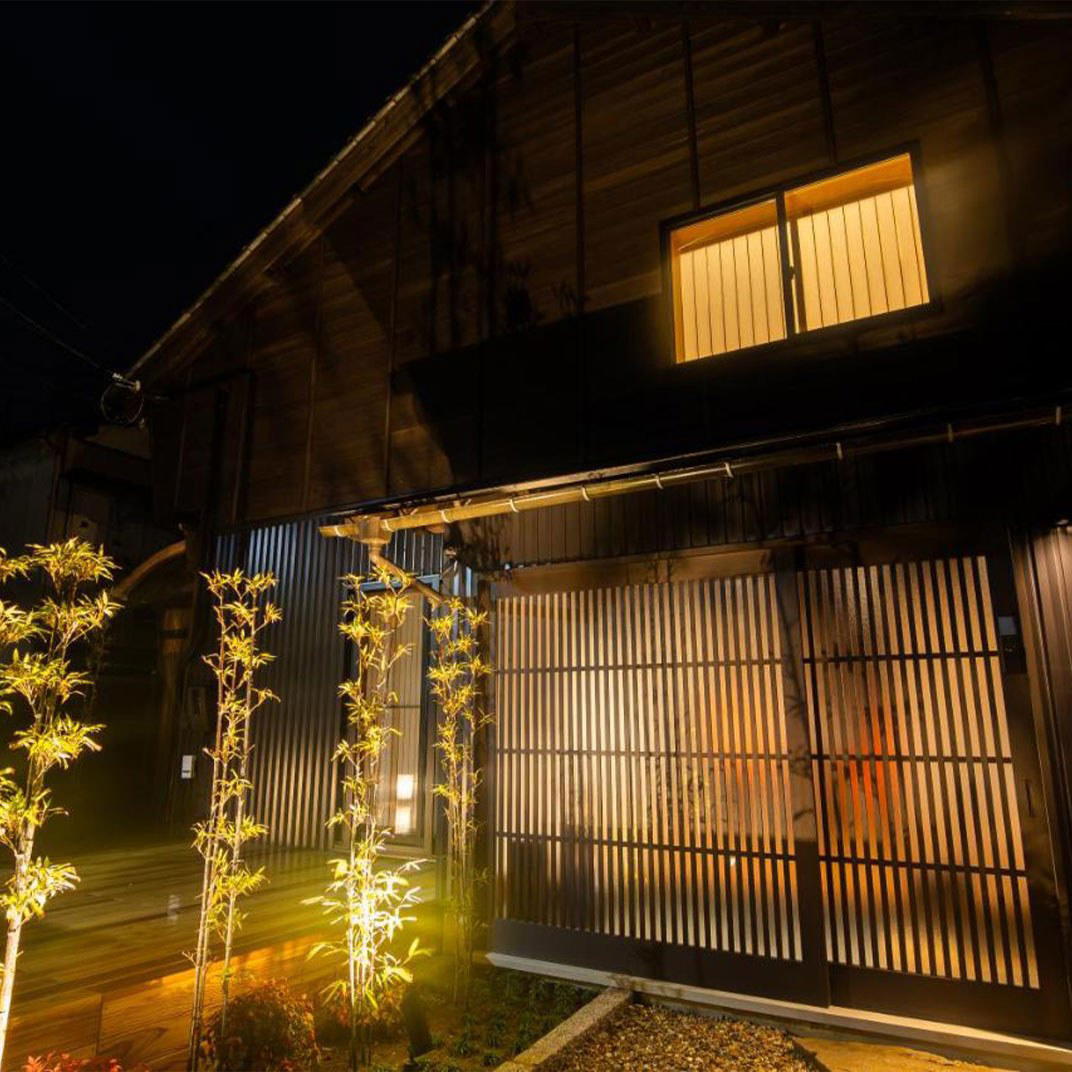
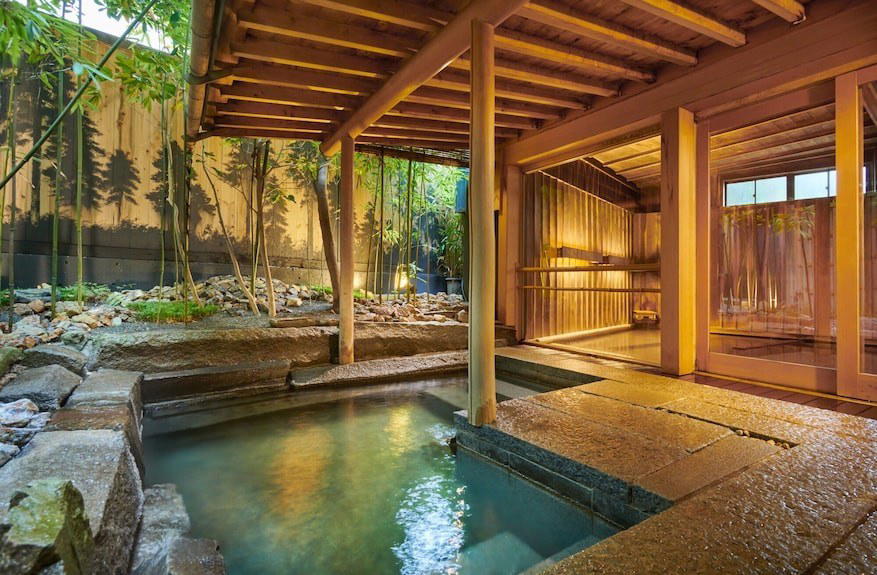
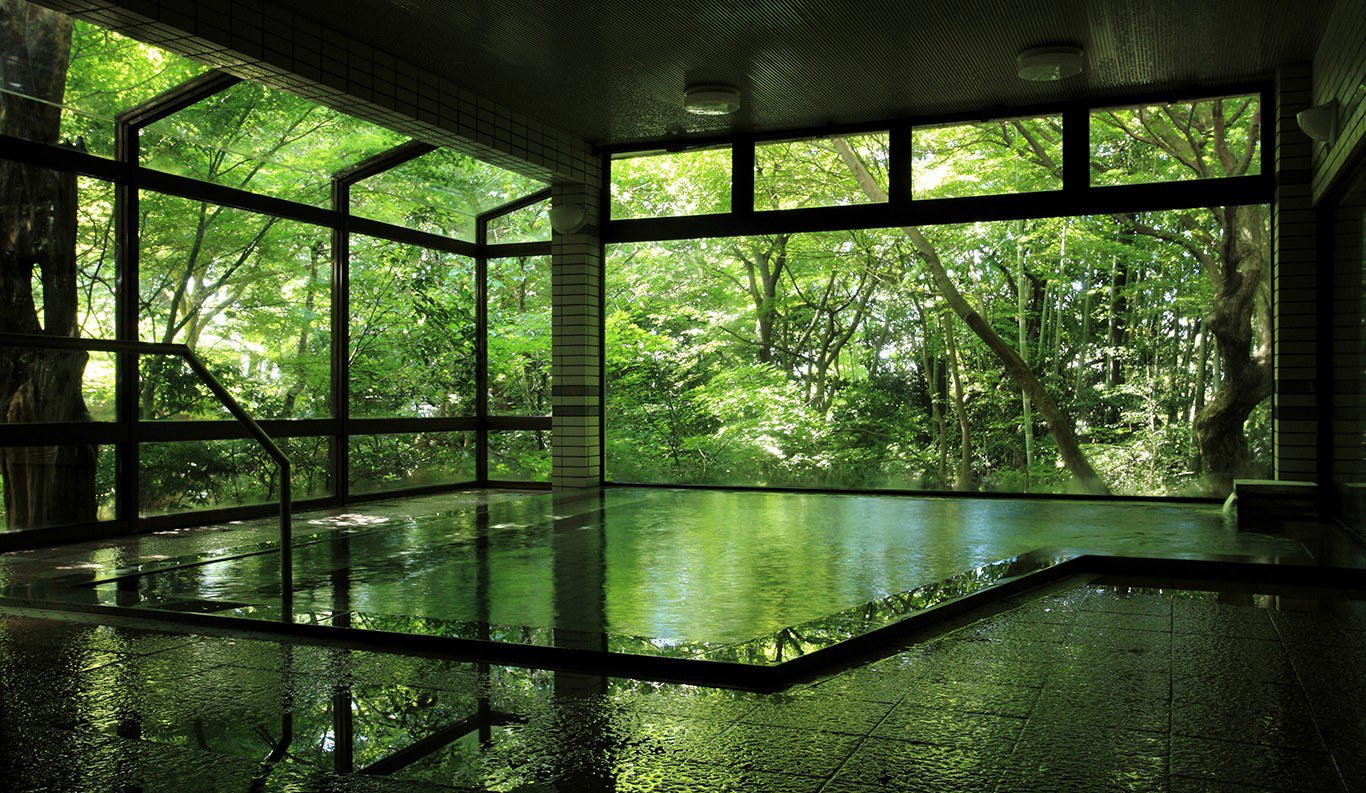
A modest, traditional soba shop atmosphere with a cozy, classic interior that feels like a local low-profile address, focused on the aroma and flavor of freshly made noodles rather than design flourishes.