Kelley & Ping
Our verdict
The kitchen operates in a part of the city where Asian-influenced casual dining has long competed with a high volume of Italian and American options, and has held ground by staying close to its ingredient foundations rather than chasing menu trends.
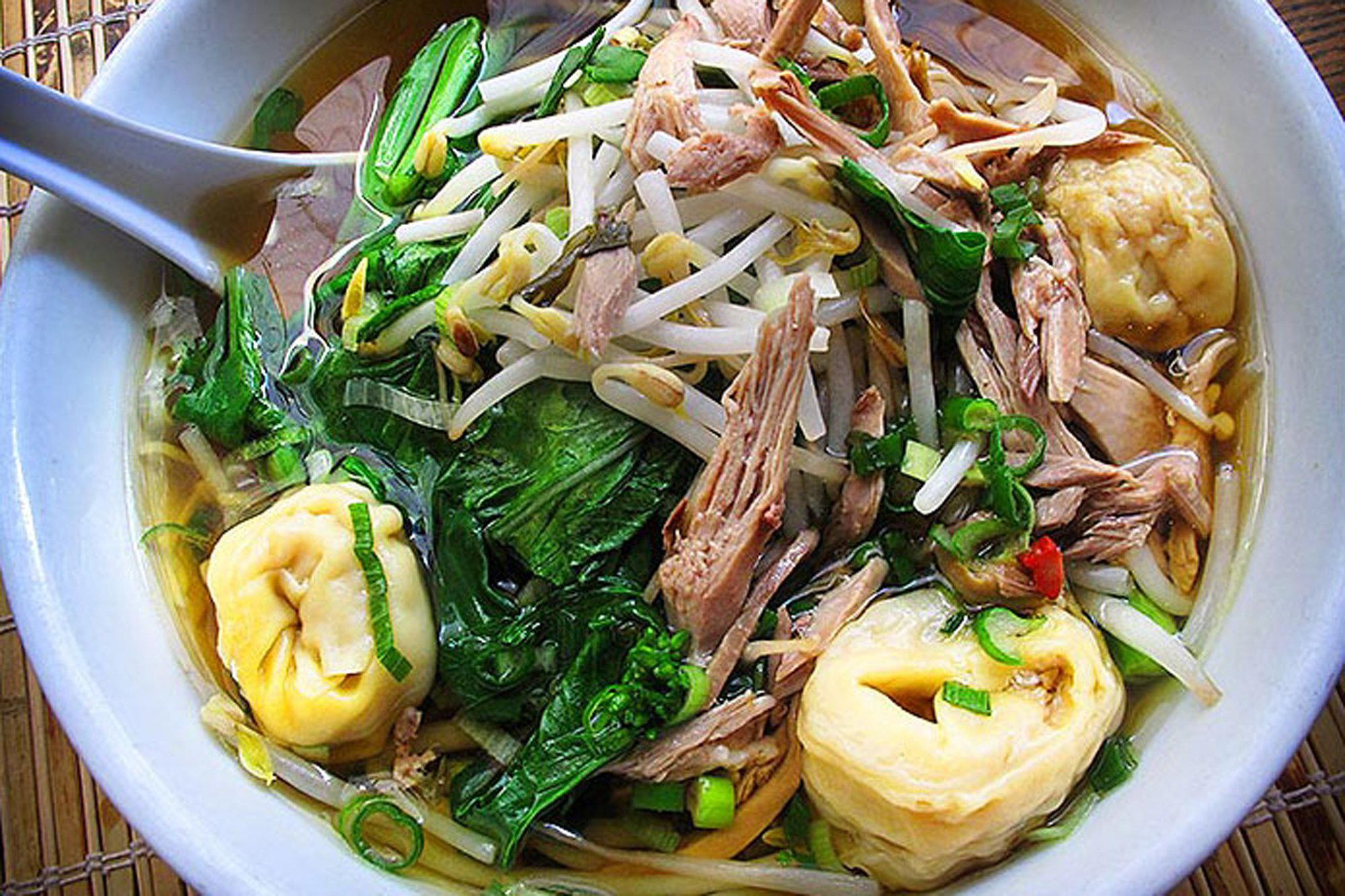
The menu
What to order
- Pad See Ew
- Bowl of Sunshine
- Chicken Lollies
- Yin Yang
SoHo and the Long Game of Asian Sourcing
When SoHo was still primarily a gallery district, a handful of restaurants made bets on neighbourhood longevity that most of Manhattan's dining press ignored.enprimeurclub.com/restaurants/masa-new-york-city-restaurant">Masa their rarefied identities, nor the bare-bones noodle-shop format of Chinatown. Kelley & Ping inhabited the space between those poles, and that positioning has defined it ever since.
The broader context is worth stating plainly. New York's Asian dining scene has fractured considerably over the past two decades. At the high end, omakase formats and Korean tasting menus have claimed serious critical attention, with places like Atomix and Jungsik New York operating in a price and format tier that requires advance planning measured in months. At the accessible end, the volume of pan-Asian casual restaurants across the five boroughs is enormous. Kelley & Ping's durability suggests it has found a position that neither extreme fully displaces.
Where the Ingredients Come From, and Why That Shapes the Menu
Pan-Asian kitchens in American cities face a sourcing challenge that is structural rather than incidental. The pantry they draw from spans fermented pastes from Korea and Japan, fresh aromatics from Southeast Asian culinary traditions, dried goods from Chinese regional cooking, and proteins that may need to travel significant supply chains to arrive with any authenticity intact. For decades, the default solution for many restaurants was consolidation through large regional distributors, which standardised quality downward. Kitchens that resisted that consolidation, sourcing more directly from specialty importers or from New York's own dense network of ethnic grocery infrastructure, produced food that read differently on the plate.
SoHo's proximity to Manhattan's Chinatown and to the wider network of specialty Asian food suppliers in the tri-state area gives a restaurant at this address structural sourcing advantages over, say, a comparable kitchen in Midtown. Whether a kitchen uses those advantages depends on intention, but the geography creates the possibility.
This matters to the reader in a practical sense: ingredient sourcing at this level of proximity is a driver of texture and flavour that no amount of technique fully compensates for. The fish sauce on a table in a well-sourced SoHo kitchen and the fish sauce on a table in a restaurant that sources from a broadline distributor are not the same product, even when the label looks similar. The same logic applies across the pantry categories that define pan-Asian cooking.
The SoHo Dining Context
SoHo today operates as a mixed-pressure dining neighbourhood. Retail rents have pushed several long-running independent restaurants out over the past decade, replacing them with either chain concepts or with high-margin venues targeting the shopping-tourist demographic. The restaurants that remain after multiple rent cycles tend to have either a loyal local base, a format that generates consistent covers without depending on destination dining traffic, or both. That foot-traffic reality shapes the format toward accessibility rather than exclusivity, which distinguishes it clearly from the reservation-required tasting formats that define New York's current critical conversation. For readers comparing across the full New York spectrum, the reference points are clarifying: Le Bernardin and Per Se operate in a different register entirely, and the sourcing-focused farm-to-table format of Blue Hill at Stone Barns in nearby Tarrytown represents a different expression of ingredient-led cooking. Kelley & Ping's version of that commitment is less theatrically foregrounded, more embedded in daily execution.
Across American cities, the restaurants that have built durable reputations on ingredient sourcing rather than format innovation tend to share certain characteristics: they resist seasonal menu overhaul as a marketing exercise, they have supplier relationships measured in years rather than months, and they generate loyalty through consistency rather than novelty. Comparable durability stories appear at Bacchanalia in Atlanta and at Emeril's in New Orleans, where longevity itself becomes a form of editorial argument about what a kitchen values. The same logic applies in New York. The address is accessible from multiple subway lines serving the Spring St and Prince St stations. For readers building a broader New York itinerary that spans the city's dining range, our full New York City restaurants guide maps venues across format, price tier, and neighbourhood. For comparison across the national sourcing-led restaurant conversation, the programmes at Single Thread Farm in Healdsburg, The French Laundry in Napa, and Providence in Los Angeles represent the upper end of that continuum, while Addison in San Diego and Lazy Bear in San Francisco illustrate how sourcing philosophy translates across different West Coast formats. For readers with international reference points, the sourcing rigour at 8 1/2 Otto e Mezzo Bombana in Hong Kong and Alain Ducasse at Louis XV in Monte Carlo sets a calibration point for what ingredient-led cooking looks like at its most resourced extreme. Alinea in Chicago and The Inn at Little Washington round out the domestic picture across format and price tiers. Accessible via Spring St (C/E) and Prince St (N/R/W) subway stations.
Frequently asked questions
What dish is Kelley & Ping famous for?
Kelley & Ping built its reputation on a pan-Asian menu that draws from Chinese, Thai, and broader Southeast Asian cooking traditions rather than anchoring to a single national cuisine. The kitchen's longevity in SoHo reflects an approach where the pantry breadth is the point, and where sourcing from New York's specialist Asian ingredient networks has kept the food from drifting toward the generic pan-Asian formula that affected many contemporaries. Because the menu is not structured around a single signature format, the reputation rests on consistent execution across categories rather than on one showpiece dish.
How far ahead should I plan for Kelley & Ping?
Kelley & Ping occupies a different planning tier from New York's reservation-intensive restaurants. The omakase and tasting-menu venues that drive New York's current critical attention, such as Atomix or Masa, require booking windows of weeks to months. A SoHo casual with Kelley & Ping's format and foot-traffic profile typically operates on shorter or walk-in-accessible timelines, though weekend evenings in SoHo draw consistent restaurant traffic that rewards early arrival or advance check-in regardless of format. Confirm current booking conditions directly with the venue.
What has Kelley & Ping built its reputation on?
Durability in a neighbourhood that has displaced many independent restaurants is itself a credential. Within New York's pan-Asian casual tier, that kind of longevity signals sourcing and execution standards that outlast trend cycles, which is the most reliable indicator of a kitchen operating with genuine discipline rather than concept momentum.
Is Kelley & Ping suitable for vegetarian or plant-forward diners exploring New York's Asian food scene?
Pan-Asian kitchens drawing from Chinese, Thai, and Southeast Asian culinary traditions typically carry a meaningful proportion of vegetable-forward and plant-based dishes by default, since those cooking traditions include extensive vegetable, tofu, and legume repertoires that predate Western plant-based trends by centuries. Kelley & Ping's SoHo address and pan-Asian format place it in a category where vegetarian options are structurally embedded in the menu architecture rather than added as afterthoughts. Readers with specific dietary requirements should confirm current menu composition directly with the venue, as pan-Asian menus with broad pantry sourcing can shift seasonally.
Price and Positioning
A quick snapshot of similar venues for side-by-side context.
| Venue | Cuisine | Price | Awards | Notes |
|---|---|---|---|---|
| Kelley & PingThis venue (the venue you are viewing) | Pan-Asian Noodle Shop | Not listed | Not listed | Not listed |
| Le Bernardin | French Seafood Fine Dining | $300–500 | 3 Michelin Stars · World's 50 Best #13 | French, Seafood |
| Atomix | Modern Korean Tasting Menu | $300–500 | 2 Michelin Stars · World's 50 Best #7 | Modern Korean, Korean |
| Masa | Traditional Japanese Omakase | $500+ | 2 Michelin Stars · World's 50 Best #27 | Sushi, Japanese |
| Per Se | French Fine Dining Tasting Menu | $300–500 | 3 Michelin Stars · World's 50 Best #40 | French, Contemporary |
| Jungsik New York | Modern Korean Fine Dining | $200–300 | 3 Michelin Stars · World's 50 Best #18 | Progressive Korean, Korean |

Continue exploring
More in New York City
Restaurants in New York City
All restaurants in New York City →
Bars in New York City
All bars in New York City →







Details
- Whimsical
- Bohemian
- Lively
- Casual Hangout
- Group Dining
- Family
- Open Kitchen
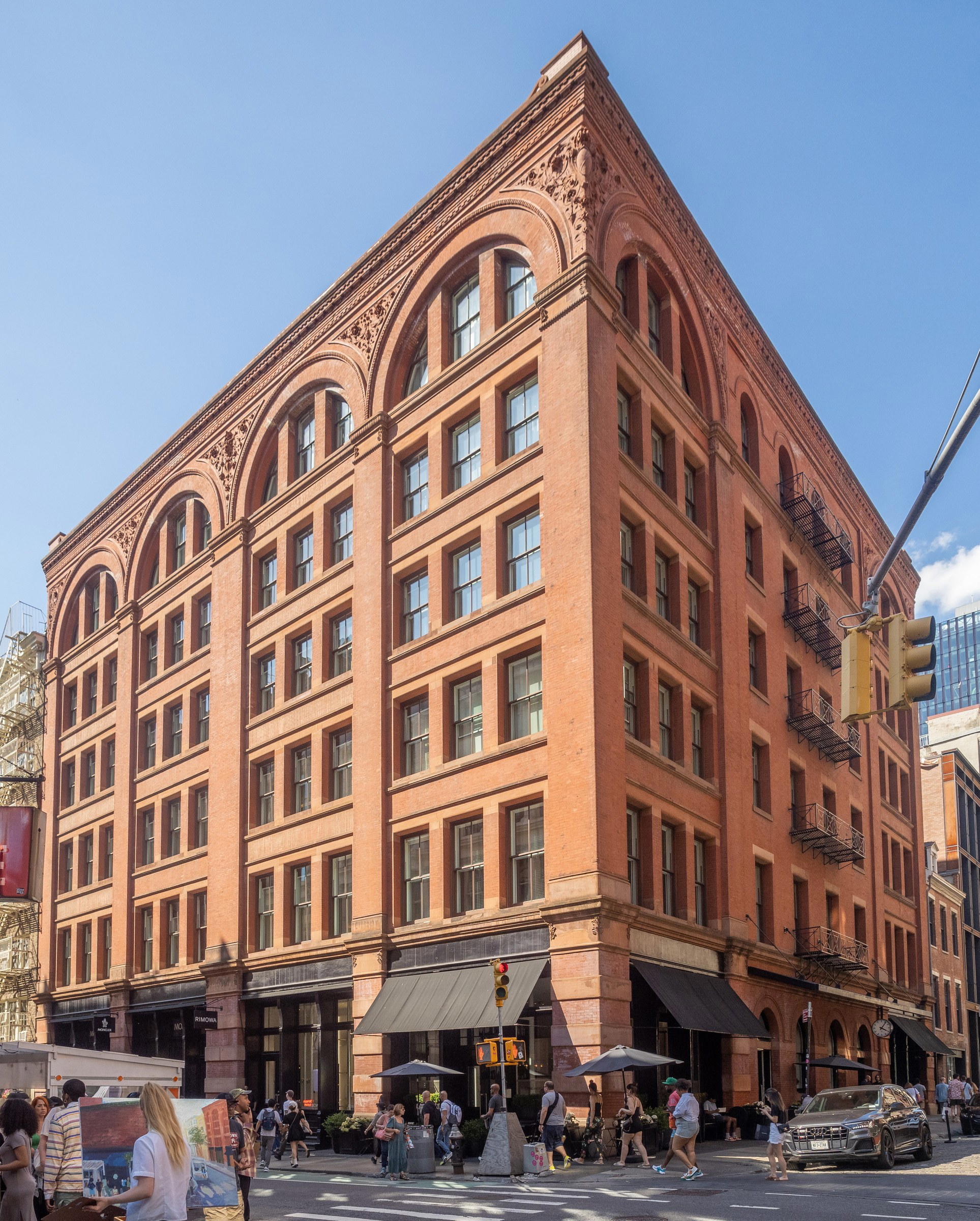
- Historic Building
- Design Destination
- Standalone
- Local Sourcing
- A La Carte
- Counter Dining
- Family Style
- Tea
- Vegetarian Friendly
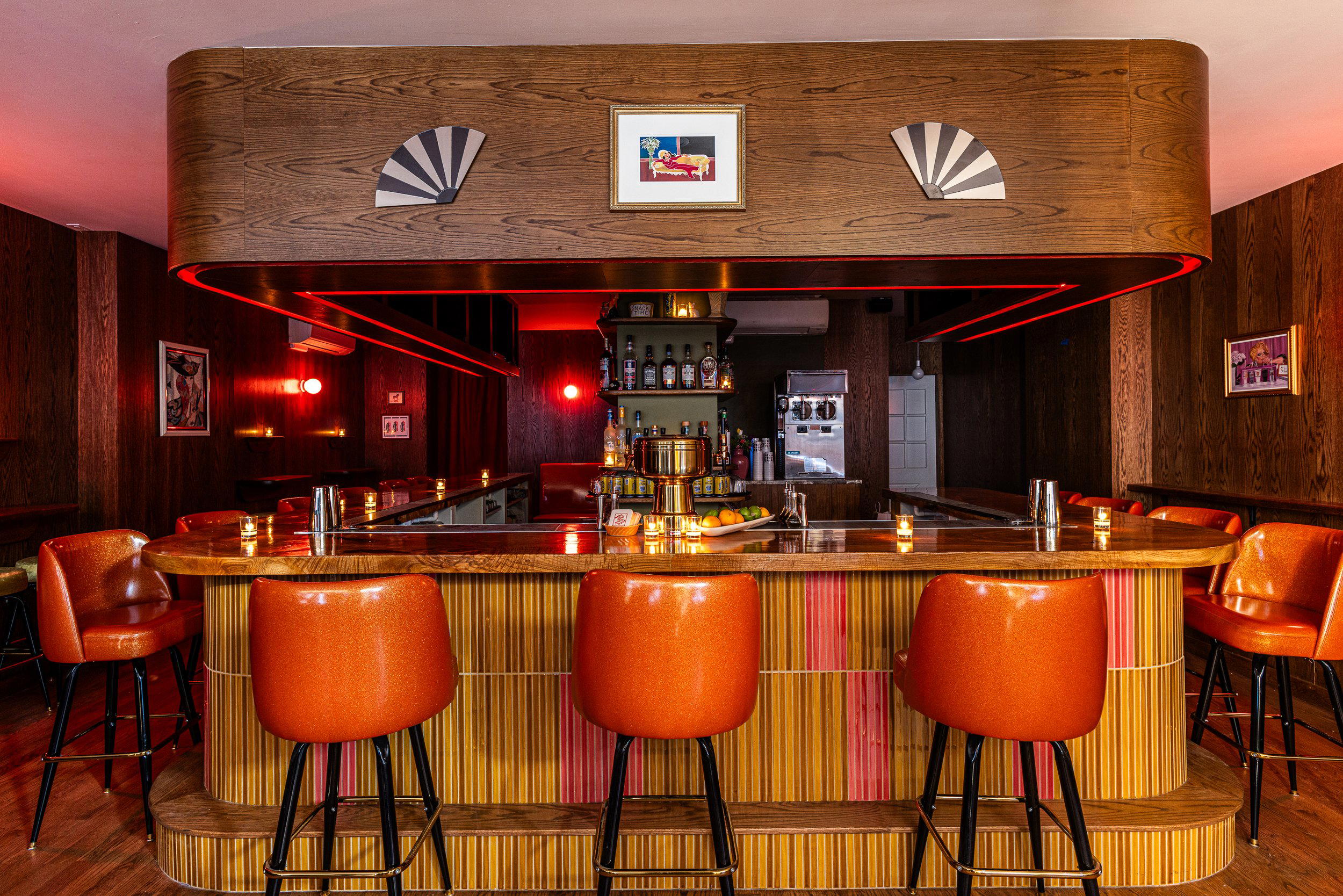
Cavernous space with lofty ceilings and wood details throughout, decorated with Chinese New Year masks, bagua mirrors, fans, and replica Forbidden City terra cotta warriors, creating a fun and kitschy aesthetic.