Kazuya

Cuisine Good Food Guide 2 Hat
Our verdict
Kazuya occupies a converted Eden Terrace townhouse on Symonds Street, where French technique meets Japanese precision in one of Auckland's more considered fine-dining rooms. The kitchen applies a sourcing discipline that connects its tasting menus to specific New Zealand producers and seasons. For those who measure a restaurant by the integrity of its supply chain, Kazuya earns its reputation quietly and consistently.

Pearl is the En Primeur Club membership app — saves, bookings, and concierge access live there. Same editors, same standards.
- Address
- 193 Symonds Street, Eden Terrace, Auckland 1010, New Zealand
- Phone
- +6493778537
- Hours
- Mon ClosedTue–Sat 5:30–9 PMSun Closed
- Website
- kazuya.co.nz
- Directions
- Get directions
- Booking
- Book on ResDiary
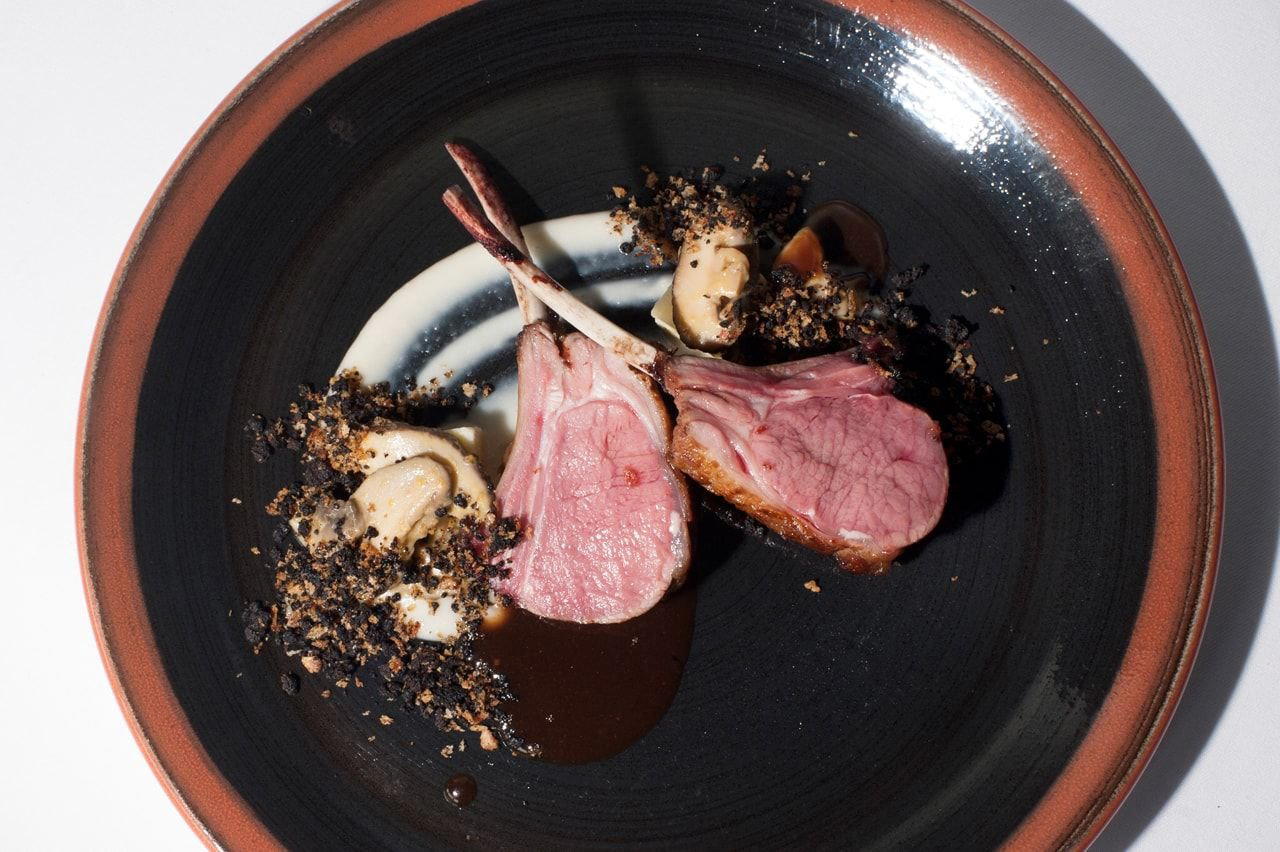
The menu
What to order
- Texture of 30 vegetables
- Japanese Wagyu beef
Eden Terrace After Dark
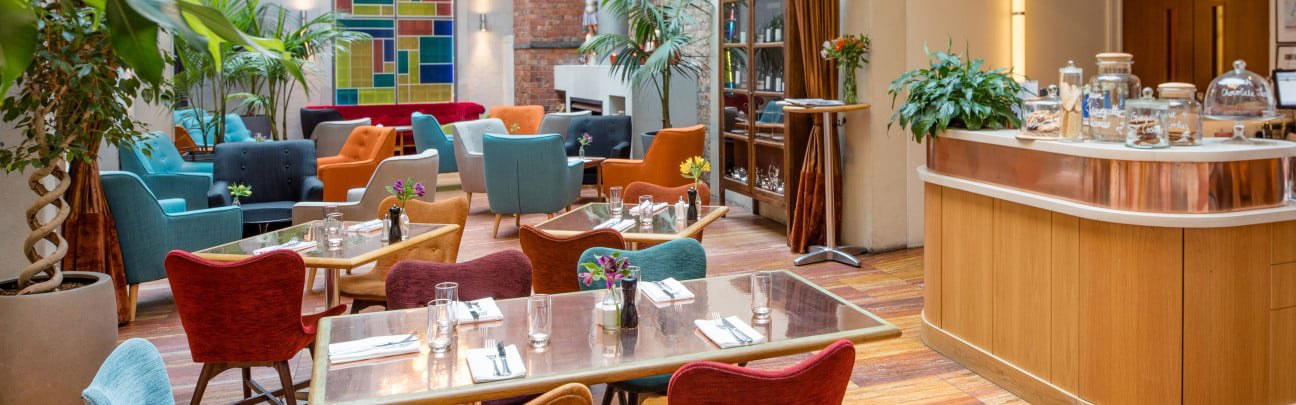
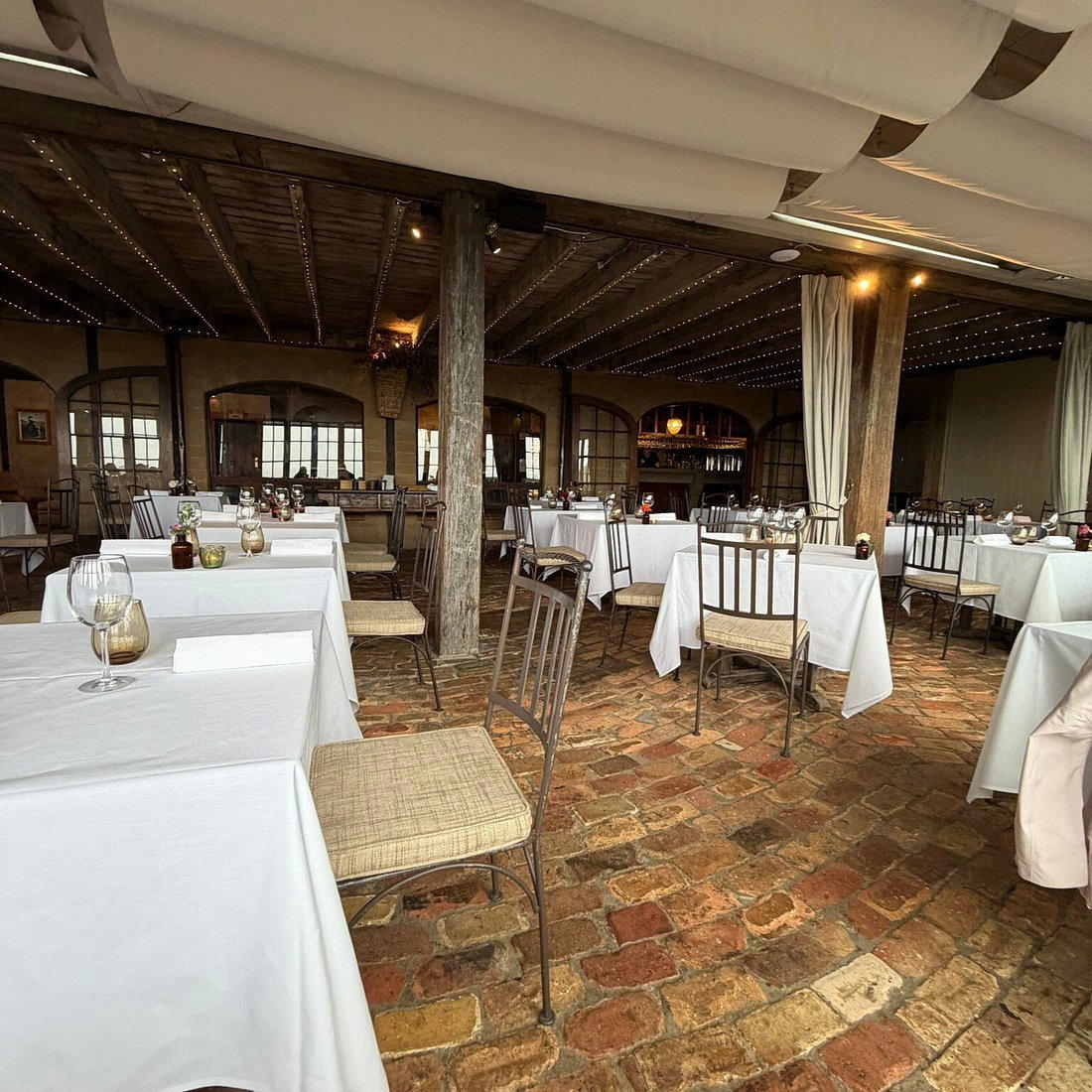
Symonds Street climbs away from Auckland's CBD with the kind of gradual grade that discourages casual pedestrian traffic. By the time you reach the converted Victorian terrace at number 193, the city has thinned out behind you. The building's exterior gives little away: a narrow frontage, dark timber, the kind of restraint that signals intention. Inside, the dining room is compact and calm, lit at a register that makes conversation easy without raising voices. This is not the format of a room designed to impress on entry; it is a room designed to disappear once the food arrives.
Auckland's fine-dining tier has reorganised itself considerably over the past decade, sorting into a handful of distinct models. The large-format destination restaurants, the chef-table-as-theatre counters, and a smaller cohort of townhouse conversions where the setting enforces a certain intimacy. Kazuya belongs firmly to the last group, sitting on Symonds Street at the edge of Eden Terrace in a neighbourhood that has historically hosted working studios and specialist food businesses rather than mainstream hospitality. That location is not incidental. It anchors Kazuya in Auckland's food scene without placing it on the tourist-facing waterfront circuit that houses venues like Baduzzi or Ahi (Pacific Seafood).
Where the Produce Comes From
The kitchen at Kazuya operates within a French-Japanese framework that has become a recognisable Auckland fine-dining mode, a format also explored by Cocoro (Japanese Cuisine) though with different emphasis. What distinguishes Kazuya's approach is the sourcing discipline that underlies the menu's structure. New Zealand's geographic isolation has long been framed as a logistics problem for ambitious kitchens; Kazuya treats it as a constraint that produces specificity. When your supply lines are necessarily short, you know your farmers.
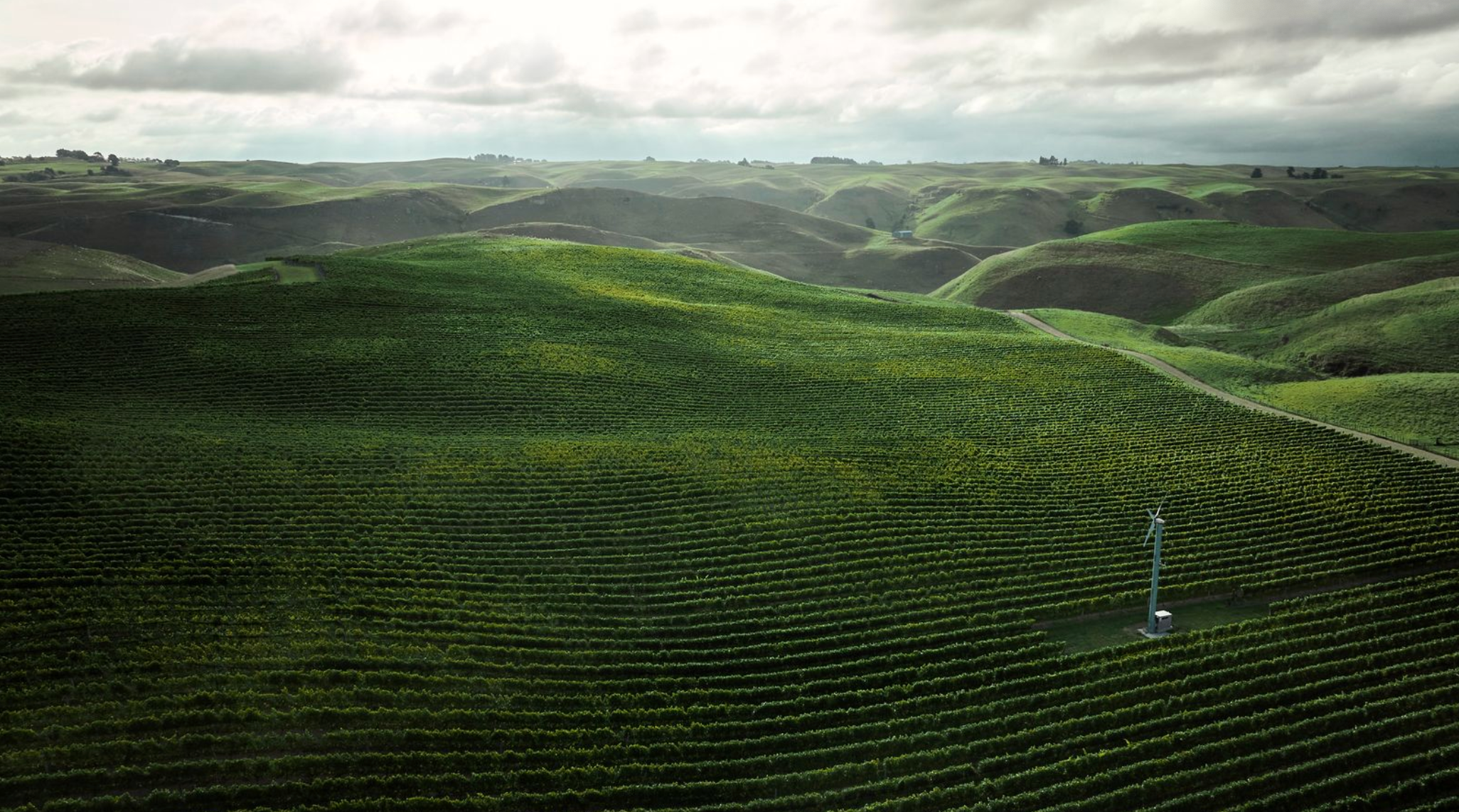
New Zealand's primary produce calendar is the operating system for this kind of menu. South Island salmon, Marlborough shellfish, Canterbury lamb, Hawke's Bay stonefruit in the warm months: these are not decorative provenance claims but structural decisions about what the kitchen can build a consistent tasting sequence around. The discipline of working within a defined ingredient geography is exactly what separates a sourcing-led kitchen from one that simply imports prestige proteins and calls it premium dining. The difference is legible on the plate, in the way seasonal variation produces menus that move rather than menus that stay fixed for operational convenience.
This philosophy connects Kazuya to a broader New Zealand fine-dining conversation that you find at venues like Amisfield in Queenstown and Kika in Wānaka, both of which have built their identity around producer relationships rather than imported culinary frameworks. In Auckland, that sourcing rigour is less common than the marketing language around it, which is why Kazuya's commitment reads as substantive rather than promotional.
French Technique, Japanese Precision
The French-Japanese hybrid kitchen is not a novelty in global fine dining, but its execution in Auckland operates under particular conditions. There is no deep local tradition of French brigade cooking to draw from, and Japanese technique requires ingredient access that New Zealand's fishing seasons and proximity to Asian markets can make irregular. Kitchens that succeed in this format tend to do so by being selective about which French techniques they apply and which Japanese principles they allow to govern the whole. The French tendency toward richness and reduction has to be held in check by the Japanese instinct for restraint and clarity; when that balance holds, the result is a tasting menu that reads as coherent rather than conflicted.
Across New Zealand, this kind of hybrid discipline is approached from different angles. Aosta in Arrowtown works a French-Italian axis; Bistronomy & Vinotech in Napier South pairs wine-region thinking with European bistro structure; Chameleon Restaurant in Wellington Central works a different register entirely. Kazuya's particular position in this field is its commitment to the precision end of the Japanese influence, which shapes not just plate presentation but timing, temperature, and the logic of the sequence. These are details that matter most to diners who have eaten at a high level in both culinary traditions and can recognise the decisions being made.
For a parallel reference point, the way ingredient sourcing and technique interact in this kind of tasting menu format can be compared to what Le Bernardin in New York City does with Atlantic seafood: the produce sets the agenda, the technique serves it. Atomix in New York City demonstrates what rigorous Korean structure can produce when applied with similar discipline. Kazuya operates in a different culinary register but shares the same underlying principle.
Planning Your Visit
Kazuya sits at 193 Symonds Street in Eden Terrace, a short drive or manageable uphill walk from central Auckland. The format is tasting menu, which sets the expectation for the evening: this is a multi-course commitment, not a venue where you drop in for a single dish. Reservations are essential and, particularly on weekends, should be made well in advance. The room is small, which means cancellations are felt and tables at short notice are rarely available. Visiting during the week offers a marginally better prospect for last-minute availability, though the experience is identical.
The full tasting menu format means the kitchen controls the pace; allow a full evening. The wine programme pairs logically with the sourcing philosophy: expect New Zealand bottles to dominate, with the Marlborough and Central Otago regions well represented. For a broader map of where Kazuya sits in Auckland's dining options, our full Auckland restaurants guide provides the wider context.
Visitors arriving in New Zealand from further afield who want to map this level of fine-dining seriousness across regions should look at Field & Green in Te Aro and Aro Ha Wellness Retreat in Glenorchy as complementary points of reference, the former for urban produce-led dining in Wellington, the latter for an ingredient philosophy embedded in a retreat context. For Korean-influenced dining in the North Island, Family House Korean Restaurant in Rotorua and Indigo in Napier and Cafe Istanbul in Tauranga each operate in distinct idioms but share the common thread of specific, committed kitchen thinking.
Frequently asked questions
How do I find Kazuya?
Kazuya is located at 193 Symonds Street, Eden Terrace, Auckland 1010, New Zealand, Auckland.
Is Kazuya suitable for a special occasion dinner in Auckland?
The tasting menu format at Kazuya, set within a French-Japanese culinary framework, is structured precisely for the kind of unhurried, course-by-course dining that suits celebrations. Eden Terrace's remove from the CBD gives the evening a destination quality that neighbourhood restaurants rarely offer. Communicating the occasion at the time of booking gives the kitchen and floor team the context to adjust pace and presentation accordingly.
What should I eat at Kazuya?
Kazuya operates a set tasting menu format, so ordering à la carte is not part of the experience. The kitchen works within a French-Japanese framework, applying classical French technique to ingredients sourced within New Zealand's seasonal calendar. Arriving with dietary notes in advance is advisable, as tasting menus at this level require lead time to accommodate substitutions.
How hard is it to get a table at Kazuya?
Kazuya sits at 193 Symonds Street in Eden Terrace, a neighbourhood that sees little passing trade, which means virtually every cover is booked intentionally rather than by walk-in. Reservations at Auckland's serious tasting-menu counters typically fill weeks in advance, and Kazuya's format — fixed seatings, limited covers — tightens availability further. Booking well ahead, particularly for Friday and Saturday evenings, is the standard approach.
How It Stacks Up
Comparable venues nearby, for context on price, style, and recognition.
| Venue | Cuisine | Price | Awards | Notes |
|---|---|---|---|---|
| KazuyaThis venue — the venue you are viewing | European-Japanese Fusion Fine Dining | $100–150 | Cuisine Good Food Guide 2 Hat | Not listed |
| Spiga | Modern Italian Trattoria | Not listed | Cuisine Good Food Guide 2 Hat | Remuera |
| Tala | Contemporary Samoan | $150–200 | 1 Michelin Star · La Liste Top Restaurants | Parnell |
| Pocha | Korean Restaurant & Bar | $20–30 | Not listed | Auckland Central |
| Blue on Franklin | Modern New Zealand / Wine Bar | Not listed | Cuisine Good Food Guide Selection | Ponsonby |
| The Engine Room | Modern European Bistro | $50–100 | Cuisine Good Food Guide Selection | Northcote Point |
Recognition history
Dated appearances from independent guides and award organizations, with the underlying list record or original source where available.
Cuisine Good Food Guide 2 Hat
Cuisine Good Food Guide
Full recognition history (2 entries)
Cuisine Good Food Guide Selection
Cuisine Good Food Guide
Continue exploring
More in Auckland
Restaurants in Auckland
Browse all →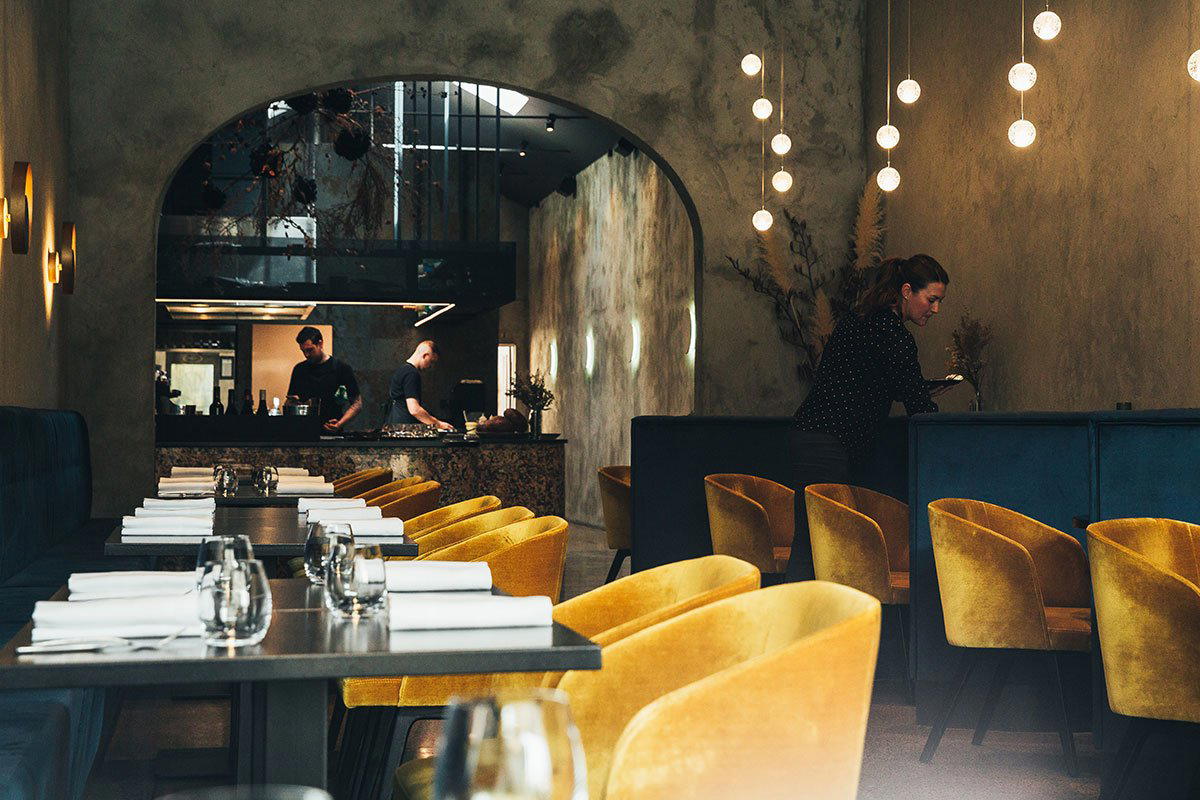
Bars in Auckland
Browse all →
Hotels in Auckland
Browse all →

Details
- Elegant
- Sophisticated
- Intimate
- Minimalist
- Special Occasion
- Date Night
- Chefs Counter
- Extensive Wine List
- Tasting Menu
- Vegetarian Friendly
- Vegan Options
Current opening hours
- Monday
- Closed
- Tuesday
- 5:30–9 PM
- Wednesday
- 5:30–9 PM
- Thursday
- 5:30–9 PM
- Friday
- 5:30–9 PM
- Saturday
- 5:30–9 PM
- Sunday
- Closed
Hours can change for holidays and private events. Last verified .
Discreet contemporary setting with meticulous presentation, spare minimal aesthetics, and professional white-gloved service creating an effortless fine-dining atmosphere.