Aro Ha Wellness Retreat
Our verdict
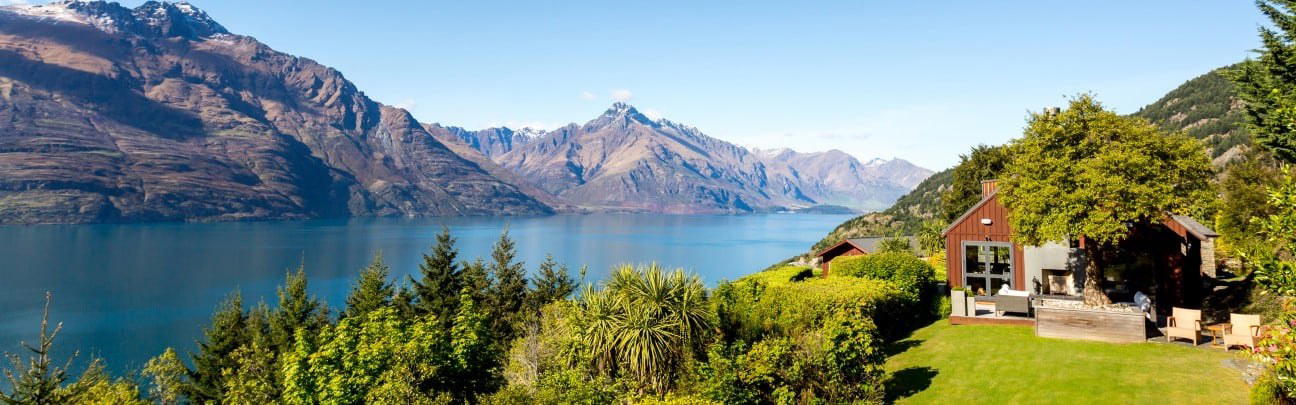
Aro Ha sits above Glenorchy at the northern reach of Lake Wakatipu, where the Southern Alps form the immediate backdrop to a plant-forward wellness program built around the land that surrounds it. The retreat operates on a structured multi-day format, integrating movement, breathwork, and cuisine sourced to a standard that places it in a different tier from conventional resort spas. For visitors arriving from Queenstown, the 45-minute drive signals a deliberate departure from town-centre dining culture.

Pearl is the En Primeur Club membership app — saves, bookings, and concierge access live there. Same editors, same standards.
- Address
- 33 Station Valley Rd, Wyuna Rise, Glenorchy 9372, New Zealand
- Phone
- +6434427011
- Hours
- Daily 9 AM–5 PM
- Website
- aro-ha.com
- Directions
- Get directions
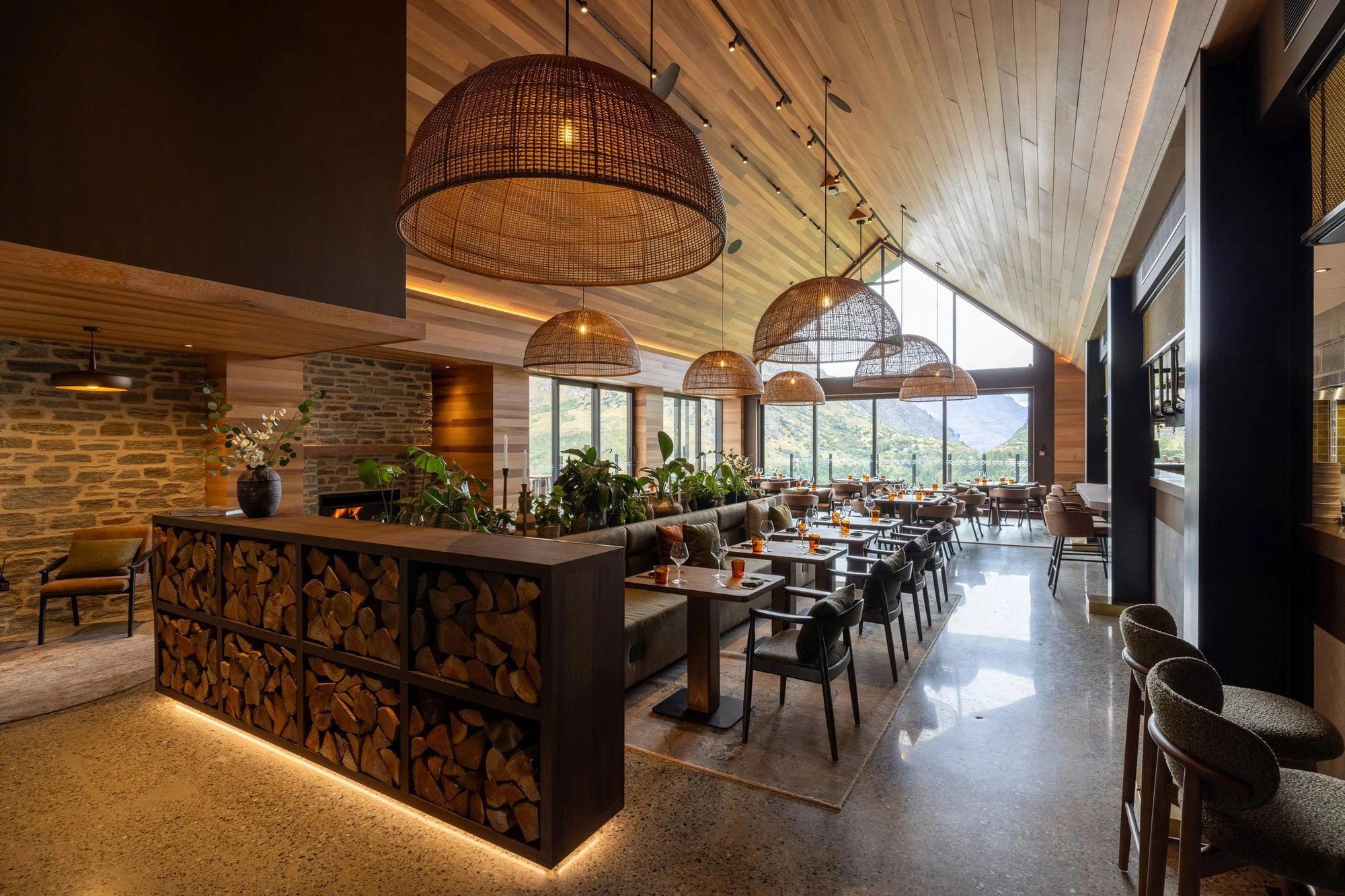
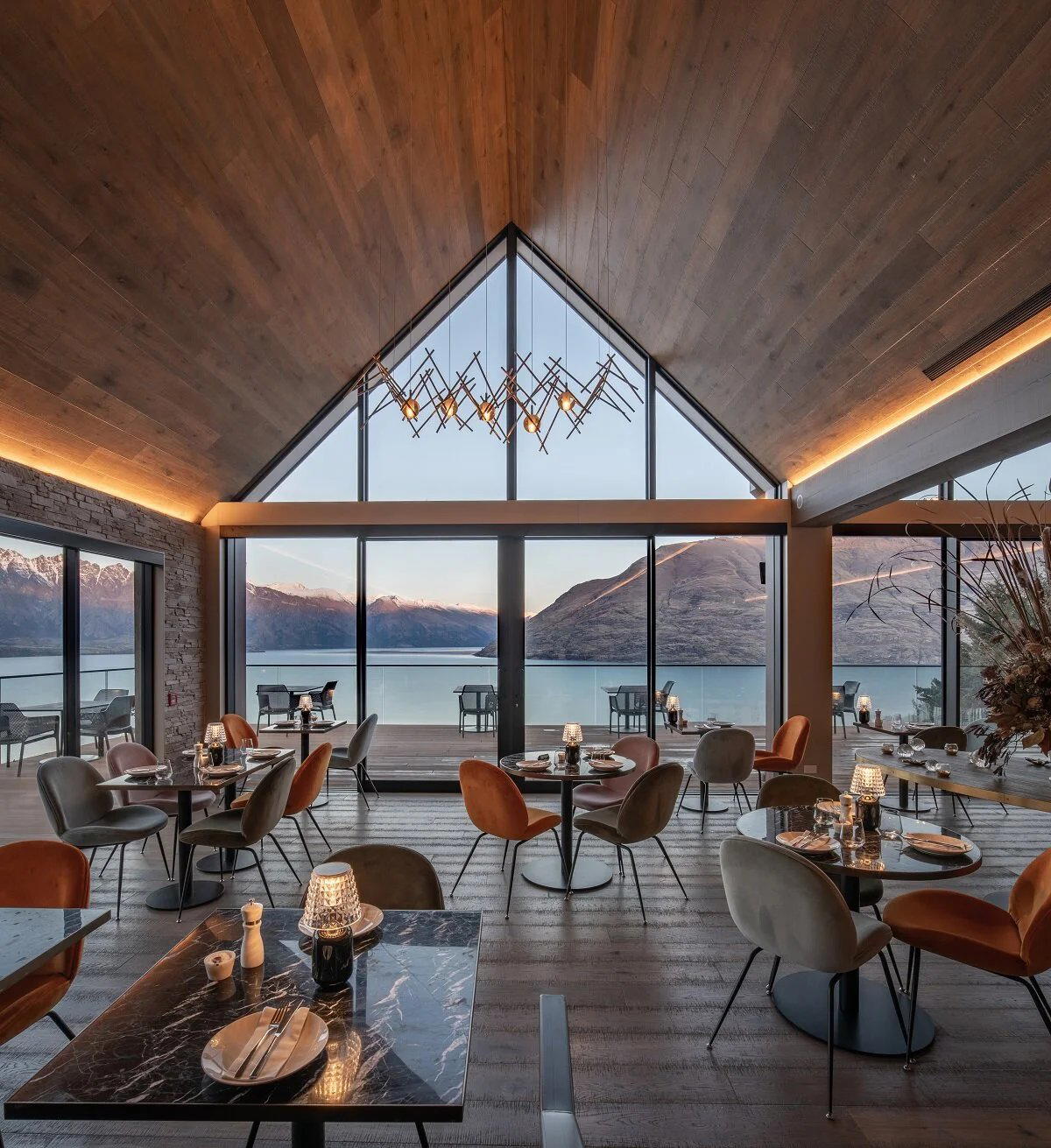
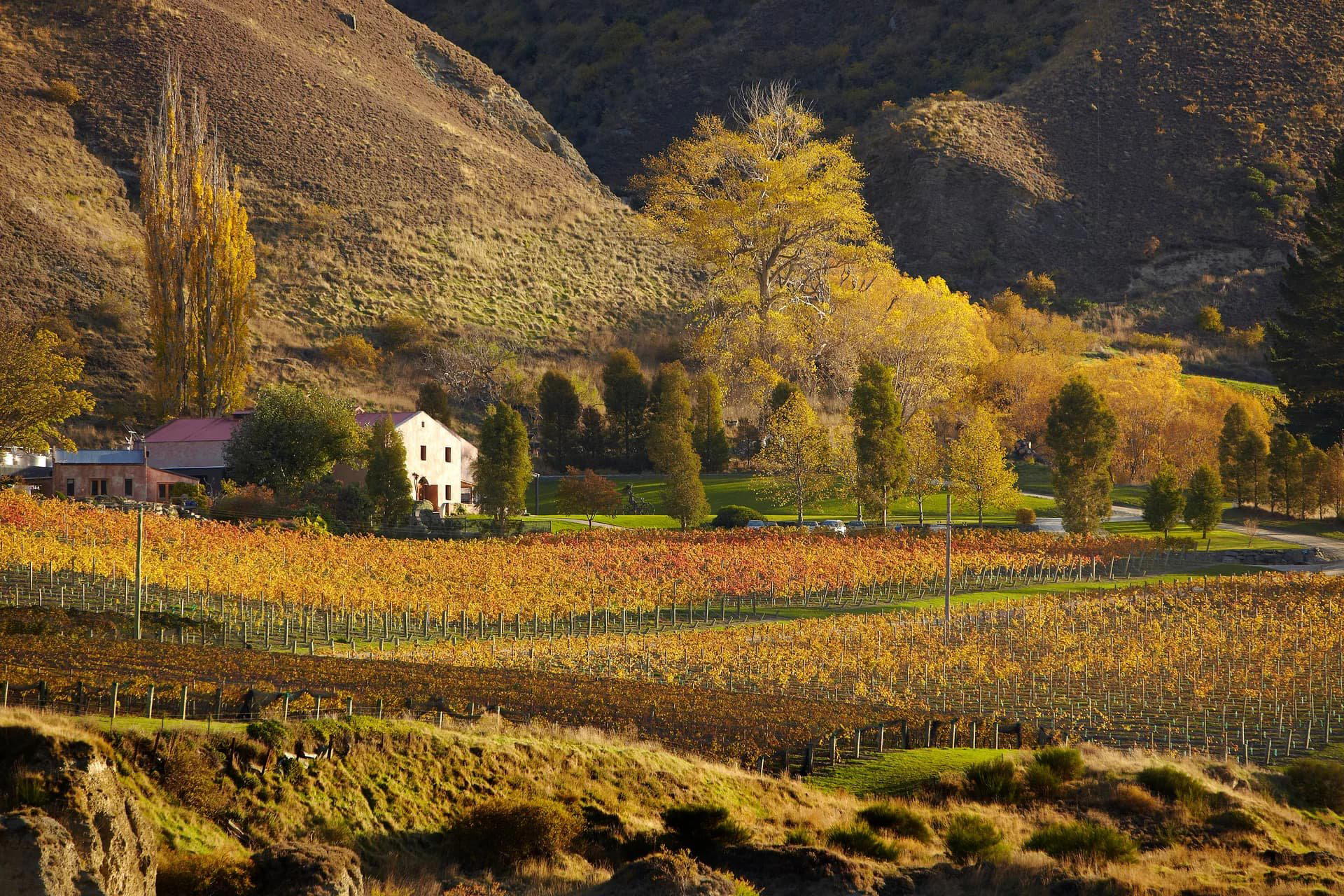
The road to Glenorchy runs along the western edge of Lake Wakatipu, narrowing as the Dart River valley opens ahead and the Remarkables give way to the more severe ridgelines of the Mount Aspiring corridor. By the time the turnoff to Station Valley Road appears, the surrounding terrain has already communicated something important about what Aro Ha is: a place defined less by hospitality convention than by the specific geography it occupies. The retreat sits on a ridge above the valley floor, looking south toward the lake and north toward the ranges that feed the Dart. The altitude and exposure are not incidental details — they shape the program that runs inside.
Plant-Forward Cuisine in a High-Altitude Context
Wellness retreats across the Asia-Pacific region have long struggled with a fundamental credibility problem: the food tends to undercut the program. Calorie restriction dressed in spa language, or generic vegetarian menus assembled without reference to place, are common enough to constitute a category norm. Aro Ha operates differently. The kitchen works within a plant-based framework that draws directly from the retreat's growing infrastructure and from suppliers operating in the wider Queenstown Lakes and Otago region — a part of New Zealand where produce seasonality is pronounced and the growing window is compressed by altitude and climate.
That compression matters. In Otago and the Southern Lakes, summer arrives later and leaves earlier than in the North Island growing regions that supply much of New Zealand's premium restaurant trade. What reaches the kitchen at Aro Ha in December or January is not what arrives in March, and the difference is not cosmetic. The curriculum of ingredients shifts with the season in ways that are legible on the plate, which is a more meaningful claim than the farm-to-table language applied broadly across the industry. For comparison, properties like Amisfield in Queenstown and Amisfield Restaurant and Cellar Door in Lake Hayes also draw on Central Otago's ingredient base, but within a conventional restaurant format rather than an integrated residential program.
The distinction between a wellness retreat's food program and a restaurant's is worth stating plainly. At Aro Ha, meals are not an amenity attached to a separate primary offering, they are load-bearing elements of the overall program, calibrated alongside movement schedules, sleep timing, and the physical demands of high-altitude hiking. That kind of integration is common in the top tier of destination wellness internationally, but it remains rare in New Zealand's South Island, where the retreat format more often means yoga classes appended to lodge accommodation.
Where Aro Ha Sits in New Zealand's Retreat Tier
New Zealand's premium accommodation and experience market has developed two reasonably distinct tracks over the past decade. The first is the heritage lodge model, which places emphasis on landscape access, traditional hospitality, and often a food program built around New Zealand's pastoral abundance, lamb, venison, seafood. Properties like Wharekauhau Country Estate in Featherston and Blanket Bay, the latter operating just down the road from Glenorchy proper, sit in that track. The second track is smaller and more recent: structured wellness formats with defined programs, controlled environments, and food philosophies that diverge from the lodge norm.
Aro Ha occupies the second track. Within New Zealand, that peer group is thin, which partly explains why Aro Ha draws international visitors rather than functioning primarily as a domestic short-break destination. The multi-day booking requirement and program structure also place it outside the day-visit or weekend-break category that serves most of Queenstown's hospitality sector.
For readers interested in how New Zealand's broader fine-dining and farm-sourced cuisine scene connects to this approach, the full Glenorchy restaurants guide provides useful orientation. Further afield, Ahi in Auckland and Field and Green in Te Aro represent the plant-forward and sourcing-conscious end of New Zealand's restaurant trade, offering a point of comparison for visitors who want to understand where wellness cuisine sits relative to the country's wider culinary direction.
The Program Logic and What It Demands
Aro Ha operates on a structured weekly retreat format rather than flexible-stay accommodation. Arrivals align with the program schedule, and the experience is designed as a sequence rather than a menu of optional activities. The hiking component is substantive, routes in the Glenorchy backcountry involve genuine elevation gain and technical terrain, and the food program is calibrated to support that physical output rather than to function as a separate indulgence. This is a meaningful operational distinction from resort spas that offer hiking as one option among many.
Booking well ahead is advisable. The retreat's capacity is deliberately limited, and demand from international visitors, particularly from Australia, the United States, and the United Kingdom, means that popular seasonal windows, the Southern Hemisphere summer from December through February, and autumn in March and April when Otago's conditions are particularly clear, fill considerably in advance. Visitors arriving from further afield often build the retreat into a wider South Island itinerary that might include Queenstown dining before or after. Properties like Elephant Hill in Napier or Charley Noble in Wellington make natural stopovers for those routing through the North Island.
The address at 33 Station Valley Road, Wyuna Rise, places the retreat above the valley floor, accessible by the Glenorchy road from Queenstown. Transfer logistics are worth confirming at the time of booking, as the property's position on a working rural road makes independent navigation in unfamiliar vehicles a consideration, particularly for international visitors arriving without prior familiarity with New Zealand's alpine driving conditions.
Sourcing as Program, Not Branding
Across global wellness travel, ingredient sourcing has become a marketing language as often as it is a genuine operational commitment. The distinction is usually visible in whether the sourcing actually constrains the menu, whether the kitchen genuinely works with what is seasonally and locally available, or whether farm-to-table is an overlay on a fixed menu. The Southern Lakes growing environment, with its short seasons and altitude-driven intensity of flavour in summer produce, makes genuine constraint relatively easy to observe: a kitchen claiming to source locally in this region will cook quite differently in January than in June, because the available ingredients are substantively different.
That kind of seasonal discipline is the same logic that drives the leading produce-led restaurants operating elsewhere in New Zealand and internationally. Readers who have experienced the sourcing depth at Lazy Bear in San Francisco or the ingredient-forward approach at Le Bernardin in New York City will recognise the underlying principle, even if the format and cuisine type differ substantially. The wellness retreat context simply makes the logic more explicit: when the food program is a therapeutic component rather than a hospitality amenity, what the kitchen sources and how it is prepared carries weight beyond flavour alone.
Practical Notes for Planning
Aro Ha is reached via Queenstown, which has the nearest commercial airport. The retreat's Glenorchy location is approximately 45 minutes from Queenstown town centre along the lake road, and the final approach via Station Valley Road should be factored into arrival timing. Program-based retreats of this type typically require guests to arrive and depart on fixed days aligned with the weekly schedule, so flights should be booked with that structure in mind rather than around standard accommodation flexibility. For those extending the trip, Queenstown's own dining scene, including options mapped in our Glenorchy guide, offers a natural before-or-after context. The broader New Zealand trail might also include Cassia in Auckland Central, Chameleon in Wellington Central, Azabu Ponsonby in Grey Lynn, Bistronomy and Vinotech in Napier South, Blue Elephant Thai in Parnell, Elephant Hill in Haumoana, or Gothenburg Restaurant in Hamilton Central for those building a full-country itinerary around considered eating.
Frequently asked questions
Can I bring kids to Aro Ha Wellness Retreat?
Aro Ha operates as a structured adult-only program in Glenorchy, built around physically demanding backcountry hiking at altitude. The itinerary is not designed for children, and the retreat does not accommodate family or flexible-stay formats. Adults with significant mobility limitations should also assess the program requirements carefully before booking.
What is the atmosphere like at Aro Ha Wellness Retreat?
The setting at 33 Station Valley Rd, Wyuna Rise, Glenorchy places guests inside the Southern Alps rather than at a remove from them — the terrain shapes the daily rhythm rather than serving as backdrop. Social programming is minimal; the program substitutes deliberate physical engagement and structured quiet. Guests arrive on a shared schedule, which creates a cohort dynamic rather than the anonymity of a conventional resort.
How does Aro Ha's location in Glenorchy differ from Queenstown-based wellness offerings?
Glenorchy sits approximately 45 minutes from Queenstown Airport at the northern end of Lake Wakatipu, placing the retreat in direct contact with backcountry terrain that Queenstown-based programs can only access via transport. At 33 Station Valley Rd, Wyuna Rise, the retreat's alpine surroundings are not a day-trip destination but the operating environment. This separation from Queenstown's commercial activity is structurally built into the program rather than incidental.
What should I eat at Aro Ha Wellness Retreat?
All meals are included within the retreat program and follow a plant-based format calibrated to support the physical output of multi-hour alpine hiking. There is no à la carte selection or restaurant-style optionality — the menu is part of the program architecture, not a separate offering. Guests with specific dietary requirements should confirm compatibility with the retreat team before arrival.
Where is Aro Ha Wellness Retreat in Glenorchy?
Aro Ha Wellness Retreat is located at 33 Station Valley Rd, Wyuna Rise, Glenorchy 9372, New Zealand, Glenorchy.
How hard is it to get a table at Aro Ha Wellness Retreat?
Aro Ha does not operate on a restaurant booking model — access is through structured weekly program enrollment, not individual reservations for meals. Capacity at the Glenorchy retreat is deliberately limited to maintain the program's intensity and instructor-to-guest ratios. Availability tightens considerably during the Southern Hemisphere summer, and prospective guests typically need to plan well in advance.
What's the standout thing about Aro Ha Wellness Retreat?
The integration of plant-based nutrition and sustained alpine movement within a single structured program is the core distinction — neither element is bolted onto the other as an add-on. Most wellness retreats in New Zealand offer accommodation with optional activities; Aro Ha's Glenorchy location makes the terrain non-optional, which changes the character of the experience entirely. The weekly cohort format reinforces this, removing the passive resort dynamic.
A Quick Peer Check
| Venue | Cuisine | Price | Awards | Notes |
|---|---|---|---|---|
| Aro Ha Wellness RetreatThis venue — the venue you are viewing | Plant-Based Whole Foods | Not listed | Not listed | Not listed |
| Amisfield | Modern New Zealand Fine Dining | $200–300 | 1 Michelin Star · World's 50 Best #99 | New Zealand |
| Blanket Bay | New Zealand Fine Dining | Not listed | Cuisine Good Food Guide Selection · Relais Chateaux Award | Australian Rustic |
| Wharekauhau Country Estate | Modern Farm-to-Table Fine Dining | $500+ | Relais Chateaux Award · Cuisine Good Food Guide Selection | New Zealand |
| Paris Butter | Modern French-inspired New Zealand Fine Dining | $150–200 | 1 Michelin Star · La Liste Top Restaurants | New Zealand |
| Otahuna Lodge Restaurant | Seasonal New Zealand Fine Dining | Not listed | Relais Chateaux Award | New Zealand |
Continue exploring
More in Glenorchy
Restaurants in Glenorchy
Browse all →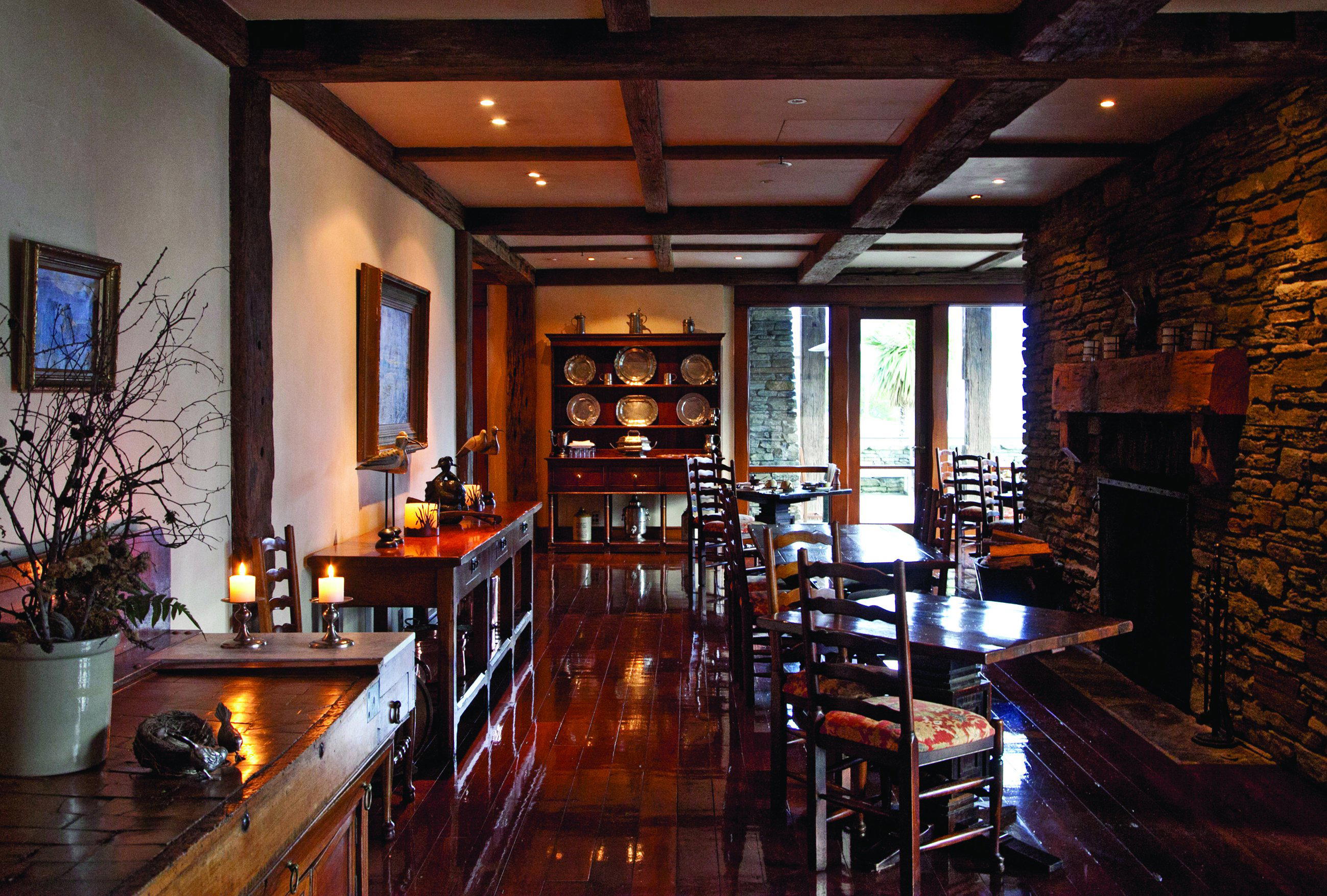
Bars in Glenorchy
Browse all →

Hotels in Glenorchy
Browse all →
Wineries in Glenorchy
Browse all →
Details
- Scenic
- Quiet
- Rustic
- Cozy
- Intimate
- Solo
- Special Occasion
- Hotel Restaurant
- Farm To Table
- Organic
- Local Sourcing
- Mountain
- Waterfront
- Set Menu
- Vegetarian Friendly
- Vegan Options
- Gluten Free Options
- Organic Focus
Current opening hours
- Monday
- 9 AM–5 PM
- Tuesday
- 9 AM–5 PM
- Wednesday
- 9 AM–5 PM
- Thursday
- 9 AM–5 PM
- Friday
- 9 AM–5 PM
- Saturday
- 9 AM–5 PM
- Sunday
- 9 AM–5 PM
Hours can change for holidays and private events. Last verified .
Zen-inspired eco-accommodation with log-fire ambience, natural cedar scents, and a peaceful wellness-focused atmosphere.