Kika


1 Michelin Star · Cuisine Good Food Guide Selection
Our verdict
On Dunmore Street at the heart of Wānaka's compact central strip, Kika operates in a town that wears its alpine proximity as a sourcing advantage. Central Otago lamb, venison, and stone fruit define the region's agricultural identity as much as its celebrated Pinot Noir, and the best kitchens here build menus around that supply chain. Kika sits within that tradition, in a town increasingly confident in its own dining register.

Pearl is the En Primeur Club membership app — saves, bookings, and concierge access live there. Same editors, same standards.
- Address
- 2 Dunmore Street, Wānaka 9305, New Zealand
- Phone
- +6434436536
- Hours
- Daily 5:30–9 PM
- Website
- kika.nz
- Directions
- Get directions
- Booking
- Book on the venue's website
The menu
What to order
- Beef tartare with crispy shallots and miso mayo
- Half-chicken with garlic and plums
- Lamb shoulder with preserved lemon and rosemary
- Kika fried chicken with gochujang dressing
Where Wānaka Puts Produce First
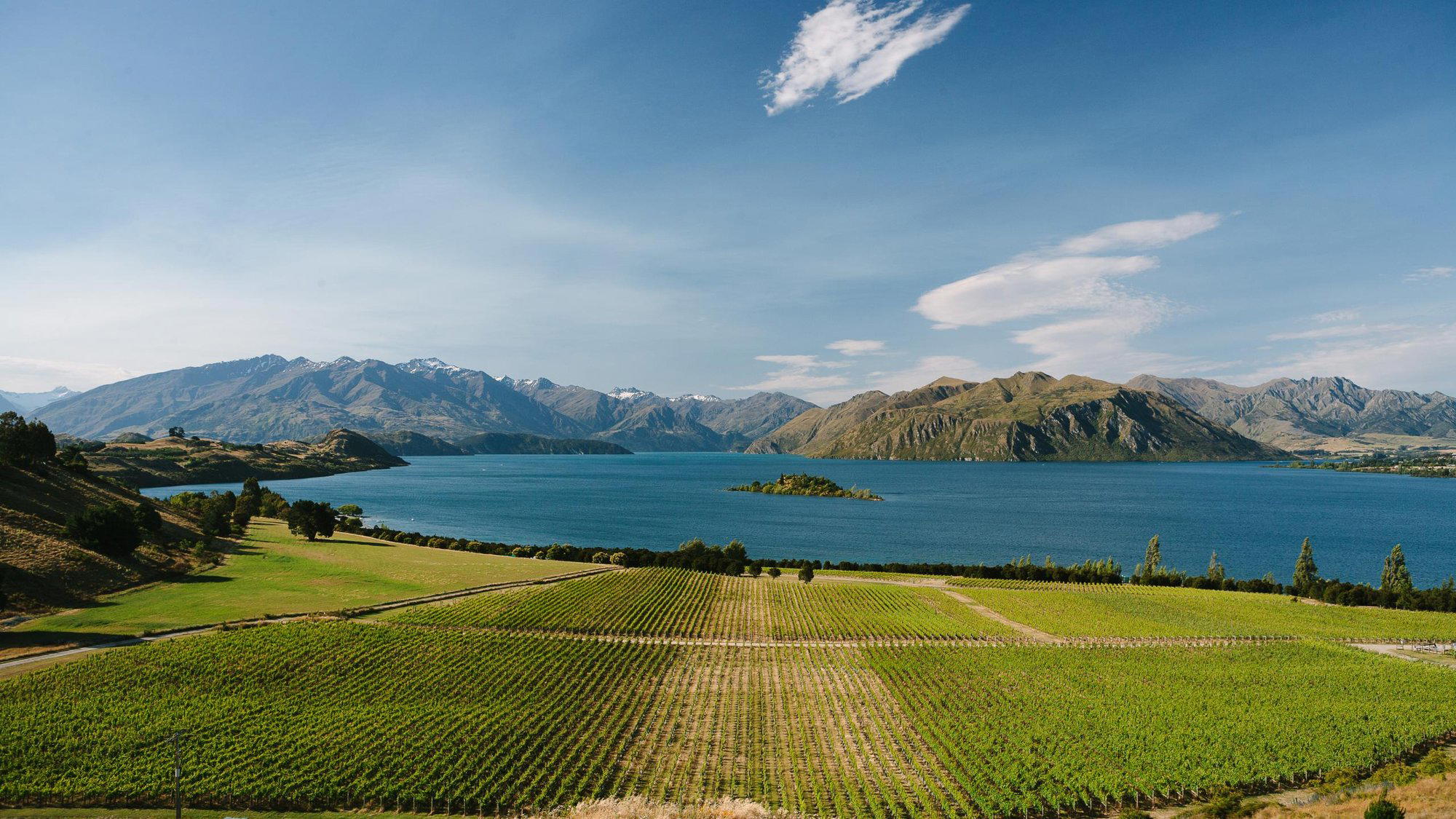
Arrive at 2 Dunmore Street and you arrive at one of Wānaka's more considered addresses. The town sits at the southern end of Lake Wānaka in the Otago region, a place where the mountain backdrop is close enough to feel functional rather than decorative, and where the proximity to Central Otago's farming and growing country shapes what ends up on restaurant tables. In this context, the question of ingredient sourcing is less a marketing position than a practical reality. The distance from Auckland or Wellington means that the leading kitchens here build menus around what moves well from nearby rather than what arrives on overnight freight from far away. Kika, at that Dunmore Street address, operates within that same logic.
The Central Otago Supply Chain and Why It Matters Here
Central Otago has an agricultural identity that most visitors register only through its wine. The Pinot Noir corridor running through Bannockburn and Cromwell gets the most attention, but the region also produces stone fruit, lamb, venison, and salmon that have made their way into the better restaurant kitchens across the south. Queenstown draws the headlines, but Wānaka's smaller scale means its restaurants operate in a tighter feedback loop with local producers. What the kitchen at Aosta in Arrowtown has demonstrated in the broader Queenstown Lakes district is that a commitment to regional sourcing in this part of New Zealand produces a kitchen identity that national fine-dining programs in Auckland rarely replicate. Kika operates in that same geographic and culinary zone, where the supply chain is short enough to make provenance a practical feature rather than a promise on a menu card.
The broader New Zealand dining conversation has been pulled toward Auckland for the better part of two decades, with restaurants like Cornelia in Auckland and Cassia in Auckland Central capturing most of the critical attention. But the south has built a credible alternative circuit. Amisfield in Queenstown and Amisfield Restaurant & Cellar Door in Lake Hayes anchor the winery-restaurant format that gives Central Otago hospitality much of its identity. Wānaka's version of this is quieter and less codified, which is part of what defines it.
The Wānaka Dining Register
Wānaka is not a large restaurant town by any conventional measure. Its population is small relative to its visitor throughput, and the seasonal peaks, particularly around summer and the ski season at Cardrona and Treble Cone, compress demand into windows that test any kitchen's consistency. The restaurants that hold their standard across both the high-volume tourist weeks and the quieter shoulder months tend to be the ones with supply relationships and kitchen discipline that aren't dependent on walk-in trade to survive. This is a structural observation about alpine resort dining that applies from Verbier to Queenstown to Wānaka: the kitchens that last are those with a fixed point of view about what they're cooking, not those chasing seasonal menu trends without a sourcing anchor.
Kika sits on Dunmore Street, which places it within Wānaka's central strip. The address is accessible on foot from the lake foreshore, which in summer becomes the social reference point for the town. In winter, the dynamic shifts toward the ski crowd moving between Cardrona and Treble Cone, and a restaurant that can hold relevance across both seasons is doing something structurally correct about its offer. For broader context on where Kika fits in Wānaka's dining options, our full Wānaka restaurants guide covers the complete picture.
What the Wider New Zealand Table Looks Like
New Zealand's fine-dining and serious casual registers have matured considerably. The gap between Auckland's leading tables and regional restaurants outside Queenstown used to be wide enough to be discouraging. That gap has narrowed. Restaurants like Field & Green in Te Aro and Chameleon Restaurant in Wellington Central demonstrate that the capital is running serious programs. In Hawke's Bay, Bistronomy & Vinotech in Napier South and Indigo in Napier reflect a region that's tied its dining identity to its wine production in a way that Central Otago is only beginning to match at scale. The wellness-oriented end of the market has its own representative in Aro Ha Wellness Retreat in Glenorchy, which takes the local-sourcing principle further into dietary philosophy.
Against that national backdrop, Wānaka's contribution is a kind of unfussy confidence. The town doesn't need to position itself against Auckland because it's not competing for the same traveller in the same moment. The visitor arriving in Wānaka has usually already decided that the landscape is the point, and they're looking for food that matches the register of the place rather than food that asserts cosmopolitan ambition. Kika, from its Dunmore Street position, addresses that reader of the room.
Planning a Visit
Wānaka is a 67-kilometre drive from Queenstown via State Highway 6 through the Crown Range, or a longer route via Cromwell. The Crown Range road is the higher and more direct option in good weather; in winter conditions, travellers should check NZTA road updates before committing to it. There is no rail link. Most visitors self-drive or use shuttle services connecting to Queenstown Airport. The town's central strip is compact enough that Dunmore Street is walkable from most accommodation.
Frequently asked questions
Does Kika work for a family meal?
Kika's address at 2 Dunmore Street places it in the accessible core of Wānaka, which suits a range of dining occasions. The town's visitor profile skews toward active families and couples, and the broader Wānaka dining register reflects that mix.
How would you describe the vibe at Kika?
Kika sits within Wānaka's more considered dining tier, where the emphasis tends to fall on produce sourcing rather than scene-making. The town is small relative to its visitor volume, which means restaurants here generally operate with more intention than anonymity. The address on Dunmore Street puts it close to the lake, which shapes a relaxed but purposeful atmosphere typical of serious regional dining in New Zealand.
Is Kika a good option for dining in Wānaka after arriving from Queenstown?
Wānaka is 67 kilometres from Queenstown via State Highway 6 over the Crown Range, making Kika at 2 Dunmore Street a logical destination for travellers extending a South Island itinerary beyond Queenstown's restaurant circuit. The two towns draw from overlapping Central Otago producers, but Wānaka's smaller scale means restaurants here operate with less competition and more regional focus.
What do people recommend at Kika?
The broader context of Wānaka dining — where proximity to Bannockburn Pinot Noir country and Otago's agricultural producers defines what appears on plates — suggests the kitchen works with what the region does well.
Where do I go for Kika?
Kika is located at 2 Dunmore Street, Wānaka 9305, New Zealand, Wānaka.
How far ahead should I plan for Kika?
Wānaka operates on compressed seasonal peaks, particularly during the ski season and summer holiday period, when visitor numbers far outpace the town's resident population. Restaurants at the more considered end of the local register fill quickly during those windows. Booking at least one to two weeks ahead during peak periods is a practical baseline; exact reservation policies are best confirmed with Kika directly.
What's Kika best at?
Based on what the venue's positioning within Wānaka's dining register signals, the emphasis falls on Central Otago produce — a region whose agricultural identity extends well beyond its Pinot Noir corridor into stone fruit, lamb, and dairy. That supply chain, when a kitchen takes it seriously, is one of the strongest in the South Island. Specific dish or technique strengths are best verified on the current menu.
At-a-Glance Comparison
Comparable venues nearby, for context on price, style, and recognition.
| Venue | Cuisine | Price | Awards | Notes |
|---|---|---|---|---|
| KikaThis venue — the venue you are viewing | Contemporary Kiwi with Italian Accents | $30–50 | 1 Michelin Star · Cuisine Good Food Guide Selection | Not listed |
| Cazador | Sustainable Game & Charcuterie Restaurant | $50–100 | Michelin Bib Gourmand · Cuisine Good Food Guide 2 Hat | Mount Eden |
| Yonder | Pacifica-Asian Fusion | $30–50 | Not listed | central Queenstown |
| BarUp | Not listed | Not listed | Not listed | Queenstown Town Centre |
| Rātā | Modern New Zealand Regional Cuisine | $100–150 | 1 Michelin Star · Star Wine List | Central Queenstown |
| Taco Medic Searle Lane | Mexican Taqueria | Not listed | Not listed | CBD |
Recognition history
Dated appearances from independent guides and award organizations, with the underlying list record or original source where available.
Michelin 1 Star
Michelin
Cuisine Good Food Guide Selection
Cuisine Good Food Guide
Full recognition history (3 entries)
Cuisine Good Food Guide 2 Hat
Cuisine Good Food Guide
Continue exploring
More in Wānaka
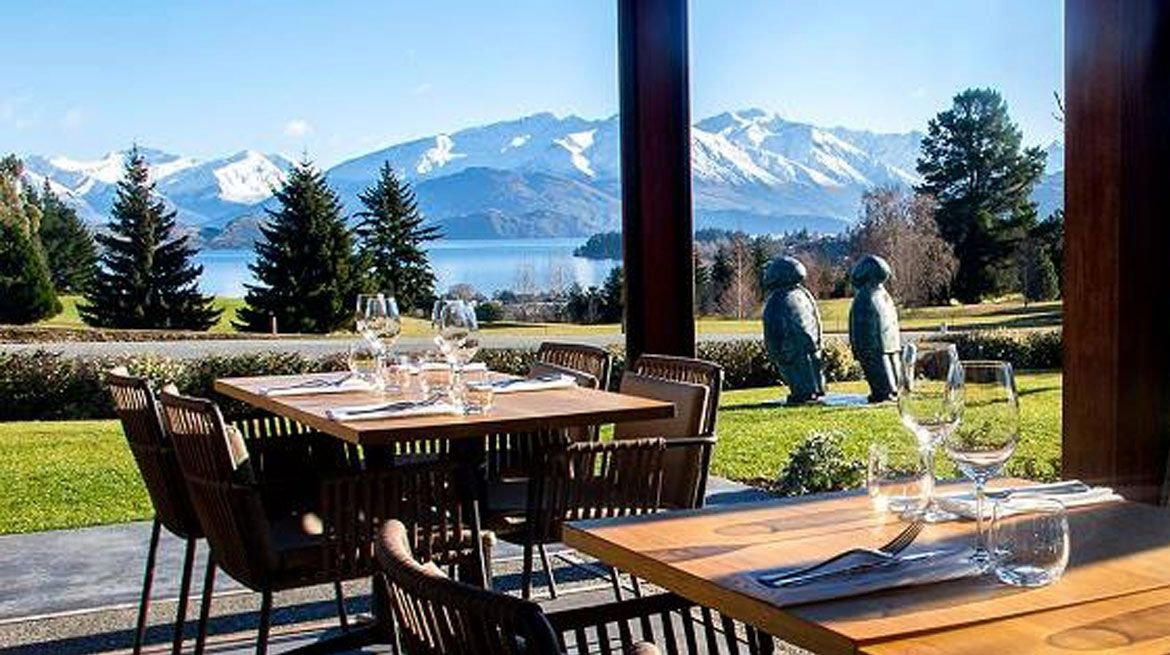
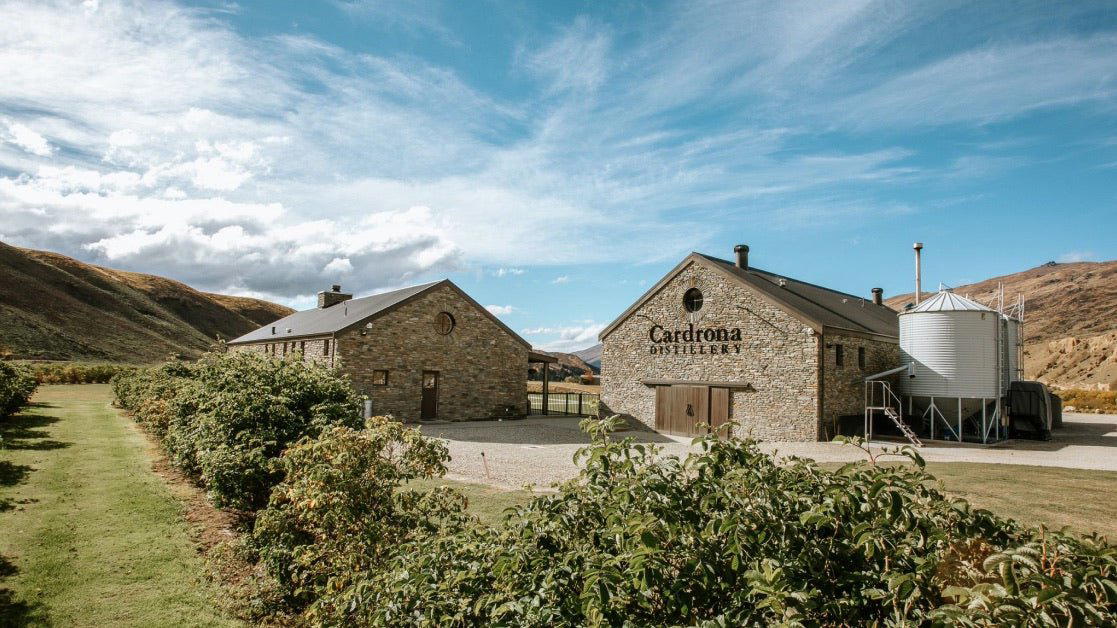
Restaurants in Wānaka
Browse all →
Bars in Wānaka
Browse all →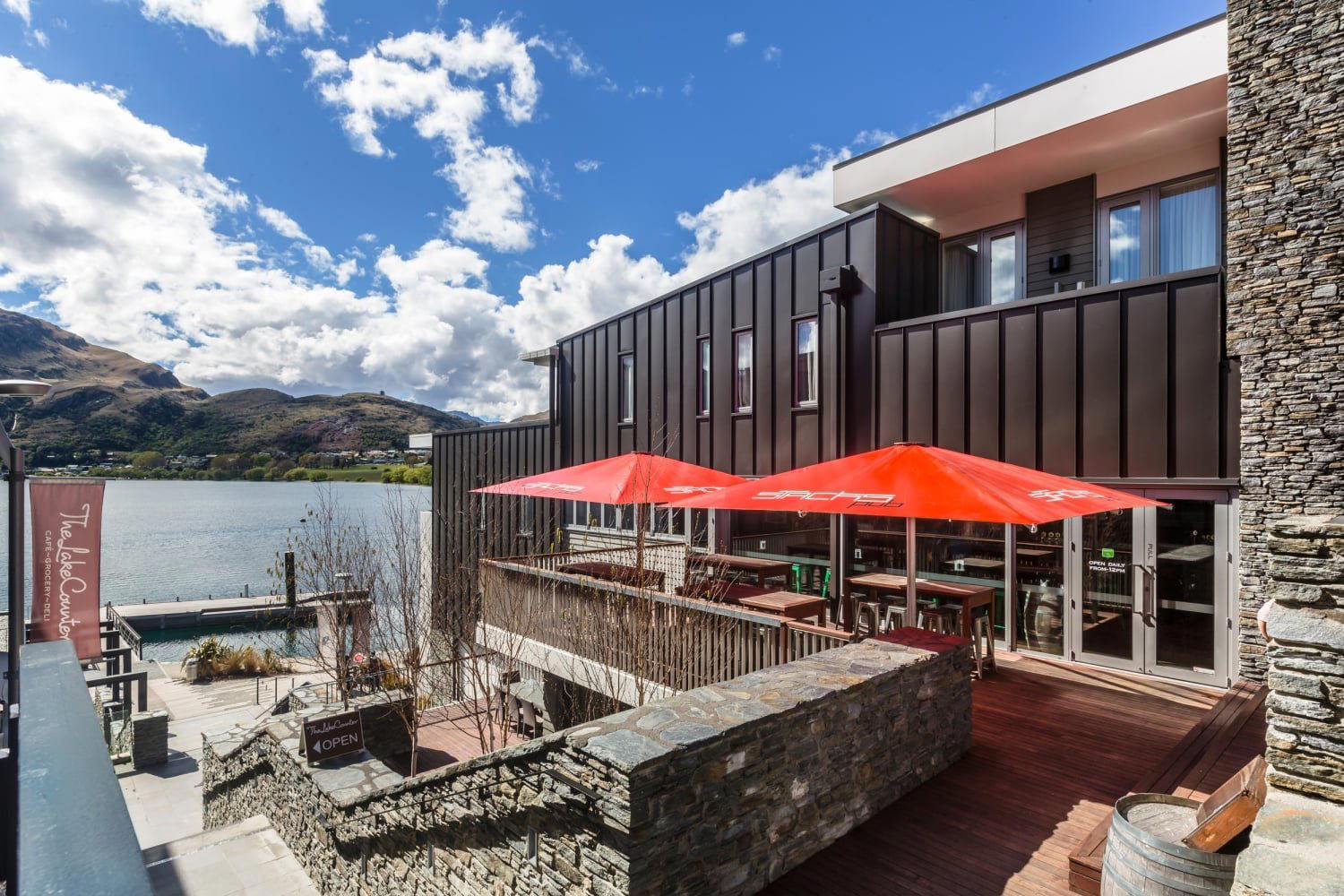
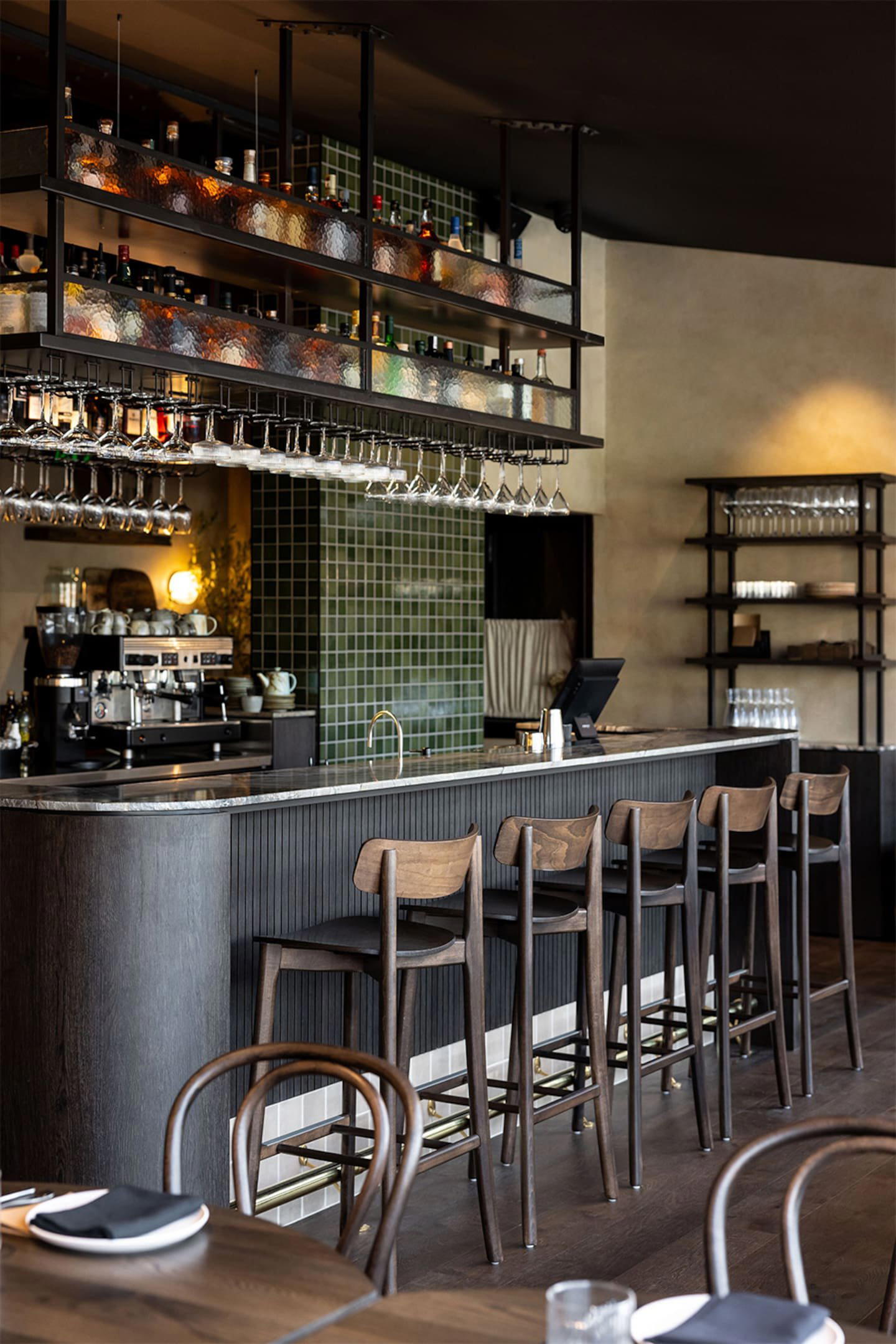
Hotels in Wānaka
Browse all →

Details
- Modern
- Scenic
- Cozy
- Elegant
- Trendy
- Date Night
- Group Dining
- Celebration
- Special Occasion
- Waterfront
- Garden
- Open Kitchen
- Standalone
- Craft Cocktails
- Beer Program
- Farm To Table
- Local Sourcing
- Organic
- Waterfront
- Small Plates
- Family Style
- Craft Cocktails
- Local Craft Beer
- Wine
- Vegetarian Friendly
- Vegan Options
- Gluten Free Options
- Allergy Accommodating
Current opening hours
- Monday
- 5:30–9 PM
- Tuesday
- 5:30–9 PM
- Wednesday
- 5:30–9 PM
- Thursday
- 5:30–9 PM
- Friday
- 5:30–9 PM
- Saturday
- 5:30–9 PM
- Sunday
- 5:30–9 PM
Hours can change for holidays and private events. Last verified .
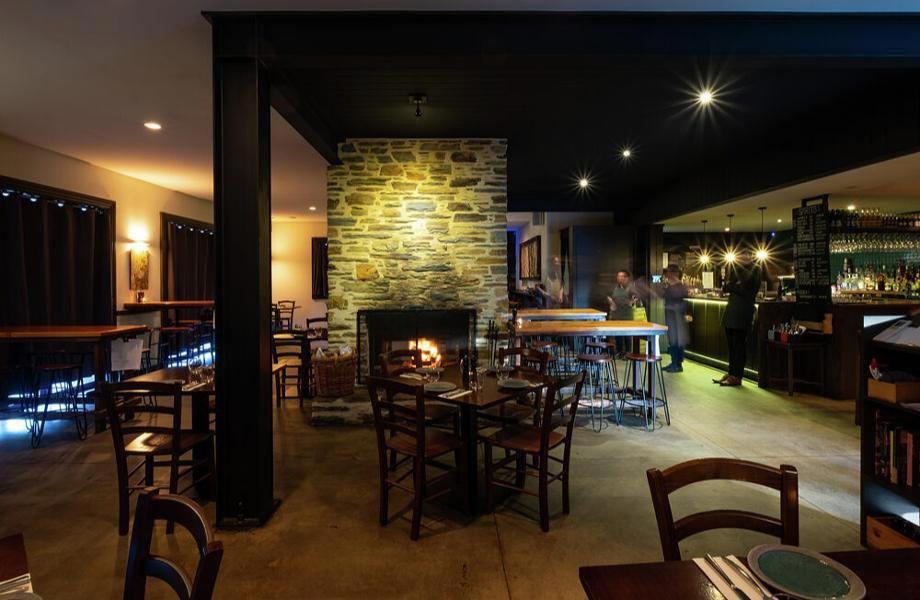
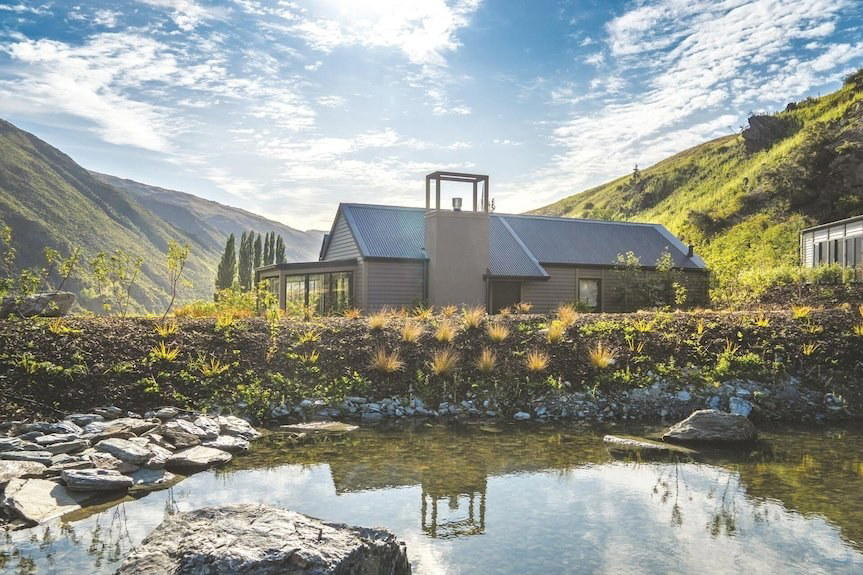
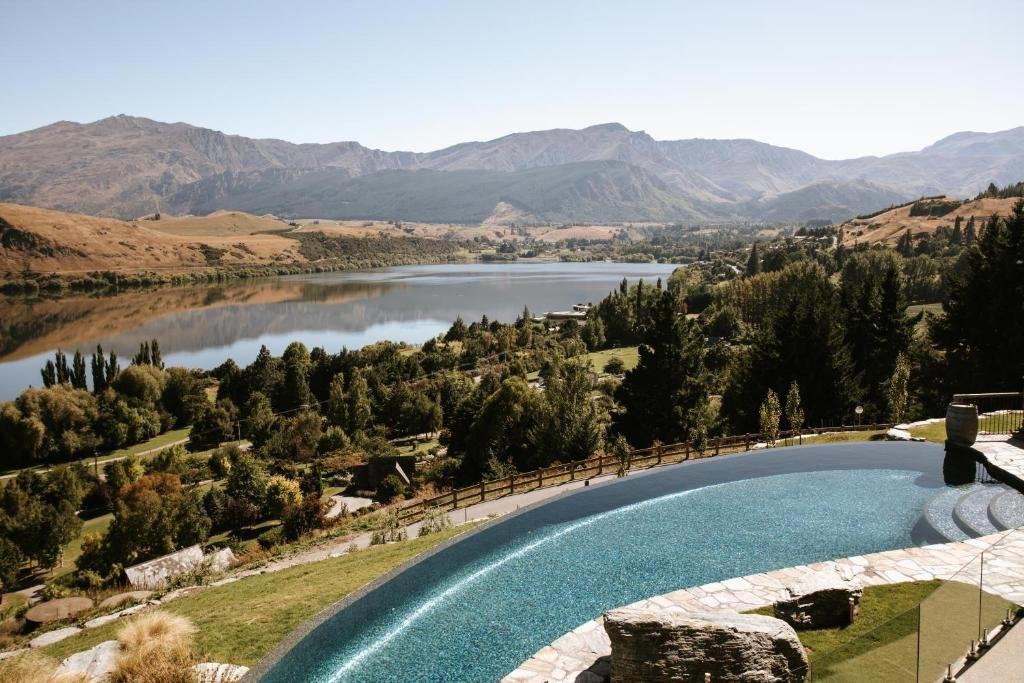
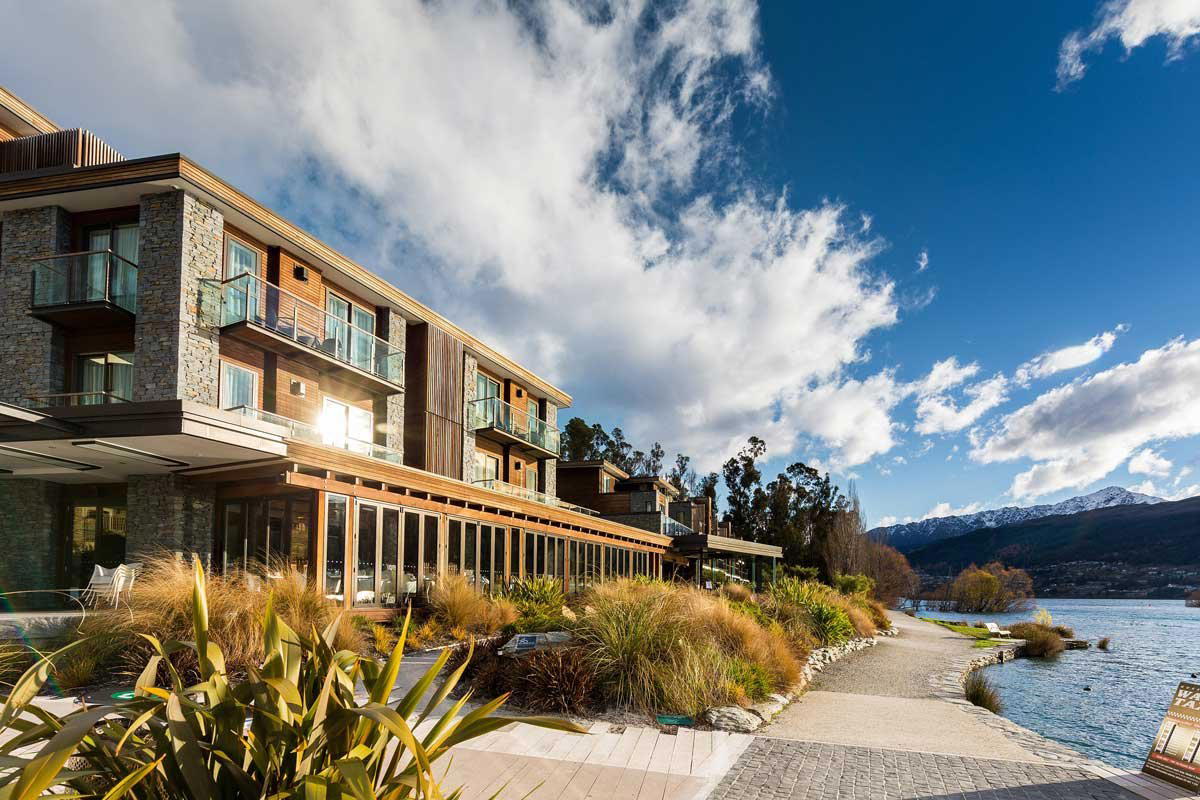
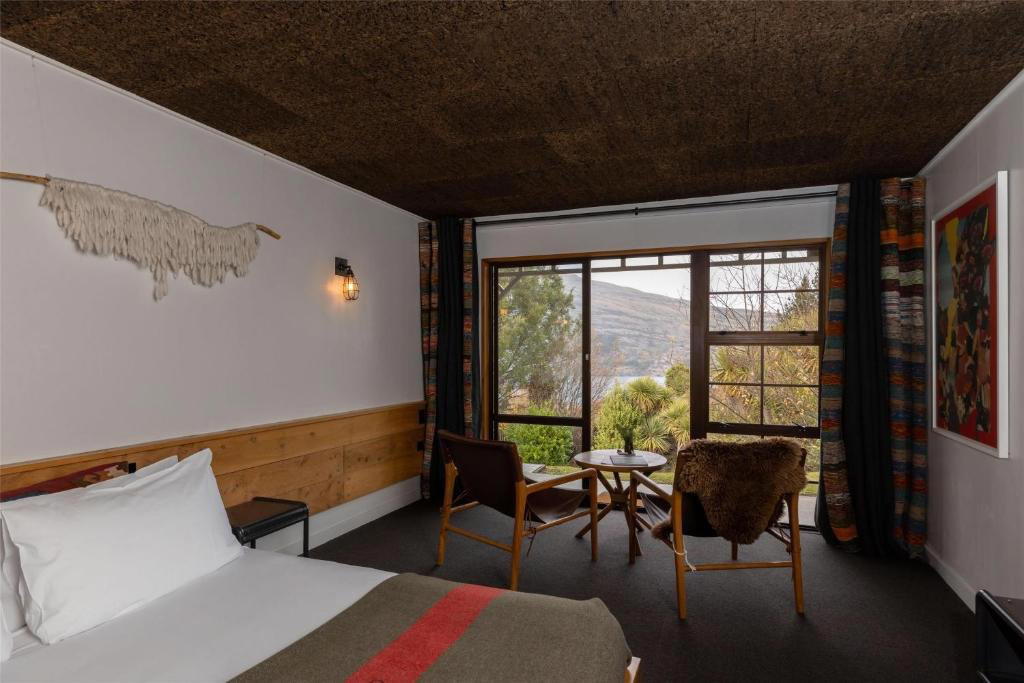
Warm and inviting space with an open hearth fire, relaxed and friendly atmosphere, stone-hewn dining room with creek views and a sunny deck area.