Family House Korean Restaurant
Our verdict
Korean cooking in Rotorua occupies a small but dependable niche, and Family House on Amohau Street sits squarely within it. The restaurant draws a regular crowd of locals and visiting Koreans looking for home-style dishes rather than tourist-facing approximations. For a city better known for geothermal tourism than dining depth, it fills a specific and practical gap.

Pearl is the En Primeur Club membership app — saves, bookings, and concierge access live there. Same editors, same standards.
- Address
- 1147 Amohau Street, Rotorua 3010, New Zealand
- Phone
- +64 21 775 700
- Hours
- Mon 4–9 PMTue–Wed 12–9 PMThu 4–9 PMFri–Sun 12–9 PM
- Website
- facebook.com
- Directions
- Get directions
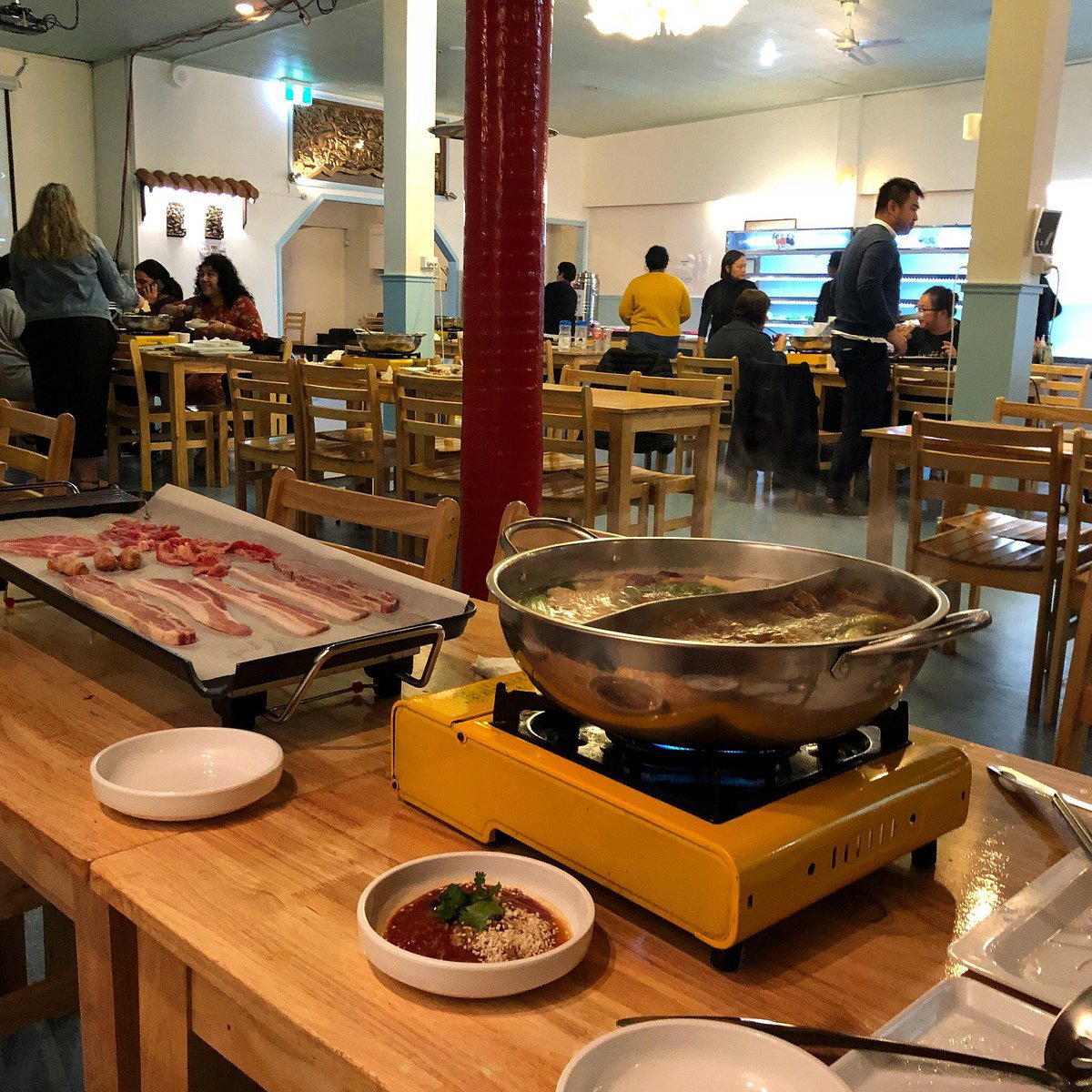
The menu
What to order
- Korean BBQ
- Chinese Hotpot
- Pork Belly
- Nepalese Dumplings
Korean Food in a Geothermal City
Rotorua's dining scene has long been shaped by two competing forces: the large-scale tourism infrastructure that feeds visitors through buffets and cultural hangi experiences, and a quieter layer of neighbourhood restaurants serving the city's resident population. Korean cooking sits firmly in that second category. Amohau Street, one of Rotorua's main commercial arteries, hosts a cluster of everyday restaurants that local families return to regularly rather than venues designed to capture a single tourist visit. Family House Korean Restaurant operates in that context, at 1147 Amohau Street, as part of a modest but consistent Korean dining presence in a city that does not otherwise prioritise Asian cuisine at any particular depth. For broader context on where this fits within the wider New Zealand dining picture, our full Rotorua restaurants guide maps the city's range from geothermal experiences through to neighbourhood regulars like this one.
What Korean Home Cooking Actually Means
The phrase "home-style Korean" carries real weight when you understand what it describes. Korean domestic cooking is built around banchan, the rotating array of small fermented, pickled, and seasoned side dishes that arrive alongside a main. The fermentation tradition is labour-intensive and ingredient-driven: kimchi relies on napa cabbage, gochugaru chilli flake, garlic, and fish sauce working together over days or weeks; doenjang, the fermented soybean paste, develops its depth across months. These are not processes that shortcuts serve well. In New Zealand, sourcing the right ingredients for this kind of cooking presents a specific challenge. Korean pantry staples, from gochujang to perilla leaf to dashima kelp, are now more accessible through specialist importers in Auckland and through growing Korean communities in provincial cities, but the supply chain is thinner than in Sydney or Melbourne. Restaurants that get the ingredient sourcing right produce food that tastes calibrated; those that substitute produce food that reads as approximate. The distinction matters because Korean cuisine, more than many, relies on precise fermentation chemistry rather than technique at the stove.
This is the context in which any Korean restaurant in a city the size of Rotorua should be assessed. The question is not whether it competes with the dedicated Korean dining precincts in Auckland, such as those around New North Road, but whether it sources and ferments with enough fidelity to deliver what the cuisine actually requires. Compare this to Azabu Ponsonby in Grey Lynn, which operates at the premium end of Japanese-Peruvian fusion with a corresponding import and sourcing budget, or Blue Elephant Thai Restaurant in Parnell, which faces similar provincial sourcing pressures for authentic Southeast Asian ingredients. The challenge of maintaining culinary integrity outside a major city's ingredient ecosystem is a consistent theme across New Zealand's regional dining.
The Atmosphere and Who Goes There
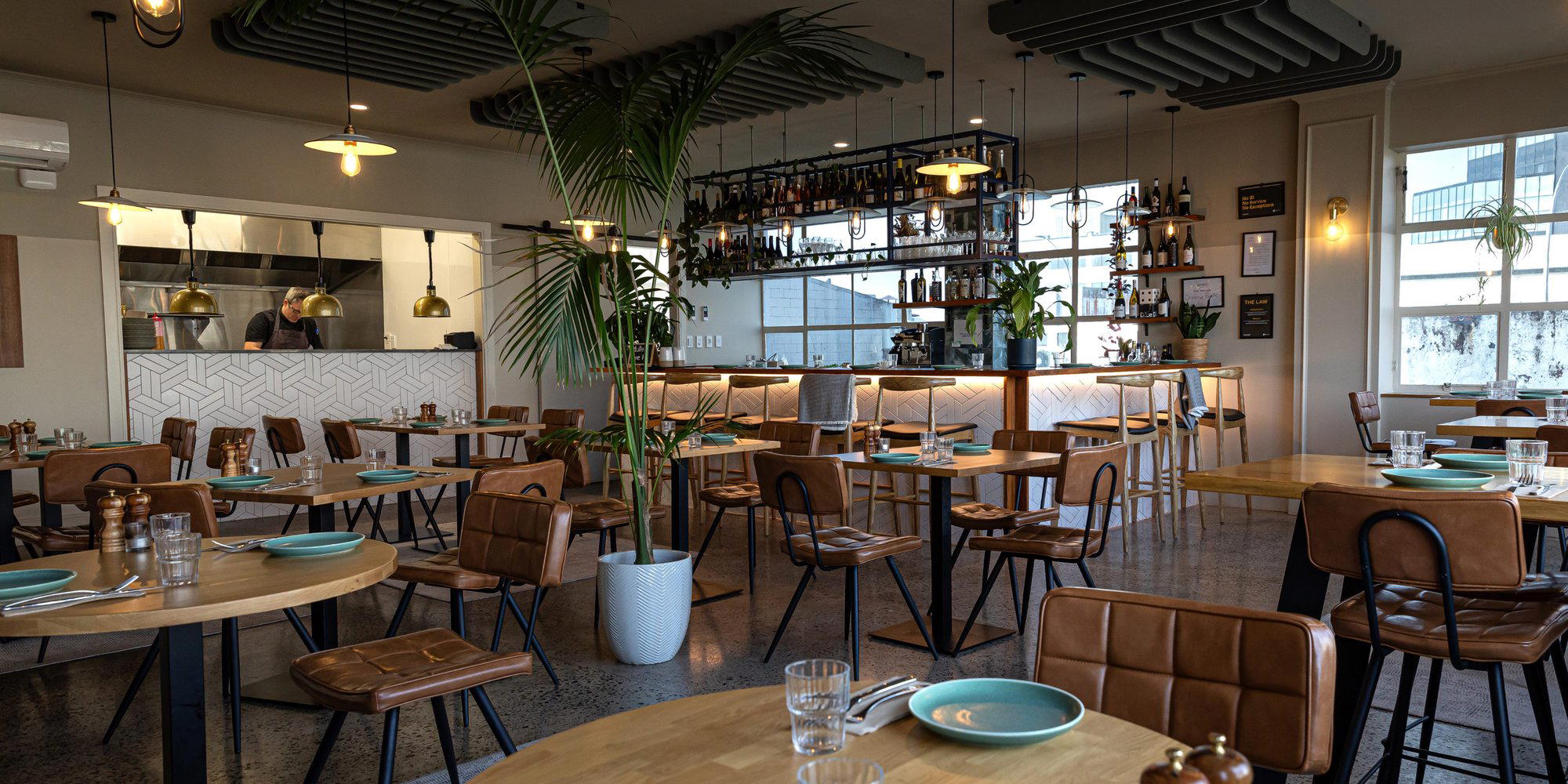
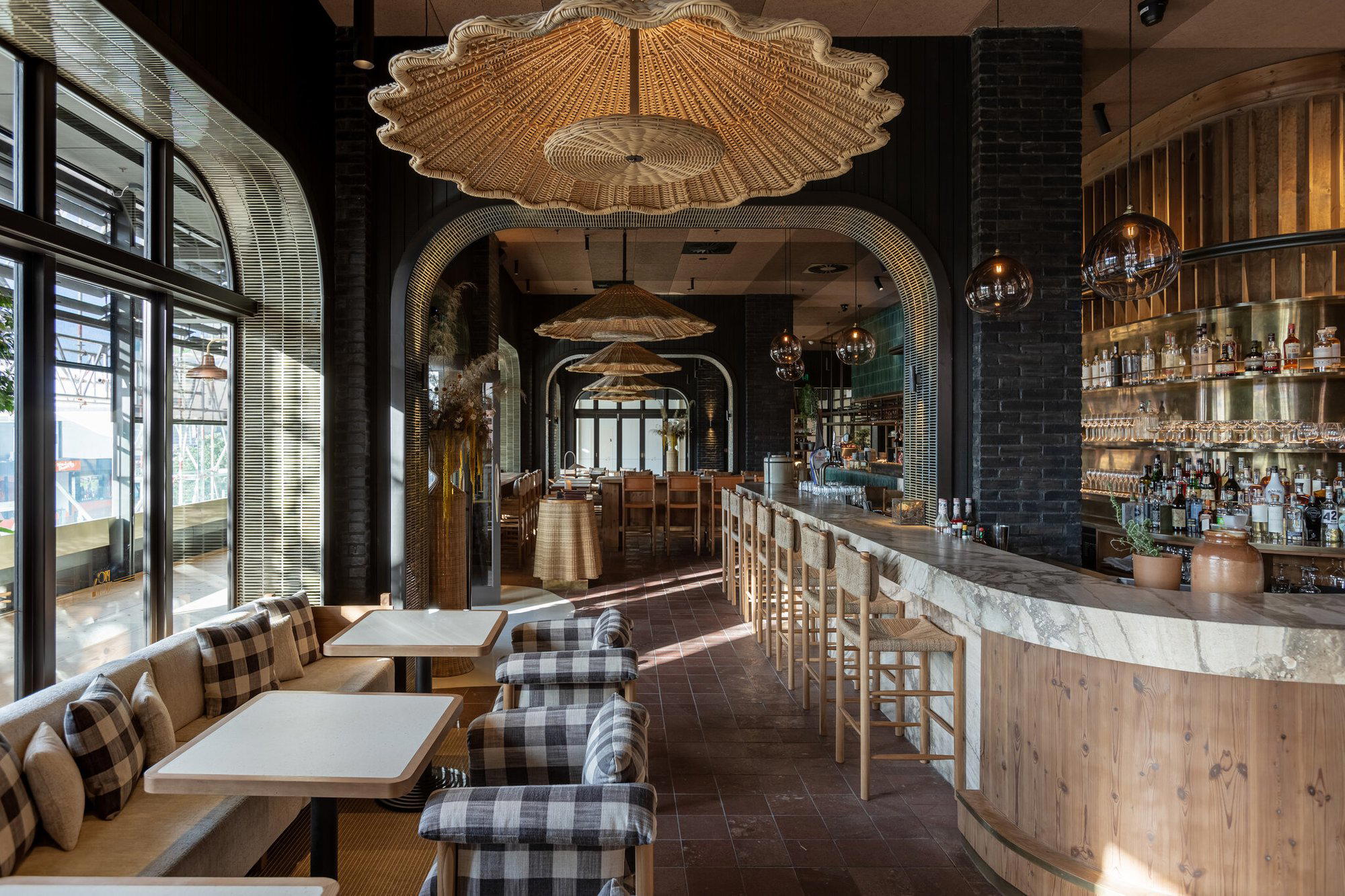
Restaurants of this type, Korean family operations in mid-sized New Zealand cities, tend toward utilitarian interiors where the food does the work. The name itself signals the register: Family House is not positioning for the date-night market or the wine-with-dinner crowd. It is positioning for the communal table, the shared pot, the meal that takes its time. Korean dining, structurally, is social in a way that many other cuisines are not. The table fills with small dishes before the main arrives; the meal is assembled rather than sequential. That format works against hurried service and rewards groups willing to sit with it.
If you arrive expecting the spare, design-conscious Korean dining rooms that have become familiar in Auckland or Wellington, or the kind of tasting-menu precision you find at Ahi in Auckland or Charley Noble in Wellington, Family House will recalibrate your expectations quickly. The value here is in the cooking tradition, not the setting. Rotorua visitors used to the presentation standards of, say, Elephant Hill in Napier or Amisfield in Queenstown will find a different register entirely, which is precisely the point.
Situating It in the New Zealand Dining Map
New Zealand's fine dining conversation tends to cluster around Auckland, Wellington, and the wine-adjacent restaurant destinations of Hawke's Bay and Central Otago. Restaurants like Cassia in Auckland Central, Field and Green in Te Aro, Chameleon in Wellington Central, and Bistronomy and Vinotech in Napier South represent a tier of serious culinary investment that provincial Korean restaurants are not in competition with, nor trying to be. The comparison set for Family House is other regional ethnic restaurants in cities of Rotorua's scale, places where community and consistency matter more than critical recognition. Internationally, the contrast is even sharper: Le Bernardin in New York City and Lazy Bear in San Francisco operate in the same broad industry but belong to a category comparison that tells you more about range than relevance. Family House sits where it sits: a practical, community-facing Korean restaurant in a tourism-heavy provincial city, filling a gap that the tourism infrastructure around it does not fill. Gothenburg in Hamilton Central and Wharekauhau Country Estate in Featherston similarly demonstrate how New Zealand's mid-tier and regional dining can serve distinct purposes, none of which require comparison to the country's headline venues to be understood on their own terms.
Planning Your Visit
Family House Korean Restaurant is at 1147 Amohau Street, Rotorua 3010, a central enough location to reach on foot from the main hotel district around Fenton Street. Current hours and booking details are best confirmed directly, as contact information is not listed publicly in standard directories. Groups planning a meal here should allow time for the format, Korean dining at this level is not a quick-service experience, and the communal structure of banchan and shared dishes rewards patience. Visitors moving through the central North Island can cross-reference with options in Taupo if their itinerary includes the lake district, or with Amisfield Restaurant and Cellar Door in Lake Hayes if the southern journey eventually reaches Central Otago. The Elephant Hill operation in Haumoana also represents a useful data point on how ingredient provenance and setting interact at a different price tier, a contrast that clarifies what community-facing Korean cooking is and is not trying to do.
Frequently asked questions
Does Family House Korean Restaurant work for a family meal?
The name signals the intent. Korean home-style cooking is structured around shared plates — banchan, communal dishes, and portions designed for the table rather than the individual — which makes it a natural fit for groups of different ages. At 1147 Amohau Street, the restaurant sits close enough to central Rotorua's hotel district to be an easy option after a day of sightseeing. The format rewards those who want to order broadly rather than narrowly.
What is the atmosphere like at Family House Korean Restaurant?
Korean family operations in mid-sized New Zealand cities typically run utilitarian rooms where the cooking carries the experience rather than the decor. The Rotorua location on Amohau Street sits in a part of the city shaped largely by tourism infrastructure, making a no-frills Korean dining room a clear counterpoint to the buffet-oriented options nearby. Expect a practical, unfussy setting with the focus on food.
Is Family House Korean Restaurant one of the few dedicated Korean dining options in Rotorua?
Rotorua's dining map is dominated by large-scale tourism operations, and dedicated Korean restaurants in a city of this size are relatively uncommon compared to Auckland or Wellington. Family House Korean Restaurant at 1147 Amohau Street represents one of the more specific Korean cooking propositions in the region, operating in a city where home-style Korean food has limited direct competition. Visitors looking for this style of cooking outside the main urban centres will find the options narrow considerably.
What do regulars order at Family House Korean Restaurant?
The defining characteristic of this cooking tradition is the banchan rotation — side dishes that shift with season and supply rather than staying fixed. Asking the kitchen what is running that day is the most reliable approach.
What's the address for Family House Korean Restaurant?
Family House Korean Restaurant is located at 1147 Amohau Street, Rotorua 3010, New Zealand, Rotorua.
Comparable Venues
Comparable venues nearby, for context on price, style, and recognition.
| Venue | Cuisine | Price | Awards | Notes |
|---|---|---|---|---|
| Family House Korean RestaurantThis venue — the venue you are viewing | Korean BBQ & Chinese Hotpot Buffet | $30–50 | Not listed | Not listed |
| Gothenburg Restaurant | Modern Fusion Tapas | $20–30 | Cuisine Good Food Guide Selection | Hamilton Central |
| Orphans Kitchen | Modern New Zealand Seasonal | $30–50 | Not listed | Ponsonby |
| Alpino | Modern Italian | $30–50 | Cuisine Good Food Guide Selection | Victoria Street |
| Indigo | Authentic North Indian Cuisine | $50–100 | Not listed | Napier CBD |
| Azabu Ponsonby | Modern Japanese-Peruvian Nikkei | $50–100 | Cuisine Good Food Guide Selection | Grey Lynn |
Continue exploring
More in Rotorua
Restaurants in Rotorua
Browse all →

Details
- Lively
- Casual
- Family
- Group Dining
- Casual Hangout
- Open Kitchen
- Beer Program
- Buffet
- Family Style
- Bubble Milk Tea
- Barley Tea
- Beer
- Vegetarian Friendly
Current opening hours
- Monday
- 4–9 PM
- Tuesday
- 12–9 PM
- Wednesday
- 12–9 PM
- Thursday
- 4–9 PM
- Friday
- 12–9 PM
- Saturday
- 12–9 PM
- Sunday
- 12–9 PM
Hours can change for holidays and private events. Last verified .
Open and spacious dining area with hi-fi system and big screen; casual, family-oriented atmosphere with a lively social dining experience centered around communal cooking.