Baduzzi


Michelin Plate · Cuisine Good Food Guide 2 Hat
Our verdict
Baduzzi occupies a waterfront position on Auckland's North Wharf, where the setting and Italian-leaning menu draw from New Zealand's depth of high-quality local produce. The kitchen places sourcing at the centre of its identity, positioning the restaurant within Auckland's more ingredient-conscious dining tier. It is a reliable reference point for the city's casual-to-refined waterfront dining scene.

Pearl is the En Primeur Club membership app — saves, bookings, and concierge access live there. Same editors, same standards.
- Address
- 10/26 Jellicoe Street, North Wharf, Auckland 1010, New Zealand
- Phone
- +6493099339
- Hours
- Mon 11:30 AM–9 PMTue–Thu 11:30 AM–9:30 PMFri–Sat 11:30 AM–10 PMSun 11:30 AM–9 PM
- Website
- baduzzi.co.nz
- Directions
- Get directions
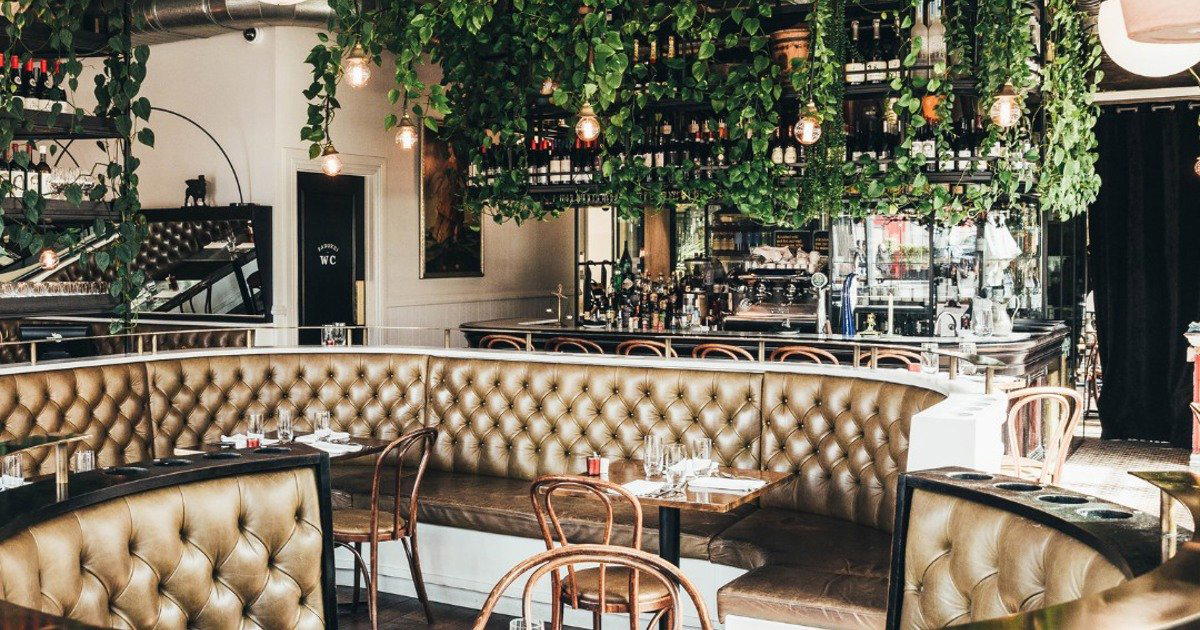
The menu
What to order
- Gourmet meatballs
- Hand-made pasta
- Sicilian stuffed squid
- Buttered maltagliati with braised duck
- Saffron and potato tortellini
North Wharf and the Waterfront Dining Shift
Auckland's North Wharf has changed the city's relationship with waterside dining. Where earlier harbour-adjacent restaurants leaned on view-as-amenity without much culinary ambition, the precinct that developed around Jellicoe Street attracted kitchens with actual cooking credentials. Baduzzi sits at 10/26 Jellicoe Street inside that reclaimed industrial strip, in a building where the architecture still reads warehouse — high ceilings, hard surfaces, an openness to the water — rather than the dressed-up maritime aesthetic that appears in lower-stakes tourist zones.
Approaching along the wharf, the restaurant reads as part of the broader Wynyard Quarter development rather than a standalone destination, which is itself a signal. Venues that anchor within a neighbourhood rather than positioning themselves as spectacles tend to draw a more consistent, return-visiting crowd. The room rewards attention: light from the waterfront shifts through the day, and the interior does not work against it with over-lighting or visual noise. It is a setting that suits a long lunch more than a quick transaction.
The Sourcing Argument at the Centre of the Menu
New Zealand's position in the global food conversation is, increasingly, defined by the quality and provenance of its primary produce. That argument has moved from marketing shorthand into something more substantive: the country's lamb, seafood, dairy, and seasonal vegetables now draw serious professional attention from outside. Auckland's better kitchens have responded by making sourcing a structural element of their menus rather than a footnote. Baduzzi operates within that current, placing the provenance of its ingredients at the front of its identity.
The Italian-leaning format is an interesting vehicle for this commitment. Italian cooking, at its most rigorous, is a cuisine where the quality of raw material determines the ceiling of what is possible. A ragù is only as good as the meat behind it. Fresh pasta reveals the eggs. The model suits New Zealand's genuine strengths: the protein quality, the dairy, the shellfish. Where Auckland restaurants attempting European reference points sometimes struggle by sourcing lower-grade imported product for authenticity, the smarter approach, and the one Baduzzi represents, is to run the European technique against New Zealand material and see what happens. The results tend to be more honest than the alternative.
This positions Baduzzi within a peer group that includes ingredient-conscious Auckland kitchens such as Ahi (Pacific Seafood), which applies a specifically Pacific lens to New Zealand sourcing, and Cocoro (Japanese Cuisine), which uses Japanese technique against local product with rigorous discipline. These restaurants do not share cuisine type; they share an orientation toward the provenance question. Depot takes a more casual, oyster-bar-forward approach to similar sourcing instincts. Baduzzi sits in the middle register, more considered than a casual bar kitchen, less formal than the city's strict fine-dining tier.
What the Italian Framework Does for Auckland Produce
Italian food in New Zealand carries a particular history. For decades, it was flattened into pizza-and-pasta casualness, the format that arrived with mid-century migration and stayed as a neighbourhood staple. The more recent generation of Italian-adjacent kitchens in Auckland operates with a different set of references: handmade pasta taken seriously as a craft, cured and preserved products approached with patience, saucing built from reduction and fat rather than jar-opened tomato. Baduzzi belongs to this later generation.
The broader significance is that Italian structure, its emphasis on fat, acid, salt balance and on allowing single ingredients to carry dishes, is well suited to showcasing produce. A plate of hand-rolled pasta with a New Zealand crab or paua component is not a fusion exercise; it is Italian logic applied to what is actually available and actually good. That approach produces dishes that read as confident rather than apologetic, which is a different outcome from kitchens that hedge by importing reference ingredients to satisfy a European template.
For context across the New Zealand dining scene, comparable sourcing-forward approaches appear at Amisfield in Queenstown, where the kitchen draws on Central Otago's agricultural specificity, and at Elephant Hill in Napier, where the winery-estate model aligns cuisine with the region's produce calendar. Charley Noble in Wellington offers a comparable urban waterfront reference point. Baduzzi's Auckland position means it draws from a wider supplier base than a regional restaurant can access, which gives the kitchen flexibility across seasons.
Where Baduzzi Sits in the Auckland Picture
Auckland's dining scene has matured to the point where a relatively small number of restaurants operate serious culinary programs in distinct registers: formal tasting-menu, ingredient-focused casual-fine, neighbourhood bistro, and ethnic-specialist. Baduzzi occupies the casual-fine register, the tier where cooking ambition is high but the room remains accessible and the experience does not require a particular occasion to justify. That tier is actually the hardest to execute well, because it can slide in either direction toward formality or carelessness. The restaurants that hold it, across Auckland and elsewhere, tend to do so through consistency of produce quality and technical competence rather than through theatre or novelty.
For a fuller picture of where Auckland's restaurant scene is moving, including kitchens at different price points and cuisine approaches, see our full Auckland restaurants guide. Other Auckland references worth cross-referencing include Cornelia, Cassia in Auckland Central, Azabu Ponsonby in Grey Lynn, Dante's Pizzeria by Enis Baçova, and Blue Elephant Thai Restaurant Parnell in Parnell. For international reference points in the ingredient-forward, produce-led category, Le Bernardin in New York City and Lazy Bear in San Francisco both demonstrate how sourcing philosophy scales into formal dining programs, different contexts, but the same underlying logic. Within New Zealand, Wharekauhau Country Estate in Featherston, Chameleon Restaurant in Wellington Central, Bistronomy and Vinotech in Napier South, and Amisfield Restaurant and Cellar Door in Lake Hayes represent the regional spread of serious cooking ambition beyond Auckland.
Planning a Visit
Baduzzi is at 10/26 Jellicoe Street on North Wharf, within walking distance of the Wynyard Quarter precinct and accessible from the city centre on foot via the waterfront path. The North Wharf location means weekday lunch attracts a local office-adjacent crowd, while weekend evenings shift toward a dining-destination audience. Booking ahead for weekend dinner is advisable; the precinct draws a consistent volume of diners and the better rooms in it fill reliably. Current hours, booking availability, and any seasonal menu shifts are best confirmed directly with the restaurant before planning around a specific time constraint.
Frequently asked questions
What's the address for Baduzzi?
Baduzzi is located at 10/26 Jellicoe Street, North Wharf, Auckland 1010, New Zealand, Auckland.
What is the difference between Baduzzi and other Italian restaurants in Auckland?
Most Italian restaurants in Auckland built their audience on an accessible pizza-and-pasta model; Baduzzi operates from a different starting point, using Italian culinary structure as a framework for New Zealand sourcing rather than as an end in itself. Its Jellicoe Street address on North Wharf places it within a precinct that has drawn Auckland's more considered dining operators. The result is a program that reads less like imported cuisine and more like a local argument made in an Italian dialect.
What do people recommend at Baduzzi?
Baduzzi is known for an Italian-framed menu that leans on New Zealand's primary produce rather than imported European staples. The kitchen's approach to pasta and seafood draws consistent attention from Auckland diners. For the most current menu specifics, checking directly with the restaurant before visiting is advisable.
How far ahead should I plan for Baduzzi?
Baduzzi occupies a relatively small number of serious dining positions on Auckland's North Wharf, and the Wynyard Quarter precinct draws both city residents and visitors. Weekend bookings in particular tend to fill quickly. Planning one to three weeks ahead for a mid-week visit and further in advance for Friday or Saturday evenings is a reasonable expectation.
What makes Baduzzi worth seeking out?
Its address at 10/26 Jellicoe Street positions it at the centre of Auckland's North Wharf precinct, where the dining shift from view-dependent restaurants toward produce-led programs has been most pronounced. Baduzzi applies Italian culinary structure to New Zealand ingredients in a way that separates it from the casualised Italian format that dominated the city for decades. That specificity of intent is what places it in a distinct register within Auckland's current scene.
Do they accommodate allergies at Baduzzi?
The standard practice at restaurants operating at this level in Auckland is to handle dietary requirements when flagged at the time of booking. Contacting the restaurant directly before your visit is the most reliable way to confirm what can be arranged.
Is a meal at Baduzzi worth the investment?
Baduzzi occupies a position in Auckland's dining scene where the culinary program operates with genuine intent rather than casual throughput. The North Wharf location at Jellicoe Street adds context without relying on harbour views as the primary draw. For diners interested in how New Zealand produce performs inside an Italian structural framework, the proposition holds up.
Comparison Snapshot
Comparable venues nearby, for context on price, style, and recognition.
| Venue | Cuisine | Price | Awards | Notes |
|---|---|---|---|---|
| BaduzziThis venue — the venue you are viewing | Modern Italian Farm-to-Table | $50–100 | Michelin Plate · Cuisine Good Food Guide 2 Hat | Not listed |
| Spiga | Modern Italian Trattoria | Not listed | Cuisine Good Food Guide 2 Hat | Remuera |
| TOTO PIZZA | Authentic Neapolitan Pizza | $30–50 | Not listed | Auckland Central |
| Farina | Authentic Neapolitan Pizza & Pasta | $30–50 | Cuisine Good Food Guide 1 Hat | Ponsonby |
| Gerome | Modern Greek with Mediterranean Influences | $50–100 | Not listed | Parnell |
| The Engine Room | Modern European Bistro | $50–100 | Cuisine Good Food Guide Selection | Northcote Point |
Recognition history
Dated appearances from independent guides and award organizations, with the underlying list record or original source where available.
Michelin Plate
Michelin · 2026 Michelin Plate
Cuisine Good Food Guide 2 Hat
Cuisine Good Food Guide
Full recognition history (3 entries)
Cuisine Good Food Guide Selection
Cuisine Good Food Guide
Continue exploring
More in Auckland
Restaurants in Auckland
Browse all →
Bars in Auckland
Browse all →
Hotels in Auckland
Browse all →

Details
- Romantic
- Elegant
- Lively
- Sophisticated
- Date Night
- Celebration
- Special Occasion
- Group Dining
- Family
- Open Kitchen
- Waterfront
- Standalone
- Extensive Wine List
- Craft Cocktails
- Sommelier Led
- Farm To Table
- Local Sourcing
- Waterfront
- A La Carte
- Set Menu
- Family Style
- Wine
- Craft Cocktails
- Vegetarian Friendly
- Vegan Options
- Gluten Free Options
- Allergy Accommodating
Current opening hours
- Monday
- 11:30 AM–9 PM
- Tuesday
- 11:30 AM–9:30 PM
- Wednesday
- 11:30 AM–9:30 PM
- Thursday
- 11:30 AM–9:30 PM
- Friday
- 11:30 AM–10 PM
- Saturday
- 11:30 AM–10 PM
- Sunday
- 11:30 AM–9 PM
Hours can change for holidays and private events. Last verified .
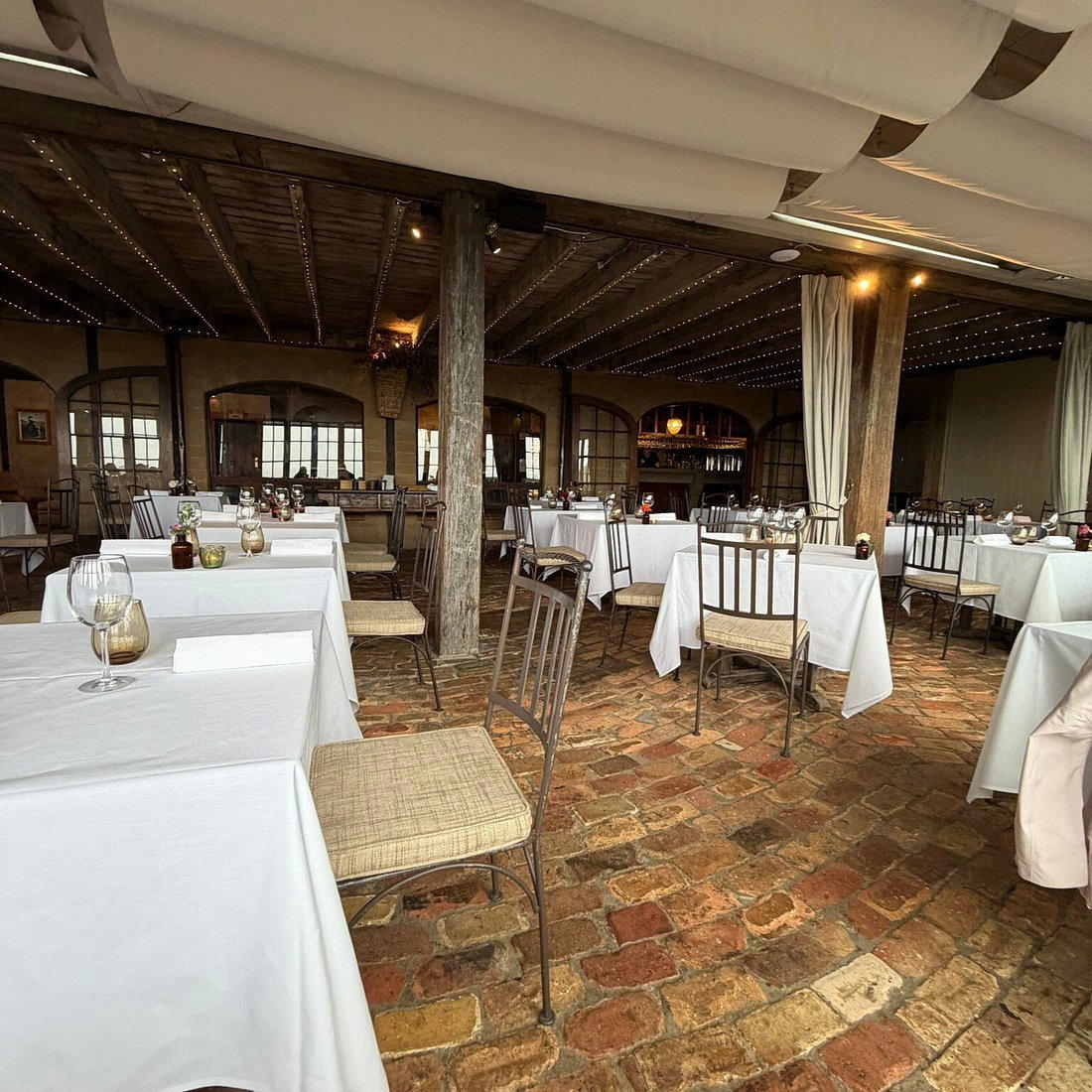
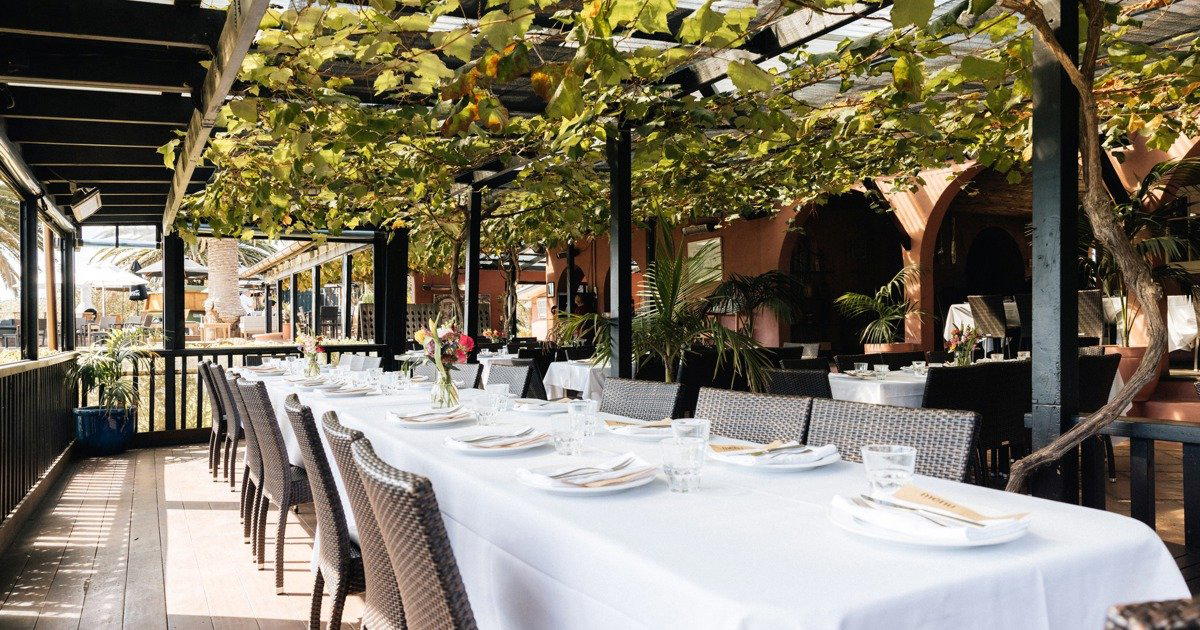
Lively, warm, and theatrical atmosphere with an open kitchen where chefs engage with staff; sophisticated yet relaxed with attentive, personable service that creates a communal dining experience.