Field & Green
Field & Green sits on Wakefield Street in Te Aro, Wellington's most concentrated block for produce-driven dining. The kitchen works within a sourcing framework that connects the plate directly to New Zealand's agricultural regions, placing it alongside Wellington's sharper independent restaurants rather than its heritage institutions. For visitors already mapping the city's food scene, it belongs on the same itinerary as Charley Noble and the broader Te Aro corridor.
- Address
- 262 Wakefield Street, Te Aro, Wellington 6011, New Zealand
- Phone
- +64 4 384 4992
- Website
- fieldandgreen.co.nz
- Directions
- Get directions
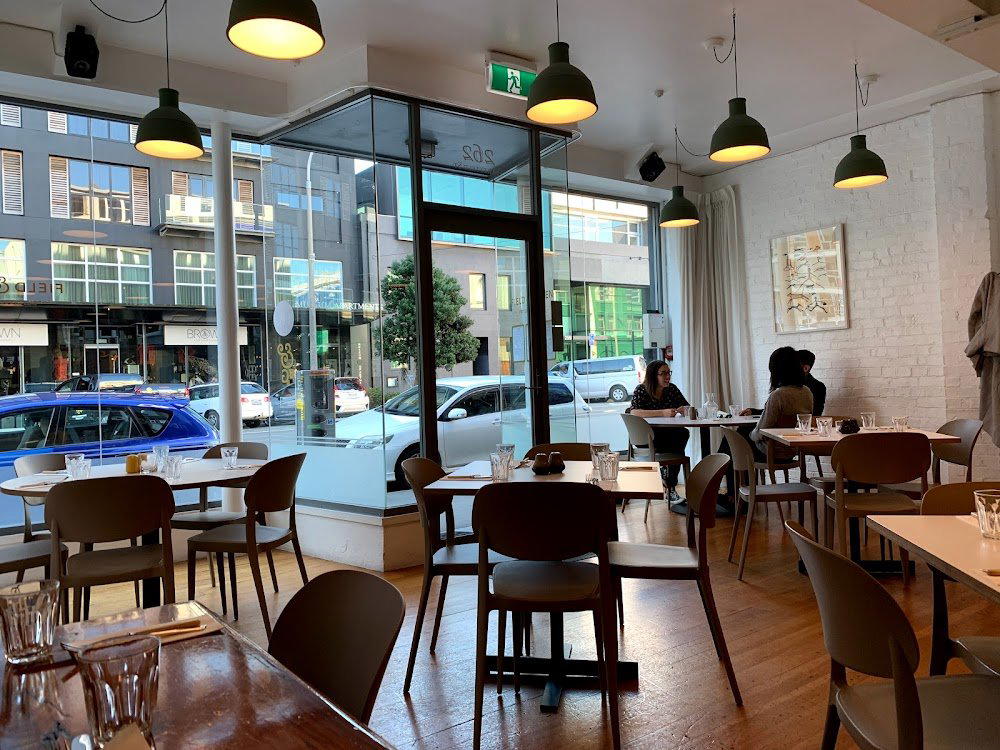
Wakefield Street and the Produce-Driven Block
Wellington's dining identity has long been shaped by its position as a capital city with a compact footprint and direct lines to some of New Zealand's most productive growing regions. The Wairarapa sits an hour to the east, the Kapiti Coast runs north, and the Marlborough Sounds are a short ferry crossing away. That geography has given Te Aro restaurants a structural advantage that their Auckland counterparts, further from primary production, have had to work harder to replicate.
Field & Green occupies a spot on Wakefield Street, 262 to be precise, in the part of Te Aro where independent restaurants have clustered away from the tourist-facing waterfront strip. The address places it inside a walking radius of Wellington's main cultural venues, the town belt, and the Cuba Street corridor. Restaurants in this pocket of the city tend to run on repeat custom, which shapes how kitchens approach both sourcing consistency and menu evolution.
Where the Food Comes From
The name Field & Green signals a sourcing orientation before a dish arrives. In the broader context of New Zealand's independent restaurant scene, kitchens that anchor themselves to agricultural language are usually making a claim about supply chain proximity: shorter distances from farm gate to kitchen, fewer intermediary distributors, and a menu that shifts with what's actually available rather than what a broadline supplier can guarantee year-round.
New Zealand's produce calendar runs counter to the northern hemisphere, which matters for international visitors calibrating expectations. Summer harvest months, roughly December through March, bring stone fruits, tomatoes, and courgettes from Central Otago and the Hawke's Bay plains. Autumn shifts toward root vegetables, brassicas, and the tail end of the stone fruit season. Kitchens working to a genuine seasonal framework in Wellington often draw from multiple micro-regions simultaneously, layering Marlborough herbs with Wairarapa greens and Kapiti dairy in a single service. That kind of regional layering is harder to see in the finished plate than it is to appreciate intellectually, but it does produce a measurable difference in flavour density compared with produce that has spent several days in cold storage transit.
The distinction worth watching is whether a kitchen can describe specific suppliers by name and region, and whether the menu reflects genuine seasonal constraints rather than a fixed template with seasonal language grafted onto it. Across New Zealand, the restaurants that have translated the sourcing claim into genuine kitchen discipline include Ahi in Auckland, which built its whole identity around indigenous and endemic ingredients, and Amisfield in Queenstown, where the kitchen's proximity to Central Otago's growing season drives a different kind of menu logic.
The Te Aro Context
Te Aro sits as Wellington's most active dining precinct for independent operators. The neighbourhood's character is shaped by a high density of office workers and hospitality-industry residents who eat out frequently and have opinions, this is not a tourist-dependent market. Restaurants here are reviewed by locals with reference points, which tends to keep standards honest in ways that a predominantly tourist-facing location does not require.
The Wellington dining corridor that runs from Courtenay Place through Cuba Street and into the Wakefield Street area has produced some of New Zealand's most discussed independent restaurants over the past decade. Charley Noble in Wellington represents one end of that spectrum, with a bar-forward identity and a menu that sits between snacking and full dining. Chameleon Restaurant in Wellington Central occupies a different register, more formal and occasion-oriented. Field & Green's address on Wakefield Street places it between those poles geographically and, by the logic of its naming and sourcing emphasis, probably in register too.
For context on what high-end New Zealand produce-driven dining looks like outside the city, Wharekauhau Country Estate in Featherston operates about 80 kilometres north-east of Wellington with a kitchen that sources heavily from its own estate and the surrounding Wairarapa farmland. The estate format allows a degree of supply chain control that a city restaurant cannot replicate, but it also sets a useful benchmark for what genuine regional sourcing produces on the plate. Similarly, Elephant Hill in Napier and Elephant Hill in Haumoana demonstrate how the Hawke's Bay wine and produce region has organised itself into a coherent dining destination, with kitchen sourcing and wine production on the same property.
Planning a Visit
Field & Green is at 262 Wakefield Street, Te Aro, Wellington 6011. The address is walkable from most central Wellington accommodation and from the Courtenay Place entertainment strip. Booking details, current hours, and menu information are best confirmed directly through the restaurant, as independent operators in this part of Wellington tend to adjust service patterns seasonally.
For visitors building a wider New Zealand dining itinerary, the produce-driven framework that defines Wellington's better independent restaurants extends across the country at different price points and formats. Bistronomy & Vinotech in Napier South operates in the Hawke's Bay wine region with a kitchen model that pairs sourcing transparency with a natural wine focus. Amisfield Restaurant & Cellar Door in Lake Hayes gives the same framework a Central Otago terroir dimension. At the technical end of Auckland's independent scene, Cassia in Auckland Central and Azabu Ponsonby in Grey Lynn work from different culinary traditions but share a similar emphasis on sourcing integrity as the foundation for what arrives on the plate. And for international reference points, the approach to produce sourcing and seasonal constraint that defines the leading New Zealand kitchens maps closely onto what Lazy Bear in San Francisco has built into a more formalised tasting format.
Comparison Snapshot
Comparable venues nearby, for context on price, style, and recognition.
| Venue | Cuisine | Price | Notes |
|---|---|---|---|
| Field & GreenThis venue — the venue you are viewing | European Soul Food | $$$ | Not listed |
| Charley Noble | Modern Wood-Fired Steakhouse | $$$ | Te Aro |
| Blue on Franklin | Modern New Zealand / Wine Bar | $$ | Ponsonby |
| Ortega Fish Shack | Modern NZ Seafood Shack | $$$ | Mount Victoria |
| Oikos Hellenic Cuisine | Modern Greek & Cypriot | $$ | Miramar |
Continue exploring
More in Te Aro
Restaurants in Te Aro
Browse all →
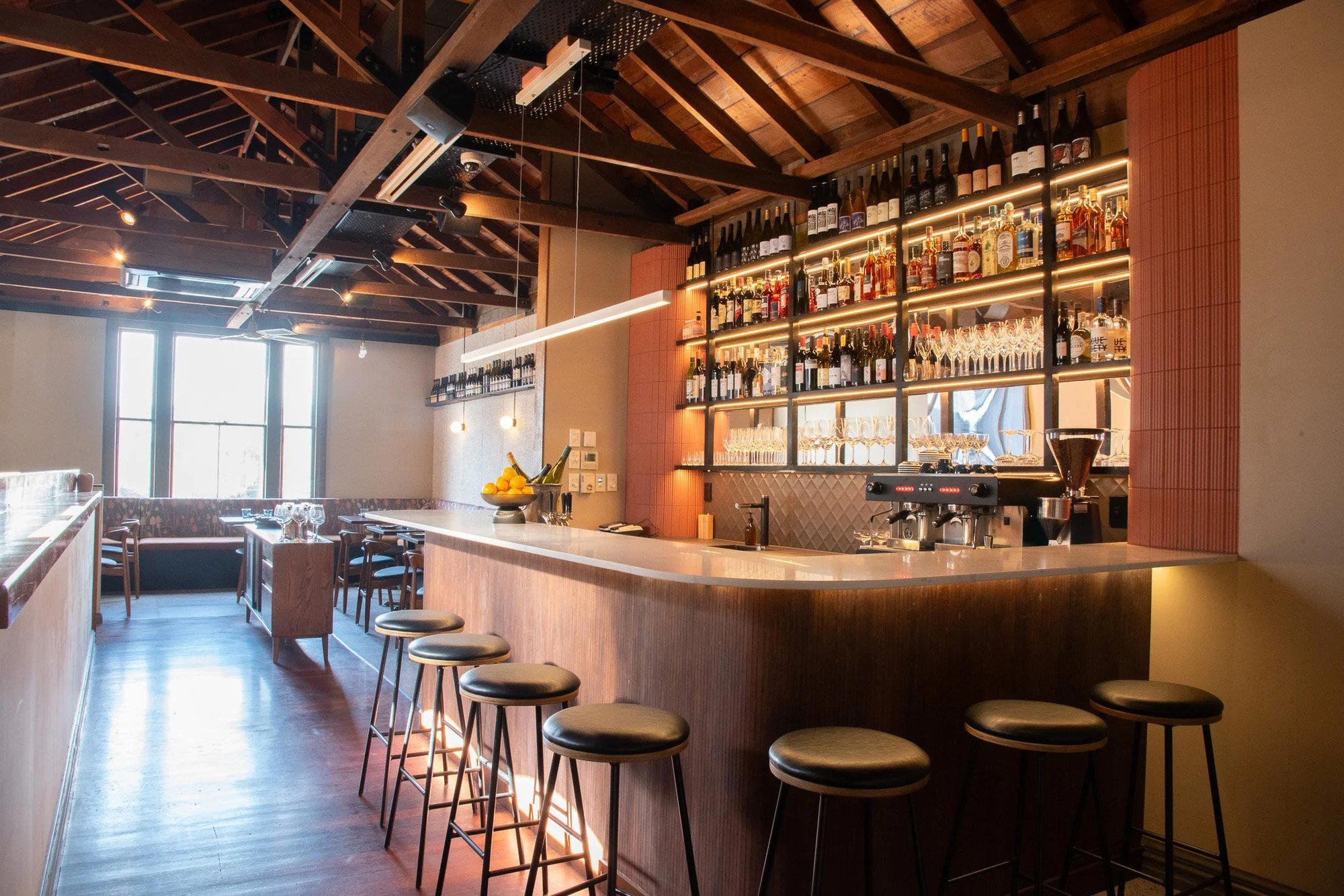
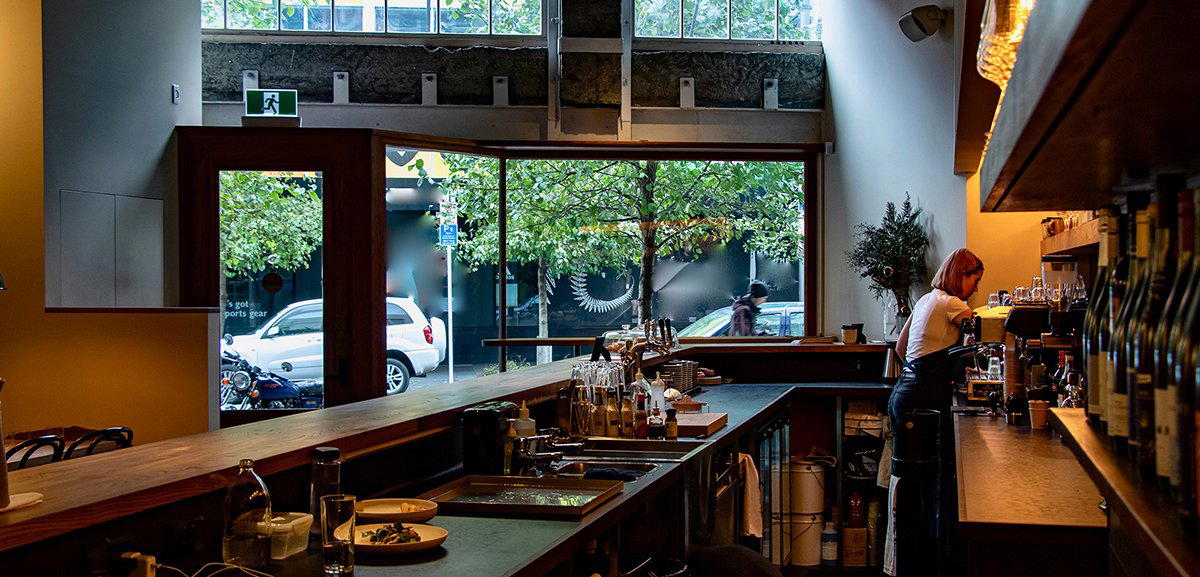
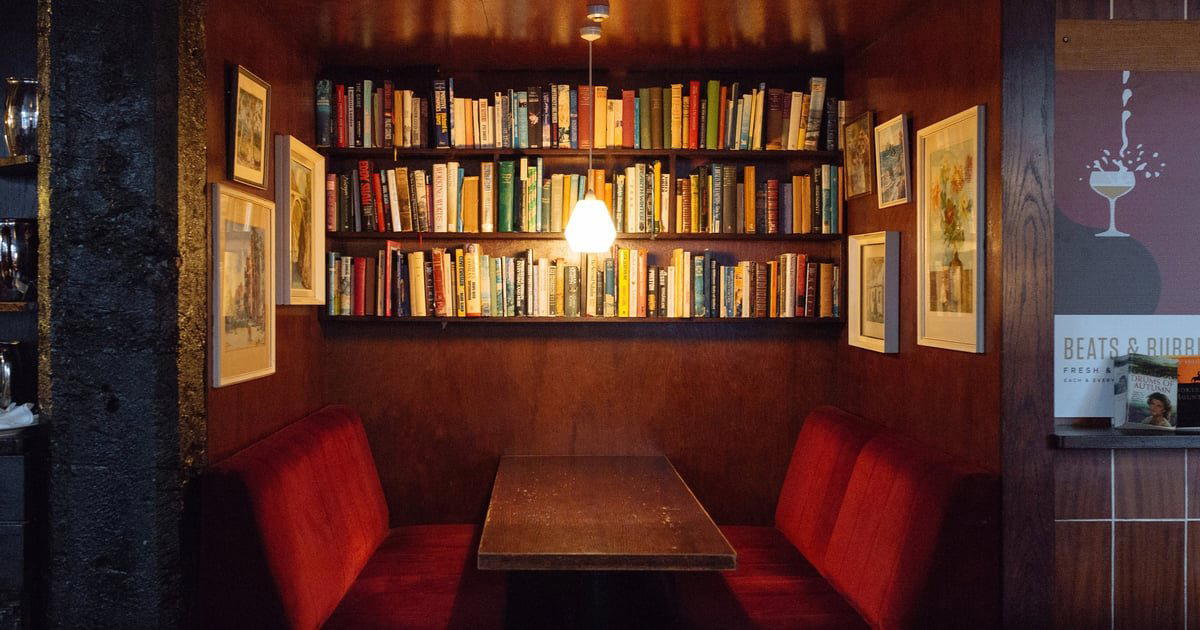
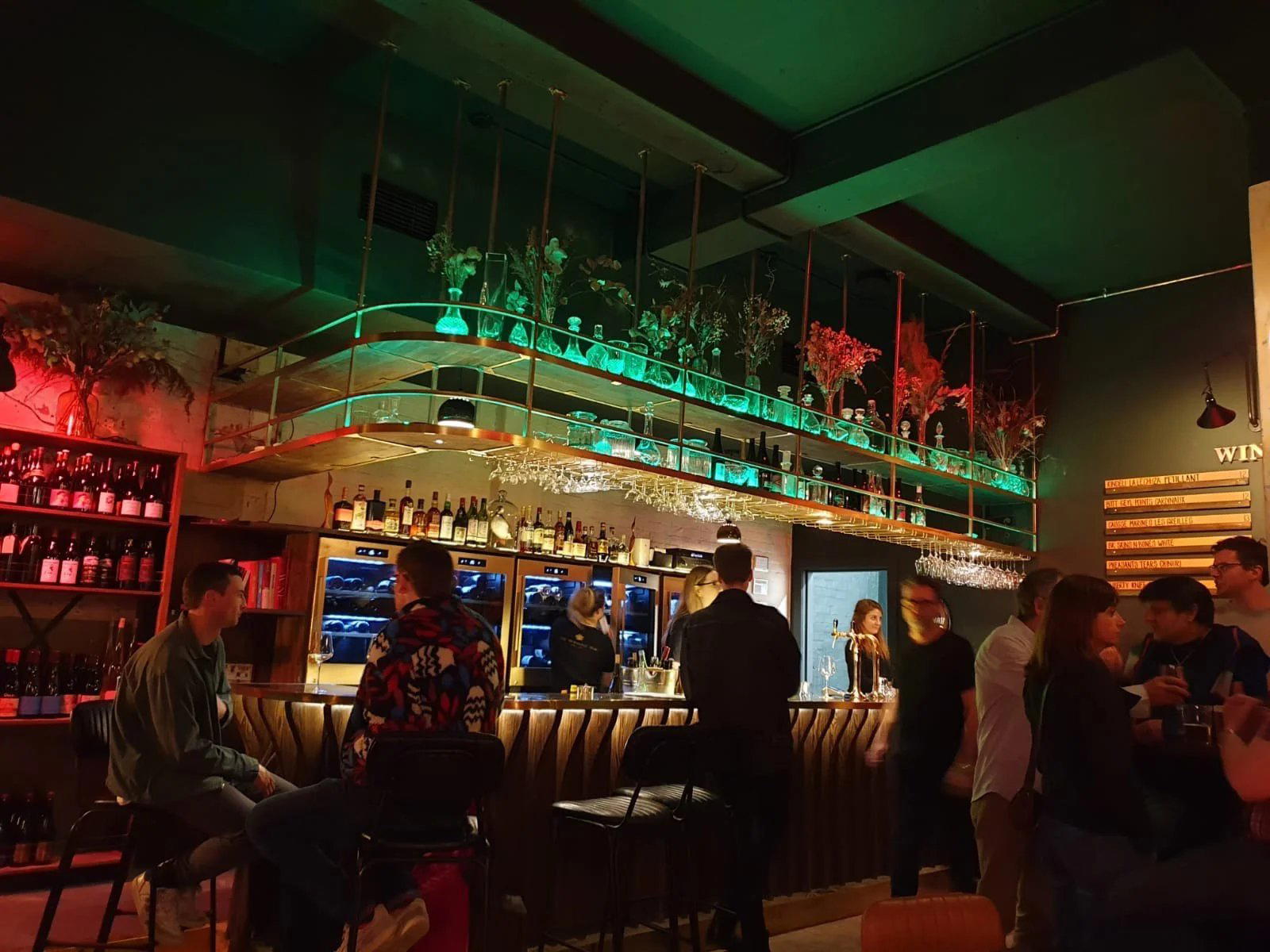
At a Glance
- Modern
- Cozy
- Date Night
- Brunch
- Open Kitchen
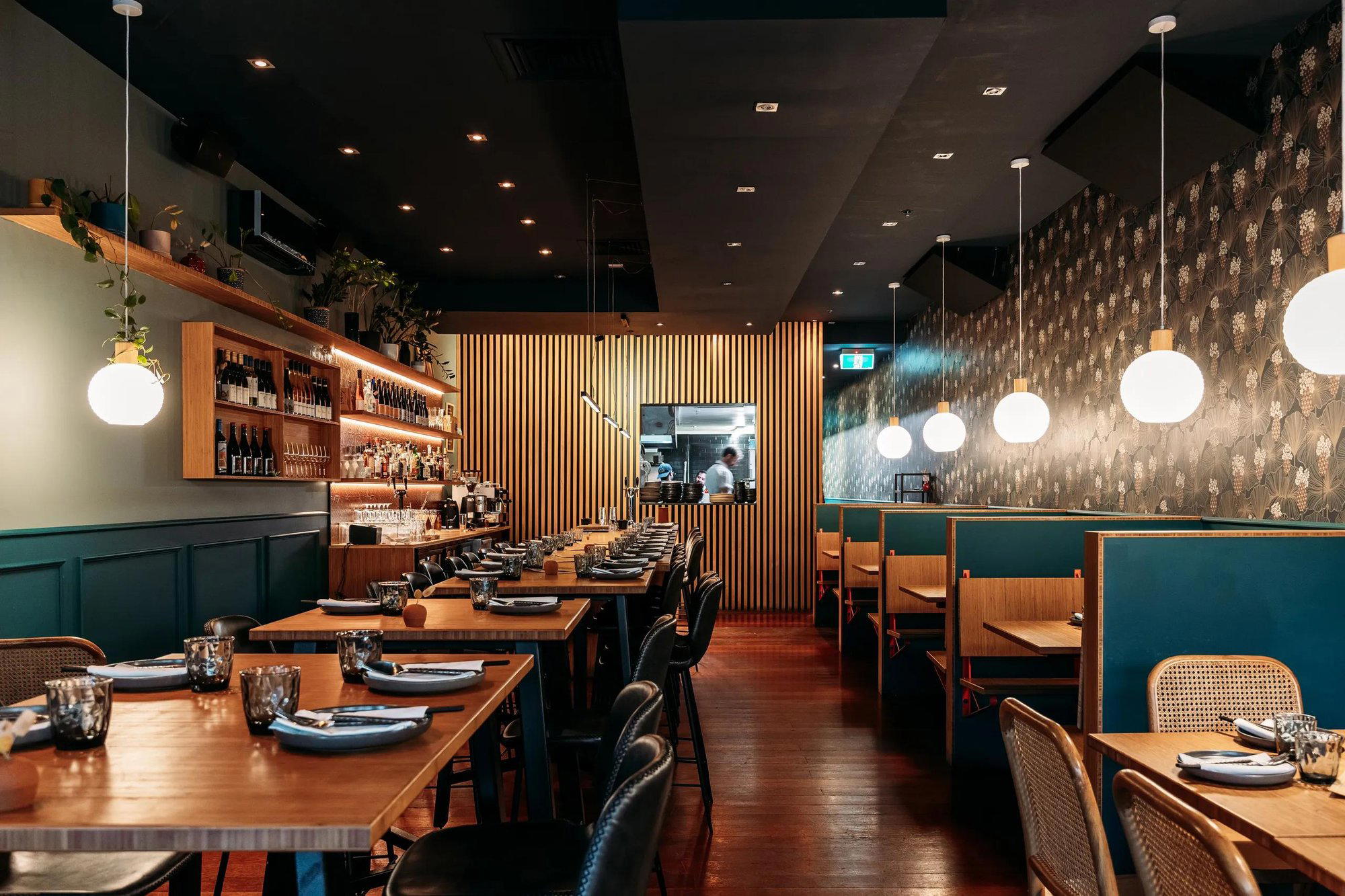
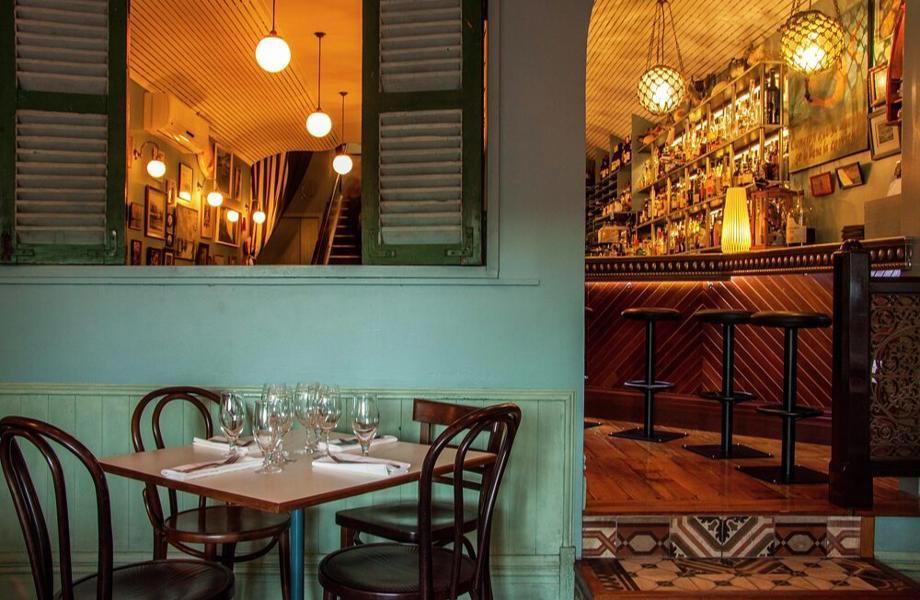
Relaxed dining atmosphere in Wellington's art district.