Azabu Ponsonby

Azabu Ponsonby sits on one of Auckland's most food-forward streets, bringing Japanese technique to a neighbourhood defined by its appetite for serious cooking. The address on Ponsonby Road places it within a cluster of destination restaurants that draw diners from across the city. For those tracking ingredient-led Japanese dining in Auckland, it belongs on the itinerary.
Pearl is the En Primeur Club membership app — saves, bookings, and concierge access live there. Same editors, same standards.
- Address
- 26 Ponsonby Road, Grey Lynn, Auckland 1011, New Zealand
- Phone
- +64 9 320 5292
- Website
- azabu.co.nz
- Directions
- Get directions
 Saves & bookings on Pearl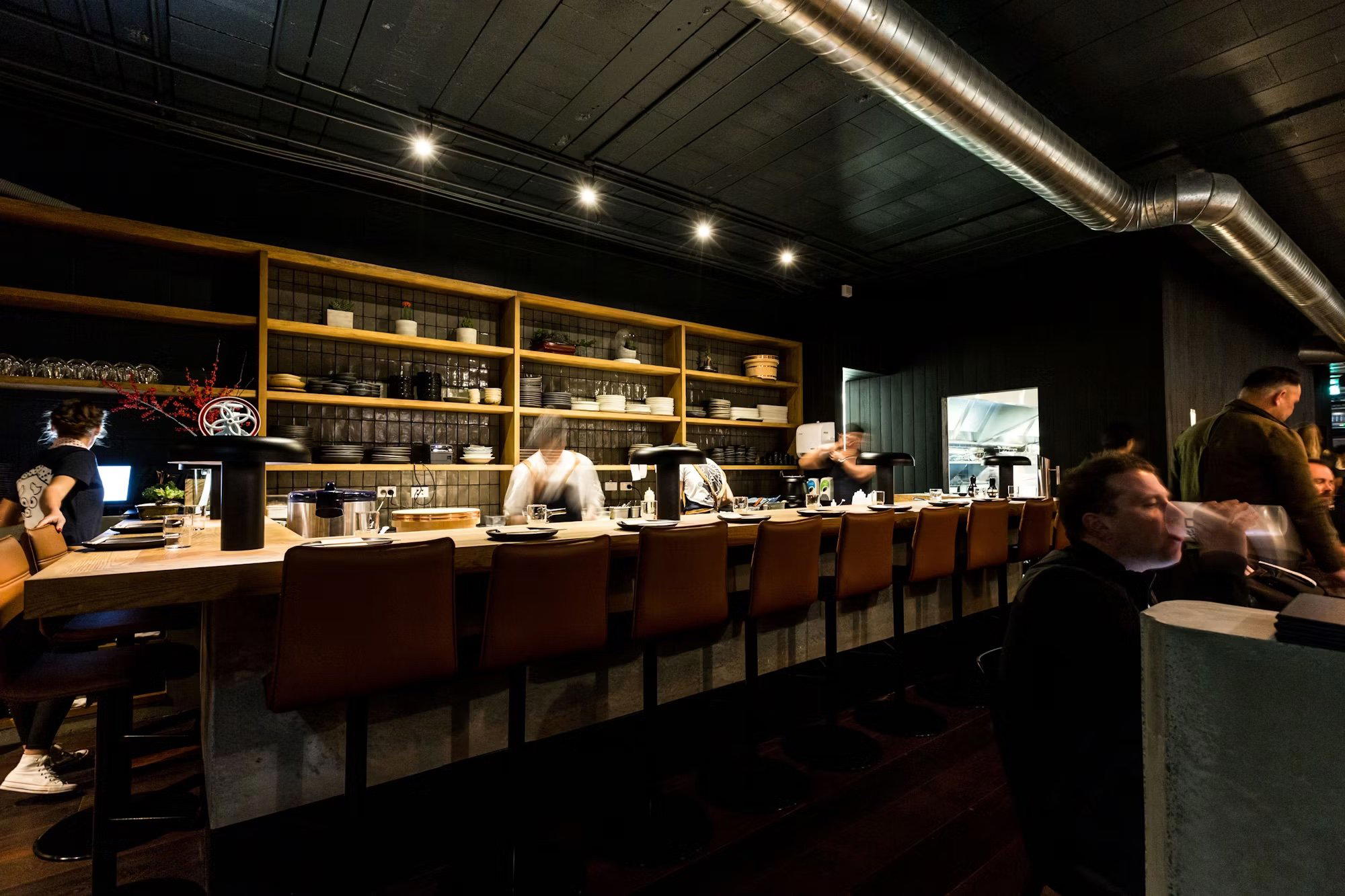
Ponsonby Road and the Ingredient Question
Ponsonby Road has spent the better part of two decades sorting itself into something more deliberate than a strip of neighbourhood cafes. The stretch running through Grey Lynn and into Ponsonby proper now holds a concentration of kitchens that take sourcing seriously, and the question of where ingredients come from has become the subtext beneath almost every menu in this corridor. Azabu Ponsonby, at number 26, sits inside that conversation.
Japanese cuisine, more than most, is built on the premise that technique and ingredient are inseparable. The ratio of soy, the cut of fish, the grade of rice: none of these deliver without a supply chain that prioritises quality at origin. In Auckland, that supply chain has matured considerably over the past decade. Local fishers now sell directly to restaurants, Hawke's Bay and Waikato producers have built wholesale relationships with city kitchens, and the import market for Japanese-specific pantry staples, from high-grade dashi kombu to aged misos, has deepened enough that serious Japanese cooking is no longer compromised by geography.
What Japanese Dining Looks Like on This Street
The Ponsonby and Grey Lynn corridor has not historically been the address for Japanese fine dining in Auckland. That category clustered in the CBD and, to a lesser extent, Parnell, where the Parnell restaurant scene has long attracted destination dining spend. Azabu's positioning on Ponsonby Road represents a different kind of bet: that the neighbourhood's established appetite for quality, built around venues prioritising produce over spectacle, extends to Japanese technique as a format rather than as a novelty.
This matters for ingredient sourcing because Japanese cuisine divides into two sourcing philosophies in New Zealand. The first leans on imported Japanese product almost exclusively, treating the kitchen as a cultural transplant. The second interprets Japanese technique through locally available material, letting seasonal New Zealand produce define the direction of the menu. Restaurants in the second category face harder decisions and produce more interesting results. The tension between fidelity to a cuisine's origins and responsiveness to local supply is where particularly considered menus get built.
Across New Zealand, restaurants working in this space have found their clearest successes when they treat sourcing as an editorial act rather than a procurement exercise. Ahi in Auckland has made that approach central to its identity, and Amisfield in Queenstown demonstrates how location can shape what a kitchen reaches for. In each case, the ingredient origin is part of the argument the menu is making.
The Neighbourhood Sets the Standard
Grey Lynn dining has consolidated around a set of expectations that work in Azabu Ponsonby's favour. Diners in this postcode are, broadly, experienced eaters who read menus with attention and can distinguish between a kitchen that sources deliberately and one that assembles from a standard distributor list. That audience literacy raises the bar for every opening on Ponsonby Road and creates genuine pressure to justify each ingredient decision.
For Japanese kitchens specifically, that pressure is useful. The cuisine's internal logic rewards specificity: the right cut from the right fish, handled at the right temperature, is a different proposition from an approximation. Where the Grey Lynn dining culture has historically enforced that standard most clearly is in its response to produce-led European cooking, with venues like those on our Grey Lynn guide demonstrating that the neighbourhood sustains kitchens built around genuine sourcing discipline.
Comparable ingredient-forward restaurants elsewhere in New Zealand provide useful reference points for understanding where a Japanese kitchen on this street fits. Wharekauhau Country Estate in Featherston draws from its own estate, a model of total sourcing control. Elephant Hill in Napier builds its menu around Hawke's Bay supply relationships. Field and Green in Te Aro takes a vegetable-first position that shapes every plate. The common thread is intentionality about origin, and it is the same standard that the Ponsonby Road audience brings as a baseline expectation.
Planning Your Visit
Azabu Ponsonby is located at 26 Ponsonby Road, Grey Lynn, Auckland 1011, placing it in a walkable section of the strip with established parking on nearby side streets and easy access from the inner west. Ponsonby Road is well served by bus routes connecting the CBD to the western suburbs, making the address accessible without a car for those staying centrally. Reservations are recommended, and the restaurant is open Mon to Wed and Sat to Sun from 5 to 10 PM, with Thu and Fri from 12 to 10 PM.
Diners planning a broader Auckland itinerary can pair this with a visit to Cassia in Auckland Central, which approaches ingredient sourcing from an Indian spice tradition, or extend the trip to include Charley Noble in Wellington for a contrasting read on how New Zealand produce gets interpreted across different culinary frameworks.
At-a-Glance Comparison
Comparable venues nearby, for context on price, style, and recognition.
| Venue | Cuisine | Price | Notes |
|---|---|---|---|
| Azabu PonsonbyThis venue — the venue you are viewing | Modern Japanese-Peruvian Nikkei | $$$ | Not listed |
| The Golden Nest at Woodpecker Hill | Asian Fusion Sharing Plates | $$$ | Parnell |
| Cassia | Modern Indian | $$$ | Auckland Central |
| Gothenburg Restaurant | Modern Fusion Tapas | $$ | Hamilton Central |
| Blue Elephant Thai Restaurant Parnell | Authentic Thai | $$$ | Parnell |
| Baduzzi | Modern Italian Farm-to-Table | $$$ | Auckland Central |
Recognition history
Dated appearances from independent guides and award organizations, with the underlying list record or original source where available.
Cuisine Good Food Guide Selection
Cuisine Good Food Guide
Continue exploring
More in Grey Lynn
Restaurants in Grey Lynn
Browse all →
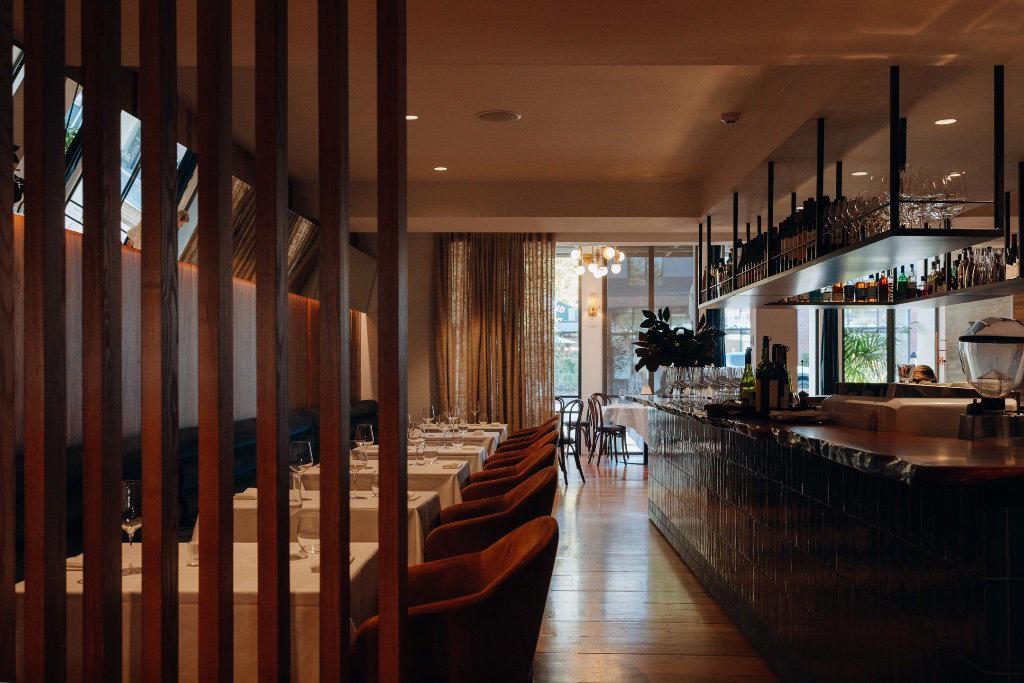
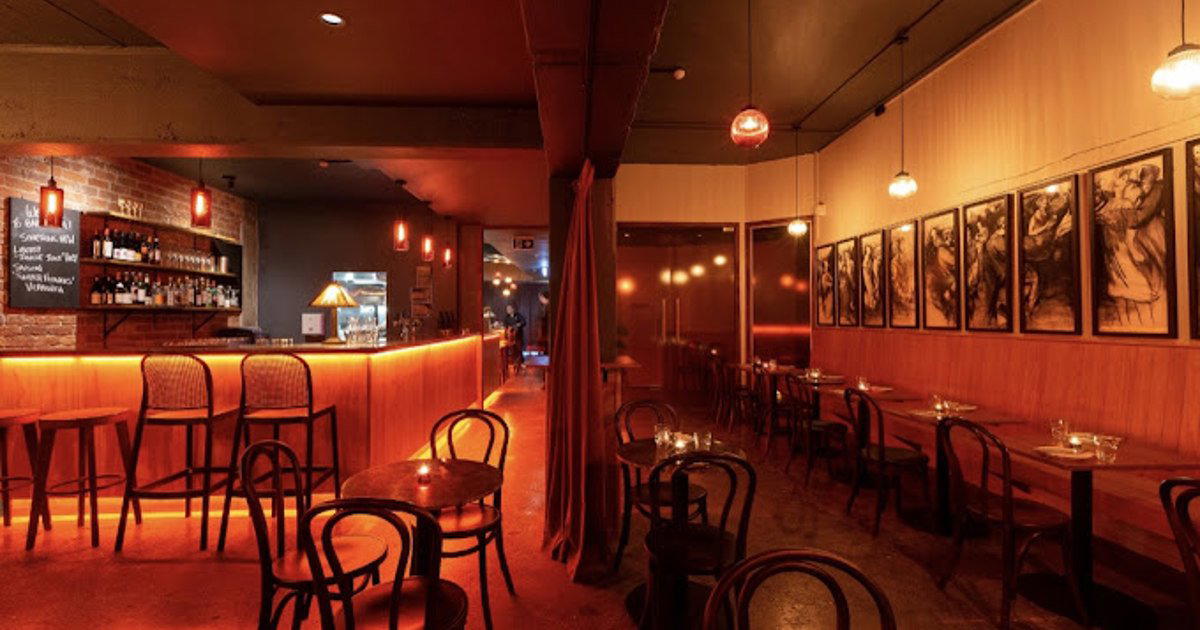
Bars in Grey Lynn
Browse all →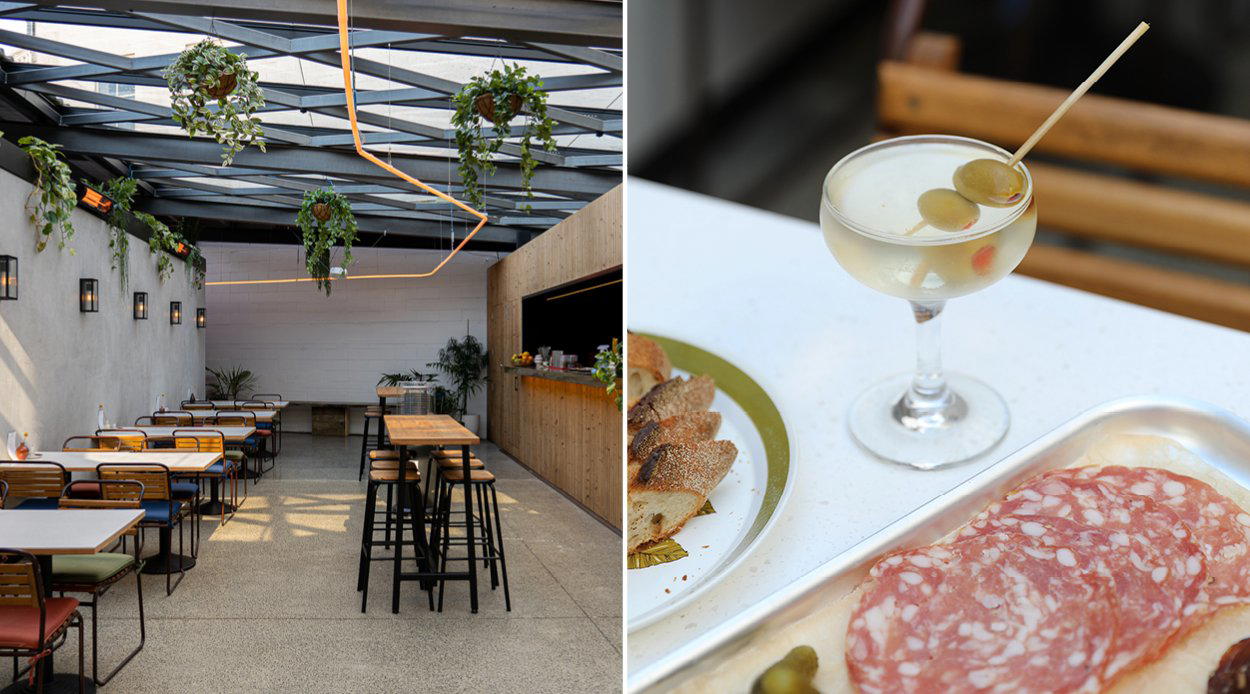
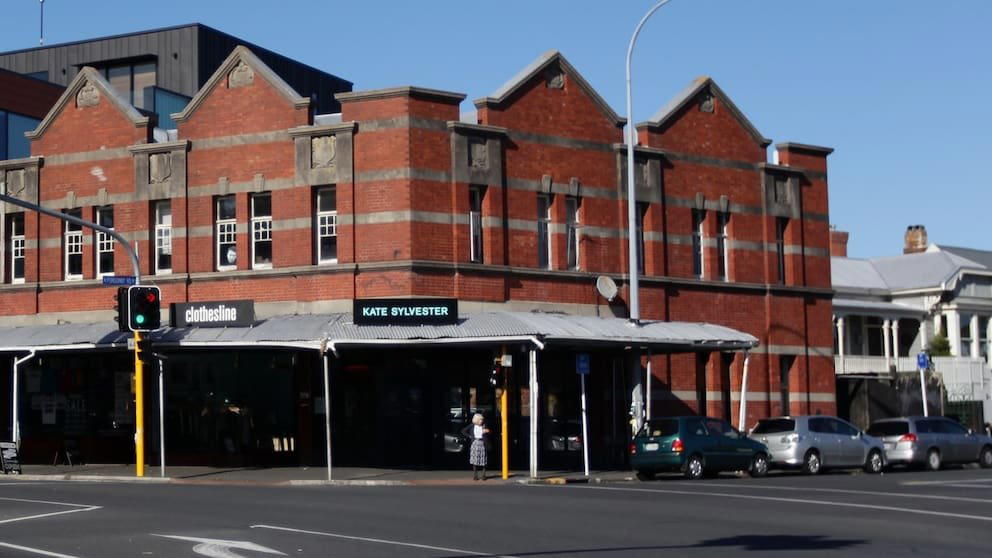
Hotels in Grey Lynn
Browse all →

At a Glance
- Trendy
- Elegant
- Intimate
- Sophisticated
- Date Night
- Special Occasion
- Group Dining
- Open Kitchen
- Sake Program
- Craft Cocktails
- Local Sourcing
Current opening hours
- Monday
- 5–10 PM
- Tuesday
- 5–10 PM
- Wednesday
- 5–10 PM
- Thursday
- 12–10 PM
- Friday
- 12–10 PM
- Saturday
- 5–10 PM
- Sunday
- 5–10 PM
Hours can change for holidays and private events. Last verified .
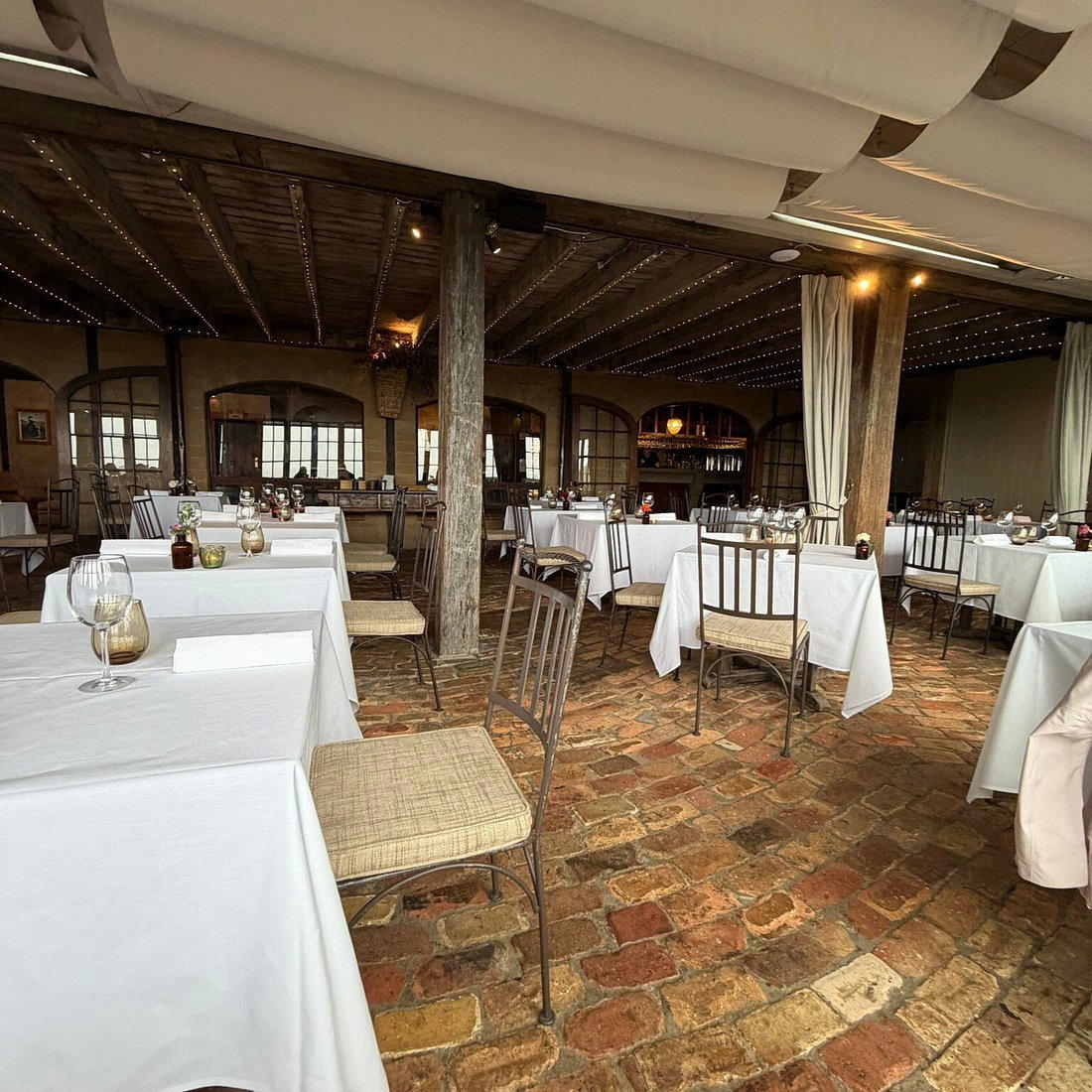
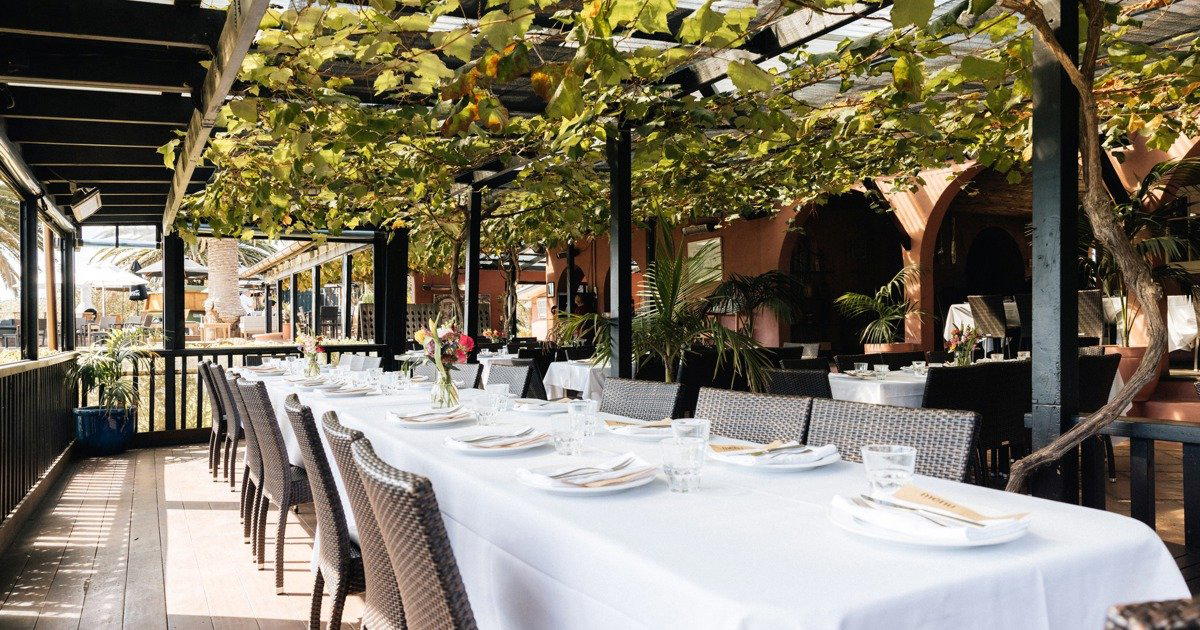
Dimly lit, intimate den with a busy, rowdy atmosphere from close tables and izakaya vibes.