Wiesen

Wiesen gives Eindhoven a precise French fine-dining address with a clear sense of provenance: Dutch coastal shellfish, seasonal produce, and classic technique shaped into a more contemporary register. The room is discreet rather than theatrical, and Michelin 1 Star recognition in 2024 places it in the city’s serious dining tier without turning the experience into ceremony for ceremony’s sake.
Pearl is the En Primeur Club membership app — saves, bookings, and concierge access live there. Same editors, same standards.
- Address
- Kleine Berg 10, 5611 JV Eindhoven, Netherlands
- Phone
- +31 40 244 6666
- Website
- wiesen-restaurant.nl
- Directions
- Get directions
 Saves & bookings on Pearl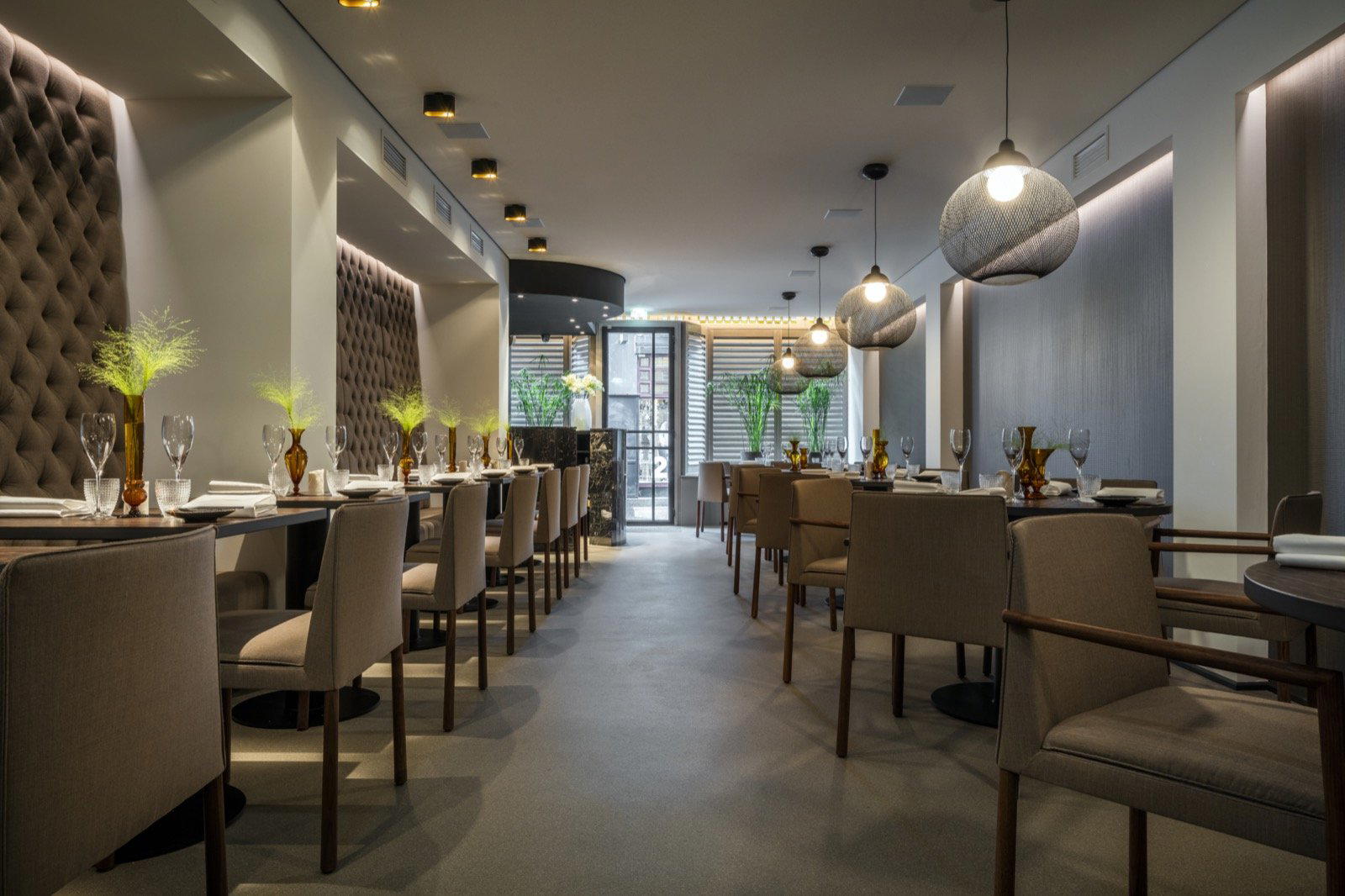
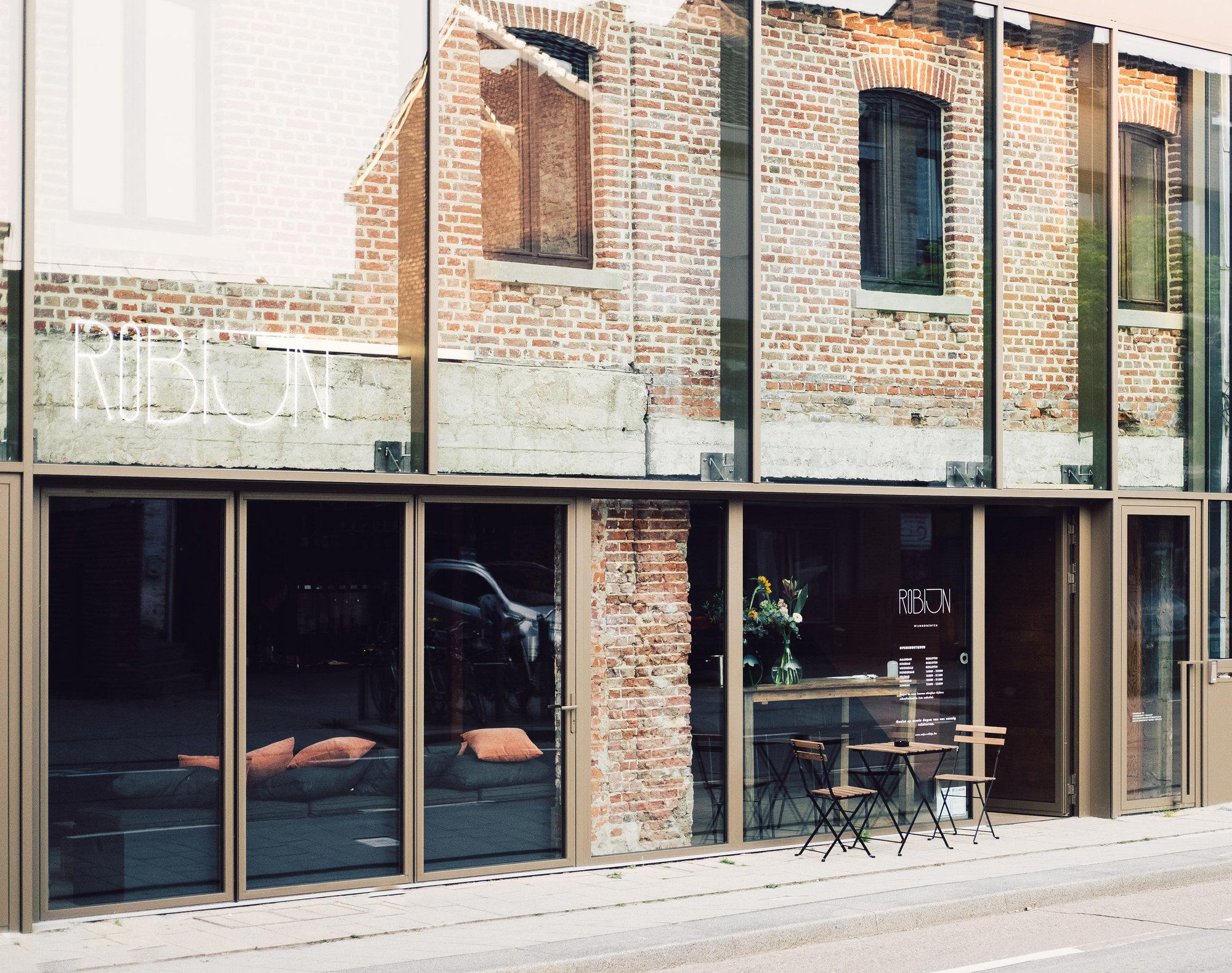
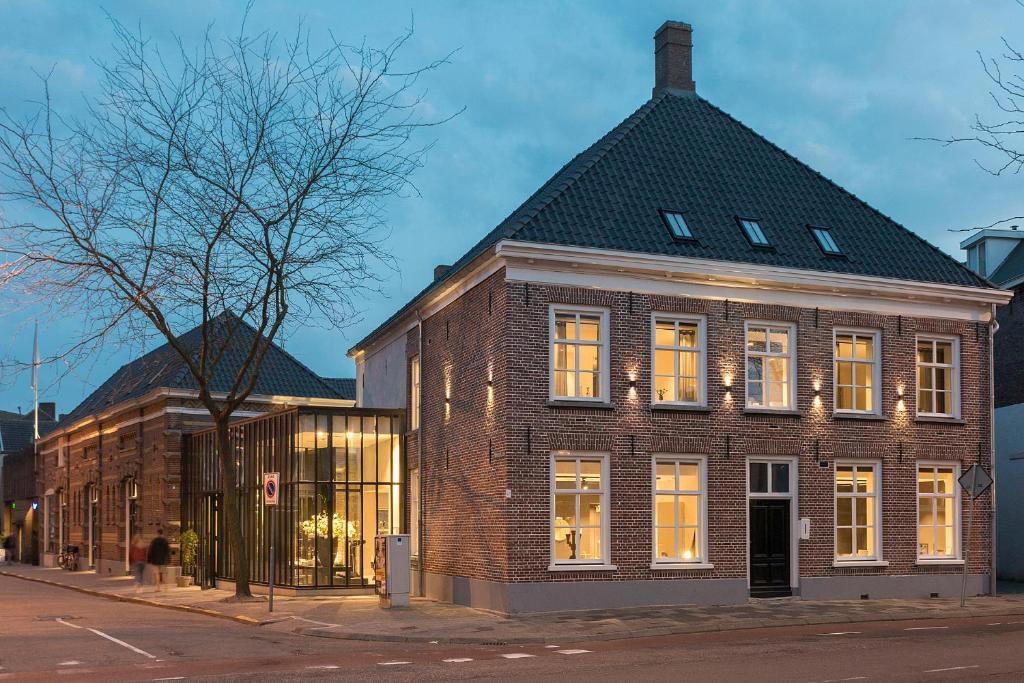
Eindhoven has the useful scale of a city that can still feel intimate: narrow frontages, steady foot traffic, and a sequence of small dining addresses that soften its design-and-technology reputation. Behind Wiesen’s discreet façade, the dining room reads as polished but not stiff, which matters in a city where ambitious restaurants often work harder to prove focus than to project grandeur.
French cooking in the Netherlands has long carried two pressures at once. It has to respect technique, because the category still invites comparison with saucing, timing, and classical structure. It also has to feel relevant in its setting, because fine dining is most compelling when technique supports flavour rather than disguising it. Wiesen’s recognition as a culinary highlight in Eindhoven is useful context here: the restaurant is not positioned as casual bistro comfort, but neither does its appeal rest on theatrical excess.
Ingredients through a French technical lens
The strongest argument for this kind of cooking is craft handled with discipline. Carefully built preparations and playful contrasts of texture can form a telling example: the ingredients may come from beyond a strictly French pantry, while the construction belongs to a French technical tradition. That combination says more about contemporary fine dining than a generic tasting-menu label would. The point is not to make flavours look showy; it is to give them a framework that can carry richness, freshness, and texture without losing clarity.
Yuri Wiesen is associated with classic technique and a willingness to work beyond a strictly French pantry. The distinction is important. Eindhoven is not a capital-city stage where international luxury dining competes for hotel lobbies, historic dining rooms, and global reservation traffic. Here, a restaurant at this level has to make its case through the plate: balance, technique, and a sense that familiar flavours have been rearranged rather than buried.
That puts Wiesen in a different lane from Eindhoven’s broader restaurant mix. For a wider scan of the city, our full Eindhoven restaurants guide covers the range, from polished neighbourhood rooms to more ambitious kitchens. Within that local frame, other Eindhoven dining rooms help show how the city’s serious dining is not confined to one template. Some sit closer to the modern-casual register, while others underline how French references can stretch from bistro grammar to a more formal dining rhythm.
Why the room suits Eindhoven's fine-dining moment
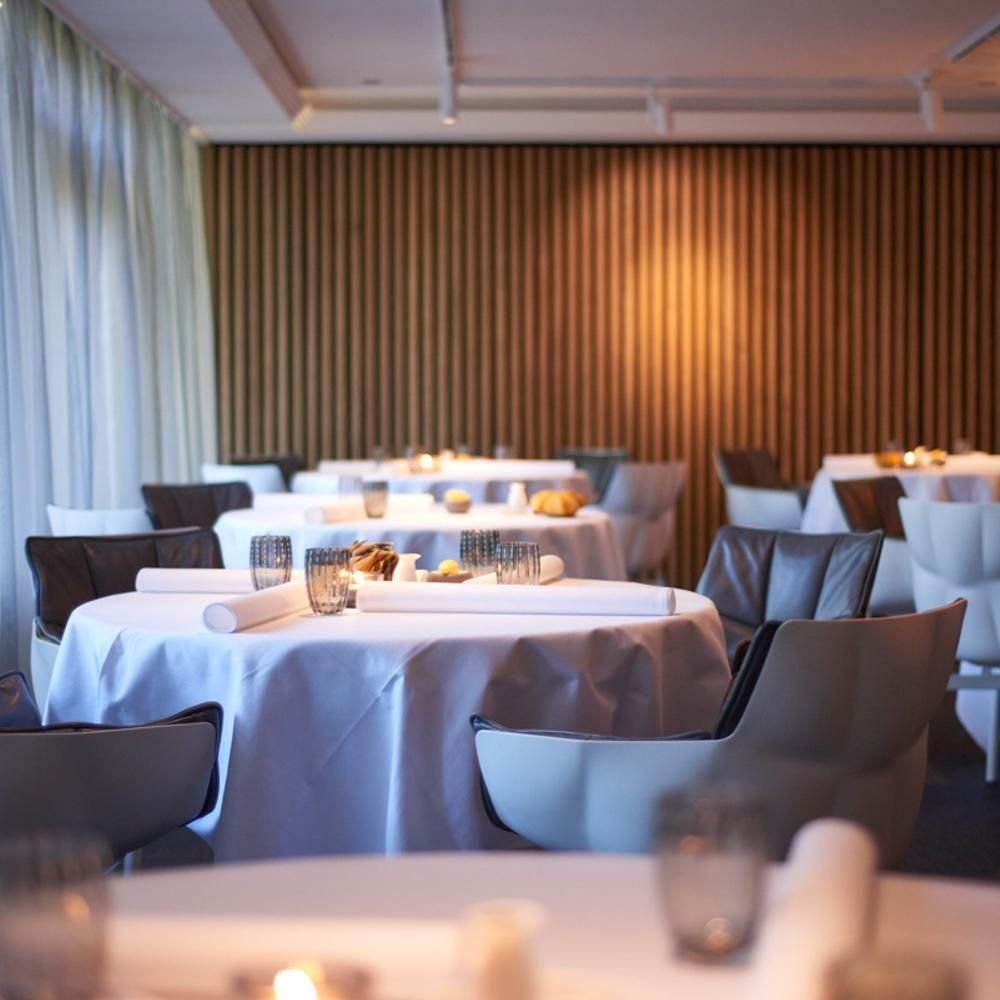
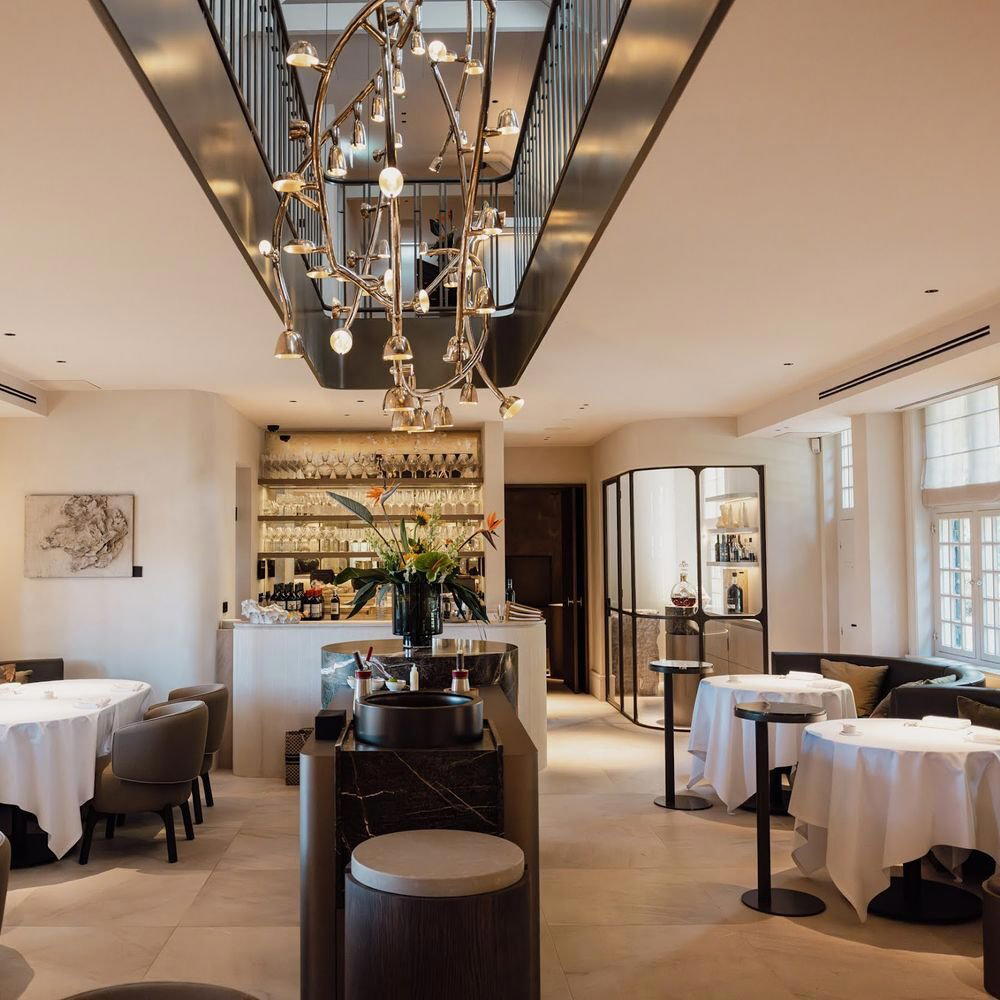
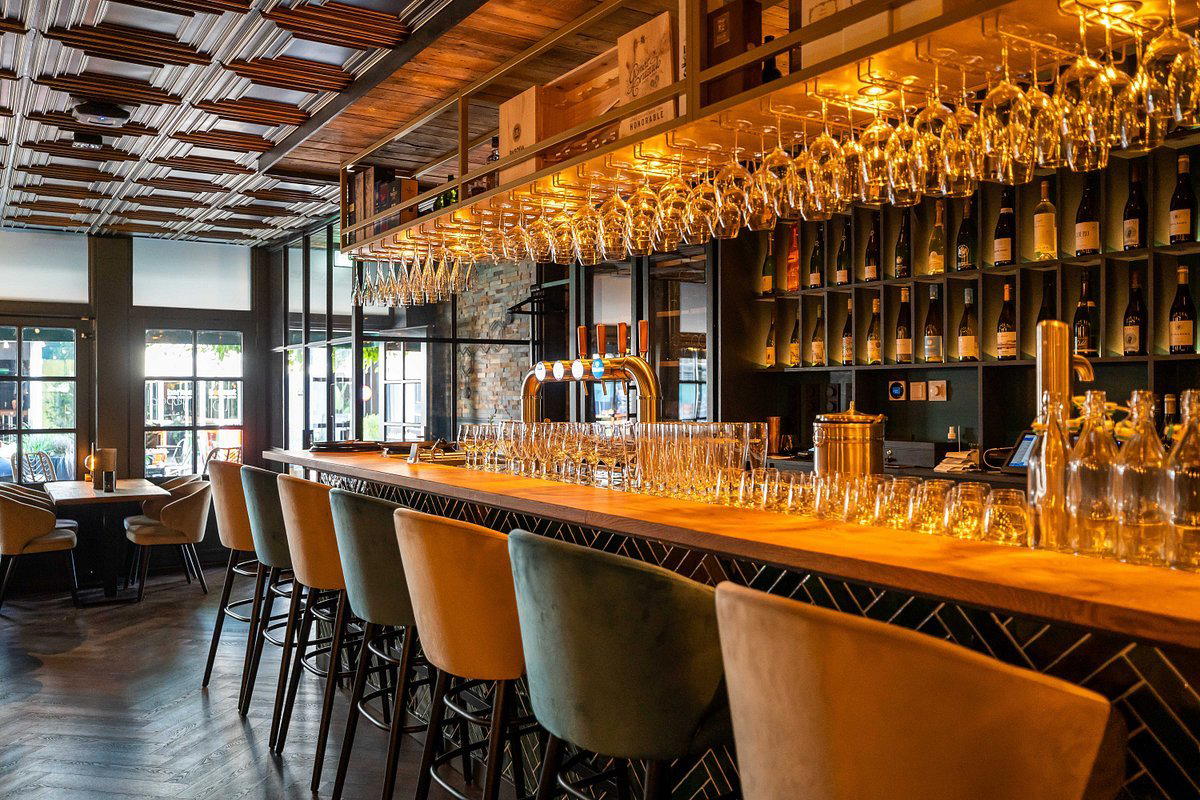
Eindhoven’s dining identity is less about inherited glamour than about calibrated ambition. The city’s creative economy gives it a contemporary audience, but the restaurant culture remains compact enough that overstatement can feel out of place. Wiesen’s advantage is restraint: an elegant, cosy interior; a fine-dining register; and cooking that uses precision rather than spectacle as its main signal.
That restraint also shapes how to read the restaurant against French peers beyond the city. In the Netherlands, Danyel belongs to a comparable conversation around French technique but a different local dining ecology. The same is true when looking across the country at smaller-city and destination restaurants more generally. Each sits in a different geography, but the comparison is useful: outside the capital, serious dining often depends on a sharper bond between place, confidence, and a restaurant’s own point of view.
The broader European comparison is also instructive. Other dining rooms show how French technique can work in grander hospitality contexts, while Eindhoven’s version feels smaller in scale and more closely focused on the plate. The restaurant’s natural audience is not chasing novelty for its own sake. It is looking for a composed meal where familiar flavours and French structure meet without the kitchen losing its nerve.
How to place it in an Eindhoven itinerary
This is a dinner choice for travellers who want the city’s dining culture at its more serious end. Eindhoven works well for an unhurried evening, but the restaurant itself is better approached as the anchor rather than a prelude to a crowded night. It suits guests who care about the difference between French influence as décor and French technique as a working method.
For planning beyond the table, Eindhoven rewards a compact approach: restaurants, design addresses, bars, and hotels can be paired without turning the trip into a transit exercise. Use our full Eindhoven hotels guide for overnight context, our full Eindhoven bars guide for after-dinner drinking, our full Eindhoven wineries guide for wine-led planning, and our full Eindhoven experiences guide for cultural scheduling around the meal.
The editorial read is simple: Wiesen is at its strongest when viewed not as a trophy booking, but as Eindhoven’s argument for French fine dining grounded in technique and flavour. The recognition confirms the level; the more interesting signal is the kitchen’s ability to make familiar flavours feel deliberate, unexpected, and exciting rather than decorative.
Fast Comparison
Comparable venues by cuisine and price in the same metro.
| Venue | Cuisine | Price | Awards | Notes |
|---|---|---|---|---|
| WiesenThis venue — the venue you are viewing | French | $$$ | Michelin 1 Star | Not listed |
| Zarzo | Modern Spanish Fine Dining | $$$$ | Michelin 1 Star | Binnenstad |
| Mei Wah | Authentic Chinese Fine Dining | $$$ | Michelin Plate | Stratum |
| Bouchot | Classic French Seafood | $$$ | Not listed | Nuenen |
| De Luytervelde | Modern French Fine Dining | $$$ | Michelin Plate | Woensel-Noord |
| Lucie Cocina | Modern Spanish Tapas | $$$ | Bib Gourmand | Bergen |
Recognition history
Dated appearances from independent guides and award organizations, with the underlying list record or original source where available.
Michelin 1 Star
Michelin
Michelin 1 Star
Michelin
Continue exploring
More in Eindhoven
Restaurants in Eindhoven
Browse all →
Bars in Eindhoven
Browse all →
At a Glance
- Modern
- Cozy
- Intimate
- Sophisticated
- Date Night
- Business Dinner
- Special Occasion
- Celebration
- Standalone
Current opening hours
- Monday
- Closed
- Tuesday
- Closed
- Wednesday
- 12 p.m.–12 a.m.
- Thursday
- 12 p.m.–12 a.m.
- Friday
- 12 p.m.–12 a.m.
- Saturday
- 12 p.m.–12 a.m.
- Sunday
- Closed
Hours can change for holidays and private events. Last verified .
Modern and warmly decorated, with a cozy, intimate atmosphere behind a discreet facade.