Travelle at The Langham, Chicago
Travelle at The Langham occupies a prime position along Chicago's Riverwalk corridor at 330 N Wabash Ave, offering contemporary American cooking inside one of the city's most architecturally considered hotel dining rooms. The restaurant sits within a comparable set defined by sourcing discipline and seasonal restraint, making it a reliable choice for business meals and occasion dinners in the River North district.
Pearl is the En Primeur Club membership app — saves, bookings, and concierge access live there. Same editors, same standards.
- Address
- 330 N Wabash Ave, Chicago, IL 60611
- Phone
- +1 312 923 7705
- Website
- travellechicago.com
- Directions
- Get directions
 Saves & bookings on Pearl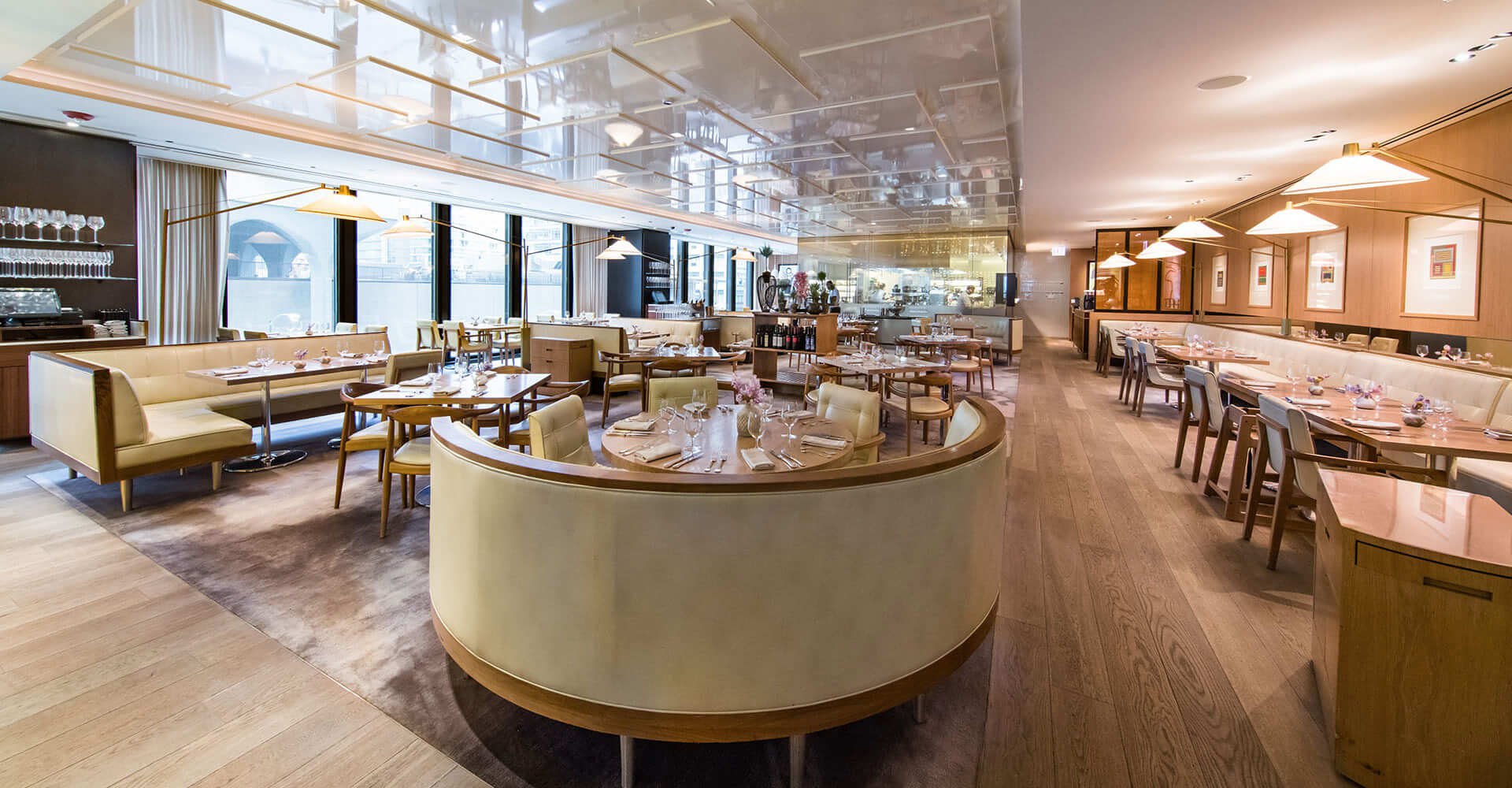
The Room Before the Plate
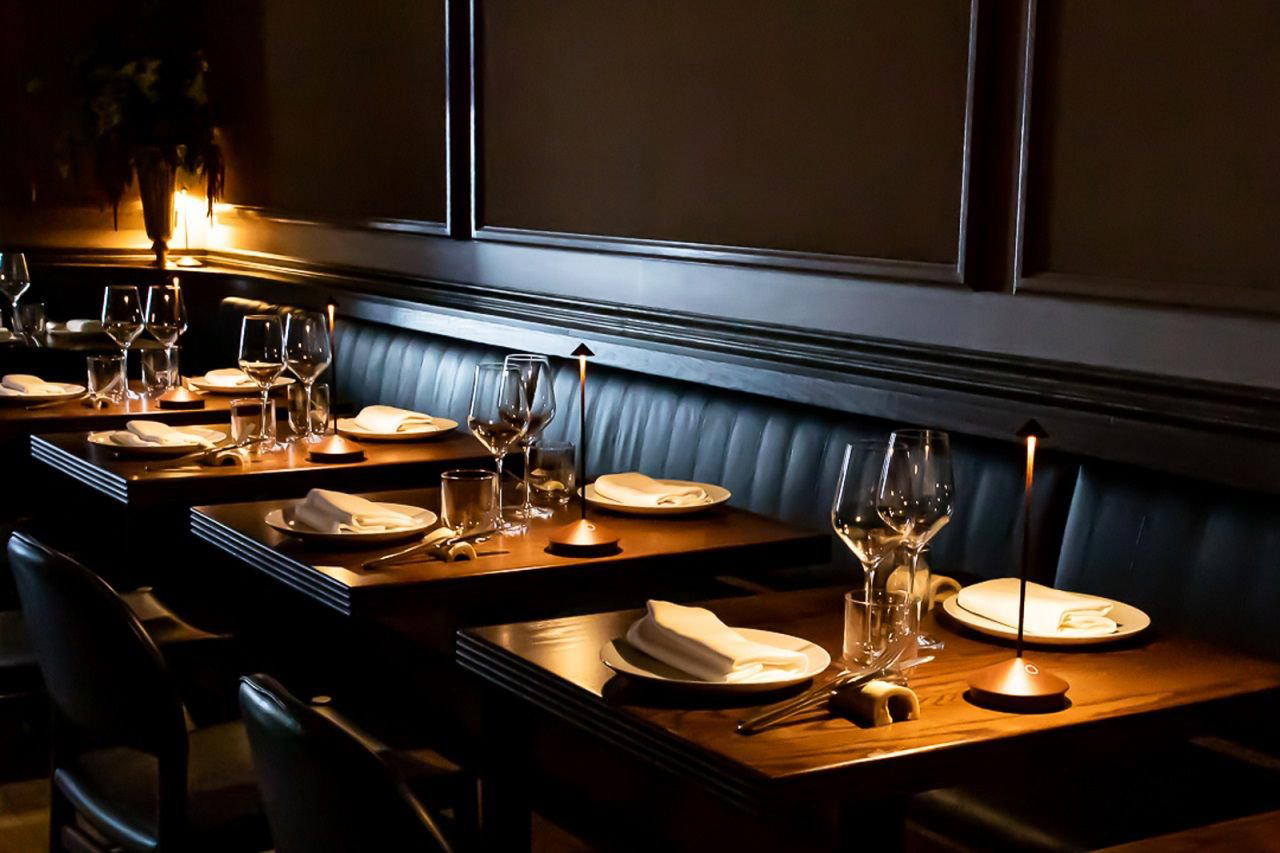
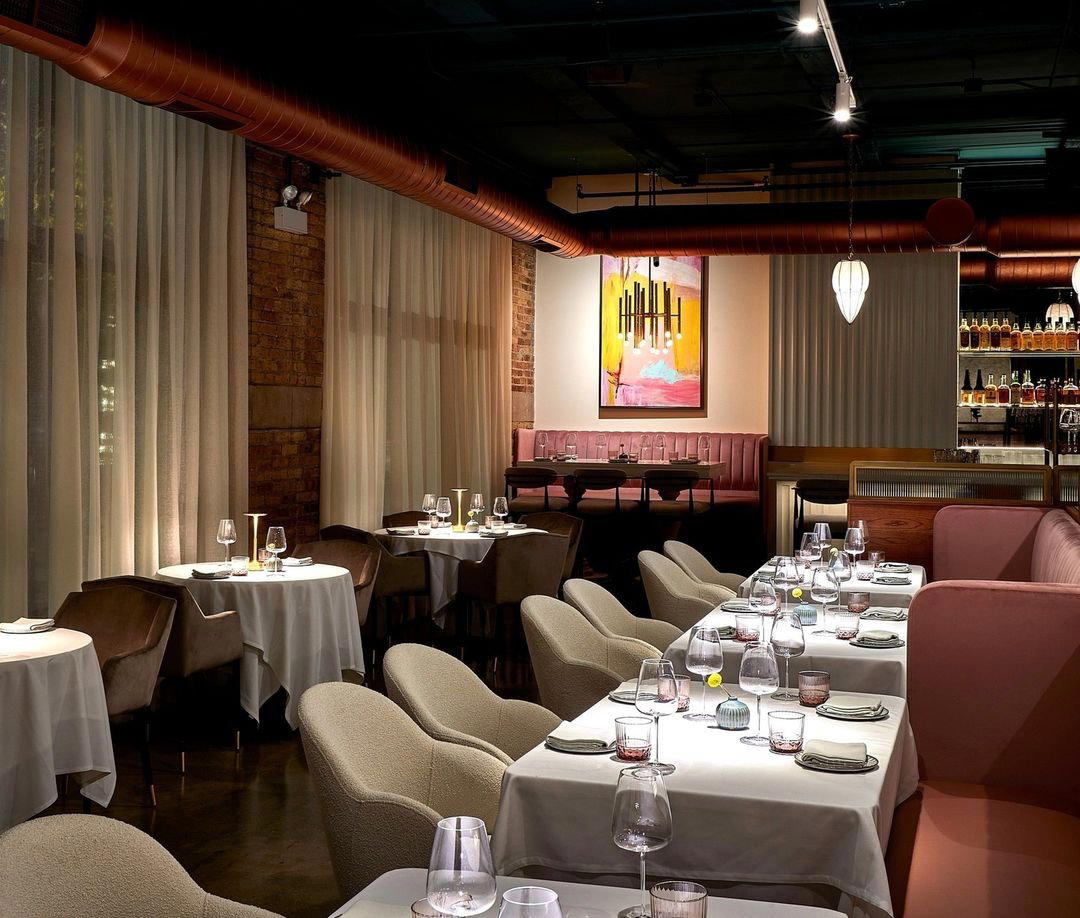
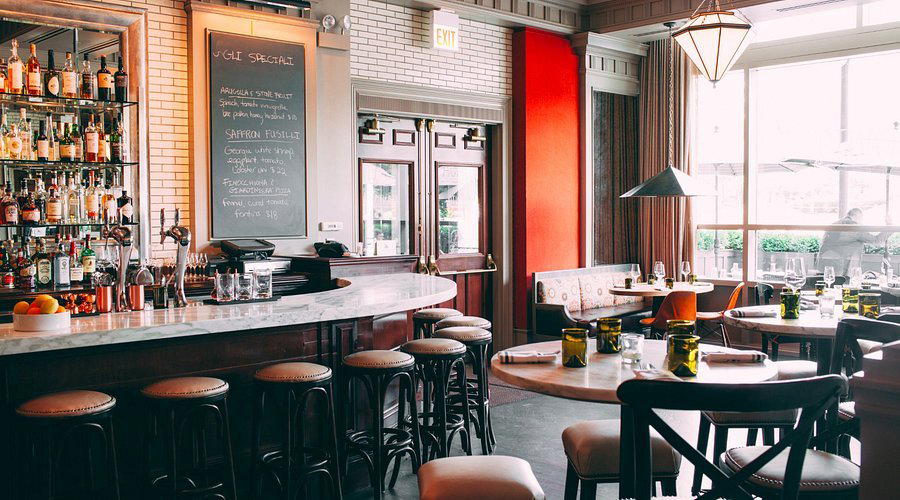
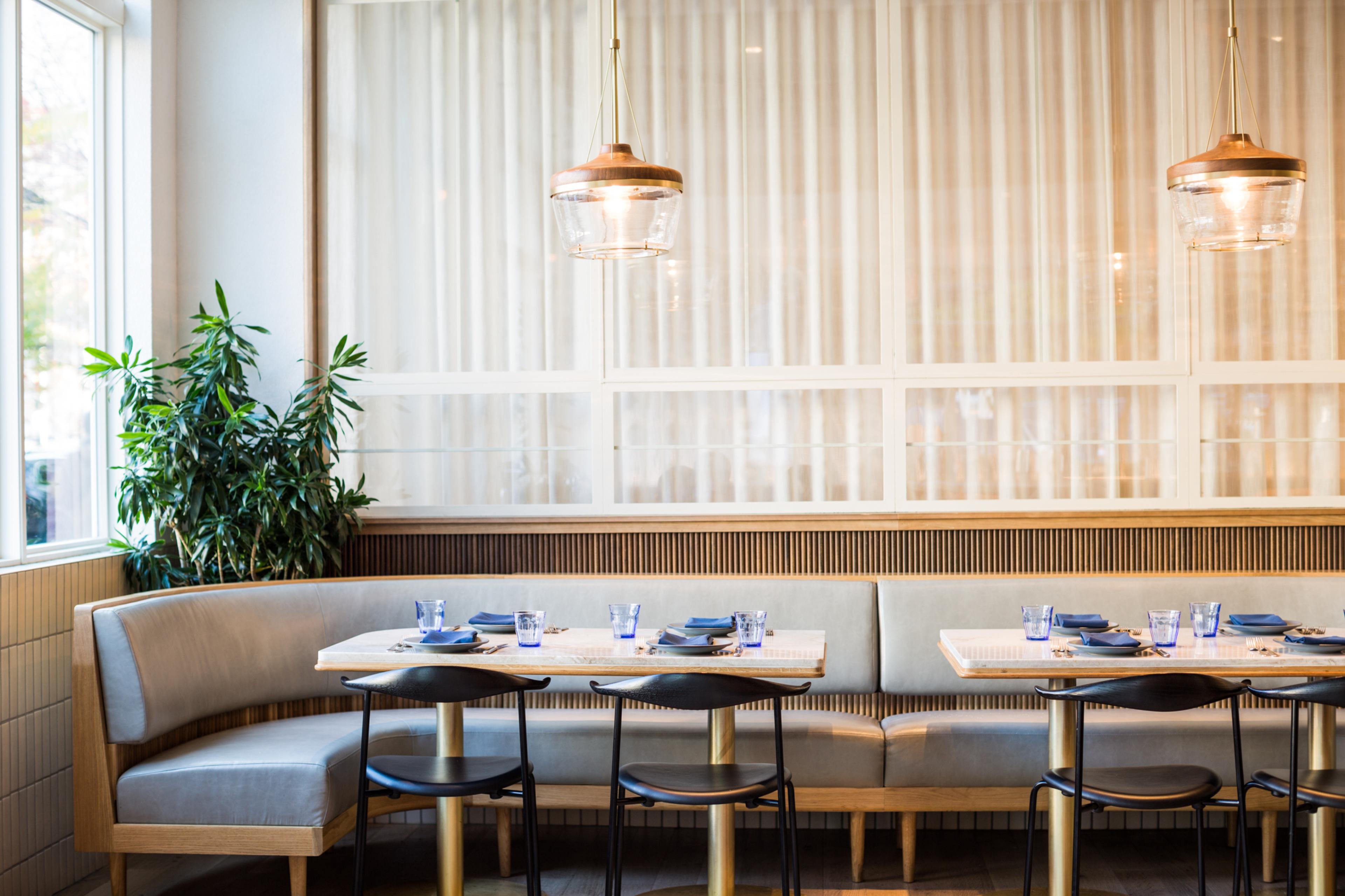
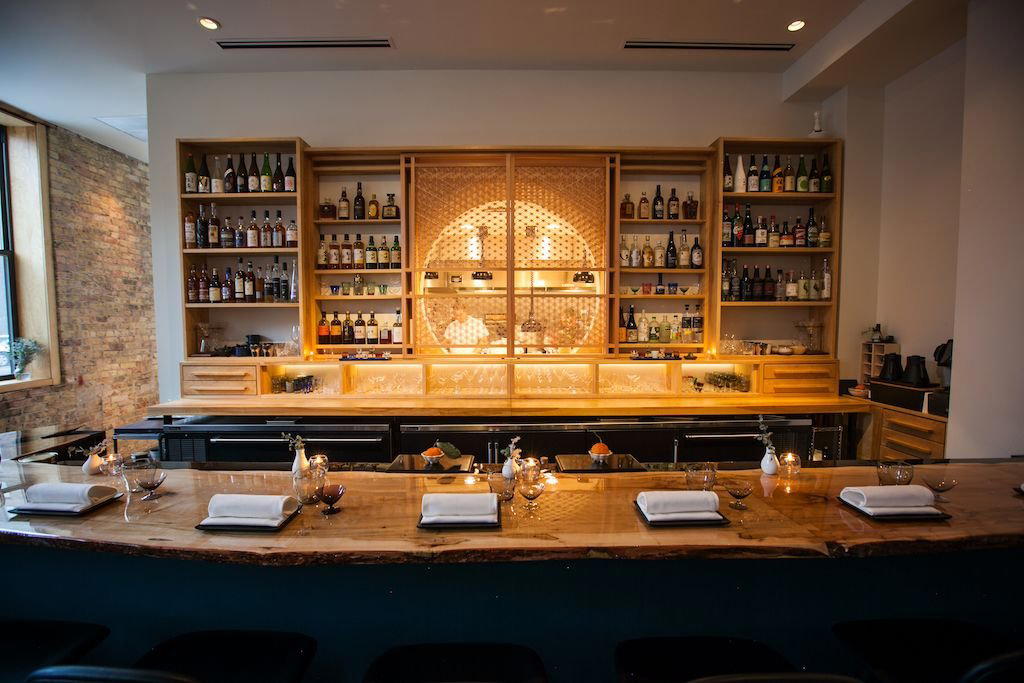
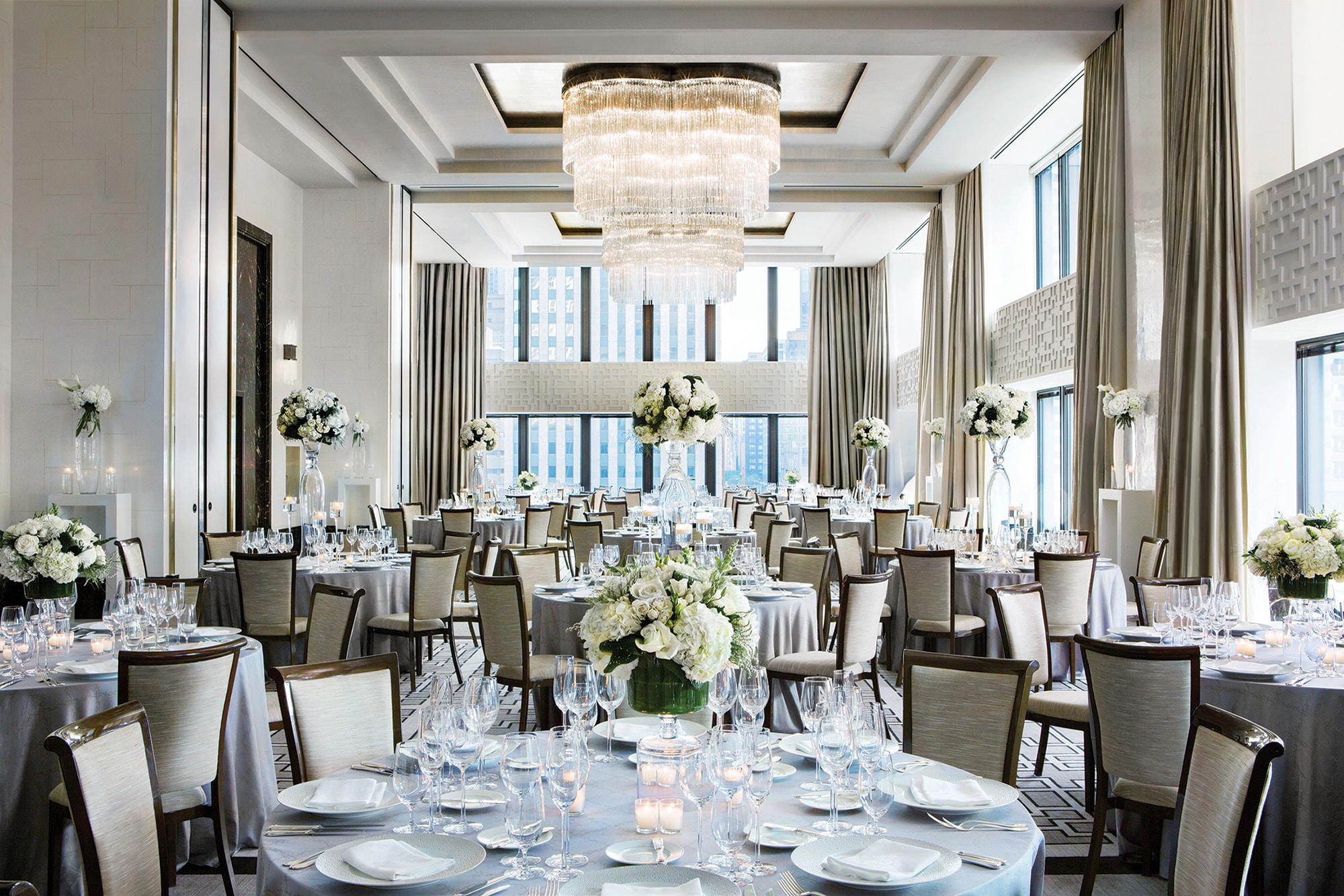
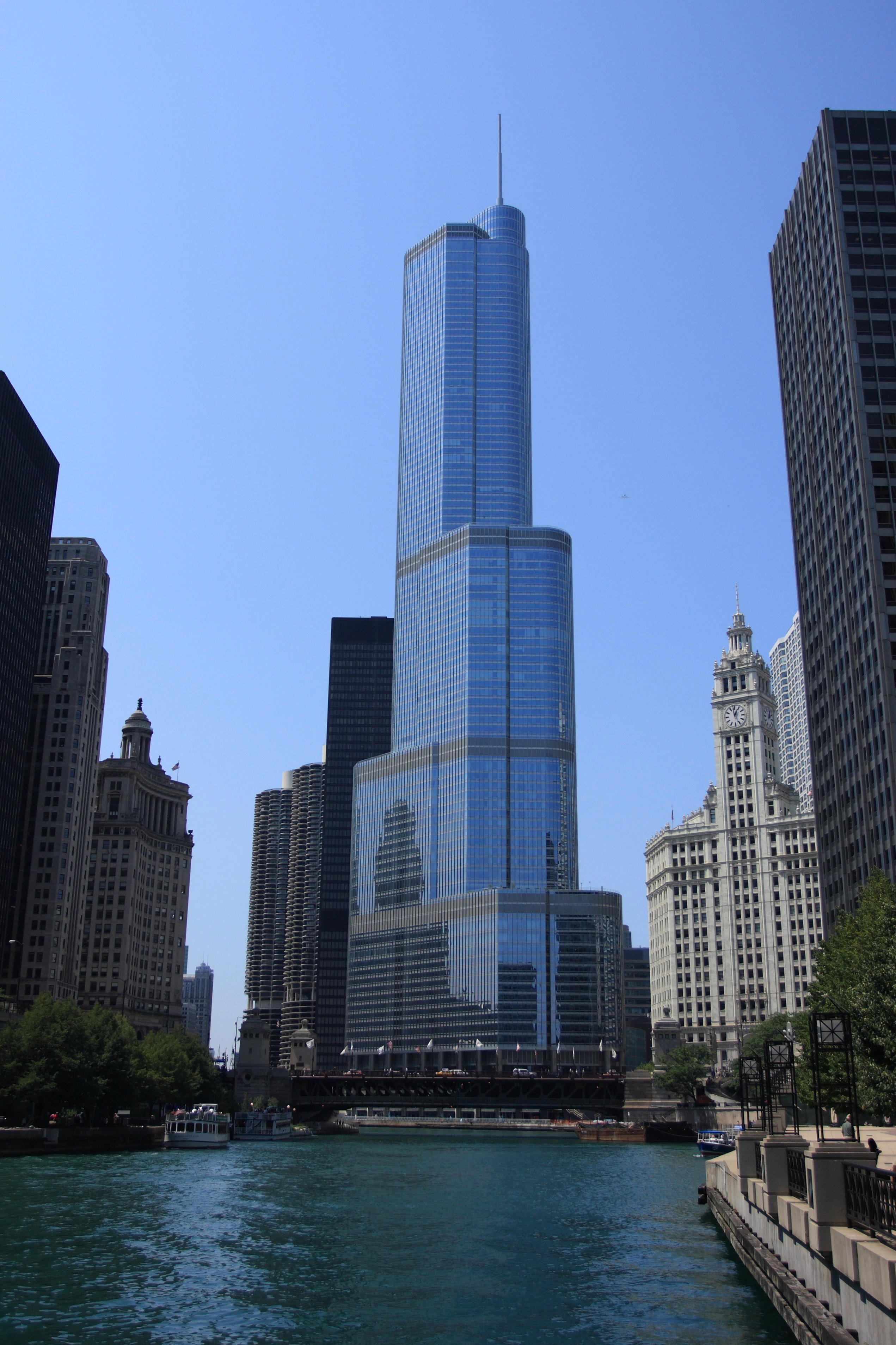
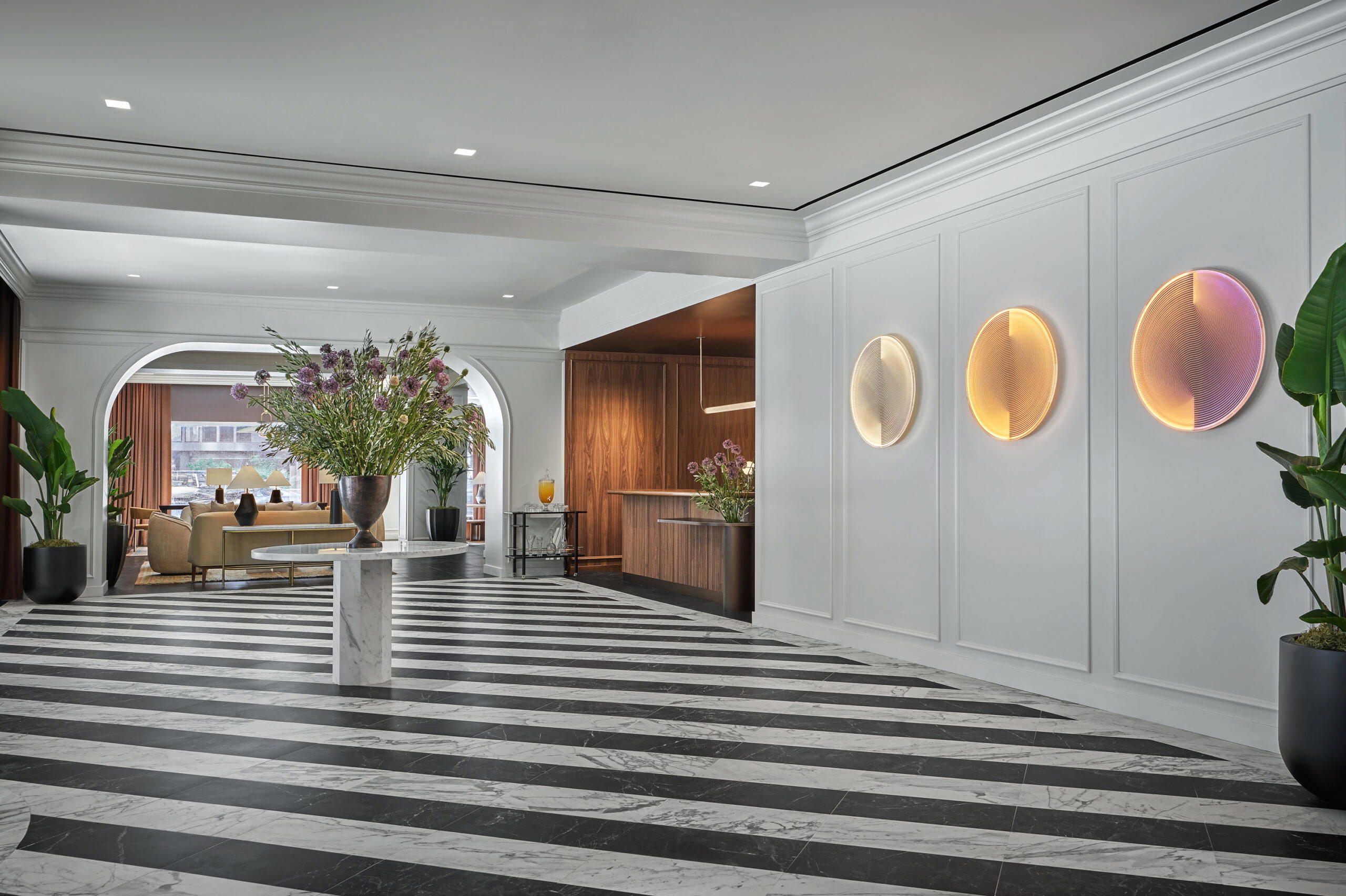
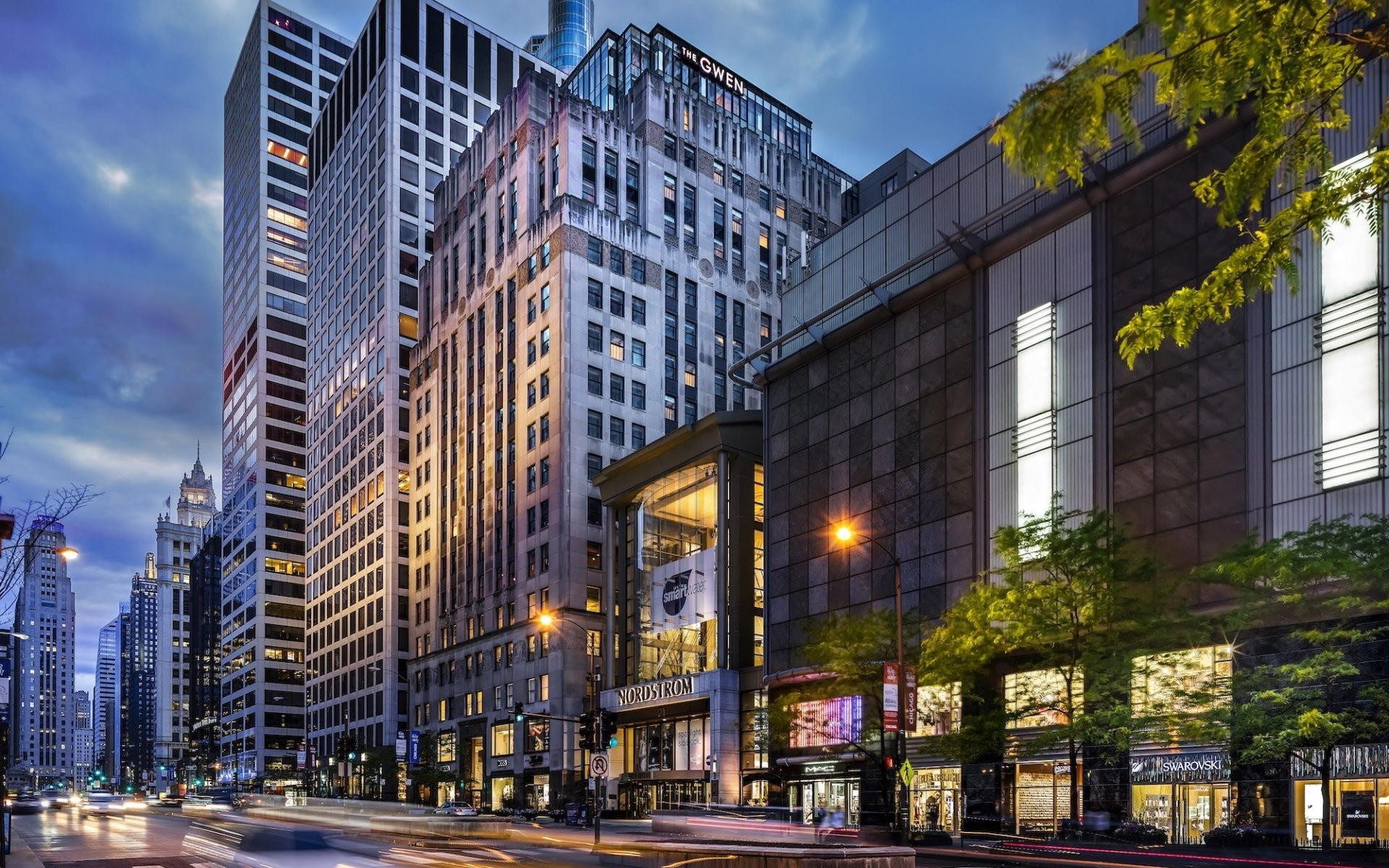
There is a particular kind of restaurant that earns its reputation as much through where it sits as what it serves. Travelle at The Langham, Chicago occupies the ground floor of The Langham at 330 N Wabash Ave in Chicago, a building whose address places it in one of the city's most contested dining corridors. The Chicago River runs alongside this stretch of Wabash, and the approach to the hotel carries the particular energy of a city that takes its architecture seriously. Stepping into a hotel dining room of this calibre, you encounter proportions and materials that signal investment in the physical experience long before a menu arrives.
Hotel dining in American cities has split decisively over the past decade. One cohort defaulted toward predictable brasserie formats, safe for convention guests and indifferent to locality. The other pursued something closer to a neighbourhood restaurant that happens to share a postcode with a lobby. Travelle belongs to the second category, positioned to serve both hotel guests and a River North audience that has many credible alternatives. That dual constituency shapes the format: accessible enough for a business dinner, considered enough for a dining-led evening.
Sourcing as Editorial Stance
Contemporary American cooking at the premium hotel tier has increasingly used ingredient provenance as a differentiating signal. Where earlier generations of hotel restaurants leaned on classical European frameworks, the more compelling operations now anchor their menus in regional supply chains. This approach is not distinctive to Chicago, but the Midwest makes it particularly legible: the agricultural geography of Illinois, Wisconsin, and Michigan provides a sourcing radius that can plausibly cover grains, dairy, pork, and seasonal produce without reaching for abstraction.
The logic here connects Travelle to a broader shift visible at operations like Single Thread Farm in Healdsburg, where the supply chain is built into the identity of the restaurant, or Blue Hill at Stone Barns in Tarrytown, where provenance functions as the organising principle of the entire dining experience. Travelle operates within a hotel context rather than a farm-to-table one, but the underlying editorial direction, seasonal menus shaped by what the region actually produces, places it in a recognisable lineage.
For diners accustomed to sourcing-forward kitchens at the independent level, including Smyth in the West Loop or the farm-driven ethos at operations like Next Restaurant, the hotel dining room format may initially read as a compromise. The relevant question is whether the kitchen holds to its sourcing commitments when the volume demands of a hotel operation push back against them. The answer, based on Travelle's sustained presence in a market that produces serious independent competition, suggests a kitchen with genuine discipline.
Chicago's River North Dining Tier
River North sits in an interesting position within Chicago's dining geography. It is not the creative frontier, which has moved progressively toward the West Loop and Fulton Market, nor is it the legacy fine-dining corridor of the Gold Coast. Instead, it occupies a middle register where hotel restaurants, mid-scale independents, and steakhouses coexist. Within that context, a hotel restaurant that maintains consistent quality across multiple years represents a more deliberate achievement than it might appear in a neighbourhood with fewer capable alternatives.
Chicago's most-discussed tables currently cluster elsewhere. Alinea in Lincoln Park and Oriole in the Near West Side define the city's highest-ambition tier. Kasama in Ukrainian Village holds a Michelin star and operates at a different frequency entirely. These are not Travelle's competitive peers. The relevant comparison set is premium hotel dining in comparable American cities: the sourcing-conscious hotel restaurant operating at a price point that suits a refined dinner without tasting-menu formality.
At that register, Travelle competes with hotel dining rooms in markets like New York, Los Angeles, and San Francisco that have made similar investments in local supply chains. Le Bernardin in New York City sets one kind of standard for hotel-adjacent fine dining; Providence in Los Angeles and Addison in San Diego represent the California equivalent. Travelle's position in this national conversation is that of a disciplined, regionally anchored hotel restaurant in a city whose independent dining scene provides a credible benchmark for quality.
The Case for Hotel Dining
The argument against hotel restaurants is well-rehearsed: captive audience, conservative menus, wine lists priced for expense accounts. The argument for them, at least for the operations that have earned their standing, is more interesting. A hotel kitchen runs every service, without the option of closing for a private event or narrowing to two sittings per week. That consistency demand, met over years, is its own credential.
Travelle at The Langham sits within a hotel brand with a strong dining tradition. For travelling diners familiar with celebrated destination restaurants, the question is not whether hotel dining can be serious, but whether this particular dining room holds to the standards that justify the price point.
Global sourcing-forward hotel dining has found compelling expression at restaurants like Atelier Moessmer Norbert Niederkofler in Brunico, where Alpine ingredient provenance is the entire point, and at Emeril's in New Orleans, where regional identity functions as a sustained editorial commitment. Travelle draws from a similar instinct applied to the Midwest's particular agricultural strengths.
Recognition Snapshot
Comparable venues nearby, for context on price, style, and recognition.
| Venue | Cuisine | Price | Notes |
|---|---|---|---|
| Travelle at The Langham, ChicagoThis venue — the venue you are viewing | Seasonal American with Creative Twist | $$$$ | Not listed |
| Gibsons Tavern | American Steakhouse Tavern | $$$$ | Fulton Market |
| Kindling | Wood-Fired American Cookout & Cocktails | $$$ | Downtown Chicago |
| Ox Bar & Hearth | Midwestern-Inspired Hearth Cooking | $$$ | Lincoln Park |
| The Evie | Modern American Steakhouse with Sushi | $$$ | Magnificent Mile |
| CURRENT | Modern American | $$$ | Near North Side |
At a Glance
- Elegant
- Sophisticated
- Intimate
- Scenic
- Business Dinner
- Date Night
- Celebration
- Brunch
- Special Occasion
- Hotel Restaurant
- Panoramic View
- Historic Building
- Waterfront
- Open Kitchen
- Extensive Wine List
- Craft Cocktails
- Sommelier Led
- Farm To Table
- Local Sourcing
- Skyline
- Waterfront
Current opening hours
- Monday
- 6:30 AM–11 PM
- Tuesday
- 6:30 AM–11 PM
- Wednesday
- 6:30 AM–11 PM
- Thursday
- 6:30 AM–11 PM
- Friday
- 6:30 AM–11 PM
- Saturday
- 6:30 AM–11 PM
- Sunday
- 6:30 AM–11 PM
Hours can change for holidays and private events. Last verified .
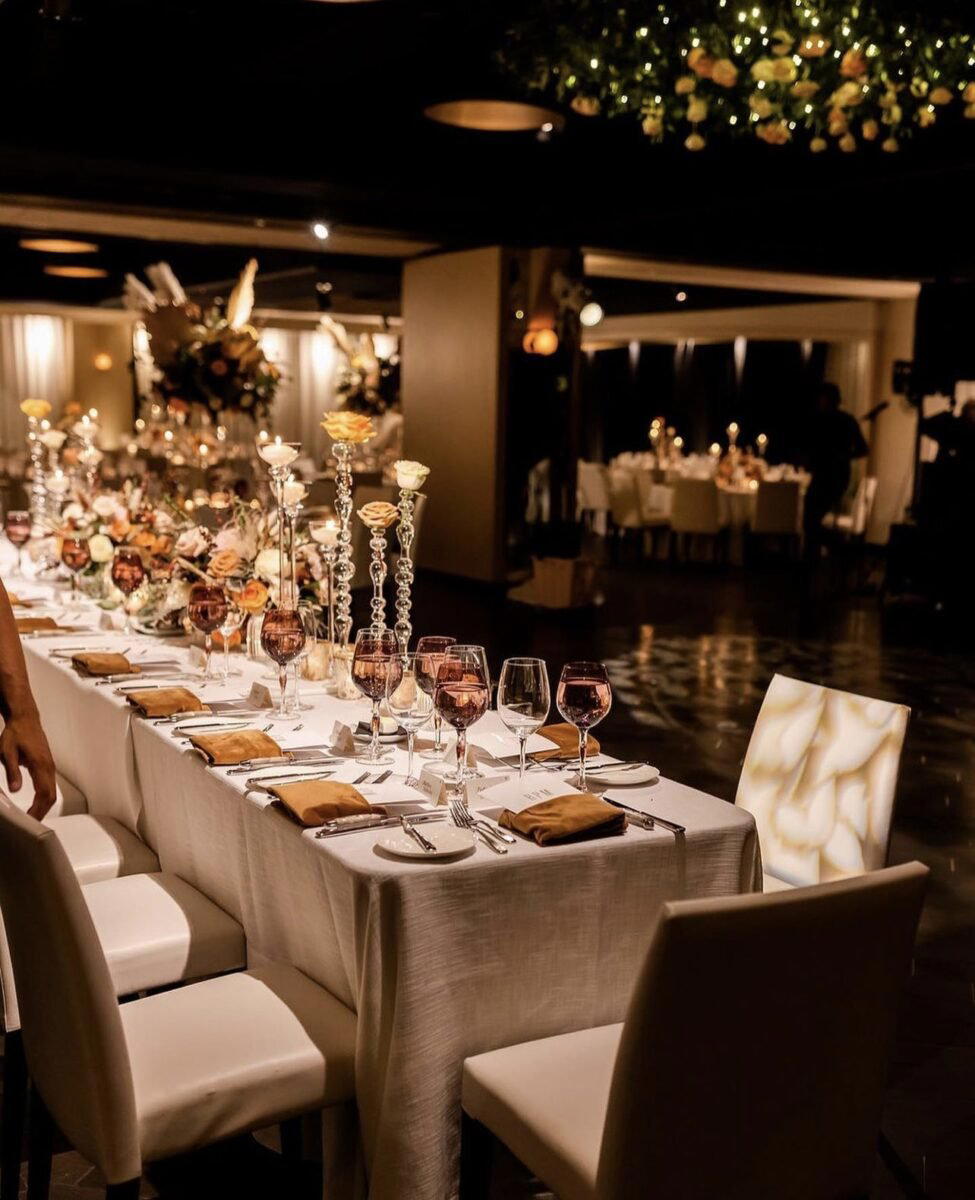
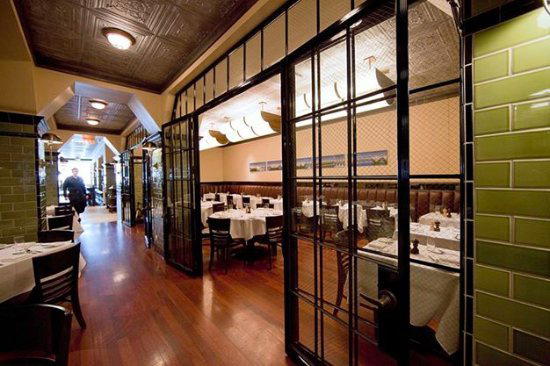
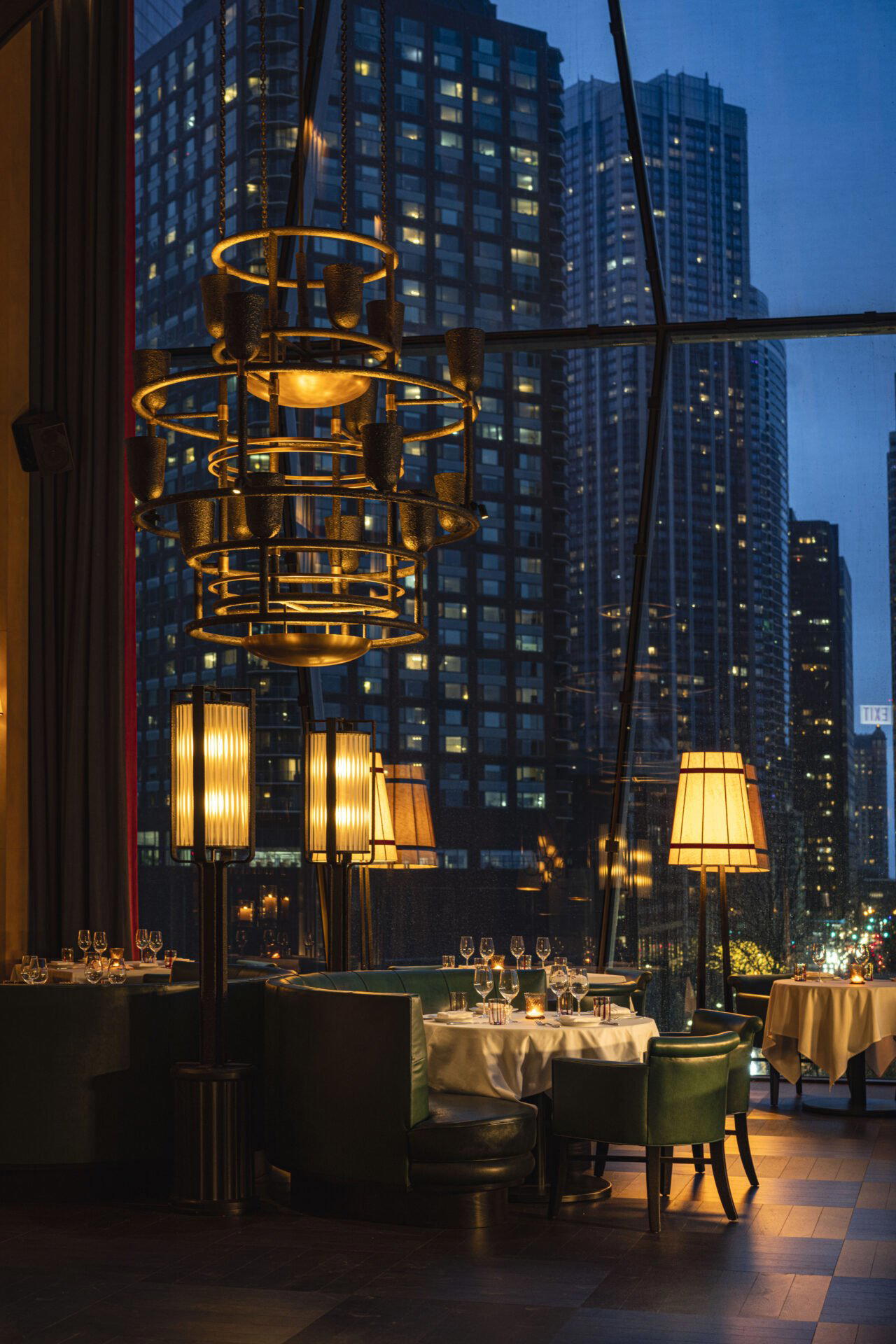
Glitzy, open dining room with skyline and waterfront views; casual yet elegant atmosphere with thoughtful, creative plating and warm hospitality.