

Tabelog Silver #52
Our verdict
Kawaguchi belongs to Kyoto’s small-counter Japanese dining tier, where reputation is built less through spectacle than through consistency, access, and peer recognition. With Koji Kawaguchi named as chef, six counter seats, a Tabelog Award 2026 Silver, and OAD Japan recognition, it sits in the city’s serious kappo-adjacent conversation rather than the casual Gion dinner circuit.

Pearl is the En Primeur Club membership app, where members save venues, book tables and use the concierge.
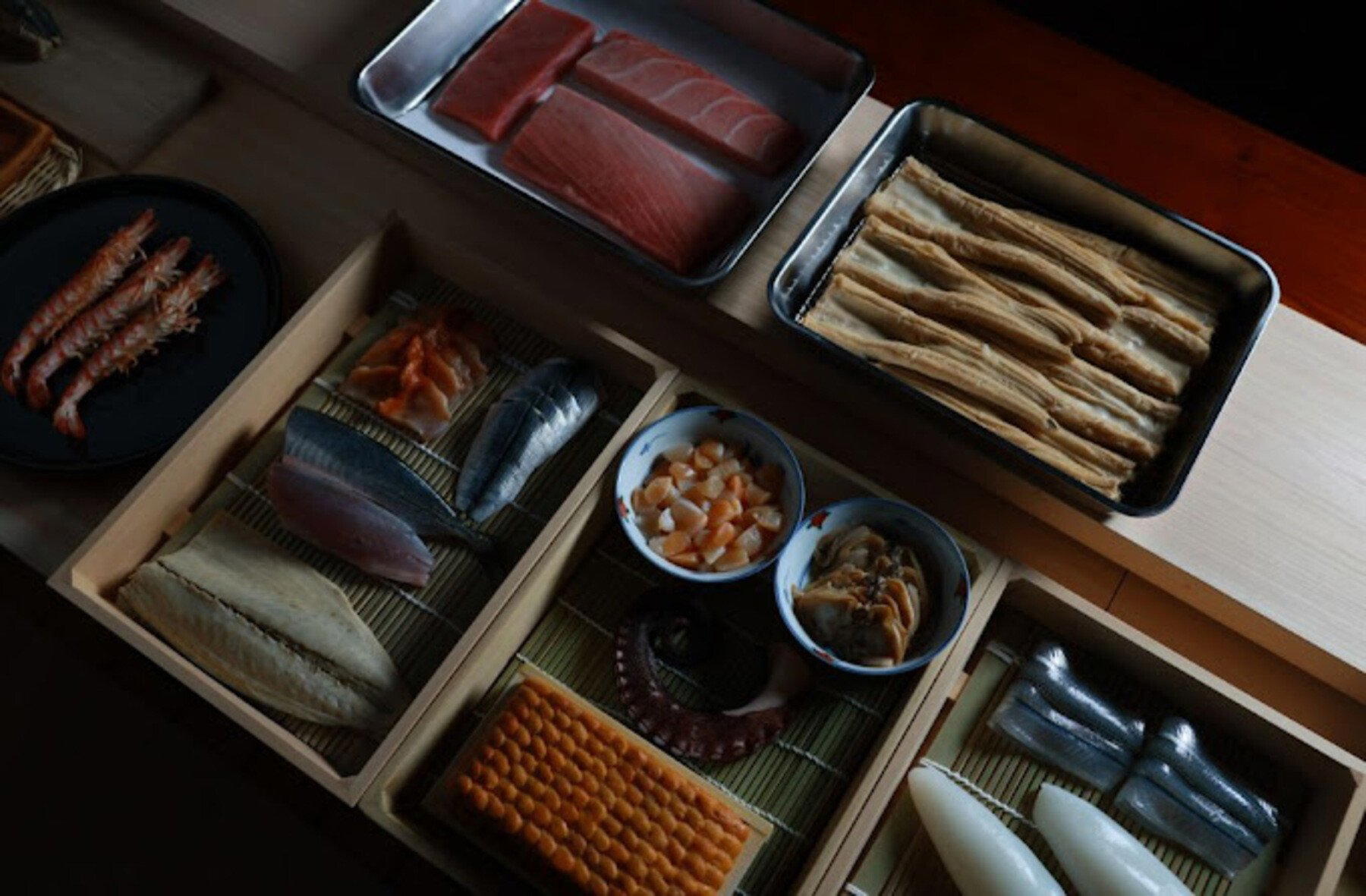
Gion’s evening dining culture is built on thresholds: narrow approaches, low-lit facades, a pause before the counter. Here, the serious Japanese counter is not tourist theatre but a compact social contract where room, pacing, and the chef’s hand leave little room for distraction. Kawaguchi fits that Kyoto grammar: six counter seats, Japanese cuisine, and a reputation built through repeat recognition rather than broad promotion.
Kyoto sorts high-end Japanese restaurants carefully. Some work in formal kaiseki, with seasonal sequencing and ceremony at the center. Others sit closer to kappo, where the counter compresses preparation and service. Kawaguchi belongs to the smaller, more private end of that spectrum. Koji Kawaguchi’s presence as chef is a credential, but the stronger signal is format: a tiny Gion counter that pressures technique, sourcing, and rhythm in ways larger rooms can avoid.
Gion's small-counter Japanese tradition, stripped of theatrical excess
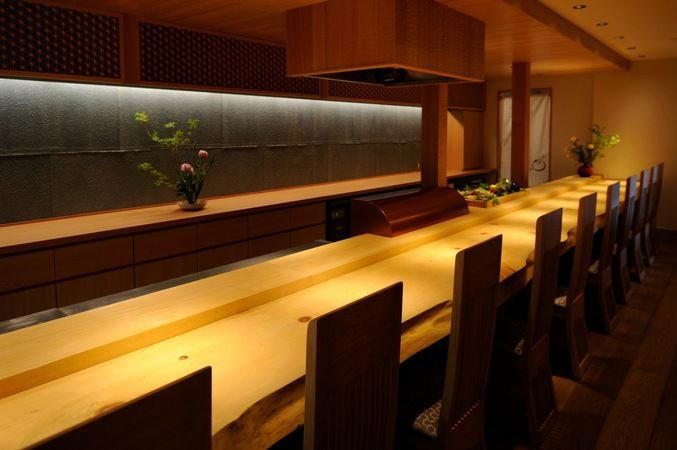
The six-seat format changes dinner’s meaning. Service cannot hide behind architecture; the meal depends on the direct cadence between chef and guests. Kyoto’s compact Japanese counters attract diners who understand the genre’s codes: reservation discipline, quiet attention, and an appetite for seasonality without a printed manifesto. The category rewards restraint, but not vagueness; it asks for precision, timing, and confidence.
Kawaguchi’s public signals place it in that serious tier. The Tabelog Award 2026 Silver and a Tabelog score of 4.35 are not casual markers in Japan’s restaurant culture, where user scoring is conservative and high ratings in traditional Japanese cuisine are hard earned. Its selection for Tabelog Japanese cuisine WEST “Tabelog 100” in 2025, after earlier selections in 2023 and 2021, gives the reputation multi-year shape rather than a single-season spike. Opinionated About Dining also lists it among its 2026 Japan recommended restaurants, adding an international dining-community lens to domestic recognition.
That recognition matters because Kyoto’s upper tier is crowded with restaurants claiming tradition. Awards do not explain the cooking, but they identify small rooms that sustain confidence among informed diners. In the local comparison set, Ryō-shō and Ifuki sit in the Japanese and kaiseki conversation at a similarly serious price and format tier, while Gion Yamagishi signals a slightly different Kyoto Japanese route. Ristorante t.v.b shows how Kyoto’s high-end map also absorbs Italian technique into the city’s fine-dining habits. Kawaguchi’s distinction is narrower: a tiny Japanese counter in Gion with durable Japanese-platform recognition.
Koji Kawaguchi's role is clearest in the restaurant's discipline
The chef’s name, Koji Kawaguchi, should be read less as personality branding than as an operating guarantee. Kyoto’s traditional dining culture has little patience for chef-as-celebrity performance in a room this small. The relevant authorship appears through control: fish-led sourcing, sake and shochu alongside wine, and a counter format that makes every adjustment visible.
The restaurant’s stated emphasis on fish places it inside a long Kyoto tension. The city is inland, yet its Japanese dining canon has long relied on disciplined seafood handling, seasonal produce, preserved techniques, and calibrated seasoning rather than proximity to a port. At the counter, that tradition becomes less ceremonial and more immediate. The diner is not buying abundance; the value lies in compression, in how much judgment can be expressed across a small sequence of courses.
This is where Kawaguchi separates itself from broader Gion dining. Gion can read superficially as postcard Kyoto: lanterns, lanes, and expensive dinners. More strictly, the district contains restaurants serving visitors, restaurants serving regulars, and restaurants using a small public footprint as a filter. Kawaguchi belongs closer to the last category. Its awards and format indicate a room for diners who understand why a six-seat counter can carry more weight than a grander address.
For readers mapping the city by category rather than one booking, Our full Kyoto restaurants guide gives the wider spread, from specialist counters to casual regional staples. The contrast is useful: 551蓬莱 speaks to a completely different comfort-food register, while Aburi Mochi Honke Nemoto Kazariya anchors an older snack tradition. Modern Kyoto dining pulls in other directions too, from Abbesses to [ki:] and 3TOKU6MI Shijo karasuma ten. Kawaguchi sits at the opposite end of the attention economy: low capacity, high expectation, and little visible noise.
How to place it within a Kyoto itinerary
The right use for a restaurant like this is not a one-night trophy dinner but a calibration point for Kyoto Japanese cuisine. It suits travelers comparing counter-led Japanese cooking across the city, or diners who prefer close-range chef-led formats to formal private-room kaiseki. It is less suited to groups seeking flexibility, families needing broad accommodation, or anyone treating Gion as a walk-in dining district.
Planning around Kyoto should account for the city’s split personality. Hotels, bars, wineries, and cultural programming run on different rhythms from the restaurant scene. Our full Kyoto hotels guide, Our full Kyoto bars guide, Our full Kyoto wineries guide, and Our full Kyoto experiences guide help separate dining priorities from lodging and culture. That matters in Kyoto, where a quiet dinner counter can be the day’s main event and everything else should be scheduled around it.
Japan’s restaurant culture is not a single hierarchy, and Kyoto’s small counters should not be judged like casual regional restaurants or overseas Japanese bars. For contrast across formats, -Grilled beef Sukiyaki- KAMAKURA TANUKIAN 鎌倉 たぬき庵 in Kamakura, 鮪と炭火焼き うお炭 秋葉原店 in Tokyo.cafe in Osaka.know in Kumamoto, (Shoku) Vietnam in Kawasaki, and [Curry Senmon Ten] Maruyama Kyoju. in Sapporo show how varied the country’s dining vocabulary becomes once price, format, and regional identity change. Outside Japan, Jōdo Saké Bar in Los Angeles and Onigiri Time in Pasadena underline the same point from abroad: Japanese dining travels widely, but Kyoto’s Gion counters remain governed by a local code of intimacy, discipline, and access.
The editorial case for Kawaguchi is specific. This is not the broadest introduction to Kyoto dining, nor designed for casual convenience. It is a small, chef-led Japanese counter whose reputation is supported by Tabelog Award 2026 Silver recognition, repeated Tabelog Japanese cuisine WEST “Tabelog 100” selections, and OAD Japan recommendation. For diners who value format as much as flavor, that combination says more than a longer public biography could.
Frequently asked questions
How do I find Kawaguchi?
Kawaguchi is located in Kyoto.
Is Kawaguchi chef-led?
The chef associated with Kawaguchi is Koji Kawaguchi.
Is Kawaguchi open every day?
Hours at Kawaguchi: Mon, Tue, Wed, Thu, Fri, Sat, Sun 18:00 - 23:30.
What has Kawaguchi built its reputation on?
Kawaguchi has built its profile on repeated Tabelog recognition, including a Silver award in 2026 and 2022, plus Bronze awards from 2019 through 2025. It was also selected for Tabelog Japanese cuisine WEST "Tabelog 100" in 2025, which fits its six-seat, invitation-only counter in Kyoto.
Is Kawaguchi good for vegetarians?
It is a difficult booking to recommend for strict vegetarians. the public record describes the kitchen as "particular about fish," and the format is a six-seat Japanese counter in Kyoto rather than a plant-led menu. Check the venue's official channels for the latest details.
A Quick Peer Check
Nearby venues at a similar price tier for orientation.
| Venue | Cuisine | Price | Awards | Notes |
|---|---|---|---|---|
| KawaguchiThis venue (the venue you are viewing) | Exclusive Kaiseki | $300–500 | Tabelog Silver #52 | Not listed |
| Gion Suetomo | Traditional Kyoto Kaiseki Omakase | $100–150 | Not listed | Higashiyama |
| wabiya | Modern Kyoto Yakitori | $100–150 | Michelin Plate | Shimogyō |
| Oryori Hayashi | Traditional Kaiseki | $200–300 | La Liste Top Restaurants | Kamigyō |
| Gion Endo | Kyoto-style Tempura Kaiseki | $200–300 | Tabelog Bronze #84 | Higashiyama |
| Ankyu | Seasonal Kaiseki | $300–500 | Tabelog Bronze | Higashiyama |
Recognition history
Dated appearances from independent guides and award organizations, with the underlying list record or original source where available.
Opinionated About Dining Top Restaurants in Japan Recommended
Opinionated About Dining
Tabelog Silver #52
Tabelog
Full recognition history (5 entries)
Opinionated About Dining Top Restaurants in Japan Ranked #350
Opinionated About Dining
Tabelog 100 #50 · No. 50
Tabelog · Tabelog 100 - Japanese cuisine - WEST - 2025
Tabelog Bronze
Tabelog
Continue exploring
More in Kyoto
Restaurants in Kyoto
All restaurants in Kyoto →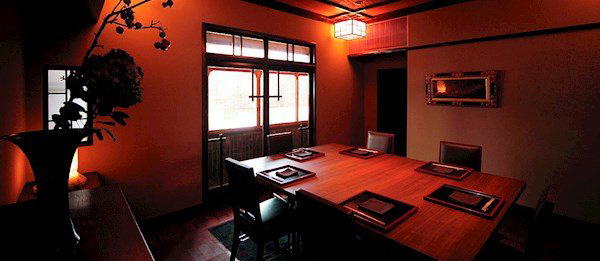
Bars in Kyoto
All bars in Kyoto →
Hotels in Kyoto
All hotels in Kyoto →
Wineries in Kyoto
Browse all →
Details
- Intimate
- Elegant
- Classic
- Sophisticated
- Special Occasion
- Chefs Counter
- Sake Program
- Local Sourcing
- Counter Dining
- Sake
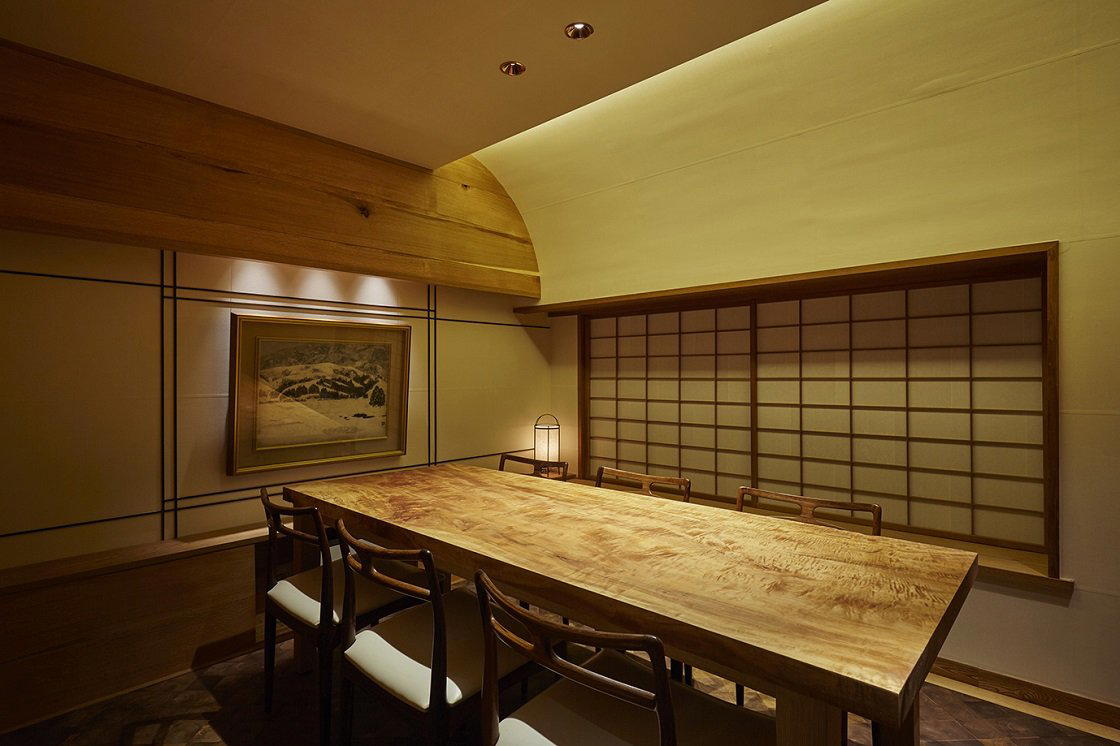
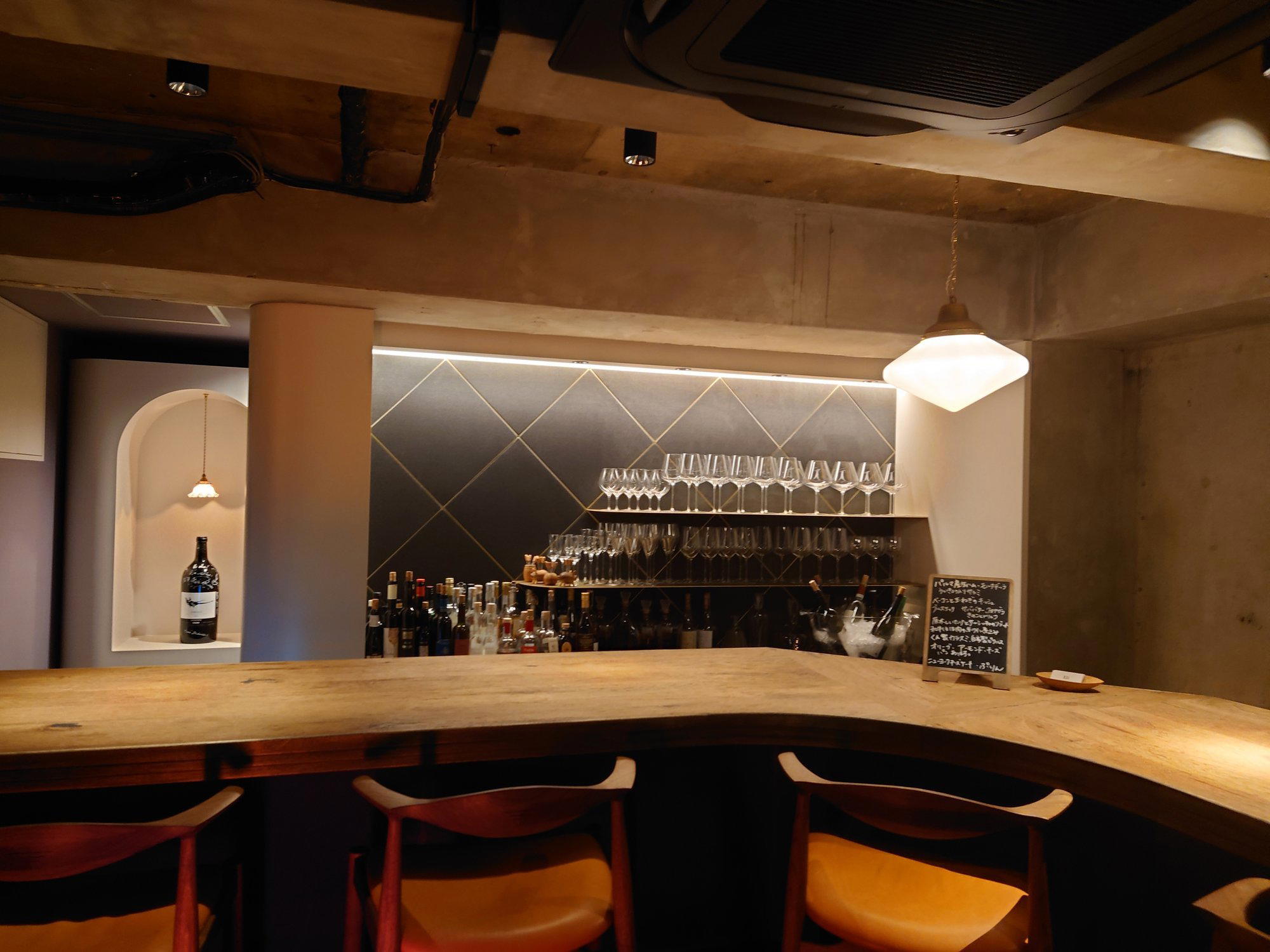
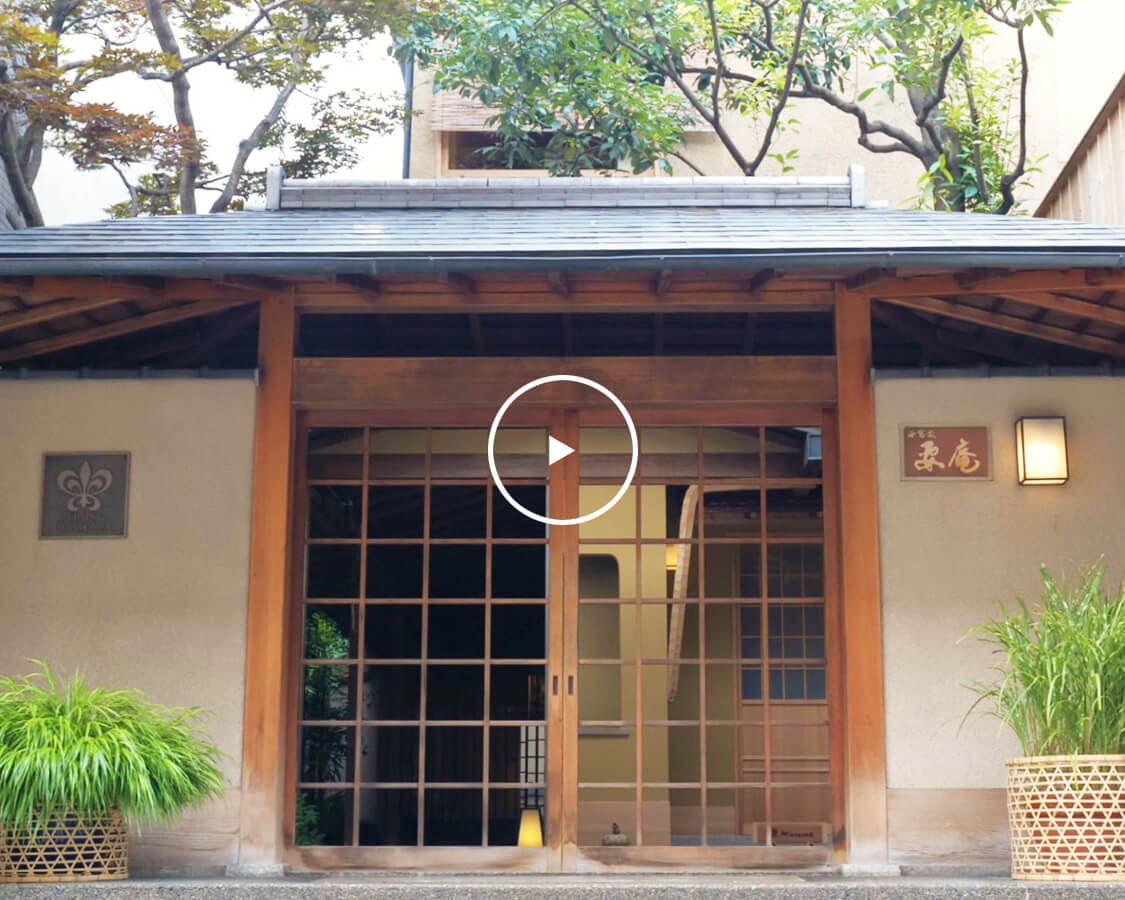
Low lighting with shoji-filtered light, hinoki wood counter, traditional Japanese style creating a warm, quiet, and intimate atmosphere focused on the food and conversation.