Tabelog 100 #46
Our verdict
Kappo MAKINO belongs to Tokyo’s higher-end izakaya tradition, where the room, the drinking program, and fish-led cooking matter as much as formality. Its recognition in Tabelog’s Izakaya EAST 100 for 2025, plus earlier selections, puts it in a category above casual station drinking, closer to a polished kappo-minded tavern than a quick after-work stop.

Pearl is the En Primeur Club membership app, where members save venues, book tables and use the concierge.
The menu
What to order
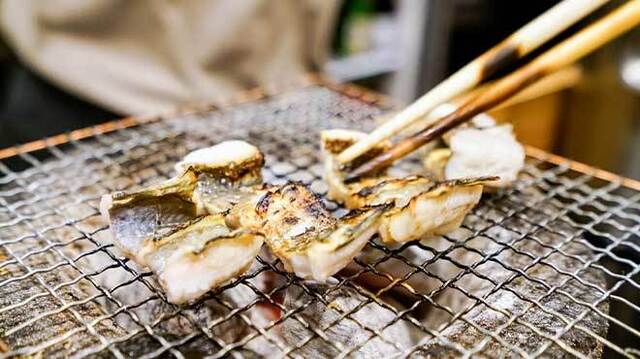
- Dancing Anago (live conger eel)
- Fresh octopus dishes
Tokyo has a dining register apart from the city’s neon shorthand: quieter, more local in feel, with compact rooms and dinners that are not staged only for transit crowds. Here, Kappo MAKINO fits a Tokyo type that can be misread from abroad: not a single-purpose quick stop, and not defined by visible luxury cues, but a Japanese tavern whose public category sits between izakaya and Japanese cuisine.
That middle ground matters because Tokyo izakaya culture is not one category. One end is fast, low-ticket dining built around speed, beer, and turnover; another is composed tavern cooking where ingredients, seating, and pacing can feel closer to restaurant craft. This listed dinner band sits above many casual meals and places Kappo MAKINO in a more deliberate evening category. The comparison is useful: this is not a quick bowl or snack stop, but an evening-room choice, with spending and time to match.
A Tokyo izakaya room with kappo manners
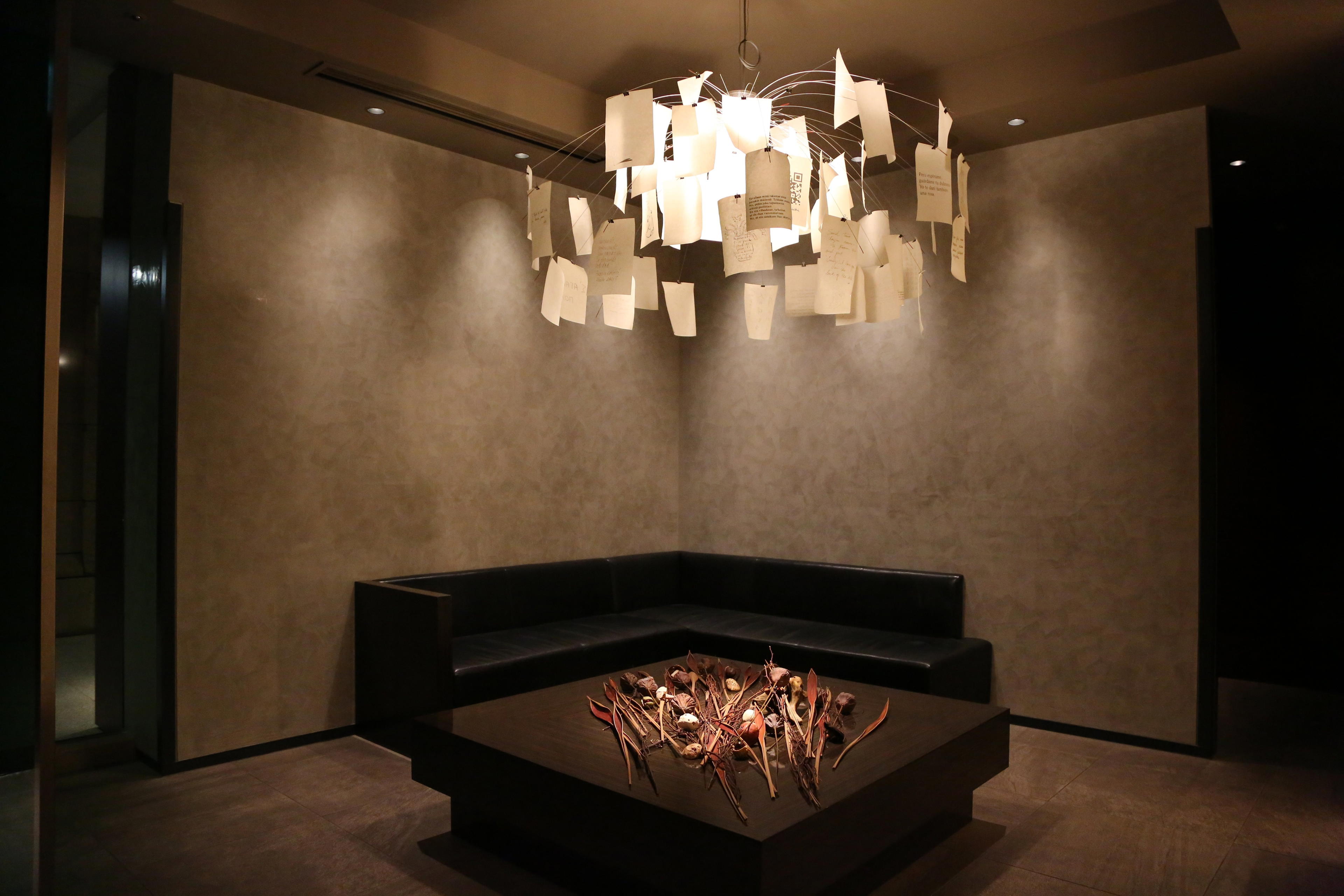
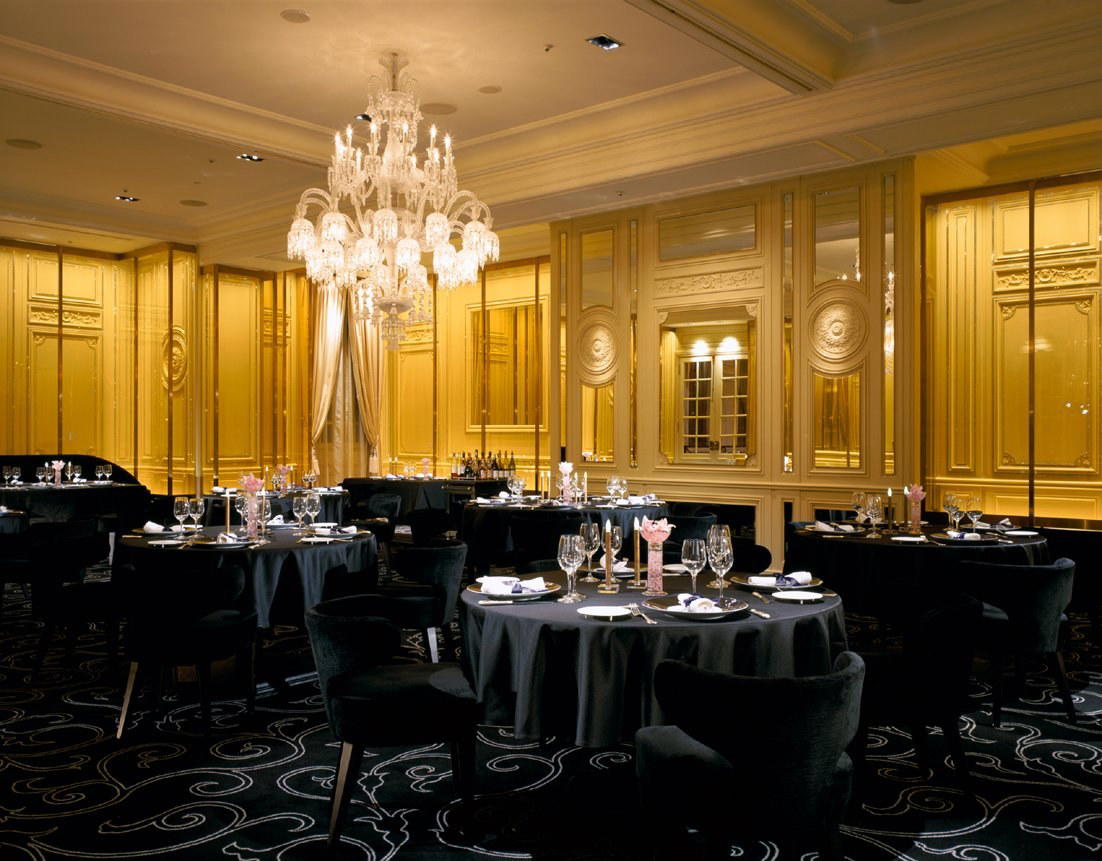
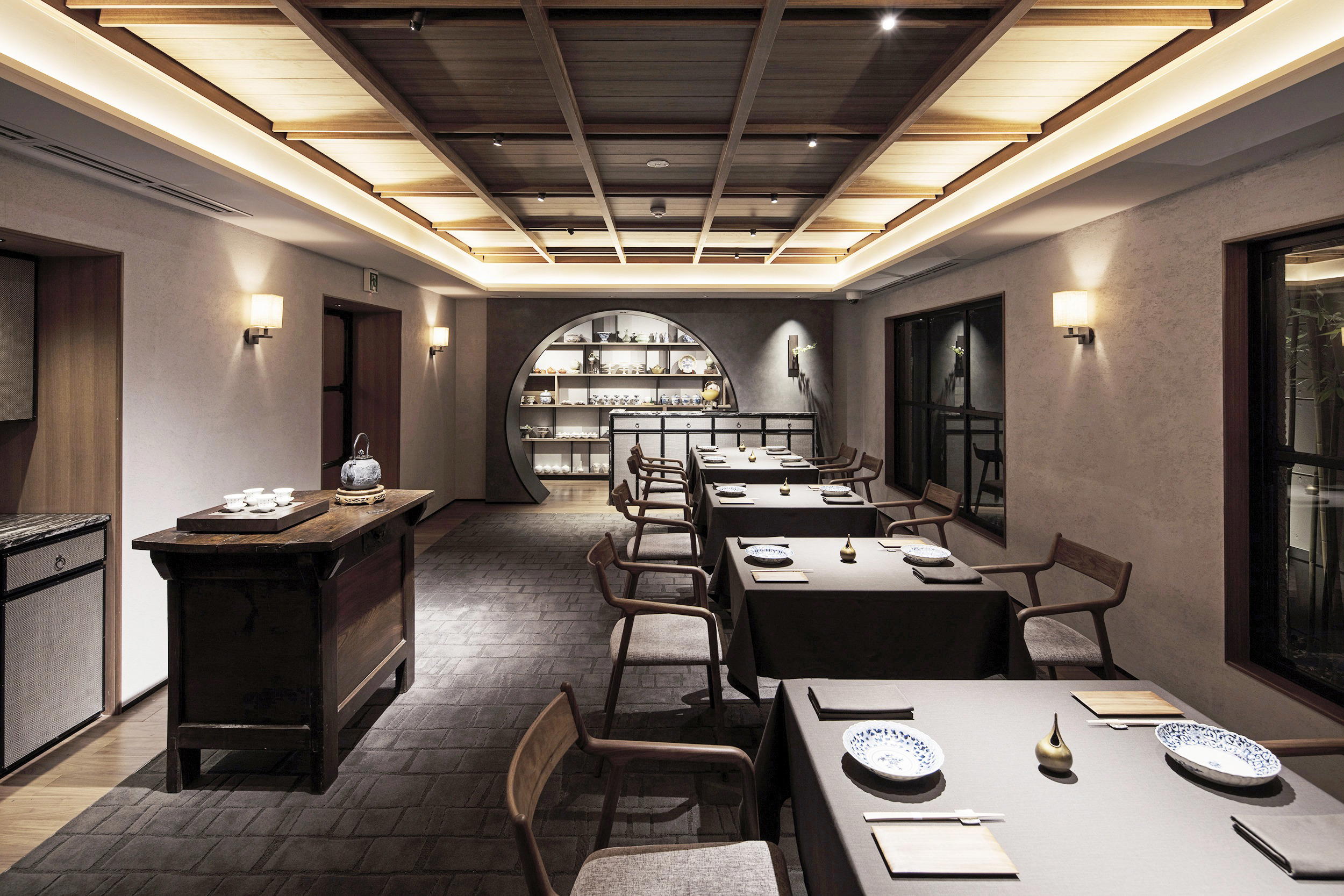
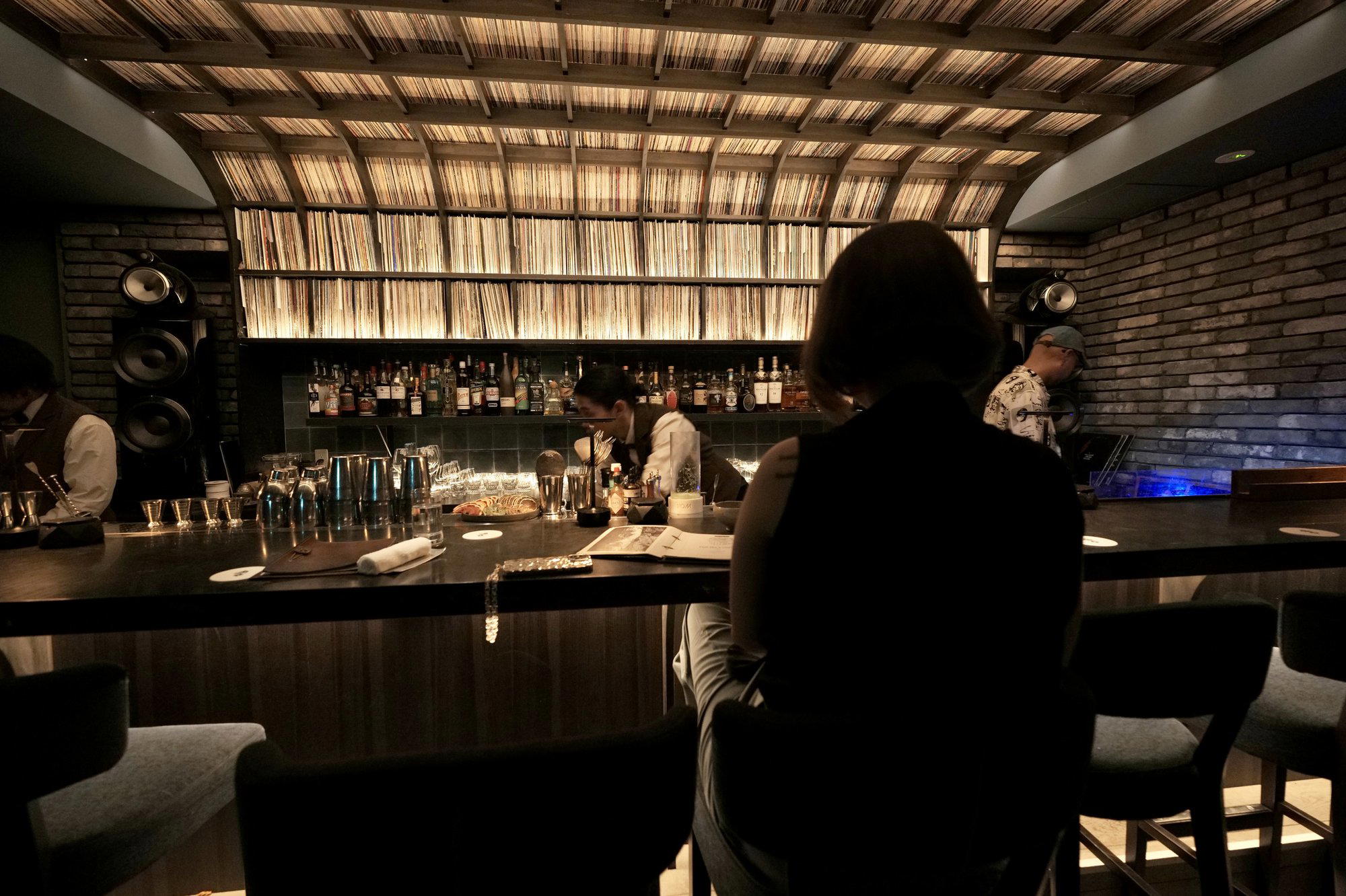
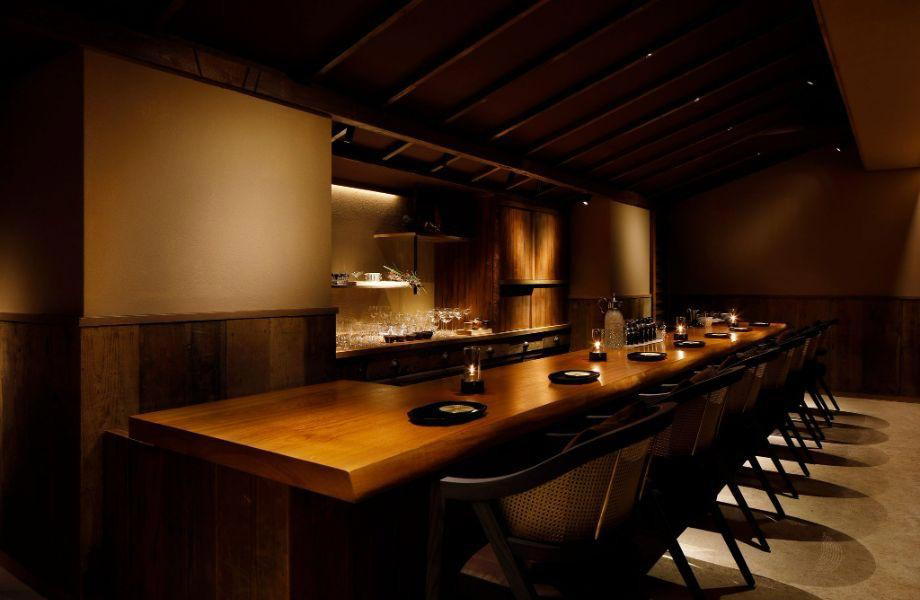
The design story should be read as containment rather than spectacle. Kappo MAKINO is best understood as a Tokyo dinner room where the appeal is less about performance and more about the shape of the evening. In the city, some restaurants create theatre through a counter; tavern-style rooms create duration. For diners, that distinction matters: the pleasure is in settling into the meal rather than treating it as a short pre-train pause.
The kappo signal matters, but it should not be overdefined beyond the available record. Broadly, the term suggests Japanese cooking with more craft and seasonal attention than a generic drinking spot, while remaining less ceremonial than a formal multi-course format. In an izakaya setting, that gives the meal a clearer center. Kappo MAKINO’s listed categories are Izakaya and Japanese Cuisine, a pairing that explains why it belongs in a more considered Tokyo dining plan rather than only in a casual bar crawl.
Recognition separates signal from noise. Kappo MAKINO is listed in the 2025 Tabelog Hyakumeiten context, with a Tabelog score of 3.65 and a dinner budget shown at JPY 8,000 - JPY 9,999. Tabelog rewards a different consensus from international awards: local repeat scrutiny, category literacy, and tolerance for small gradations. A 3.65 score in this context suggests a room being judged within a crowded, detail-sensitive field rather than relying on novelty.
Food, drink, and format: the category is the argument
Tokyo’s serious izakaya rooms are often judged by how coherently food and drink speak, even when the public record does not spell out every detail of the menu. Beer can start an evening in this category, but the deeper test is whether the cooking and pacing support a full dinner rather than a sequence of disconnected snacks. At Kappo MAKINO, the available information supports reading the restaurant through its Izakaya and Japanese Cuisine categories, with pricing that frames it as a composed dinner rather than a low-ticket stop.
The useful anchor is not nostalgia or a dramatic backstory, but category clarity. Tokyo has many long-running and locally loved dining rooms; longevity alone does not make dinner persuasive. More relevant is whether a restaurant gives visitors a reason to choose it over unnamed alternatives in the same city. Kappo MAKINO’s combination of Japanese tavern identity, listed recognition, and mid-to-upper dinner budget makes the case for diners who want depth without turning the evening into a formal tasting-menu exercise.
The physical format also shapes expectations, even when specifics should be checked directly before booking. Diners choosing this style should want a polished Japanese tavern experience rather than a chef’s-counter performance. That can make it especially useful in a Tokyo dining week: it can sit between a highly focused specialist meal on one night and a more casual stop on another. The appeal is in balance, not spectacle.
How it fits into a Tokyo itinerary
For visitors, the strategic value is category. Tokyo can tempt travelers into planning only around famous districts, high-profile counters, or international-award shorthand. Kappo MAKINO offers another route: a Japanese tavern choice with a recognized local guide signal and a clearly stated dinner price band. It works best when the evening calls for Japanese cooking in Tokyo without making the reservation feel like a maximalist event.
Practical details should be confirmed directly with the restaurant before committing, especially because opening hours, payment rules, and booking conditions can change. The reliable public facts here are narrower: Kappo MAKINO is in Tokyo, its phone number is listed as +81-3-3471-3797, its categories are Izakaya and Japanese Cuisine, and its dinner budget is JPY 8,000 - JPY 9,999. Treat it as a planned dinner rather than an improvised stop.
As an editorial pick, Kappo MAKINO is strongest for diners who want Tokyo’s izakaya tradition at a more composed level: Japanese tavern cooking, a serious enough price band to imply a proper evening, and a recognition record that gives it local-guide credibility. It is less suited to anyone chasing visible luxury cues or the performative intimacy of a tiny counter. The appeal is quieter and more local: a Tokyo address where category, budget, and Tabelog recognition point to mature tavern culture.
For broader planning, use Our full Tokyo restaurants guide alongside contrasting Tokyo entries such as Rebanira ya Kintaro Toukyou shucchoujo, Ichou no Ki, Chuka Soba Waka TOKYO, Oniyanma Higashishinagawa ten, and Unagi Marutomi. Tokyo planning rarely stops at restaurants, so companion guides for Tokyo hotels, Tokyo bars, Tokyo wineries, and Tokyo experiences can frame the rest of the trip. For Japan and beyond, compare the editorial range with other dining guides in major cities, while keeping Kappo MAKINO’s specific role clear: a Tokyo izakaya and Japanese cuisine entry with 2025 Tabelog Hyakumeiten recognition.
Frequently asked questions
What are the opening hours for Kappo MAKINO?
Opening hours for Kappo MAKINO should be confirmed directly with the restaurant before visiting.
Is Kappo MAKINO more mid-range or high-end?
Pricing at Kappo MAKINO is listed as JPY 8,000 - JPY 9,999 for dinner.
Where exactly is Kappo MAKINO?
Tokyo.
What is Kappo MAKINO known for?
Kappo MAKINO is listed in Tokyo under Izakaya and Japanese Cuisine, with 2025 Tabelog Hyakumeiten recognition and a Tabelog score of 3.65.
Side-by-Side Snapshot
Comparable venues by cuisine and category.
| Venue | Cuisine | Price | Awards | Notes |
|---|---|---|---|---|
| Kappo MAKINOThis venue (the venue you are viewing) | Traditional Japanese Izakaya & Kappo Seafood | $50–100 | Tabelog 100 #46 | Not listed |
| モリ | Traditional Japanese Cuisine | $50–100 | Not listed | Shibuya |
| Hantei | Traditional Japanese Kushiage | $50–100 | Not listed | Chiyoda |
| Esaki | Modern Japanese Kaiseki | $50–100 | Not listed | Shinjuku |
| Shiki no Aji Fujiyoshi | Seasonal Japanese Izakaya | $50–100 | Tabelog 100 #2 | Sumida |
| Asakusa Juroku | Seasonal Soba-Kappo & Sushi | $30–50 | Tabelog 100 #68 | Taitō |
Recognition history
Dated appearances from independent guides and award organizations, with the underlying list record or original source where available.
Tabelog 100 #46 · No. 46
Tabelog · Tabelog 100 - Izakaya - EAST - 2025