
Tabelog 100 #2
Our verdict
Shiki no Aji Fujiyoshi belongs to Tokyo’s more serious izakaya tier, where the drinking format carries kappo discipline rather than casual tavern looseness. Its Tabelog 100 Izakaya EAST selections in 2024 and 2025 place it among a narrower set of reservation-led counters and private-room restaurants in eastern Tokyo.

Pearl is the En Primeur Club membership app, where members save venues, book tables and use the concierge.
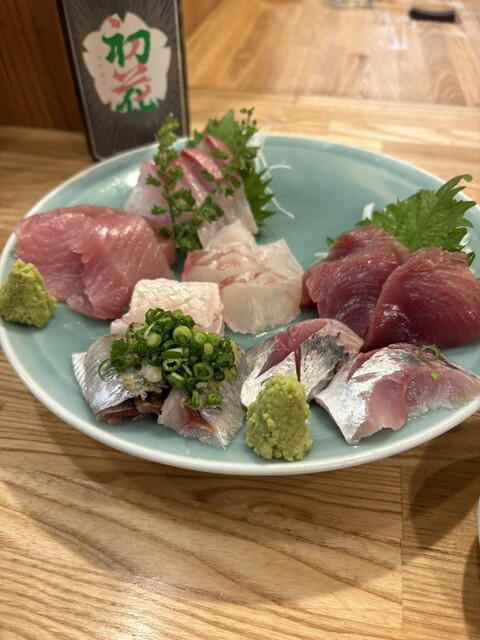
The menu
What to order
- Seasonal nimono (simmered dishes)
- Seafood-focused daily specials
Tokyo changes register after dark: daytime traffic thins, office workers move toward counter seats, and the city’s appetite for casual-but-serious drinking meals comes into focus. In that setting, Shiki no Aji Fujiyoshi belongs to a Tokyo category outsiders often flatten: the serious izakaya. Not just a quick-drink stop, it sits in the more measured end of the format, where pacing, discretion, and the drink table carry equal weight.
That matters because Tokyo’s izakaya scene has split into price and ambition bands. Alongside comparable names such as Kameido Gyoza Ryougoku shiten, Edosoba Hosokawa, Teuchi Ren, Hasegawa, and chuukaryouri tokutake, Fujiyoshi occupies a more planned lane, with dinner in the JPY 10,000 to JPY 14,999 bracket and Tabelog Hyakumeiten recognition in 2025. The decision is less “quick local dinner” than “planned Tokyo drinking meal.”
A Tokyo izakaya where the drink table sets the pace
The useful way to understand an upper-tier izakaya is not to ask whether it behaves like a restaurant or a bar. It does both, but unlike a tasting-menu room, food supports the cadence of drinking, and drinking shapes the meal. In Tokyo, that often means the beverage side is treated as part of the meal’s structure rather than as an afterthought. The point is less about trophy labels than whether the house can keep pace with a long evening.
Fujiyoshi’s public category is izakaya, and that is the most reliable way to frame it. The format explains the tone: a meal built around conversation, ordering rhythm, and a table that can move between lighter and more substantial plates without forcing a formal script. For readers used to varied dining cultures abroad, the closer comparison is a compact dining room where beverage focus and food pacing are part of the same grammar.
The absence of a widely advertised celebrity figure or named beverage programme should not be mistaken for a lack of seriousness. In Japan, especially in izakaya rooms, drink expertise often appears through disciplined selection rather than résumé display. The question is whether the format gives beverages structural importance. Here, the category, budget, and recognition signal measured pacing rather than simple turnover.
Why Tabelog recognition matters more in izakaya than in luxury dining
Michelin has trained international travellers to look for stars first, but izakaya excellence is harder to capture that way. Tabelog’s Hyakumeiten lists help because they separate genres that international guides can compress into broader restaurant categories. A Tabelog Hyakumeiten selection reads Fujiyoshi within its own dining culture, not against sushi counters, kaiseki rooms, ramen shops, or French tasting menus. That precision is valuable.
The 2025 recognition suggests a level of visibility in a field where popularity alone is not enough. Izakaya culture is intensely local, and Tokyo diners are unsentimental about rooms that lose rhythm. A 3.72 Tabelog score is meaningful in Japan, where ratings cluster lower than on many Western platforms. The number is less a universal grade than a local signal: diners familiar with Tabelog will read it as serious, especially with Hyakumeiten recognition.
Tokyo also gives the meal a different charge from more visitor-facing dining districts. The city’s mix of residential routines, office dinners, and destination eating creates a setting where an izakaya has to function for people who know the difference between a drink list that shapes the evening and one that merely fills space. That context is part of the appeal.
How to place it within a Tokyo dining itinerary
Fujiyoshi suits travellers who understand Tokyo’s dining hierarchy is not a ladder with sushi and kaiseki at the summit. The serious izakaya tradition belongs beside them, especially for diners interested in how alcohol and small-format service interact. It also counters the precision of specialist counters, the speed of casual rooms, and the single-focus logic of other Tokyo dining formats. In one itinerary, compare it with other Tokyo dining rooms rather than treating it as a substitute for every famous category.
The wider Tokyo map rewards category contrast. Other drinking formats have different energy from a more measured izakaya meal, while lighter daytime stops serve another purpose. For planning, Our full Tokyo restaurants guide is the anchor, with Our full Tokyo bars guide for post-dinner drinking, Our full Tokyo hotels guide for where to base the trip, Our full Tokyo experiences guide for cultural pacing, and Our full Tokyo wineries guide for readers tracking Japan’s wider beverage conversation.
Across Japan and beyond, the comparison sharpens when kept broad. Specialist meals, café stops, regional casual rooms, and overseas Japanese-inspired venues all show how specific dining formats can be. The point is not to stack unrelated names, but to understand how drink culture and food format become inseparable when the meal is built correctly.
The critical case for Fujiyoshi is not spectacle, but category literacy. It gives Tokyo visitors a route into the adult izakaya tradition: a drinking rhythm that matters, a serious dinner budget, and recognition enough to justify planning around it. For diners who have done the obvious sushi counter and ramen queue, this is the more instructive reservation.
Accolades, Compared
Comparable venues side-by-side for orientation.
| Venue | Cuisine | Price | Awards | Notes |
|---|---|---|---|---|
| Shiki no Aji FujiyoshiThis venue (the venue you are viewing) | Seasonal Japanese Izakaya | $50–100 | Tabelog 100 #2 | Not listed |
| Arakawa (Kyoto) | Traditional Kyoto yakiniku (Japanese BBQ) | Not listed | Not listed | Nakagyo Ward / Kawaramachi |
| BLESS | Yakitori | $50–100 | Tabelog 100 #93 | Kōtō |
| 鷹匠 寿 | japanese | Not listed | Not listed | Taitō |
| Soba Kaiseki Tsukiji Bunkajin Kaza | Soba kaiseki with seasonal course menus | $50–100 | Tabelog 100 #15 | Chūō |
| Ginza Maru | Modern Japanese Kappō & Kaiseki | $50–100 | Not listed | Chūō |
Recognition history
Dated appearances from independent guides and award organizations, with the underlying list record or original source where available.
Tabelog 100 #2 · No. 2
Tabelog · Tabelog 100 - Izakaya - EAST - 2025
Continue exploring
More in Tokyo
Restaurants in Tokyo
All restaurants in Tokyo →

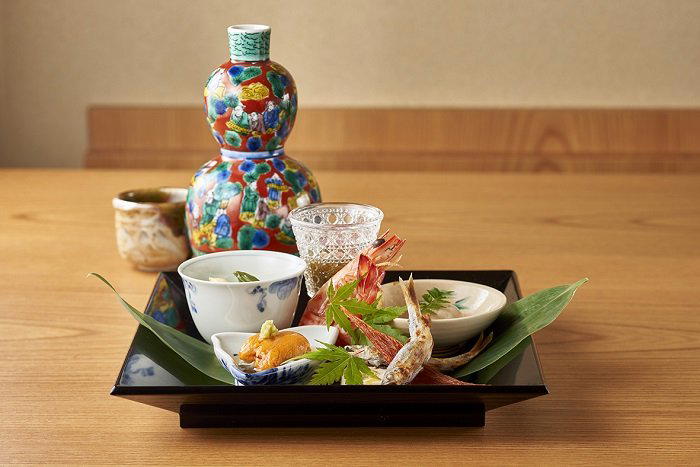

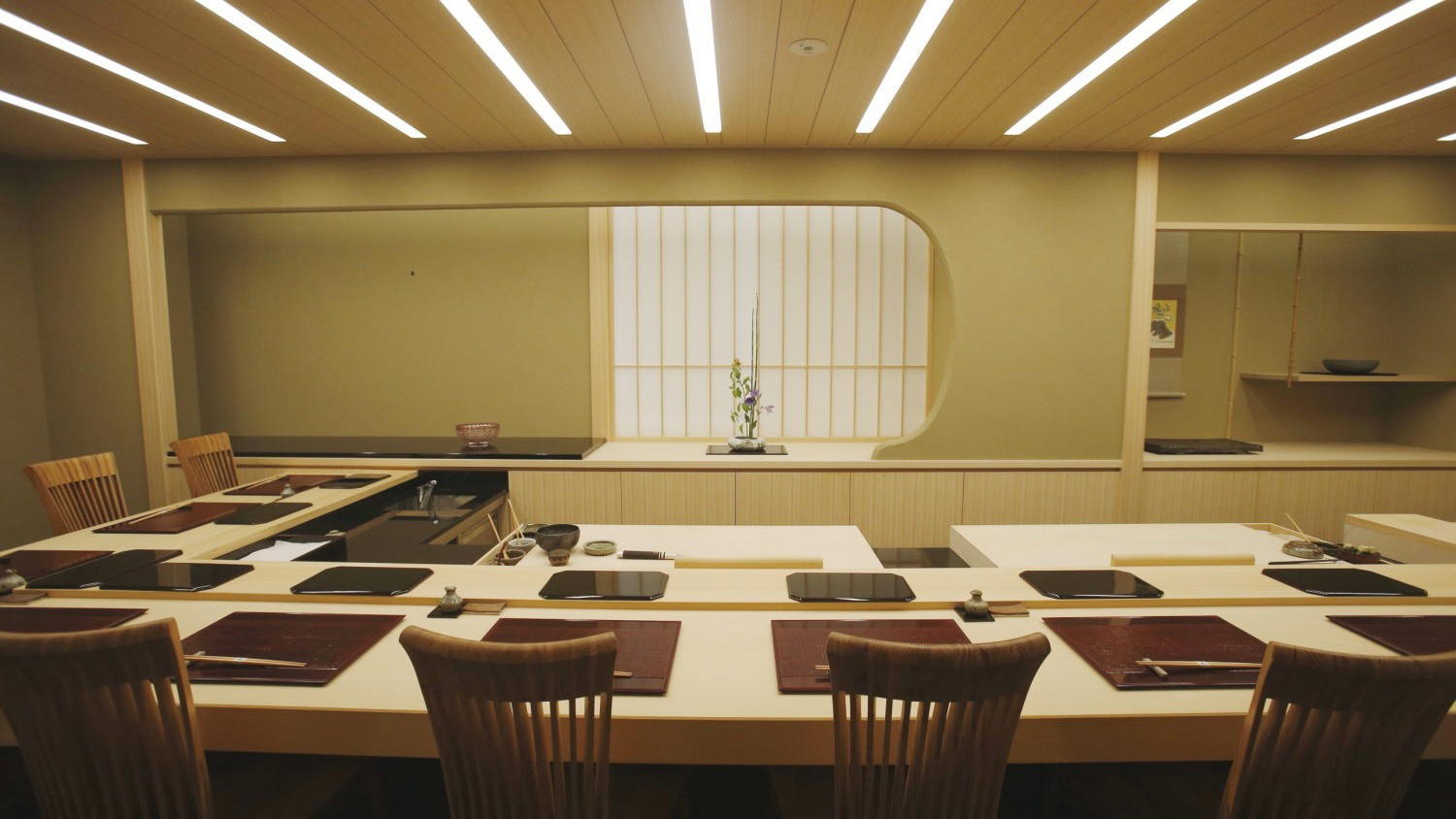




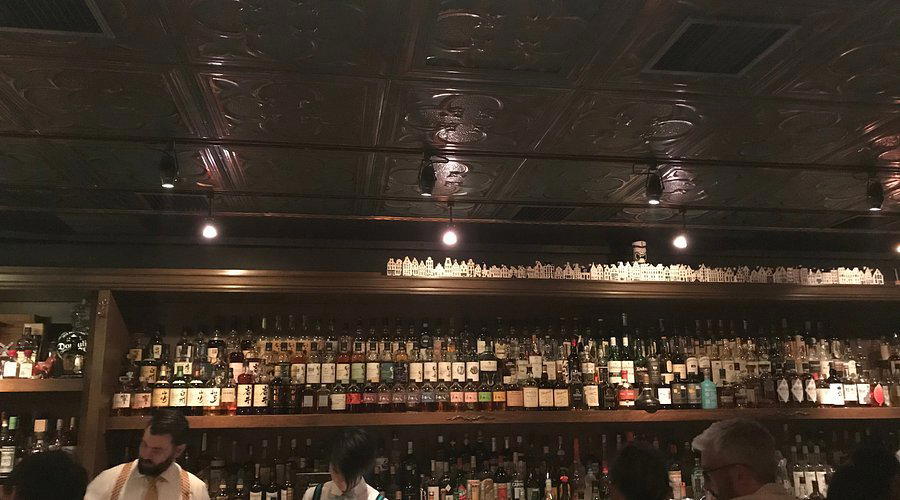



Details
- Classic
- Cozy
- Intimate
- Solo
- Date Night
- After Work
- Business Dinner
- Private Dining
- Standalone
- Sake Program
- A La Carte
- Counter Dining
- Sake
- Beer
Current opening hours
- Monday
- 5–10:30 PM
- Tuesday
- 5–10:30 PM
- Wednesday
- 5–10:30 PM
- Thursday
- 5–10:30 PM
- Friday
- 5–10:30 PM
- Saturday
- 5–10:30 PM
- Sunday
- Closed
Hours can change for holidays and private events. Hours as of .
A small, classic Japanese izakaya with counter seating and a calm, reserved atmosphere suited to solo diners and small groups, emphasizing quiet conversation and focused appreciation of seasonal dishes.