


Michelin Plate · Guía Repsol 2 Soles
Our verdict
In Chamberí, Kappo runs a twelve-seat counter devoted entirely to omakase, where Chef Tiago Penão works through a single tasting format rooted in Japanese kappo tradition and genuine omotenashi hospitality. Two sittings per evening and advance booking reflect the format's intimacy and demand. For Madrid diners accustomed to the city's dominant creative-Spanish register, this counter operates on a different frequency.

Pearl is the En Primeur Club membership app, where members save venues, book tables and use the concierge.
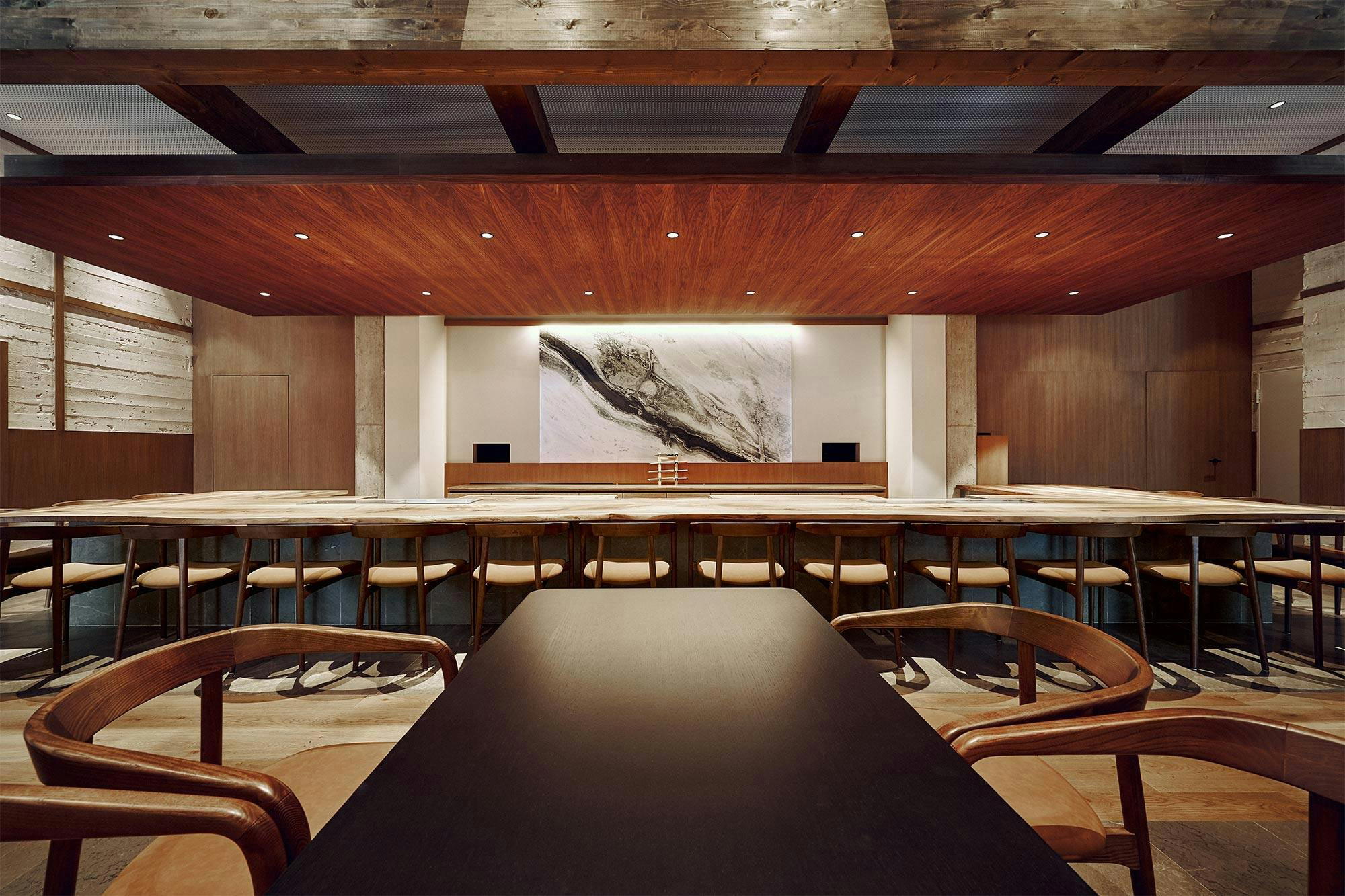
A Counter Format That Demands Attention
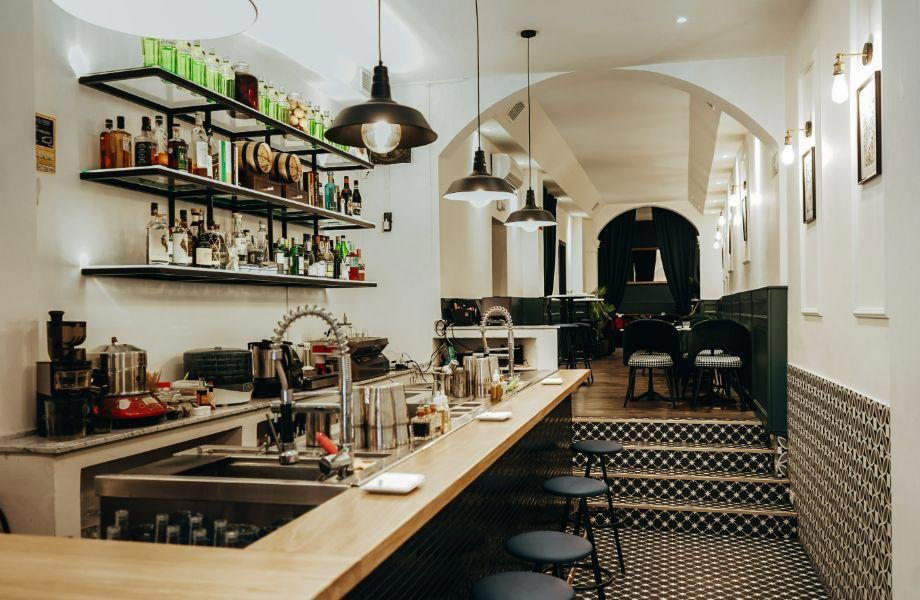
Chamberí is one of Madrid's more composed residential neighbourhoods, its tree-lined streets a deliberate step away from the tourist-facing intensity of the centre. On Calle de Bretón de los Herreros, the city's appetite for Japanese-influenced dining has produced something unusual: a twelve-seat kappo counter that runs on omakase terms, guided by omotenashi principles, in a room that reads more Tokyo than Lavapiés. The ambience is described as intimate and elegant after a recent refurbishment, and the physical arrangement of counter seating around the chef is itself a signal about what matters here. Sight lines are tight. The kitchen is the room. There is no separation between preparation and consumption, which is precisely the point of the kappo format.
What Kappo Actually Means in Practice
The word kappo translates as "cut and cook," and as a format it predates the omakase counters that have proliferated across European capital cities over the past decade. Where many high-end Japanese experiences in European cities operate as sushi-only counters or as reworked French tasting menus dressed in Japanese aesthetics, the kappo tradition is broader in technique and more interactive in spirit. The chef works in view, course decisions adapt to the room's mood and to the quality of products arriving that week, and the hospitality code, omotenashi, demands genuine attentiveness rather than scripted service. That framing matters when reading Kappo's proposition. This is not a sushi counter with theatrical presentation, nor a fusion restaurant borrowing Japanese vocabulary for branding purposes. The twelve-seat format and the single omakase menu signal genuine fidelity to the source material.
Chef Tiago Penão's position at the counter reinforces the format's logic. His approach, described as fusing traditional and contemporary through precise, well-conceived dishes, sits within a broader European pattern of chefs trained in or deeply immersed in Japanese technique who have opened intimate counter restaurants in cities where that format was previously absent or superficial. The credential is less about individual biography and more about what that training signals: discipline in product sourcing, restraint in seasoning, and a sequencing instinct that drives the omakase structure forward without repeating itself.
The Sensory Register Inside the Room
Twelve seats is a number worth holding onto. At that scale, the room operates closer to a private dining format than a conventional restaurant. Sound levels stay low. The counter arrangement means that the sounds of preparation, the rhythm of knife work, and the movement of the team are present without being intrusive. Ceramic and lacquerware, common instruments in kappo service, absorb and soften the environment rather than amplify it. The recent refurbishment at Kappo has sharpened the visual coherence of the room, and an intimate ambience in a twelve-seat counter is not a passive observation but a structural outcome of the format itself.
The sensory argument for this kind of venue is different from what Madrid's dominant creative-Spanish restaurants offer. At DiverXO, the stimulus is deliberately maximalist, a three-Michelin-star environment built around sensory provocation. At Coque or Deessa, the architecture of the meal is expansive, multi-room, and designed for ceremony. Kappo operates with none of that apparatus. The counter format compresses the experience into something more focused, and the omotenashi service code asks the team to read and respond to each diner individually rather than execute a choreographed sequence uniformly across the room.
Madrid's Japanese Counter Tier in Context
Madrid's high-end restaurant scene has been predominantly occupied by Spanish and Spanish-influenced cooking. The city's Michelin-starred addresses, from DSTAgE to Paco Roncero, draw on Iberian product and creative-Spanish frameworks. Japanese counter dining has grown as a separate tier, serving a segment of the market that has become fluent in omakase formats through travel to Tokyo, New York, or London, and now expects that standard at home. The benchmark in that context is set not just by local peers but by counters operating at the level of Atomix in New York, where Korean fine dining runs on similar counter principles, or the multi-technique precision of Le Bernardin in its handling of Japanese-influenced seafood work.
Within Spain more broadly, the reference points for precision-led tasting formats are scattered across geographies: El Celler de Can Roca in Girona, Arzak in San Sebastián, Azurmendi in Larrabetzu, Martin Berasategui in Lasarte-Oria, Cocina Hermanos Torres in Barcelona, and Aponiente in El Puerto de Santa María. All are Spanish in DNA. Kappo occupies a different niche within the same premium tier: a counter format with Japanese structural logic, located in a capital city that is only recently developing the density of omakase venues to sustain a specialist reputation in the category.
Planning Your Visit
Kappo is located at Calle de Bretón de los Herreros, 44, in the Chamberí district of Madrid (28003). The two-sitting format means tables are fixed and advance booking is advised. Twelve covers across two sittings is a small nightly capacity, and interest in the format in Madrid has grown faster than the number of venues offering it at this level. Plan ahead by several weeks, particularly for weekend dates. For more on where Kappo sits within Madrid's broader dining scene, see our full Madrid restaurants guide. If you are building a broader trip around the city, our Madrid hotels guide, bars guide, wineries guide, and experiences guide cover the wider picture.
Frequently asked questions
Is Kappo award-winning?
Kappo has received recognition including: "Cut and cook" is the meaning of the Japanese term that gives this recently refurbished establishment its name, an address that surprises with its elegance and intimate ambience. At the helm of the knife is Chef Tiago Penão, whose mastery o….
Where do I go for Kappo?
Kappo is located at Calle de Bretón de los Herreros, 44, Chamberí, 28003 Madrid, Spain, Madrid.
What do regulars order at Kappo?
There is no ordering at Kappo. The format is a single omakase menu, meaning every diner at the twelve-seat counter receives the same sequenced progression on a given evening. Chef Tiago Penão determines the menu, so the question is less about selection and more about timing, what you eat depends on when you book.
How hard is it to get a table at Kappo?
With twelve seats and two sittings per evening, the total nightly capacity sits at twenty-four covers. That is a narrow number for a city of Madrid's size, and demand for omakase-format dining in the capital has grown noticeably in recent years. Advance booking is directly advised by the venue itself, so treat a reservation as a planning item rather than a walk-in possibility.
What's the defining dish or idea at Kappo?
The format is the argument. Kappo as a tradition places the chef's knife work and live cooking technique at the centre of the experience rather than a fixed signature plate. At Calle de Bretón de los Herreros, 44, that translates to Chef Tiago Penão working directly in front of twelve diners, with Omotenashi, the Japanese principle of attentive, anticipatory hospitality, running as an explicit part of the service ethos.
Is Kappo allergy-friendly?
Omakase counters at this scale typically handle dietary requirements on a case-by-case basis, communicated at the time of booking rather than through a published menu. Given that Kappo runs a pre-set sequence with no à la carte alternative, flagging allergies or restrictions early is practical rather than optional. check the venue's official channels when reserving.
Comparable Options
Comparable venues nearby, for context on price, style, and recognition.
| Venue | Cuisine | Price | Awards | Notes |
|---|---|---|---|---|
| KappoThis venue (the venue you are viewing) | Modern Japanese Omakase | $100–150 | Michelin Plate · Guía Repsol 2 Soles | Not listed |
| Tora | Modern Japanese Omakase with Mediterranean Influences | $50–100 | Michelin Plate · Macarfi 7.3 Food Rating | Castellana |
| TA-KUMI | Modern Japanese Sushi | $50–100 | Michelin Plate · Macarfi 7.6 Food Rating | Castellana |
| Umiko | Japanese Fusion | $100–150 | Michelin Plate | Cortes |
| Pilar Akaneya | Sumibiyaki Japanese Barbecue | $100–150 | Michelin Plate · Falstaff Restaurant - 92 Falstaff Points | Rios Rosas |
| Hotaru Madrid | Contemporary Japanese Sushi Bar | $100–150 | Michelin Plate · Macarfi 7.6 Food Rating | Recoletos |
Recognition history
Dated appearances from independent guides and award organizations, with the underlying list record or original source where available.
Michelin Plate
Michelin
Guía Repsol 2 Soles
Guía Repsol
Opinionated About Dining Top Restaurants in Europe Recommended
Opinionated About Dining
Continue exploring
More in Madrid
Restaurants in Madrid
All restaurants in Madrid →
Bars in Madrid
All bars in Madrid →

Details
- Modern
- Elegant
- Intimate
- Sophisticated
- Date Night
- Special Occasion
- Chefs Counter
- Open Kitchen
- Sake Program
- Omakase
- Counter Dining
Current opening hours
- Monday
- Closed
- Tuesday
- 1:30–4 PM, 8:30 PM–12 AM
- Wednesday
- 1:30–4 PM, 8:30 PM–12 AM
- Thursday
- 1:30–4 PM, 8:30 PM–12 AM
- Friday
- 1:30–4 PM, 8:30 PM–12 AM
- Saturday
- 1:30–4 PM, 8:30 PM–12 AM
- Sunday
- Closed
Hours can change for holidays and private events. Hours as of .
Modern and stylish with a chic, intimate atmosphere focused on the bar counter.