Võru sits at Pirita tee 20-1 in Tallinn, positioned along the coastal road that connects the city centre to the Pirita district.
Pearl is the En Primeur Club membership app — saves, bookings, and concierge access live there. Same editors, same standards.
- Address
- Pirita tee 20-1, 12011 Tallinn, Estonia
- Phone
- +37253683900
- Website
- restoranvoru.ee
- Directions
- Get directions
 Saves & bookings on Pearl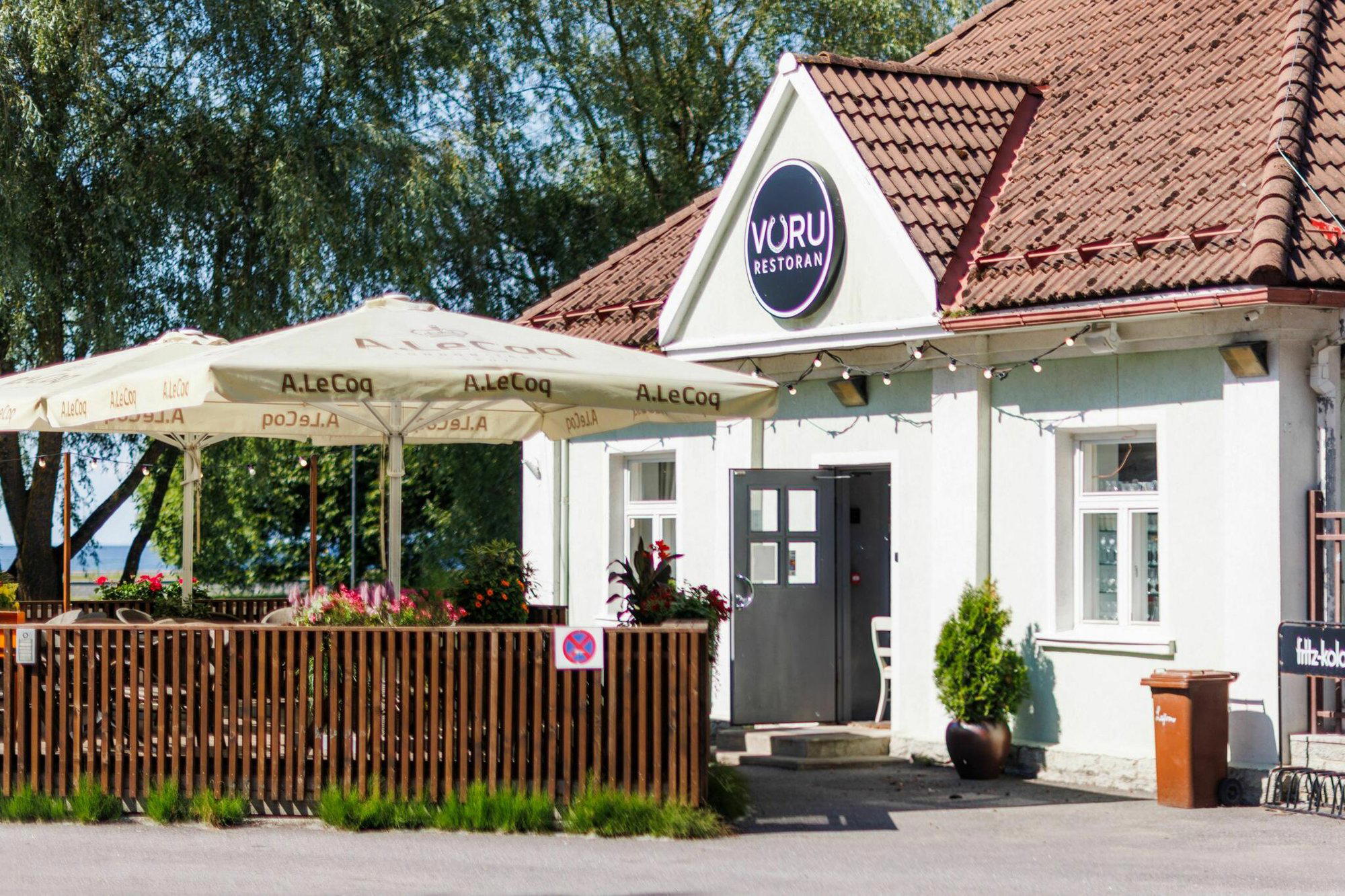
Pirita Road and the Restaurants That Sit Outside the Tourist Circuit
Võru is a restaurant serving Modern Estonian cuisine at Pirita tee 20-1, 12011 Tallinn, Estonia. Tallinn's dining reputation is largely built on its Old Town density, the medieval streets that funnel visitors past amber shops and into restaurants that have learned to balance tourist volume with local credibility. But the Pirita road corridor, which runs northeast from the city centre toward the coastal suburb of Pirita, represents a different kind of dining geography. Addresses along this stretch tend to serve neighbourhoods rather than itineraries, and Võru, registered at Pirita tee 20-1, sits squarely in that pattern. The postcode 12011 places it in the transitional zone between central Tallinn and the quieter, more residential eastern districts, a location that tells you something about the likely clientele before you've looked at a single menu.
In a city where frequently discussed restaurants, NOA Chef's Hall, 180° by Matthias Diether, and 38, operate at the €€€€ tier with tasting menus and international press attention, neighbourhood venues along routes like Pirita tee occupy a structurally different position. They are not competing for the same diner. The comparison set is local regulars, workers from nearby offices, and residents who want a reliable table.
Daytime Tallinn: How Lunch Culture Shapes the City's Quieter Addresses
The lunch-versus-dinner divide in Tallinn shapes how venues along corridors like Pirita tee function across the day. Estonian lunch culture has historically revolved around the päevapraad, the daily lunch special, typically a two-course set at a fixed price that makes weekday midday dining genuinely affordable even at addresses that price more ambitiously in the evening. This format persists across price tiers: at the €€ level occupied by venues like NOA and Bocca, lunch specials function as a loyalty mechanism, drawing in regulars who return for dinner on anniversaries and celebrations.
For a venue at Võru's location, the daytime offer anchors the weekly rhythm of the place. The neighbourhood's residential and light-commercial character means the lunchtime crowd is largely local, a different pressure from the Friday-evening table that might be celebrating something. Evenings along Pirita tee tend to be quieter and more relaxed than Old Town equivalents, with less of the table-turn urgency that defines central Tallinn on a Saturday night. That distinction in pace and purpose is worth holding in mind when choosing when to visit.
Across Estonia's broader dining geography, the lunch-dinner split is equally present outside Tallinn. Venues like Kohvik in Viljandi and Kolm. Restoran in Võru (the town, not this Tallinn venue) show how the café-restaurant format functions across Estonian cities at different scales, with lunch as the primary public meal and dinner reserved for a smaller, more deliberate crowd.
Where Võru Sits in Tallinn's Broader Restaurant Tier Structure
Tallinn's restaurant market has stratified meaningfully over the past decade. At the leading sits a small cluster of destination-dining addresses: NOA Chef's Hall and 180° by Matthias Diether operate creative or fusion tasting formats at €€€€ and attract both international visitors and local fine-dining regulars. One tier below, venues like 180 Degrees Restaurant and Härg (Meats and Grills, €€) offer more accessible price points with defined culinary identities. Below that sits a large and less-documented layer of neighbourhood dining that serves daily needs rather than occasion dining, addresses that rarely appear in press coverage but sustain the actual eating habits of the city's residents.
Võru sits closer to that third tier. Estonian neighbourhood restaurants frequently maintain strong local followings. Wana Kala Kõrts in Neeme and KABE Beach in Kaberneeme are other examples of coastal-adjacent Estonian venues that operate with minimal digital footprint relative to their local standing.
Estonia's Coastal Corridor: Context for Pirita and Its Dining Character
The Pirita district has a specific character within Tallinn that distinguishes it from both the tourist-dense Old Town and the more recently gentrified Kalamaja neighbourhood. Pirita is associated with the 1980 Moscow Olympics sailing events, a marina, and a stretch of coastline that draws Tallinn residents for summer walks and weekend cycling. Restaurants and cafés along the Pirita road corridor have historically served this recreational traffic alongside year-round local residents, which tends to produce venues with a broader, more casual menu range than the specialist kitchens of central Tallinn.
That coastal-recreational context places Võru in an interesting position seasonally. Summer service along this corridor carries a different energy from winter, lighter volumes at midday, longer evenings, and a clientele that has often arrived on foot or by bicycle from the nearby beach. The winter offer, by contrast, tends to be more neighbourhood-anchored, with less foot traffic from passing visitors. This seasonal rhythm is common across Estonian coastal venues: compare the summer orientation of Franzia in Narva-Jõesuu or Valgeranna Veinitall in Audru with their quieter winter operations.
Planning a Visit: What to Know Before You Go
Võru's hours and booking policy are recommended, and the price per person is about $25. Pirita tee 20-1 is reachable from central Tallinn by tram or bus along the coastal route, with journey times typically under twenty minutes. For visitors staying in or near the Old Town who want to explore dining beyond the tourist core, the Pirita corridor is a short and direct trip rather than a meaningful detour.
Given the neighbourhood's character, walk-in availability at lunch is the likely default for this type of address, but dinner on weekends may warrant a call ahead, particularly during summer when the Pirita district sees higher footfall from recreational visitors. For confirmed hours and current menu, contacting the venue directly remains one reliable method.
Those planning to eat well across Estonia more broadly will find the country's dining geography is more varied than its international profile suggests, from Eva Sushi in Tartu to Kohvik Kaar in Narva and Kuur in Vihtra, the country's restaurant scene extends well beyond its capital.
Cuisine and Credentials
Comparable venues nearby, for context on price, style, and recognition.
| Venue | Cuisine | Price | Notes |
|---|---|---|---|
| VõruThis venue — the venue you are viewing | Modern Estonian | $$ | Not listed |
| The Kurze | Authentic Dagestani | $$ | Kopli |
| Margherita Pizzeria & Trattoria | Authentic Neapolitan Pizza & Italian Trattoria | $$ | Old Town |
| Monster Pizza | Italian Sourdough Pizza | $$ | Mustamäe |
| Sushi Guru | Japanese Sushi | $$ | Lasnamäe |
| RØST Bakery | Scandinavian Sourdough Bakery & Specialty Coffee | $$ | Rotermann Quarter |
At a Glance
- Cozy
- Modern
- Lunch
- Dinner
- Terrace
- Waterfront
- Local Sourcing
- Waterfront
Current opening hours
- Monday
- 11 AM–3 PM
- Tuesday
- 11 AM–3 PM, 5–10 PM
- Wednesday
- 11 AM–3 PM, 5–10 PM
- Thursday
- 11 AM–3 PM, 5–10 PM
- Friday
- 11 AM–3 PM, 5–11 PM
- Saturday
- 12–11 PM
- Sunday
- 12–5 PM
Hours can change for holidays and private events. Last verified .
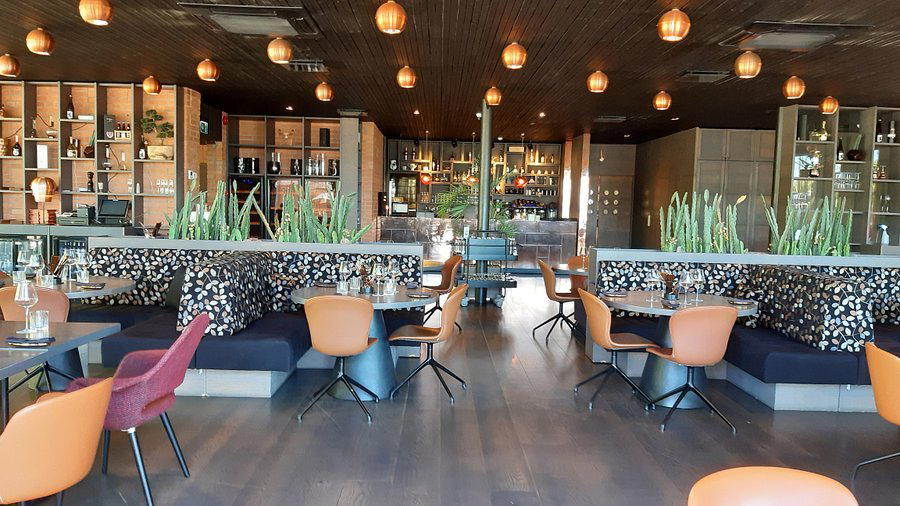
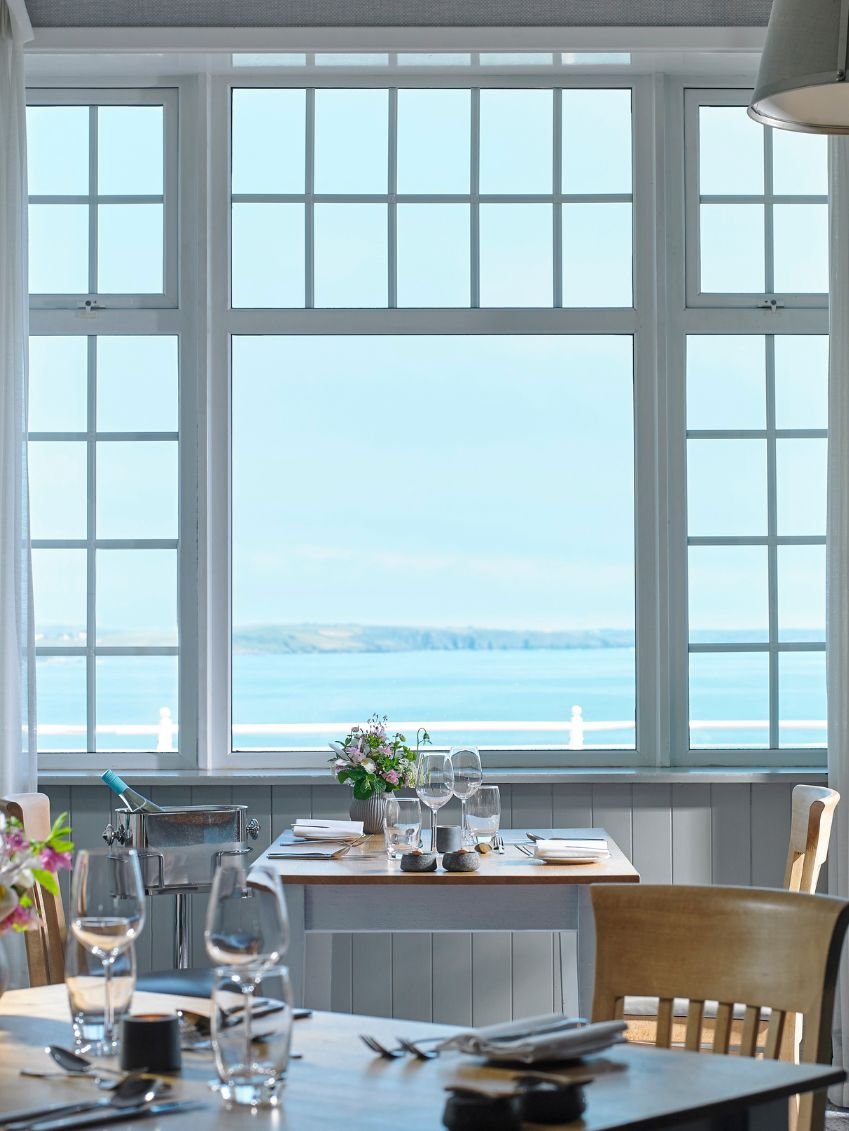
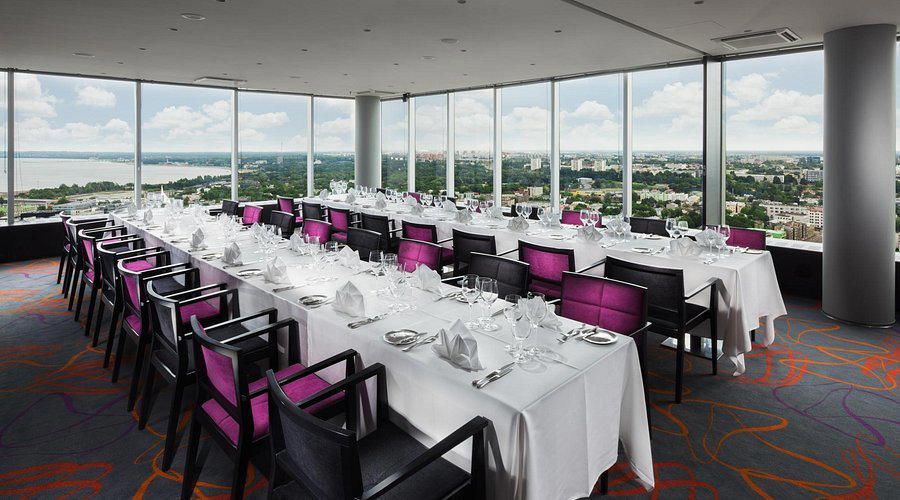
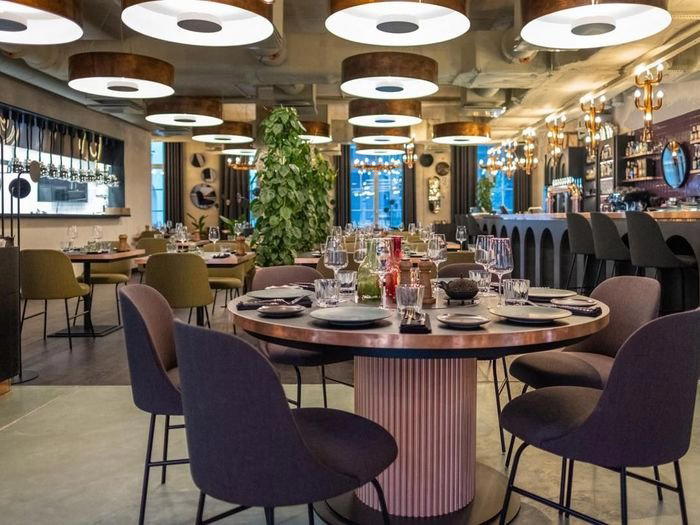
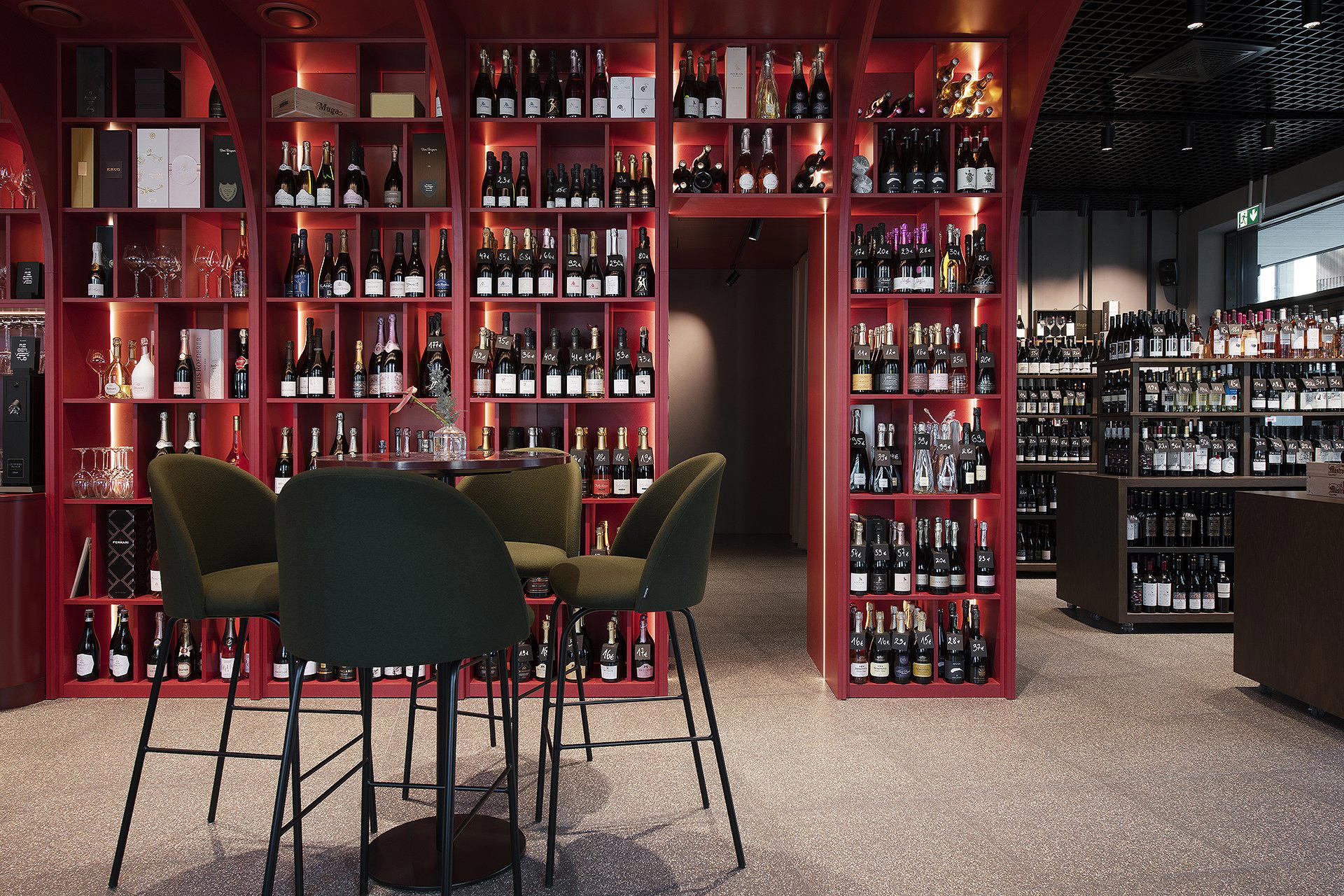
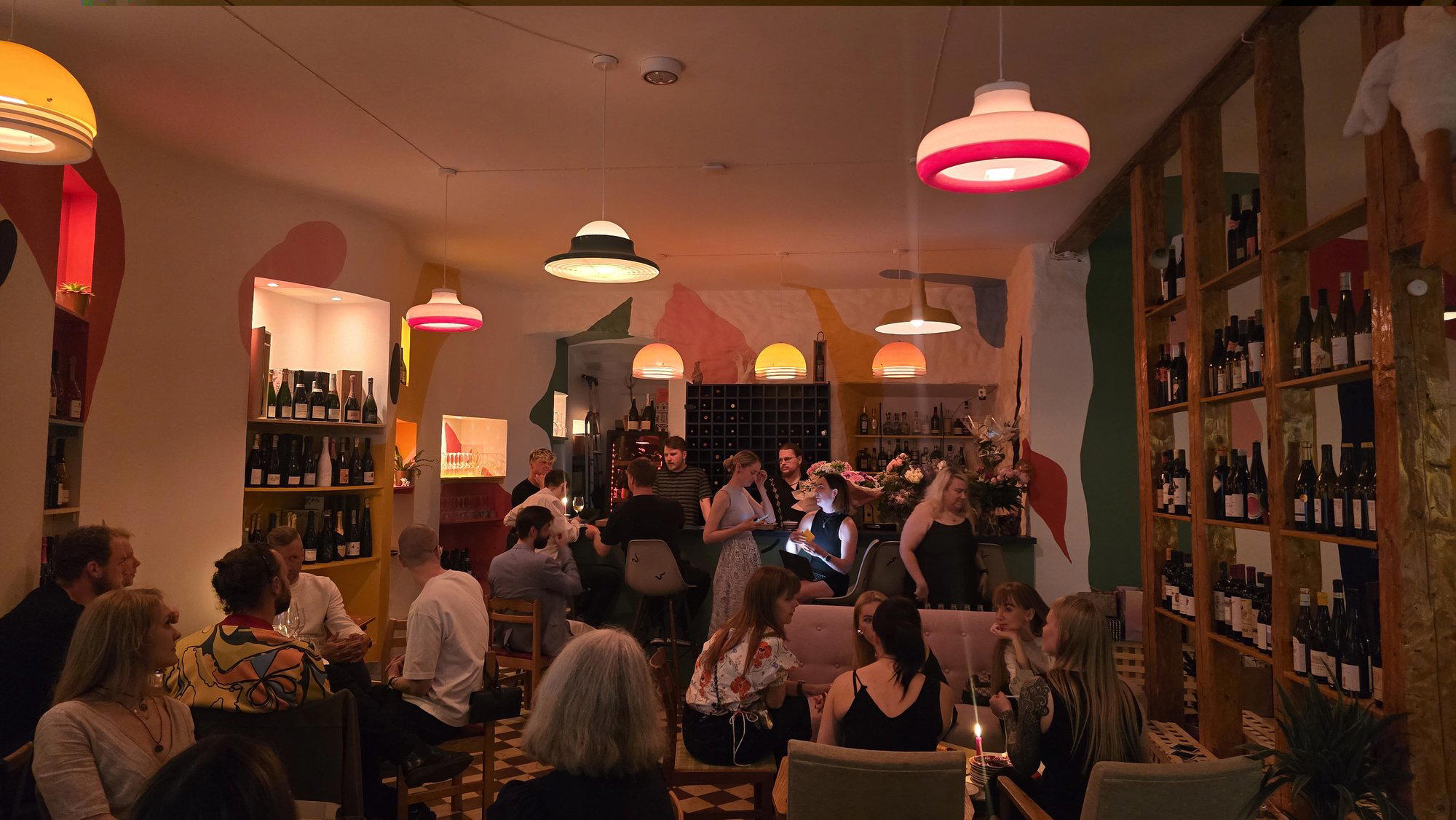
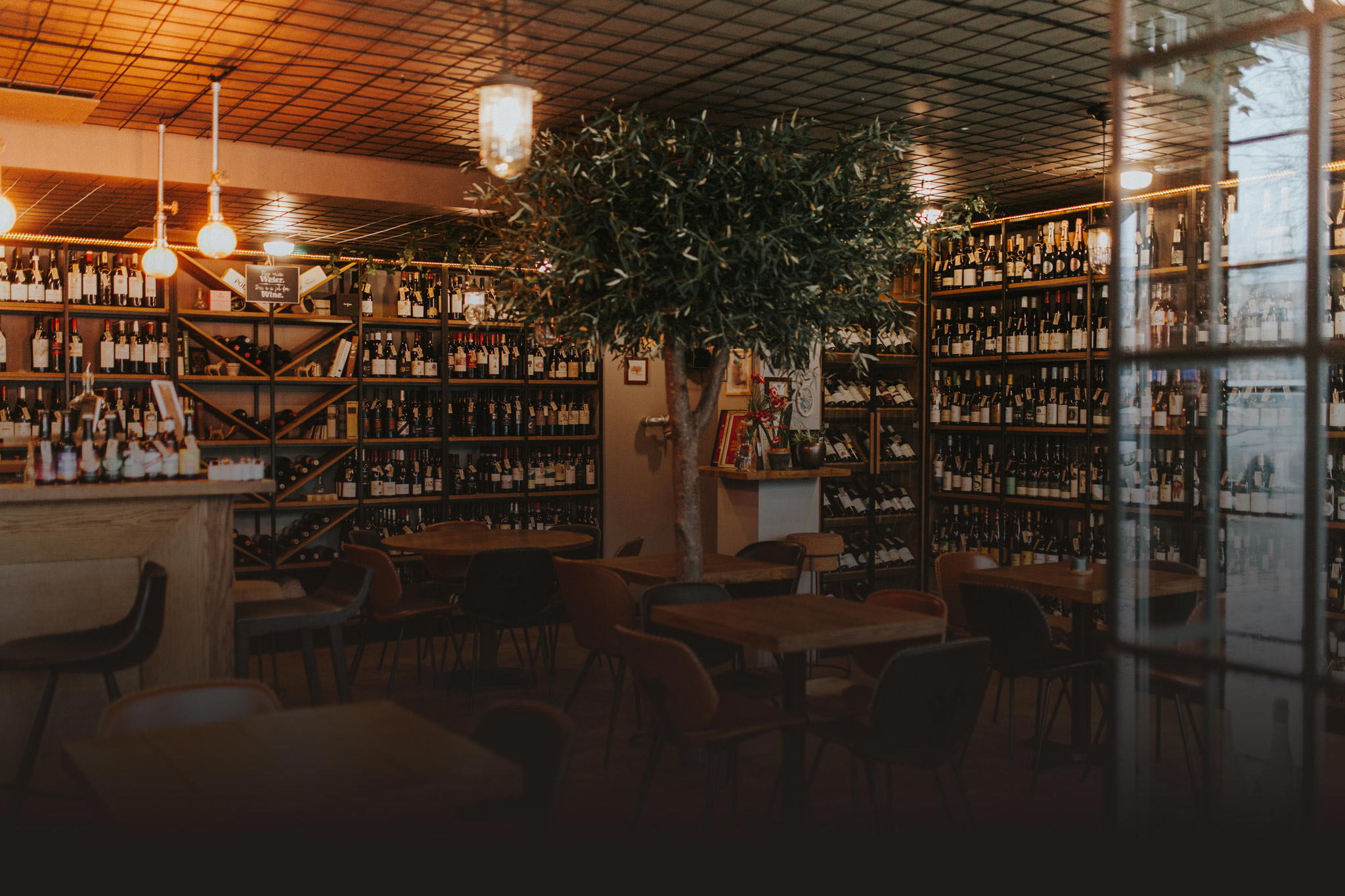
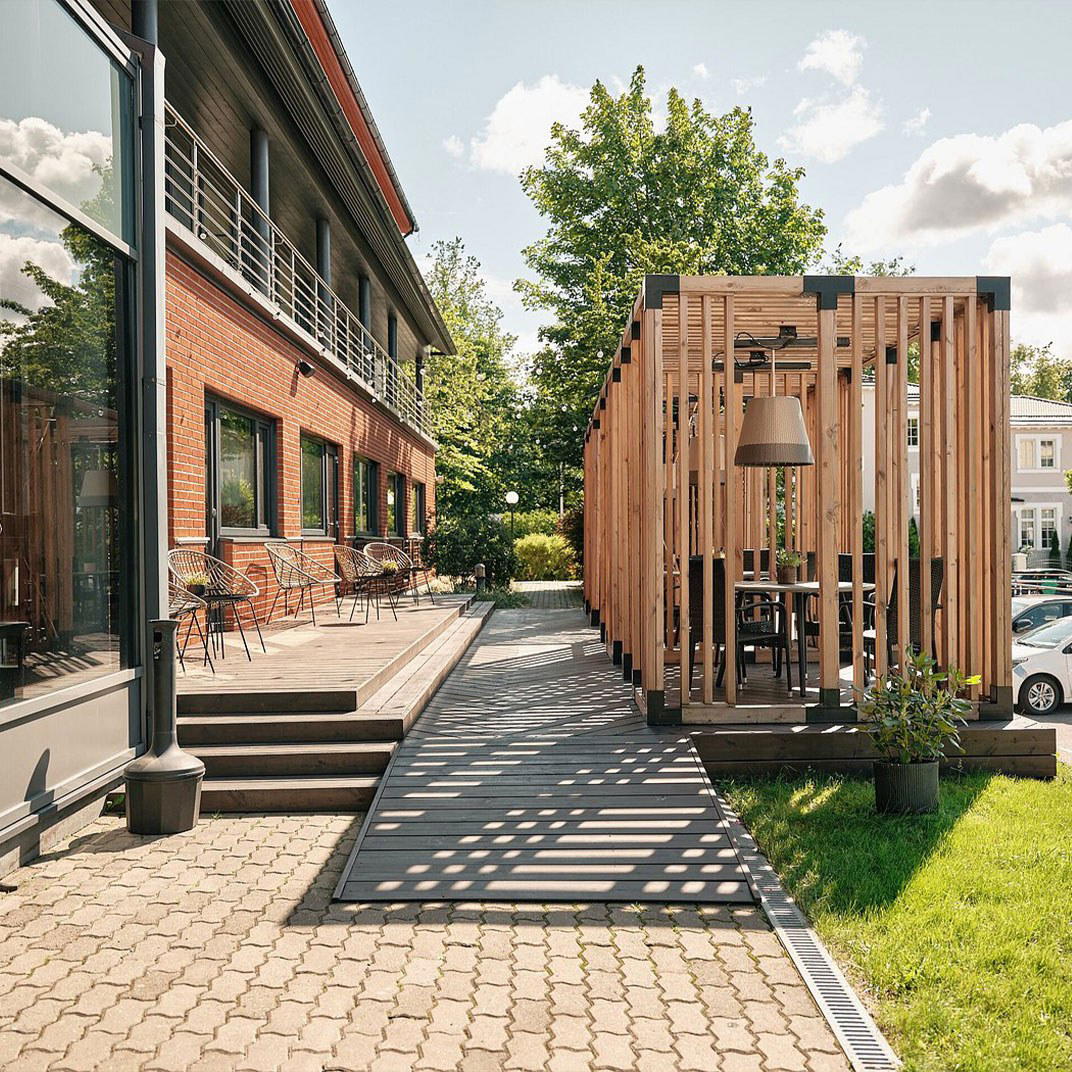
Homely and cozy family-style atmosphere with welcoming seaside views.