On a quiet Ixelles backstreet, Le Longue Vie occupies the kind of address that neighbourhood regulars treat as semi-private knowledge. The cooking sits at the intersection of classical European technique and locally sourced Belgian produce, placing it within an Ixelles dining scene that has grown increasingly serious about provenance and craft. Booking ahead is advisable, particularly on weekend evenings.
Pearl is the En Primeur Club membership app — saves, bookings, and concierge access live there. Same editors, same standards.
- Address
- Rue Longue Vie 31, 1050 Ixelles, Belgium
- Phone
- +32455118568
- Website
- lelonguevie.be
- Directions
- Get directions
 Saves & bookings on Pearl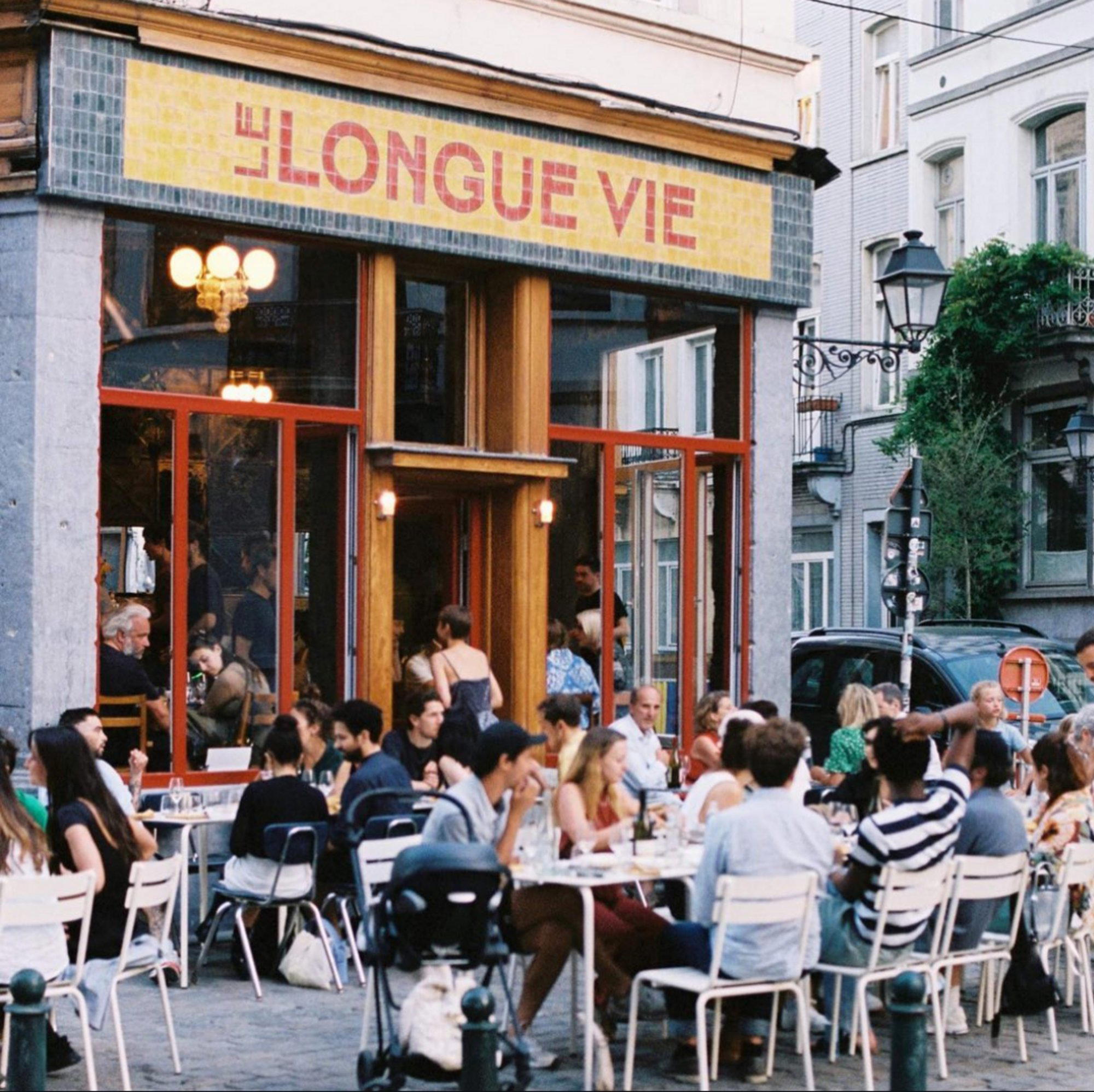
A Street That Earns Its Name
Rue Longue Vie runs through one of Ixelles' quieter residential grids, away from the market-day crowds of Place du Châtelain and the terrace traffic of Flagey. It is the kind of street where ground-floor restaurants survive on the strength of cooking rather than foot traffic, and where a loyal neighbourhood clientele functions as the primary endorsement. Le Longue Vie sits at number 31, a restaurant serving modern creative share plates at about $50 per person.
Ixelles as a whole has developed one of Brussels' more coherent restaurant identities over the past decade. The commune runs a wide tonal range, from the creative vegetable-led cooking at Humus x Hortense to the precise Japanese counter work at Kamo and the farm-sourcing rigour at Amen. What these addresses share, and what Le Longue Vie appears to share with them, is a seriousness about sourcing and technique that distinguishes them from the broader Brussels brasserie circuit. The difference is that Le Longue Vie does this from a relatively low-profile address, without the marketing infrastructure that surrounds some of its neighbours.
Technique Imported, Product Local
Belgian cuisine occupies an interesting structural position in European cooking. It sits geographically between French classical tradition and Dutch product-led pragmatism, and has historically absorbed technique from the south while drawing produce from its own coast, farmland, and waterways. The country's serious restaurant culture has long used this as a foundation: classical French methods applied to ingredients that are distinctly Flemish or Walloon in origin. You see this clearly at Belgium's most decorated tables, whether at Hof van Cleve in Kruishoutem, at Boury in Roeselare, or at Zilte in Antwerp, where the cooking's authority derives precisely from this combination of imported rigour and indigenous material.
The restaurant operates within that same tradition at a neighbourhood scale. The editorial angle here is not novelty for its own sake but a kind of applied classicism: cooking that uses technique as a framework rather than a performance, and that lets the quality of Belgian produce carry weight without excessive elaboration. This is a different proposition from, say, the avant-garde vegetable work happening at the creative end of the Ixelles scene. It is quieter, more rooted in convention, and in that sense more representative of how most serious Belgian households understand good cooking.
Belgium's coastal and inland produce calendar is one of Europe's more rewarding. Grey shrimp from the North Sea, white asparagus from Mechelen in spring, blue-foot chicken from Liège, Ardennes game through autumn and winter, endive from the sandy soils around Brussels itself, these are ingredients with genuine regional specificity, and they reward kitchens that resist the temptation to over-process them. The restaurants that have built the strongest reputations in this country, from Willem Hiele in Oudenburg to Bartholomeus in Heist on the coast, tend to be those that understand the seasonal rhythm of this produce rather than fighting it.
Where Le Longue Vie Sits in the Ixelles Picture
Within the commune's current restaurant range, the restaurant occupies a mid-register position in terms of formality and price. It is not positioned against the destination tasting-menu tier, nor is it competing with casual pasta spots like Amore, Pasta e Gioia or the neighbourhood bistro comfort of Au Savoy. The address and format suggest a restaurant that serves a local professional clientele looking for cooking that is genuinely considered without requiring a special-occasion budget or a months-ahead booking strategy.
That middle register is particularly competitive in Brussels. It is where most diners spend most of their restaurant time, and where the gap between places that coast on neighbourhood goodwill and places that actually deliver is most visible. The Ixelles restaurants that have maintained credibility in this tier over time are those with a clear product philosophy and the kitchen discipline to execute it consistently.
For context on what serious Belgian cooking looks like at the upper end of the national scale, it is worth consulting the EP Club coverage of Castor in Beveren, De Jonkman in Sint-Kruis, L'air du temps in Liernu, and d'Eugénie à Emilie in Baudour. These are the benchmark kitchens against which Belgian cooking at any level ultimately competes for critical attention. In Brussels itself, Bozar Restaurant provides the clearest point of reference for what the capital's formal dining register looks like at its most assured.
The global frame matters too. The intersection of classical French technique with highly specific local product is not a Belgian invention: it is the foundation of most serious European cooking. What makes Belgian kitchens distinctive is the density of quality regional ingredients within a small geography, and the cultural ease with which French-trained rigour and Flemish directness coexist on the same plate. Internationally, the closest analogues in terms of this local-technique tension are kitchens like Le Bernardin in New York City, where classical French method is applied with singular focus to a specific product category, or Atomix in New York City, which layers Korean culinary tradition through a fine-dining technical framework.
The restaurant is located at Rue Longue Vie 31, 1050 Ixelles. The address is walkable from both Flagey and the Louise tram stops, placing it in easy reach of central Brussels without requiring a taxi. Given the restaurant's neighbourhood reputation and modest scale, booking ahead for weekend evenings is advisable: this is the type of address where tables fill through word of mouth rather than review-platform traffic, which means availability tends to be tighter than the profile might suggest. Visiting in spring, when Belgian white asparagus is at its brief seasonal peak, or in autumn, when Ardennes game appears on menus across the country, gives the seasonal produce dimension of the cooking its fullest context.
Comparable Options
Comparable venues nearby, for context on price, style, and recognition.
| Venue | Cuisine | Price | Notes |
|---|---|---|---|
| Le Longue VieThis venue — the venue you are viewing | Modern Creative Share Plates | $$$ | Not listed |
| MATTO | Modern Italian Bistrot | $$$ | Ixelles |
| MINA Handmade Chocolates | Handmade Vegan Chocolates | $$ | Sint-Genesius-Rode |
| Au Savoy | Belgian Brasserie | $$$ | Ixelles |
| Pénar | Modern Bistronomic | $$$ | Ixelles |
| MOBI | Modern Italian | $$$ | Ixelles |
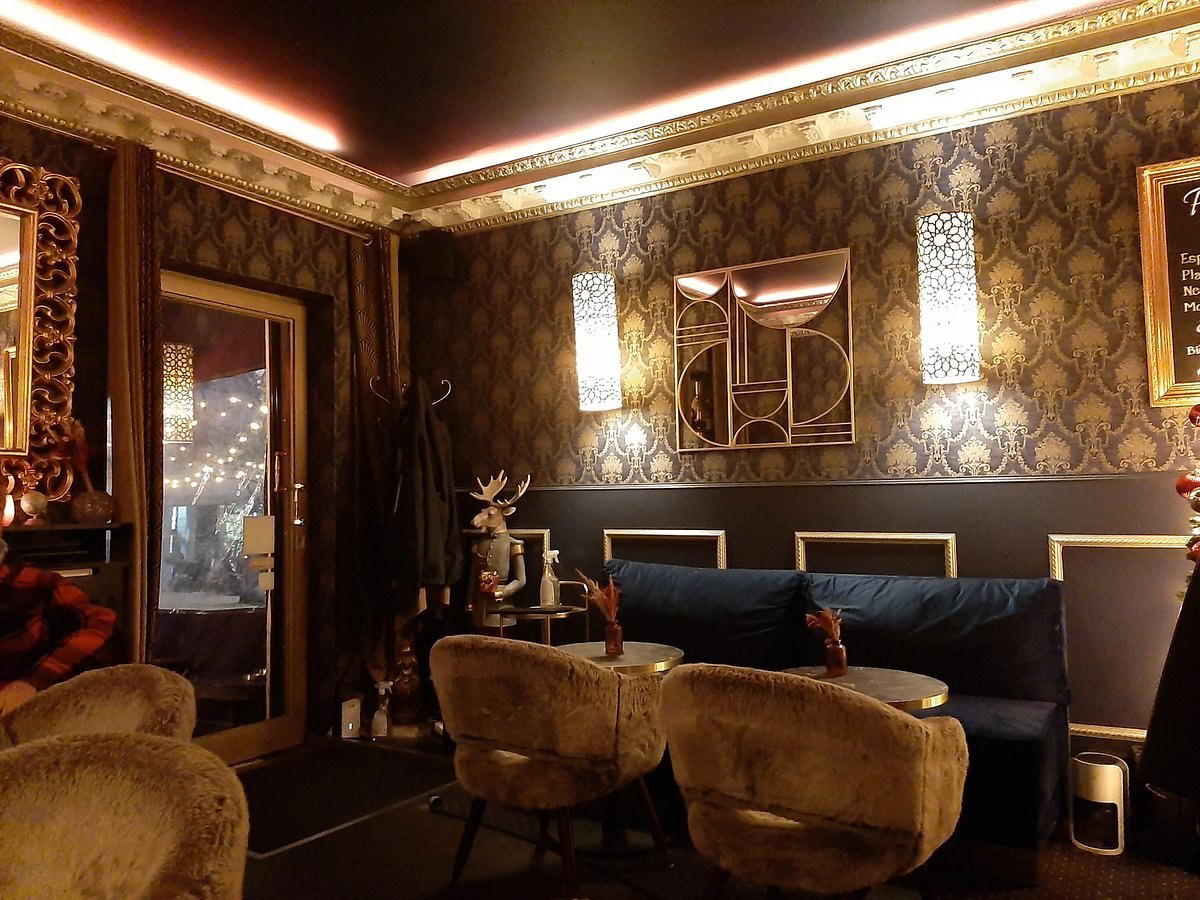
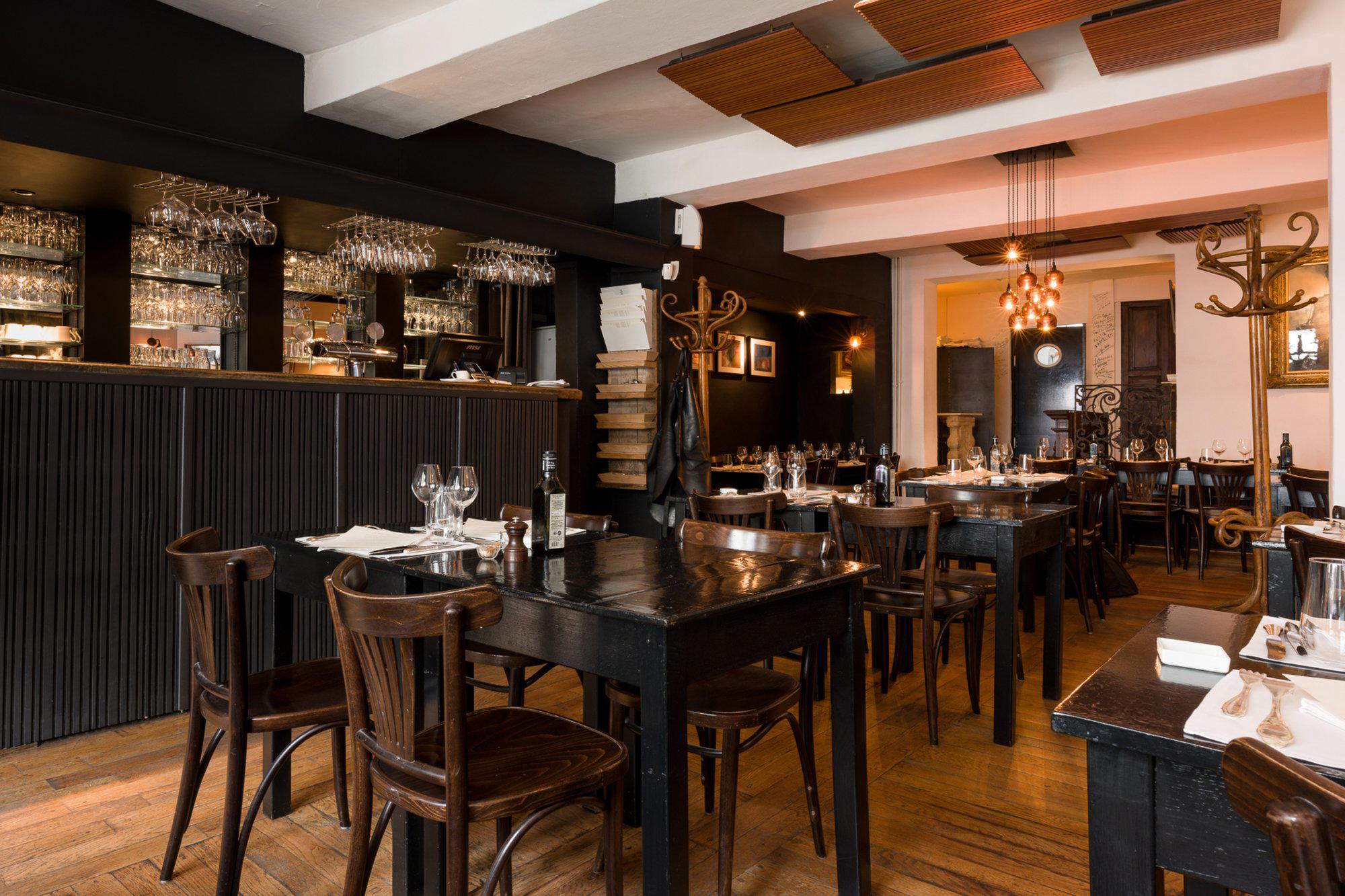
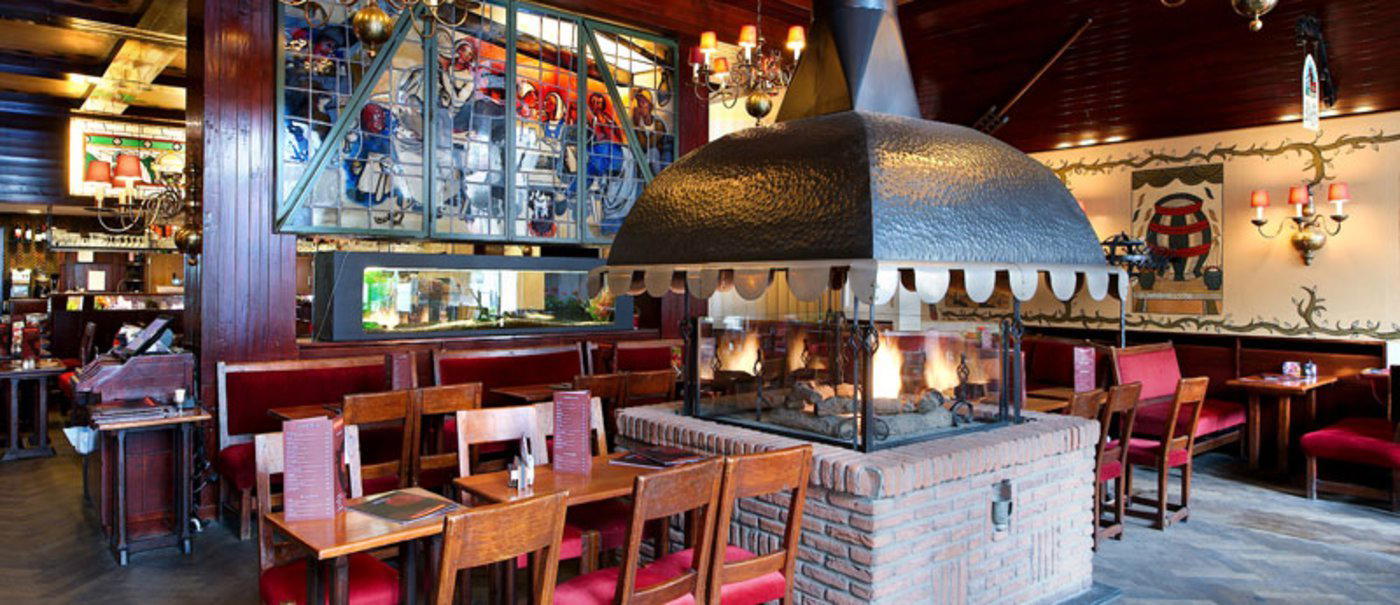
At a Glance
- Bohemian
- Cozy
- Trendy
- Group Dining
- Casual Hangout
- After Work
- Terrace
- Private Dining
- Natural Wine
- Local Sourcing
- Natural Wine
Current opening hours
- Monday
- Closed
- Tuesday
- 6:30 PM–12:30 AM
- Wednesday
- 6:30 PM–12:30 AM
- Thursday
- 6:30 PM–12:30 AM
- Friday
- 6:30 PM–12:30 AM
- Saturday
- 6:30 PM–12:30 AM
- Sunday
- Closed
Hours can change for holidays and private events. Last verified .
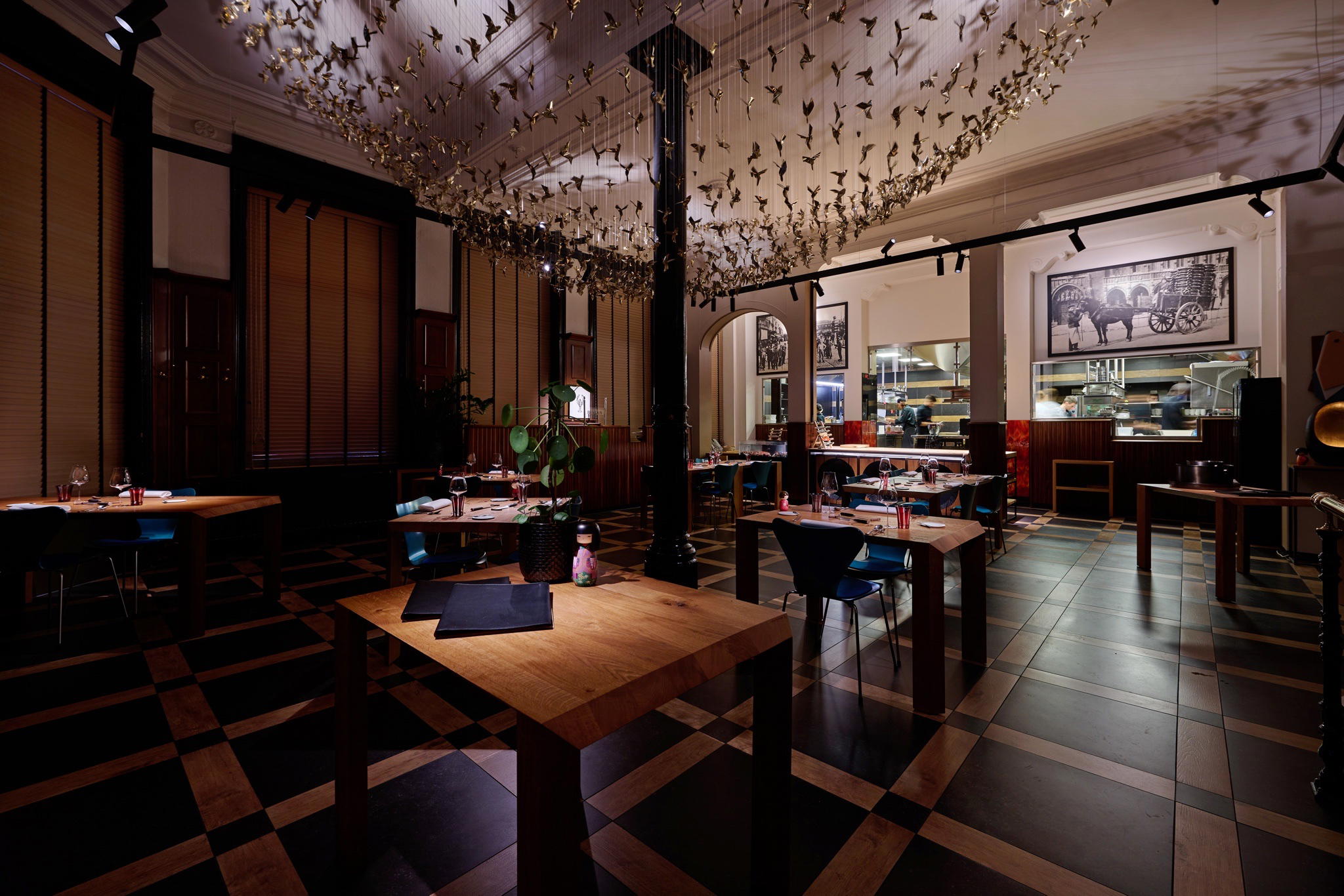
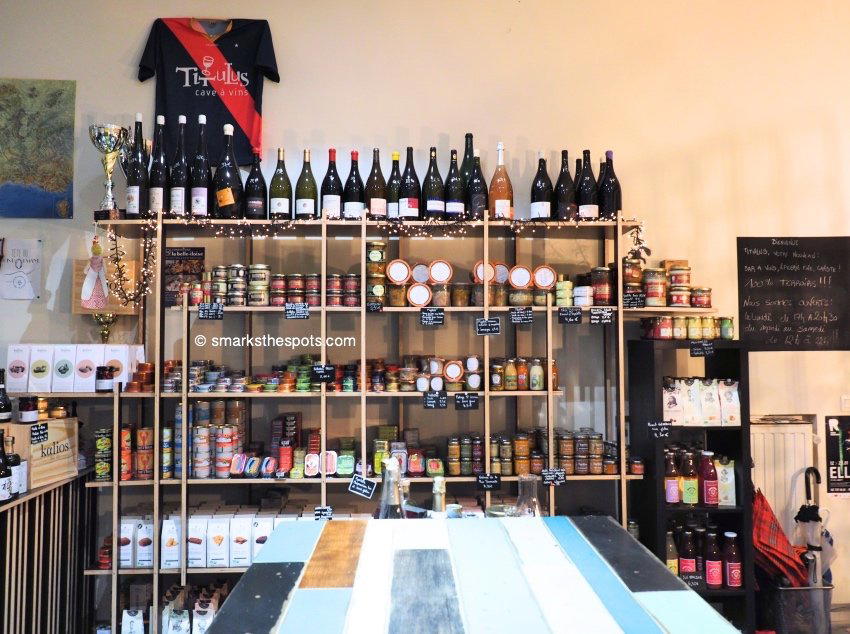
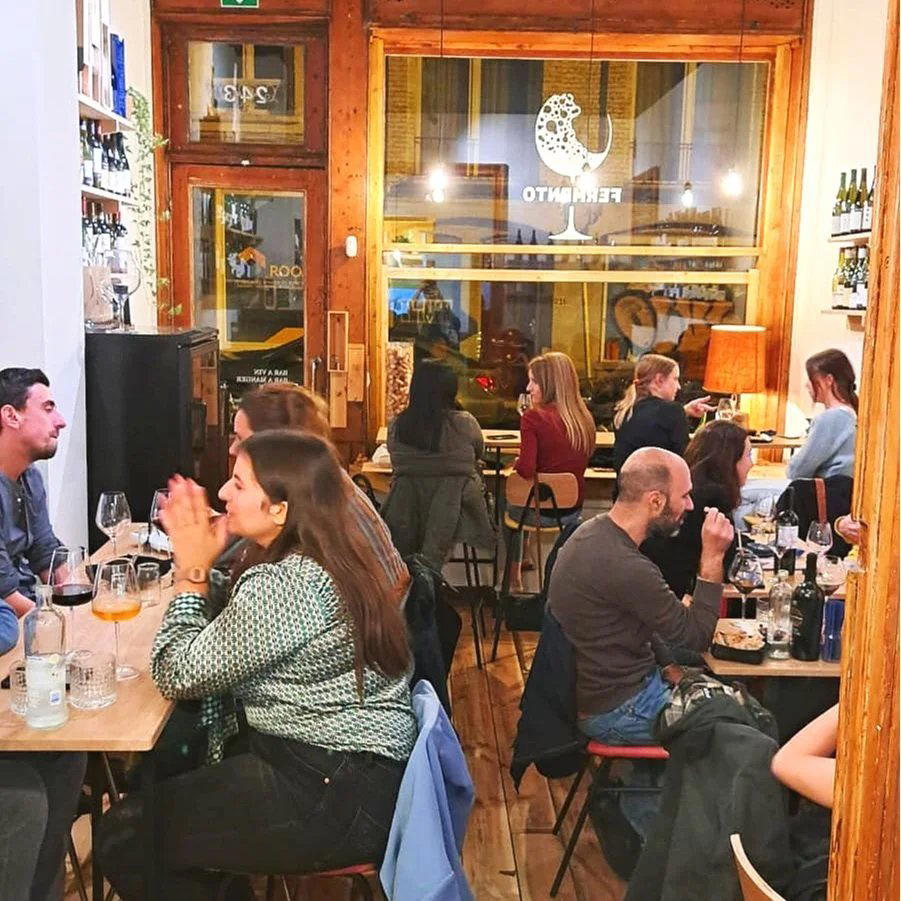
Warm authentic tavern vibe with inviting salvaged decor, cozy interior, and lively summer terrace.