
Kameido Gyoza Kinshichou ten belongs to Tokyo’s fast, counter-led dumpling culture rather than its reservation dining circuit. The draw is narrow and disciplined: gyoza, ramen in the category mix, counter seating, take-out, and a price band that keeps the meal closer to everyday Tokyo than ceremony. Tabelog selected it for its Dumplings 100 list in 2024, 2021, and 2019.
Pearl is the En Primeur Club membership app — saves, bookings, and concierge access live there. Same editors, same standards.
- Address
- Japan, 〒130-0022 Tokyo, Sumida City, Kotobashi, 3 Chome−9−1 新明ビル
- Phone
- +81 3-3634-9080
- Website
- kameido-gyouza.co.jp
 Saves & bookings on Pearl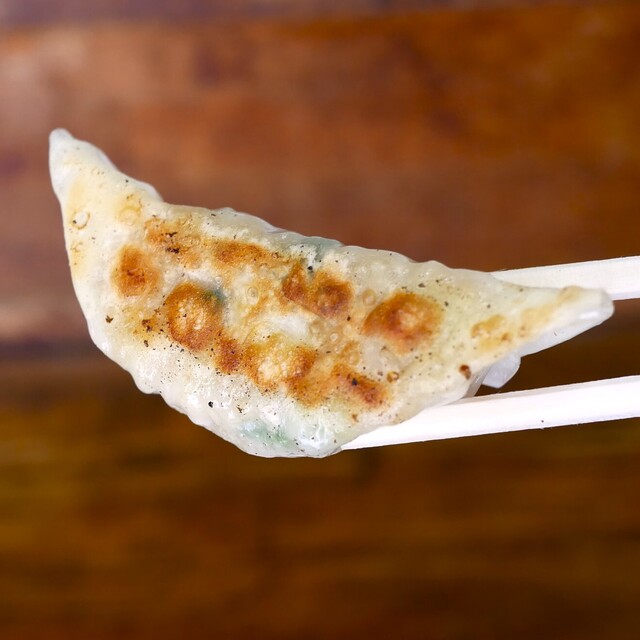
Kinshicho’s south-side restaurant streets run on station traffic, quick meals, narrow counters, and food that needs no preamble. Here, gyoza is Tokyo’s great equalizer: beer snack, family lunch, solo counter stop, or main event when a specialist treats the dumpling as a complete meal, not a side order.
Kameido Gyoza Kinshichou ten fits that tradition with clarity. The format is compact: 15 counter seats, non-smoking service, take-out, and a category focus listed as dumpling and ramen. Recognition comes from Tabelog’s Dumplings 100 selection in 2024, with earlier selections in 2021 and 2019, placing it in a documented national conversation around gyoza specialists rather than general cheap eats.
Gyoza as Tokyo counter culture, not a side dish
Tokyo’s dumpling culture sits between Chinese influence and Japanese adaptation. Yaki-gyoza became a postwar staple because it suited the city’s appetite for speed, repetition, and small-shop specialization: thin wrappers, minced filling, a pan-fried base, and a format that works for lunch, after-work drinking, and late shopping districts. In a city famous abroad for omakase and tasting-menu formality, gyoza counters show another Tokyo: tight menus, quick turnover, and skill expressed through volume rather than ceremony.
That is the lens for Kameido Gyoza Kinshichou ten. The appeal is not breadth but a specialist’s confidence in a narrow lane, where the customer decision is simple and the quality test immediate. The Tabelog Dumplings 100 listing matters because this category is deeply competitive across Japan, not a decorative luxury award. A 3.50 Tabelog score in this genre signals sustained local traction, especially with repeated Dumplings 100 selections.
Price tells the same story. The listed band runs from lunch under JPY 999 to dinner at JPY 1,000 to JPY 1,999, keeping it in Tokyo’s everyday dining bracket. Unlike destination sushi, tempura, or kaiseki, the question is not occasion dining, but whether the counter justifies a detour in a city full of casual specialists.
Kinshicho rewards meals with pace
Kinshicho suits this shop. East of central Tokyo’s luxury dining axis, the neighbourhood mixes commuters, local drinkers, families, and shoppers. Around the station, restaurants compete on immediacy: curry, grilled meat, ramen, dumplings, izakaya formats, and other single-purpose counters. A dumpling shop here needs no theatre, only rhythm, consistency, and a product that survives repeat eating.
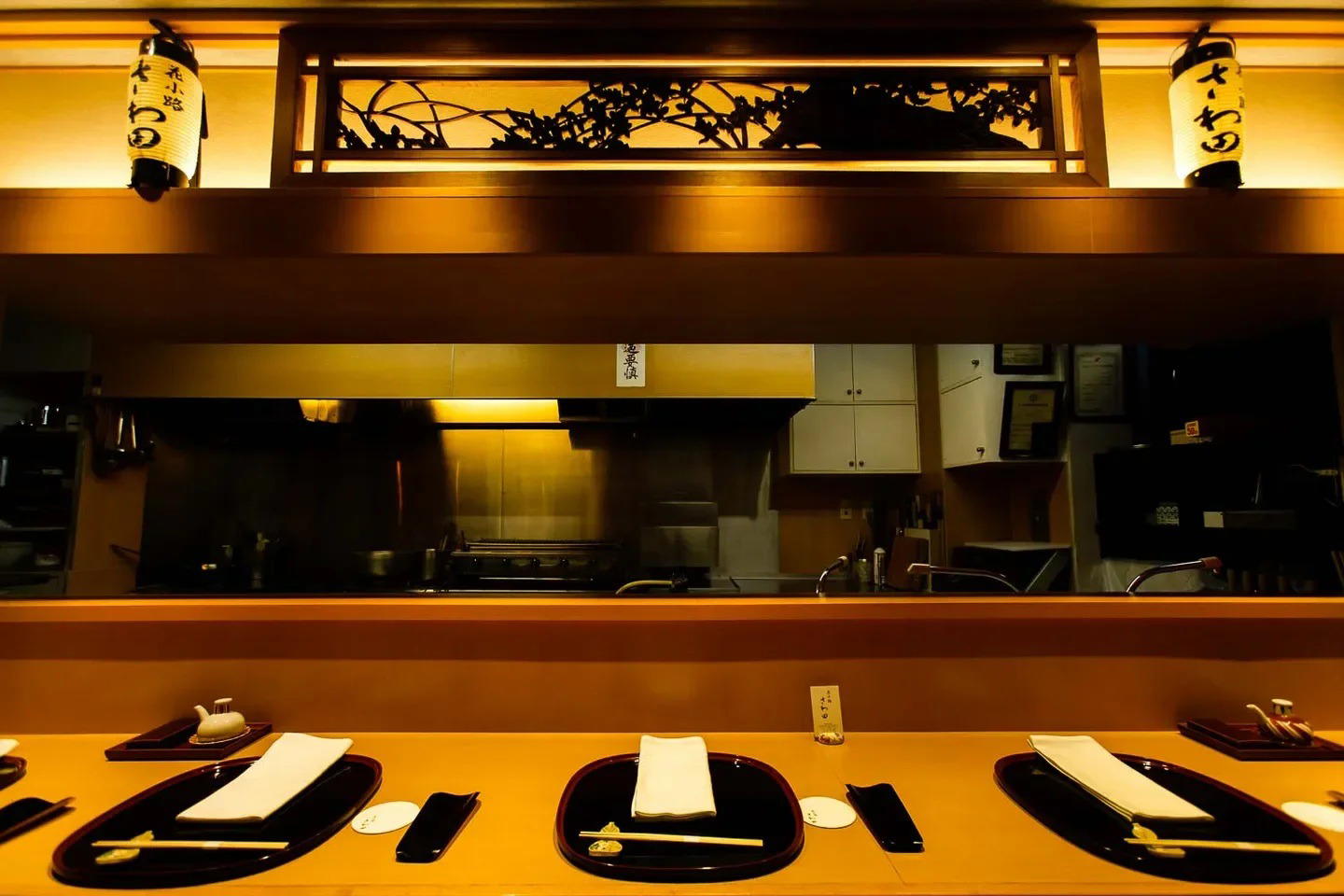
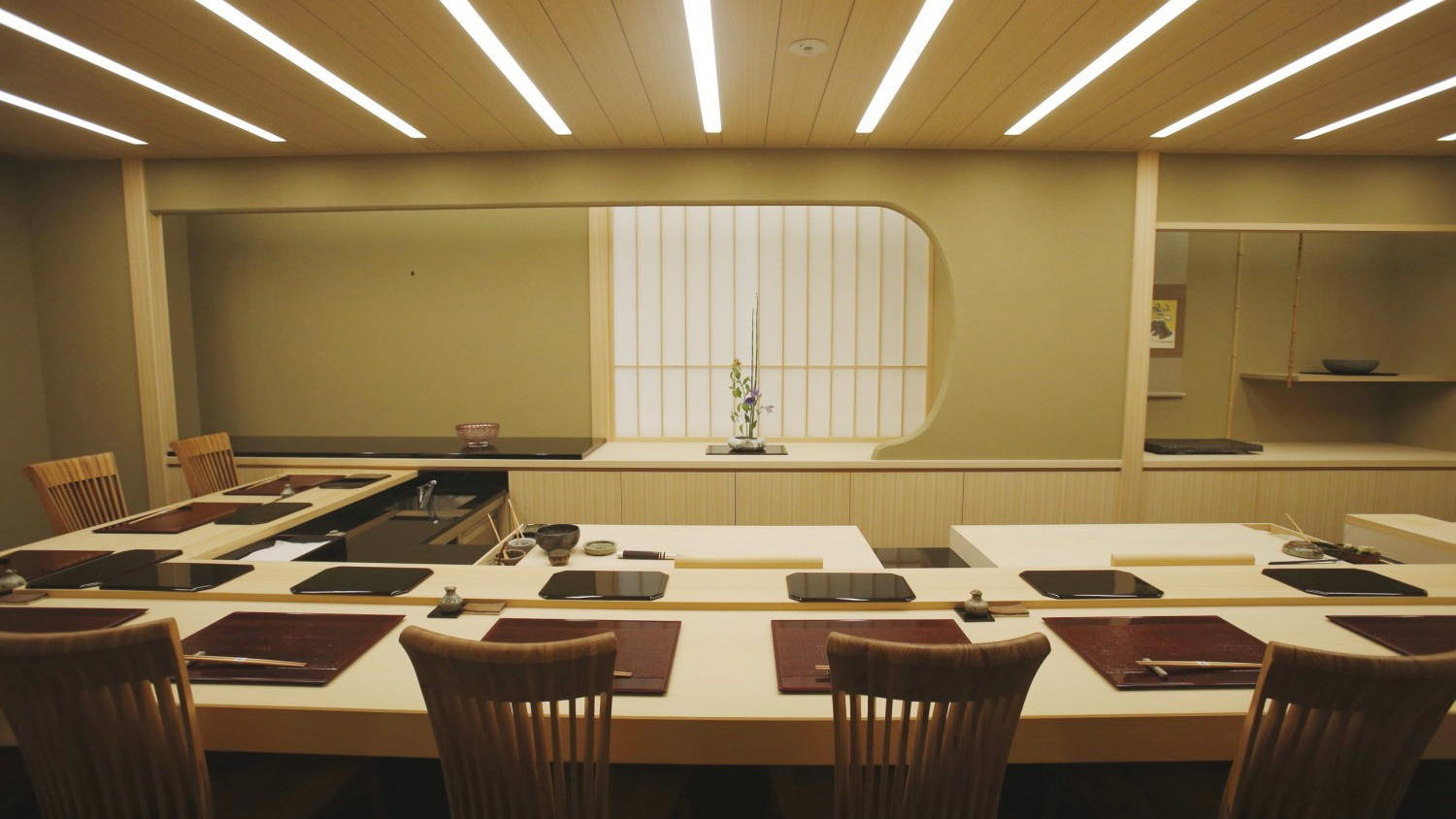
The counter-only room sharpens that rhythm. Fifteen seats change the meal’s social temperature: less lingering, more focus, and a tighter link between cooking pace and guest flow. Reservations are unavailable, so this belongs to Tokyo’s first-come, fast-turnover eating. For travelers used to booking-heavy itineraries, it is a useful corrective: some of the city’s better low-cost meals are planned by timing and appetite, not concierge intervention.
Within Tokyo’s wider casual dining map, the comparison is instructive. 3 Chome no Curry Ya San speaks to the city’s curry-counter tradition, while 12/10 Shinjuku ten belongs to another pocket of station-area eating. 124. KAGURAZAKA (Yakitori) and . 鮪と炭火焼き うお炭 秋葉原店 show how specialized formats shift by neighbourhood and occasion. Kameido Gyoza Kinshichou ten is more austere: dumpling-first, low-cost, built for repeatability.
That austerity is part of its value. Tokyo has many restaurants translating Japanese food culture into extended tasting formats for visitors. Gyoza shops are less polished and often more revealing: they show how the city eats when a meal must be fast, affordable, and specific. Sake among the listed drinks adds the expected izakaya-adjacent note, but the core category remains dumplings rather than drinking culture.
Where it fits in a Tokyo itinerary
This is a practical stop for diners who want Tokyo’s specialist-counter culture without making every meal a reservation project. The South Exit side of Kinshicho has direct rail usefulness, and proximity to Kinshicho Station makes it easier to fold into an east-side day than to treat as a stand-alone evening. Use it for a focused lunch or early dinner around Sumida, Ryogoku, Kameido, or the Tokyo Skytree side of the city.
Payment details matter at this price tier, where many low-cost counters in Japan can be cash-forward. Here, credit cards are not accepted, while transportation IC cards, selected electronic money, and QR payments are listed. That mix suits local customers moving through the station area, and is worth noting before arriving with only a foreign credit card. Parking is unavailable, reinforcing the station-led character of the meal.
For a broader Tokyo plan, use this as the low-cost specialist anchor, then build contrast elsewhere. Our full Tokyo restaurants guide covers the city’s wider dining range, while Our full Tokyo bars guide, Our full Tokyo hotels guide, Our full Tokyo experiences guide, and Our full Tokyo wineries guide help separate eating plans from drinking, lodging, and cultural time.
The same specialist logic travels across Japan and beyond. -Grilled beef Sukiyaki- KAMAKURA TANUKIAN 鎌倉 たぬき庵 in Kamakura, [ki:] in Kyoto.cafe in Osaka.know in Kumamoto, (Shoku) Vietnam in Kawasaki, and [Curry Senmon Ten] Maruyama Kyoju. in Sapporo each show how tightly defined formats can carry a city’s food identity. In California, Jōdo Saké Bar in Los Angeles and Onigiri Time in Pasadena point to the diaspora version: small categories, clear purpose, no excess framing.
The editorial case is simple. The restaurant is not trying to represent all Tokyo dining. It represents a narrower and often more useful truth: the city’s casual specialists can be as culturally legible as its formal rooms. For travelers who read food through format, price, and neighbourhood behavior, a counter of dumplings in Kinshicho says plenty.
Cuisine and Recognition
Comparable venues by cuisine and price in the same metro.
| Venue | Cuisine | Price | Notes |
|---|---|---|---|
| Kameido Gyoza Kinshichou tenThis venue — the venue you are viewing | Traditional gyoza counter | $ | Not listed |
| Chii Sha | Casual Chinese & Ramen | $ | Meguro |
| Chuka Chotoku | Neighborhood Chinese dumpling & fried rice house | $ | Bunkyō |
| Tim Ho Wan (添好運) | Authentic Cantonese Dim Sum | $$ | Chiyoda (Hibiya) |
| Nihao | Chinese dumpling house (gyoza specialist) | $$ | Shibuya |
| Nanxiang Steamed Bun Restaurant (南翔饅頭店) | Shanghai Xiaolongbao | $$ | Roppongi |
Recognition history
Dated appearances from independent guides and award organizations, with the underlying list record or original source where available.
Tabelog 100 #54 · No. 54
Tabelog · Tabelog 100 - Dumplings - 2024







At a Glance
- Lively
- Classic
- Energetic
- Solo
- Casual Hangout
- After Work
- Late Night
- Family
- Chefs Counter
- Standalone
- Beer Program
- Local Sourcing
Current opening hours
- Monday
- 11 AM–7:40 PM
- Tuesday
- Closed
- Wednesday
- 11 AM–7:40 PM
- Thursday
- 11 AM–7:40 PM
- Friday
- 11 AM–7:40 PM
- Saturday
- 10:30 AM–7:10 PM
- Sunday
- 10:30 AM–7:10 PM
Hours can change for holidays and private events. Last verified .
A narrow, counter-only gyoza bar with a no-frills, old-school feel where guests sit shoulder to shoulder watching trays of dumplings being fried and served at a rapid pace; bright, bustling, and focused entirely on quick, affordable eats rather than decor.