
Chuka Chotoku belongs to Tokyo’s compact, everyday Chinese dining tier rather than the luxury tasting-menu circuit: small room, modest spend, dumplings and ramen alongside Chinese cooking, and repeat selection for Tabelog Chinese TOKYO “Tabelog 100” in 2021, 2024, and 2026. Its Bunkyo address puts it in a quieter academic-residential pocket where value and regular use matter as much as recognition.
Pearl is the En Primeur Club membership app — saves, bookings, and concierge access live there. Same editors, same standards.
- Address
- 1 Chome-10-5 Mukogaoka, Bunkyo City, Tokyo 113-0023, Japan
- Phone
- +81 3-5684-5650
- Website
- choutoku.net
 Saves & bookings on Pearl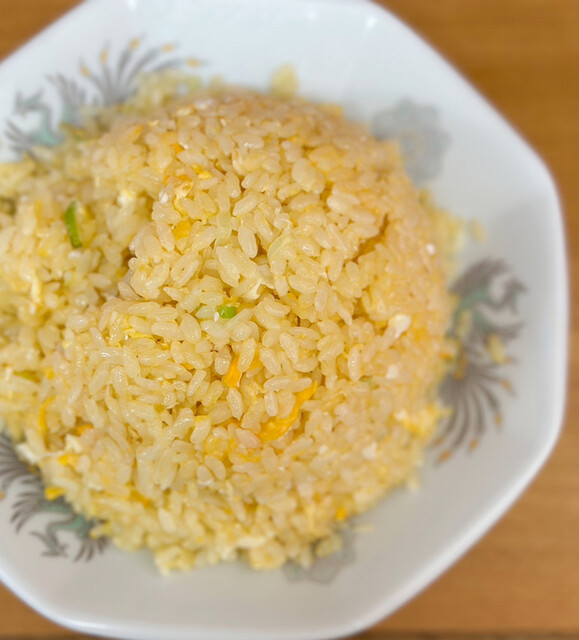
Approaching the Mukogaoka side of Bunkyo, Tokyo loses the neon density that often defines its dining shorthand. This is a neighbourhood of stations, schools, errands, and small restaurants built for repeat use rather than spectacle. In that setting, Chuka Chotoku belongs to a durable Tokyo tradition: Chinese cooking adapted to Japanese urban rhythm, served in compact rooms, priced for regulars, and judged by consistency rather than theatre.
That context matters because Tokyo’s Chinese dining scene spans several economies. At one end are high-spend counter and private-room restaurants with wine pairings and formal pacing; at the other are ramen shops, gyoza counters, and neighbourhood chuka rooms where ordering is direct and turnover matters. Chuka Chotoku occupies the latter with unusual recognition: it was selected for Tabelog Chinese TOKYO “Tabelog 100” in 2021, 2024, and 2026, with a Tabelog score of 3.68. For a restaurant in the JPY 1,000 to JPY 1,999 dinner band and under JPY 999 at lunch, that signal is not luxury but precision inside an everyday format.
Tokyo chuka without the tasting-menu machinery
The menu categories say it plainly: Chinese, dumpling, and ramen. That trio sits at the centre of Japanese chuka dining, where Chinese-derived techniques have long been absorbed into Tokyo’s lunch and dinner habits. The appeal is not novelty but compression: a small kitchen can answer multiple cravings, from a quick bowl to shared plates, without the resource load of a long-form dégustation or ingredient-heavy luxury format.
The sustainability angle is less about certification language than urban efficiency. Compact restaurants with short menus, modest pricing, and high repeat utility tend to waste less attention and often less inventory than sprawling destination formats. No sourcing claim should be made without proof, but the operating model is legible: a 20-seat room, counter seating on the first floor, tables, and a tatami room upstairs create a flexible footprint for solo diners, pairs, and small groups without turning dinner into an event. In Tokyo, that is serious dining intelligence.
Compared with higher-spend Chinese rooms such as Hoei, listed in the JPY 8,000 to JPY 9,999 dinner range, this Bunkyo address competes on frequency rather than ceremony. Spice Bar Kozaburo, also in Tokyo, sits in a mid-price bracket at JPY 5,000 to JPY 5,999 for dinner, pointing to another tier. Chuka Chotoku’s distinction is that it carries award recognition while remaining close to the price language of a local lunch counter, which is why it belongs in a Tokyo conversation beyond its neighbourhood.
A small Bunkyo room with practical discipline
The room’s scale matters. Twenty seats is not much buffer in a city where recognised casual restaurants can draw queues quickly, and the format divides attention between eight counter seats, three four-person tables, and an upstairs tatami room available for private use up to 20 people. Reservations are available for groups of up to six, so planning matters more than the price might suggest. This is not the kind of casual restaurant where spending little means treating logistics casually.
Payment discipline is equally old-school: credit cards, electronic money, and QR code payments are not accepted. That detail says much about Tokyo’s enduring low-margin dining culture, where respected small restaurants can resist the city’s cashless push. Non-smoking status and no private rooms keep the format simple. Drinks sit around sake and shochu rather than a broad pairing program, another sign that the meal belongs to everyday Tokyo rather than export-facing fine dining.
Location also shapes the experience. Hon-Komagome Station on the Tokyo Metro Namboku Line is nearest, with Hakusan Station on the Toei Mita Line also close enough to make the restaurant workable from central Tokyo without turning dinner into a cross-city project. Monday closure and split lunch-dinner service from Tuesday through Sunday put it in the familiar rhythm of local restaurants rather than all-day hospitality. Parking is not provided, though nearby coin parking fits Bunkyo’s residential-commercial mix.
Where it fits in a Tokyo itinerary
For travellers building a Tokyo food schedule, Chuka Chotoku is useful because it is not another reservation trophy. It gives context to the city’s Chinese-Japanese dining layer, between ramen tourism and high-end Chinese tasting menus. Pairing this meal with more formal restaurants shows how Tokyo’s range works: recognition does not always travel with high prices, and culinary seriousness is not confined to Ginza counters or hotel dining rooms.
The broader EP Club Tokyo map makes that contrast clearer. For seafood and charcoal in Akihabara, see . 鮪と炭火焼き うお炭 秋葉原店; for Shinjuku, 12/10 Shinjuku ten gives another urban register; and 124. KAGURAZAKA (Yakitori) points to a different craft tradition. Casual Tokyo has range too, from 2D Cafe to 3 Chome no Curry Ya San. For a wider city plan, use Our full Tokyo restaurants guide, then cross-check sleeping, drinking, wine, and cultural planning through Our full Tokyo hotels guide, Our full Tokyo bars guide, Our full Tokyo wineries guide, and Our full Tokyo experiences guide.
Outside Tokyo, the same editorial logic applies: regional dining can be read through format, price, and local use rather than spectacle. Compare the Japanese range through -Grilled beef Sukiyaki- KAMAKURA TANUKIAN 鎌倉 たぬき庵 in Kamakura,.cafe in Osaka,.know in Kumamoto, (Shoku) Vietnam in Kawasaki, [Curry Senmon Ten] Maruyama Kyoju. in Sapporo, and [ki:] in Kyoto. For Japanese food culture abroad, Jōdo Saké Bar in Los Angeles and Onigiri Time in Pasadena show how focused formats travel when discipline stays intact.
The verdict is simple: this is a Tokyo Chinese address to understand through restraint, not grandeur. The Tabelog 100 selections provide the trust signal, the pricing keeps it grounded, and the Bunkyo location places it where good restaurants survive by becoming useful. In a dining culture often flattened into luxury counters and viral queues, that usefulness is the point.
- tamago chahan (egg fried rice, salt flavor)
- soy sauce fried rice
- yaki gyoza (grilled dumplings)
- age gyoza (fried dumplings)
- tamago chahan with tomato
- sazae nankotsu black pepper stir-fry
City Peers
Comparable venues for context, by category and price tier.
| Venue | Cuisine | Price | Notes |
|---|---|---|---|
| Chuka ChotokuThis venue — the venue you are viewing | Neighborhood Chinese dumpling & fried rice house | $ | |
| Gyoza no Ousama | Traditional Chinese dumpling house in Asakusa | $ | Taitō |
| Chii Sha | Casual Chinese & Ramen | $ | Meguro |
| Sichuan Hashoku | Traditional Sichuan Chinese | $$ | Taitō |
| Tezukuri Gyoza no Mise Yoshiharu | Handmade Gyoza & Chinese Small Plates | $$ | Chofu |
| Midoricho Ikoma | Creative Chinese | $$ | Sumida |








At a Glance
- Lively
- Cozy
- Classic
- Hidden Gem
- Solo
- Family
- Group Dining
- Casual Hangout
- After Work
- Late Night
- Standalone
A bustling, no-frills local Chinese eatery with counter seats and small tables, bright casual lighting, and the lively clatter of woks from the open kitchen, giving it a classic retro Chinese shokudo feel rather than a formal restaurant atmosphere.
- tamago chahan (egg fried rice, salt flavor)
- soy sauce fried rice
- yaki gyoza (grilled dumplings)
- age gyoza (fried dumplings)
- tamago chahan with tomato
- sazae nankotsu black pepper stir-fry