Kamaage Udon Suzuan

Kamaage Udon Suzuan puts Nara’s wheat-noodle culture in a small, practical frame: hand-led udon, curry udon, and fried accompaniments at a modest local price tier. Its Tabelog Udon WEST “Tabelog 100” selections in 2020, 2022, and 2024 place it among the region’s serious noodle addresses rather than casual roadside filler.
Pearl is the En Primeur Club membership app — saves, bookings, and concierge access live there. Same editors, same standards.
- Address
- 5 Chome-1-26 Umaminaka, 広陵町 Koryo, Kitakatsuragi District, Nara 635-0832, Japan
- Phone
- +81 745-55-9116
- Website
- suzuan.jp
 Saves & bookings on Pearl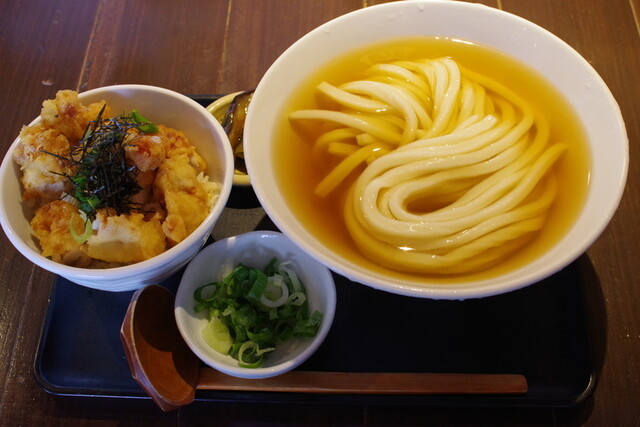
In the residential grain of Koryo, the appeal of a serious udon shop is not theatre. It is the pause before lunch service, the counter seats filling with solo diners, and the quiet calculation of whether noodles, curry broth, and fried sides can carry a meal without ornament. Nara’s dining reputation is often pulled toward temple-town set meals and Kyoto-adjacent refinement, but the inland suburbs of Kitakatsuragi-gun tell a different story: flour, stock, heat, and speed, handled with enough discipline to make a low-priced bowl feel like a regional argument.
Kamaage Udon Suzuan belongs to that argument. The shop is listed for udon, curry udon, and deep-fried foods, and its repeated inclusion in Tabelog’s Udon WEST “Tabelog 100” selections in 2020, 2022, and 2024 gives the address a clear credential within western Japan’s crowded noodle field. That matters because udon is not a single national style so much as a set of regional preferences: Sanuki firmness, Kansai broth clarity, local wheat habits, and the diner’s expectation that texture should do as much work as seasoning.
Wheat, broth, and the Nara suburbs
Ingredient sourcing is often discussed in luxury dining as a matter of rare produce or named farms, but udon is more unforgiving. Wheat flour, water, salt, and kneading decide the meal before garnish enters the conversation. In this category, a kitchen’s seriousness appears through elasticity, temperature control, and the way broth supports rather than buries the noodle. Kamaage service, by definition, puts hot noodles close to their cooking state, so the margin for error is narrow: the bowl has to rely on timing and texture rather than elaborate plating.
The Nara setting sharpens the point. Kitakatsuragi-gun is not a destination-dining district in the way central Osaka or Kyoto can be. It is car-and-rail suburbia, with neighborhood restaurants serving diners who return if the fundamentals hold. That kind of market is useful for judging noodles. A fashionable room can carry a weak concept for a season; a small udon counter in a residential town has to justify repeat visits through the bowl itself.
Within that local frame, the presence of curry udon is not a side note. Curry udon sits at the intersection of Japanese yoshoku comfort and noodle craft, and it tests a shop differently from a clear dipping broth or hot kake style. The sauce has to be forceful enough to register as curry, but not so heavy that the noodle becomes a delivery vehicle for stew. Deep-fried foods round out the format in the familiar Kansai way, adding crunch and fat to a meal otherwise built on wheat and stock.
A compact room, a serious noodle category
The room’s scale reinforces the category. With 20 seats and counter seating, this is not a long tasting-menu environment or a chef-driven stage. It is a quick, concentrated meal format, closer to the daily craft end of Japanese dining than the ceremonial end. That distinction is important for travelers using Nara as a base: not every rewarding meal in the prefecture needs to be planned like kaiseki. Some require accepting the pace of a local lunch room and reading quality through restraint.
The comparison inside Kitakatsuragi-gun is useful. Teuchi Soba Hayashi operates in the same broad price band, but soba and udon ask different questions. Soba foregrounds buckwheat aroma and cut; udon is more about chew, heat, and the relationship between noodle and broth. Taken together, the two addresses show why this part of Nara rewards noodle-focused eating rather than only temple-route dining.
Kamaage Udon Suzuan’s Tabelog score of 3.71 and Hyakumeiten recognition place it above the ordinary neighborhood noodle shop, though the better way to read those signals is comparative rather than celebratory. Western Japan has dense udon competition, especially across Kansai and Shikoku-influenced circuits. A Nara suburban address appearing repeatedly on the Udon WEST list indicates durability in a category where diners are quick to identify soft noodles, thin stock, or careless frying.
How to read the meal
The sensible approach is to treat the menu as a study in formats rather than a hunt for a named signature dish. Start with the udon category that reveals texture, then use curry udon or fried foods to understand how the kitchen handles weight. Sake and shochu are listed, but the core experience is built around the bowl, not a drinks-led meal. The setting is also non-smoking, children are welcome, and the occasion profile fits solo diners, families, and small groups, which says something about the restaurant’s social role: serious enough for noodle pilgrims, ordinary enough for weekday use.
Travelers should also read the practical signals before making the detour. Reservations are unavailable, parking is available, and Goido Station is the nearest rail point, with access also possible by bus to Mamino-naka 5-chome. Credit cards and electronic money are not accepted, while QR code payment is listed. The restaurant has operated since 2009, which gives the award history more weight: this is not a short burst of online attention, but a long-running local shop with repeated recognition in a demanding staple category.
For a broader read on the area, use our full Kitakatsuragi-gun restaurants guide alongside our full Kitakatsuragi-gun hotels guide, our full Kitakatsuragi-gun bars guide, our full Kitakatsuragi-gun wineries guide, and our full Kitakatsuragi-gun experiences guide. For wider Japan and Japanese-dining context, related addresses include -Grilled beef Sukiyaki- KAMAKURA TANUKIAN 鎌倉 たぬき庵 in Kamakura, . 鮪と炭火焼き うお炭 秋葉原店 in Tokyo, .cafe in Osaka.know in Kumamoto, (Shoku) Vietnam in Kawasaki, [Curry Senmon Ten] Maruyama Kyoju. in Sapporo, [ki:] in Kyoto, #肉といえば松田 奈良本店 in Kashihara, 1/3 HAMBURGER FACTORY in Kanazawa, 1000 in Yokohama, Jōdo Saké Bar in Los Angeles, and Onigiri Time in Pasadena.
How It Stacks Up
Comparable venues by cuisine and price in the same metro.
| Venue | Cuisine | Price | Notes |
|---|---|---|---|
| Kamaage Udon SuzuanThis venue — the venue you are viewing | Sanuki-style kama-age udon shop | $ | Not listed |
| Teuchi Soba Hayashi | Japanese Soba | $ | Koryo-cho |
| Gyoza no Fukuho (餃子の福包) | Traditional Japanese Gyoza | $ | Shinjuku |
| Chitose Udon | Osaka Nikusui Udon | $ | Namba |
| Ayu Ramen Plus (鮎ラーメンプラス) | Traditional Ayu Ramen | $ | Toranomon |
| Kamaage Udon Isshin | Traditional Kamaage Udon Shop | $ | Sumiyoshi |
Recognition history
Dated appearances from independent guides and award organizations, with the underlying list record or original source where available.
Tabelog 100 #93 · No. 93
Tabelog · Tabelog 100 - Udon - WEST - 2024
Continue exploring
More in Kitakatsuragi-gun
Restaurants in Kitakatsuragi-gun
Browse all →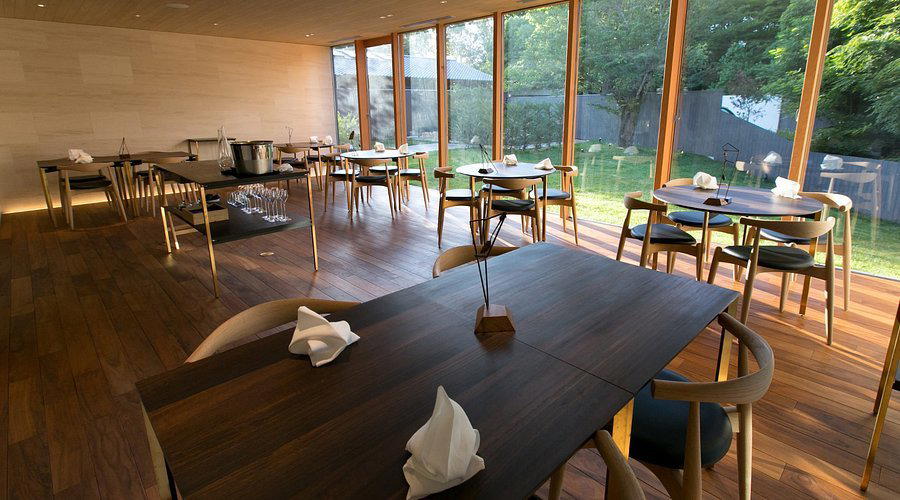




Bars in Kitakatsuragi-gun
Browse all →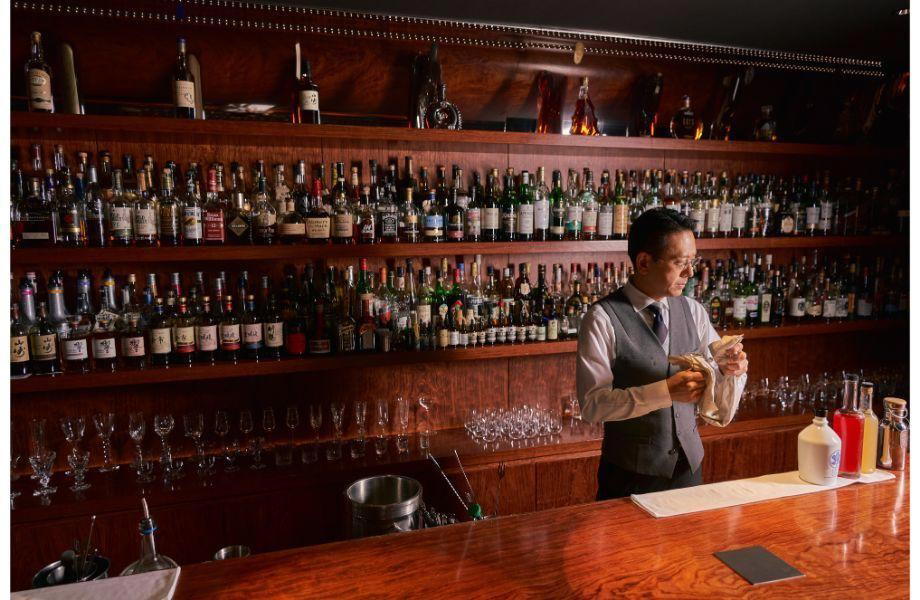
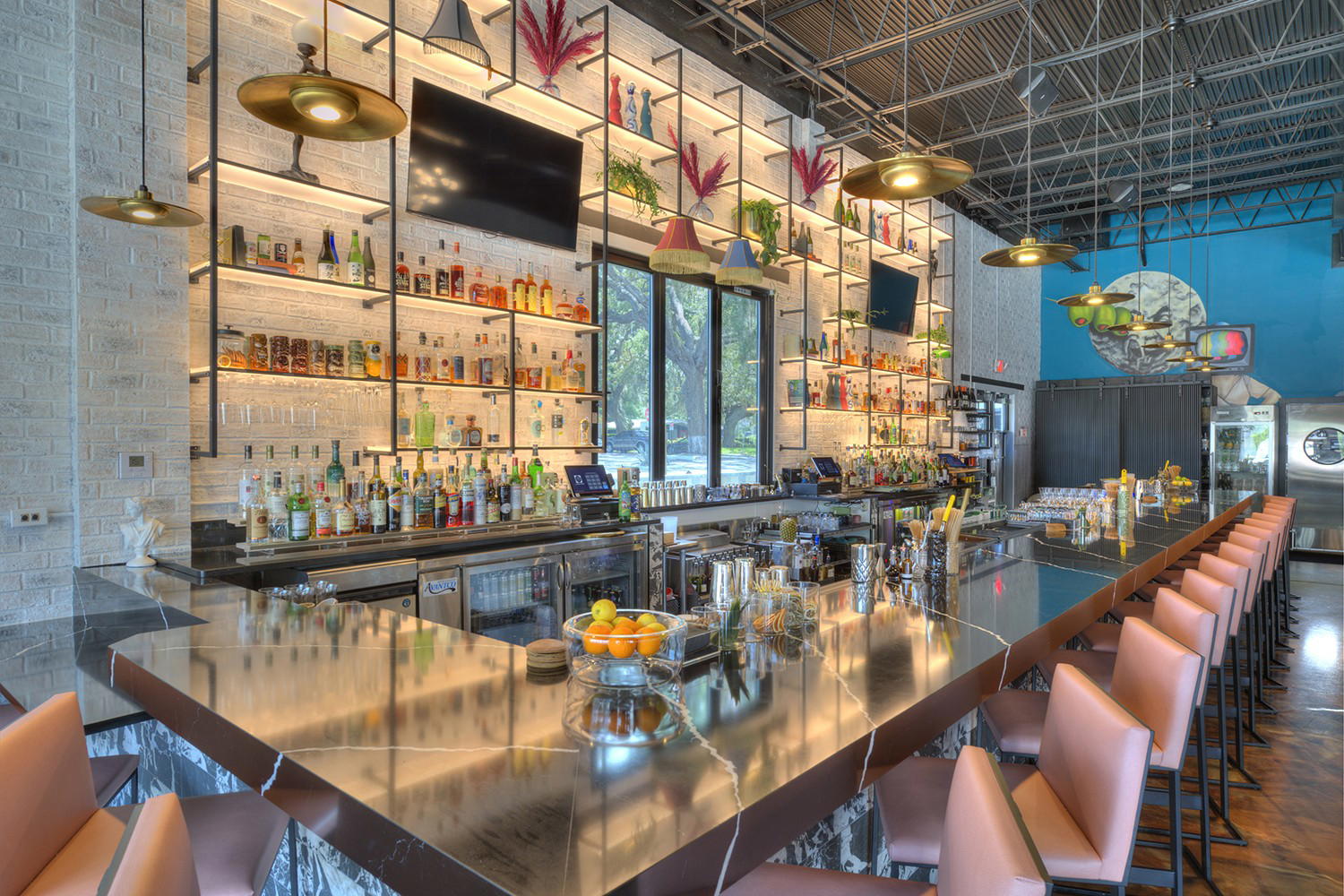
Hotels in Kitakatsuragi-gun
Browse all →



Wineries in Kitakatsuragi-gun
Browse all →
At a Glance
- Cozy
- Lively
- Casual Hangout
- Family
- Solo
- Group Dining
- After Work
- Late Night
- Standalone
- Sake Program
- Beer Program
Current opening hours
- Monday
- 11 AM–2:30 PM
- Tuesday
- 11 AM–2:30 PM, 5:30–8:30 PM
- Wednesday
- 11 AM–2:30 PM, 5:30–8:30 PM
- Thursday
- Closed
- Friday
- 11 AM–2:30 PM, 5:30–8:30 PM
- Saturday
- 11 AM–2:30 PM, 5:30–8:30 PM
- Sunday
- 11 AM–2:30 PM, 5:30–8:30 PM
Hours can change for holidays and private events. Last verified .
Casual, cozy neighborhood udon shop with a relaxed, family-friendly atmosphere and simple counter and table seating suited to everyday meals rather than formal dining.