Teuchi Soba Hayashi

Teuchi Soba Hayashi belongs to Nara’s quieter handmade-noodle circuit, where buckwheat, milling, water, and timing matter more than spectacle. Its selection for Tabelog 100 Soba WEST 2025 gives it a clear quality signal, while the modest spend places it in the rare category of serious regional soba that remains approachable for a focused lunch or low-key dinner.
Pearl is the En Primeur Club membership app — saves, bookings, and concierge access live there. Same editors, same standards.
- Address
- 奈良県北葛城郡広陵町馬見北8-6-6
- Phone
- +81745546884
- Website
- soba884.sakura.ne.jp
 Saves & bookings on Pearl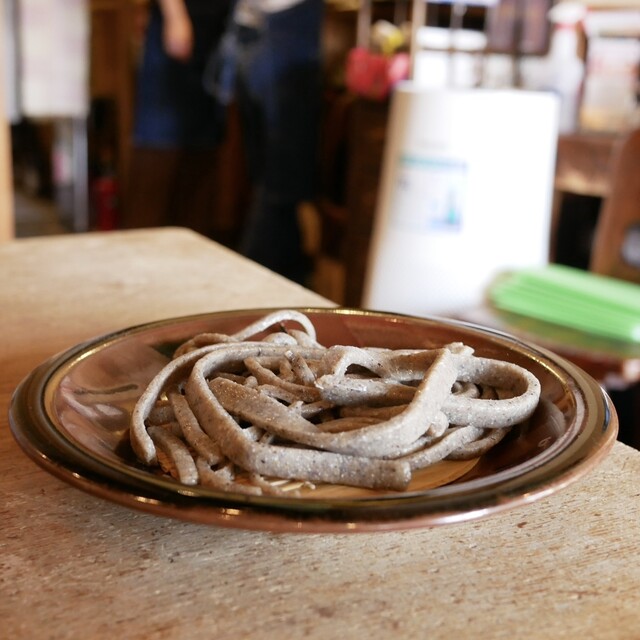
Kitakatsuragi-gun does not announce itself with the density of Osaka or Kyoto dining districts. The approach is suburban Nara: low buildings, residential rhythms, and a restaurant culture that rewards diners willing to leave the obvious city-center routes. In that setting, handmade soba has a different charge. It is less about theatre than control, because buckwheat noodles expose every weak link: flour quality, water, kneading pressure, knife work, boiling time, and the temperature at which the noodles reach the table.
Teuchi Soba Hayashi sits inside that regional discipline rather than the urban luxury template. Its selection for Tabelog 100 Soba WEST 2025 matters because soba lists in western Japan cover a broad competitive field, from Kansai counters to rural specialists. A Tabelog score of 3.73 places it in a serious local bracket without turning the meal into a high-ceremony event. That is the useful tension here: a craft category with national recognition, expressed through a neighborhood-scale room and a price tier that keeps the focus on the noodles rather than occasion dining.
Handmade soba in Nara is a sourcing argument, not a garnish
Soba is often treated by travelers as a simple noodle stop between temples, but the form is unforgiving. Buckwheat has little gluten, so texture depends on the cook’s handling as much as the grain itself. The point of a handmade soba house is not abundance; it is precision under constraint. In Nara, where local dining can feel quieter than the better-known Kyoto corridor, that precision often appears in small restaurants with limited seating, short service windows, and a rhythm shaped by dough rather than by long menus.
The sourcing angle matters because soba is grain-forward cooking. Unlike ramen, where broth, tare, fat, and toppings can dominate the experience, soba leaves the noodle exposed. The diner is reading aroma, cut, spring, and the way dipping sauce supports rather than masks the buckwheat. That makes a restaurant’s category signal important. A place selected for Tabelog 100 Soba WEST is being judged within a specialist field, not as a general Japanese restaurant, and that distinction helps explain why a modestly priced soba meal can carry more culinary weight than a higher-priced meal built on louder ingredients.
Kitakatsuragi-gun’s noodle culture also has a useful comparison point in Kamaage Udon Suzuan, another local noodle address in a similar spend range. Udon and soba ask different questions. Udon rewards wheat elasticity and heat retention; soba rewards buckwheat fragrance and restraint. Reading the two side by side gives a clearer picture of why Nara’s suburban dining is worth mapping at category level, not just by individual restaurant fame.
The room keeps the craft close to the table
The format is compact, with 20 table seats and a non-smoking dining room. That scale suits soba. Noodles are not a dish that improves by waiting, and smaller rooms help keep production and service in the same tempo. Private rooms are not part of the format, though private use is listed for groups up to 20 people, which underlines the restaurant’s small-house character rather than a banquet identity.
Drinks stay within a Japanese frame: sake, shochu, and a stated emphasis on sake. That is a sensible match for soba, especially in a region where the meal may be built around clean grain flavors rather than rich sauces. The absence of credit-card and electronic-money acceptance also says something about the dining culture here. This is not a frictionless hotel-dining experience; it belongs to the cash-and-local-payments end of Japanese restaurant life, with PayPay listed as accepted. For travelers, that practical detail is not secondary. It changes how the meal fits into a day outside the larger city circuits.
The family-friendly note is useful because serious noodle restaurants can be misread as formal by overseas diners. Here, children are welcome, and the room’s table-seat format makes the experience easier for families than counter-only specialist dining. The editorial read is clear: this is a craft soba stop with recognition, not a hushed tasting-menu room.
How to place it in a Kitakatsuragi-gun food day
The strongest way to use Teuchi Soba Hayashi is as part of a Nara-area noodle itinerary rather than as a destination built around ceremony. Lunch suits soba’s natural tempo, though evening service appears on selected days and reservations have separate rules by day and period. The transport note is equally relevant: access is tied to local rail and bus movement rather than a central station doorstep, so this meal fits diners already spending time in the area or those deliberately building a regional food detour.
For broader planning, start with our full Kitakatsuragi-gun restaurants guide, then layer in Kitakatsuragi-gun hotels, bars, wineries, and experiences if the visit extends beyond a single meal. Nearby Nara planning can also include #肉といえば松田 奈良本店 in Kashihara for a different register of regional dining.
in Sapporo, [ki:] in Kyoto, 1/3 HAMBURGER FACTORY in Kanazawa, and 1000 in Yokohama. For Japanese drinking culture outside Japan, Jōdo Saké Bar in Los Angeles and Onigiri Time in Pasadena show how rice, sake, and casual formats translate abroad.
The verdict is practical: this is the kind of restaurant that makes sense for travelers who care about ingredient-led Japanese cooking without needing a luxury frame. The award signal, small room, soba specialization, sake orientation, and local access pattern all point in the same direction. Come for buckwheat handled with seriousness, and treat the surrounding geography as part of the meal’s logic.
Quick Comparison
Comparable venues by cuisine and price in the same metro.
| Venue | Cuisine | Price | Notes |
|---|---|---|---|
| Teuchi Soba HayashiThis venue — the venue you are viewing | Japanese Soba | $ | Not listed |
| Kamaage Udon Suzuan | Sanuki-style kama-age udon shop | $ | Koryo-cho |
| 須崎食料品店 | Traditional Sanuki Udon | $ | 高瀬町上麻 |
| 屋宜家 | Traditional Okinawan Soba | $ | 八重瀬町大頓 |
| Nakakooriten Kakigori | Japanese Kakigori (Shaved Ice) | $ | Shingu |
| Hekkelun | Classic Japanese Kissaten | $ | Toranomon/Shinbashi |
Recognition history
Dated appearances from independent guides and award organizations, with the underlying list record or original source where available.
Tabelog 100 #75 · No. 75
Tabelog · Tabelog 100 - Soba - WEST - 2025
Continue exploring
More in Kitakatsuragi-gun
Restaurants in Kitakatsuragi-gun
Browse all →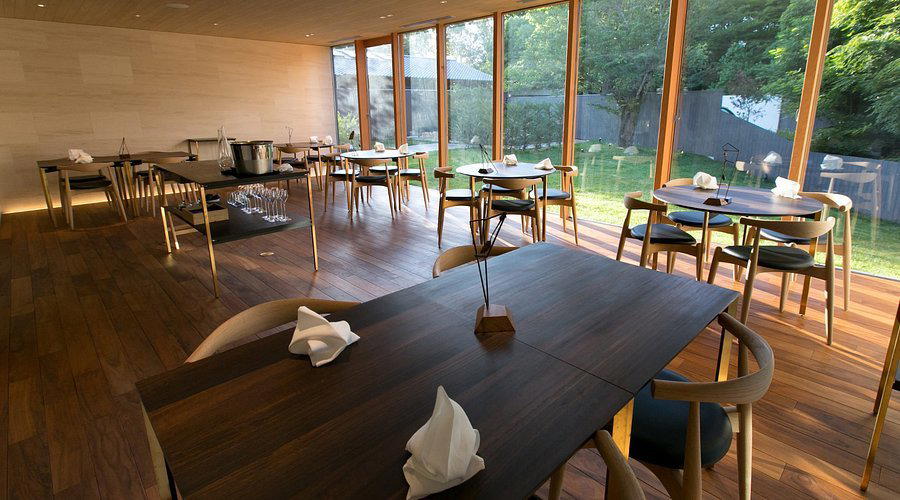




Bars in Kitakatsuragi-gun
Browse all →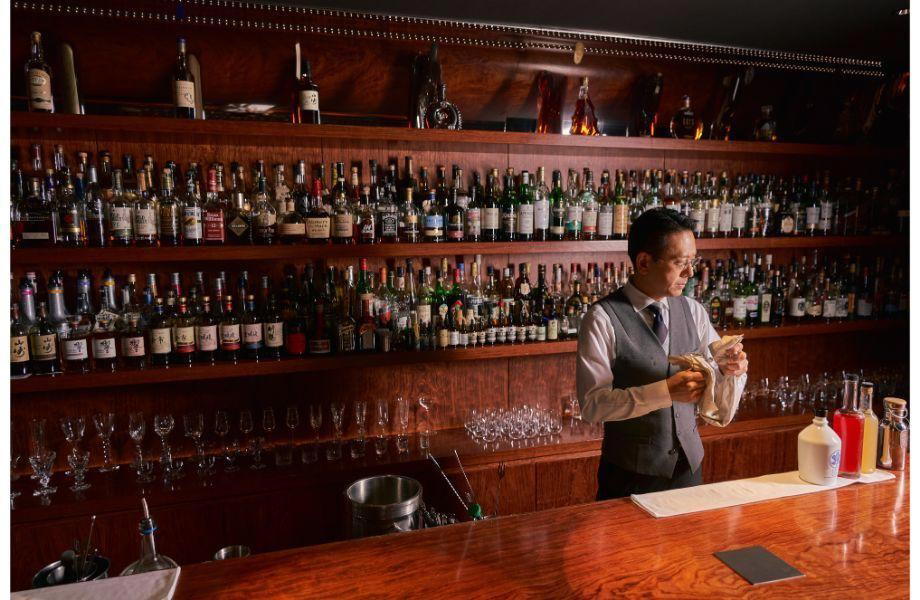
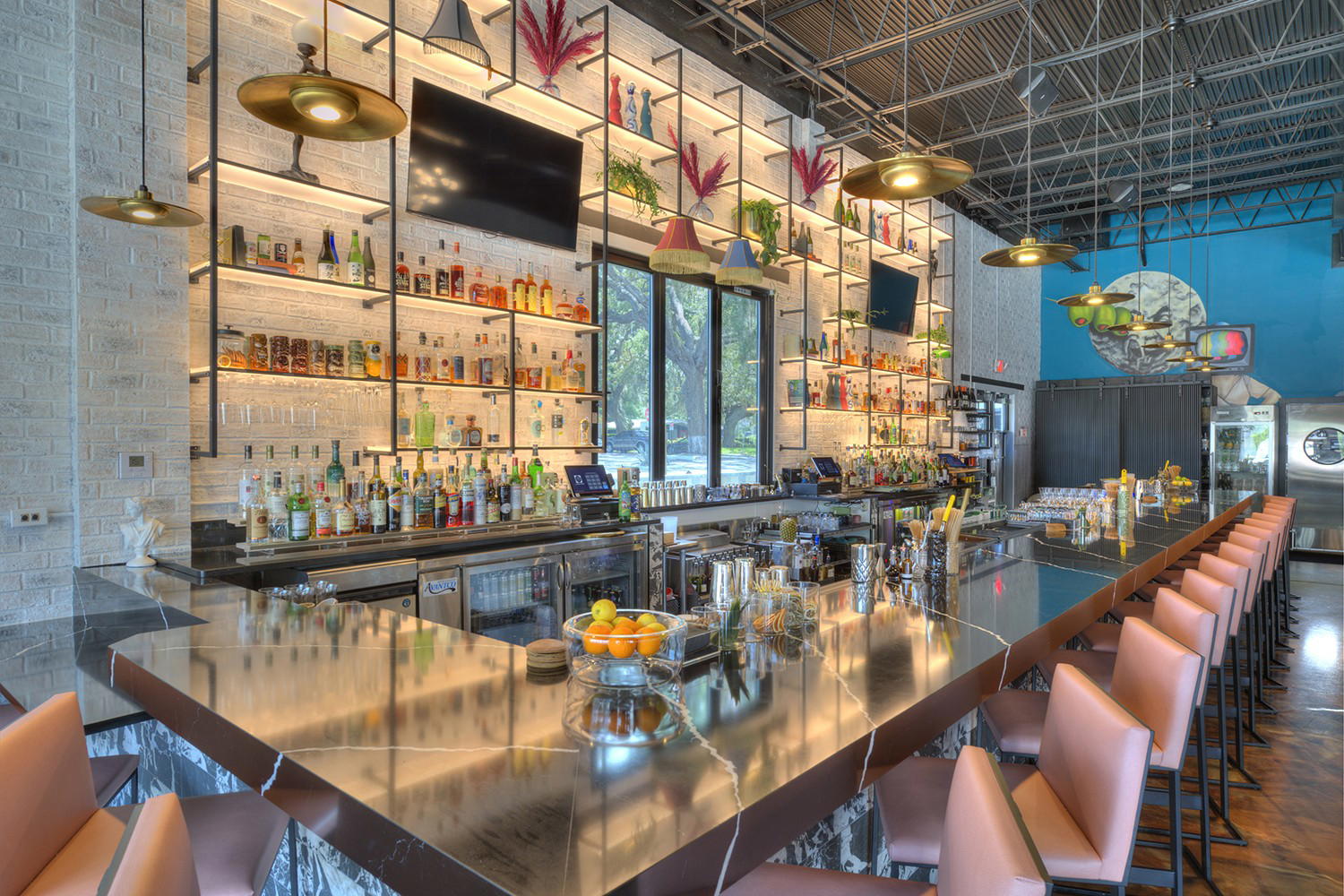

Hotels in Kitakatsuragi-gun
Browse all →



Wineries in Kitakatsuragi-gun
Browse all →
At a Glance
- Quiet
- Cozy
- Classic
- Solo
- Casual Hangout
- Group Dining
- Standalone
A modest, traditional soba shop atmosphere focused on a calm, no-frills dining experience.