KAMA – Wicker Park
KAMA in Wicker Park sits at the intersection of Chicago's neighborhood dining culture and the city's broader shift toward chef-driven, format-conscious restaurants. Located on Milwaukee Avenue, one of the corridor's more curated stretches, KAMA draws from a tradition where the pace and sequence of a meal matter as much as the plate. A considered addition to the North Side's evolving dining conversation.
Pearl is the En Primeur Club membership app — saves, bookings, and concierge access live there. Same editors, same standards.
- Address
- 1560 N Milwaukee Ave, Chicago, IL 60622
- Phone
- +17739047640
- Website
- kamabistro.com
- Directions
- Get directions
 Saves & bookings on Pearl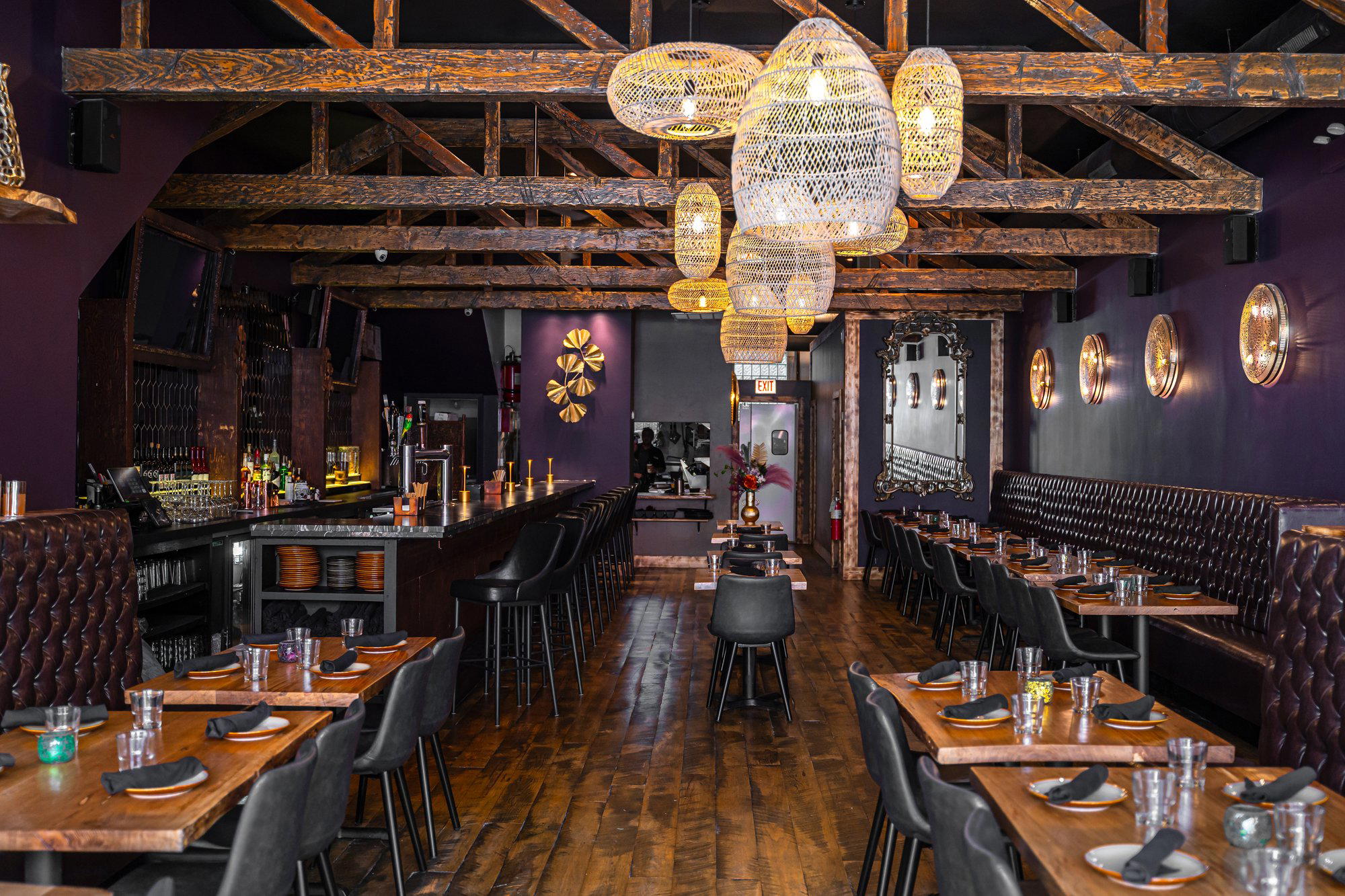
Milwaukee Avenue and the Ritual of the Neighborhood Table
Wicker Park's restaurant corridor on Milwaukee Avenue has undergone a quiet but significant recalibration over the past decade. What was once a strip defined by late-night bars and casual ethnic kitchens has, block by block, absorbed a more deliberate kind of operator: smaller rooms, tighter menus, and a greater emphasis on the sequence and pace of the meal rather than its sheer volume. KAMA is a Modern Indian restaurant at 1560 N Milwaukee Ave in Chicago's Wicker Park neighborhood. KAMA, at 1560 N Milwaukee Ave, arrives into that context, a stretch where the physical act of dining has become a more conscious ritual rather than a reflex.
This matters for how you approach an evening here. The neighborhood itself has trained its regulars to expect something beyond a transactional table turn. Wicker Park diners, by and large, have grown accustomed to restaurants that treat time at the table as the product, not merely the container for it. In that sense, KAMA is less an outlier than a continuation of a pattern already well established along this corridor.
The Dining Ritual: Pacing, Sequence, and the Architecture of a Meal
Chicago's serious dining culture has long bifurcated between two modes: the full-commitment tasting format, leading represented by Alinea, Smyth, and Oriole at the upper tier, and the more open, à la carte neighborhood format where the ritual is self-directed. KAMA occupies terrain between these poles, on a street that rewards guests who arrive without a rush and leave only when the conversation runs out.
In the tradition of restaurants that treat pacing as an editorial decision, the meal here is best understood as a sequence to be constructed rather than a single transaction. That philosophy is common across the more thoughtful end of the Wicker Park dining scene, and it aligns KAMA with a comparable set more interested in the architecture of an evening than in throughput. The analogy is not to the ticketed, fully choreographed experiences of Next Restaurant or the farm-to-counter precision of Single Thread Farm in Healdsburg, it is, rather, to the kind of place where the kitchen's rhythm and the room's tempo are in conversation with each other.
Across American dining more broadly, this approach, where the meal has a shape rather than just a menu, has taken root in markets from San Francisco's Lazy Bear to Tarrytown's Blue Hill at Stone Barns. Chicago has developed its own version of the format, and Wicker Park has become one of the neighborhoods where that version operates at a neighborhood scale rather than a destination-dining scale.
How Wicker Park Sits in Chicago's Broader Dining Map
Chicago's fine and serious dining has historically concentrated in the River North and West Loop corridors. The migration of considered, chef-driven restaurants into neighborhoods like Wicker Park, Logan Square, and Andersonville represents a meaningful structural shift, one that Kasama helped crystallize when it became the first Filipino restaurant in the United States to receive a Michelin star, demonstrating that neighborhood-scale ambition can achieve recognition previously reserved for downtown rooms.
KAMA on Milwaukee Avenue is part of this same gravitational shift. The logic is direct from a guest's perspective: neighborhood dining at this level tends to be less performative than its downtown counterparts, with smaller rooms, shorter reservation lead times, and a more direct relationship between kitchen and table. It is also typically easier to build a full evening around, the surrounding blocks offer bars and coffee roasters that function as natural pre- or post-dinner destinations.
For visitors using Chicago as a dining destination, the neighborhood patterns are clear in the city’s dining map, distinguishing between the tasting-menu tier represented by Oriole and the more accessible but no less serious neighborhood format.
American Dining Context: Where KAMA Fits the National Picture
The broader American dining conversation is shaped by restaurants that resist the binary of fine dining versus casual. At the serious end of the casual register, across cities like New York, Los Angeles, San Diego, and Atlanta, operators have built reputations on format discipline rather than formality. Providence in Los Angeles, Addison in San Diego, and Bacchanalia in Atlanta each anchor their respective markets with a different answer to the same question: what does a serious meal look like when it is not trying to be a theater production?
KAMA in Wicker Park participates in that national conversation from a specific Chicago vantage point, a neighborhood restaurant on a corridor that has earned its culinary credibility incrementally. That positioning is, in many American cities, where durable dining culture has tended to form. The comparison set here is less The French Laundry in Napa or The Inn at Little Washington and more the mid-tier of serious neighborhood restaurants that form the connective tissue of a city's actual dining life.
Internationally, the neighborhood-serious format is well established in cities like Hong Kong, where 8 1/2 Otto e Mezzo Bombana demonstrated that neighborhood-adjacent positioning can sustain serious recognition over time. In New York, Atomix operates in a related register, a tightly controlled format that rewards guests who arrive prepared to follow the kitchen's lead rather than impose their own rhythm. New Orleans offers yet another model through Emeril's, where neighborhood identity and culinary ambition have coexisted for decades. Le Bernardin in New York City anchors the more formal end of the spectrum, a useful reference point for understanding just how wide the band of serious American dining has become.
Planning Your Visit
KAMA is located at 1560 N Milwaukee Avenue, in the heart of Wicker Park's main commercial strip, accessible via the CTA Blue Line at the Damen stop, a short walk from the restaurant. The neighborhood is dense with options for drinks before and after the meal, which makes it practical to build an extended evening without planning every element in advance. Reservations are recommended.
Quick Comparison
Comparable venues nearby, for context on price, style, and recognition.
| Venue | Cuisine | Price | Notes |
|---|---|---|---|
| KAMA – Wicker ParkThis venue — the venue you are viewing | Modern Indian | $$$ | Not listed |
| VAJRA | Modern Indian & Nepalese | $$$ | West Town |
| Coco Pazzo | Classic Tuscan Italian fine dining | $$$ | River North |
| La Serre | Coastal French-Mediterranean | $$$ | West Loop |
| Ikigai Sushi & Izakaya | Japanese Sushi & Izakaya | $$$ | River North |
| Basant Modern Indian | Modern Indian | $$$$ | North Center |

At a Glance
- Modern
- Trendy
- Sophisticated
- Date Night
- Special Occasion
- Group Dining
- Open Kitchen
- Craft Cocktails
- Sake Program
Current opening hours
- Monday
- 4–9 PM
- Tuesday
- 4–9 PM
- Wednesday
- 4–9 PM
- Thursday
- 12–9 PM
- Friday
- 12–10 PM
- Saturday
- 12–10 PM
- Sunday
- 12–9 PM
Hours can change for holidays and private events. Last verified .
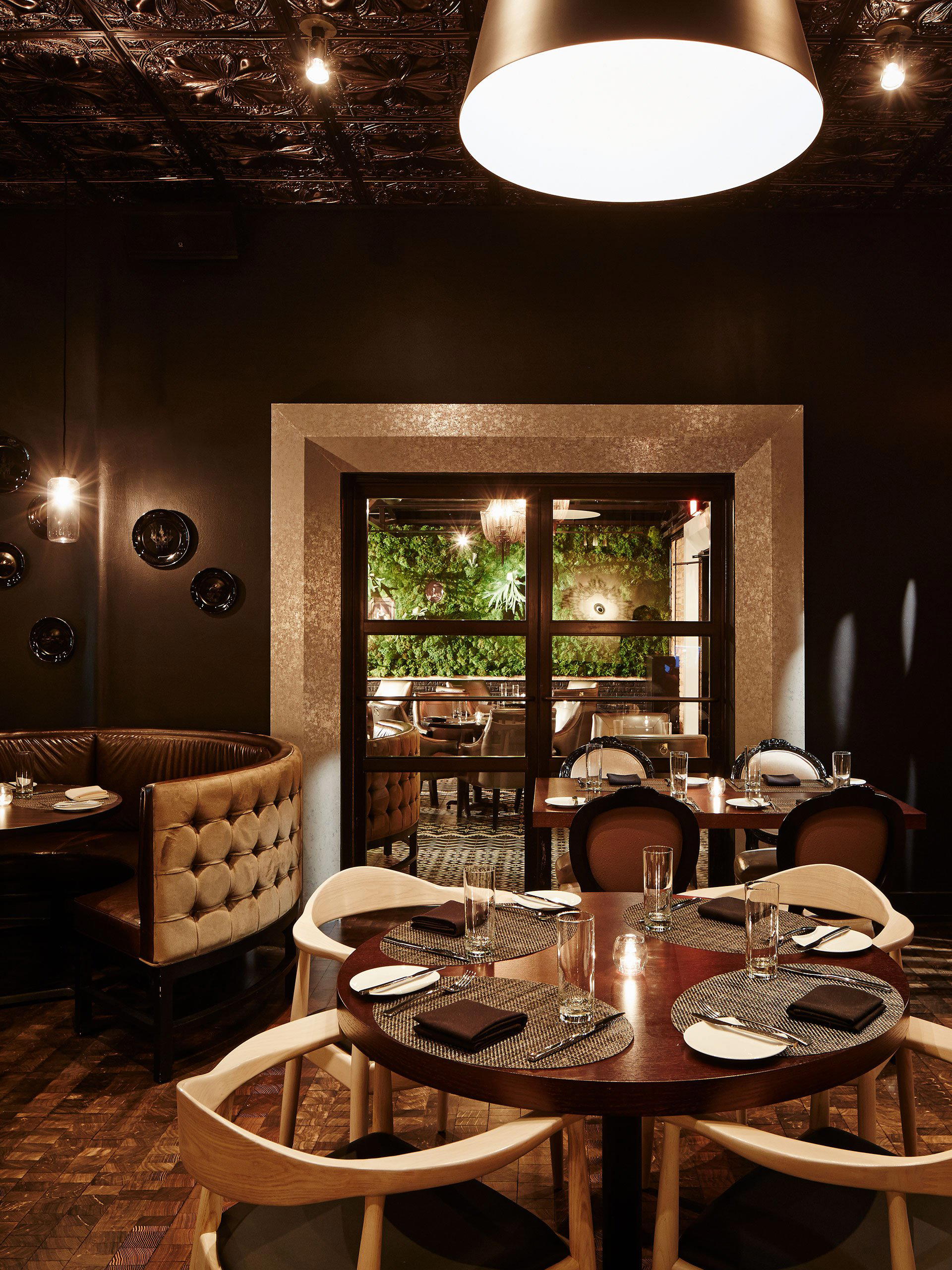
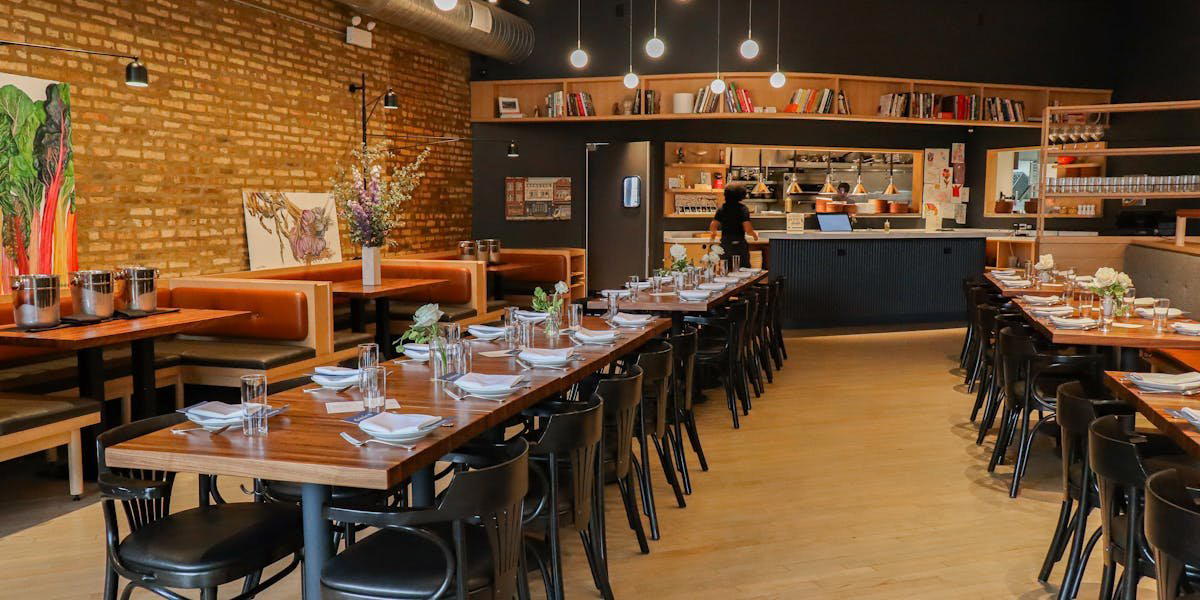
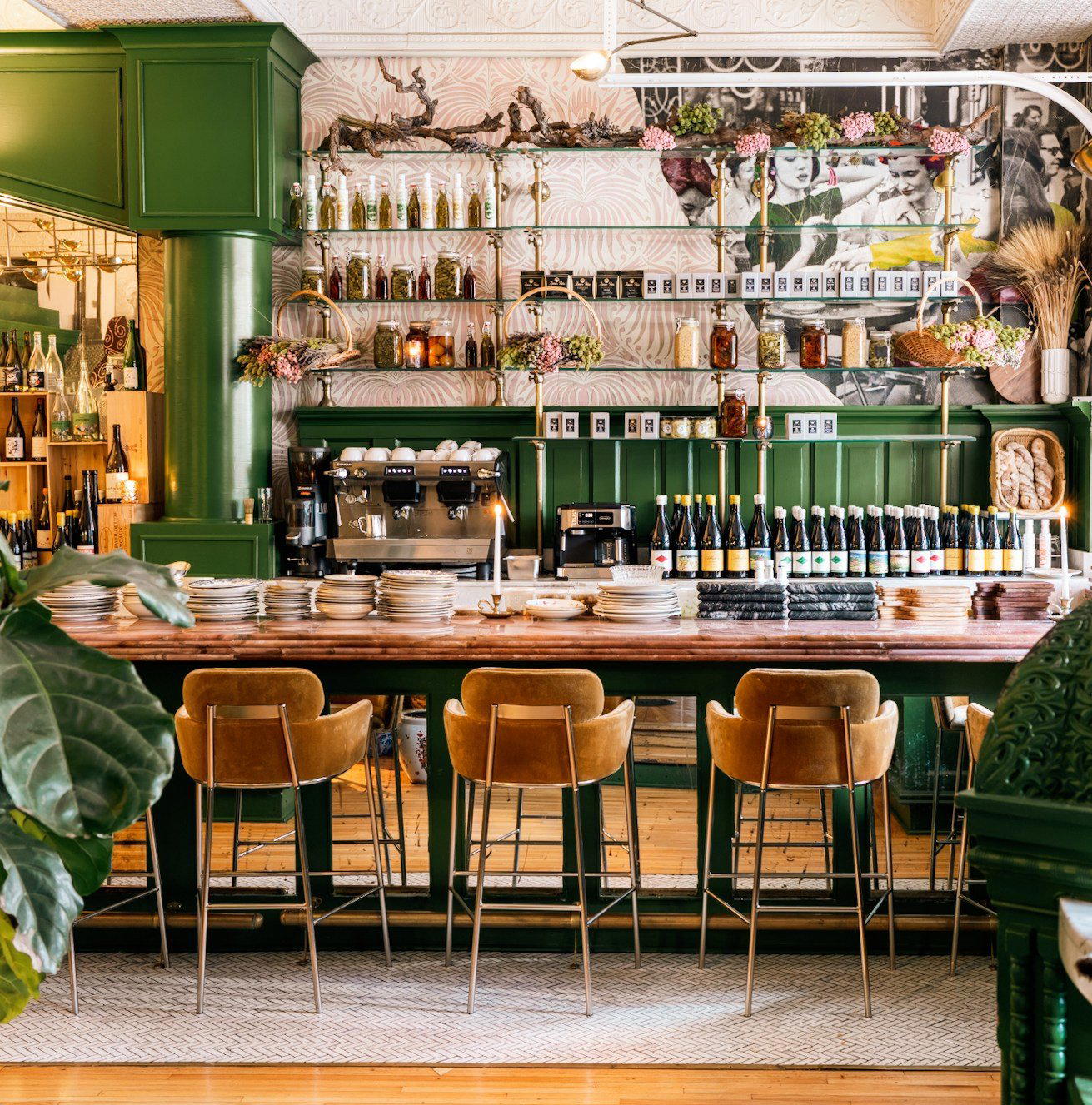
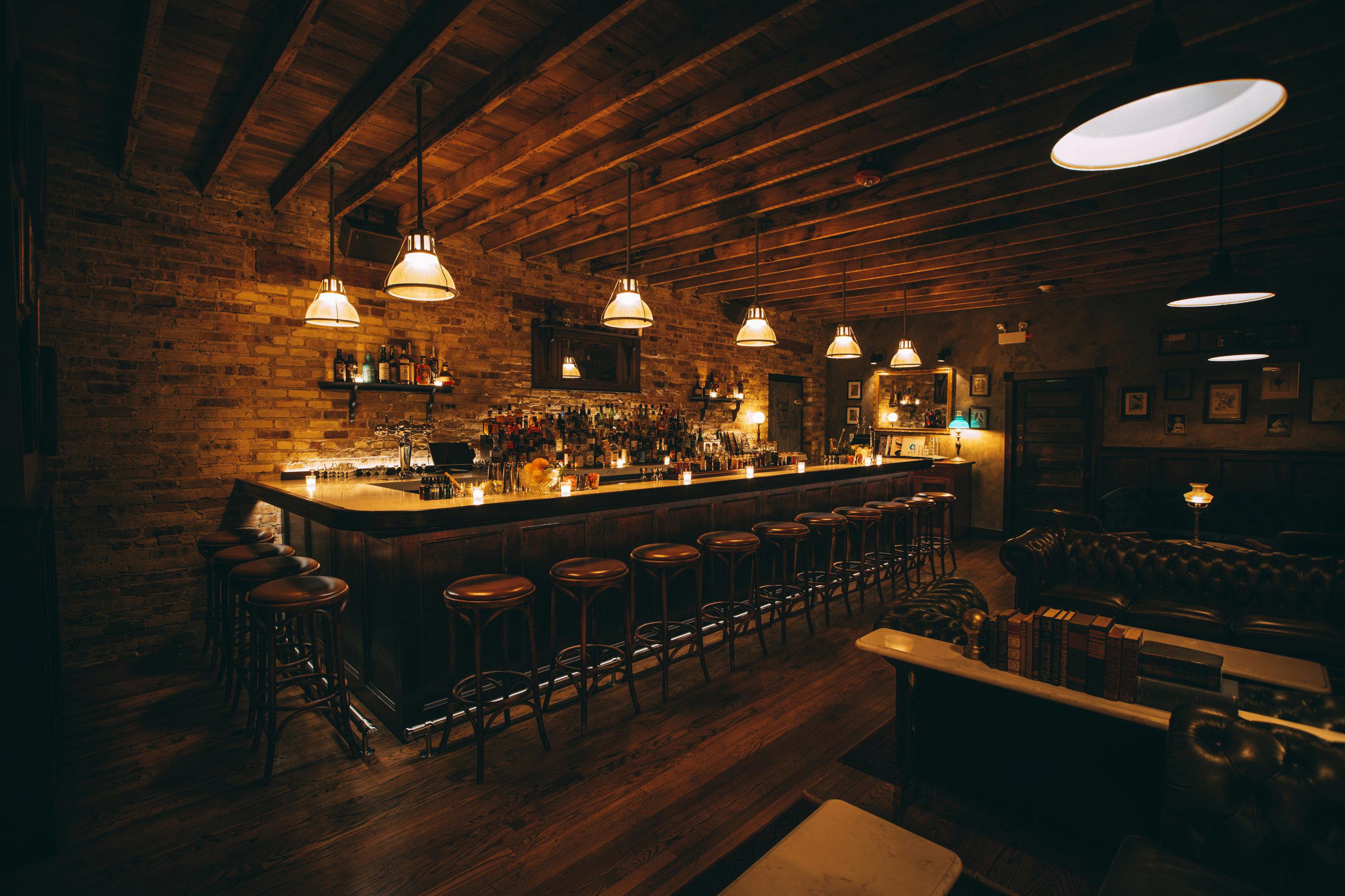
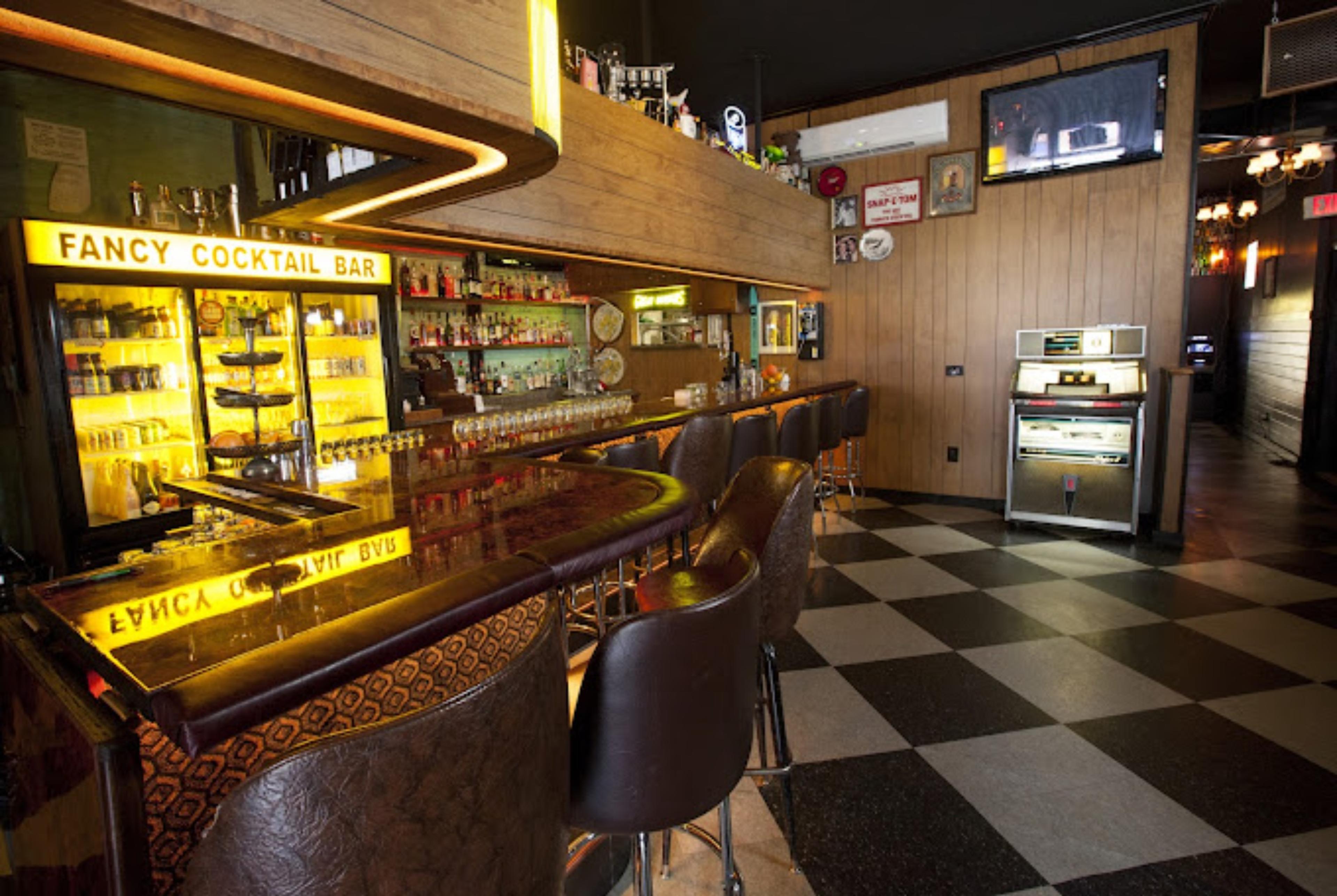
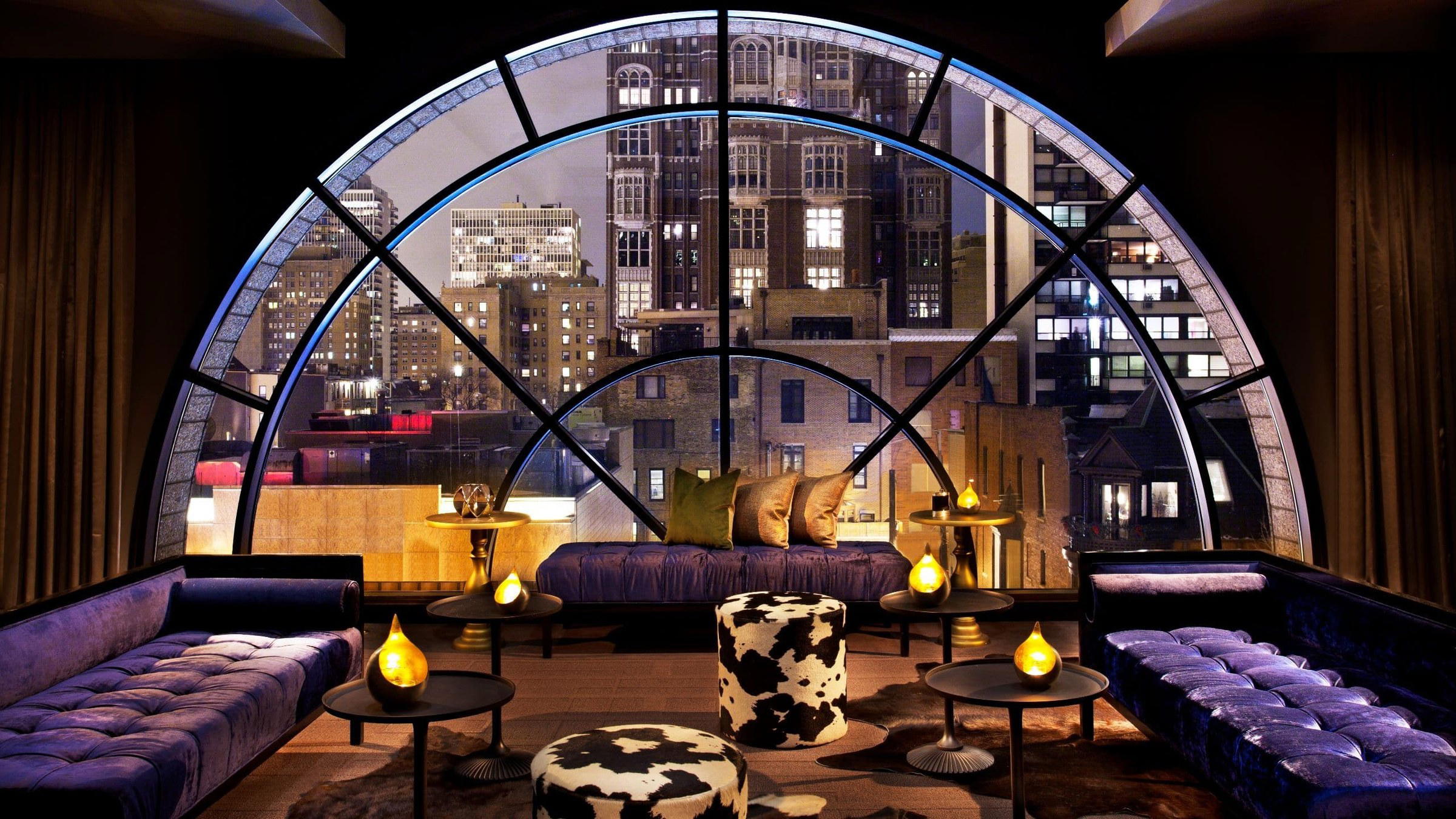
Lively and inviting atmosphere blending sensual Indian heritage with contemporary sophistication.