Basant Modern Indian
Basant Modern Indian occupies a residential stretch of North Center, bringing a sourcing-conscious approach to Indian cuisine in a Chicago dining scene more accustomed to subcontinental cooking defined by convention. The restaurant sits in a neighborhood tier that rewards curiosity over spectacle, offering a format where ingredient provenance shapes the menu as much as technique or regional tradition.
Pearl is the En Primeur Club membership app — saves, bookings, and concierge access live there. Same editors, same standards.
- Address
- 1939 W Byron St, Chicago, IL 60613
- Phone
- +17737703616
- Website
- basantchicago.com
- Directions
- Get directions
 Saves & bookings on Pearl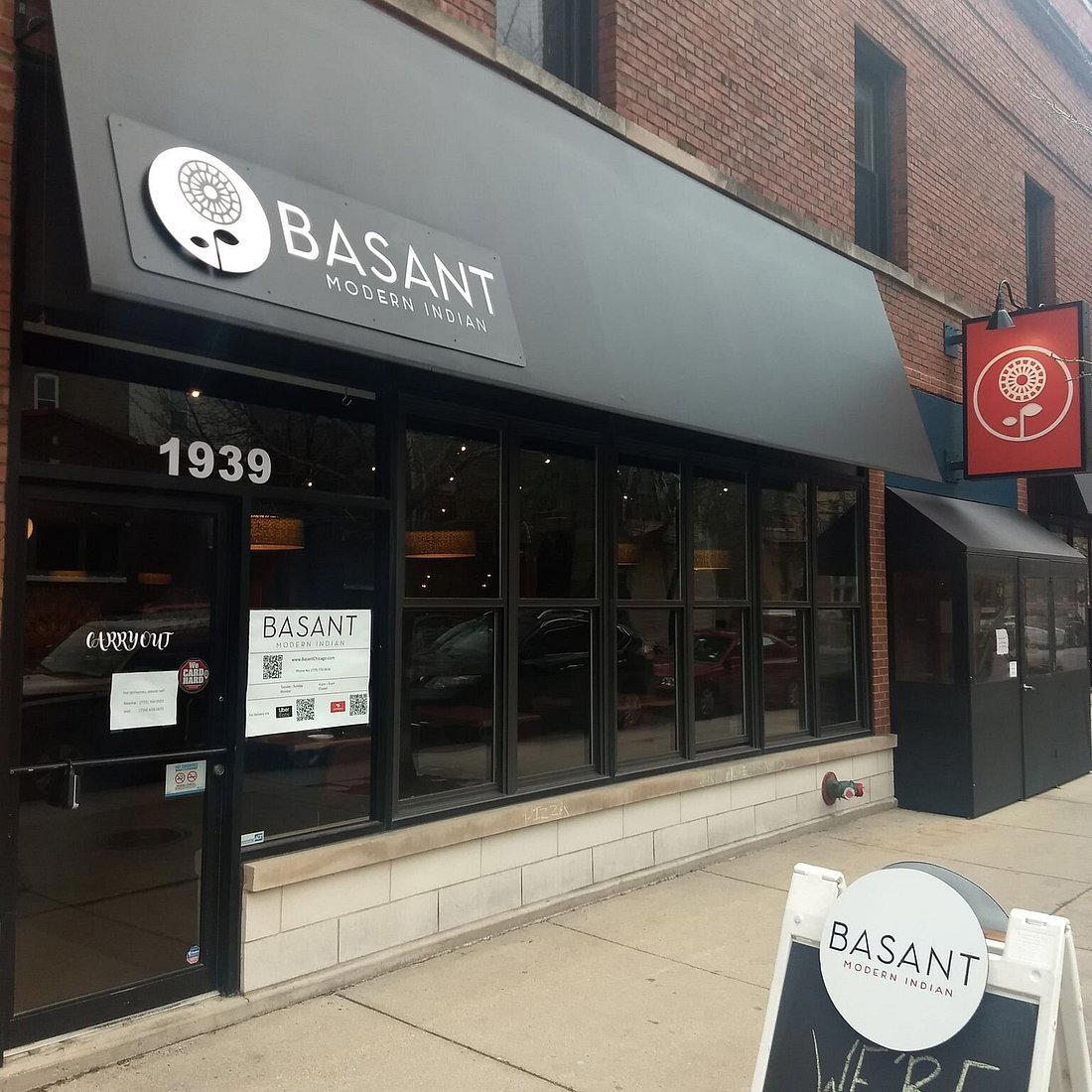
North Center's Quiet Argument for Modern Indian Cooking
Chicago's Indian restaurant community has historically concentrated around Devon Avenue on the Far North Side, where density and price competition define the offer. Basant Modern Indian is a Modern Indian restaurant in Chicago at 1939 W Byron St, with reservations recommended and an approximate price of $60 per person. What's shifted over the past decade is a parallel track: smaller, chef-driven rooms in residential neighborhoods where the framing around Indian cuisine moves away from subcontinental convention and toward something more aligned with the sourcing-first priorities that define serious American dining in 2024. Basant Modern Indian, at 1939 W Byron St in North Center, sits on that second track.
North Center is not a dining destination in the way that Fulton Market or the West Loop draw out-of-town itineraries. It is a neighborhood where restaurants survive on regulars, word-of-mouth, and a consistent quality argument rather than foot traffic or press cycles. That geography is a signal. Restaurants that open here do so because the concept warrants it, not because the location sells itself.
Where Ingredient Sourcing Becomes the Editorial Thread
Modern Indian cooking in the United States occupies an interesting position in 2024. The broader American dining conversation around ingredient provenance, which farms supply the proteins, which purveyors handle the spices, how seasonal availability shapes a menu, has arrived late to Indian kitchens compared to, say, the farm-to-table frameworks that have defined places like Blue Hill at Stone Barns in Tarrytown or Single Thread Farm in Healdsburg for years. The category is now catching up.
The reason ingredient sourcing matters particularly in Indian cooking is structural. The cuisine relies on spice combinations, fat choices, and slow-cooked foundations where the quality of raw materials is masked more easily than in, say, a French preparation where a single protein is the center of the plate. A kitchen that takes sourcing seriously within an Indian framework is making a harder argument, not an easier one: it's saying that the provenance of the base materials will be detectable even after the cooking process, even inside complex spice profiles. That's a more demanding standard than most Indian restaurants in Chicago currently hold themselves to.
Across the American dining tier, the restaurants that have made sourcing central to their identity, Smyth, Oriole, and Next Restaurant among Chicago's own, treat that commitment as a floor, not a marketing point. The expectation is that sourcing decisions show up in the plate, not just in the menu copy. Basant's positioning within the modern Indian category in Chicago suggests a similar ambition, placing it in conversation with that broader shift in how serious American restaurants are evaluated.
Chicago's Modern Dining Tier and Where Indian Fits
Chicago's leading dining tier is heavily weighted toward tasting-menu formats: Alinea, Kasama, and the West Loop concentration of progressive American kitchens set a particular expectation around format, price, and ceremony. Indian cuisine, even in its modern expressions, generally operates outside that framework, it is more plate-driven, more communal, and more flexible around dietary accommodation. That flexibility is one of the category's genuine structural advantages.
The comparison set that matters for Basant is not Alinea or Oriole but rather the emerging cohort of chef-driven ethnic and regional restaurants in Chicago that are reframing their cuisines for a dining public that has been trained by places like Atomix in New York City to expect rigorous sourcing, seasonal responsiveness, and culinary intelligence within non-European cooking traditions. That cohort is growing nationally, and Chicago's version of it is becoming more defined.
Globally, the sourcing-conscious fine-dining approach to regional cuisines has produced particularly compelling restaurants of the past decade. Atelier Moessmer Norbert Niederkofler in Brunico built an entire identity around Alpine ingredient integrity. In the United States, Providence in Los Angeles and Le Bernardin in New York City have long demonstrated that sourcing transparency and culinary tradition are not in conflict. The question for modern Indian in Chicago is whether a restaurant can make that argument convincingly within a cuisine that American diners have historically engaged with at lower price points and lower scrutiny.
The North Center Format and What It Implies
A restaurant at this address is playing a patient game. North Center draws from the immediate residential catchment and from diners who seek it out specifically. That means the room is not performing for tourists or for the kind of casual walk-in traffic that sustains restaurants in higher-density corridors. The implication is that the kitchen has latitude to be more deliberate: fewer covers, more control over execution, a guest base that comes with intentions rather than impulses.
That format pattern is consistent with how serious modern Indian restaurants have developed in other American cities. The category tends to work better at smaller scale, where spice procurement can be tighter, where sourcing relationships with local farms can be managed without the volume pressures that undermine quality at larger operations. Frasca Food and Wine in Boulder and Addison in San Diego both demonstrate how neighborhood-anchored rooms with deliberate formats can sustain a serious culinary identity outside the urban density that most critics assume is necessary.
Know Before You Go
Address: 1939 W Byron St, Chicago, IL 60613
Neighborhood: North Center
Cuisine: Modern Indian
Booking: Reservations are recommended.
Cuisine Context
Comparable venues nearby, for context on price, style, and recognition.
| Venue | Cuisine | Price | Notes |
|---|---|---|---|
| Basant Modern IndianThis venue — the venue you are viewing | Modern Indian | $$$$ | Not listed |
| KAMA – Wicker Park | Modern Indian | $$$ | Wicker Park |
| Bocadillo Market | Modern Spanish Tapas & Paella | $$$$ | West Town |
| Nisos Prime | Mediterranean Steakhouse | $$$$ | West Loop |
| The Wellsley | French Bistro | $$$$ | River North |
| Jōtō Sushi | Dry-Aged Sushi Omakase | $$$$ | West Loop |

At a Glance
- Modern
- Elegant
- Lively
- Date Night
- Group Dining
- Casual Hangout
- Standalone
- Craft Cocktails
Current opening hours
- Monday
- Closed
- Tuesday
- Closed
- Wednesday
- 5–9:30 PM
- Thursday
- 5–9:30 PM
- Friday
- 5–10 PM
- Saturday
- 5–10 PM
- Sunday
- 12–9 PM
Hours can change for holidays and private events. Last verified .
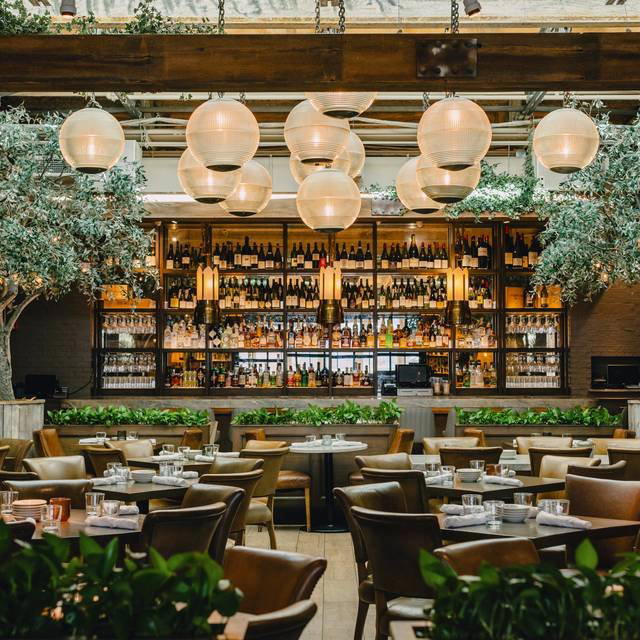
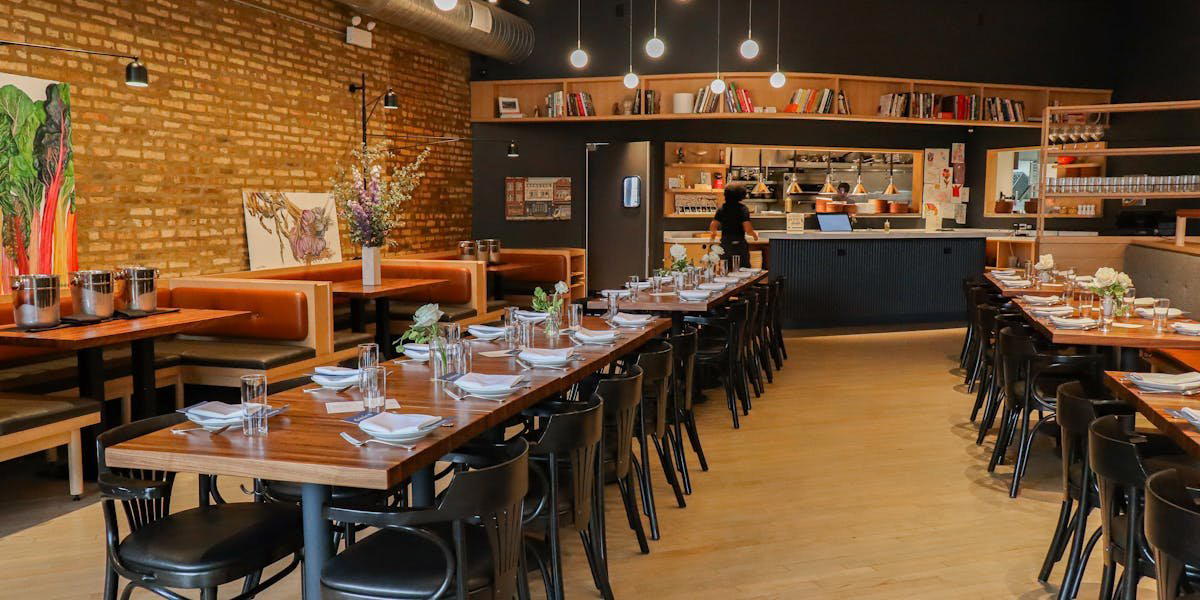
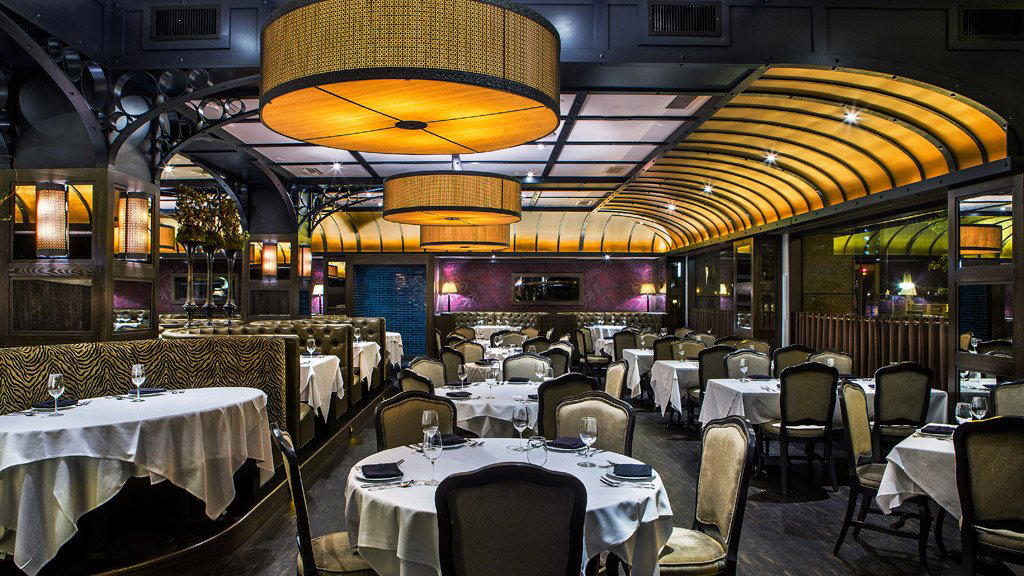
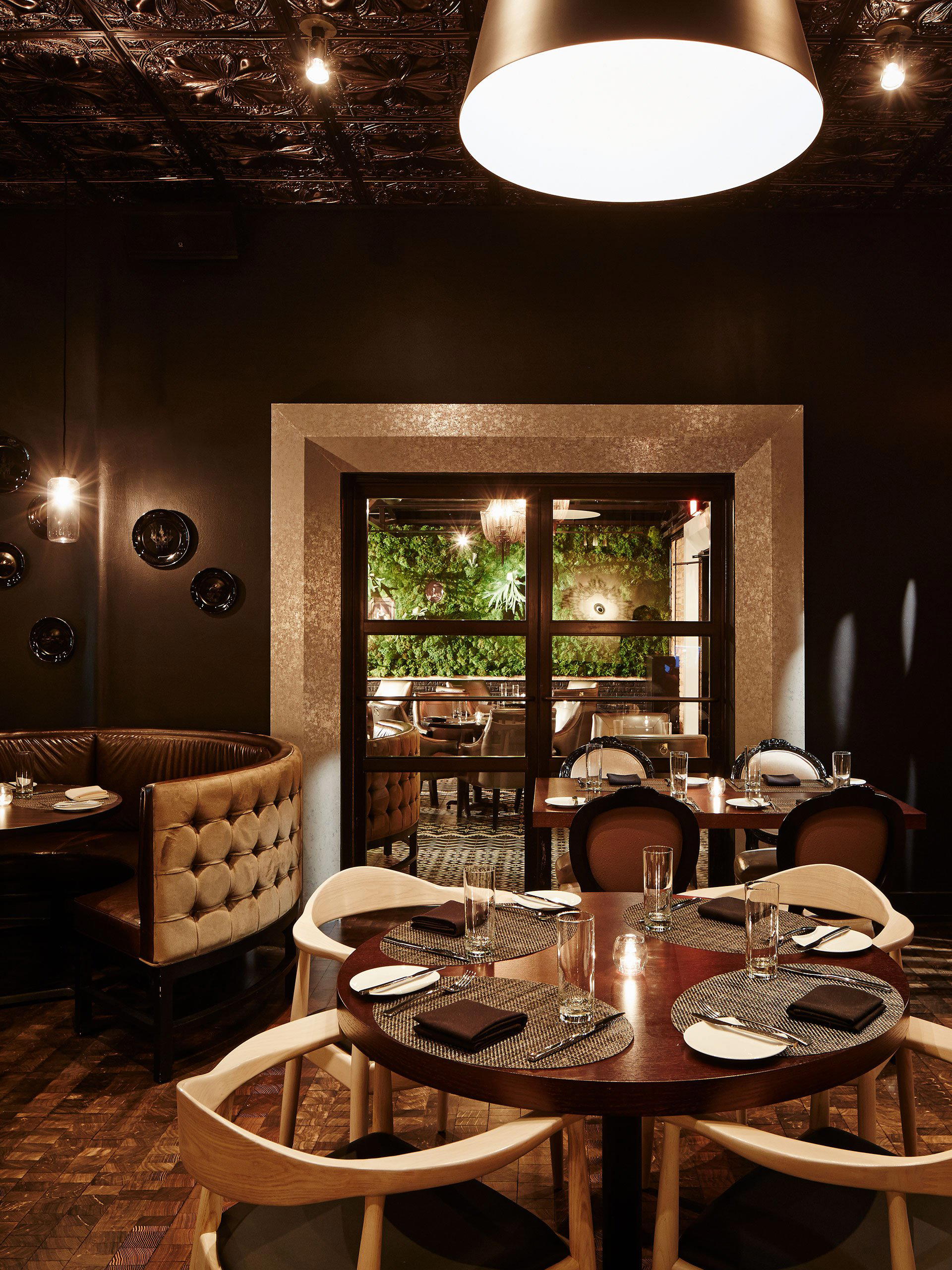
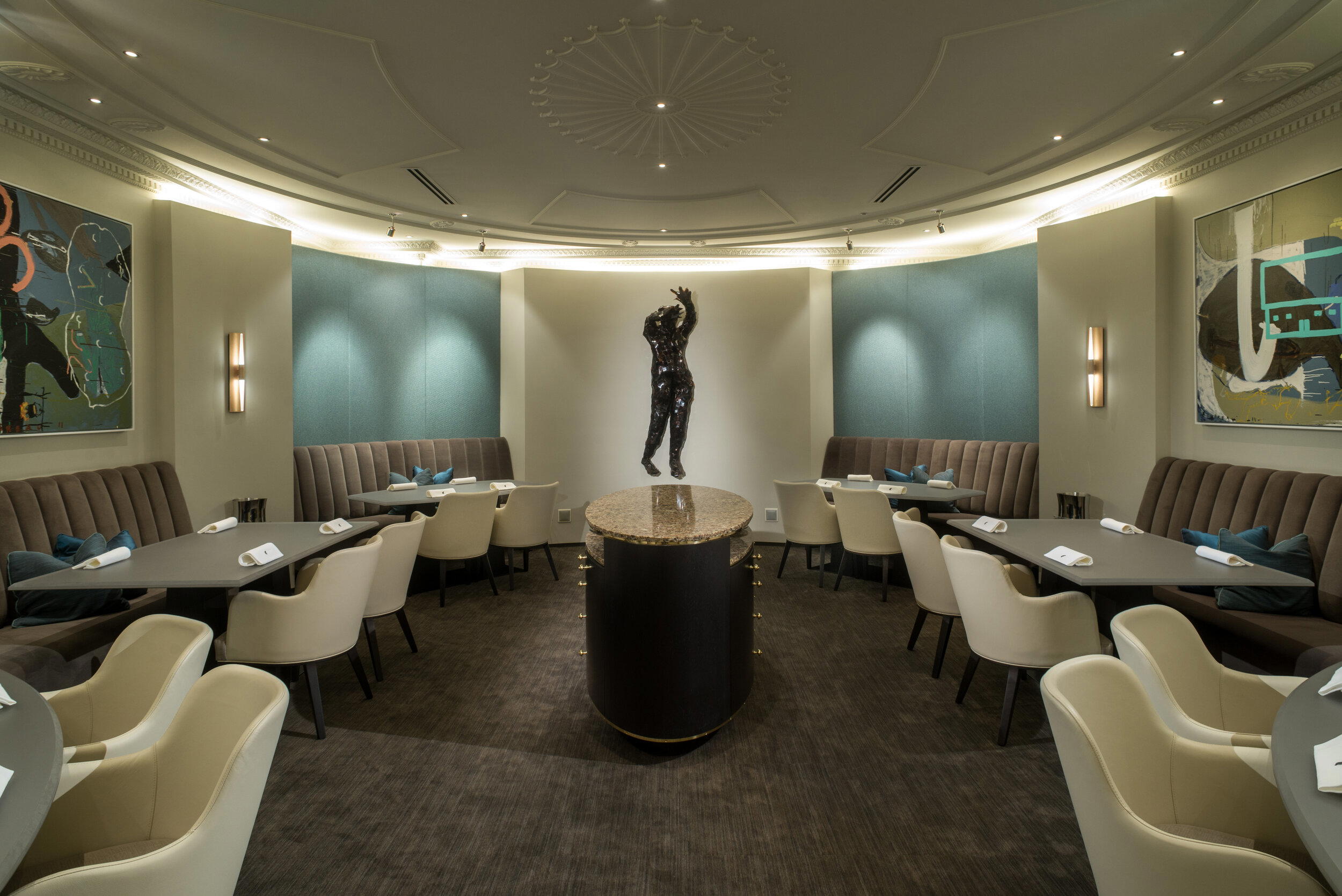
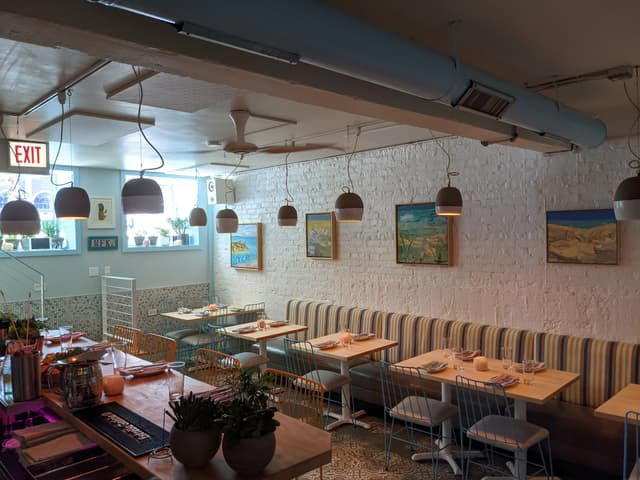
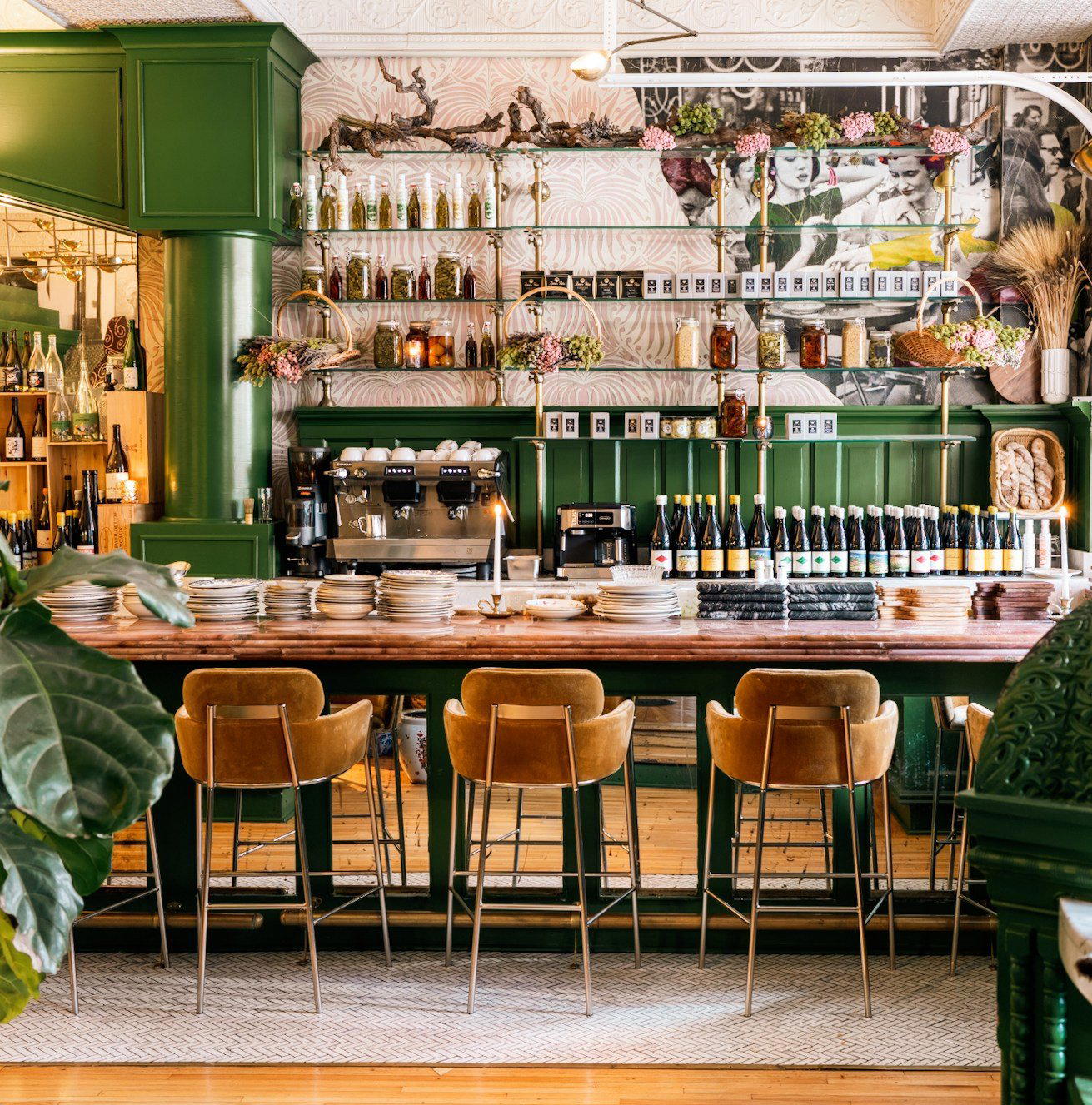
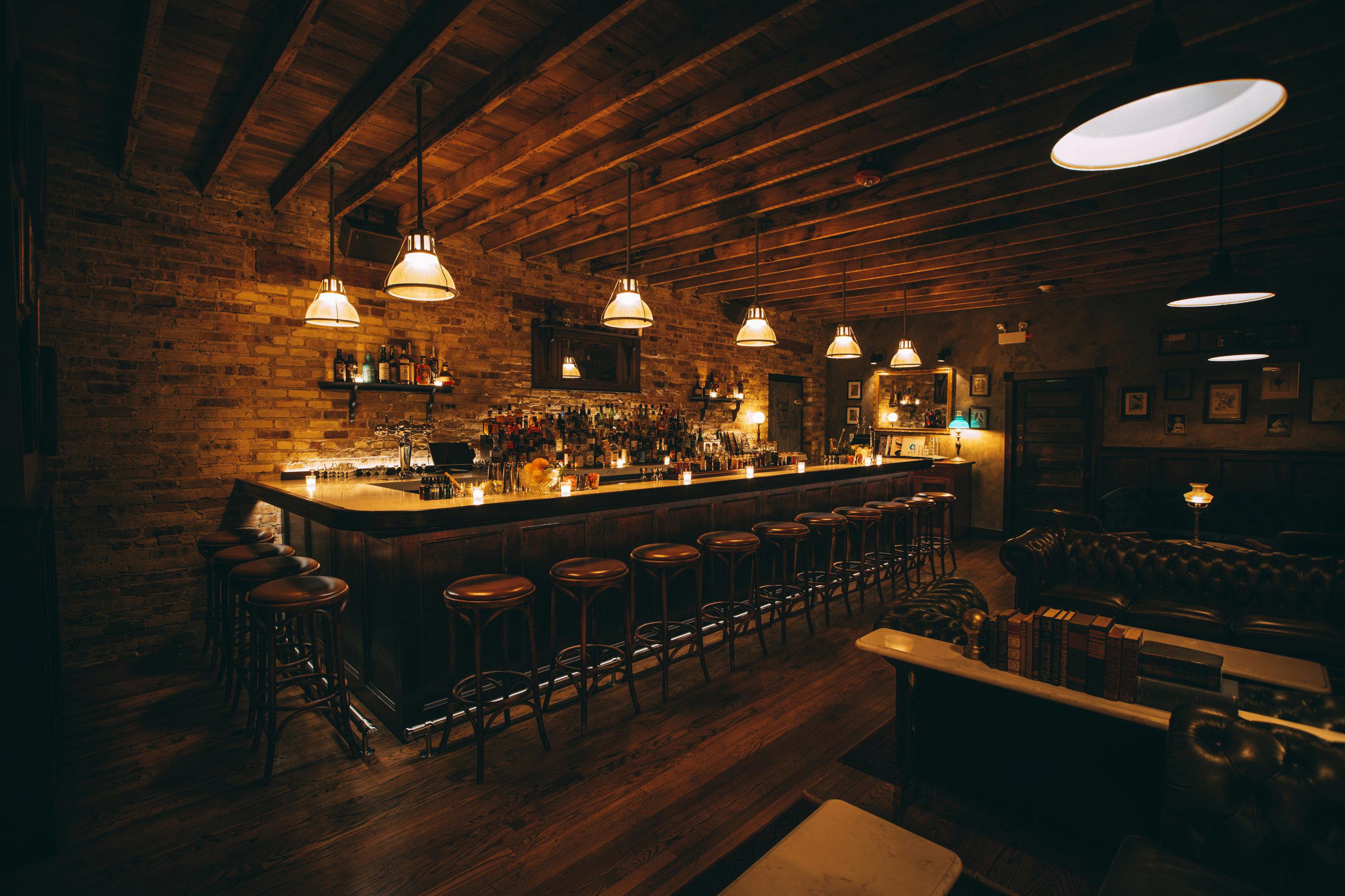
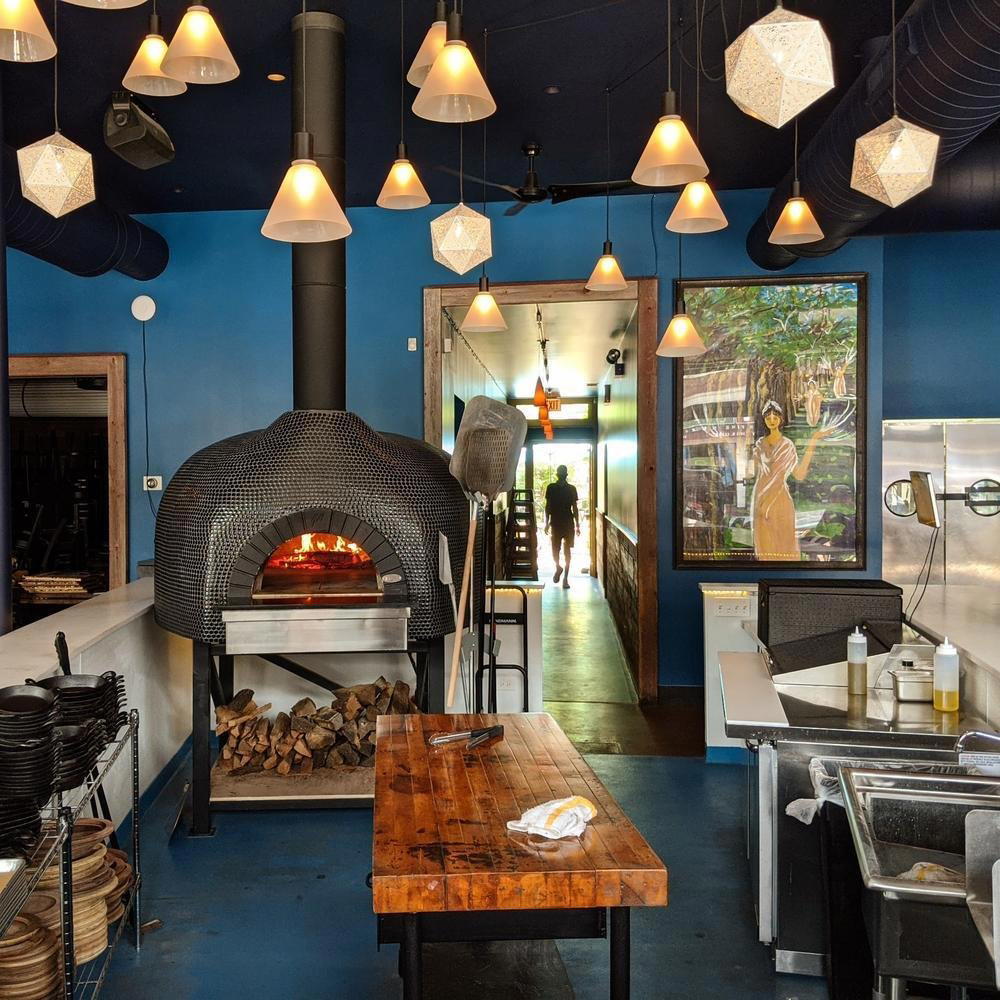
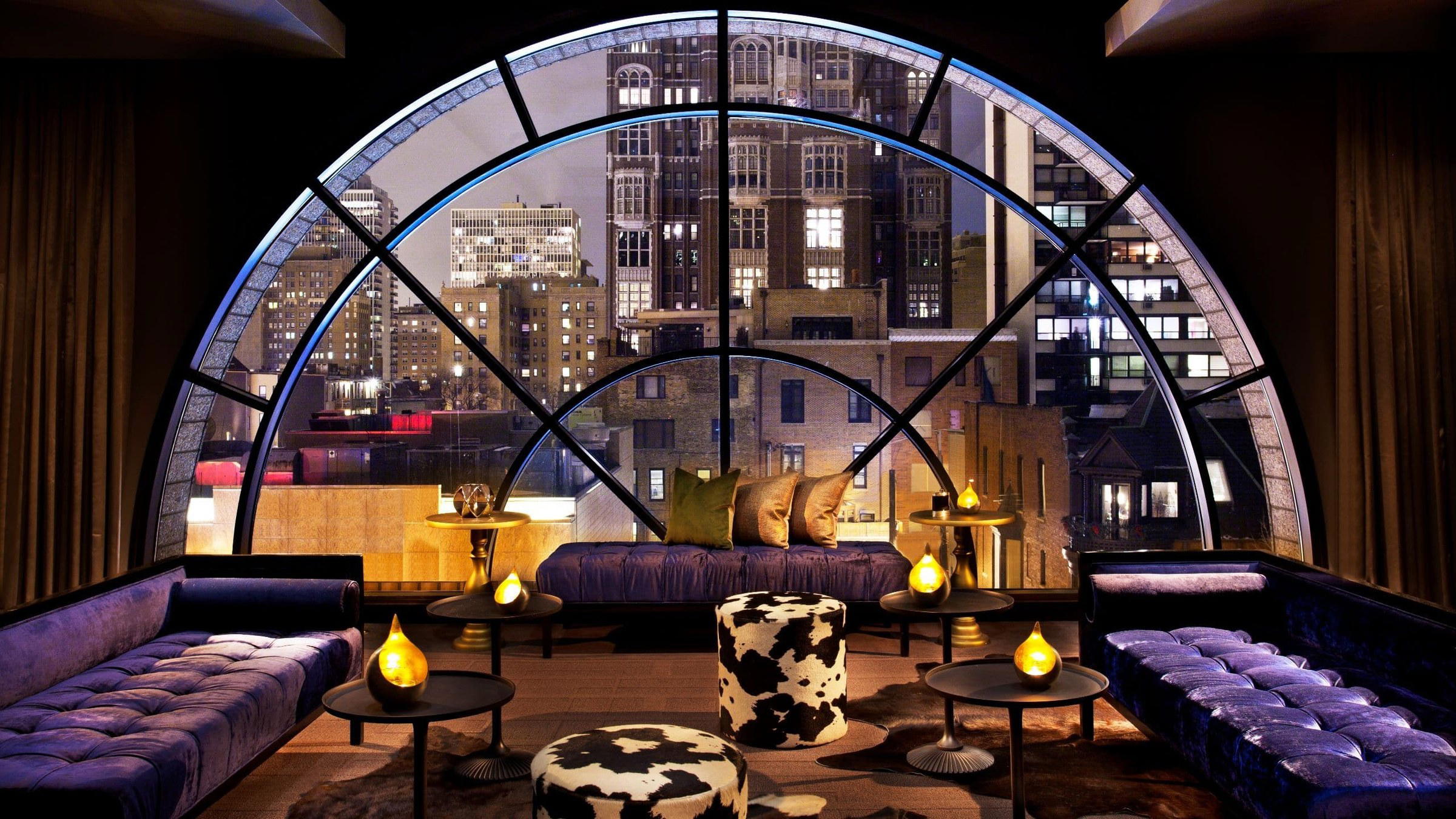
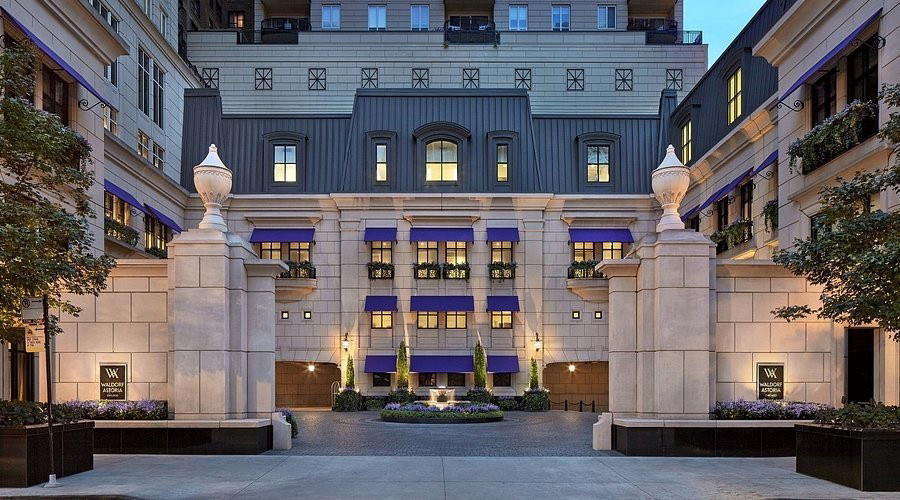
Bright and spacious dining room with contemporary design, suitable for both group dinners and casual date nights.