Kalaveras
Our verdict
Kalaveras sits on Silver Lake Boulevard at the point where Los Angeles's Mexican-American dining tradition meets a neighborhood that has grown considerably more food-literate over the past decade. The address places it within walking distance of the reservoir-adjacent residential blocks that define Silver Lake's character, and the kitchen draws on sourcing sensibilities that connect it to a broader regional conversation about where ingredients originate and why that matters.

Pearl is the En Primeur Club membership app — saves, bookings, and concierge access live there. Same editors, same standards.
- Address
- 401 Silver Lake Blvd, Los Angeles, CA 90026
- Phone
- (213) 908-6469
- Hours
- Mon–Thu 11 AM–10 PMFri 11 AM–1 AMSat 10 AM–1 AMSun 10 AM–10 PM
- Website
- kalaveras.com
- Directions
- Get directions
- Booking
- Book on OpenTable
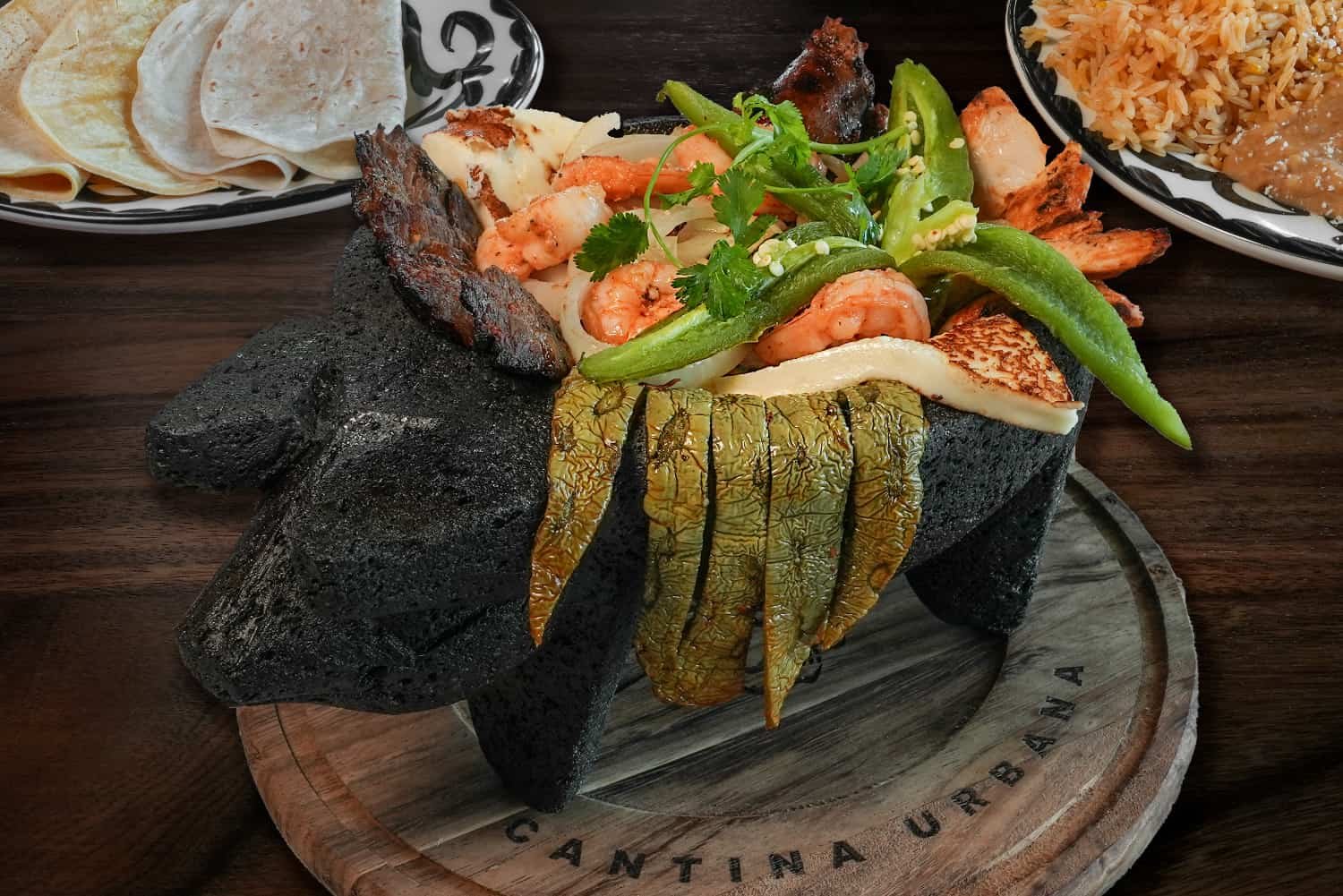
The menu
What to order
- Quesabirria Tacos
- Tacos al Pastor
- Mole Poblano
Silver Lake and the Sourcing Question in Los Angeles Mexican Dining
Silver Lake Boulevard has a particular quality at dusk: the light drops behind the hills west of the reservoir, the street quiets relative to Sunset, and the storefronts that line this stretch of the 90026 zip code shift from daytime utility to evening purpose. Kalaveras occupies this hour well. The address at 401 Silver Lake Blvd puts it at the intersection of a neighborhood in ongoing transition and a culinary category — Los Angeles Mexican and Mexican-American dining — that has been reexamined more seriously in the last five years than at almost any point in the city's history.
That reexamination has largely centered on one question: where does the food come from? For decades, the sourcing conversation in Los Angeles fine dining was conducted almost exclusively inside the orbit of places like Providence on Melrose or, later, Kato in its Sawtelle iteration, restaurants where ingredient provenance was built into the editorial identity of the menu. Mexican and Mexican-American kitchens were rarely included in that conversation at the critical level, even when the sourcing discipline was equally present. Kalaveras enters a moment when that gap is narrowing.
What the Address Tells You About the Approach
Silver Lake is not the city's obvious destination for this kind of dining. Boyle Heights, East LA, and the stretch of Cesar Chavez running through El Sereno have longer, denser histories with Mexican food at every price tier. Silver Lake's Mexican dining is smaller in volume and, in several cases, more oriented toward a clientele that arrived in the neighborhood through the same gentrification pressures that brought specialty coffee and natural wine to the same blocks. That context matters because it shapes what a kitchen at this address is likely to do with sourcing: lean into California's agricultural infrastructure, reference regional Mexican tradition with some critical distance, and price accordingly for a neighborhood where that positioning lands.
The broader Los Angeles market has split, at the upper tier, between tasting-menu formats anchored in specific technique lineages, Somni at the progressive end, Hayato in kaiseki, and more casual, ingredient-forward rooms where the sourcing story is told through daily or weekly menu changes rather than a fixed tasting structure. Kalaveras belongs, by neighborhood logic and by category, closer to the latter.
Ingredients as Argument
The sourcing conversation in California Mexican cooking has a specific geography behind it. The Central Valley, Baja California's Valle de Guadalupe corridor, coastal Sonoma, and the farms in the Coachella and Imperial valleys all supply kitchens across Southern California with produce that has no precise equivalent in Mexico's interior. What chefs do with that material, whether they treat it as a neutral substrate for classical regional technique or as an argument for a distinctly Californian expression of the cuisine, defines a real fault line in the category.
Nationally, the restaurants that have resolved this tension most visibly include places anchored in farm-direct relationships: Blue Hill at Stone Barns in Tarrytown built an entire identity around that relationship, and Single Thread Farm in Healdsburg extended the model into Japanese-inflected California cooking. The equivalent in Mexican-American dining is newer and less codified, but the directional movement is visible across Los Angeles in the last three to four years.
For the reader thinking about how Kalaveras fits into a broader trip through the city's dining tiers, the reference points are instructive. Osteria Mozza on Melrose demonstrates how a kitchen can take California ingredient quality and run it through a classical Italian frame without the result feeling derivative. The same logic applies in Mexican cooking when the sourcing is disciplined enough to hold up the structure.
Silver Lake in Comparison to the City's Other Dining Corridors
Los Angeles's dining geography has never been monocentric, and Silver Lake's position within it is specific. It is not the power-dining corridor of Beverly Hills or West Hollywood, where restaurants like Lazy Bear's San Francisco peers operate in Los Angeles equivalents. It is not the Eastside taqueria density of Boyle Heights. It occupies a middle register: neighborhood-scaled rooms, moderate to upper-moderate price points, and a customer base that reads menus carefully.
That register is where ingredient sourcing arguments travel leading. A room that prices at the level where guests are reading the menu closely, weighing one dish against another rather than ordering on autopilot, is a room where a kitchen's sourcing choices register as signal rather than noise. This is the operating context for Kalaveras.
Nationally, the restaurants that have built the strongest sourcing identities at non-tasting-menu price points include Bacchanalia in Atlanta and Addison in San Diego, where farm relationships are named and the menu changes with supply. The model is familiar; applying it to Mexican and Mexican-American cooking at a neighborhood scale in Los Angeles is the more specific task.
Planning a Visit
Kalaveras is located at 401 Silver Lake Blvd, Los Angeles, CA 90026, in the eastern section of Silver Lake close to the reservoir. Street parking on Silver Lake Boulevard and the surrounding residential grid is the primary option; the neighborhood is walkable from the Sunset Junction area if you are already in the vicinity. For a fuller orientation to the city's dining at every tier and neighborhood, see our full Los Angeles restaurants guide.
Readers building a broader California itinerary might also consider The French Laundry in Napa for the state's definitive fine dining reference point, or look east to Alinea in Chicago and Atomix in New York City for the national tasting-menu tier. For those traveling with international comparisons in mind, 8 1/2 Otto e Mezzo Bombana in Hong Kong and Le Bernardin in New York City represent how ingredient sourcing operates at the three-Michelin-star tier. Emeril's in New Orleans and The Inn at Little Washington offer regional American counterpoints to the California sourcing model.
Frequently asked questions
at Kalaveras?
Without a current verified menu on record, we cannot direct you to a specific dish with confidence. What the cuisine category and neighborhood positioning suggest is that ingredient-forward preparations, those where sourcing from California's agricultural network is most legible on the plate, are likely to represent the kitchen's clearest statement. Arriving with an open approach to the daily or seasonal menu, rather than fixed expectations, is the sounder strategy at a restaurant of this type in this neighborhood.
What's the ideal way to book Kalaveras?
If you are planning a visit on a Friday or Saturday evening, securing a reservation in advance is the more reliable approach. Silver Lake's better-regarded rooms in this price tier fill quickly on weekends, and walk-in availability tends to narrow after 7pm.
What's the standout thing about Kalaveras?
The most editorially significant aspect of Kalaveras, given its category and address, is where it sits in Los Angeles's ongoing renegotiation of what Mexican and Mexican-American dining can claim at the upper-moderate tier. A kitchen in Silver Lake applying sourcing discipline to this cuisine occupies a position that was largely absent from the city's critical conversation five years ago. That positioning, rather than any single dish or design detail, is the argument worth paying attention to.
How does Kalaveras handle allergies?
If dietary restrictions are a consideration, contacting the restaurant directly before your visit is the approach that will give you accurate, up-to-date information. Los Angeles restaurants at this neighborhood tier generally have some flexibility with dietary needs, but the specific protocols at Kalaveras should be confirmed with the kitchen in advance.
Is Kalaveras representative of a wider shift in how Los Angeles treats Mexican-American dining at the critical level?
It is one of several Silver Lake and Eastside addresses that, together, mark a shift in how the city's food-literate audience positions Mexican and Mexican-American cooking relative to the fine-dining mainstream. The national conversation around this shift has grown since roughly 2019, with outlets including Eater and the Los Angeles Times dedicating more sustained critical attention to kitchens in this category. Kalaveras at 401 Silver Lake Blvd sits inside that broader movement rather than standing apart from it.
Reputation Context
Comparable venues nearby, for context on price, style, and recognition.
| Venue | Cuisine | Price | Awards | Notes |
|---|---|---|---|---|
| KalaverasThis venue — the venue you are viewing | Modern Mexican Cantina | $20–30 | Not listed | Not listed |
| Tocaya Organica | Modern Organic Mexican | $20–30 | Not listed | Century City |
| La Serenata Cantina | Traditional Mexican Seafood | $20–30 | Not listed | West L.A. |
| El Coyote | Traditional Mexican | $20–30 | Not listed | Fairfax |
| Mercado La Paloma | Mexican Food Hall with Global Stalls | $20–30 | LA Times 101 Best Restaurants #1 | South Central |
| Loteria Grill | Regional Mexican Taqueria | $20–30 | Not listed | Mid-City |
Continue exploring
More in Los Angeles
Restaurants in Los Angeles
Browse all →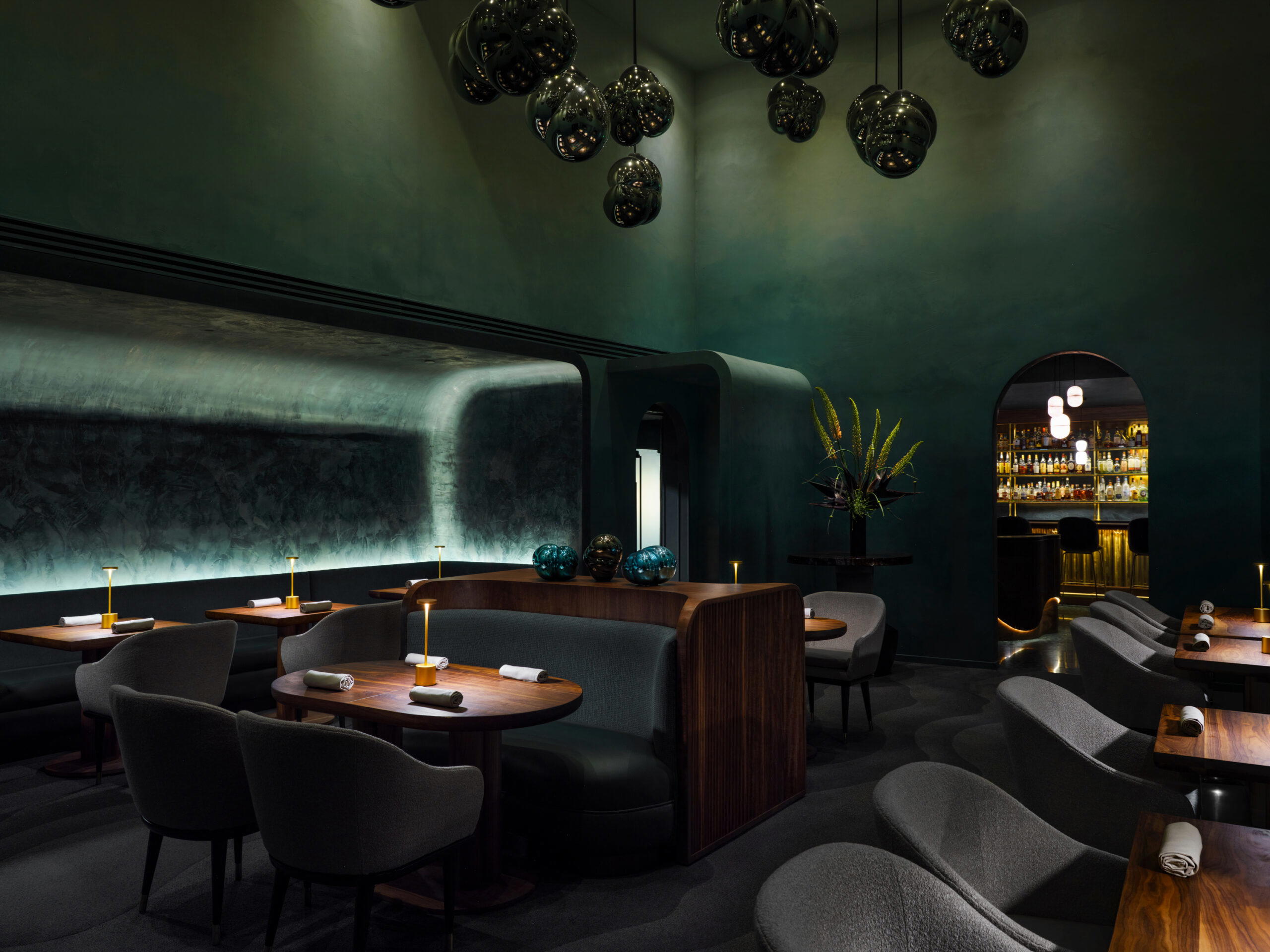
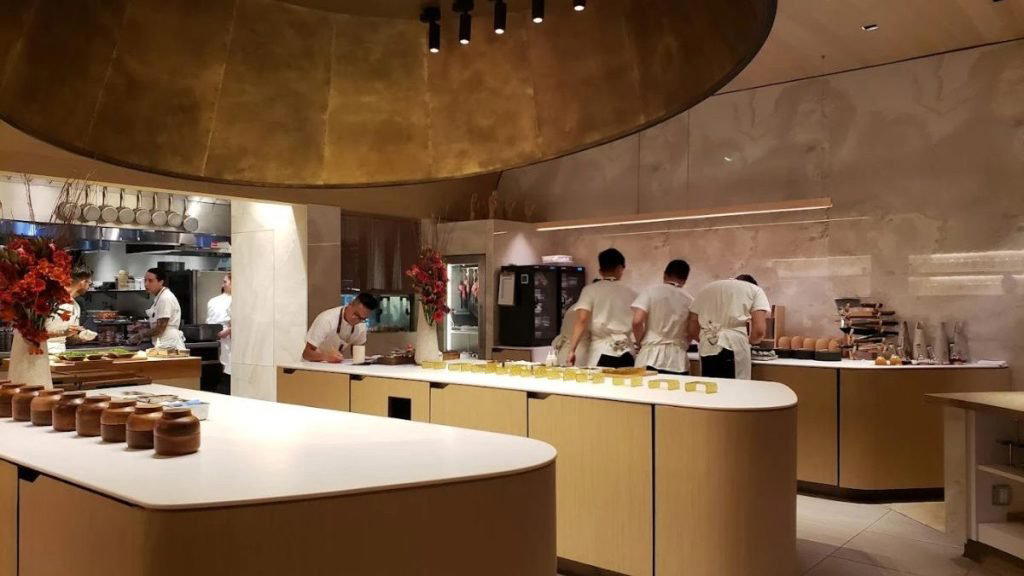
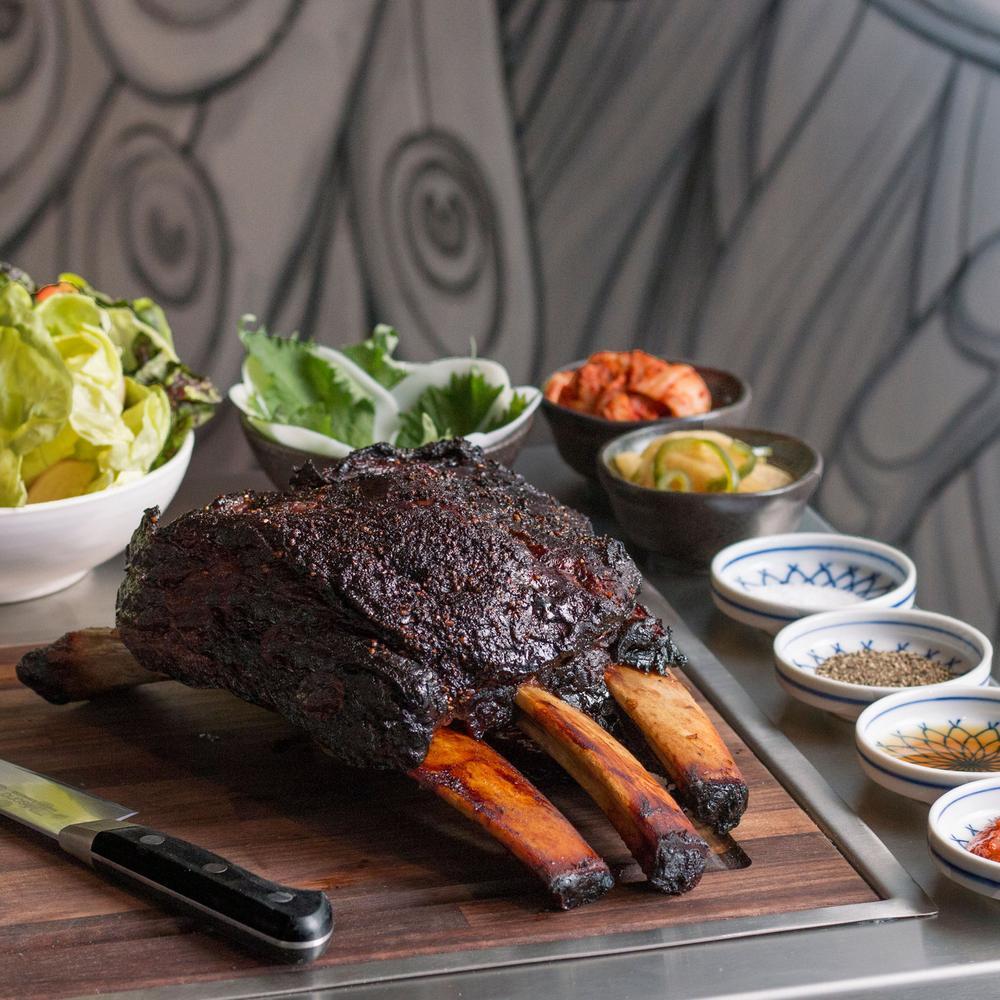
Bars in Los Angeles
Browse all →

Hotels in Los Angeles
Browse all →
Wineries in Los Angeles
Browse all →
Details
- Lively
- Trendy
- Energetic
- Group Dining
- Casual Hangout
- Celebration
- Open Kitchen
- Craft Cocktails
- Local Sourcing
- A La Carte
- Small Plates
- Craft Cocktails
Current opening hours
- Monday
- 11 AM–10 PM
- Tuesday
- 11 AM–10 PM
- Wednesday
- 11 AM–10 PM
- Thursday
- 11 AM–10 PM
- Friday
- 11 AM–1 AM
- Saturday
- 10 AM–1 AM
- Sunday
- 10 AM–10 PM
Hours can change for holidays and private events. Last verified .
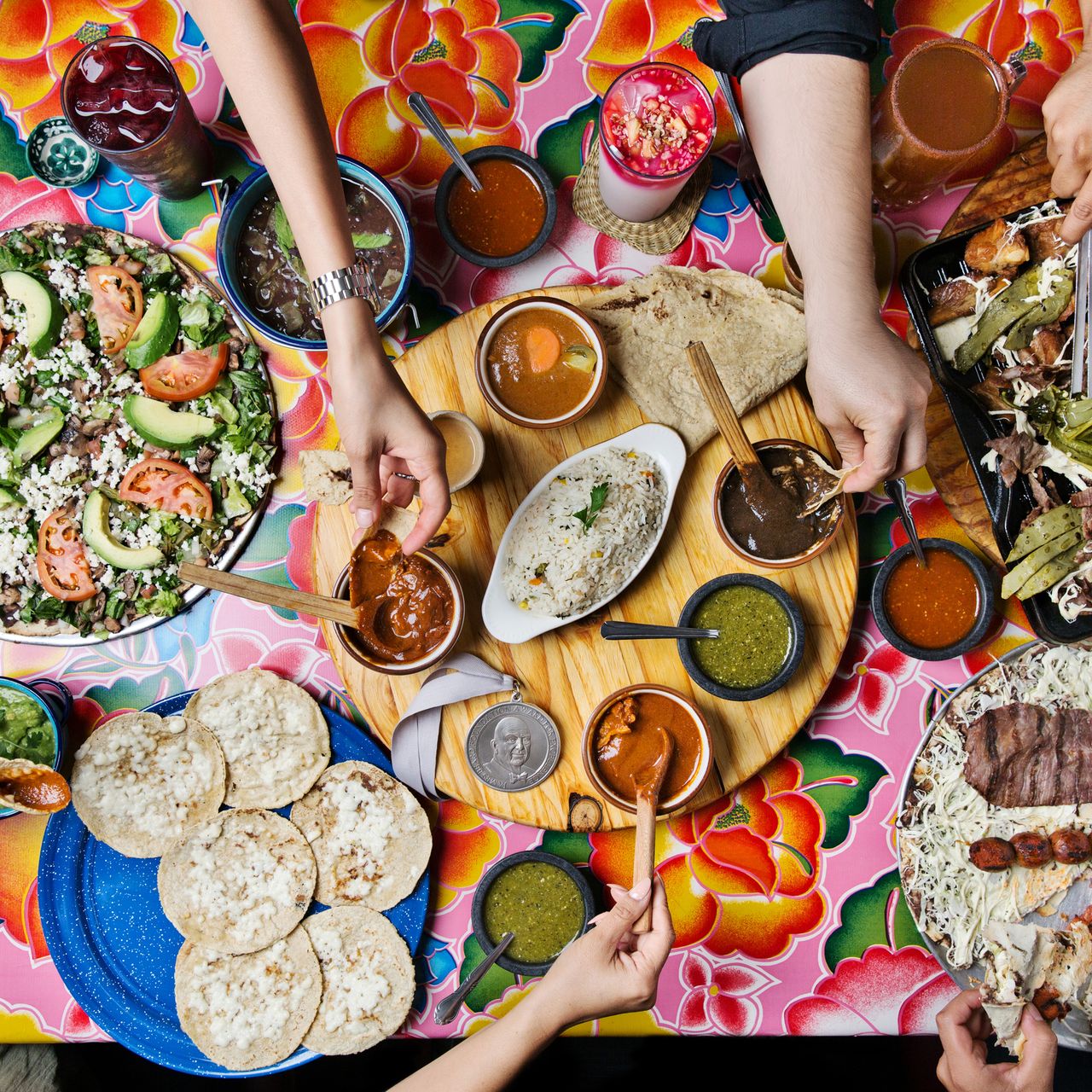
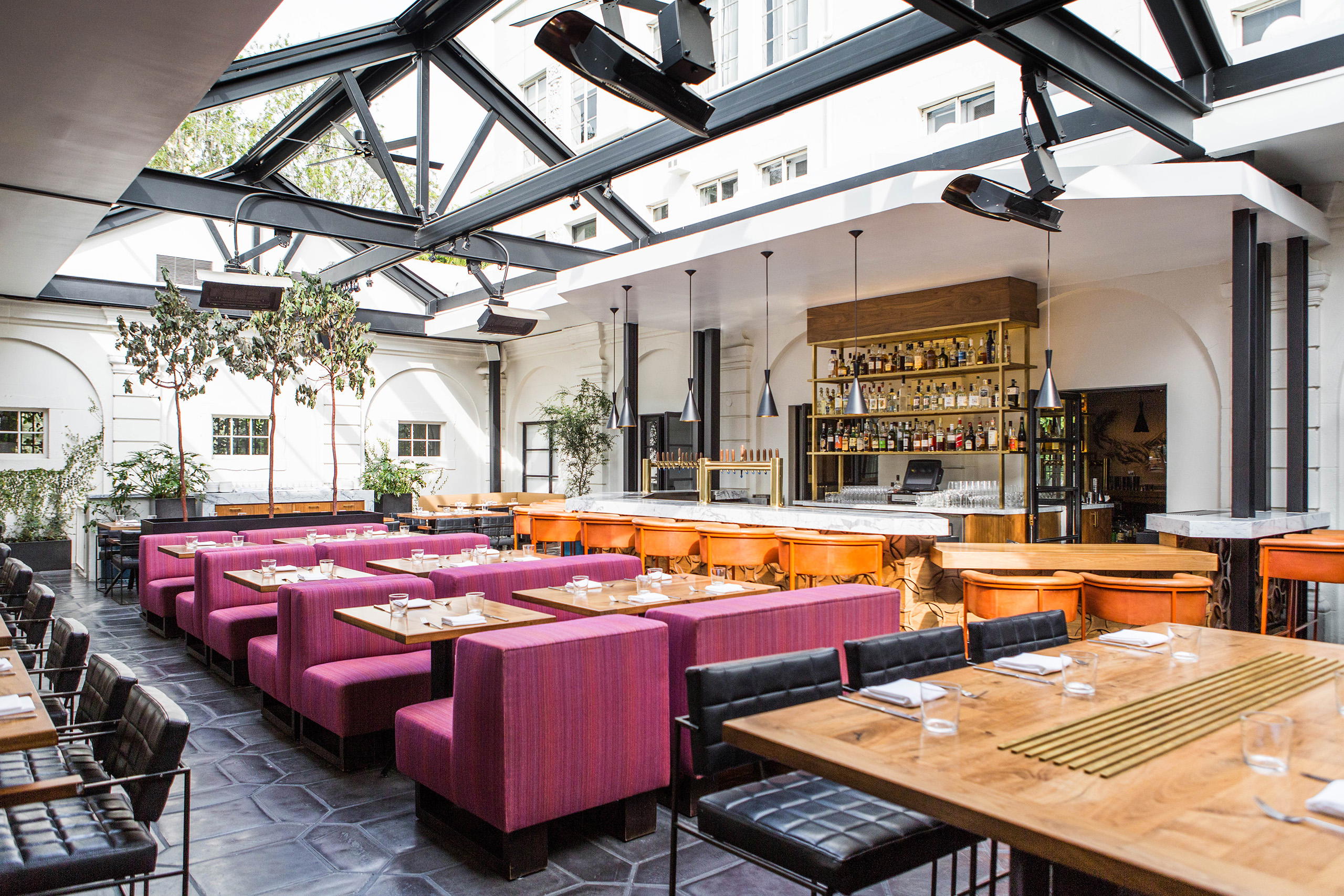
Festive and welcoming with moderate noise, featuring bold Mexican decor and an energetic vibe.