Loteria Grill
Our verdict
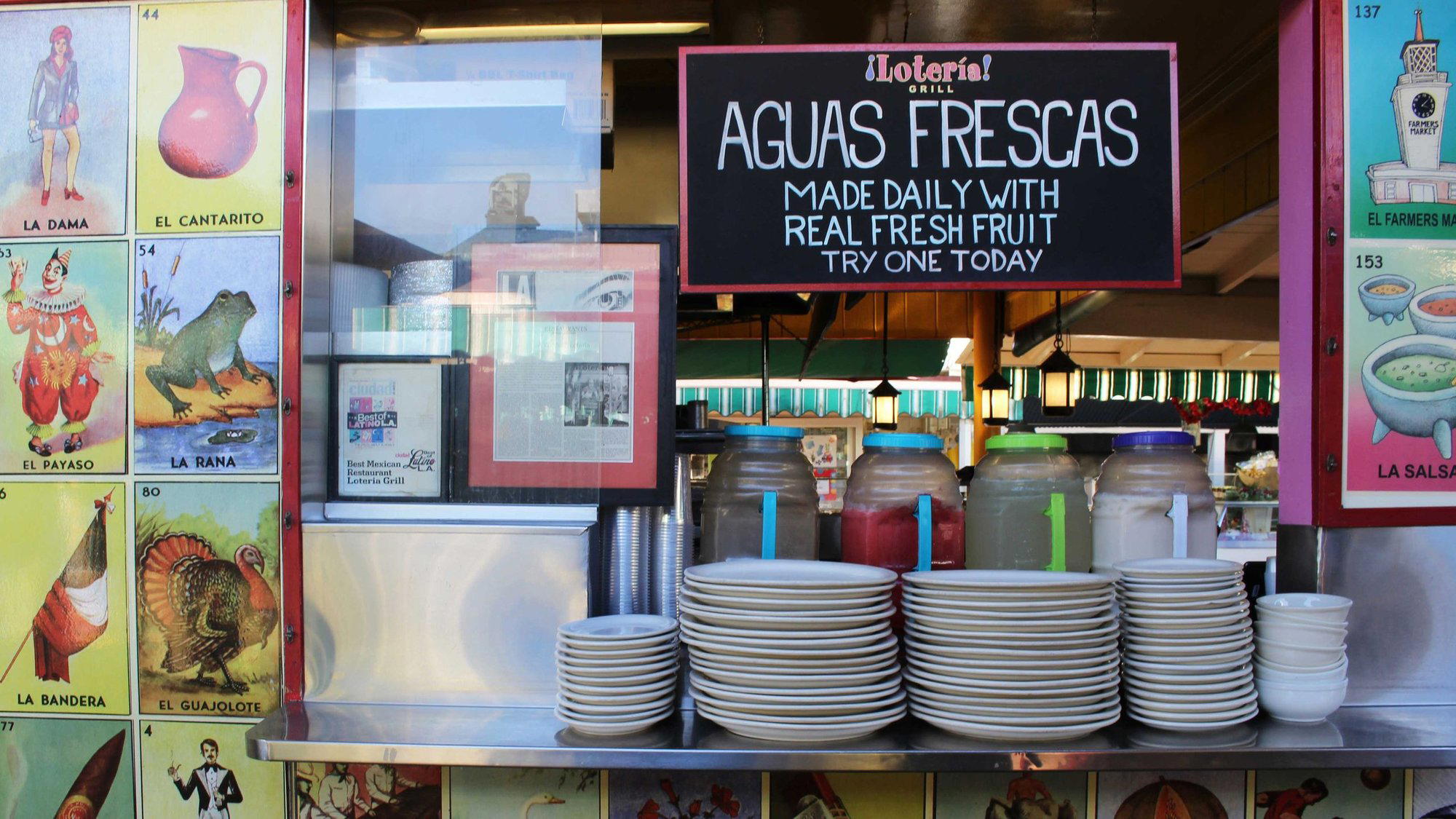
On West Pico Boulevard, Loteria Grill represents a strand of Los Angeles Mexican dining that treats regional Mexican cuisine as a serious culinary tradition rather than a category to simplify. Rooted in the market-stall culture of Mexico City's mercados, the restaurant sits in the mid-market tier of LA's Mexican dining scene, where sourcing decisions and recipe fidelity carry more weight than price point or Michelin hardware.

Pearl is the En Primeur Club membership app — saves, bookings, and concierge access live there. Same editors, same standards.
- Address
- 4228 W Pico Blvd, Los Angeles, CA 90019
- Phone
- (323) 465-2500
- Hours
- Daily 11 AM–8 PM
- Website
- loteriagrill.com
- Directions
- Get directions
The menu
What to order
- Taco de Carnitas
- Pozole Rojo
- Mole Poblano
- Enchiladas Verdes
Where West Pico Meets the Mercado Tradition
West Pico Boulevard in the Mid-City neighbourhood runs through one of Los Angeles's most culinarily layered corridors — a stretch where Ethiopian, Korean, and Mexican kitchens operate within blocks of each other, each drawing on distinct immigrant foodways rather than fusion convenience. Loteria Grill at 4228 W Pico Blvd sits inside this context: a restaurant shaped by the market-hall eating culture of Mexico, translated for a city that has long had one of the most substantial Mexican diaspora populations in the United States. The name itself signals the reference point. Lotería, the Mexican game of chance played with illustrated cards, is a fixture of street fairs and family gatherings throughout Mexico — an emblem of vernacular culture rather than elite tradition. That framing matters when reading what the restaurant is trying to do.
Los Angeles's Mexican dining scene has historically been divided between the deeply affordable taqueria model and a more recent wave of chef-driven restaurants interpreting regional Mexican cooking for a fine-dining audience. Loteria Grill occupies a different position: the mid-market, ingredient-focused tier that draws its reference points from Mexico City's mercado fondas, the small, fixed-menu stalls inside covered markets where cooking is regional, daily, and tied to whatever the market suppliers bring in. That model is not built around spectacle. It is built around consistency, sourcing relationships, and respect for recipe integrity.
The Case for Ethical Sourcing in Mexican Cuisine
The broader conversation about sustainable sourcing in American restaurants has concentrated heavily on the fine-dining tier, places like Blue Hill at Stone Barns in Tarrytown or Single Thread Farm in Healdsburg, where farm-to-table credentials are central to the identity and the price point. What receives less attention is the degree to which mid-market ethnic restaurants have practiced forms of ethical sourcing for decades, not as a marketing position, but as a function of how the cuisines themselves were constructed. Traditional Mexican cooking, particularly in its regional forms, is built on seasonal produce, dried chiles with specific provenance, heirloom corn varieties, and preparation methods that generate minimal waste by design.
Nixtamalization, the ancient Mesoamerican process of treating dried corn with an alkaline solution before grinding, is itself a model of low-waste, high-nutrition food preparation. Masa made from nixtamalized heirloom corn is nutritionally richer, more flavourful, and more traceable than masa made from commodity corn flour. Restaurants that commit to proper masa preparation are, almost by definition, making a sourcing decision that connects back to specific corn varieties and often to specific agricultural communities in Mexico. This is the kind of supply-chain relationship that sustainability-focused fine-dining operations spend considerable energy building; in traditional Mexican kitchens, it has been the baseline assumption for generations.
The chile supply chain adds another dimension. Mexico's regional chile diversity, anchos, guajillos, pasillas, chipotles, mulatos, and dozens of others, represents a form of agricultural biodiversity that depends on continued demand to survive. Restaurants that use dried chiles with regional specificity, rather than substituting generic chili powder, are participating in a supply chain that supports small-scale chile farmers in states like Oaxaca, Puebla, and Veracruz. That is a sustainability argument that rarely gets made in restaurant press, but it is structurally sound.
Where Loteria Grill Sits in the Los Angeles Mexican Dining Picture
Los Angeles has a layered Mexican restaurant scene that ranges from street-level taquerias operating on sub-$10 price points to chef-driven operations like Holbox, which applies the same ingredient rigour to Mexican seafood that the city's Japanese restaurants, Hayato, Kato, apply to their own traditions. Loteria Grill operates in the accessible middle tier, where the measure of quality is recipe fidelity and ingredient sourcing rather than tasting-menu architecture or Michelin recognition. That tier is arguably where most Angelenos actually engage with Mexican food, and where the most direct lines to traditional Mexican cooking culture are maintained.
Compared to the high-end segment, represented in Los Angeles by restaurants drawing on the same avant-garde impulses as Somni or the classical rigour of Providence, Loteria Grill is not competing for awards or critic attention in the same register. The sustainability case for this kind of cooking is embedded in its methodology. Long-cooked braises use secondary cuts. Beans and rice are prepared daily and incorporated into subsequent dishes. Chile skins and seeds that might be discarded elsewhere become bases for salsas or broths.
For readers building a broader Los Angeles itinerary, the restaurant sits on a different axis from the city's tasting-menu circuit, which includes destinations like Osteria Mozza in Hollywood and the full range documented in our full Los Angeles restaurants guide. Nationally, the farm-to-table sourcing conversation is more explicit at venues like Smyth in Chicago, Lazy Bear in San Francisco, or Addison in San Diego, and internationally at operations like Atelier Moessmer Norbert Niederkofler in Brunico, where the entire menu is built on Alpine regional sourcing. What makes Loteria Grill's position worth considering is that its sourcing logic is structural rather than declarative, built into the cuisine itself rather than grafted onto it as a brand position.
Planning Your Visit
The West Pico corridor is accessible by car with street parking available along the boulevard, and the neighbourhood sits roughly between the 10 freeway to the south and Olympic Boulevard to the north. Mid-City dining tends to be less tourist-concentrated than Hollywood or Venice, which means the experience skews toward a local clientele, a useful proxy for whether a neighbourhood restaurant is performing for residents rather than visitors. That dynamic tends to keep menus honest and pricing calibrated to repeat traffic rather than one-time spend.
Know Before You Go
- Address: 4228 W Pico Blvd, Los Angeles, CA 90019
- Neighbourhood: Mid-City, West Pico Boulevard corridor
- Price tier: Mid-market; accessible relative to the city's tasting-menu circuit
- Getting there: Car recommended; street parking available on W Pico Blvd
- Leading for: Regional Mexican cooking with market-hall roots; accessible daily dining
Frequently asked questions
Where do I go for Loteria Grill?
Loteria Grill is located at 4228 W Pico Blvd, Los Angeles, CA 90019, Los Angeles.
How does Loteria Grill's approach to Mexican cooking differ from other options on the West Pico corridor?
West Pico Boulevard in Mid-City Los Angeles runs through one of the city's most culinarily layered corridors, where the competition ranges from sub-$10 taquerias to more polished sit-down operations. Loteria Grill occupies the fonda tier — a category defined by daily, regionally grounded cooking tied to dried-chile technique and slow preparation rather than speed or fusion. That mercado-kitchen orientation sets a different baseline than most of its immediate neighbours on the boulevard.
What should I order at Loteria Grill?
The menu centres on regional Mexican cooking built around dried chiles, slow-cooked proteins, and mole preparations that reflect market-kitchen logic rather than Tex-Mex shortcuts. The strongest choices tend to be dishes where the chile sourcing does the most work — moles and braised preparations that take time a taqueria counter won't invest. At West Pico Blvd in Mid-City Los Angeles, this is cooking aimed at depth over speed.
Should I book Loteria Grill in advance?
Loteria Grill operates in the mid-market neighbourhood tier on West Pico Boulevard, where walk-in availability is generally higher at weekday lunches and tighter on weekend evenings. Calling ahead is the practical move for groups or a Friday dinner, but the format is built for accessibility rather than the months-ahead reservation systems of chef-driven tasting rooms.
What's the defining dish or idea at Loteria Grill?
The defining idea is the mercado fonda model: cooking that draws on regional Mexican traditions and the sourcing logic of a traditional market kitchen rather than a streamlined fast-casual operation. At its core, this means daily preparations, dried-chile discipline, and an approach to mole and slow-cooked proteins that positions Loteria Grill distinctly within the Mid-City Los Angeles Mexican dining corridor.
Can Loteria Grill adjust for dietary needs?
Traditional Mexican regional cooking naturally produces a range of plant-based and bean-forward preparations — a structural advantage over cuisines where vegetarian options are retrofitted. At Loteria Grill on West Pico, the fonda format means vegetable-forward dishes are part of the core menu logic, not afterthoughts, though specific current accommodations are best confirmed directly with the restaurant.
Comparison Snapshot
Comparable venues nearby, for context on price, style, and recognition.
| Venue | Cuisine | Price | Awards | Notes |
|---|---|---|---|---|
| Loteria GrillThis venue — the venue you are viewing | Regional Mexican Taqueria | $20–30 | Not listed | Not listed |
| Cerveteca Culver City | Baja-Style Mexican Taqueria | $10–20 | Not listed | Palms |
| Tacolina | Modern Baja Mexican Taqueria | $20–30 | Not listed | Silver Lake |
| SOL Mexican Cocina | Coastal Baja Mexican | $30–50 | Not listed | Playa Vista |
| Tacos Los Cholos | Authentic Mexican Street Tacos | $10–20 | LA Times 101 Best Restaurants #75 · LA Taco Best Tacos in LA #9 | Central Los Angeles / Multiple Locations |
| Saby’s | Mexican Comfort Food | $10–20 | LA Taco Best Tacos in LA #60 | South Robertson |
Continue exploring
More in Los Angeles
Restaurants in Los Angeles
Browse all →
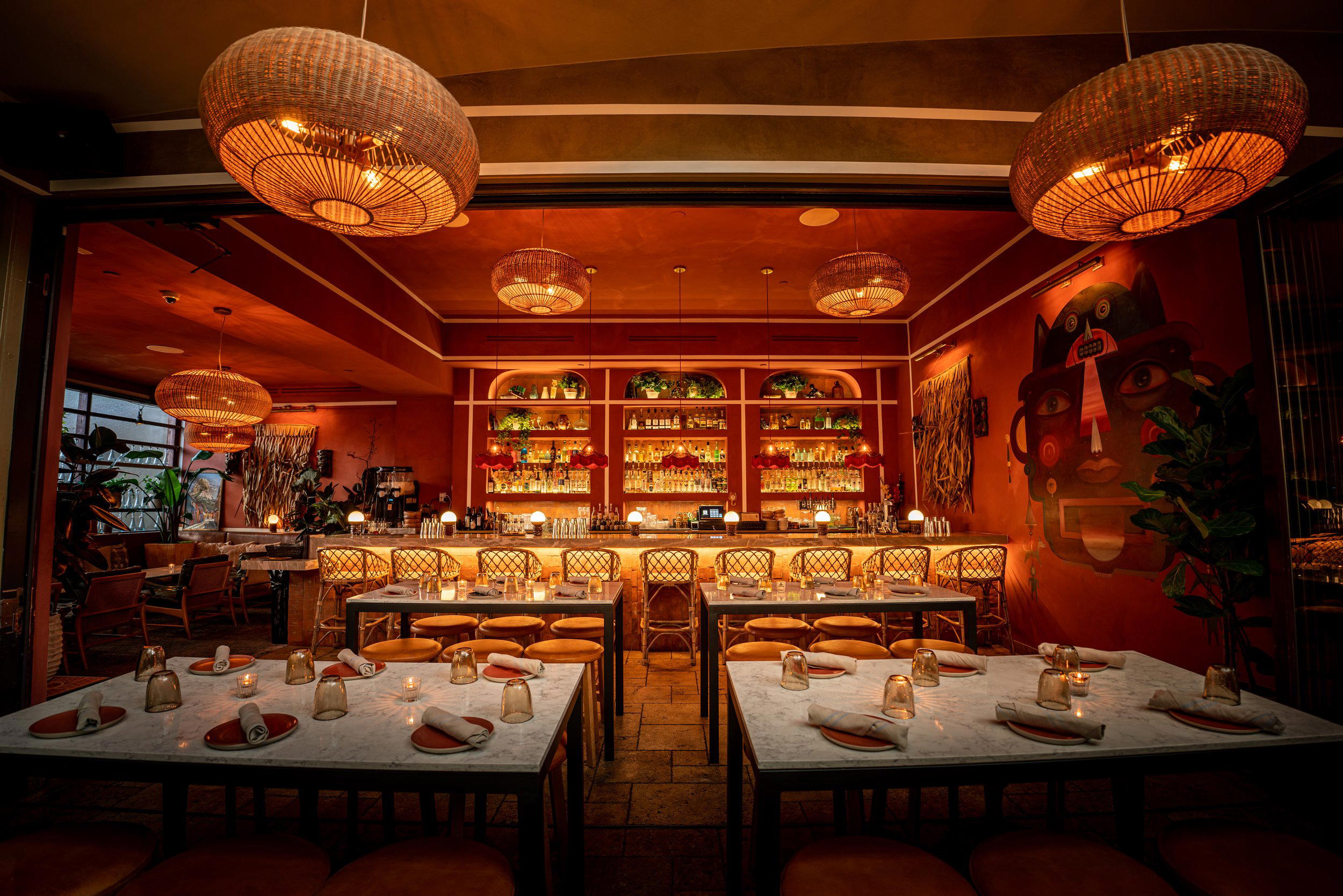
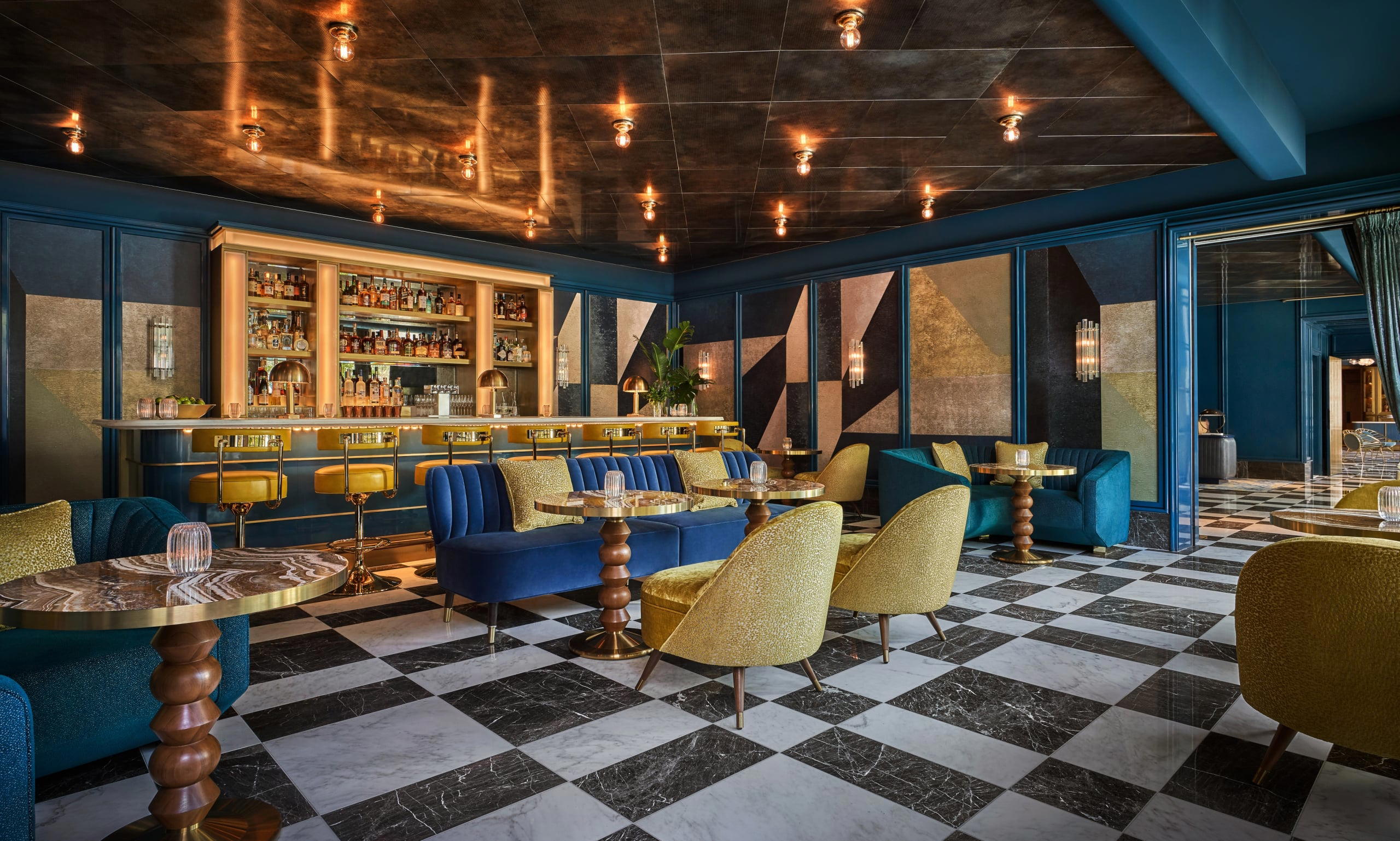
Bars in Los Angeles
Browse all →


Hotels in Los Angeles
Browse all →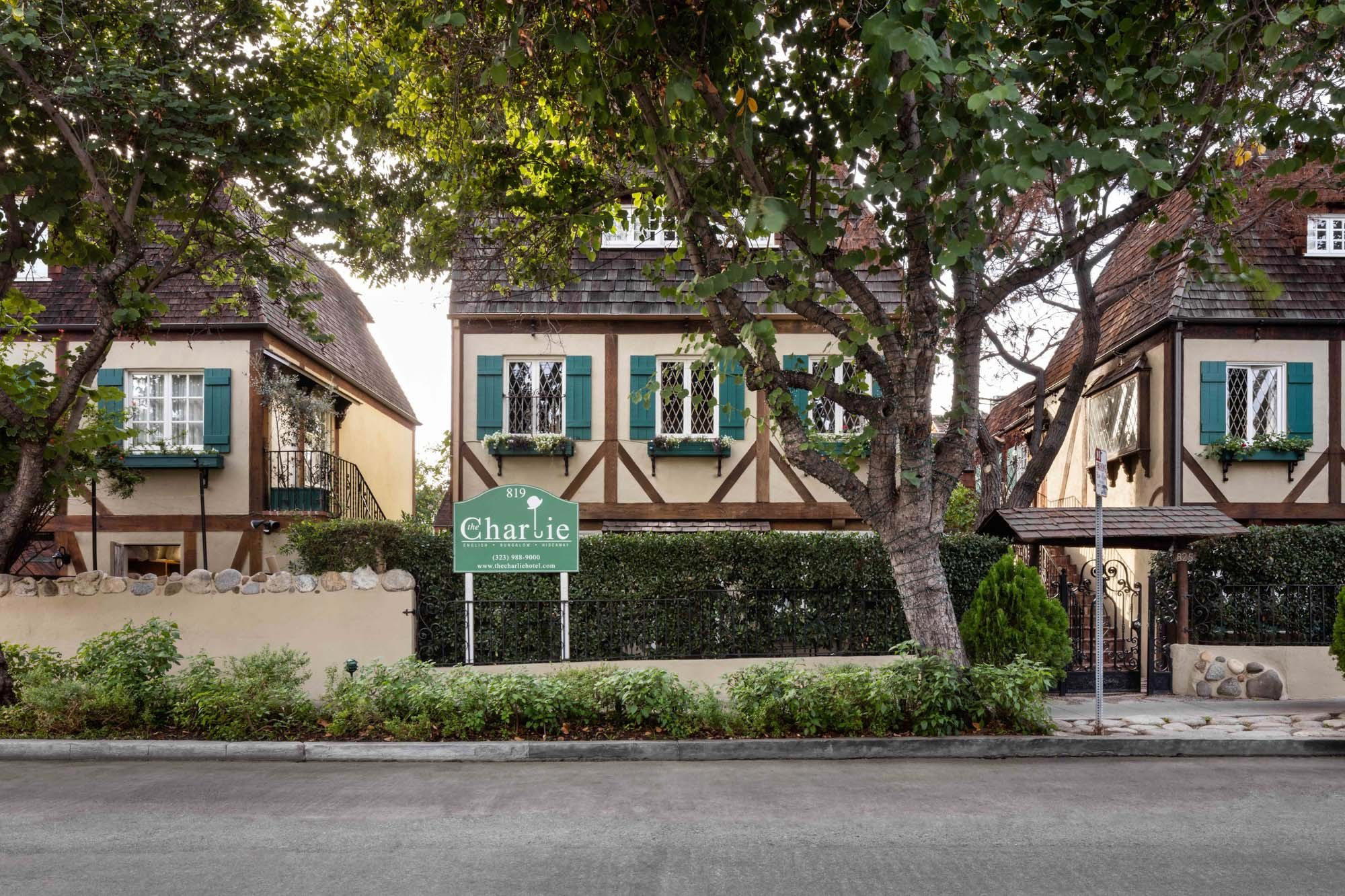



Wineries in Los Angeles
Browse all →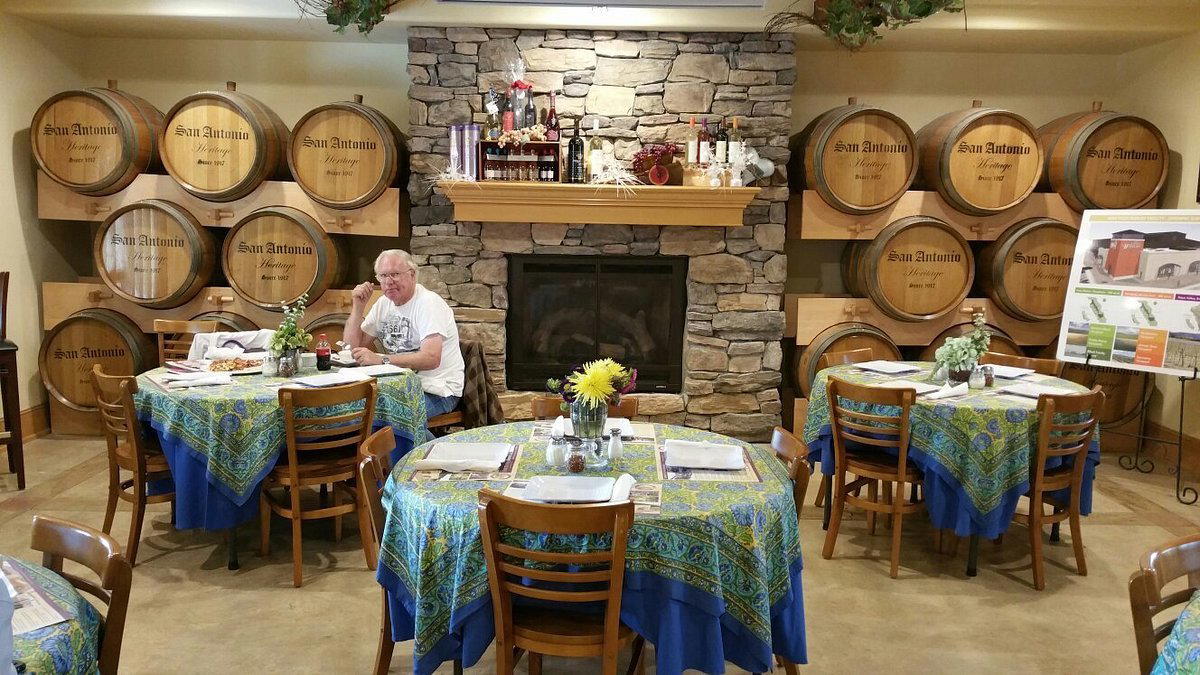
Details
- Casual
- Lively
- Casual Hangout
- Group Dining
- Brunch
- Open Kitchen
- Local Sourcing
- A La Carte
- Vegetarian Friendly
Current opening hours
- Monday
- 11 AM–8 PM
- Tuesday
- 11 AM–8 PM
- Wednesday
- 11 AM–8 PM
- Thursday
- 11 AM–8 PM
- Friday
- 11 AM–8 PM
- Saturday
- 11 AM–8 PM
- Sunday
- 11 AM–8 PM
Hours can change for holidays and private events. Last verified .
Casual cosmopolitan atmosphere with focus on soulful, home-style Mexican cooking.