La Serenata Cantina
On West Pico Boulevard, La Serenata Cantina sits in a stretch of Los Angeles that has quietly sustained some of the city's most committed Mexican cooking for decades. The cantina format positions it within a tradition that prizes regional specificity over Tex-Mex generalism. For West Side diners looking beyond the obvious, it remains a reference point in a corridor with genuine culinary depth.
Pearl is the En Primeur Club membership app — saves, bookings, and concierge access live there. Same editors, same standards.
- Address
- 10924 W Pico Blvd, Los Angeles, CA 90064
- Phone
- +13104419667
- Website
- laserenatacantina.com
- Directions
- Get directions
 Saves & bookings on Pearl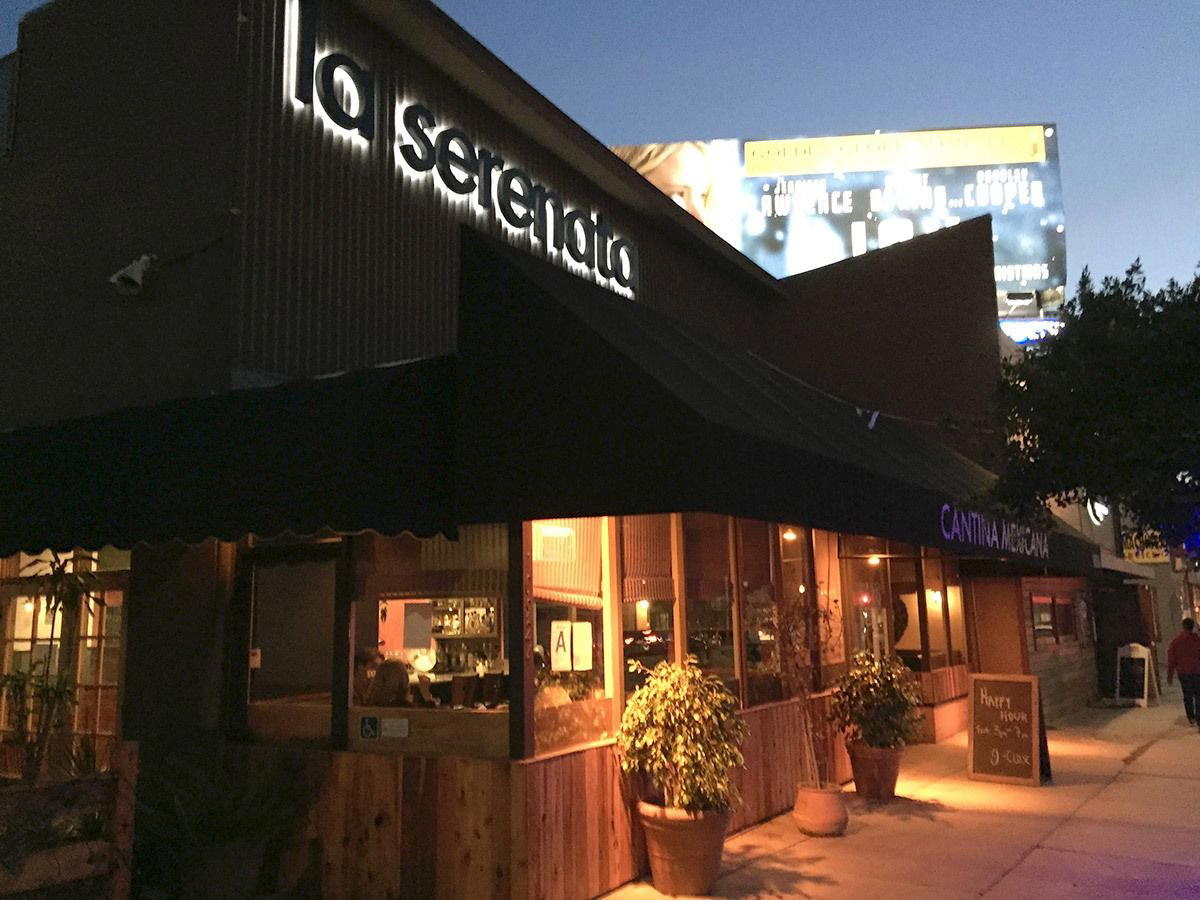
West Pico and the Mexican Dining Tradition It Supports
Los Angeles has a longer, more layered relationship with Mexican cuisine than almost any other American city. That relationship did not begin in refined tasting rooms or with celebrated chefs drawing press from New York. It began in neighborhoods, in family-run rooms, in places where the cooking answered to a regional Mexican tradition rather than to an imported idea of what Mexican food should be. West Pico Boulevard, running through the Rancho Park and Sawtelle corridor, has been part of that story for years. La Serenata Cantina, at 10924 W Pico Blvd, occupies a block that rewards the kind of attention most visitors reserve for louder, more publicized addresses across the city.
The cantina format itself carries specific meaning in Mexican culinary culture. Unlike the sit-down restaurant model that organizes a meal around courses and pacing, the cantina tradition in Mexico evolved as a space where food and drink existed in a more informal, social register. Dishes arrived as they were ready. The room had a pulse independent of any single table. Translating that format to Los Angeles involves negotiating between authenticity and the expectations of a West Side clientele, and it is that negotiation that defines the character of places like La Serenata Cantina.
Where La Serenata Cantina Sits in the Los Angeles Mexican Dining Field
Los Angeles Mexican dining divides, roughly, into three tiers. The first is the taqueria and street-food tier, high-volume and geographically dispersed, where the benchmark is freshness and regional fidelity at accessible prices. The second is the mid-market sit-down tier, where the La Serenata name has historically operated, offering a more composed dining experience without the price architecture of the city's upper-tier rooms. The third is the emerging fine-dining Mexican tier, still thin compared to the city's Japanese or contemporary American scenes but growing. The restaurant positions itself in that second register, which in Los Angeles is a competitive and meaningful place to be.
Compare this to the extreme end of the Los Angeles dining spectrum: Providence anchors the city's fine-dining seafood category with two Michelin stars, while Kato has redefined what Taiwanese-inflected tasting menus can look like at the $$$$ tier. Somni operates in the molecular and avant-garde space, and Hayato brings kaiseki discipline to the city's Japanese dining conversation. The restaurant is not competing in that tier. Its competitive set is the mid-range Mexican room where the question is not about conceptual ambition but about the quality of the mole, the sourcing of the proteins, and whether the kitchen has maintained fidelity to regional Mexican cooking over time. That is a meaningful competition in a city where the bar is set by the density of the Mexican-American community itself.
Cultural Roots and What They Demand of a Kitchen
Mexican cuisine is one of only two national cuisines inscribed on the UNESCO Intangible Cultural Heritage list, the other being French. That designation points not to a single dish or technique but to an entire system of knowledge: the milpa agricultural tradition, the management of chiles across hundreds of regional varieties, the role of the comal, the logic of masa. Los Angeles, with its deep Oaxacan, Jalisco, and Michoacán diaspora communities, is one of the few American cities where that system of knowledge is actively maintained at a community level rather than represented symbolically by restaurant menus.
Cantina-style cooking within that context means the kitchen must navigate expectations from multiple directions simultaneously. Diners from Mexican-American families will calibrate against home cooking and against the regional specificity of what their grandmothers made. Diners arriving from outside that tradition will calibrate against whatever Mexican food they know from elsewhere. Getting both groups into the same room and serving both well is genuinely difficult, and restaurants that manage it over time earn a specific kind of neighborhood credibility that no award cycle can fully capture.
The West Side as a Dining Corridor
West Pico sits within a broader West Side dining corridor that has produced consistent mid-market and upper-mid-market rooms across multiple cuisines. The neighborhood draws a working professional and family-residential crowd rather than the destination-dining tourists who populate West Hollywood or Beverly Hills. That demographic creates different incentives for a kitchen: repeat diners matter more than first impressions, and the room has to earn loyalty over years rather than generating a single high-profile opening moment.
For context on how this fits within the broader Los Angeles dining story, our full Los Angeles restaurants guide maps the city's dining geography across neighborhoods and price tiers. Nationally, the mid-market independent dining category that restaurant represents has come under pressure from both ends: from fast-casual formats below and from the expansion of chef-driven tasting-menu rooms above. Places like Lazy Bear in San Francisco and Addison in San Diego illustrate how the upper-end tasting format has captured critical attention, while the mid-market independent room has had to prove its relevance through consistency rather than concept.
Other American cities face similar dynamics. Emeril's in New Orleans navigated that mid-to-upper transition over decades. Bacchanalia in Atlanta built lasting credibility in a market where independent fine dining had to compete without the infrastructure of a major coastal dining scene. The pattern holds: rooms that survive in the mid-market over time do so by becoming genuinely local institutions, not by chasing trend cycles.
Planning Your Visit
The restaurant is located at 10924 W Pico Blvd, Los Angeles, CA 90064, in the Rancho Park corridor of the West Side. Street parking along Pico is available, and the address is accessible via the Metro Expo Line at the Westwood/Rancho Park station. Dress: Consistent with the cantina format, expect a casual to smart-casual room. Budget: The historical mid-market positioning of the La Serenata name on the West Side suggests a moderate spend relative to the city's fine-dining tier, though current pricing should be verified on-site or by phone.
The Minimal Set
Comparable venues nearby, for context on price, style, and recognition.
| Venue | Cuisine | Price | Notes |
|---|---|---|---|
| La Serenata CantinaThis venue — the venue you are viewing | Not listed | $$ | Not listed |
| Bahia Hollywood | Not listed | $$ | Yucca Corridor, Latin Fusion with Mexican & Contemporary Mexican |
| Caravan Swim Club | Westchester, Baja Californian | $$ | Not listed |
| El Coyote | Fairfax, Traditional Mexican | $$ | Not listed |
| Casita Del Campo | Franklin Hills, Classic Mexican | $$ | Not listed |
| Saby’s | South Robertson, Mexican Comfort Food | $$ | Not listed |
Continue exploring
More in Los Angeles
Restaurants in Los Angeles
Browse all →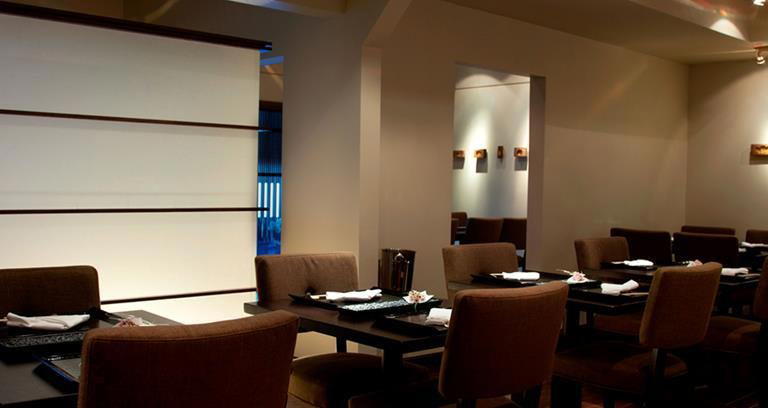
Bars in Los Angeles
Browse all →
Hotels in Los Angeles
Browse all →
Wineries in Los Angeles
Browse all →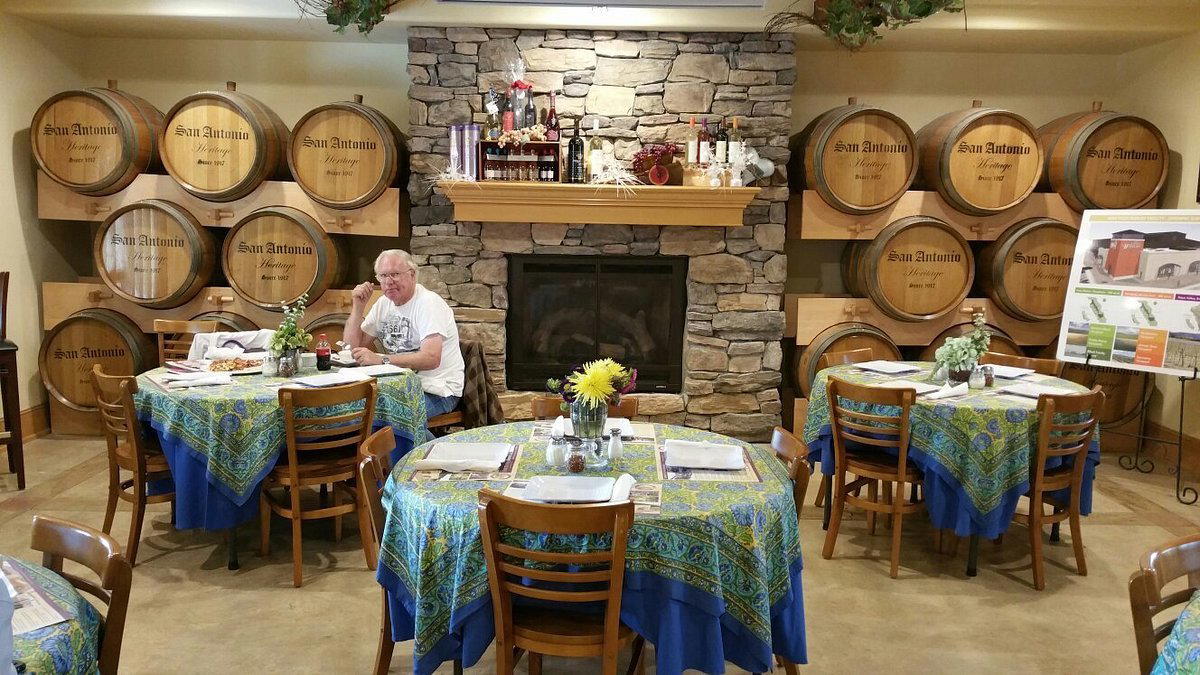
At a Glance
- Romantic
- Cozy
- Classic
- Family
- Group Dining
- Casual Hangout
- Celebration
- Standalone
- Local Sourcing
Current opening hours
- Monday
- 11 AM–9 PM
- Tuesday
- 11 AM–9 PM
- Wednesday
- 11 AM–9 PM
- Thursday
- 11 AM–9 PM
- Friday
- 11 AM–10 PM
- Saturday
- 4–9 PM
- Sunday
- 4–9 PM
Hours can change for holidays and private events. Last verified .
Candlelit and relaxed with warm, inviting atmosphere that emphasizes family comfort and celebration.