Mercado La Paloma

LA Times 101 Best Restaurants #1
Our verdict
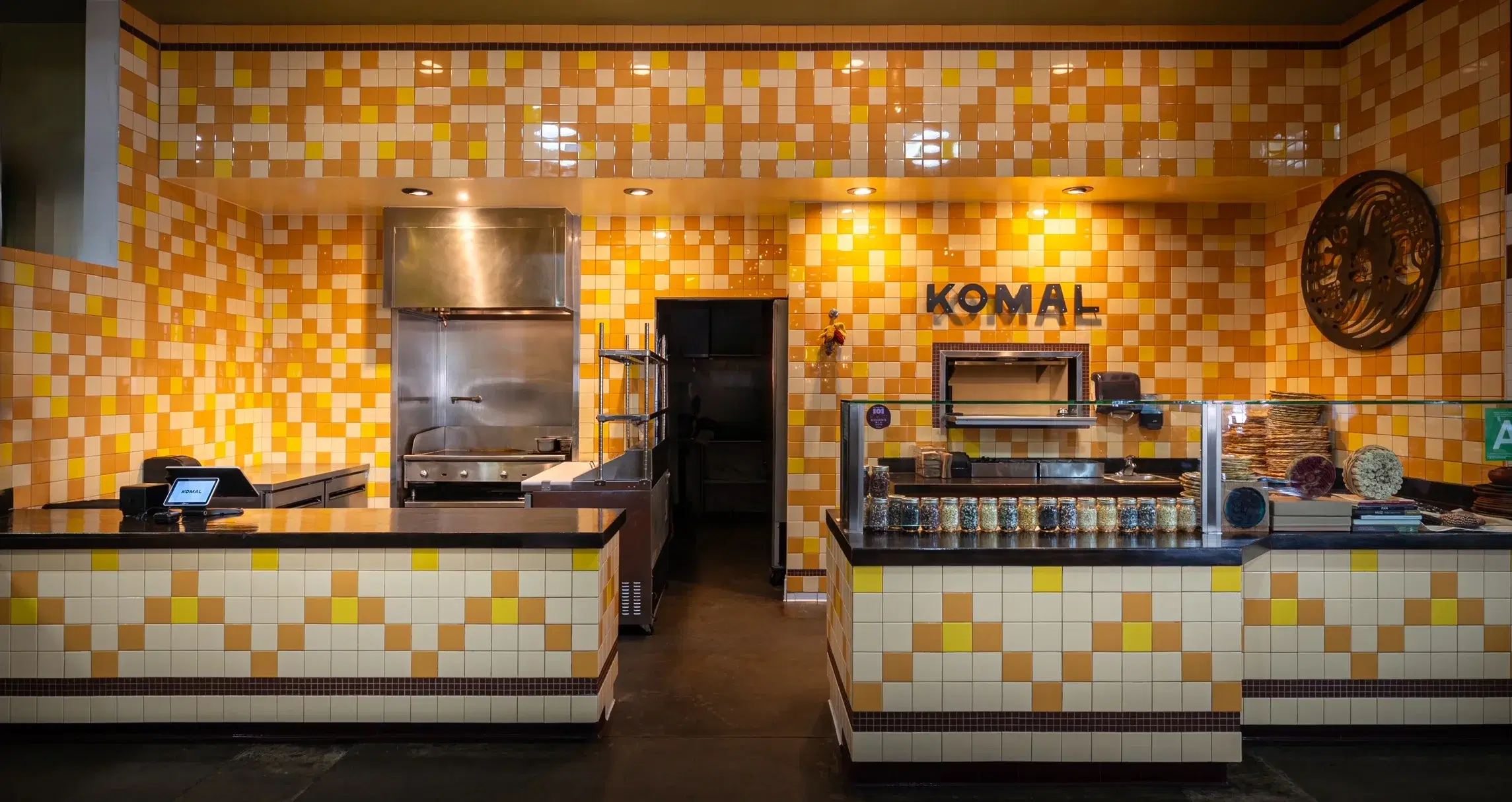
Mercado La Paloma has anchored South Los Angeles as a food hall with genuine community roots since its founding on Grand Avenue. Home to multiple recognized vendors including Komal, which earned a place on the LA Times 101 Best Restaurants list, it operates as both a dining destination and a neighborhood institution. For visitors tracking where critically acknowledged cooking happens outside the city's high-cost omakase tier, this is a practical and rewarding stop.

Pearl is the En Primeur Club membership app — saves, bookings, and concierge access live there. Same editors, same standards.
The menu
What to order
- Torta de Cochinita Pibil
- Tostada de Kanpachi & Uni
- Sonia Taco
- Drunken Noodles
South LA's Food Hall Moment: How Mercado La Paloma Built a Critical Reputation
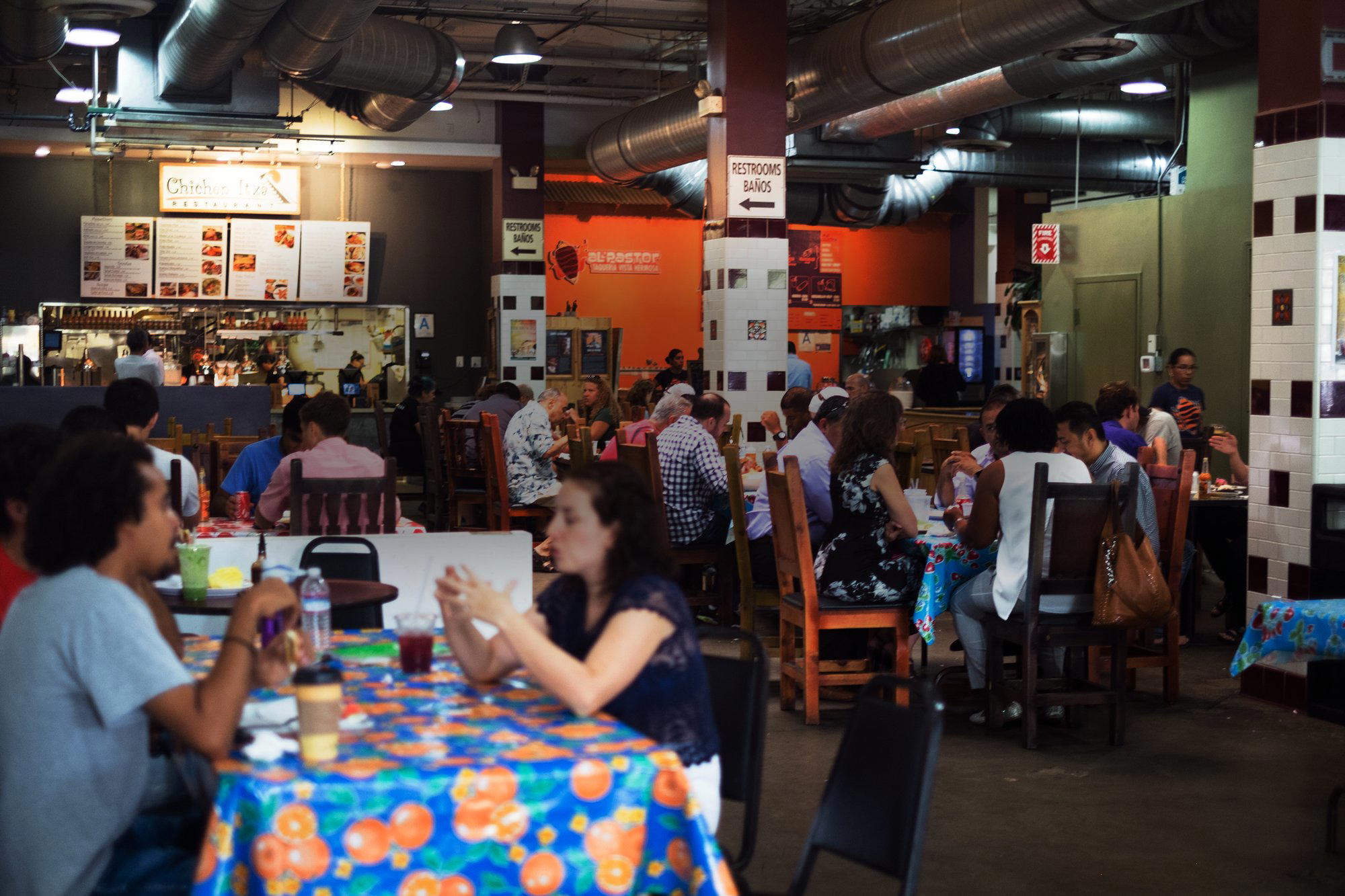
Los Angeles has spent the better part of two decades developing a food hall model distinct from the polished, investor-backed formats that spread through New York and Chicago. Where many of those markets built halls as real estate amenities — anchored by celebrity chef outposts and high rents that eventually squeezed out the operators who gave the project its character — South LA took a different path. Mercado La Paloma, located at 3655 S Grand Ave in the University Park neighborhood, has operated as a community-oriented food and retail hub since it first opened its doors, with a mission that placed nonprofit services and artisan vendors alongside restaurants from the start. That combination, unusual in any American city, has proven durable in ways that purely commercial formats have not.
The distinction matters when reading the critical reception Mercado La Paloma has accumulated. The LA Times 101 Best Restaurants list, one of the most closely watched annual rankings in California dining, included Komal, one of the food hall's resident restaurants. That recognition places Mercado La Paloma in a meaningful peer context. The LA Times list does not sort by price tier or neighborhood prestige; it ranks by cooking quality and significance to the city's food culture. Komal appearing alongside destination restaurants in neighborhoods with higher foot traffic and media visibility is a signal that the quality operating inside this Grand Avenue building has been independently verified at a high level.
What the Awards Context Actually Tells You
Critical recognition for food halls tends to flow toward either the format itself, the curation, the design, the concept, or toward individual operators working inside them. Mercado La Paloma has earned both. As a collective, it holds recognition as a cultural hub. As a site for serious cooking, the LA Times credential for Komal anchors its reputation in documented quality rather than local sentiment alone.
To calibrate that positioning: the restaurants earning LA Times 101 recognition in any given year occupy a range that includes tasting-menu destinations, neighborhood staples, and category specialists. The list explicitly seeks breadth across the city, which means inclusion signals relevance to Los Angeles dining culture rather than a single criterion like price point or technique. In the same annual cycle, that list has featured venues across the spectrum from counter-service specialists to ambitious prix fixe formats. For Komal to appear in that company, from within a food hall in South LA rather than from a freestanding restaurant in Silver Lake or the Westside, represents a specific editorial statement about where the cooking quality actually lives in this city.
Visitors who organize their Los Angeles eating around Michelin star geography or the concentration of tasting-menu restaurants on the Westside, venues like Providence, Somni, or Hayato, often miss what South LA contributes to the city's overall picture. The formal award tier, anchored by Michelin and the James Beard Foundation, concentrates visibility on certain cooking formats. Critically acknowledged food halls, and the restaurants inside them, fill a different function: they document the cooking traditions that actually define how most of a city eats.
The Hall's Character and What It Contains
Mercado La Paloma operates as more than a collection of food stalls. The building on Grand Avenue houses restaurants, artisan retail vendors, and nonprofit organizations, a configuration that reflects the original community development intent behind the project. That structure keeps the space operating on a different economic logic than a standard food hall, where turnover among operators is common and the format often outlasts the cooking quality that initially justified it.
The culinary range inside reflects South LA's demographic character. The neighborhood around Grand Avenue and Exposition Park draws from one of the most significant concentrations of Mexican, Central American, and South American communities in California. The cooking traditions present at Mercado La Paloma are not imported or curated for an outside audience; they represent the food cultures that have shaped this part of the city. That authenticity is precisely what drew LA Times attention to Komal, which works in the Oaxacan and Mexican indigenous tradition with a seriousness of technique that earned it a place in the 101 alongside restaurants operating at much higher price points.
For the broader Los Angeles dining picture, this positions Mercado La Paloma in a category of its own. The city's high-end tier, the Kato-level precision cooking, the tasting menus, the omakase counters, operates on a different reservation logic and price structure. Mercado La Paloma operates in a register where the barriers to entry are lower but the depth of culinary tradition is not. Nationally, food halls with this kind of critical validation are a small set. To find equivalents where community development mission and documented cooking quality overlap, you would be looking at a short list in any American city.
Visiting in Context: Los Angeles as a Dining City
Los Angeles rewards visitors who treat it as a set of distinct neighborhoods rather than a unified dining market. The concentration of starred and prix fixe restaurants, Osteria Mozza in Hollywood, the tasting-menu tier in Beverly Hills and downtown, represents one slice of the city. South LA represents another, with a depth of Mexican and Latin American cooking that has increasingly drawn national critical attention over the past decade. That shift in critical geography, from the Westside toward neighborhoods that had long been producing serious food without press coverage, is part of what makes the LA Times 101 list worth tracking year to year.
For visitors building a broader trip around the region, our full Los Angeles restaurants guide covers the range from high-end tasting formats to neighborhood specialists. If your itinerary extends beyond the city, Lazy Bear in San Francisco, The French Laundry in Napa, and Single Thread Farm in Healdsburg represent the California fine dining spectrum further north. For accommodation and drink planning in LA itself, our Los Angeles hotels guide, bars guide, and experiences guide provide the same level of editorial depth applied here.
Know Before You Go
- Address: 3655 S Grand Ave #280, Los Angeles, CA 90007
- Neighborhood: University Park / South Los Angeles
- Notable recognition: Komal at Mercado La Paloma featured on the LA Times 101 Best Restaurants list
- Format: Food hall with multiple restaurant vendors, artisan retail, and nonprofit services
- Phone / Booking: Contact information not available through EP Club, check directly with individual vendors
- Hours: Vary by vendor, confirm before visiting
- Nearby: Exposition Park, USC campus, Natural History Museum of Los Angeles County
Frequently asked questions
What do people recommend at Mercado La Paloma?
Komal is the most critically documented restaurant operating inside the hall, having earned a place on the LA Times 101 Best Restaurants list. The restaurant works in Oaxacan and Mexican indigenous culinary traditions. For the full picture of what the hall offers, visiting in person and consulting the current vendor roster on-site gives the most accurate read, as food hall compositions can shift over time. For context on how Mercado La Paloma fits into broader Los Angeles dining, see our Los Angeles restaurants guide, which covers acclaimed venues from Providence to Kato.
Is Mercado La Paloma reservation-only?
Food halls operating in the format of Mercado La Paloma typically do not require advance reservations for the hall itself, though individual restaurants within may have their own policies. Verifying directly with the specific restaurant you intend to visit before arriving is advisable, particularly for weekend visits when demand at recognized venues in the hall is likely higher. Compared to the reservation structures at tasting-format restaurants like Hayato or Somni, where bookings open weeks or months ahead, the model here is considerably more accessible.
What is Mercado La Paloma leading at?
The hall's documented strength is in Mexican and Latin American culinary traditions, grounded in the demographic and cultural character of the surrounding South LA neighborhood. Komal's appearance on the LA Times 101 Best Restaurants list provides the clearest external validation of that quality. Beyond the cooking, the hall's combination of food, retail, and community services gives it a function in its neighborhood that few food halls in any American city replicate. For visitors whose primary interest is awards-tracked cooking in Los Angeles, placing Mercado La Paloma alongside the city's fine dining tier, venues like Osteria Mozza or the Kato omakase format, captures the full range of where serious cooking happens in this city.
At-a-Glance Comparison
A quick snapshot of similar venues for side-by-side context.
| Venue | Cuisine | Price | Awards | Notes |
|---|---|---|---|---|
| Mercado La PalomaThis venue (the venue you are viewing) | Mexican Food Hall with Global Stalls | $20–30 | LA Times 101 Best Restaurants #1 | Not listed |
| Kato | Modern Taiwanese Fine Dining | $300–500 | 2 Michelin Stars · World's 50 Best #49 | New Taiwanese, Asian |
| Hayato | Traditional Japanese Kaiseki | $300–500 | 2 Michelin Stars · La Liste Top Restaurants | Japanese |
| Vespertine | Avant-Garde Tasting Menu | $200–300 | 2 Michelin Stars · La Liste Top Restaurants | Progressive, Contemporary |
| Camphor | Modern French with Southeast Asian influences | $150–200 | Michelin Plate · World Best Burgers World's 101 Best Burgers #15 | French-Asian, French |
| Gwen | Contemporary American Steakhouse | $50–100 | Michelin Plate · Wine Spectator Best of Award of Excellence | New American, Steakhouse |
Recognition history
Dated appearances from independent guides and award organizations, with the underlying list record or original source where available.
LA Times 101 Best Restaurants #1
LA Times
Continue exploring
More in Los Angeles
Restaurants in Los Angeles
All restaurants in Los Angeles →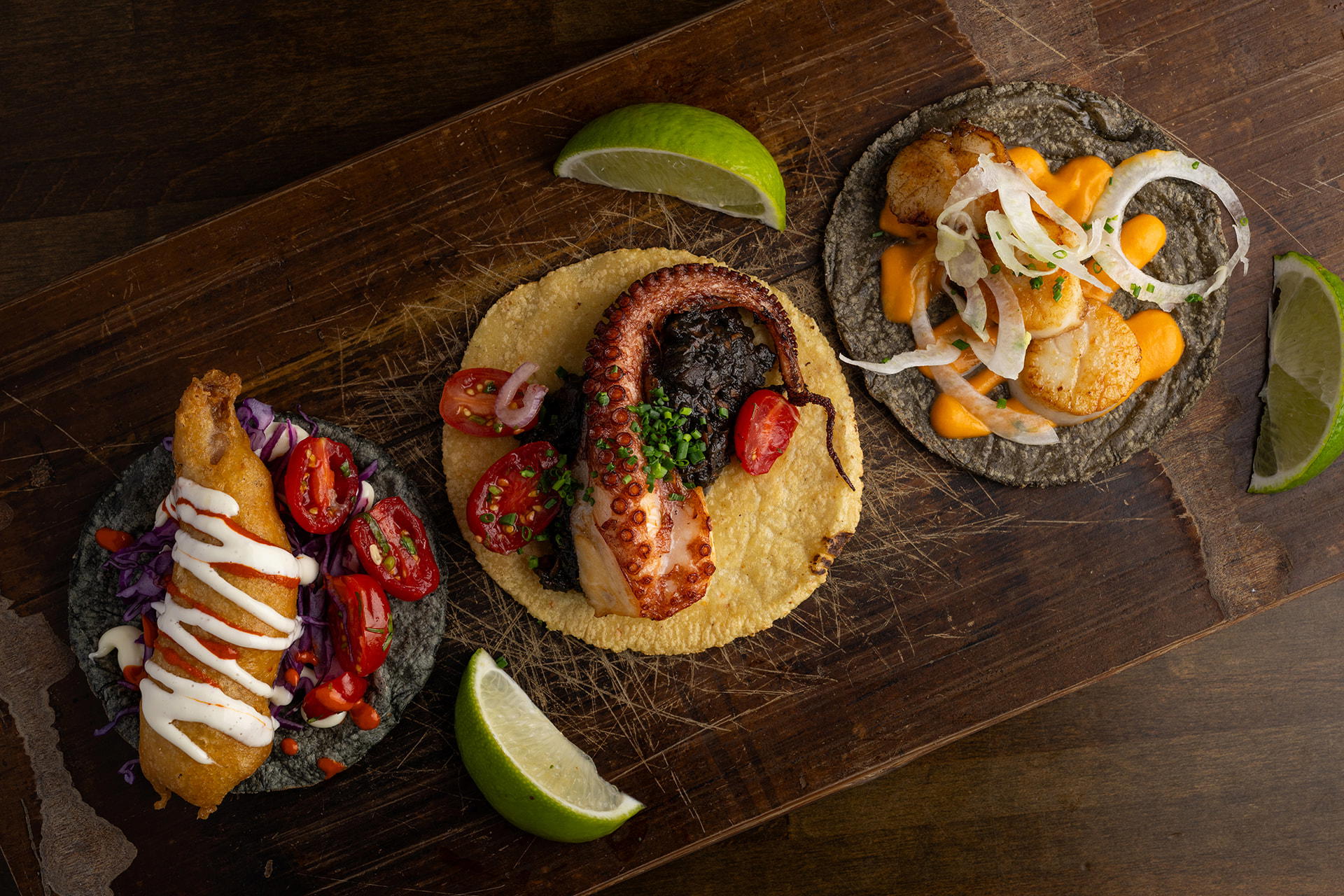
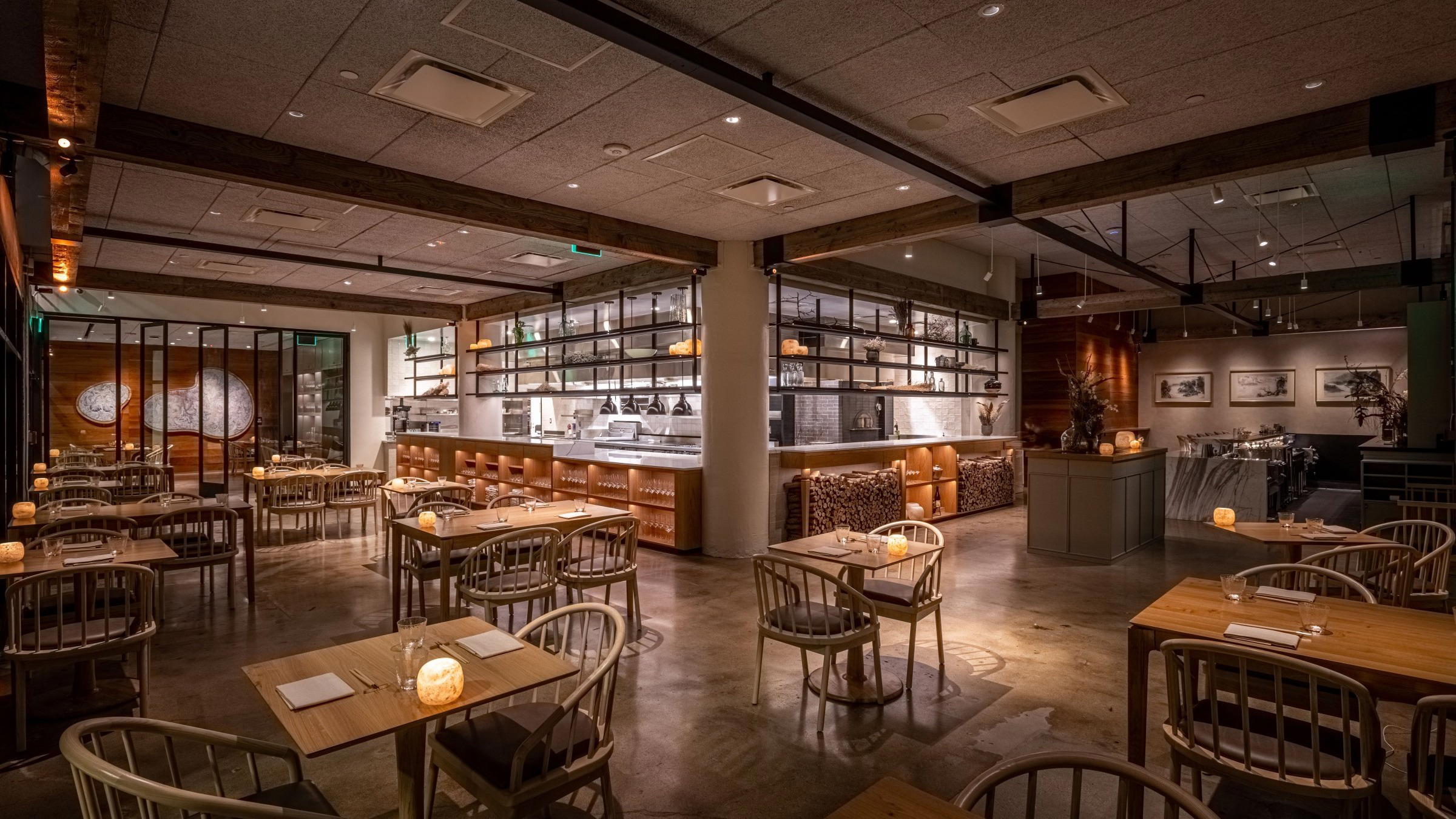
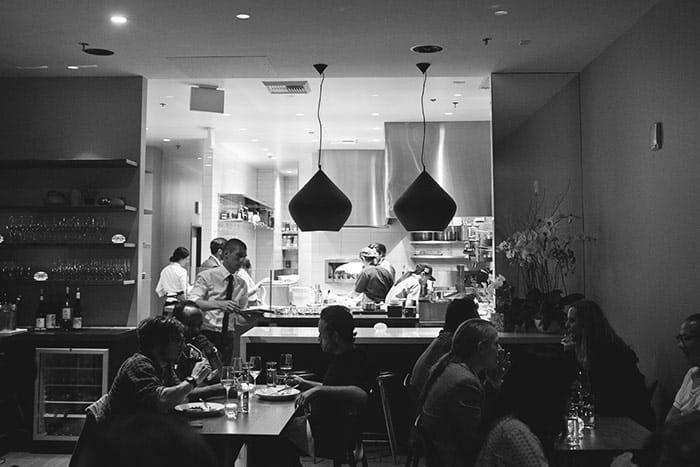
Bars in Los Angeles
All bars in Los Angeles →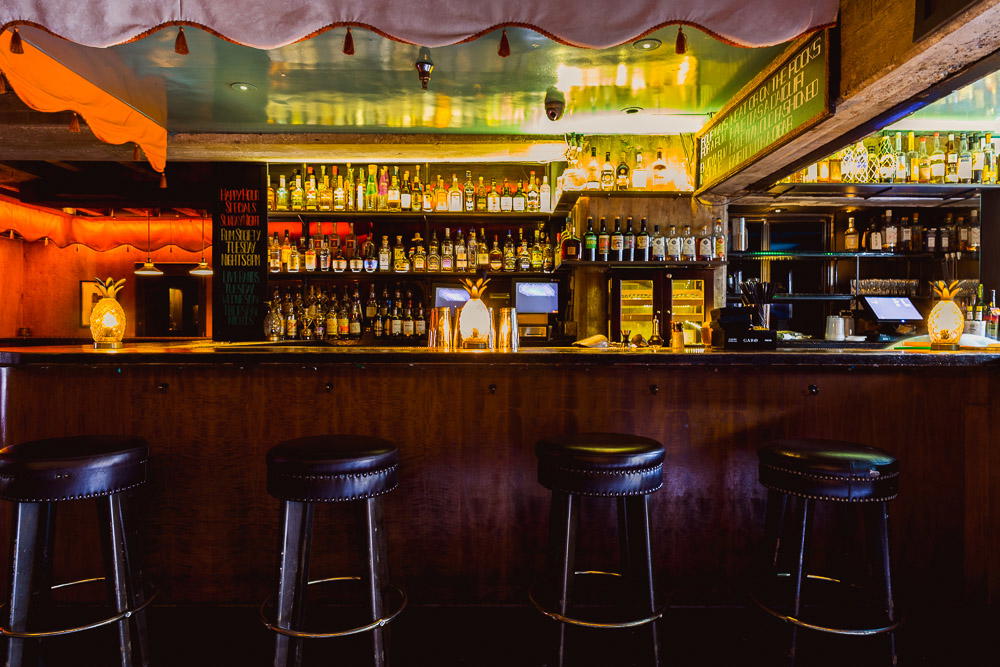
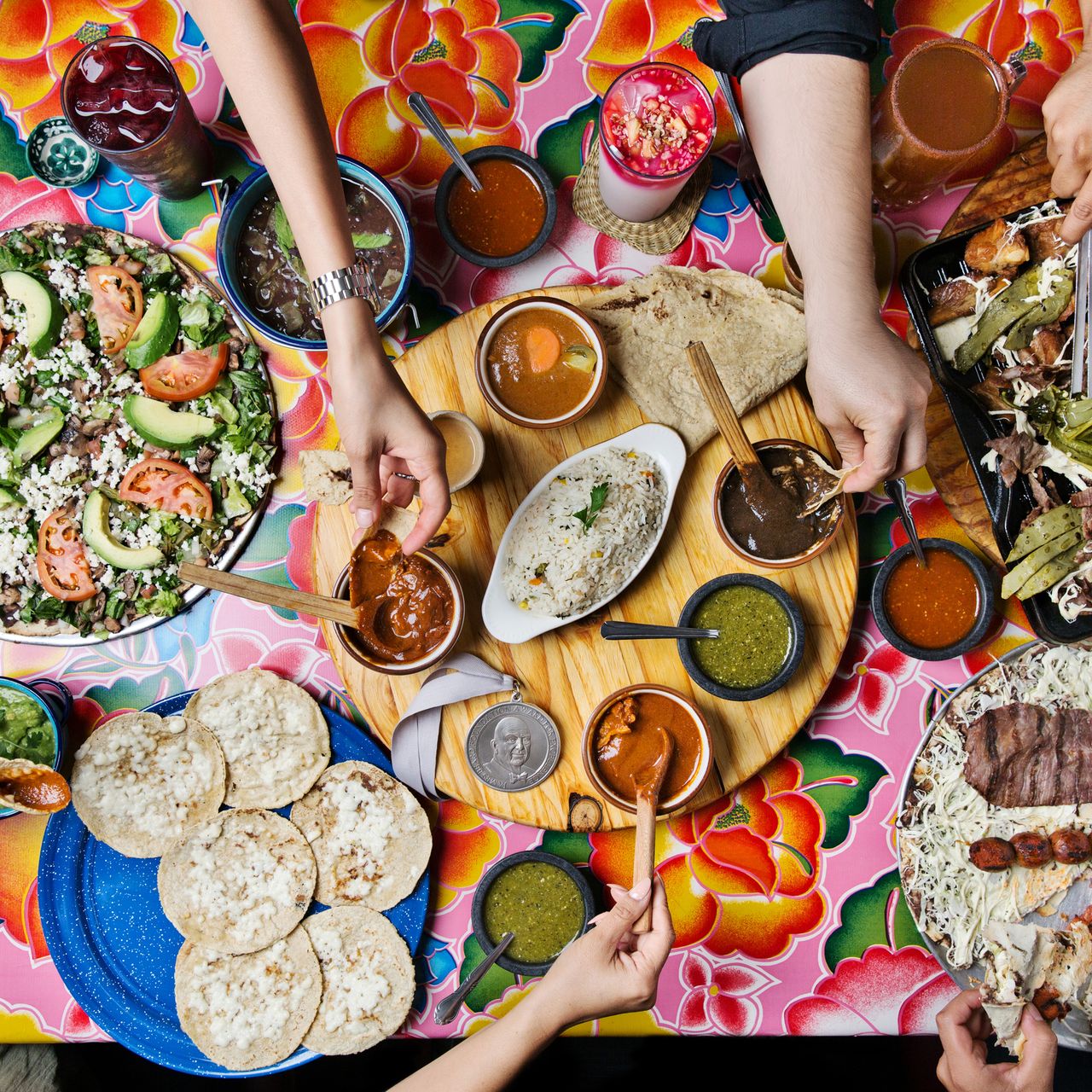
Hotels in Los Angeles
All hotels in Los Angeles →

Wineries in Los Angeles
All wineries in Los Angeles →
Details
- Lively
- Rustic
- Trendy
- Casual Hangout
- Group Dining
- Family
- Brunch
- Open Kitchen
- A La Carte
- Small Plates
- Vegan Options
Current opening hours
- Monday
- 9 AM–9 PM
- Tuesday
- 9 AM–9 PM
- Wednesday
- 9 AM–9 PM
- Thursday
- 9 AM–9 PM
- Friday
- 9 AM–10 PM
- Saturday
- 9 AM–10 PM
- Sunday
- 9 AM–9 PM
Hours can change for holidays and private events. Last verified .
Unpretentious warehouse-style food hall with open communal seating, lively energy from multiple counters, and occasional live music; can get loud on weekends.