El Coyote
On Beverly Boulevard since 1931, El Coyote is one of Los Angeles's longest-running Mexican restaurants, a neighbourhood institution that has outlasted trends, rerouted freeways, and the full churn of the city around it. The room is loud, the margaritas are large, and the menu reads like a primer on the Cal-Mex tradition that shaped Southern California's food identity long before farm-to-table became a refrain.
Pearl is the En Primeur Club membership app — saves, bookings, and concierge access live there. Same editors, same standards.
- Address
- 7312 Beverly Blvd, Los Angeles, CA 90036
- Phone
- +13239392255
- Website
- elcoyotecafe.com
- Directions
- Get directions
 Saves & bookings on Pearl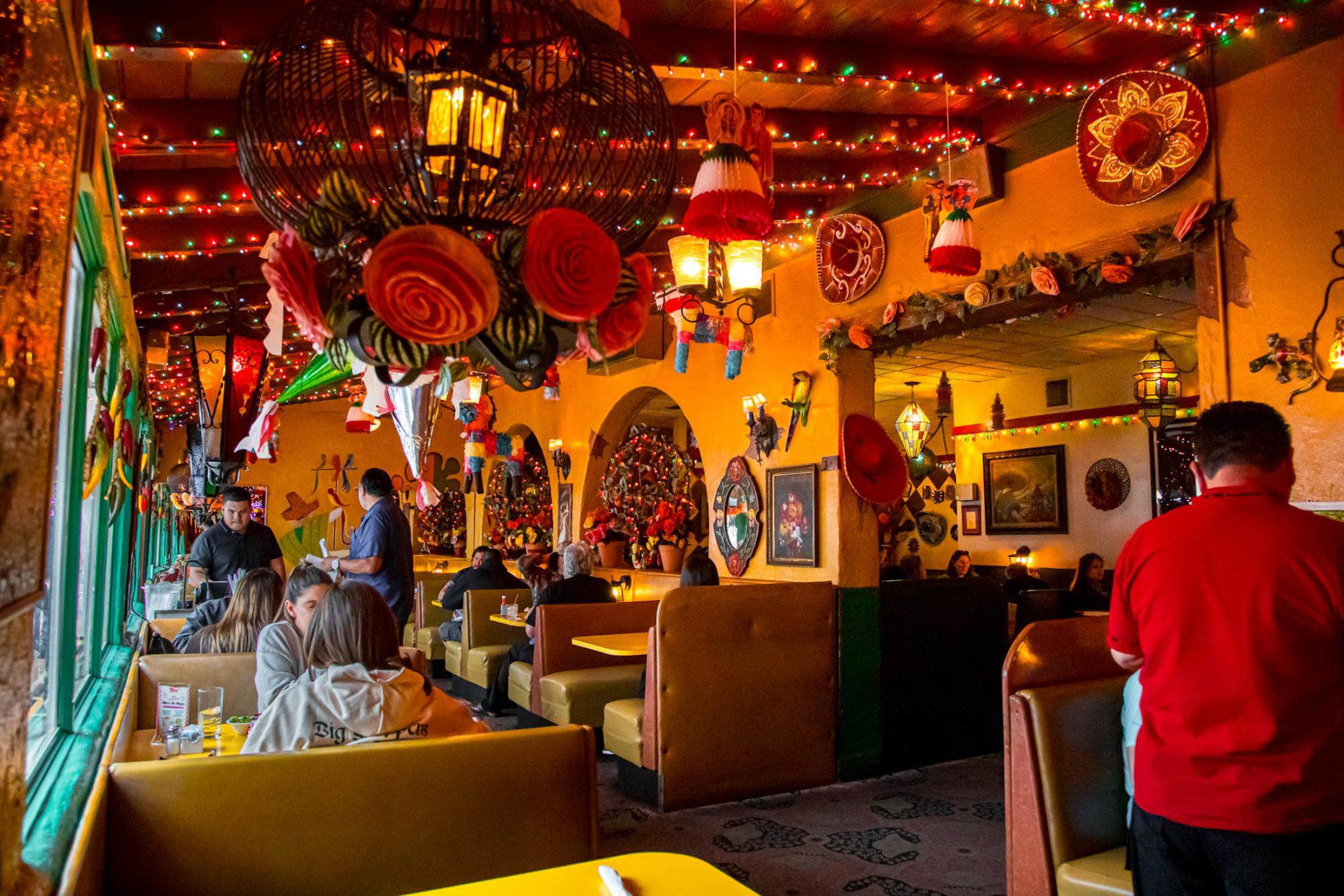
Beverly Boulevard, 1931: The Room That Refuses to Change
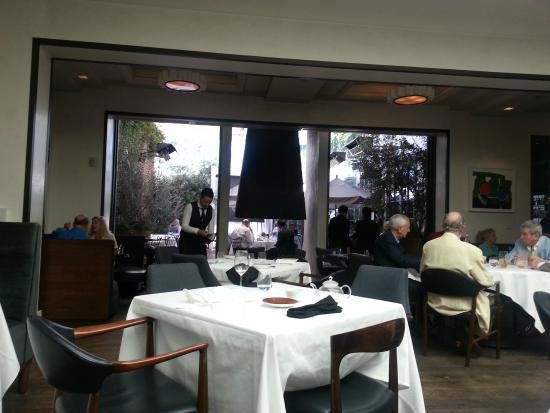
There is a particular kind of Los Angeles restaurant that the city's food press tends to overlook in favour of the next Michelin announcement or the newest counter in a converted strip mall. El Coyote, at 7312 Beverly Blvd, sits firmly in that category. The dining room announces itself before you reach the door: painted tiles, low lighting, booths worn to the shape of decades of regular customers, and the particular noise of a place that has never needed to work hard at atmosphere because it simply has it. This is what a California-Mexican restaurant looked like before the category became a subject of critical debate.
Beverly Boulevard's dining character has shifted repeatedly around El Coyote since the restaurant opened in 1931. The blocks between Fairfax and La Brea have absorbed waves of neighbourhood change, and the restaurant has remained a fixed coordinate through all of it. In a city where institutional memory is frequently demolished and rebuilt, that continuity carries its own form of authority.
The Cal-Mex Tradition and What It Actually Means
The cuisine served here belongs to the Cal-Mex tradition, a category that deserves more precise description than it usually receives. Cal-Mex is not Mexican food with California ingredients appended to it, nor is it the border-state Tex-Mex format that dominates the country's fast-casual chains. It developed as a genuinely distinct regional idiom along the Southern California corridor, shaped by the communities that built the city's agricultural and domestic infrastructure through the early twentieth century. The flavour profile tends toward mild heat, pronounced lard-enriched beans, rice cooked with tomato, and masa preparations that prioritise texture over architectural precision.
That tradition sits in an interesting position relative to where Los Angeles dining has moved. Operations like Holbox in Mercado La Paloma have shifted critical attention toward Mexican seafood and regional specificity, while the high-end tasting menu tier occupied by Kato, Somni, and Hayato has absorbed most of the critical conversation. El Coyote sits outside both of those currents, which is precisely what makes it legible as a document of a different era of Los Angeles eating.
Ingredient Sourcing in the Cal-Mex Format
The ingredient sourcing argument that drives contemporary restaurant criticism — hyper-local produce, named farms, seasonal menus printed weekly — does not map cleanly onto a restaurant like El Coyote. The Cal-Mex format was built on a different logic: consistency, affordability, and the kind of community accessibility that allows a family to return every week without recalculating the budget. The sourcing question here is less about which farm supplies the chiles and more about the long-term consistency of a supply chain that keeps a menu stable across decades.
That stability is itself a form of sourcing integrity. In contrast to the farm-driven tasting menu format practised at places like Single Thread Farm in Healdsburg or Blue Hill at Stone Barns in Tarrytown, where the menu exists as a direct expression of what the land produces on a given week, El Coyote's menu expresses what a community has wanted to eat across multiple generations. Both are valid editorial frames for thinking about where food comes from. One traces ingredients to a specific soil; the other traces a recipe to a specific cultural moment in Southern California history.
The margarita programme at El Coyote has, historically, been as much a draw as the food. Large-format, consistent, and priced for accessibility, the house margarita occupies the same role in the restaurant's identity as the combo plates: it is not trying to compete with the clarified and carbonated cocktail programmes you find at bars further along the critical attention spectrum. It is doing a different thing, for a different reason, for a different crowd.
Where El Coyote Sits in the Los Angeles Restaurant Map
Los Angeles has a deeply stratified dining economy. At the high end, two-Michelin-star operations like Providence and Osteria Mozza compete on ingredient quality, technique, and critical attention. That tier has grown considerably over the past decade and now includes venues that benchmark against peers in New York (see Le Bernardin), Chicago (Smyth), and Washington DC (The Inn at Little Washington). El Coyote does not benchmark against any of those venues. Its reference points are neighbourhood regulars, decades of returning customers, and the particular authority that comes from outlasting virtually every restaurant that opened in the same decade.
For anyone building an itinerary across the broader California dining circuit, including stops at The French Laundry in Napa, Addison in San Diego, or Lazy Bear in San Francisco, El Coyote functions as a counterweight: a reminder that California's food identity was not invented by the fine dining tier. It was built, in large part, in rooms like this one.
The broader context of ingredient-driven restaurants internationally, from Atelier Moessmer Norbert Niederkofler in Brunico to Frasca Food and Wine in Boulder and Emeril's in New Orleans, has tended to frame sourcing as a premium signal. El Coyote inverts that frame. Sourcing here is about the continuity of a community food supply, not about distinction or scarcity. That is a legitimate and underexplored editorial position in a food media culture that tends to conflate provenance with price.
For the full picture of where El Coyote sits among Los Angeles's restaurants across price points and formats, see our full Los Angeles restaurants guide. For contrast with venues operating at the other end of the New York critical spectrum, Atomix represents how far the fine dining tasting menu format has travelled from the neighbourhood institution model El Coyote represents.
Planning Your Visit
El Coyote is located at 7312 Beverly Blvd in the Fairfax district, accessible by car with street and lot parking, and reachable via the LADOT Commuter Express or local Metro connections. The restaurant has operated continuously since 1931 and draws a cross-section of the neighbourhood rather than a reservation-holding dining public. Walk-ins have historically been part of the format, though wait times on weekend evenings reflect the restaurant's enduring local following.
Quick reference: 7312 Beverly Blvd, Los Angeles, CA 90036. Walk-ins accepted. Beverly Boulevard, Fairfax district.
Standing Among Peers
A quick peer reference to anchor this venue in its category.
| Venue | Cuisine | Price | Awards |
|---|---|---|---|
| El CoyoteThis venue — the venue you are viewing | Not listed | Not listed | Not listed |
| Kato | New Taiwanese, Asian | $$$$ | Michelin 1 Star |
| Hayato | Japanese | $$$$ | Michelin 2 Star |
| Vespertine | Progressive, Contemporary | $$$$ | Michelin 2 Star |
| Holbox | Mexican Seafood, Mexican | $$ | Michelin 1 Star |
| Sushi Kaneyoshi | Sushi, Japanese | $$$$ | Michelin 1 Star |
Continue exploring
More in Los Angeles
Restaurants in Los Angeles
Browse all →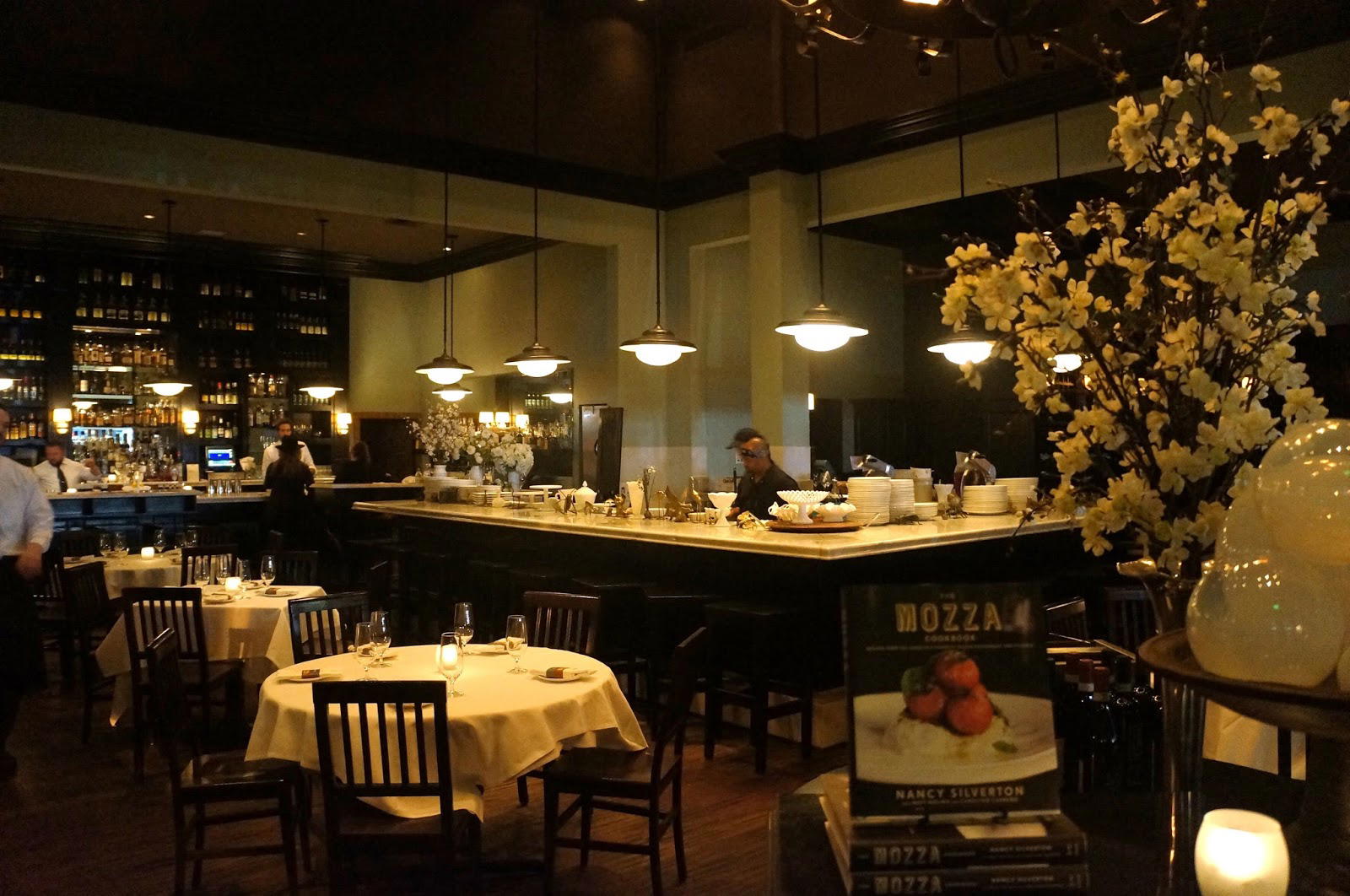
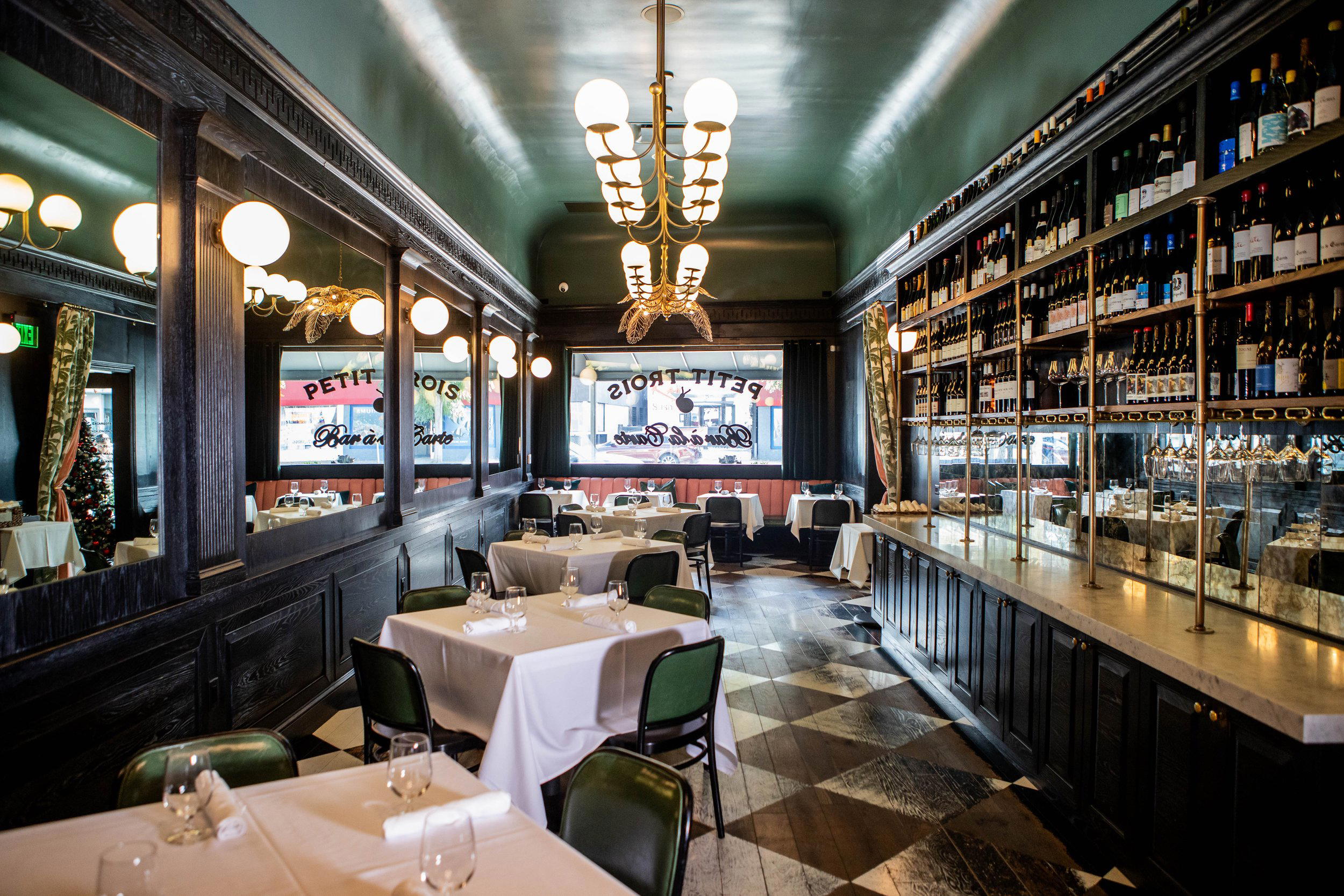
Bars in Los Angeles
Browse all →
Hotels in Los Angeles
Browse all →
Wineries in Los Angeles
Browse all →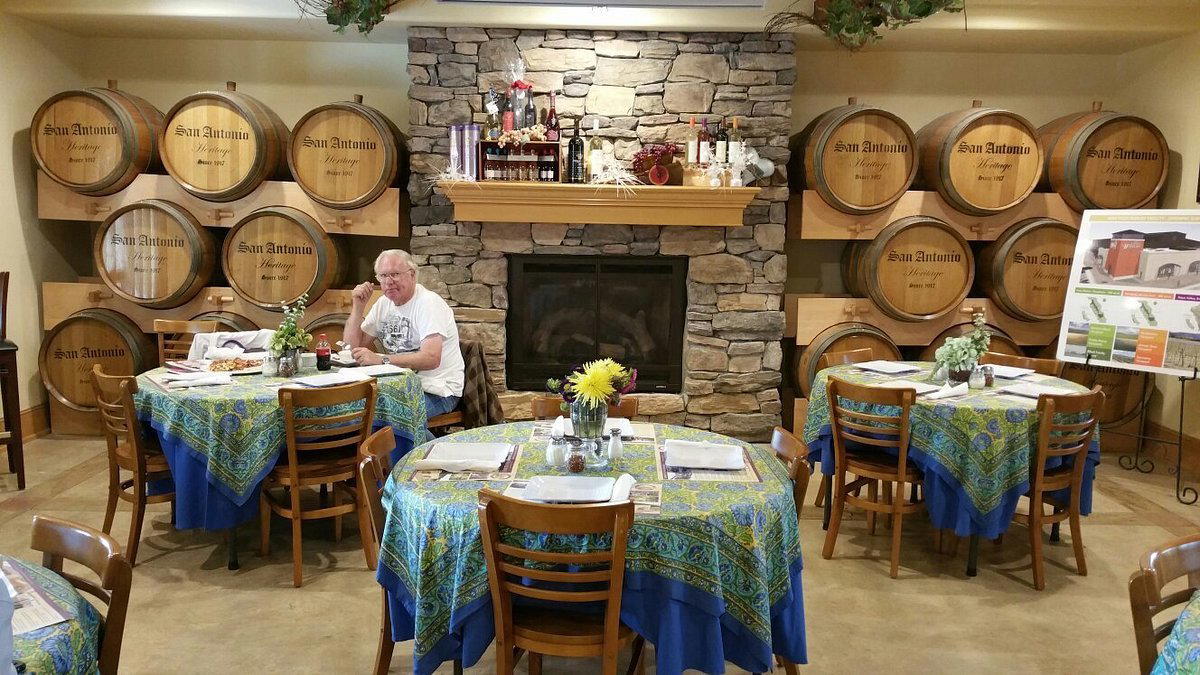
At a Glance
- Well Known
- Lively
- Classic
- Casual Hangout
- Group Dining
- Family
- Historic Building
- Craft Cocktails
Current opening hours
- Monday
- Closed
- Tuesday
- Closed
- Wednesday
- 12–9 PM
- Thursday
- 12–9 PM
- Friday
- 12–10 PM
- Saturday
- 12–10 PM
- Sunday
- 12–9 PM
Hours can change for holidays and private events. Last verified .
Casual and energetic atmosphere with kitschy decor featuring autographed celebrity portraits on the walls.
Know Before You Go
- Getting there
- 7312 Beverly Blvd, Los Angeles, CA 90036