Ace Wasabi San Francisco
Ace Wasabi sits on Steiner Street in San Francisco's Marina District, occupying a space that has long attracted a neighborhood crowd drawn to casual Japanese-American formats in a lively, unfussy room. The address places it squarely in one of the city's most walkable dining corridors, a useful counterpoint to the formal tasting-menu scene that defines San Francisco's upper tier.
Pearl is the En Primeur Club membership app — saves, bookings, and concierge access live there. Same editors, same standards.
- Address
- 3339 Steiner St, San Francisco, CA 94123
- Phone
- +14159681644
- Website
- acewasabisf.com
- Directions
- Get directions
 Saves & bookings on Pearl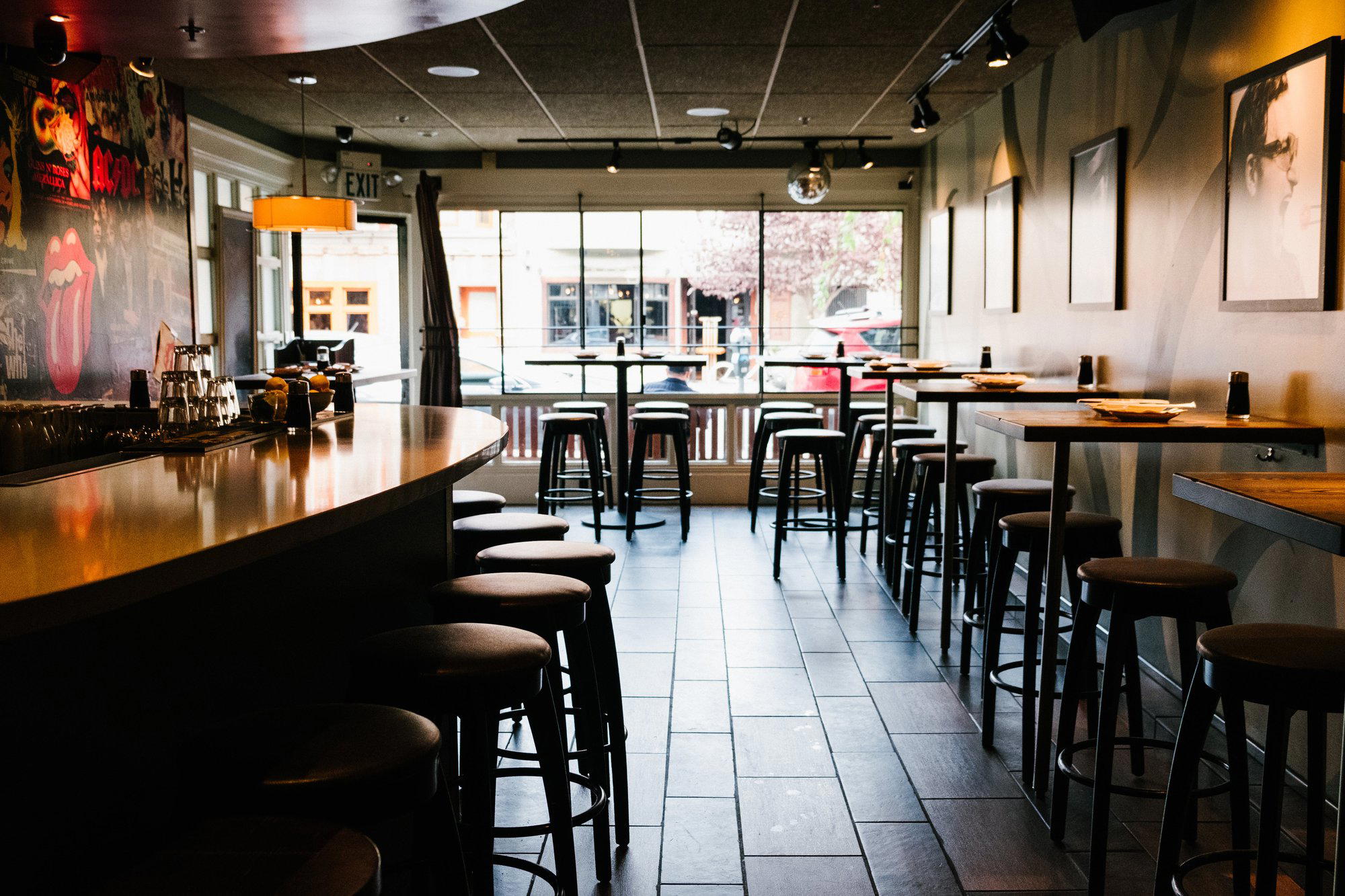
The Marina's Casual Japanese Counter in Context
San Francisco's dining identity is most often discussed through its formal end: the tasting rooms of Lazy Bear, the French modernism of Atelier Crenn, the French-Chinese precision of Benu. But below that bracket, the city sustains a parallel register: neighborhood Japanese-American restaurants that trade on volume, energy, and accessibility rather than ceremony. Ace Wasabi on Steiner Street sits inside that second register, operating in the Marina District as a casual Japanese sushi restaurant.
The Marina has historically been one of San Francisco's more socially active neighborhoods, and its restaurant spaces reflect that. Rooms here tend to run louder and less formal than what you find in the Financial District or in the converted warehouses of SoMa. That spatial and social character shapes how a place like Ace Wasabi functions: it is a room designed around movement, conversation, and the kind of informal Japanese-American format that became a fixture of American coastal cities through the 1990s and 2000s.
A Room Built for the Neighborhood, Not the Occasion
The address at 3339 Steiner St places Ace Wasabi within the Marina District, near the Union Street stretch and the Fillmore corridor. The physical container matters here. Japanese-American casual formats in this price tier typically favor open layouts, bar seating, and communal energy over the intimate eight-seat counter model that defines San Francisco's omakase tier. That counter model, represented in the city by reservation-heavy omakase rooms that book weeks ahead, operates on an entirely different logic: controlled pacing, scripted progression, silence as a design element.
Ace Wasabi belongs to neither that omakase world nor the formal Japanese dining rooms found in more formal neighborhoods. Its Steiner Street footprint positions it as a walk-in-friendly neighborhood anchor, the kind of space where the room itself does much of the hospitality work. Bar seating in formats like this tends to create a horizontal social dynamic, where a solo diner at the bar and a table of four nearby occupy the same acoustic and visual field. That openness is the design point, not a compromise.
Compared to the multi-room scale of destination restaurants like The French Laundry in Napa or the tightly choreographed formats of Smyth in Chicago, the Marina casual Japanese room operates on different spatial assumptions entirely. Scale here serves throughput and accessibility rather than exclusivity. The same principle holds at comparable casual Japanese-American formats across American cities: the goal is a room that accommodates the neighborhood's rhythms rather than dictating them.
The Casual Japanese-American Format in American Cities
Japanese-American dining in its casual register has a specific arc in American culinary history. What began as adaptation, with Japanese techniques applied to American appetites for larger portions, more familiar proteins, and social dining environments, eventually solidified into its own category. The California roll is one cited example of that translation, but the format extended beyond sushi to include izakaya-adjacent small plates, fusion rolls built around spicy mayonnaise and tempura flake, and bar programs calibrated to sake cocktails and local craft beer.
San Francisco, with its long Japanese-American community history in neighborhoods like Japantown, developed a more layered version of this than many American cities. The city now holds both ends of the spectrum simultaneously: omakase counters pricing against Le Bernardin in New York City and street-facing casual rooms where the kitchen sends out rolls at pace. Ace Wasabi occupies the street-facing end of that spectrum, on a street that feeds foot traffic from the Marina's residential density.
That positioning has a logic. Casual Japanese-American restaurants in neighborhood settings rely on repeat local custom more than destination dining does. A place like Providence in Los Angeles draws from a metropolitan radius; a Marina neighborhood restaurant draws from a walk radius. The business model is different, the room design responds to it, and the menu format follows suit.
Where It Sits Against San Francisco's Broader Dining Range
San Francisco's restaurant scene now contains a wide spread of Japanese and Japanese-influenced formats. At the formal end, tasting-menu restaurants with Japanese influence include venues competing with Quince and Saison for the same reservation-aware, occasion-dining customer. At the middle tier, Japanese-American casual formats serve the neighborhood professional demographic that populates the Marina and adjacent areas.
Ace Wasabi sits in that middle tier. It is not competing with the omakase rooms that book three months ahead, nor with the farm-to-table formats like Single Thread Farm in Healdsburg or the produce-driven formats of Blue Hill at Stone Barns. Its competitive set is the set of neighborhood Japanese-American restaurants across the Marina, Cow Hollow, and Pacific Heights corridors, where the differentiators are room energy, kitchen consistency, and location convenience rather than chef credentials or award recognition.
For readers comparing across cities, that dynamic plays out similarly at casual Japanese-American formats in New York, Los Angeles, Chicago, and New Orleans. The casual end of that range is less discussed in food media but sustains a larger share of actual dining occasions.
Planning Your Visit
Know Before You Go
- Address: 3339 Steiner St, San Francisco, CA 94123
- Neighborhood: Marina District, within the walkable Steiner-Union corridor
- Format: Casual Japanese-American neighborhood dining; walk-in-friendly format typical of this category
- Booking: Reservations are recommended; hours run Mon: 5–9 PM; Tue: 5–9:30 PM; Wed: 5–9:30 PM; Thu: 5–9:30 PM; Fri: 5–10 PM; Sat: 5–10 PM; Sun: 5–9 PM
- Getting there: The Marina is accessible by Muni bus lines serving Lombard and Chestnut corridors; street parking is available but competitive on weekend evenings
Reputation Context
Comparable venues nearby, for context on price, style, and recognition.
| Venue | Cuisine | Price | Notes |
|---|---|---|---|
| Ace Wasabi San FranciscoThis venue — the venue you are viewing | Modern Japanese Sushi | $$$ | Not listed |
| Elephant Sushi | Craft Japanese Sushi | $$$ | Western Addition |
| ICHI Sushi | Sustainable Japanese Sushi + Ni Bar | $$$ | Bernal Heights |
| Marufuku Ramen | Hakata-Style Tonkotsu Ramen | $$ | Japantown |
| Katana-Ya | Japanese Ramen and Sushi | $$ | Tenderloin |
| Yakiniku Shodai 初代 | Authentic Japanese Yakiniku | $$$$ | Tenderloin |
Continue exploring
More in San Francisco
Restaurants in San Francisco
Browse all →
Bars in San Francisco
Browse all →
Hotels in San Francisco
Browse all →
At a Glance
- Lively
- Trendy
- Energetic
- Date Night
- Group Dining
- Casual Hangout
- Open Kitchen
- Sake Program
- Craft Cocktails
Current opening hours
- Monday
- 5–9 PM
- Tuesday
- 5–9:30 PM
- Wednesday
- 5–9:30 PM
- Thursday
- 5–9:30 PM
- Friday
- 5–10 PM
- Saturday
- 5–10 PM
- Sunday
- 5–9 PM
Hours can change for holidays and private events. Last verified .
Trendy hangout with lively vibe, music, and happy-hour bingo.