Kabojung
Kabojung serves Suwon galbi (Korean beef ribs) with Hanu Yangnyeom Galbi and Saenggalbi, in an open-kitchen, upscale casual setting suited to dinner.
Pearl is the En Primeur Club membership app — saves, bookings, and concierge access live there. Same editors, same standards.
- Address
- Suwon, South Korea
- Directions
- Get directions
 Saves & bookings on Pearl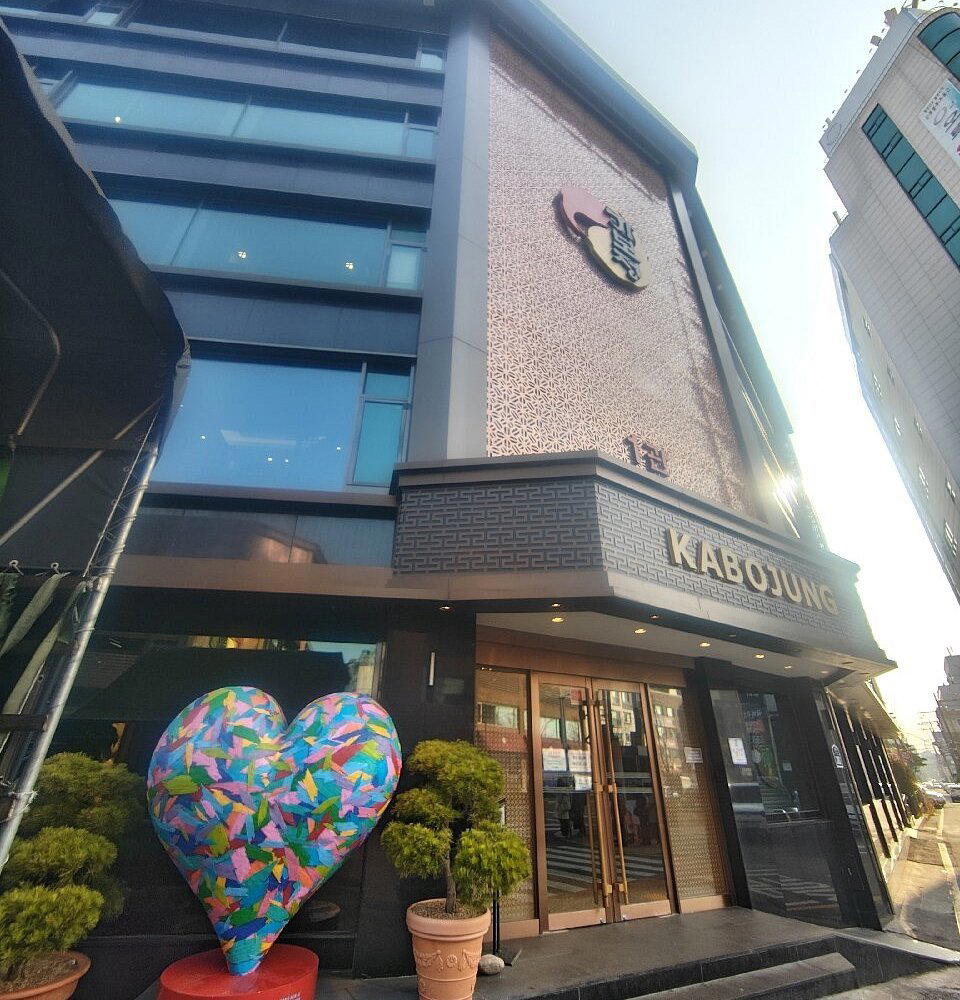
Suwon's Dining Scene and Where Kabojung Fits
Suwon sits close enough to Seoul to absorb its dining ambitions yet far enough to maintain a provincial character that still privileges traditional Korean cooking over fusion novelty. The city's restaurant culture has historically revolved around galbi, the short-rib grilling tradition that Suwon claims with particular civic pride, but a quieter tier of neighbourhood restaurants has always operated beneath that headline identity. Kabojung belongs to that quieter tier: a Suwon address that draws repeat visitors rather than weekend tourists making the short KTX hop from the capital.
The Setting: What You Encounter Before the Food
Korean neighbourhood restaurants of this category tend to announce themselves modestly. The visual language is understated: a shopfront that prioritises function over spectacle, interior materials that lean toward warmth rather than design-forward statements, and a room arranged for conversation rather than performance. That restraint is not a shortcoming in the Korean dining tradition, it is often the marker of a place that has decided the food should do the work. Arriving at Kabojung, the expectation set by the exterior is consistent with what regional Korean cooking culture prizes: proximity, familiarity, and a room that feels used rather than staged. Compare this to how Suwon's more formal galbi houses, including spots like Gobojeong Galbi #1 (가보정 1관) in 수원시, project a grander civic identity around the city's grilling heritage.
Ingredient Sourcing as Editorial Frame
One instructive way to read Korean regional cooking is through what arrives at the table before the main order: the banchan spread. These small accompaniments, fermented, pickled, braised, or seasoned, encode the sourcing logic of a kitchen more honestly than any menu description. A restaurant sourcing from local markets and regional producers will show seasonal variation across those small plates; a kitchen running on centralised supply chains will not. In Suwon's neighbourhood restaurant segment, the banchan still functions as a credibility signal, and it is where sourcing decisions become visible to an attentive diner.
Korean cuisine more broadly has undergone a serious reckoning with ingredient provenance over the past decade. The influence of fermentation-forward and terroir-conscious approaches, visible at the fine dining end in places like Mingles in Seoul, which frames Korean ingredients through a modern lens, or at the other end of the spectrum in traditional temple food, has filtered down into mid-range regional restaurants in ways that were less common ten years ago. Knowing where your doenjang was fermented, whether your vegetables came from highland farms or industrial greenhouses, and how your protein was handled before it reached the pan: these have become markers of seriousness in Korean restaurant culture at every price tier.
What is observable from the regional context is that Suwon's proximity to Gyeonggi Province's agricultural zones gives restaurants here access to produce that Seoul kitchens often source at a remove. That geographic advantage matters most for vegetables and fermented products, where freshness and local fermentation culture still diverge meaningfully from what arrives through centralised distribution.
Reading Kabojung Against Its comparable set
Suwon's mid-range Korean restaurant segment operates in a competitive space that ranges from the casual and high-volume to the more considered neighbourhood dining room. At the higher end of Korean regional cooking, you find venues like Mori in Busan, where the sourcing story is explicit and the format tightly curated. Further along the coast, fermentation and local agriculture frame the identity of places such as Injegol in Inje County. Kabojung operates in a different register: closer to the everyday neighbourhood dining tradition than to the curated tasting format, but within a city that takes its food identity seriously enough to sustain restaurants with genuine character.
The broader Korean dining boom has produced a recognisable pattern: Seoul fine dining draws the critical attention, with venues like Atomix in New York City exporting Korean fine dining prestige internationally, while regional cities like Suwon maintain their own internal logic that is less legible to outside observers but no less meaningful to locals. Kabojung reads as part of that regional logic rather than a participant in the Seoul-centric narrative.
For comparison within the broader Korean culinary geography, the Jeju dining scene offers a useful counterpoint: places like 88돼지 in 제주시 and Black Pork BBQ in Seogwipo anchor their identity in island-specific protein and a hyper-local ingredient story. Suwon's equivalent anchoring is in the galbi tradition and Gyeonggi Province's agricultural base, which shapes what serious neighbourhood restaurants here can and should prioritise.
Traditional approaches to Korean food also carry weight in how regional dining rooms are assessed. The temple food tradition, represented at the contemplative end of the spectrum by places like Baegyangsa Temple in Jangseong-gun, demonstrates how far Korean cuisine can go when ingredient sourcing becomes the entire philosophy. Few neighbourhood restaurants operate at that level of commitment, but the cultural pressure those traditions exert on the broader Korean dining conversation is real.
Planning a Visit
Suwon is accessible from Seoul by KTX in under thirty minutes, making it a viable day-trip or evening extension from the capital. The city's dining culture is generally accommodating of walk-in visits at neighbourhood restaurants, though venues with strong local followings can fill early on weekend evenings.
How It Stacks Up
Comparable venues nearby, for context on price, style, and recognition.
| Venue | Cuisine | Price | Notes |
|---|---|---|---|
| KabojungThis venue — the venue you are viewing | Suwon Galbi (Korean Beef Ribs) | $$$ | Not listed |
| Doosoogobang | Korean Temple Cuisine | $$$ | Yeongtong-gu |
| Gobojeong Galbi #1 (가보정 1관) | Korean Galbi BBQ | $$ | Suwon |
| Gabojeong Galbi #2 (가보정 2관) | Traditional Korean Galbi | $$$ | 팔달구 |
| sugsudoga | Luxury Korean Beef Omakase | $$$ | Jeongleung-dong |
| í ë¼íì¿ ê° | Traditional Korean Steakhouse | $$$ | Jung 1(il)-dong |

At a Glance
- Rustic
- Lively
- Group Dining
- Casual Hangout
- Open Kitchen
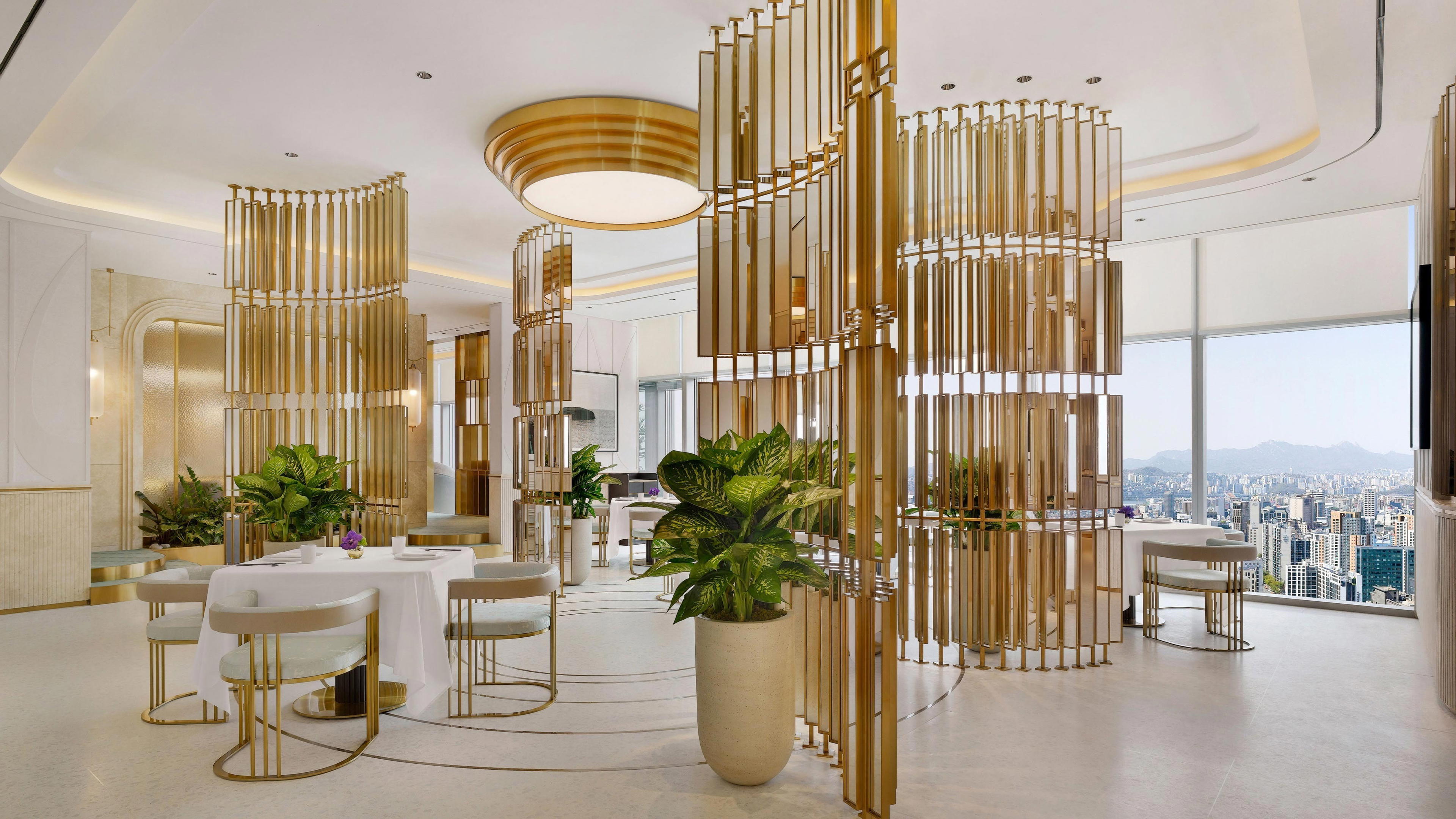
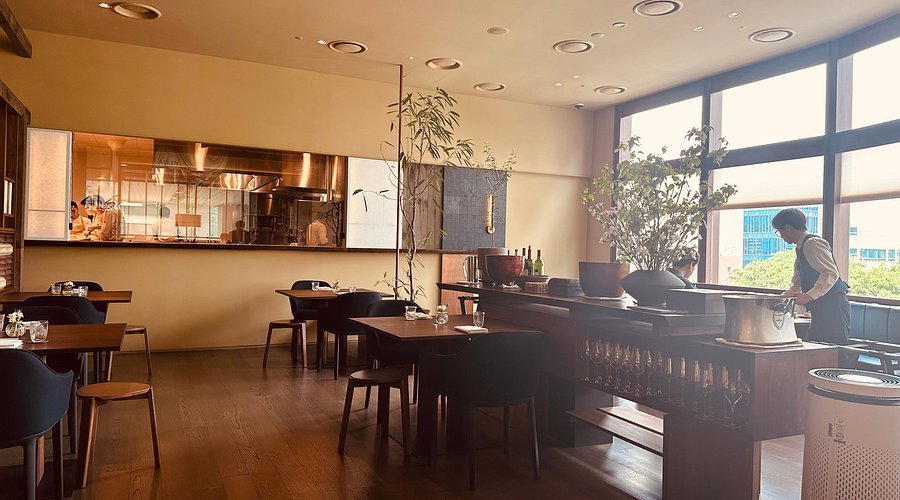
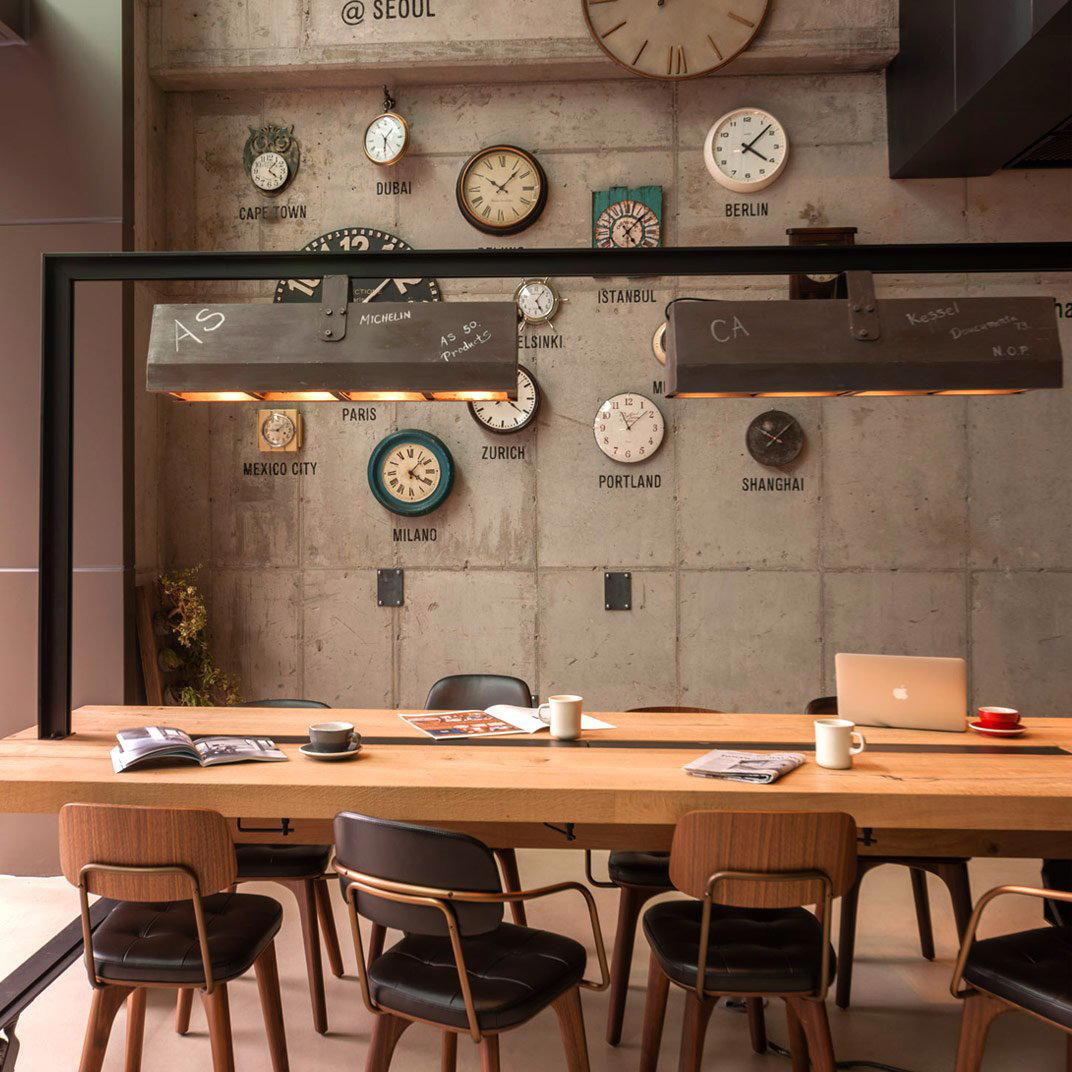
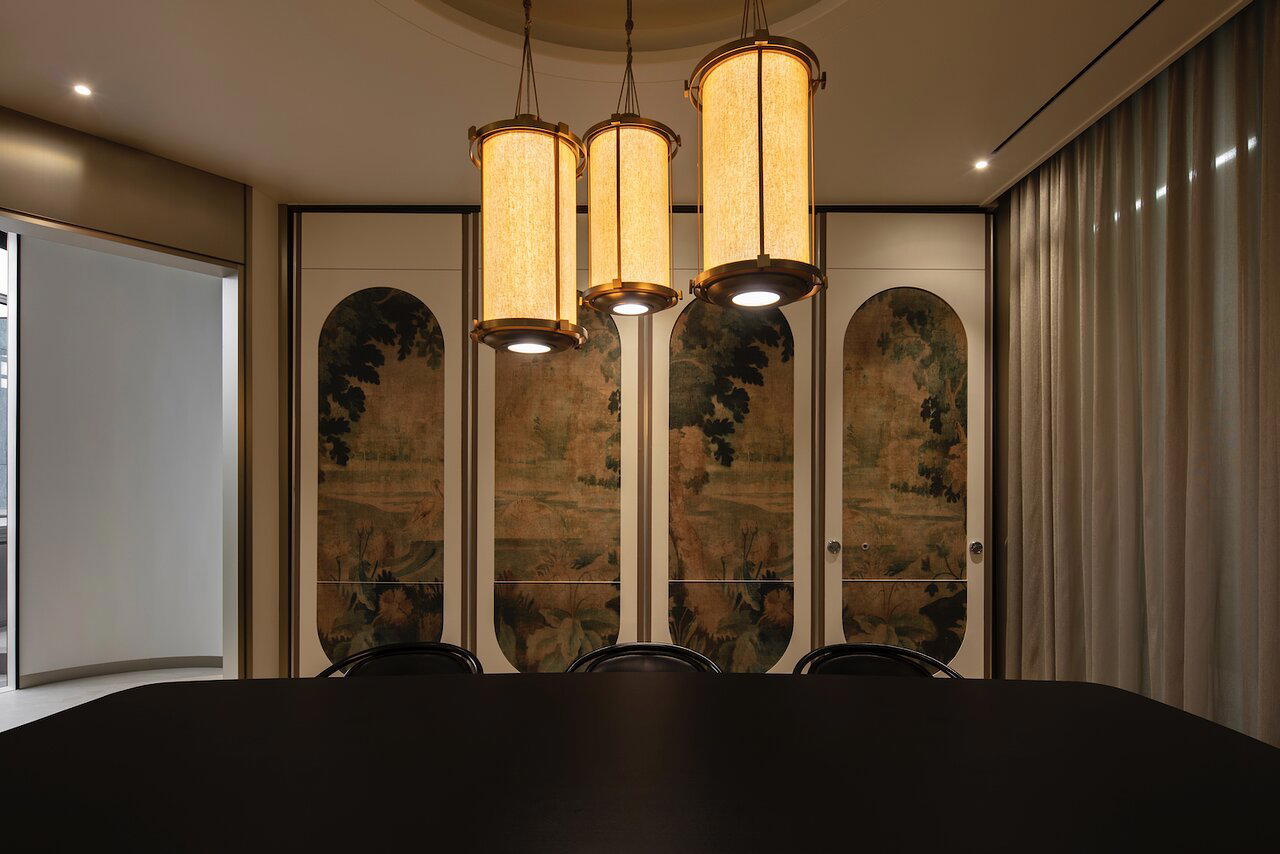
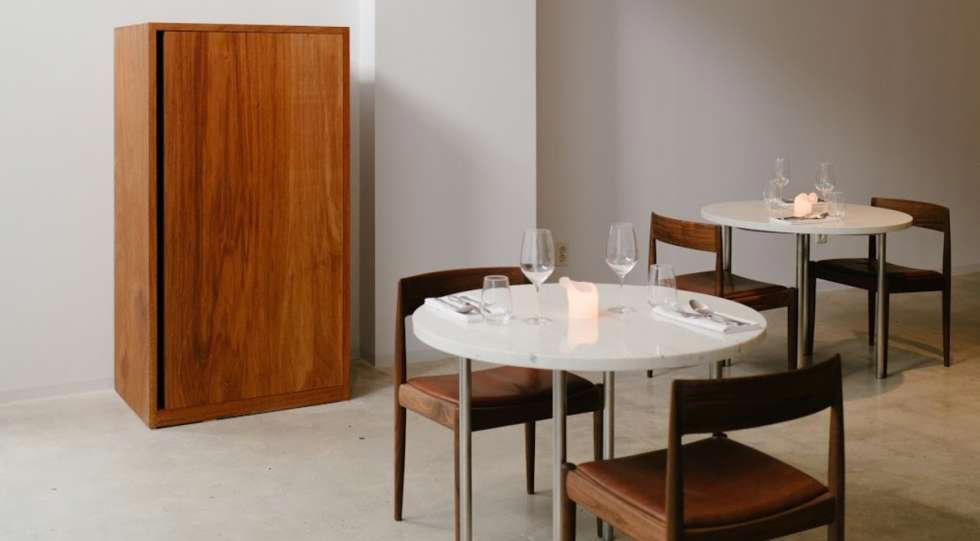
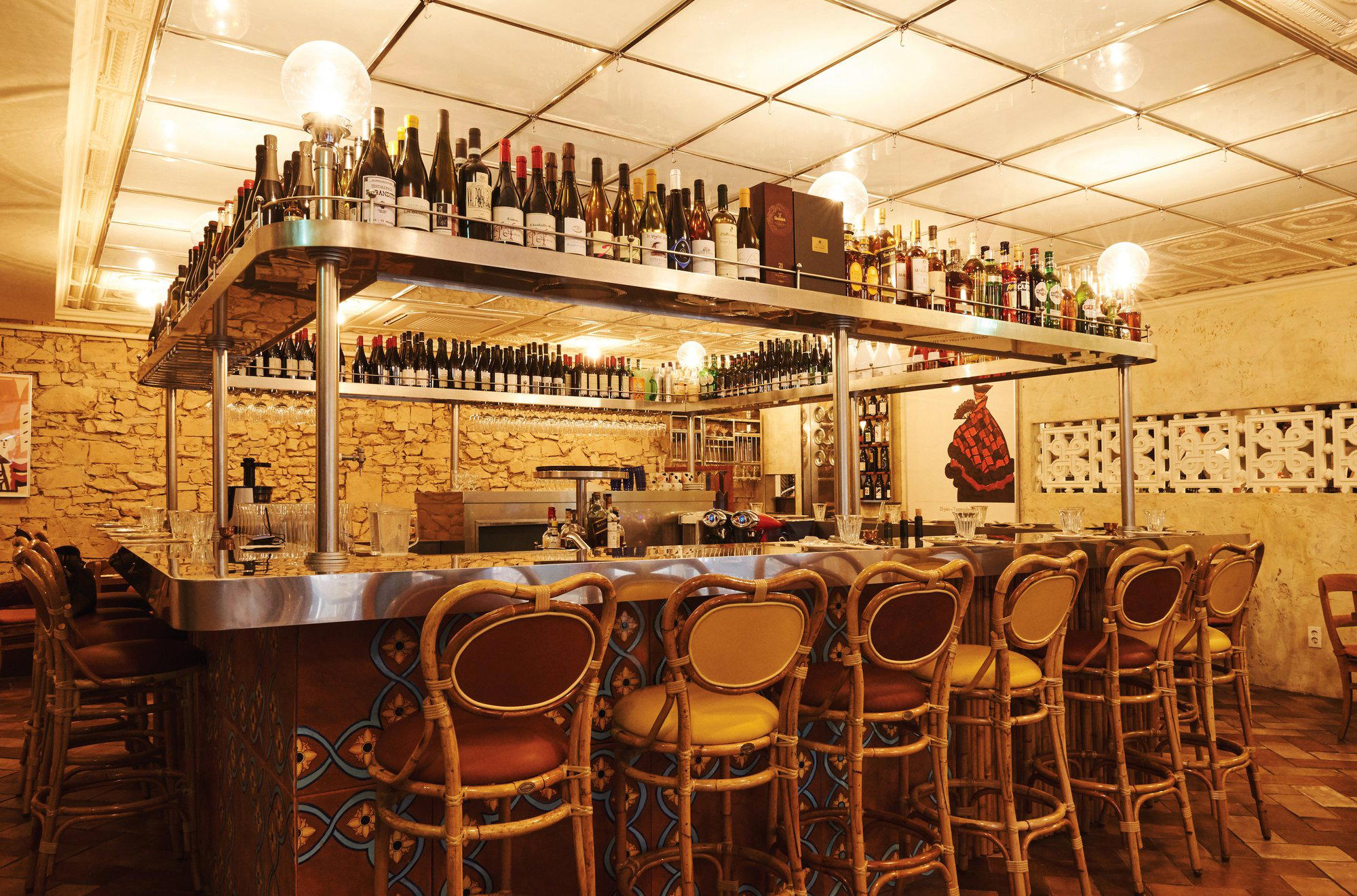
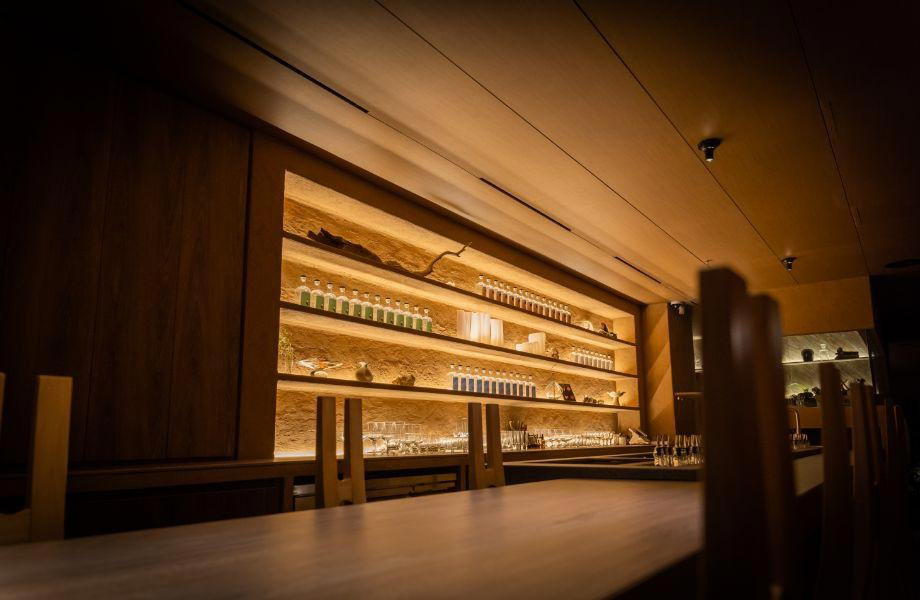
Spacious with classy, rustic interiors featuring wooden tables and built-in grills for an engaging, communal barbecue experience.