Ka Bee Cafe 佳味餐室
Ka Bee Cafe 佳味餐室 sits at the edge of Chew Jetty, one of Georgetown's seven clan jetties and a UNESCO-recognised living heritage site. The cafe operates within the rhythms of the waterfront community rather than the tourist circuit, making it a reference point for understanding how Penang's hawker and kopitiam traditions persist inside working neighbourhoods. Its address alone positions it apart from the commercial dining corridor of the city centre.
Pearl is the En Primeur Club membership app — saves, bookings, and concierge access live there. Same editors, same standards.
- Address
- 9-A Chew Jetty, 10300 Georgetown, Pulau Pinang
- Directions
- Get directions
 Saves & bookings on Pearl
Eating at the Edge of the Water: Chew Jetty's Dining Ritual
Chew Jetty extends into the Straits of Malacca on a grid of timber planks, and the approach to Ka Bee Cafe 佳味餐室 follows that same logic: planks underfoot, boats visible through gaps in the decking, the smell of brine mixing with whatever is cooking in open-air kitchens nearby. Georgetown's seven clan jetties were built by Hokkien Chinese immigrants in the nineteenth century, each controlled by a single clan, and Chew Jetty remains especially intact and most visited of them. Eating here is not separate from the neighbourhood experience, it is part of it. The cafe occupies a position at 9-A Chew Jetty, inside a community where residents still live above and alongside the businesses, and where the pace of a meal is set by the waterfront rather than a reservation clock.
This is the context in which kopitiam and hawker-style dining in Penang has always operated: embedded in community rather than extracted from it. Georgetown's food culture drew global recognition in 2008 when the city received UNESCO World Heritage designation, a status that brought increased tourism but also sharpened attention on how local dining traditions were holding up under that pressure. The jetty cafes occupy a specific position in that tension, they serve the community first, absorb visitors second, and the distinction is visible in how the ritual of eating unfolds.
The Kopitiam Tradition and What It Demands of You
Penang's kopitiam culture has a particular grammar. You arrive, you find a seat, and in many traditional establishments the expectation is that you signal rather than wait to be guided. Coffee arrives strong and sweetened with condensed milk unless you specify otherwise, kopi-o (black), kopi-c (with evaporated milk), or variations on thickness and temperature that regulars communicate in shorthand. The meal is not a sequence of courses but a collection of items that arrive as they are ready, shared across the table or eaten individually without ceremony. Lingering is acceptable; it is, in fact, part of the ritual.
This stands in contrast to the paced, curated format of Georgetown's upmarket dining rooms. Blue by Eric Ripert operates with a different logic entirely, structured French technique, courses announced, tempo controlled from the kitchen. Aagman, on the Indian dining side of the city, follows its own service conventions. The kopitiam asks nothing of you except presence and an approximate idea of what you want. That informality is not a lesser version of dining, it is a different tradition with its own discipline.
Across Malaysia, that tradition holds in places as varied as Kopi Ping Cafe in Tuaran, where northern Borneo's coffee culture runs on similar community-embedded lines, and in the hawker operations documented at Air Itam Asam Laksa, Chong Char Koay Teow, and 888 Hokkien Mee in Penang, where single-dish specialists have refined one preparation over decades. Ka Bee Cafe operates in the same cultural register as those establishments, rooted in a specific place and a specific community's eating habits.
Georgetown's Dining Spectrum: Where the Jetty Fits
Georgetown now runs a wide dining spectrum. At one end sit internationally referenced rooms: CRC Restaurant covers the Cantonese seafood and shark's fin banquet format; Fireside Grill n Chill and Five Islands Lobster Co serve the leisure dining market that has expanded with tourism. At the other end, the jetty cafes, street stalls, and old kopitiam operate largely outside that promotional infrastructure, no websites listed, no booking platforms, no dress codes implied.
That positioning reflects how a significant portion of Penang's food culture moves: through word of mouth, geographic loyalty, and the accumulated habit of local residents who return because the coffee is made correctly and the food arrives without theatre. Auntie Gaik Lean's Old School Eatery in George Town operates in a comparable register, a Nyonya kitchen that draws on deep local knowledge rather than external certification. Ka Bee Cafe's address at Chew Jetty places it in a similar tier: venues whose authority comes from longevity and community rather than awards.
For a broader view of how this fits into Malaysia's dining geography, the contrast with Dewakan in Kuala Lumpur is instructive. Dewakan works with indigenous Malaysian ingredients through a modern tasting menu format, signalling its ambitions to an international audience. Chew Jetty cafes are the opposite pole: hyperlocal, format-fixed, and accountable only to the people who live on the planks around them. Both are legitimate expressions of Malaysian food culture; they simply address entirely different audiences.
Planning a Visit to Chew Jetty
Chew Jetty is accessible from Georgetown's inner city, the jetty entrance sits along Weld Quay (Pengkalan Weld), the waterfront road that runs along the northeastern edge of the city. The jetty itself is a listed heritage site and sees consistent foot traffic, particularly on weekends and public holidays when tourist volumes rise. Early mornings tend to be quieter, and the eating ritual at a waterfront kopitiam rewards that timing: coffee, something simple, the water visible, the community going about its day before the tour groups arrive.
Ka Bee Cafe is walk-in friendly. Coming prepared to be flexible, on timing, on menu expectations, on the pace of service, is more useful than attempting to plan with the precision you might apply to a reservation-only restaurant. The cafe's address at 9-A Chew Jetty is specific enough to find on any mapping application, though walking the jetty plank by plank is the more direct approach once you are on site.
Jia Yi Dao Vegetarian Restaurant in Taiping, Da De Bah Kut Teh in Borneo, and Haidilao in Malacca for how different formats and price points operate across the region. India Gate Restaurant in Klang and Haidilao Hot Pot in Perai offer further data points on the spectrum. Le Bernardin or Atomix makes clear how differently dining ritual can be constructed around a similar ambition, to feed people well in a place that means something. DIN by Din Tai Fung in Sepang shows how a global chain adapts its format for the Malaysian market.
Cuisine and Awards Snapshot
Comparable venues nearby, for context on price, style, and recognition.
| Venue | Cuisine | Price | Awards | Notes |
|---|---|---|---|---|
| Ka Bee Cafe 佳味餐室This venue — the venue you are viewing | Chinese Seafood Noodles | $$ | Not listed | Not listed |
| Bao Teck Tea House | Cantonese Dim Sum Tea House | $$ | Michelin Plate | George Town |
| Penang Air Itam Laksa | Penang Asam Laksa | $ | Not listed | Air Itam |
| Jit Seng Hong Kong Roasted Duck Rice | Hong Kong Roasted Duck Rice | $$ | Michelin Plate | George Town |
| Red Garden Food Paradise | Penang Hawker Food Court | $ | Not listed | George Town |
| Nyonya Willow | Authentic Nyonya (Peranakan) Cuisine | $$ | Michelin Plate | Bayan Lepas |
Continue exploring
More in George Town
Restaurants in George Town
Browse all →
Bars in George Town
Browse all →
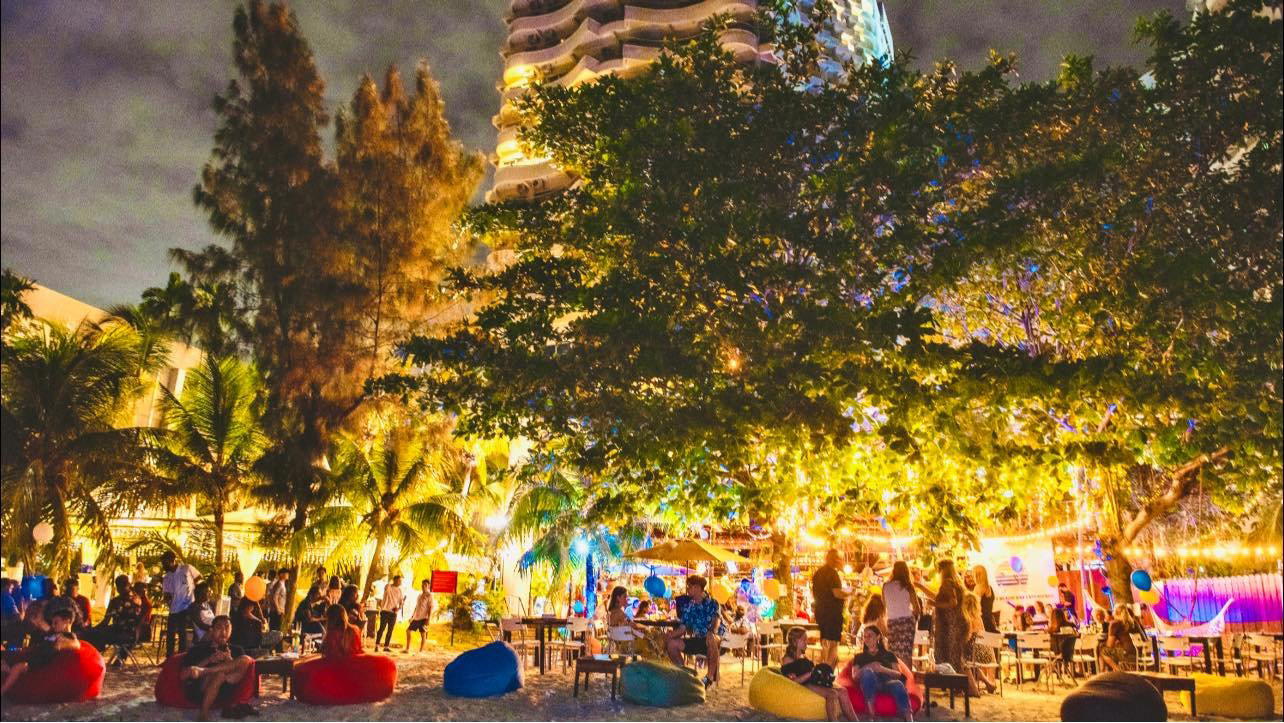
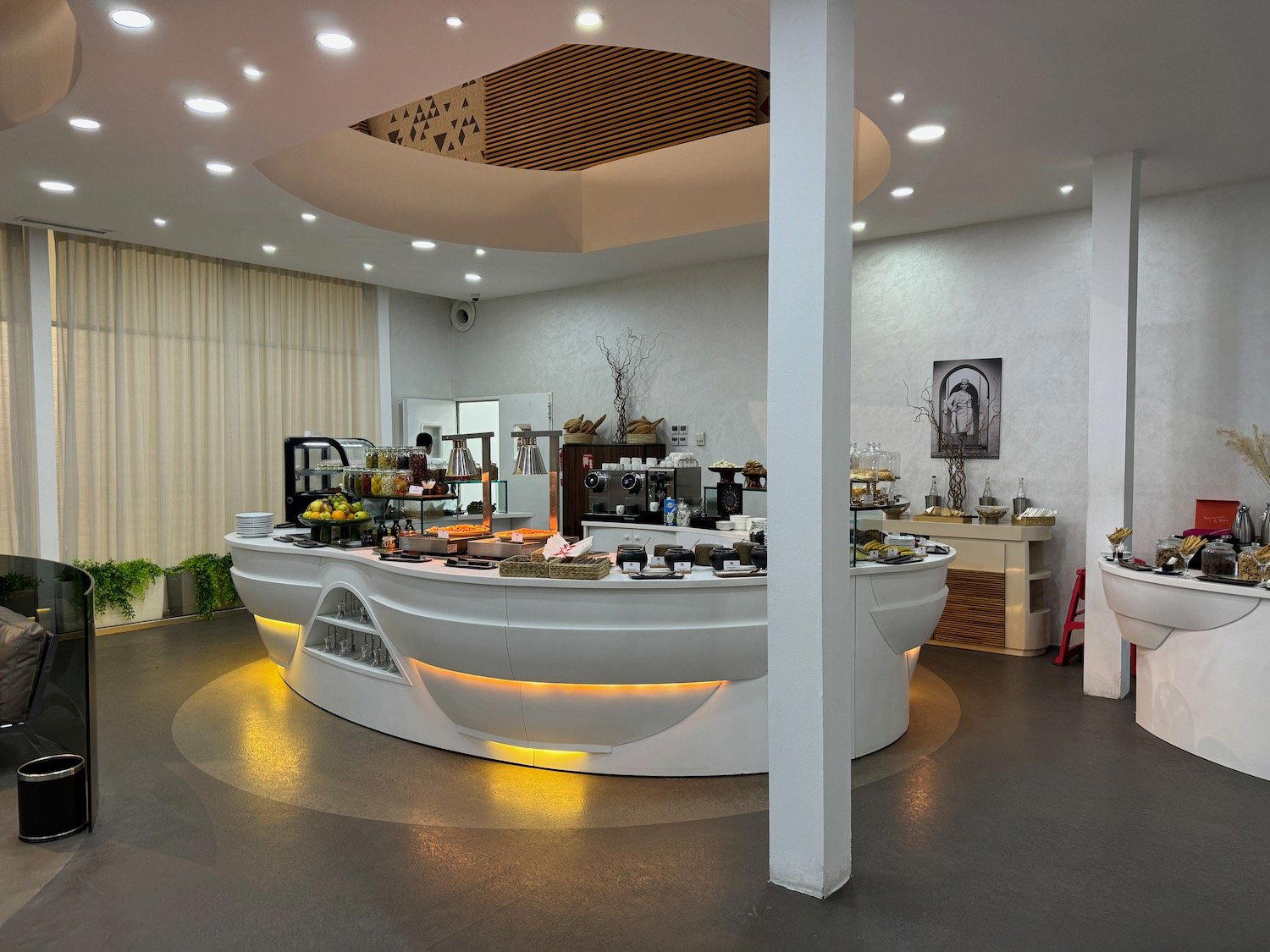
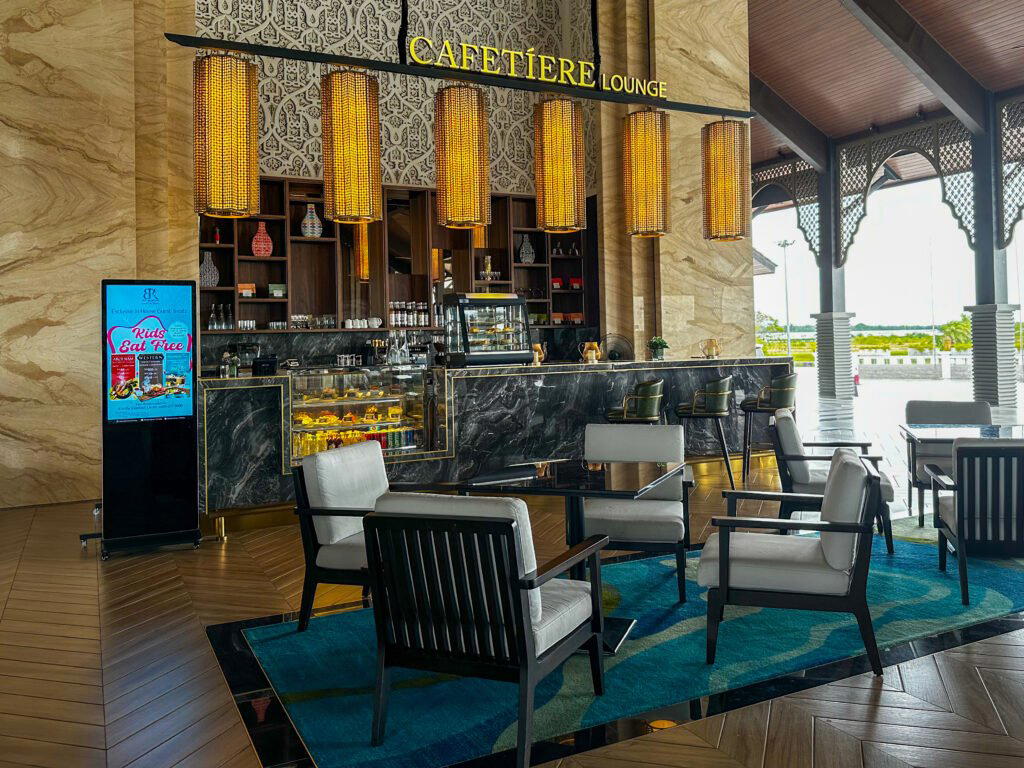
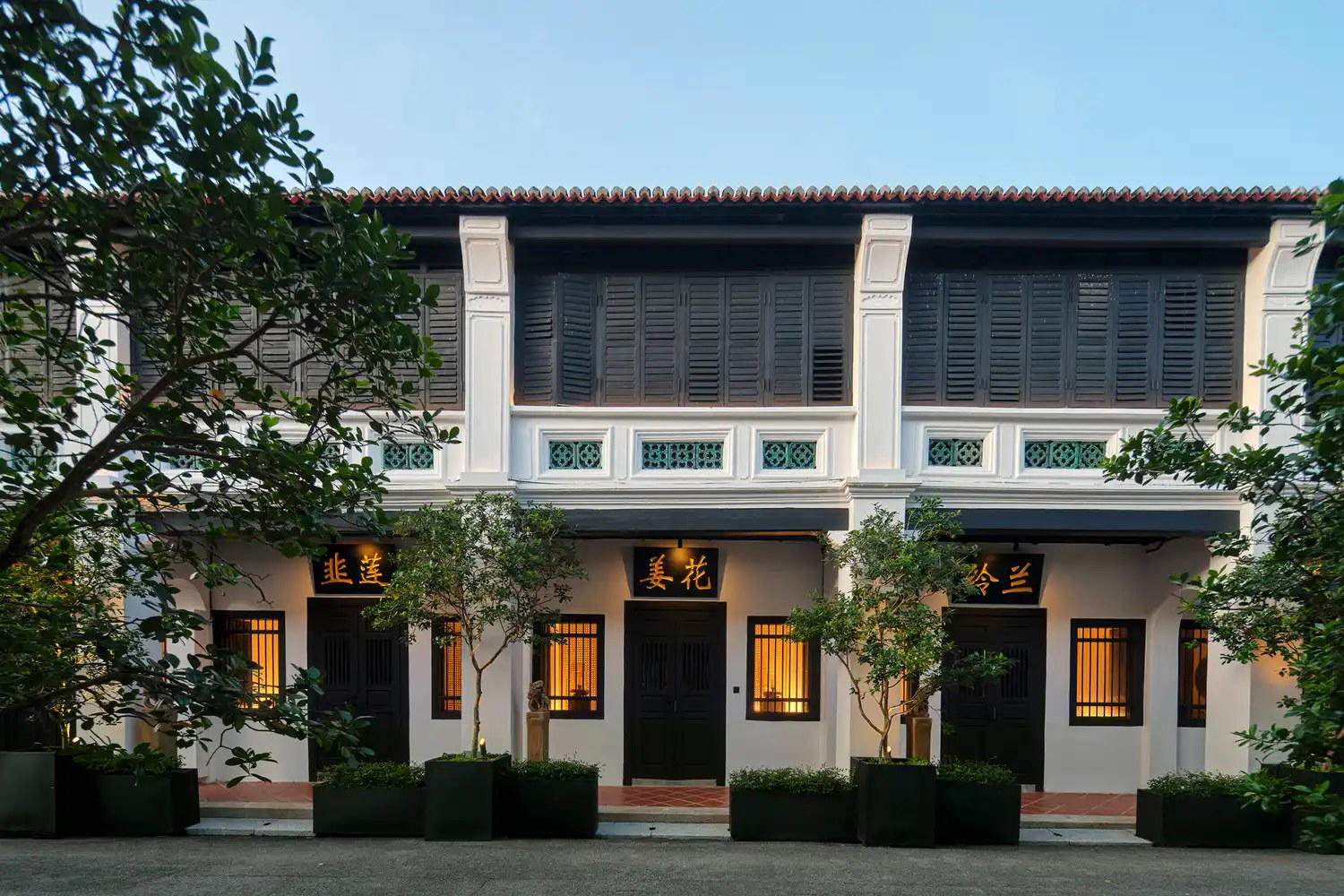
At a Glance
- Cozy
- Family
- Casual Hangout
- Street Scene
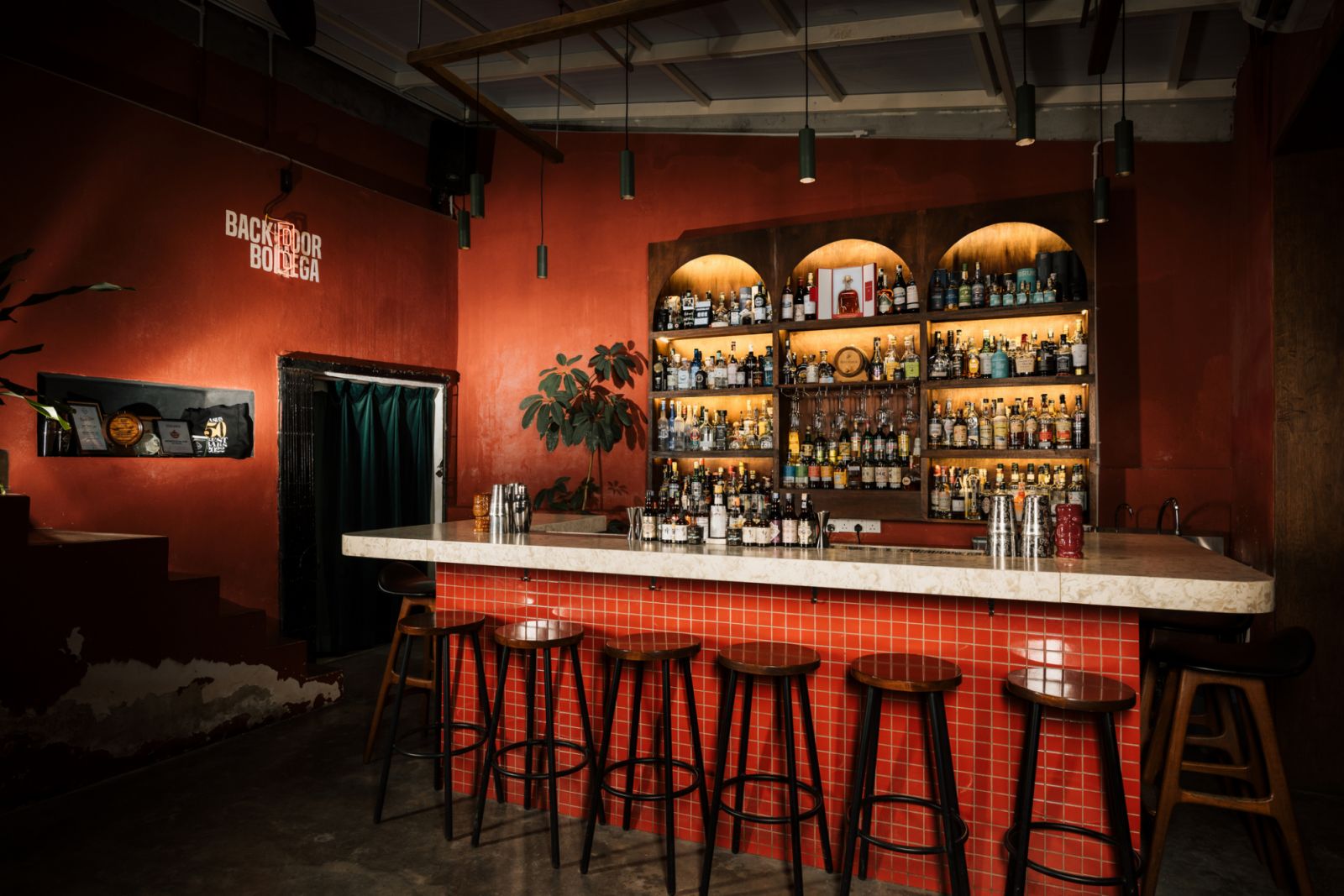
Clean, air-conditioned space providing a comfortable respite in the heritage area.