Five Islands Lobster Co

A weathered dock-side lobster shack on Georgetown's Five Islands peninsula, where the ritual of cracking a whole steamed lobster at a picnic table overlooking Sheepscot Bay is the entire point. The format is deliberately stripped back: paper-lined trays, cold Maine beer, and water-view benches that fill fast on summer afternoons. Plan to arrive early and eat outside.
Pearl is the En Primeur Club membership app — saves, bookings, and concierge access live there. Same editors, same standards.
- Address
- 1447 5 Islands Rd, Georgetown, ME 04548
- Phone
- (207) 371-2990
- Website
- fiveislandslobster.com
- Directions
- Get directions
 Saves & bookings on Pearl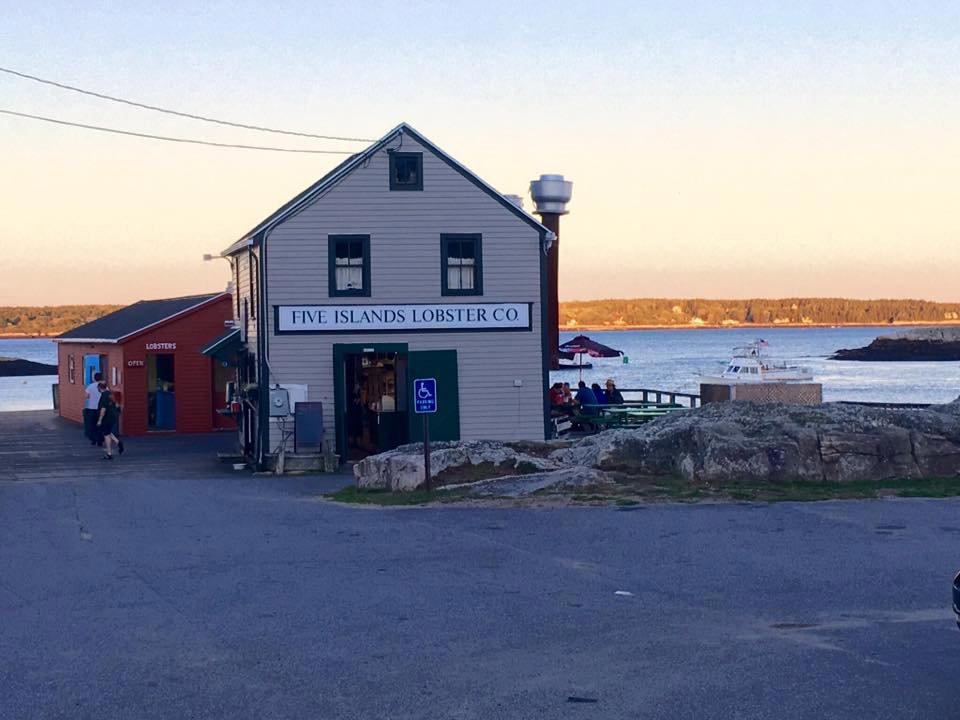
Where the Ritual Is the Meal
Drive the length of Georgetown Island, past tidal inlets and spruce stands, and the road eventually deposits you at a working wharf on Sheepscot Bay. The approach is part of the logic: Five Islands Lobster Co sits at 1447 Five Islands Road, Georgetown, ME, at the kind of end-of-road waterfront position that requires deliberate effort to reach. That effort is the first act of a meal whose entire structure is defined by ritual rather than refinement.
Maine's lobster pound tradition operates on a format that has changed little in decades. You order at a window, take a number, and wait near the water. There are no tablecloths, no amuse-bouches, no wine list curated by a sommelier. The experience is organized around a different set of pleasures: the sound of traps being hauled, the smell of salt water and steaming shellfish, the weight of a whole crustacean on a paper-lined tray. At this end of the Sheepscot peninsula, that format is carried out in one of coastal Maine's more dramatically situated settings, where the bay opens wide toward the Atlantic and working lobster boats remain visible through the meal.
The Format and Its Logic
The lobster pound as a dining format rewards visitors who understand its internal rhythm. You do not sit down and receive menus. You assess the day's offering at the order window, make decisions quickly, find a bench or picnic table, and settle in. The pace is dictated by kitchen output, not by courses. A whole steamed lobster, once it arrives, demands a specific technique: crack the claws first with the provided tools, work through the knuckles, then split the tail. The eating is hands-on and slow in a useful way, structured entirely by the anatomy of the animal rather than by any chef's plating decision.
This format sits at the opposite end of the spectrum from the controlled-pacing formality of, say, The French Laundry in Napa or the tasting-menu architecture of Atomix in New York City. Those experiences are defined by the kitchen's control of time. A Maine lobster pound inverts that relationship: the customer's pace, the communal setting, and the tactile engagement with a whole shellfish create the structure. It is a format that resists acceleration.
For visitors accustomed to reservation-driven dining, the adjustment is worth making. Georgetown's remote position on a peninsula south of Bath means the crowd here skews toward people who drove specifically for this, not passersby. Summer afternoons fill benches quickly, which argues for arriving before the midday surge. The surrounding Georgetown context includes no formal fine-dining corridor, and the island's character is resolutely coastal and working.Fireside Grill n Chill the closest thing to a parallel dining option in the immediate area.
Lobster in Context: Maine's Benchmark Ingredient
Maine lobster's premium status in American seafood is a function of cold-water biology. The Gulf of Maine's temperatures produce slower-growing crustaceans with denser, sweeter meat than warmer-water equivalents. Chefs at institutions like Le Bernardin in New York City and Providence in Los Angeles source Maine lobster precisely because that cold-water density carries through even elaborate preparation. The argument for eating it simply, at its source, on a working wharf, is that nothing intervenes between the water and the plate.
That argument has geographic force in Georgetown. The lobsters served at a dock-side pound on Sheepscot Bay travel a shorter distance than virtually any restaurant lobster in the country. The supply chain collapses to near-zero. What you eat at a picnic table here is closer in time and distance to a trap than any preparation available at an inland restaurant, however technically accomplished. That proximity is not a romantic abstraction; it has a direct effect on texture and temperature that regular lobster consumers notice immediately.
The farm-to-table philosophy that informs venues like Blue Hill at Stone Barns in Tarrytown or Single Thread Farm in Healdsburg finds its plainest expression at a Maine lobster pound, where the sourcing story requires no narration because the boats are visible from your table.
Georgetown's Dining Character
Georgetown, Maine is not a dining destination in the way that Portland, an hour's drive north, has become. The mid-coast restaurant scene is concentrated further up the Kennebec and in the city itself. Georgetown's draw is specifically waterfront and seasonal, the island sees visitors from late May through early October, after which much of the food and hospitality infrastructure closes or reduces hours significantly. Planning around that seasonal window is not optional; it is the governing fact of any visit.
Within the Georgetown context, the lobster pound occupies a category of its own. Those looking for the contrast of a formal waterfront dining room might consider the more structured environments available in other coastal Maine towns. The specific format of the dock-side pound, informal, seasonal, ingredient-led, is not replicated by Grand Old House or more composed options like Blue by Eric Ripert (French), which operate in an entirely different register.
Planning the Visit
Five Islands Lobster Co operates seasonally on Georgetown's southern peninsula. The drive from Bath takes roughly twenty minutes along Route 127; from Portland, allow approximately ninety minutes. No reservation system applies to this format, arrival time determines your experience. Peak summer weekends see benches claimed quickly, and lines at the order window build through the lunch hour. Coming on a weekday afternoon, or arriving before noon on weekends, gives a stronger chance of a relaxed experience. Current hours are worth confirming directly before the drive, given the seasonal nature of operations. Wear layers: waterfront temperatures on Sheepscot Bay run cooler than inland readings suggest, even in July and August.
What It’s Closest To
Comparable venues nearby, for context on price, style, and recognition.
| Venue | Cuisine | Price | Notes |
|---|---|---|---|
| Five Islands Lobster CoThis venue — the venue you are viewing | Maine Lobster Shack | $$ | Not listed |
| Trenton Bridge Lobster Pound | Maine Lobster Pound | $$ | Trenton |
| Street & Co | Mediterranean Seafood Bistro | $$$ | Old Port |
| Thurston’s Lobster Pound | Classic Maine Lobster Pound | $$ | Bernard |
| Pix Pâtisserie | French Patisserie | $$ | Kerns |
| Blyth & Burrows | American Seafood Bar with Asian Influences | $$ | Old Port |
Recognition history
Dated appearances from independent guides and award organizations, with the underlying list record or original source where available.
Opinionated About Dining Casual in North America Recommended
Opinionated About Dining
Continue exploring
More in Georgetown
Restaurants in Georgetown
Browse all →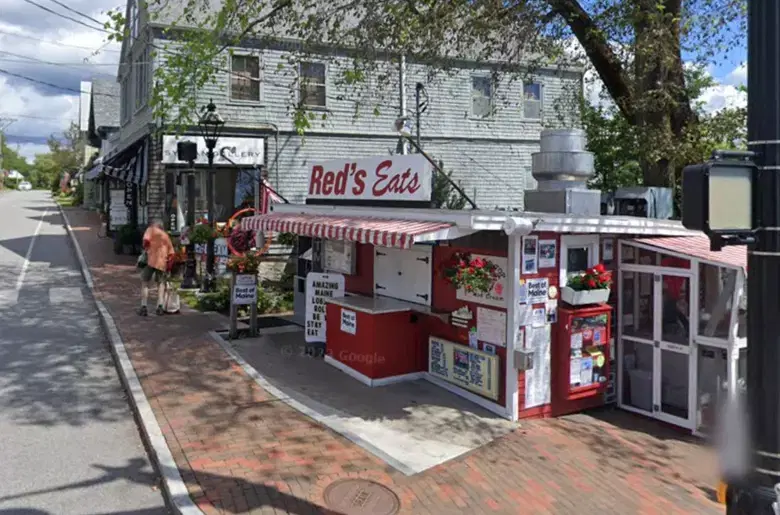
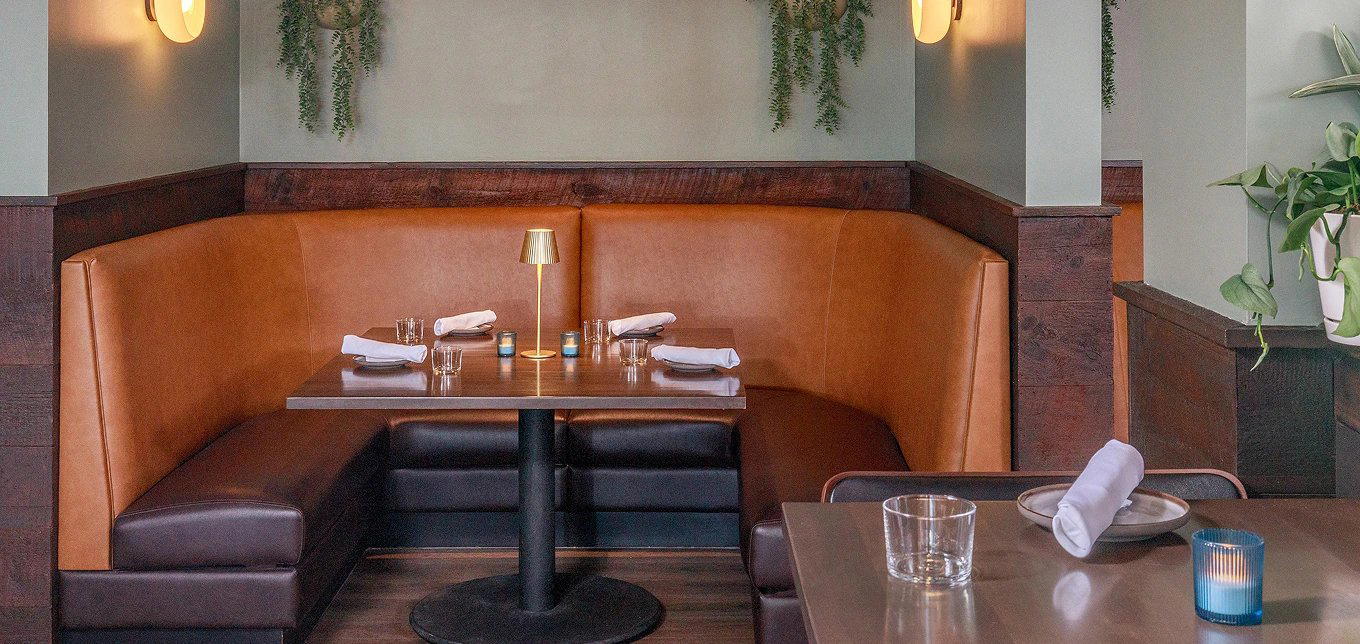
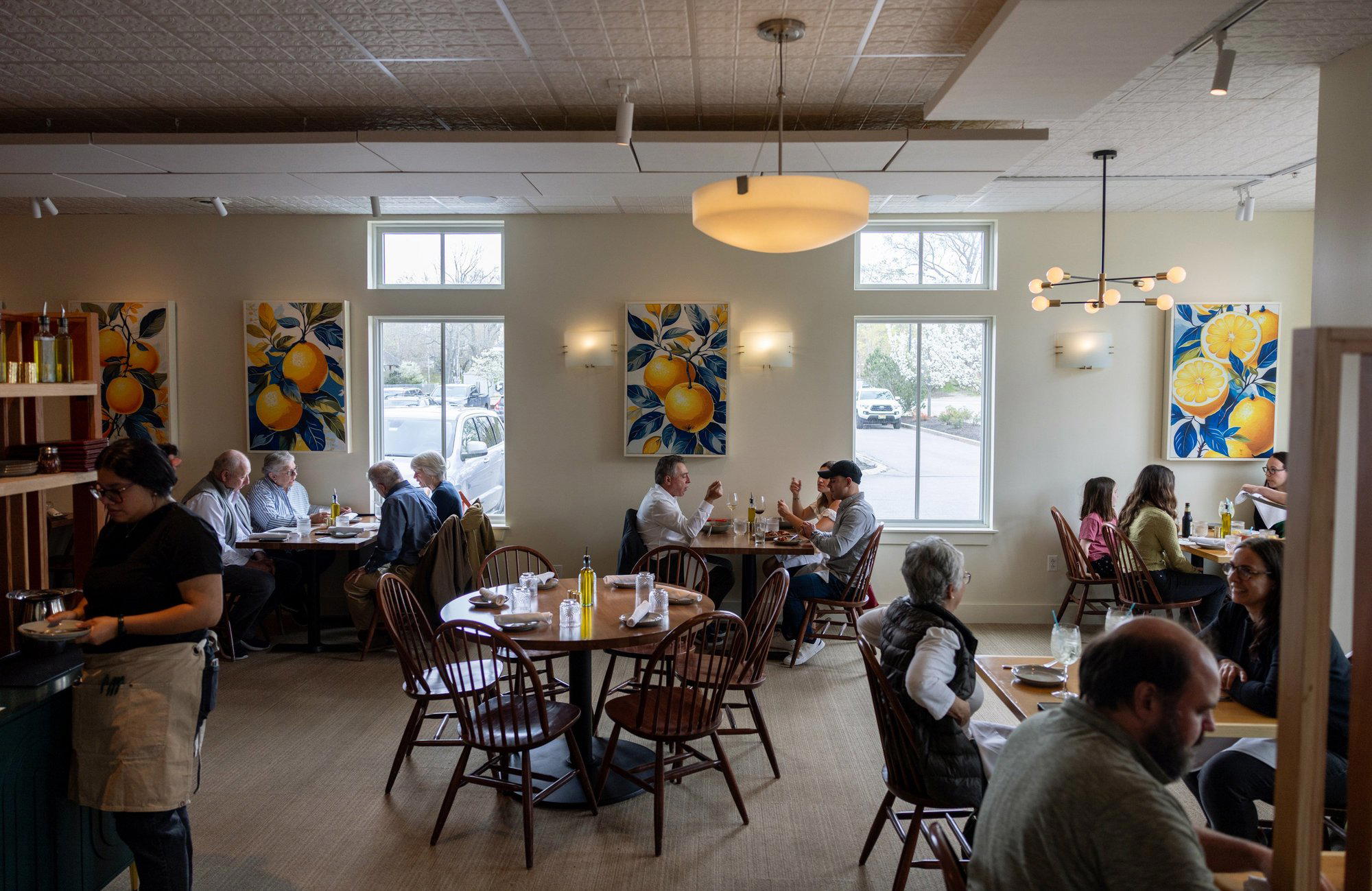

Bars in Georgetown
Browse all →
At a Glance
- Scenic
- Rustic
- Well Known
- Casual Hangout
- Family
- Group Dining
- Waterfront
- Open Kitchen
- Panoramic View
- Byob
- Local Sourcing
- Sustainable Seafood
- Waterfront
Current opening hours
- Monday
- Closed
- Tuesday
- Closed
- Wednesday
- Closed
- Thursday
- Closed
- Friday
- Closed
- Saturday
- 11:30 AM–6 PM
- Sunday
- 11:30 AM–6 PM
Hours can change for holidays and private events. Last verified .
Casual, breezy waterfront atmosphere with the sounds of lobster boats, buoys, and seagulls; picnic table seating on a scenic wharf overlooking the harbor.