Aagman
Our verdict
On Sheriff Street in Georgetown's working east side, Aagman serves the city's Indo-Guyanese community with a menu rooted in a culinary tradition more than 180 years in the making. The cooking draws on South Asian spice logic, local produce, and Guyanese technique rather than a tourist-facing presentation. It is one of the more direct access points to the Caribbean's most distinctive Indo-South Asian food culture.

Pearl is the En Primeur Club membership app, where members save venues, book tables and use the concierge.
The menu
What to order
- Butter Chicken
- Lamb Rogan Josh
- Paneer Tikka Masala
- Tandoori Chicken
- Biryani
Sheriff Street and the Appetite Georgetown Doesn't Advertise
Sheriff Street runs northeast from the city centre through a stretch of Georgetown that most visitors don't reach on a short itinerary. It is a working corridor: auto-parts shops, rum bars, Chinese provisions merchants, and the kind of restaurants that fill up with regulars rather than tourists. Aagman sits on this strip, and the name itself signals something about the demographic it serves. In Hindi and several Indo-Caribbean languages, aagman means arrival or welcome, a word that carries weight in a country where Indo-Guyanese culture and South Asian culinary memory have shaped the national table for over 180 years.
That inheritance is the most important thing to understand before you arrive. Guyana's cooking didn't develop from a single tradition. It layered Amerindian technique, West African staples, South Asian spice logic, Chinese wok discipline, and Dutch and British colonial structure into something that resists easy categorisation. The Indo-Guyanese contribution, driven largely by indentured labourers who arrived from the subcontinent after emancipation, sits at the core of the country's curry culture, its dal and roti traditions, and its use of spice as structure rather than garnish.
What the Kitchen Sources and Why It Matters
Georgetown's restaurant scene is small enough that sourcing decisions are often visible: you can trace a dish's ingredients to the Stabroek Market, to the sea near Vreed-en-Hoop, or to the farms along the coastal plain. In a country where the hinterland produces cassava, eddoes, plantain, and river fish in abundance, and where the coastline delivers sea bream, snapper, and shellfish through informal supply chains that predate formal distribution, a kitchen's sourcing posture tells you a great deal about its culinary orientation.
Restaurants that engage seriously with local produce in Georgetown tend to end up in a different category from those running imported proteins and pre-prepared sauces. The split is less about price tier and more about cooking philosophy: whether the kitchen treats Guyanese ingredients as the subject of the dish or as a backdrop to more familiar international presentations. Aagman's position on Sheriff Street, among restaurants that serve the city's Indo-Guyanese residential community, suggests a kitchen oriented toward the former. The clientele it draws expects the real thing: cook-up rice made with proper black-eye peas and coconut, curry that starts with whole spice and builds through patient reduction, and roti that arrives hot and blistered rather than reheated from a stack.
This matters in the context of what Guyana's dining scene is becoming. Georgetown has begun attracting more attention from regional travellers, partly because of the country's expanding oil economy and the infrastructure investment that follows it. As that happens, the city's mid-market restaurant tier is under pressure to modernise in ways that can strip out local character. The restaurants on Sheriff Street, including Aagman, represent a cohort that hasn't made that concession, at least not in the ways that matter at the plate.
Placing Aagman in Georgetown's Dining Spread
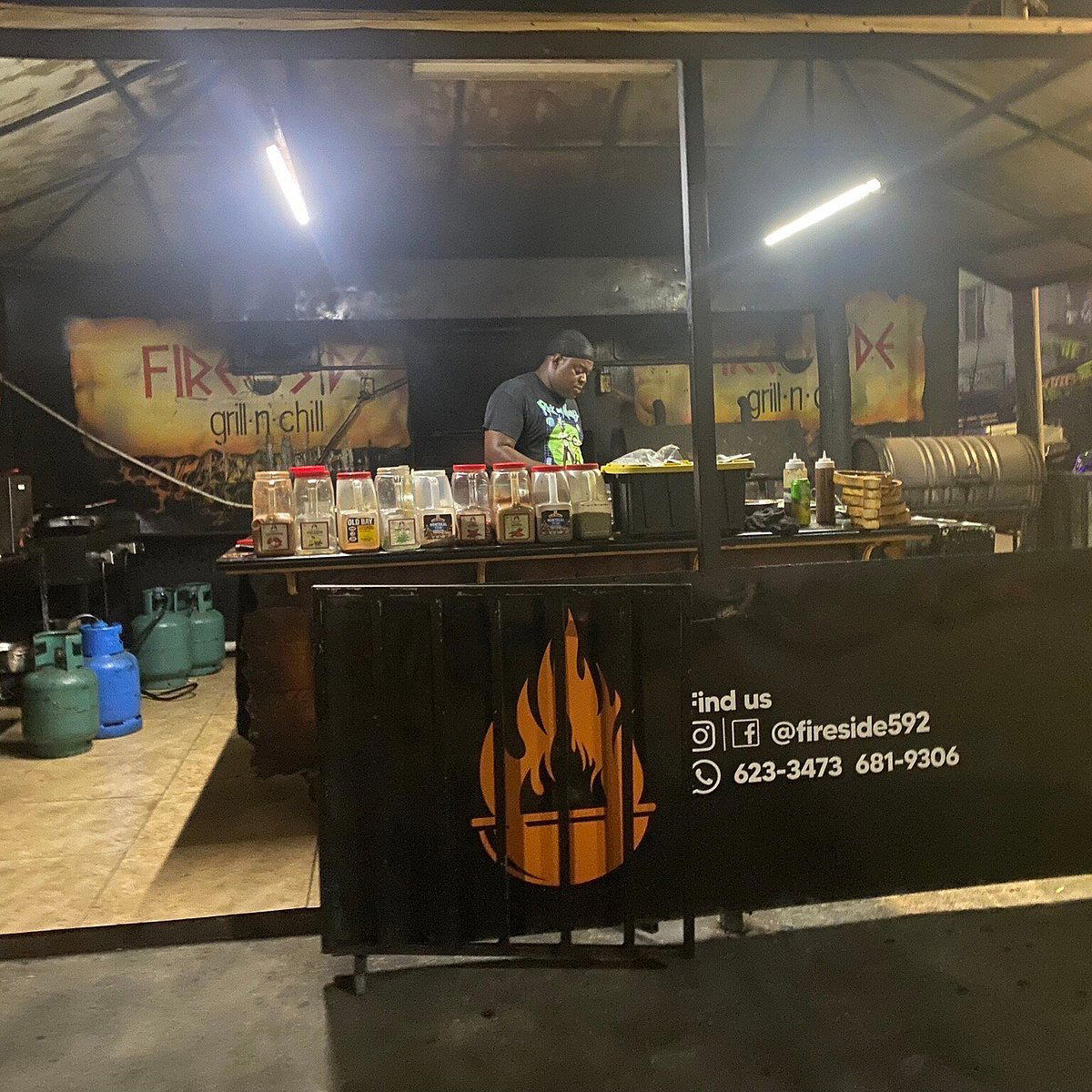
Georgetown's current restaurant map covers a wider range than the city's size might suggest. At the upper tier, Blue by Eric Ripert operates the kind of formal French-influenced program more commonly associated with Port of Spain or Bridgetown, drawing on the same Ripert methodology that has defined his flagship Le Bernardin in New York City for decades. The Grand Old House occupies a colonial-era building and trades on heritage atmosphere as much as food. CRC Restaurant represents the Chinese-Guyanese dining tradition that is its own significant thread in the city's culinary fabric. Fireside Grill n Chill and Five Islands Lobster Co occupy the casual grill and seafood space that draws both locals and visitors looking for something more relaxed than a formal dining room.
Aagman fits a different slot: it serves the city's Indo-Guyanese community in an environment that isn't performing for outside observers. That specificity is a credential of its own kind. Compare this to the dynamic at destination restaurants like Arpège in Paris or Aponiente in El Puerto de Santa María, where sourcing philosophy is the explicit editorial position of the kitchen. At Aagman, the sourcing relationship is less articulated but no less real: it is expressed through the food itself rather than through a tasting menu narrative.
For a fuller read on where Aagman sits within the city's dining options, our full Georgetown restaurants guide maps the scene across price tiers and cuisine types.
Planning a Visit: What to Know Before You Go
Sheriff Street is accessible from central Georgetown by taxi, which remains the practical transport choice for most visitors. The street operates at full pace from late morning through evening, and Aagman follows the rhythms of the neighbourhood rather than a formal reservations schedule typical of the kind of destination restaurants you might book weeks in advance, as one might for Atomix in New York City or Alinea in Chicago. Because the venue data available doesn't include confirmed hours, booking method, or pricing, the sensible approach is to arrive during standard lunch or dinner hours and ask locally if timing is a concern. Georgetown residents are generally direct about which spots are worth the wait and which have changed.
The neighbourhood around Aagman is representative of the city's working east side rather than the more manicured spaces around the seawall or the Promenade. If you've spent time in Guyana's hinterland or have been eating at the upper end of the Georgetown market, this strip offers a different register of the same city. Dress informally. Bring cash, as card infrastructure in this part of Georgetown remains inconsistent. Come with patience and curiosity about Indo-Guyanese cooking rather than a checklist from a global dining guide.
Frequently asked questions
How do I find Aagman?
Aagman is located at Sheriff Street, Georgetown, Georgetown.
Is Aagman a good option for visitors staying in central Georgetown who want to eat where locals eat?
Aagman's Sheriff Street address places it northeast of central Georgetown, accessible by taxi in a short ride, the practical transport choice the editorial context identifies for most visitors. The location and the street's working character mean the dining room draws a local crowd rather than a visitor one, which is precisely what distinguishes it from Georgetown's more centrally positioned restaurants. For visitors whose itinerary allows time beyond the immediate city centre, that context alone changes the character of the meal.
What's the must-try dish at Aagman?
What the body content does indicate is that Georgetown kitchens at this level tend to source visibly from Stabroek Market, so dishes rooted in Guyanese produce are the logical starting point. Ask the kitchen what came in that day rather than defaulting to a set order.
Do I need a reservation for Aagman?
Reservation policy for Aagman on Sheriff Street has not been confirmed publicly. Sheriff Street operates at a pace that rewards planning: arriving without a booking at a neighbourhood restaurant that draws a local crowd is a risk on busier evenings. Contacting the venue directly before visiting is the practical step.
What's the standout thing about Aagman?
Aagman sits on Sheriff Street, a stretch of Georgetown that most short-stay visitors don't reach, which means the room skews local rather than tourist-facing. In a city where the upper tier is occupied by Blue by Eric Ripert and the broader map covers more range than the city's size suggests, a Sheriff Street address at this register represents a different kind of dining proposition, one grounded in neighbourhood function rather than destination performance.
Can Aagman accommodate dietary restrictions?
No specific dietary accommodation policy is documented for Aagman. Georgetown's restaurant kitchens generally work with a range of Guyanese ingredients that naturally span meat, seafood, and vegetable preparations. Confirming requirements directly with the venue before arrival is the only reliable approach.
Does Aagman justify its prices?
Pricing details for Aagman have not been confirmed publicly, so a direct comparison against Georgetown's broader range is not possible here. What the editorial context establishes is that Sheriff Street dining sits below the upper tier anchored by operations like Blue by Eric Ripert, which typically positions neighbourhood restaurants on this corridor as accessible rather than occasion-spend venues.
| Venue | Cuisine | Price | Awards |
|---|---|---|---|
| AagmanThis venue (the venue you are viewing) | Authentic North Indian | $20–30 | Not listed |
| Blue by Eric Ripert | Modern Seafood Fine Dining | $300–500 | La Liste Top Restaurants · Forbes 5-Star |
| Grand Old House | Caribbean-International Fine Dining | $50–100 | Star Wine List · Wine Spectator Best of Award of Excellence |
| CRC Restaurant (CRC Restaurant (美麗華魚翅海鮮酒家)) | Cantonese Seafood | $10–20 | Not listed |
| Fireside Grill n Chill | Grilled Seafood and Meats | $20–30 | Not listed |
| Nasi Kandar Deen Mutiara (Hutton Lane) | Penang Nasi Kandar | $1–10 | Not listed |
Continue exploring
More in Georgetown
Details
- Cozy
- Elegant
- Intimate
- Business Dinner
- Group Dining
- Family
- Celebration
- Special Occasion
- Private Dining
- Open Kitchen
- Beer Program
- A La Carte
- Family Style
- Indian Chai
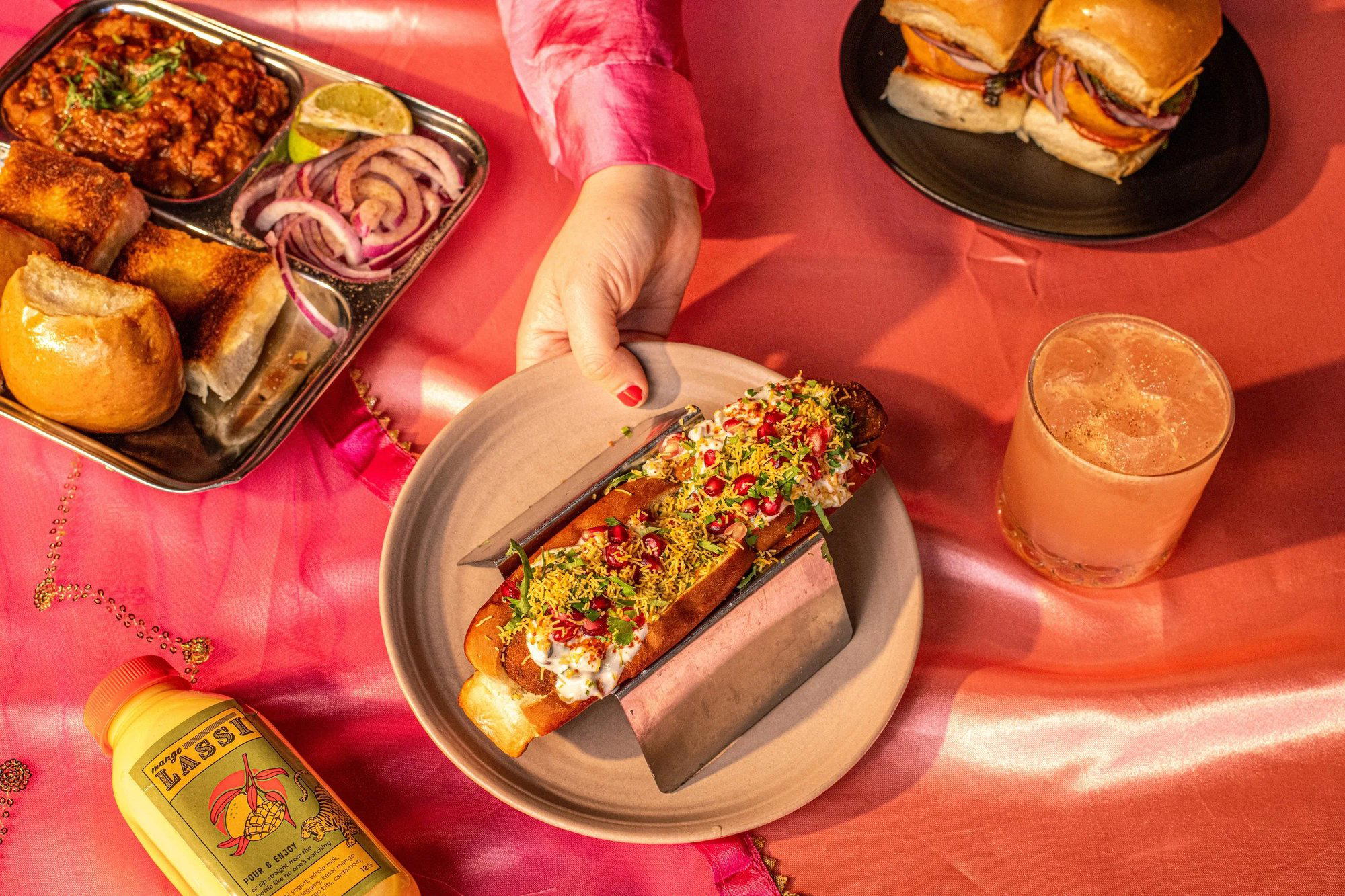
- Mango Lassi
- Beer
- Wine
- Vegetarian Friendly
- Vegan Options
- Gluten Free Options
- Halal
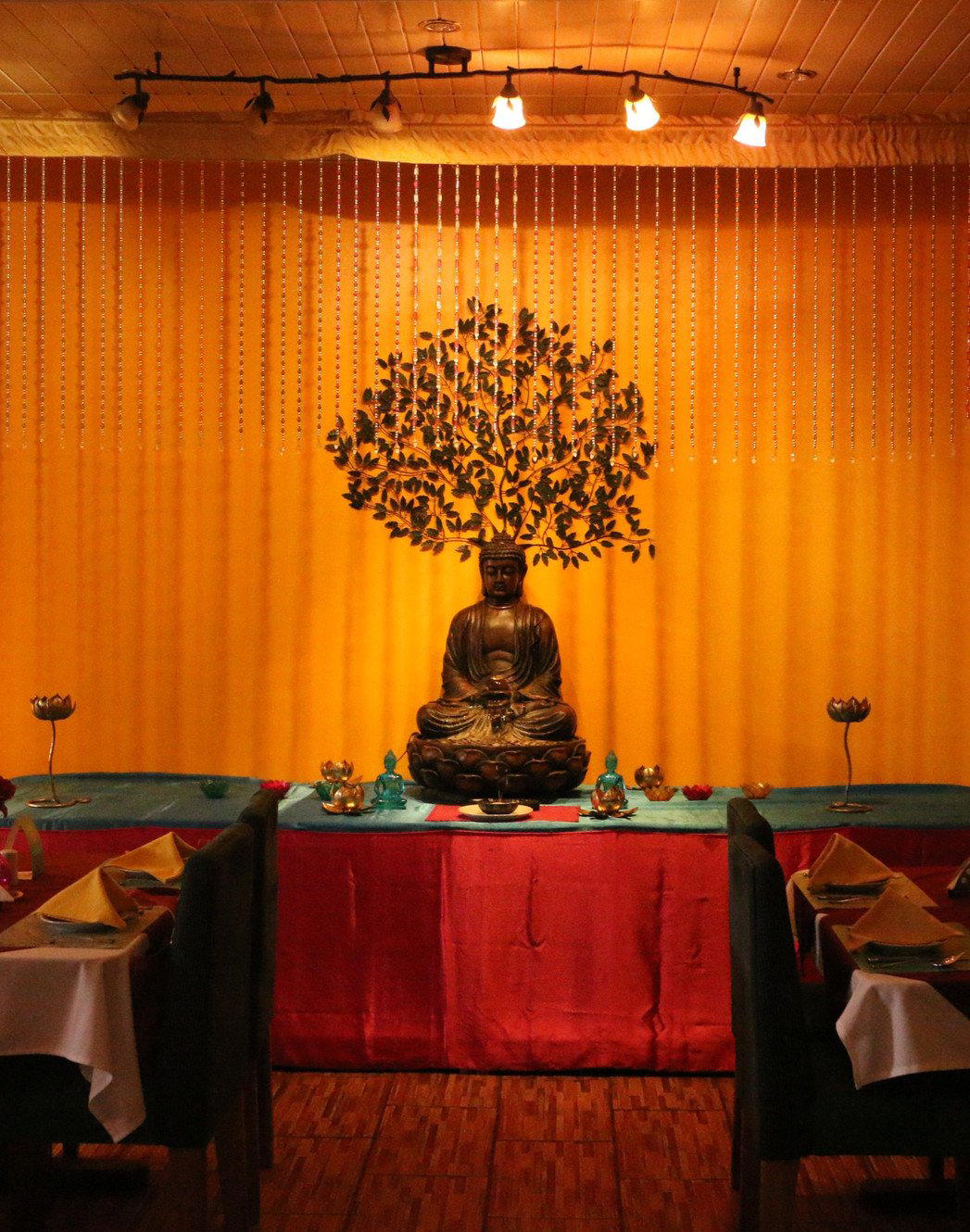
Warm and serene atmosphere infused with mixed aromas of spices and incense, decorated with lively colors inspired by Indian spices, air-conditioned with melodious Indian music in the background.