Cheong Fatt Tze - The Blue Mansion

A MICHELIN Selected heritage property in the heart of George Town's UNESCO-listed core, Cheong Fatt Tze occupies a restored 19th-century indigo mansion at 14 Leith Street. The property's vivid blue façade and Straits Chinese architecture place it among the more recognisable addresses in Penang, offering stays that double as an encounter with George Town's layered colonial and merchant past.
Pearl is the En Primeur Club membership app — saves, bookings, and concierge access live there. Same editors, same standards.
- Address
- 14, Lebuh Leith, George Town, 10200 George Town, Pulau Pinang, Malaysia
- Phone
- +60 4-262 0006
- Website
- cheongfatttzemansion.com
- Directions
- Get directions
 Saves & bookings on Pearl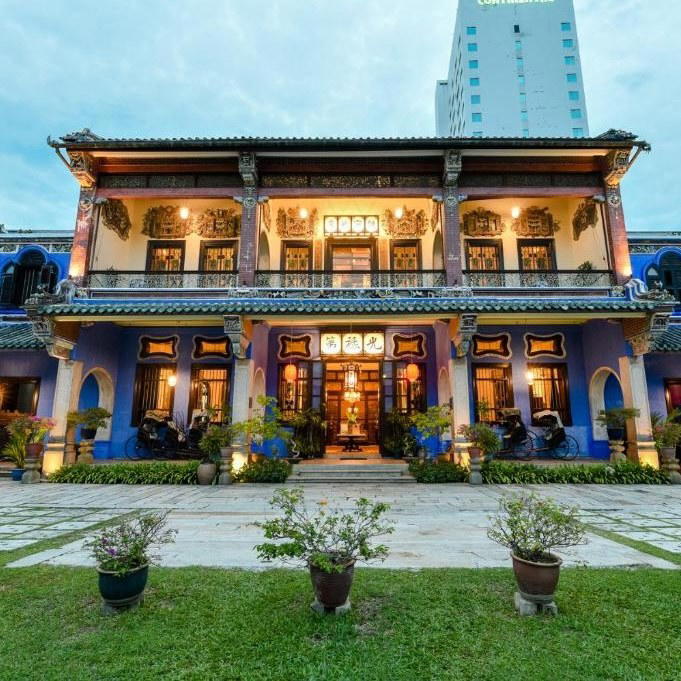
A Mansion on Leith Street
George Town's UNESCO World Heritage Zone contains dozens of shophouses and clan mansions in varying states of preservation, but few carry the visual weight of the indigo-painted compound at 14 Leith Street. The Cheong Fatt Tze mansion, built in the late 19th century for a Hakka merchant trader who held Chinese consular roles across Southeast Asia, occupies the kind of urban footprint that modern zoning would never permit. Its enclosed courtyards, cast-iron columns shipped from Glasgow, and hand-painted encaustic floor tiles represent a convergence of southern Chinese spatial logic and British colonial materials that was particular to the Straits Settlements of that era.
Heritage accommodation in George Town now divides into two broad categories: the large-footprint colonial hotels that lean on their ballrooms and their histories, and the smaller boutique conversions that trade volume for architectural integrity. The Blue Mansion sits firmly in the latter group, and its MICHELIN Selected designation in the 2025 Michelin Hotels guide confirms that positioning
Dining in the Heritage Context
The editorial angle of any serious conversation about Cheong Fatt Tze eventually arrives at food, because in George Town, place and plate are inseparable. The city's dining identity is built on Nyonya cooking, Hokkien-inflected street food, and the Straits Chinese table that emerged from exactly the same mercantile milieu the mansion itself represents. Breakfasts and communal dining within heritage properties of this type draw on that tradition, using the physical setting to reinforce the cultural argument on the plate.
George Town's food scene operates on two tracks: the street level, where hawker stalls along Gurney Drive and the lanes off Jalan Penang serve food that has changed little in form for generations, and the sit-down level, where restaurants in shophouses and heritage buildings attempt to contextualise that cooking. A property like Cheong Fatt Tze, with its courtyard architecture and documented provenance, can make the contextualisation argument more convincingly than a contemporary hotel dining room. Meals taken in a space with this kind of architectural continuity carry a different register.
For travellers whose primary interest is dining at scale, the G Hotel Gurney offers a more contemporary food-and-beverage infrastructure closer to the Gurney hawker strip. Cheong Fatt Tze's proposition is more concentrated: the culinary experience is inseparable from the architectural one, and the property makes no attempt to compete on the breadth-of-programming axis.
What the Architecture Demands of Its Guests
Straits Chinese mansion design was calibrated for a different kind of occupancy. The spatial hierarchy moves from the formal reception hall through a sequence of open sky-wells that regulate light and ventilation, and into the private quarters beyond. Adapted for accommodation, this layout produces rooms with character that is difficult to replicate and equally difficult to standardise. Guests who want consistent room types across a floor will not find them here. What they find instead are spaces shaped by a 19th-century spatial logic, which in some rooms means proportions that feel generous and in others means the idiosyncrasies of a building that predates modern hospitality programming by a century.
The guided tour format that the property has long offered to visitors means the mansion functions as a living museum as much as a hotel. This creates an unusual dynamic: the building has an educational public presence that most heritage hotels quietly discourage. It also means the Cheong Fatt Tze compound is among the better-documented historic properties in Malaysia, with a restoration record that informed the broader Penang heritage conservation movement from the 1990s onward.
George Town's Heritage Accommodation Tier
Within Malaysia's hotel market, the properties that occupy the heritage-conversion space tend to cluster in George Town and Malacca. The Blue Mansion's position on Leith Street places it within a five-minute walk of most of the inner city's significant buildings, clan piers, and the Armenian Street concentration of galleries and cafes. Operationally, this pedestrian access to the UNESCO core is one of the property's clearest functional advantages over seafront or suburban alternatives.
Compared to other Penang accommodation that carries heritage credentials, the Blue Mansion's documentation and award recognition give it a more legible position in the market. The companion property Cheong Fatt Tze - The Qing Suites extends the brand into a different format for those who want affiliated accommodation with a distinct spatial character. Travellers comparing across the wider Penang market should note that The Prestige and Bertam Wellness Spa and Villas represent different price and programme points within the island's accommodation range.
For a wider Malaysia itinerary, the Blue Mansion works well as an anchor for a George Town stay before moving toward beach or nature-focused properties elsewhere on the peninsula. The Datai in Langkawi, Pangkor Laut Resort, and Tanjong Jara Resort each represent the natural-retreat end of Malaysian hospitality, and they contrast sharply with the urban, mercantile density of a George Town heritage stay. On the island of Borneo, Gayana Eco Resort in Kota Kinabalu occupies yet another register entirely.
Planning a Stay
Cheong Fatt Tze sits at 14 Leith Street in central George Town, walkable from the main heritage zone attractions and within a short drive of the ferry terminal connecting to Butterworth on the mainland.
Cost Snapshot
Comparable venues nearby, for context on price, style, and recognition.
| Venue | Price | Awards | Notes |
|---|---|---|---|
| Cheong Fatt Tze - The Blue MansionThis venue — the venue you are viewing | $$$ | 4-Star | Not listed |
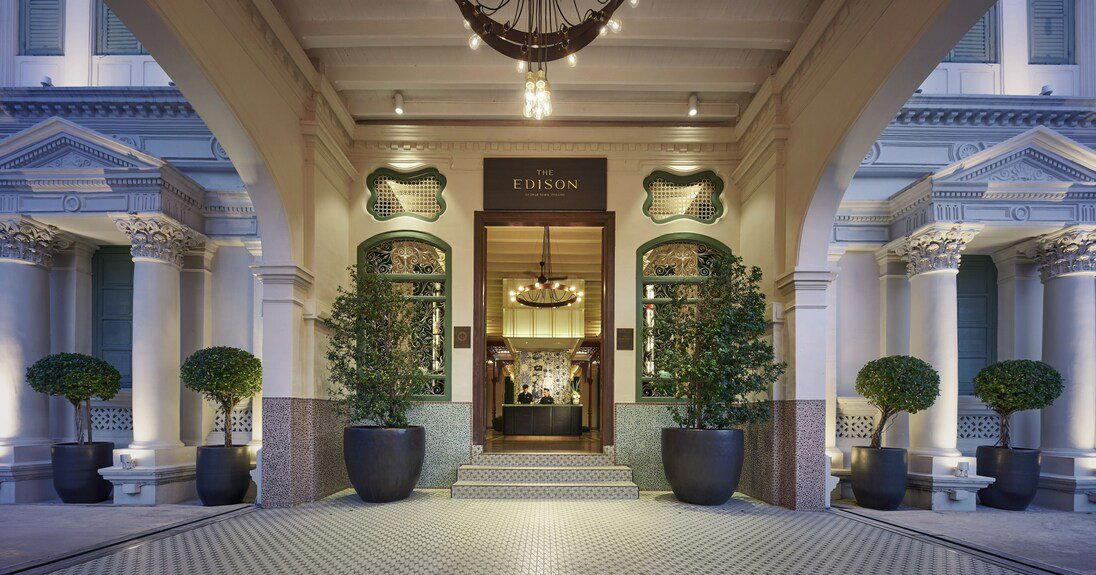
| The Edison George Town | $$$$ | 4-Star | George Town, Restored heritage mansion with colonial charm and contemporary luxury |
| 88 Armenian | $$$$ | 4-Star | George Town, Restored 19th-century Straits Eclectic mansion blending heritage with modern luxury. |
| Cheong Fatt Tze - The Qing Suites | $$$$ | 5-Star | George Town, Heritage boutique annex blending historical restoration with contemporary luxury |
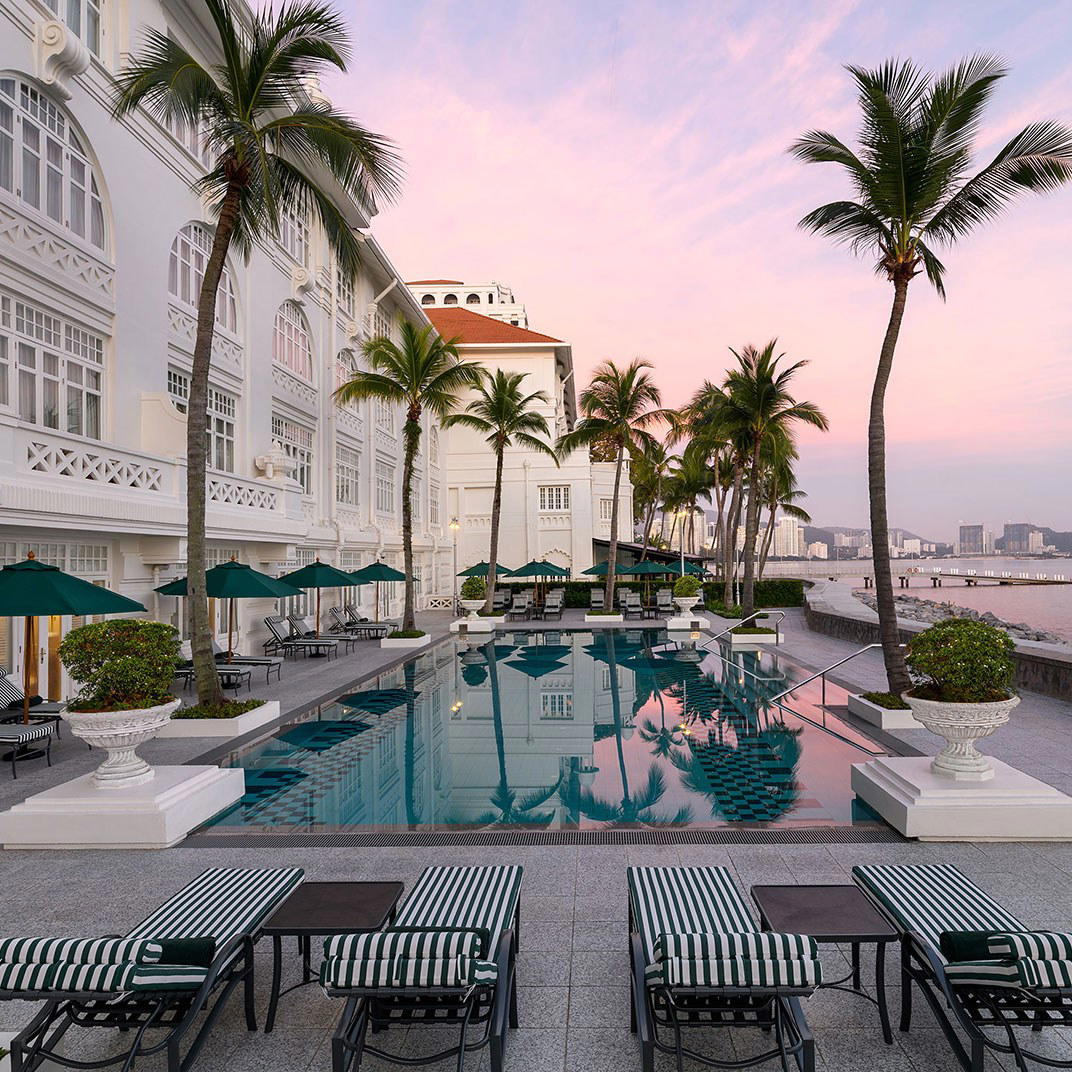
| Eastern & Oriental Hotel | $$$$ | 5-Star | George Town, British colonial heritage with modern comforts |
| lyf Georgetown Penang by The Ascott Limited | $$ | 4-Star | George Town, Social lifestyle aparthotel focused on community and experience-led living |
Recognition history
Dated appearances from independent guides and award organizations, with the underlying list record or original source where available.
Michelin Selected
Michelin
Continue exploring
More in George Town
Hotels in George Town
Browse all →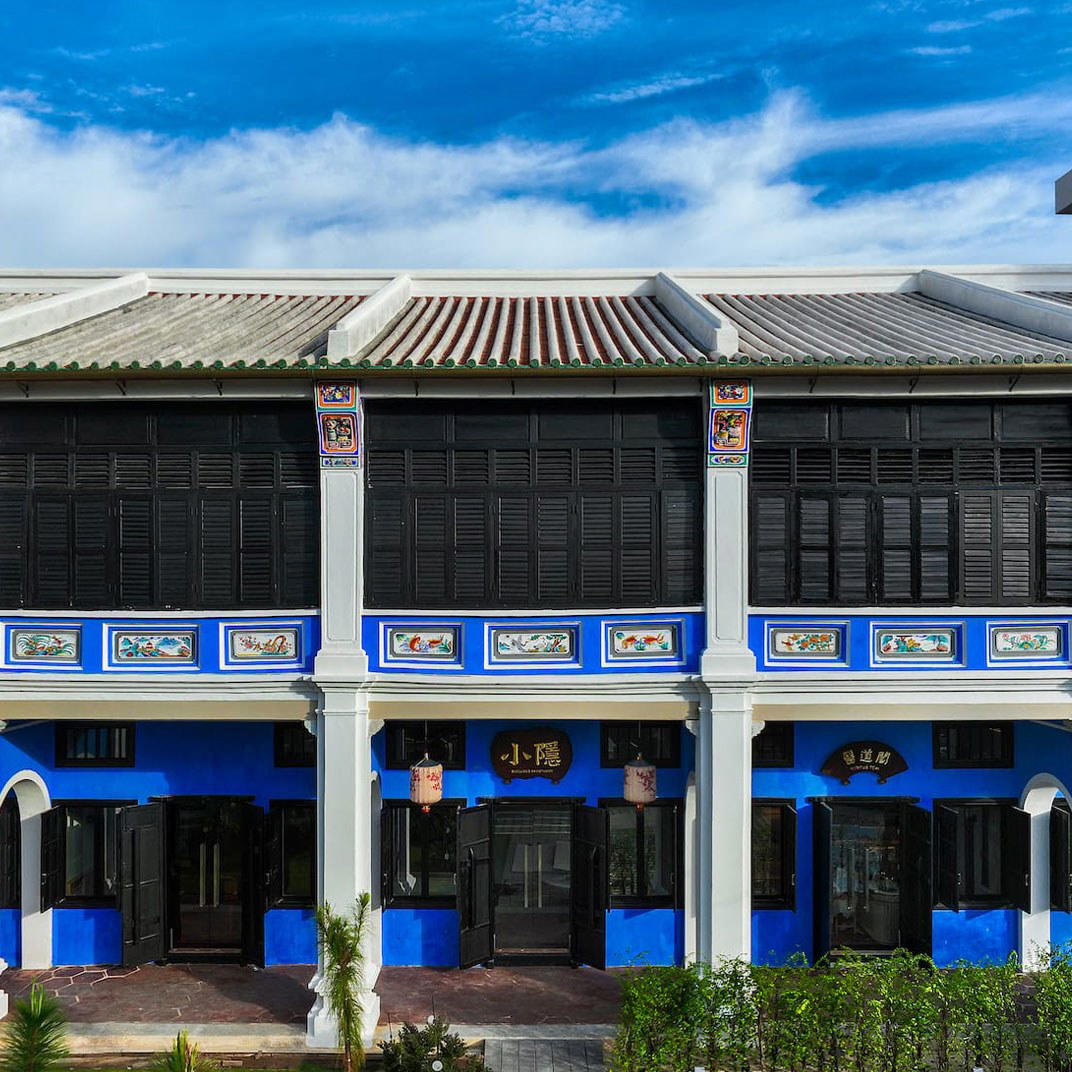
Bars in George Town
Browse all →
At a Glance
- Elegant
- Romantic
- Well Known
- Classic
- Sophisticated
- Romantic Getaway
- Family Vacation
- Weekend Escape
- Historic Building
- Garden
- Terrace
- Design Destination
- Wi Fi
- Pool
- Restaurant
- Bar
- Room Service
- Garden
- Garden
- Street Scene
- Wi Fi
- Pool
- Restaurant
- Bar
- Room Service
- Garden
Atmospheric and historically rich with period details, ornate stained glass, and lush gardens creating an elegant, serene environment that transports guests to a bygone era.