
Named for the owner's grandfather, a cook on a Chinese trading vessel, Juumpo carries Phang Nga's Baba Chinese-Thai culinary tradition into an open-air setting decorated in Chino-Portuguese style. The kitchen draws on recipes more than 80 years old, and Michelin has awarded it a Plate in both 2024 and 2025. At ฿฿ pricing, it sits comfortably within reach of most visitors to the province.
Pearl is the En Primeur Club membership app — saves, bookings, and concierge access live there. Same editors, same standards.
- Address
- 27/76, Takua Pa District, Phang Nga 82220, Thailand
- Phone
- +66 76 679 588
- Website
- facebook.com
- Directions
- Get directions
 Saves & bookings on Pearl
Where Phang Nga's Baba Heritage Comes to the Table
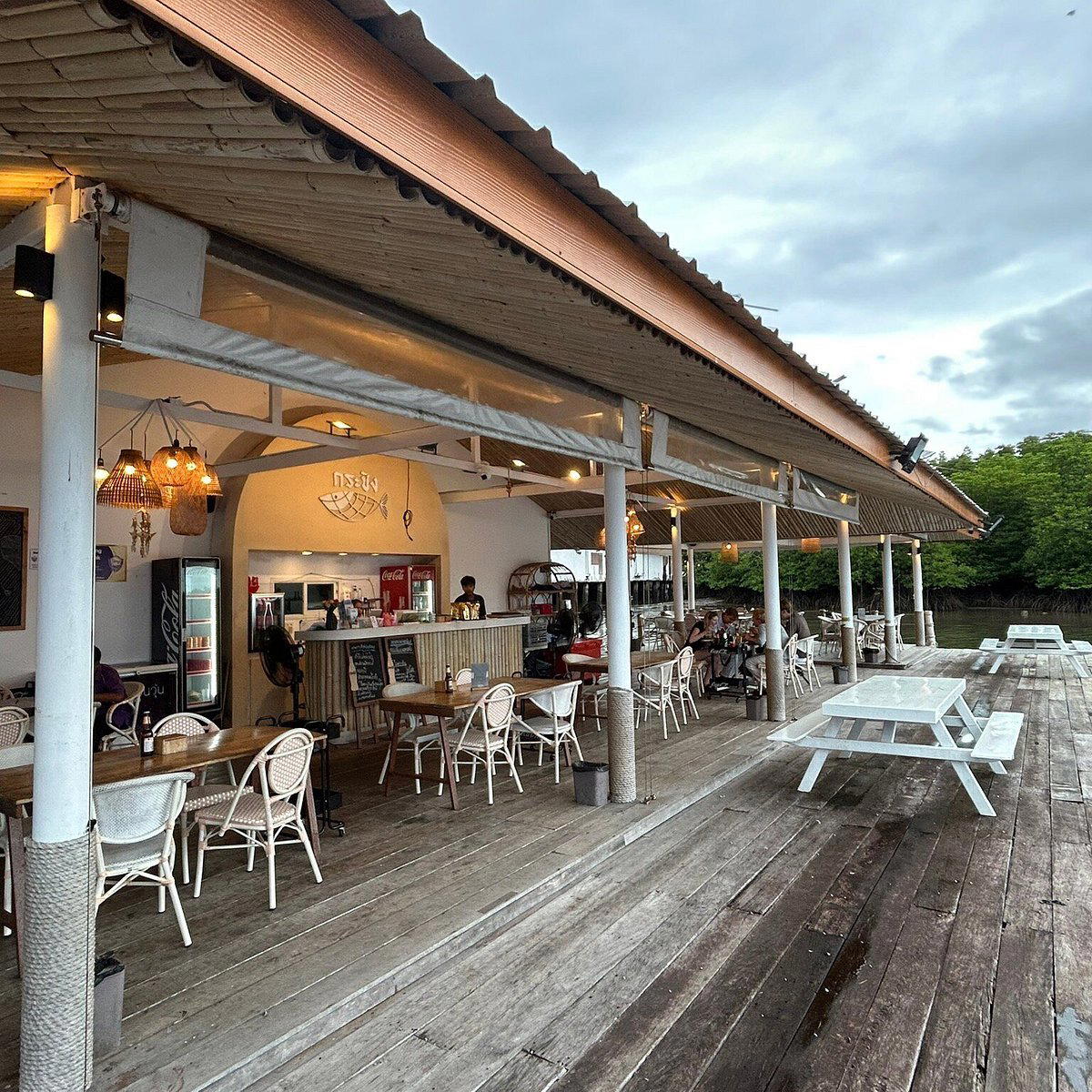
Juumpo is a restaurant in Phang Nga, serving Southern Thai Baba Cuisine in Takua Pa District. The province draws visitors for its limestone karsts and national park, and the town itself tends to be a transit point rather than a stopping place. Yet the food culture here carries a distinct regional identity shaped by the Peranakan, or Baba, communities who settled across southern Thailand's Andaman coast over centuries of Chinese maritime trade. Juumpo, at 27/76 in the Takua Pa District, is one of the more coherent expressions of that tradition: an open-air restaurant fitted with Chino-Portuguese décor that signals its cultural allegiances before a dish arrives.
The name itself frames the kitchen's reference point. It honours the owner's grandfather, known by the title 'Juumpo', the term for a cook aboard a Chinese trading vessel, who worked those routes more than 80 years ago and whose recipes form part of the menu's foundation. That kind of generational provenance is not unusual in Thai regional cooking, but it is rarely foregrounded so directly. Here, the heritage is the premise, not the backstory.
Southern Thai Cooking and the Baba Inflection
To understand what makes Baba cuisine a distinct strand within southern Thai cooking, it helps to understand what southern Thai cooking already is. The region's food is defined by heat, fermented shrimp paste, turmeric, and a preference for coconut milk used with more restraint than in central Thai curries, coconut appears as a balancing agent rather than a dominant base. Southern Thai food is also heavily seafood-oriented, shaped by dual coastlines and proximity to both the Gulf of Thailand and the Andaman Sea.
Baba cooking layers onto that foundation a set of Chinese techniques and flavour principles: sweet-sour balancing, the use of preserved and dried ingredients, and a palate that softens some of the southern Thai intensity without eliminating it. The result is a cuisine that reads as southern Thai to most visitors but carries a structural difference that becomes apparent when you place it alongside, say, the more uniformly fiery plates at the province's direct seafood spots or at Beer Hima (Chatuchak), Southern Thai in Bangkok. For a direct southern Thai comparison in a more formally presented setting, Chom Chan in Phuket offers another point of reference, though it operates in a different price tier and city context.
Michelin recognition in 2024 and 2025 places Juumpo among the province's notable dining addresses. The Michelin Plate designation, given to restaurants serving food of good quality rather than those at star level, is a relevant signal in a province where most dining is informal and guide-level recognition is sparse. For context on how Michelin-recognised Southern Thai cooking operates at the starred tier, Sorn in Bangkok holds two stars and works within related southern traditions, though at a significantly different price point and format.
The Menu's Reference Dishes
The dishes that draw greater attention at Juumpo align with what the Baba tradition does leading: nuanced soups, calibrated chilli preparations, and seafood treated with respect for texture. The coconut milk soup with shrimps and Thai herbs sits at the intersection of southern Thai and Chinese-influenced cooking, the coconut milk provides body, the herbs provide the regional southern character, and the balance between them is the point. The chilli dip with shrimp is a more direct southern Thai preparation, where fermented depth and fresh heat work together. Fried fish with sweet and sour sauce shows the Chinese register more explicitly, with that sweet-acid balance that defines much of Baba cooking's departure from the mainland Thai palate.
At ฿฿ pricing, Juumpo sits in the mid-range bracket for Phang Nga, above the street food tier represented by Anuwat and below the upper-casual bracket. For other mid-range options in the province, Tonfon Bistro and Roe Dang offer different cuisine orientations at a comparable spend. For Southern Thai at a step below in price, Krua Luang Ten provides a useful comparison. Mon rounds out the province's broader mid-range picture.
Setting and Approach
The open-air format is standard for this tier of regional Thai restaurant, where covered but unenclosed spaces manage the Andaman coast heat while allowing airflow. What distinguishes Juumpo's physical presentation is the Chino-Portuguese decorative scheme, a visual language common in Penang and Phuket Old Town, where similar Chinese-Malay-Portuguese communities settled along historic trade routes. That design choice is not incidental; it locates the restaurant within a broader maritime heritage corridor that runs down the Andaman coast and into the Malay peninsula, and it reinforces the culinary argument the kitchen is making.
The open-air setting and casual format make the restaurant accessible for families with children without any particular caveat.
Planning Your Visit
Juumpo is located at 27/76, Takua Pa District, Phang Nga 82220. Phang Nga Town sits roughly midway between Phuket and Krabi, making it a natural stop on the Andaman road route. A reservation is recommended, and the restaurant follows a casual dress code.
For Southern Thai cooking with Michelin recognition elsewhere in Thailand, AKKEE in Pak Kret and PRU in Phuket sit within the broader constellation of recognised regional restaurants. Further afield, Aeeen in Chiang Mai, Agave in Ubon Ratchathani, and The Spa in Lamai Beach illustrate the range of regionally-grounded dining available across Thailand's provinces.
Comparison Snapshot
Comparable venues nearby, for context on price, style, and recognition.
| Venue | Cuisine | Price | Awards | Notes |
|---|---|---|---|---|
| JuumpoThis venue — the venue you are viewing | Southern Thai Baba Cuisine | $$ | Michelin Plate | Not listed |
| Khanom Jeen Baan Bang Kan | Authentic Thai Khanom Jeen | $ | Michelin Plate | Thung Kha Ngok |
| Phi Sao | Southern Thai Seafood | $$ | Michelin Plate | Thai Mueang |
| Khanom Chin Pa Son | Southern Thai Khanom Chin | $ | Michelin Plate | Thai Chang, Mueang Phang-nga |
| Tonfon Bistro | Southern Thai | $$ | Bib Gourmand | Thap Put District, Bo Saen Subdistrict |
| Rock-Un | Southern Thai Small Eats | $ | Michelin Plate | Takua Pa |
Recognition history
Dated appearances from independent guides and award organizations, with the underlying list record or original source where available.
Michelin Plate
Michelin
Michelin Plate
Michelin
Michelin Plate
Michelin
Continue exploring
More in Phang Nga
Restaurants in Phang Nga
Browse all →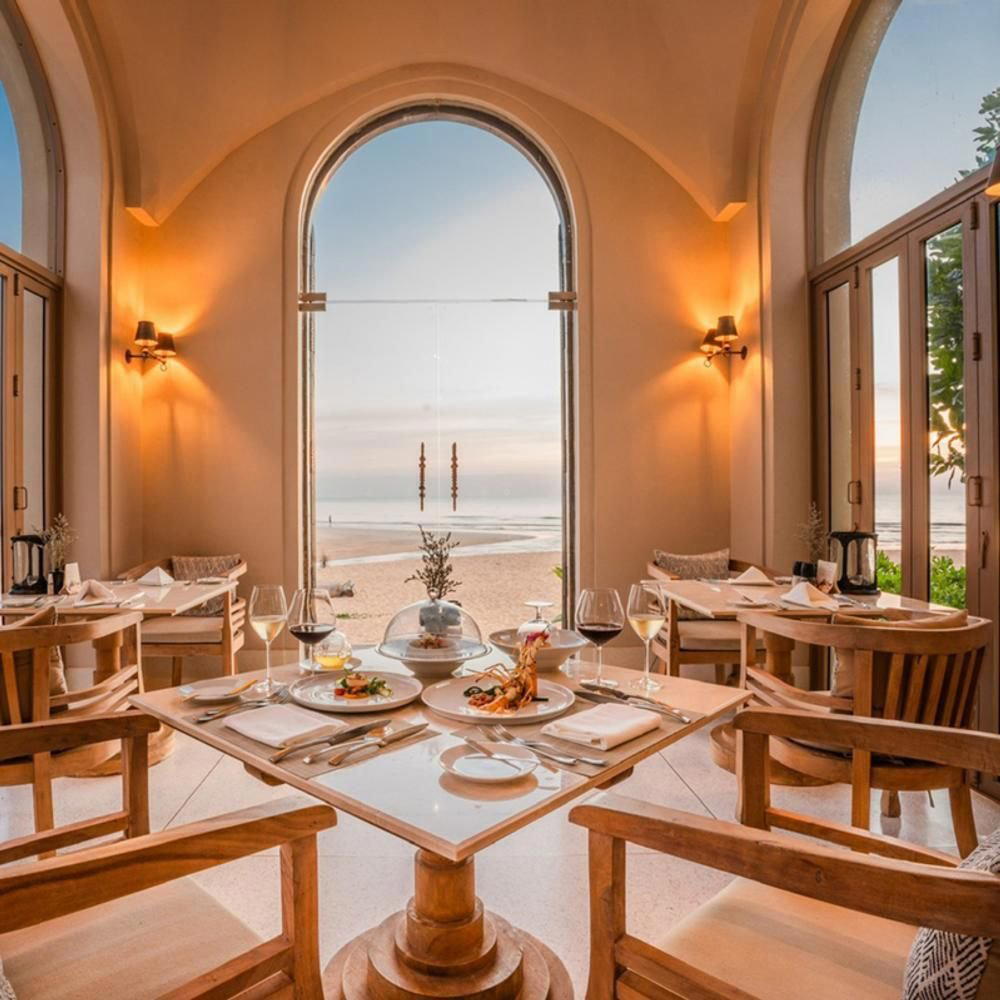
At a Glance
- Rustic
- Cozy
- Intimate
- Family
- Casual Hangout
- Open Kitchen
- Hotel Restaurant
- Local Sourcing
Current opening hours
- Monday
- 11 AM–4 PM, 6–8:30 PM
- Tuesday
- 11 AM–4 PM, 6–8:30 PM
- Wednesday
- 11 AM–4 PM, 6–8:30 PM
- Thursday
- 11 AM–4 PM, 6–8:30 PM
- Friday
- 11 AM–4 PM, 6–8:30 PM
- Saturday
- 11 AM–4 PM, 6–8:30 PM
- Sunday
- 11 AM–4 PM, 6–8:30 PM
Hours can change for holidays and private events. Last verified .
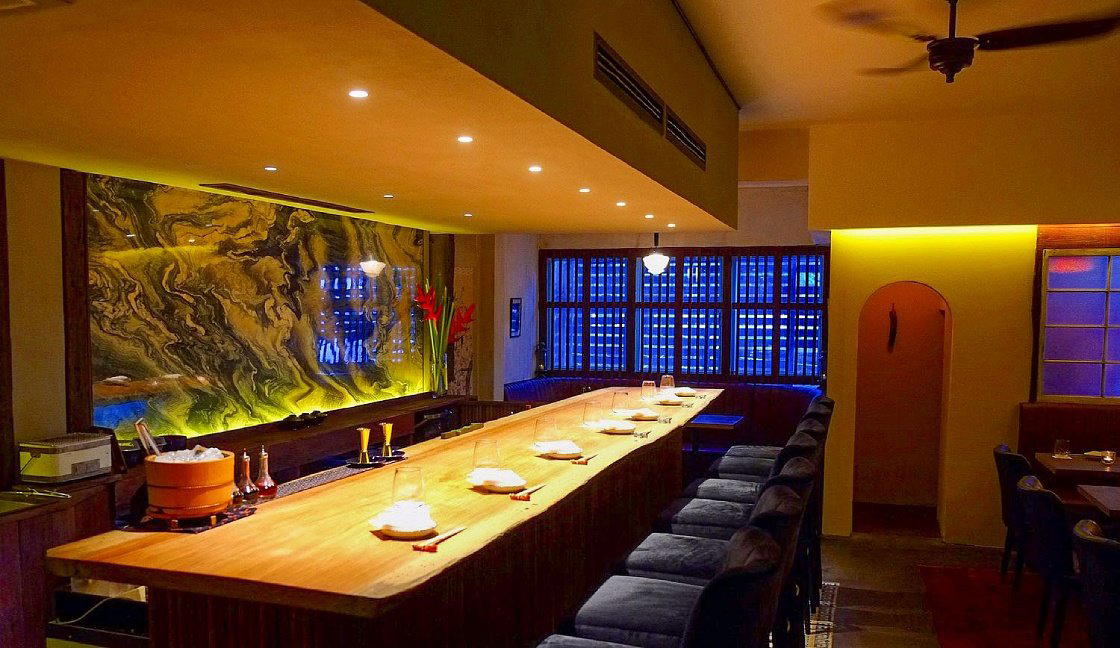
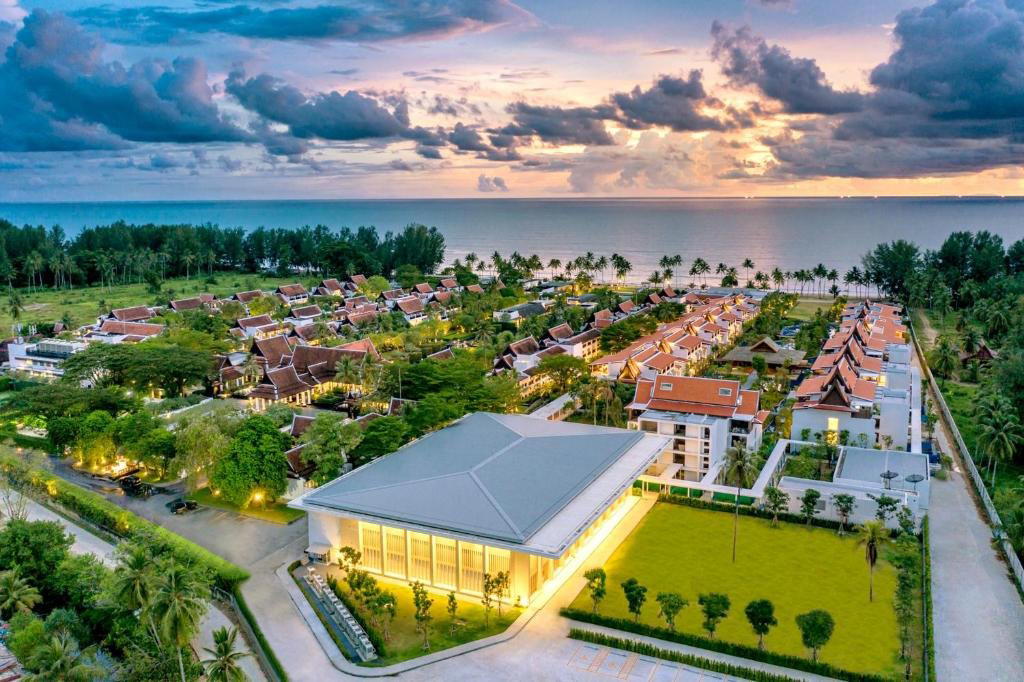
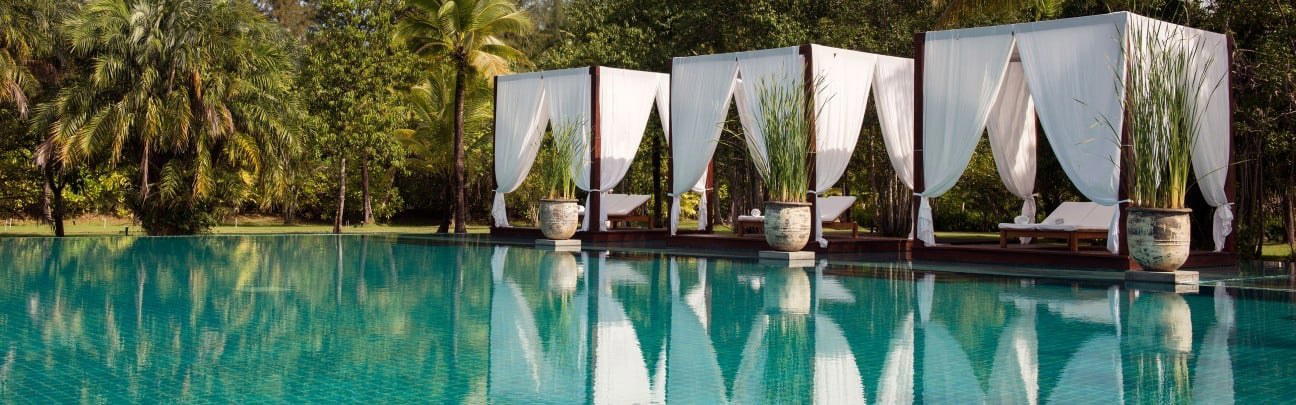
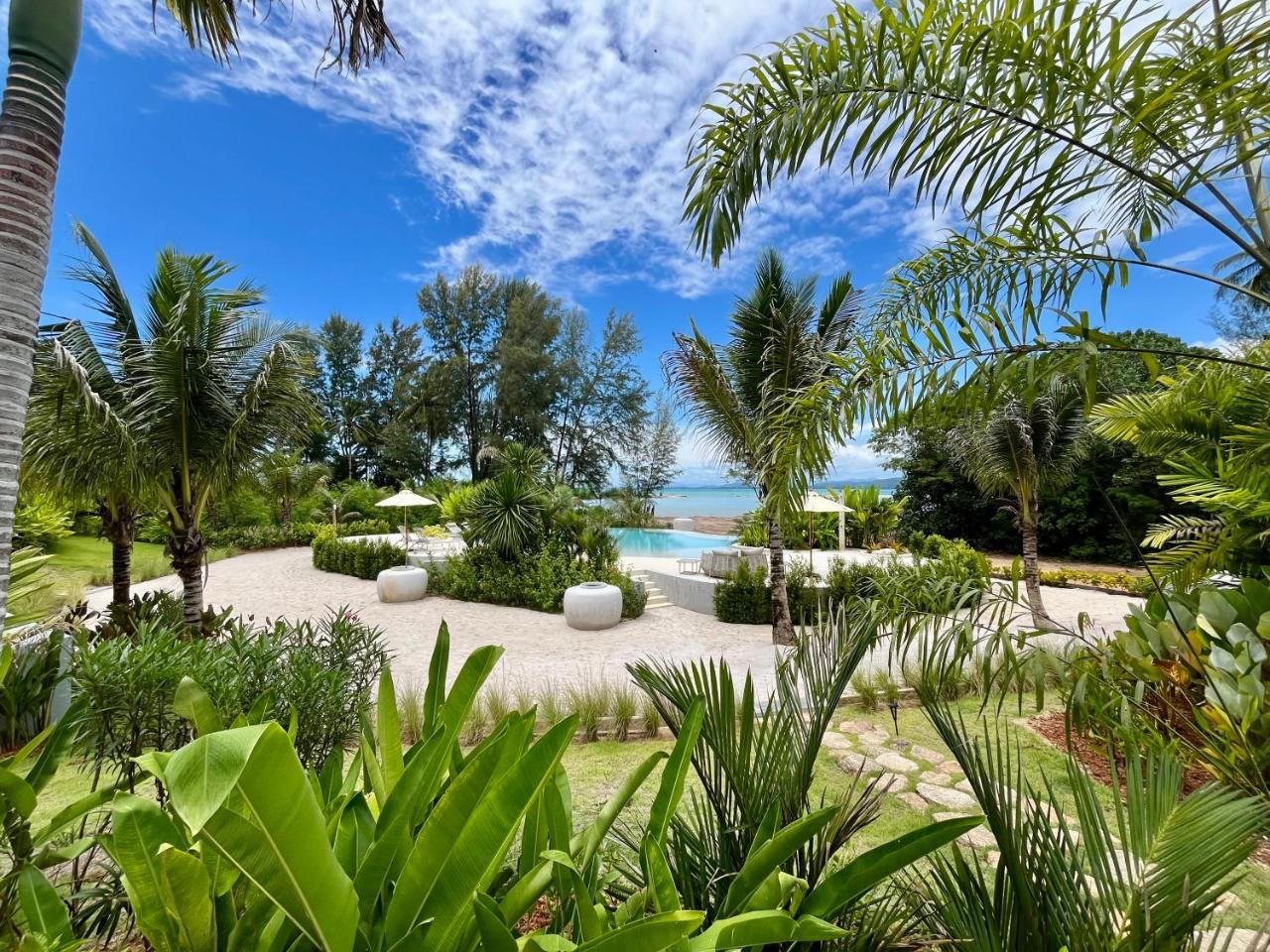
Open-air setting with Chino-Portuguese design reflecting Baba culture, creating a family mealtime atmosphere.