
On the Thai Mueang coastline in Phang-Nga province, Krachang Khao Lak takes an à la carte approach to the day's live catch, framing Southern Thai seafood through honest, ingredient-led cooking. A daily specials board drives the menu, with turmeric-marinated giant trevally and shrimp-coconut soup with melinjo leaves among the dishes that define the kitchen's priorities. The atmosphere is breezy and unhurried, in keeping with the coastal setting.
Pearl is the En Primeur Club membership app — saves, bookings, and concierge access live there. Same editors, same standards.
- Address
- 78/155 Moo.5 Lam Kaen, Thai Muaeng Phang Nga82210 Thai Mueang, Mueang Phang-nga District, Phang Nga 82210, Thailand
- Phone
- +66 95 656 0862
- Website
- openlink.co
- Directions
- Get directions
 Saves & bookings on Pearl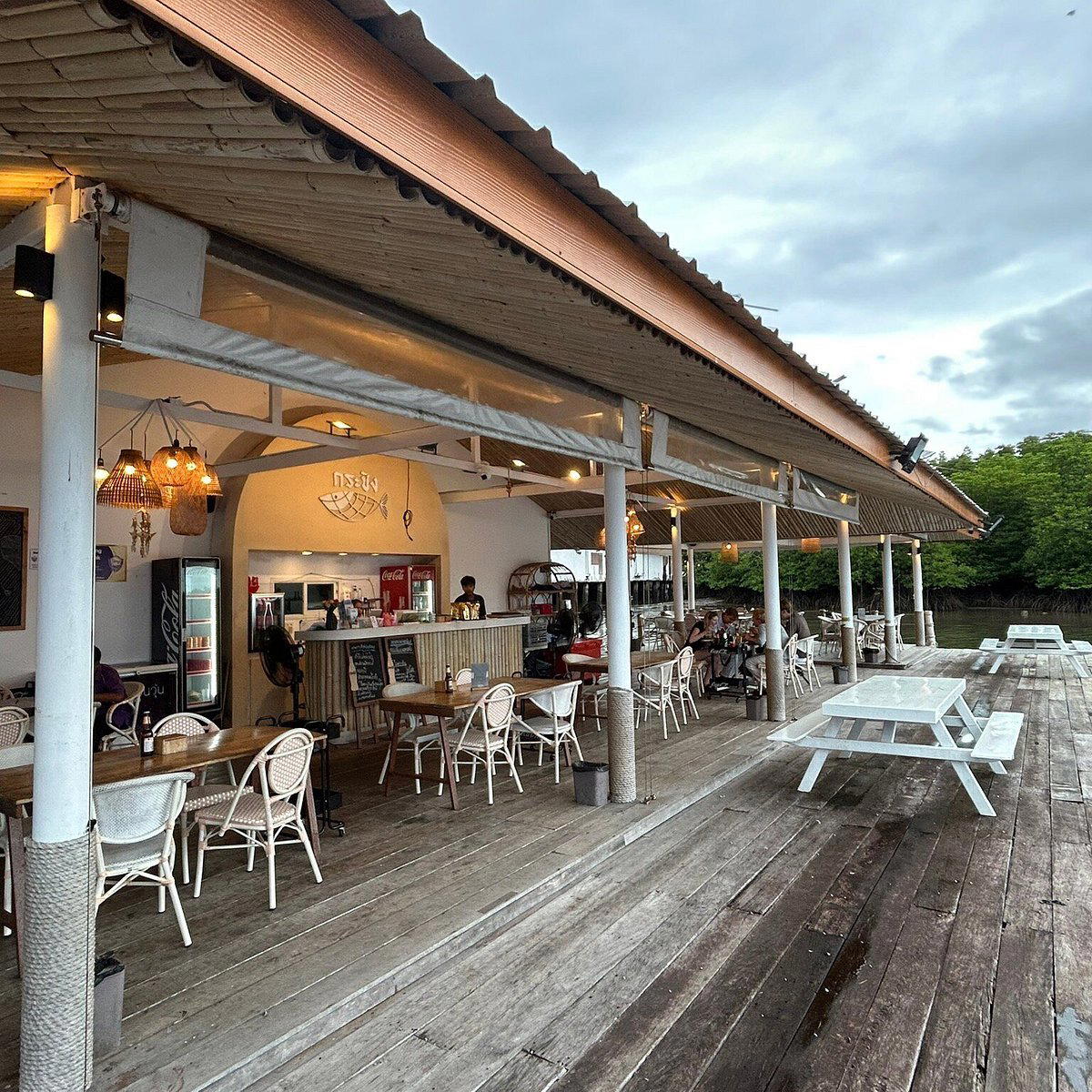
Where the Gulf Meets the Plate
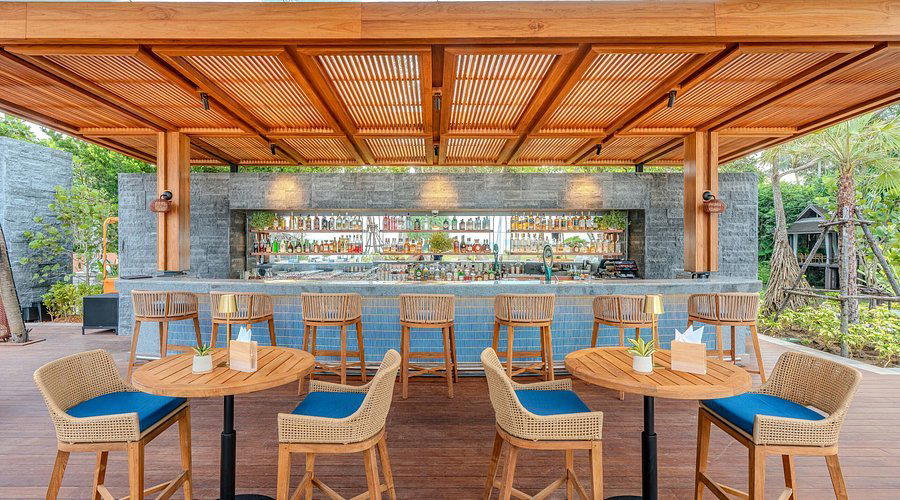
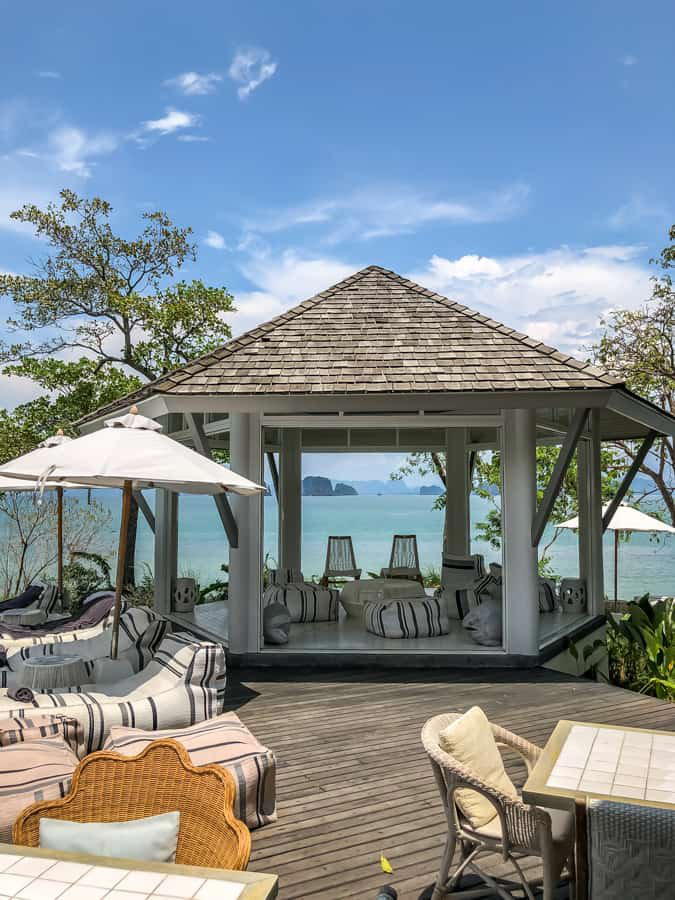
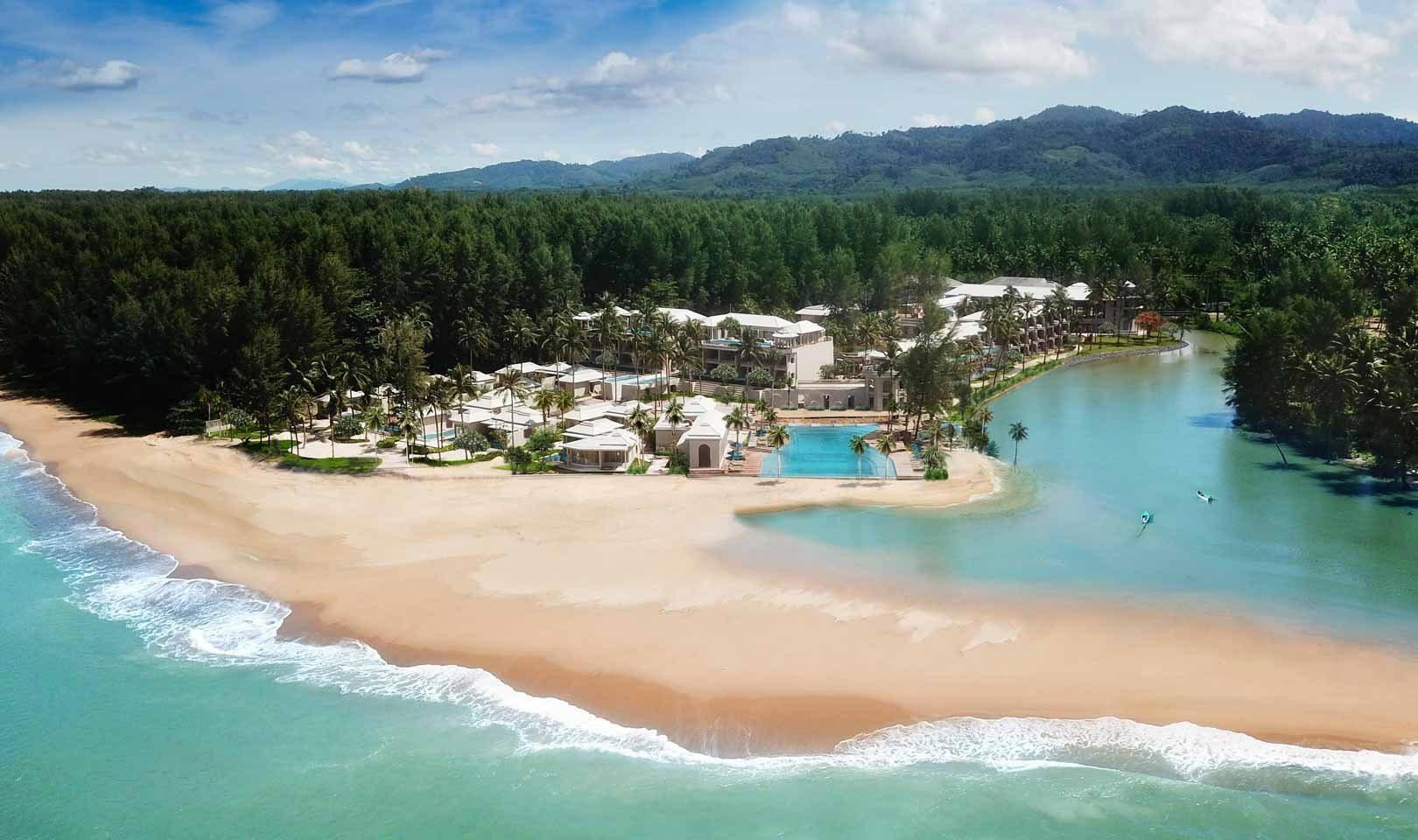
Krachang Khao Lak is a casual restaurant in Thai Mueang, Phang Nga, known for fresh Andaman seafood and a walk-in-friendly, breezy coastal setting. Along the Thai Mueang stretch of Phang-Nga province, the coastline operates on a different rhythm from the resort-heavy beaches further south. Fishing boats come in early; markets move fast; and the better seafood spots are built around what arrived that morning rather than a fixed menu printed weeks in advance. Krachang Khao Lak sits within that tradition. The setting is open-sided and breezy, with a rustic tropical character that signals the kitchen's priorities before you look at a menu: this is a place organised around proximity to the sea, not around décor or ceremony.
That atmospheric positioning matters in a province where Southern Thai coastal cooking retains a directness that more polished restaurants in Bangkok or Phuket have largely moved away from. At Krachang Khao Lak, the sourcing story is the experience itself, told through a daily specials board that reflects what the catch looked like at dawn.
The Sourcing Logic Behind the Menu
Southern Thailand's Gulf coast produces seafood of considerable range: crab, prawns, snapper, trevally, shellfish, and catch that rarely travels far from where it was landed. The kitchen here works with mostly live catch presented à la carte, a format that places the burden of quality squarely on the supply chain rather than on technique designed to compensate for produce that has sat too long. In Southern Thai coastal cooking more broadly, that live-catch approach is the baseline standard at serious seafood houses, and the restaurant operates within that framework.
What distinguishes the sourcing here is the inclusion of the giant trevally, a fish with a strong local following but limited presence on tourist-facing menus. The species is prized along the Thai coastline for its firm, flavourful flesh, and the kitchen's approach to it, a turmeric marinade before grilling, draws on the spice vocabulary of the South while letting the fish's natural character lead. Turmeric is a foundational ingredient in Southern Thai seafood preparation, appearing in everything from fish curries to dry-fried shellfish, and its use here as a marinade rather than a sauce reflects a preference for restraint: the spice seasons and colours the fish without obscuring what makes it worth eating in the first place.
The shrimp-coconut soup with melinjo leaves follows a similar logic. Melinjo, a tree whose leaves and seeds appear across Southeast Asian cooking, is more common in Indonesian and Malay traditions than in mainstream Thai restaurant menus, which makes its appearance here a quiet indicator of the kitchen's awareness of the coastal food cultures that overlap along this part of the peninsula. Coconut milk and fresh shrimp are routine; melinjo leaves as an aromatic component are not, and that specificity points to a kitchen drawing from local botanical knowledge rather than from a generic Southern Thai template.
This kind of ingredient-led specificity is what separates regional Thai cooking from its metropolitan interpretations. At Sorn in Bangkok, Southern Thai cuisine is re-examined through a fine-dining framework. At the restaurant, the same regional tradition operates without that formal apparatus, closer to the source and without the mediation of a tasting menu format. Neither approach is more authentic than the other, but they answer different questions about what Southern Thai food can be.
Format and Atmosphere
The à la carte structure here is deliberate in what it enables: you can eat around the specials board, ordering what arrived that day and adjusting based on what looks right rather than committing to a pre-set sequence. That format suits the relaxed, open-sided environment, where the meal is shaped by appetite and availability rather than a fixed progression. The service is warm and honest, consistent with the character of the setting rather than formally trained hospitality.
This informal register is a feature of coastal Phang-Nga dining that distinguishes it from the hotel-restaurant tier that dominates visitor dining in adjacent Khao Lak. The province's coastal villages have a working seafood culture that predates the tourism infrastructure, and restaurants that draw directly from it tend to operate with a straightforwardness that resort dining cannot replicate. Anuwat in Phang Nga sits within a similar frame, and together these spots represent a dining tier in the province that rewards visitors who move beyond the main resort strip.
For context on how Phang-Nga's restaurant scene fits within broader Thai regional dining, operations like AKKEE in Pak Kret and Aeeen in Chiang Mai show how Thailand's most compelling regional food often happens at a remove from fine-dining infrastructure, in spaces where the cooking is accountable to local ingredients rather than to international benchmarks. The same principle applies along the Phang-Nga coast.
Planning Your Visit
The restaurant is located at 78/155 Moo.5, Lam Kaen, Thai Mueang, in Phang-Nga province. The Thai Mueang district sits between Khao Lak to the north and Phang-Nga town to the south, accessible by road from either direction. Given the daily-catch format, arriving earlier in the evening rather than late gives the leading access to the specials board before key items sell through. Visiting directly is the practical approach. Dress is casual, consistent with a breezy coastal setting that has no formal code.
Comparable Spots, Quickly
Comparable venues nearby, for context on price, style, and recognition.
| Venue | Cuisine | Price | Awards | Notes |
|---|---|---|---|---|
| Krachang Khao LakThis venue — the venue you are viewing | Fresh Andaman Seafood | $$ | Bib Gourmand | Not listed |
| Baan Rearn Mai | Thai Seafood | $$ | Michelin Plate | Khok Kloi, Takua Thung |
| Pitak | Authentic Southern Thai | $$ | Michelin Plate | Thai Chang, Mueang Phang-nga |
| Bang Dean | Thai-Muslim Street Food | $ | Michelin Plate | Takua Pa |
| Khanom Chin Pa Son | Southern Thai Khanom Chin | $ | Michelin Plate | Thai Chang, Mueang Phang-nga |
| Hok Kee Lao | Thai-Chinese with Southern Thai influences | $$ | Bib Gourmand | Takua Pa |
Recognition history
Dated appearances from independent guides and award organizations, with the underlying list record or original source where available.
Michelin Bib Gourmand
Michelin
Continue exploring
More in Phang Nga
Restaurants in Phang Nga
Browse all →
Bars in Phang Nga
Browse all →

At a Glance
- Scenic
- Rustic
- Relaxed
- Date Night
- Family
- Group Dining
- Casual Hangout
- Waterfront
- Open Kitchen
- Terrace
- Beer Program
- Local Sourcing
- Sustainable Seafood
- Waterfront
Current opening hours
- Monday
- 12–8 PM
- Tuesday
- 12–8 PM
- Wednesday
- 12–8 PM
- Thursday
- 12–8 PM
- Friday
- 12–8 PM
- Saturday
- 12–8 PM
- Sunday
- 12–8 PM
Hours can change for holidays and private events. Last verified .
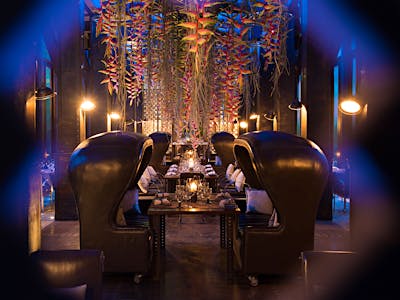
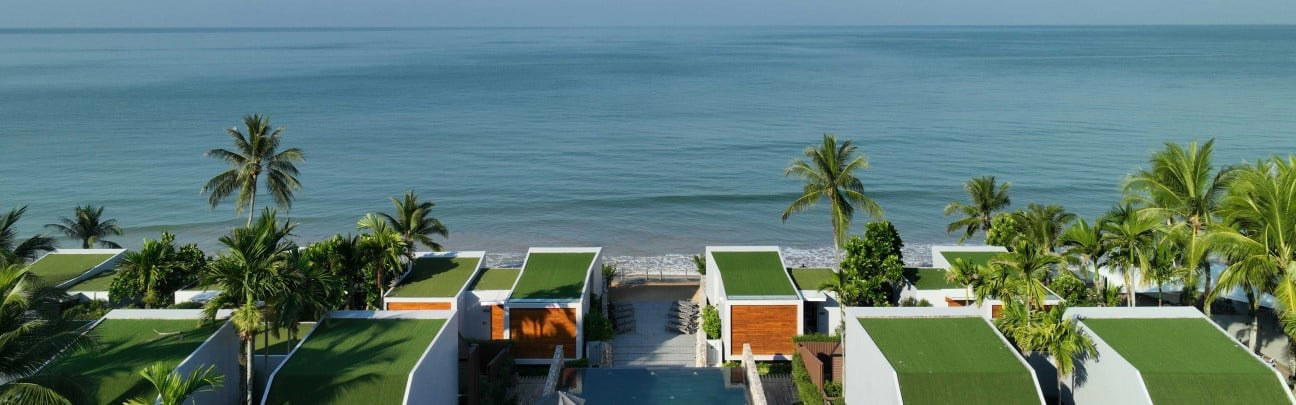
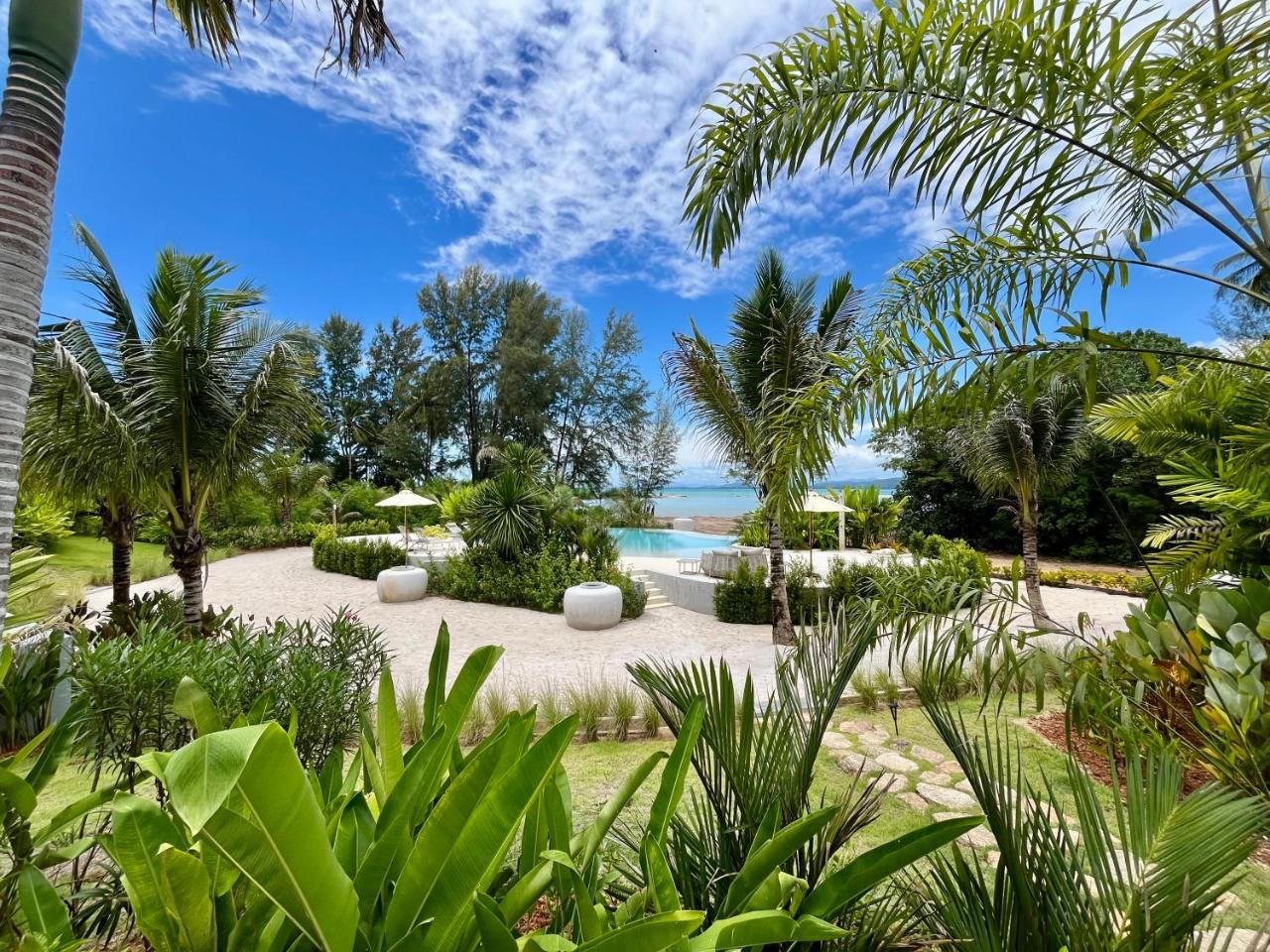
Open-air rustic pier setting with modest functional lighting emphasizing bay views and natural surroundings; warm sea breeze and mangrove fringe create relaxed seaside atmosphere.